
REVIEW · WINE CELLAR VISITS
Abruzzo: Historic Cellar Wine Tour and Tasting
Abruzzo pours its story by the glass. At Cantina Mazzarosa Devincenzi, I like the mix of old cellar traditions and newer ideas about sustainable wine quality, along with a generous tasting of wine, olive oil, cheeses, cold cuts and local sweets. The small group, limited to 10 people, also gives the guide room to explain what you are drinking instead of simply passing glasses down a table.
I also like the focus on local character. You see vineyards and olive groves, learn about winemaking methods, and finish with Abruzzo Cantuccini paired with Vino Cotto, a sweet wine closely tied to the region. The main point to keep in mind is that the advertised tasting includes five wines, while one recent account described tasting four, so the exact lineup may vary.
Key points at a glance
- A winery dating to 1863: This is presented as the most historic winery in Abruzzo, giving the visit a strong sense of place.
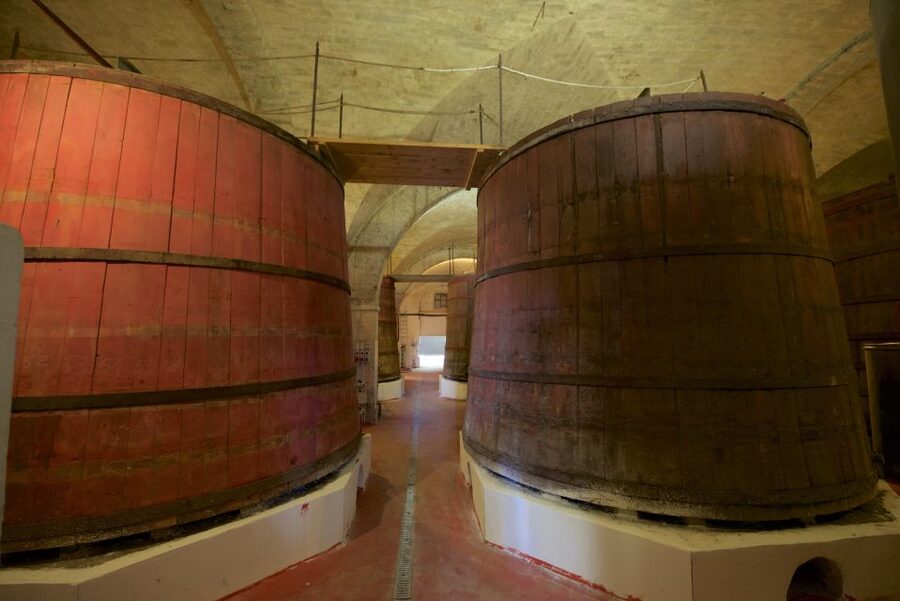
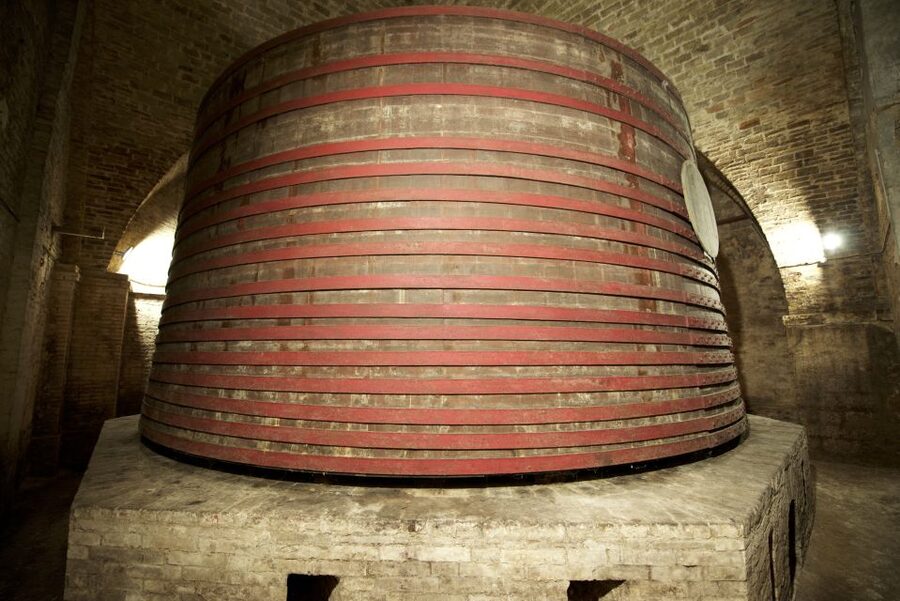
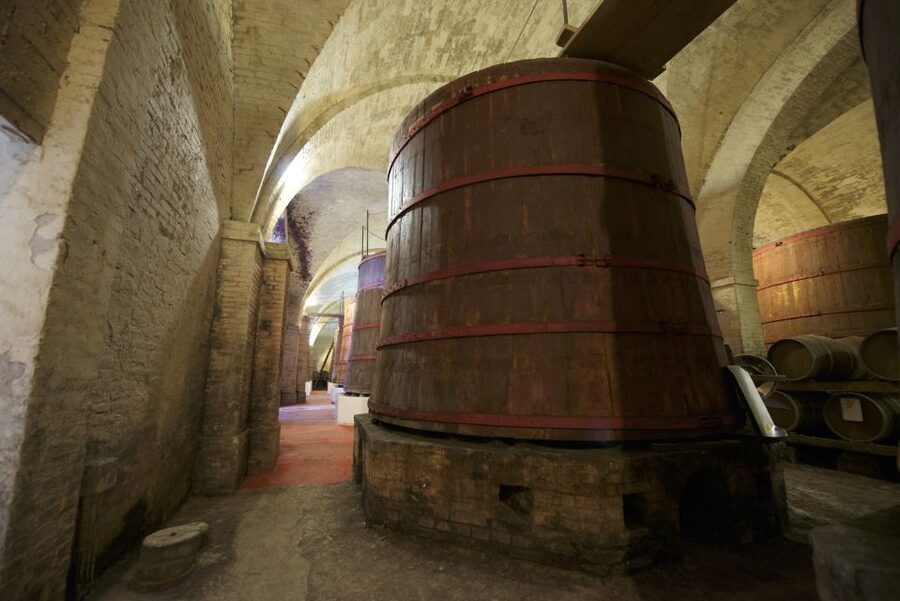
- Europe’s largest barrel: The cellar visit includes a look at what is described as the largest barrel in Europe.
- Five regional wines: The tasting is designed to show Abruzzo’s wine traditions, with attention to new methods and sustainable quality.
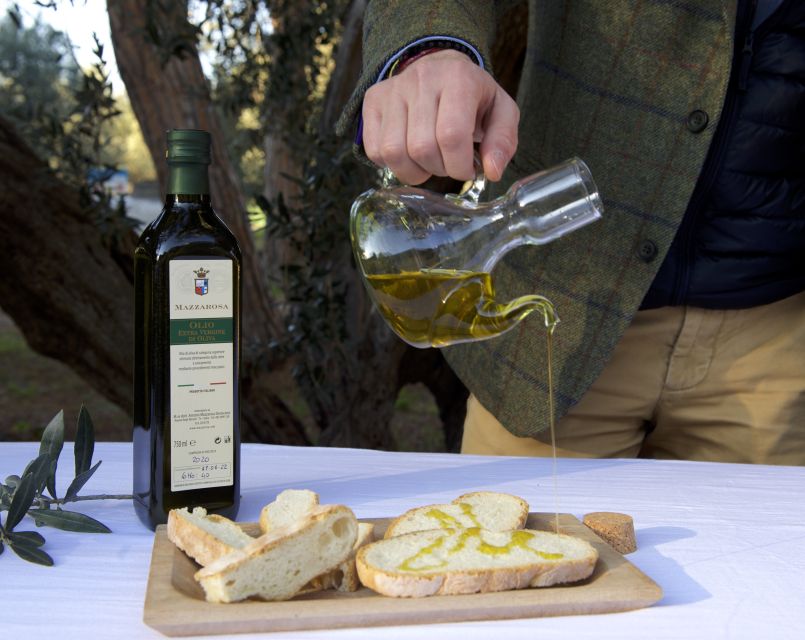
- Food beyond a few crackers: Bruschetta with olive oil, local cold cuts, cheeses and Abruzzo Cantuccini accompany the wines.
- A personable guide: Sofia receives especially warm praise for her clear explanations, friendly manner and command of the tasting.
- Short and easy to fit in: The full experience lasts 1.5 hours and costs $41 per person.
Why Cantina Mazzarosa makes a good Abruzzo stop
Abruzzo can be overlooked by visitors racing between Rome and Italy’s better-known wine regions. That is part of the appeal here. The tasting puts you in contact with a regional producer rather than offering a generic wine bar session.
Cantina Mazzarosa Devincenzi traces its story to 1863. That date matters because the visit is not just about sampling bottles. The winery’s age gives the guide something real to discuss: how wine was made in earlier generations, how cellar work has changed, and how a long-running producer can still make room for new ideas.
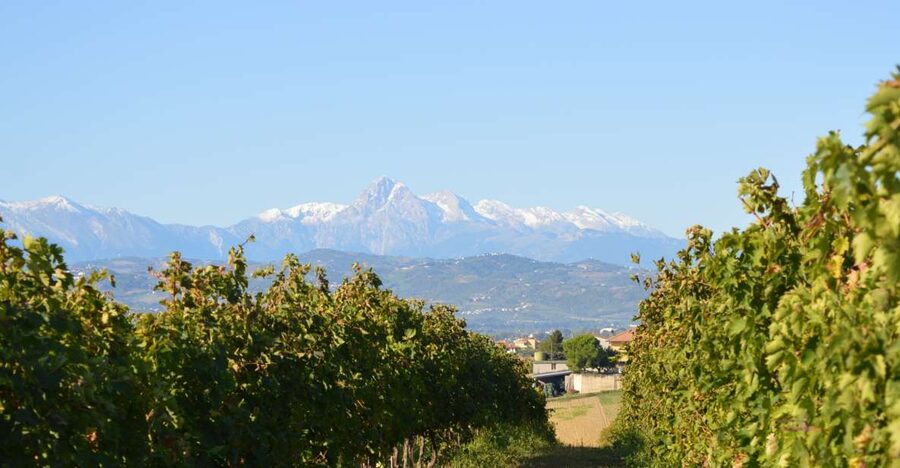
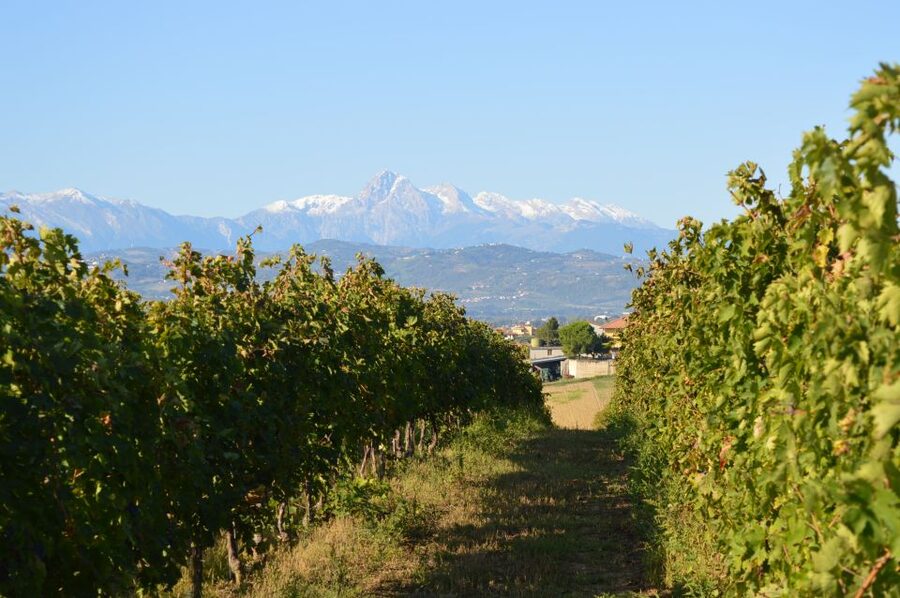
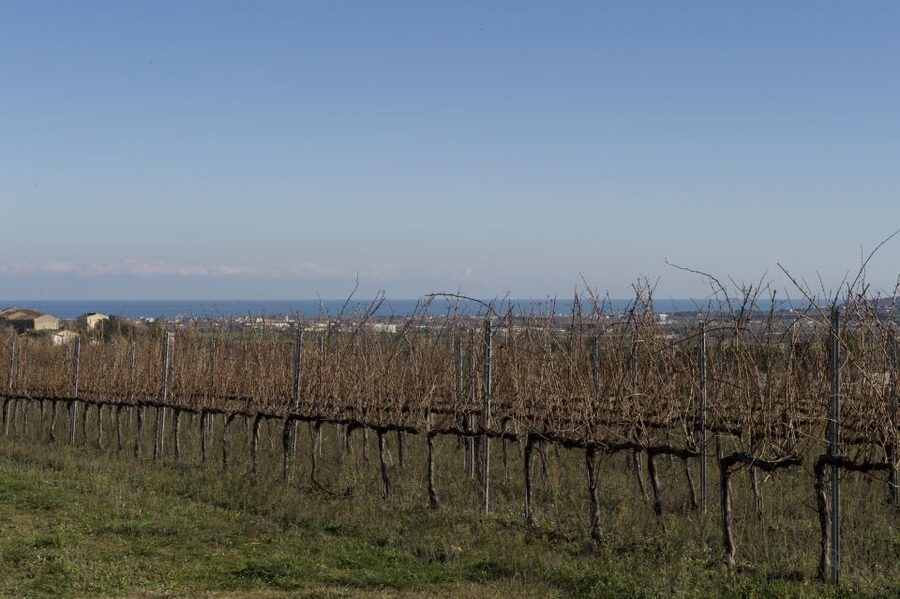
I like that the experience begins with the vineyards and olive groves. You get a short introduction to the setting before heading below ground. That order makes sense. It gives you the basic ingredients first, then shows how grapes become wine and how olive trees fit into the local food culture.
The visit is not built around grand scenery or a long meal. It is a compact look at production, followed by a proper tasting. If you want a full-day vineyard excursion with several estates, this is too brief. If you want a practical introduction to Abruzzo wine during a busy itinerary, 90 minutes is a useful length.
More Wine Cellar Visits in Italy:
- Milan Urban Winery: Taste & Tour at Cantina Urbana
★ 4.7 · 683 reviews - Montepulciano: Wine Tasting and Cellar Tour
★ 4.8 · 545 reviews - Riomaggiore: Vineyard & Wine Cellar Tour with Wine Tasting
★ 4.7 · 100 reviews
Starting among vineyards and olive groves
The experience begins at Cantina Mazzarosa Devincenzi with a short overview of the vineyards and olive groves. Your guide also introduces the winery’s background before taking you into the cellar.
This opening helps you understand that the tasting is about more than wine alone. Olive oil is part of the program, and the later food pairings connect the drinks to everyday Abruzzo cooking. You are not simply tasting isolated products. You are sampling a small set of things produced and eaten in the region.
The introduction is also where the guide can set up the difference between tradition and current production. The wines are meant to represent Abruzzo while keeping an eye on innovation and sustainable quality. Those are broad ideas, so the value depends on how well the guide explains them. The strongest comments about Sofia suggest that the human side of this tour is one of its real assets.
If you are interested in agriculture, the vineyard and olive grove introduction should give you useful context. If you mainly want to drink wine, it is short enough not to delay the tasting for long.
Inside the cellar, where old methods still matter
After the introduction, you head down to the cellar to learn about vinification. That word covers the process of turning grapes into wine, and the cellar portion gives the tasting a physical setting. Instead of hearing only that a wine is traditional, you can connect the explanation to the equipment and storage space around you.
The most unusual feature is the barrel described as the largest in Europe. It is the kind of detail that gives the tour a memorable center. You may not remember every technical point about fermentation, but you are likely to remember standing beside a barrel on that scale.
The cellar visit also gives your guide a chance to explain traditional methods. This is valuable for first-time wine visitors because you do not need a technical background to follow along. You can ask simple questions about how the wine is made, how long it rests, or why different production choices affect the finished bottle.
The format remains fairly focused. At 1.5 hours, the tour is not intended as a long cellar lecture. You get a guided introduction rather than an advanced course in winemaking. That makes it suitable for couples, small groups and anyone who wants substance without giving up half a day.
Five wines, with one small point to clarify
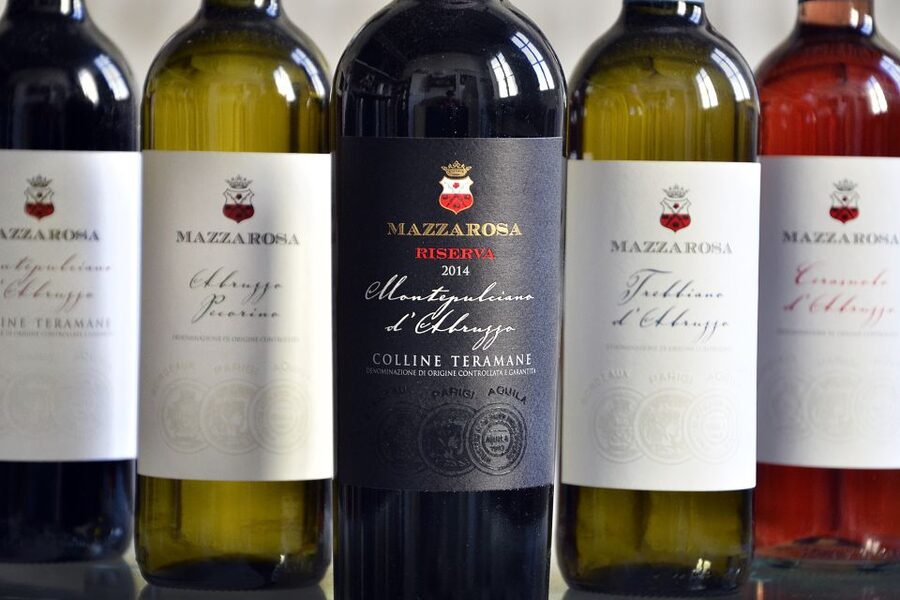
The main tasting features five wines representing Abruzzo’s wine tradition. The selection is also meant to show that the winery is not stuck in the past. Traditional regional identity is paired with attention to innovation and sustainable quality.
For you, the best way to approach the tasting is to treat it as a progression through the winery’s style. Pay attention to how the wines differ in color, body, sweetness and food pairing. Even if you know little about wine, the guide can help you compare rather than judge each glass in isolation.
There is one practical inconsistency worth noting. The experience description promises five wines, but a recent participant from Germany described tasting four. That may reflect a changing lineup, a slightly different format, or a simple difference in how the pours were counted. I would not treat it as a serious problem, but if the exact number matters to you, ask the guide at the start.
The quality of the tasting appears to be one of the strongest points. Several comments praise the wines, and one Italian participant specifically described them as excellent. The positive response also extends to the olive oil, with one visitor calling it outstanding. That makes this a good choice if you want to explore more than the usual grape varieties and tasting notes.
More History Tours in Italy:
- Lake Garda: Historic Castle Cruise with Wine Tasting
★ 4.5 · 241 reviews - Marsala: Historic winery tour with wine tasting
★ 4.8 · 112 reviews - Lazise: Historical Center Wine Tasting Tour
★ 4.9 · 110 reviews - Montepulciano: Historical Cellars Guided Tour & Wine Tasting
★ 4.4 · 83 reviews
Olive oil, bruschetta and a proper Abruzzo aperitif
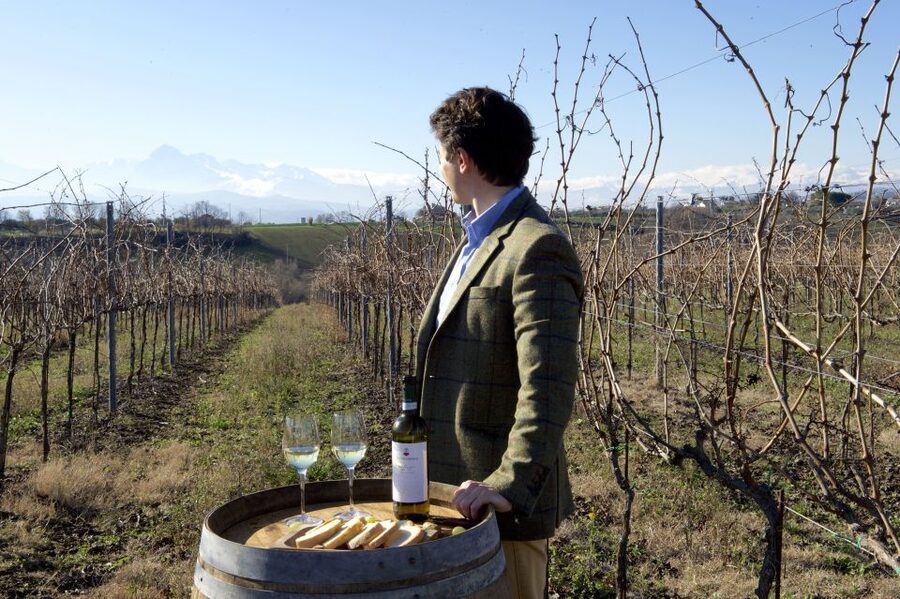
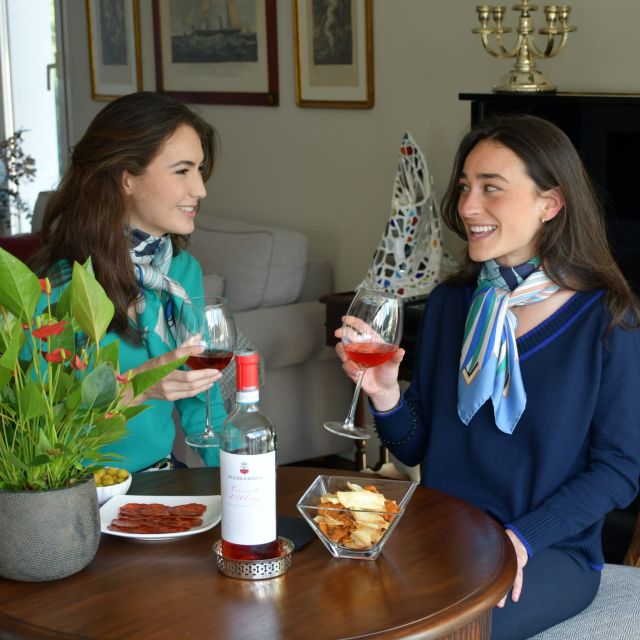
The food is an important part of the value. The tasting includes bruschetta with olive oil, followed by local cold cuts and cheeses. This turns the stop into an aperitif rather than a series of empty-stomach samples.
I especially like the inclusion of olive oil at the beginning. Bruschetta gives you a direct way to taste it, rather than treating oil as a background ingredient. You can also see how wine and food work together, which is often more useful than listening to a long explanation about acidity or tannins.
The cold cuts and cheeses provide a more substantial middle course. They help balance the wine and make the $41 price easier to justify, especially if you value a guided regional tasting rather than buying a single glass at a bar. The food is described as typical Abruzzo fare, so this is a chance to connect the bottles with local products.
Do not expect a full lunch. The food is an aperitif and tasting accompaniment, not a replacement for a restaurant meal. If you arrive hungry, you may still want to plan another meal afterward. For most people, though, the combination should make the short visit feel complete.
Ending with Cantuccini and Vino Cotto
The final pairing brings out a sweeter side of Abruzzo. You finish with Abruzzo Cantuccini and Vino Cotto, described as one of the region’s most representative sweet wines.
This is a smart ending because it changes the rhythm of the tasting. After dry wines, oil, meats and cheeses, the sweet pairing gives you a clear final note. Cantuccini are made for pairing with a drink, and the firm biscuit works naturally with a sweet wine.
Vino Cotto may be the most distinctive part of the final course for visitors who have not encountered it before. The experience positions it as a regional specialty, so the guide can explain how it fits into Abruzzo’s food and wine traditions. I would pay attention here, since the last pairing may be the item you are least likely to find in an ordinary wine tasting.
Again, this is not a large dessert course. Think of it as a small closing taste that completes the sequence.
The guide can shape the whole experience
The tour is available in Italian and English, and the group is limited to 10 people. That is a useful size for a cellar visit. You are less likely to feel lost in a crowd, and there should be more room for questions than in a bus tour with dozens of people.
Sofia is the guide most strongly associated with the experience. She receives praise for being competent, friendly and able to make visitors feel comfortable. One participant said she made the visit more rewarding through her knowledge of wine and pleasant way of leading the group. Another said she guided the cellar visit and tasting excellently.
Those comments point to an important truth about wine tours: the bottles matter, but the explanation matters too. A good guide helps you notice why an oil tastes different, how the cellar works and what makes Vino Cotto special. Sofia’s warm style appears to be a major reason the experience earns such strong feedback.
The guide’s language ability is also practical. If you do not speak Italian, the English option lets you follow the history, production explanation and tasting notes. Since the tour is short, clear communication is especially important. There is not much spare time for confusion.
Is $41 a fair price?
At $41 per person, I consider this a fair price for the package. You receive a guided winery tour, a cellar visit, wine and olive oil tastings, five advertised wines, regional food and a dessert pairing. The group size is capped at 10, which adds value compared with a crowded tasting room.
The price makes the most sense if you are interested in both wine and food. Someone who only wants a quick glass may find it expensive. Someone who wants a regional introduction, several pours and enough food for an aperitif is getting a fuller experience.
The 1.5-hour duration also improves the value for itinerary planning. You can fit it between other activities without surrendering an entire morning or afternoon. At the same time, you should not expect a long meal, a broad estate tour or a full lesson in every Abruzzo grape.
The tour offers free cancellation up to 24 hours before the start, and you can reserve now and pay later. Those terms are useful if your schedule in Abruzzo is still shifting. Check the available starting times when booking, since the duration alone does not tell you when the visit runs.
Who should book this cellar tour?
I would recommend it to you if you want a friendly, short introduction to Abruzzo wine and local food. It suits first-time wine tasters because the guide explains the production process, and it also works for more experienced drinkers who want to sample a regional lineup in the place where it is made.
Food-focused visitors should enjoy the oil, bruschetta, cold cuts, cheeses and Cantuccini. History-minded visitors will appreciate the winery’s 1863 origins and the traditional cellar methods. Couples and small groups should benefit from the 10-person limit.
I would hesitate if you are looking for a long vineyard walk, a full meal or an extensive comparison of several wineries. This is one producer, one cellar and a compact tasting. The appeal lies in the concentration, not the scale.
Final verdict: A compact, tasty introduction to Abruzzo
You should book this tour if you want an easy way to connect Abruzzo’s wine with its olive oil, cured meats, cheeses and sweets. The historic cellar, huge barrel and regional Vino Cotto give it more character than a standard tasting counter.
The one detail I would confirm is the number of wines served, since the advertised five and one recent account of four do not match. Otherwise, the package is clear: 1.5 hours, a small group, English or Italian guidance, plenty of tasting food and a price that makes sense for a guided regional experience.
For me, the strongest reason to choose Cantina Mazzarosa is the balance. You get history without a long lecture, food without a full lunch, and wine instruction without needing to become a serious enthusiast. If Sofia is leading your visit, expect a warm and capable guide who can make the cellar and tasting feel personal.
FAQ
Where does the wine tour begin?
The tour begins at Cantina Mazzarosa Devincenzi in Abruzzo, Italy.
How long does the experience last?
The experience lasts 1.5 hours.
How many wines are included?
The experience description includes five wines representing the Abruzzo tradition. One recent participant described tasting four wines, so the exact number may vary.
Is food included with the tasting?
Yes. The tasting includes bruschetta with olive oil, local cold cuts, cheeses and Abruzzo Cantuccini paired with Vino Cotto.
What languages are available?
The live guide is available in Italian and English.
Can I cancel the booking?
Yes. You can cancel up to 24 hours in advance for a full refund. You can also reserve now and pay later.
Newly added around Italy
- Etna trekking and wine tasting★ 5.0 · 28 reviews
- Etna Tour and Lunch in a Winery with Wine Tasting★ 5.0 · 97 reviews
- Cooking Class and Wine Pairing in Capri★ 5.0 · 57 reviews
- WINE TOUR with sommelier in a winery near Cagliari★ 5.0 · 27 reviews
- Cagliari 3 Hours Luxury Motorboat Tour – Wine and Snorkeling★ 5.0 · 118 reviews
- Cagliari Boat Tour by Maxi Rib – Wine and Snorkeling★ 5.0 · 128 reviews
- Small-Group Food and Wine Tour from Cagliari★ 5.0 · 237 reviews
- Wine Experience: vineyard, wines and food★ 5.0 · 155 reviews
Wine Cellar Visits, compared.
Bridges Cruise & Sunset & Port Wine Cellar Option
Read our review →
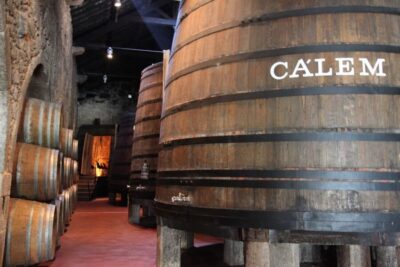
Cálem Cellar Tour, Interactive Museum & Wine Tasting
Read our review →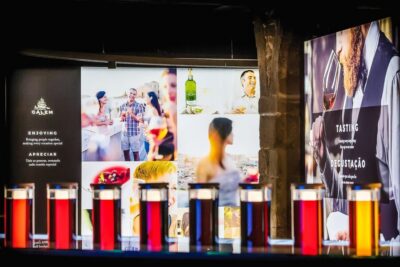
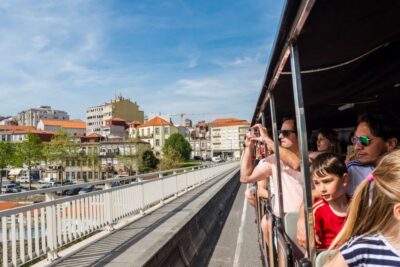
Hop-on Hop-off Bus with Optional Cruise & Wine Cellar
Read our review →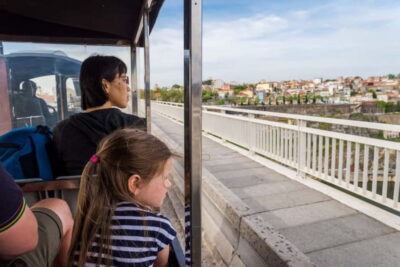
Magic Train Tour and Port Wine Cellar with Tastings
Read our review →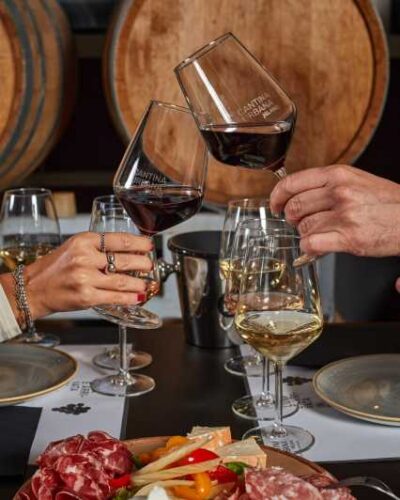
Milan Urban Winery: Taste & Tour at Cantina Urbana
Read our review →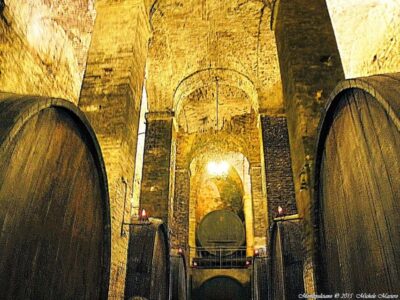
Browse the lists this tour appears in