
REVIEW · WINE CELLAR VISITS
Milan Urban Winery: Taste & Tour at Cantina Urbana
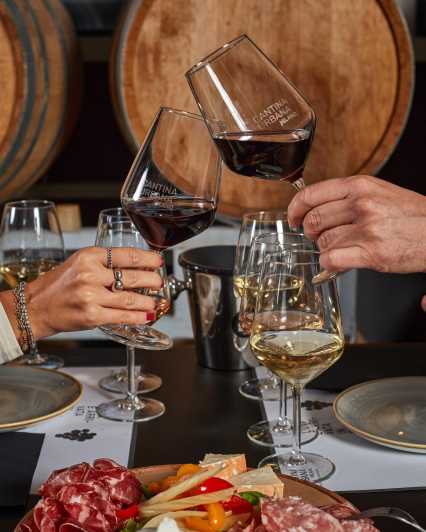
Milan makes wine where you least expect it. At Cantina Urbana on Via Ascanio Sforza, wine is made inside the city rather than in a rural vineyard, and that odd-sounding idea is the main attraction. I like the urban winery concept and the chance to taste six wines made on site, alongside local meats and cheeses. The main drawback is simple: the winery is farther from central Milan than you might expect, so allow extra time to reach it.
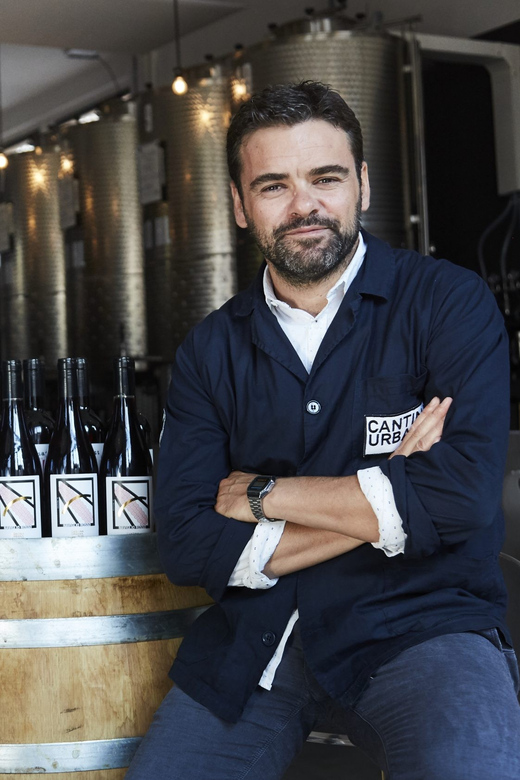
I also like the friendly, practical guides, including Andrea, Irene, Francesco, Nello, and May, who explain the process without turning the visit into a lecture. The 90-minute format keeps things moving, but it also means this is an introduction rather than a long technical wine course. If you want a full meal, you will need to order extra food from the wine bar menu.
Key points before you book
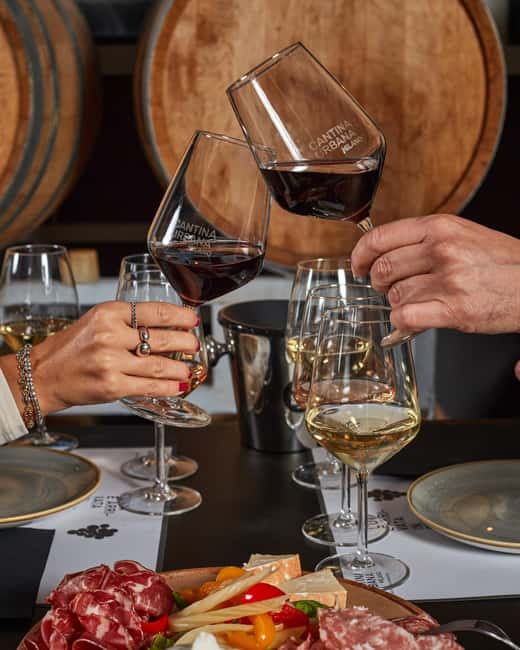
- Six wines make the longer tasting worth considering: You can compare very different styles, including white, rosé, orange, and red wines.
- The winery is genuinely inside Milan: Wooden barrels, terracotta amphorae, and stainless steel tanks create an unusual city setting.
- Local food comes with the tasting: Expect a charcuterie plate with typical products, including meat and cheese selections.
- The guides make the experience personal: Andrea, Irene, Francesco, Nello, and other hosts have been praised for clear English and lively explanations.
- The tour lasts about 90 minutes: That is enough time for a concise introduction, six pours, and food, but not a full winery-day experience.
- Vegetarian requests are possible: One diner received a vegetarian charcuterie board, though the vegetarian selection may be less substantial.
Why Cantina Urbana is unusual in Milan
Milan is better known for fashion, design, aperitivo, and grand architecture than for vineyards. Cantina Urbana changes that picture by bringing wine production into the city.
The project is unusual because the wine is produced in an urban setting, not simply served in a city tasting room. You see the working side of the business, with wooden barrels, terracotta amphorae, and stainless steel tanks arranged inside a compact but atmospheric winery.
That setting gives the tour its character. The winery is described as small, so do not expect acres of vines or a grand country estate. You are seeing the production area itself, with city life continuing beyond the doors. For me, that makes the visit more interesting than a standard bar tasting. The point is not to pretend Milan is Tuscany. The point is to show how wine can be made in a modern city.
Cantina Urbana says its wines are artisanal and certified organic. The stated aim is to keep the wine pure and respect nature. You will hear about those choices during the tour, along with the different tools and methods used to make the wines.
More Winery Tours in Italy
- Tuscany Day Trip from Florence: Siena, San Gimignano, Pisa and Lunch at a Winery
★ 5.0 · 21,634 reviews - Florence: Chianti Wineries Tour with Wine Tasting
★ 4.5 · 10,071 reviews - From Florence: Siena, San Gimignano, Pisa & Lunch at Winery
★ 4.8 · 4,538 reviews
Starting on Via Ascanio Sforza
The experience begins and ends at Cantina Urbana on Via Ascanio Sforza, 87, although the exact meeting details can depend on the option booked. The practical issue is location. One person specifically noted that the winery was farther from central Milan than expected, so I would not leave this until the last minute.
Check your route before setting out, especially if you have dinner plans afterward. The tasting lasts 1.5 hours, but you should add time for getting there and returning to the center. Arriving with a few minutes to spare is sensible, since the tasting may begin at a set time. One group noted a wait before the 7:30 p.m. start, so punctuality matters if you want to settle in comfortably.
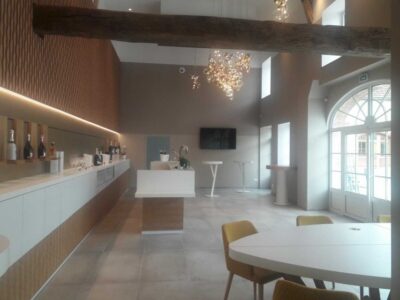
The winery also works as a wine bar. That gives you some flexibility. You can attend the organized tasting, then order additional food or drinks from the à la carte menu if the charcuterie leaves you wanting a full supper.
A compact tour with real production equipment
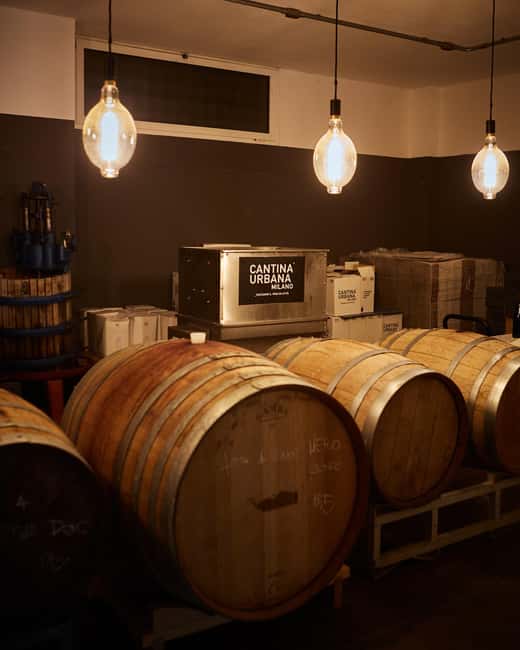
The first part is a brief guided tour of the winery. Do not expect a long walk through several buildings. This is a small, characteristic city winery, and the tour is short by design.
That short format suits anyone who wants context before tasting. You see where the wine is made, learn what the containers are used for, and get a basic sense of the production process. The wooden barrels, amphorae, and steel tanks also help explain why the wines can taste so different from one another.
The amphorae are especially useful to see because they give the room an older, more traditional feel, while the stainless steel tanks point to precise modern production. Your guide can explain how different methods affect the finished wine. The value here is not just looking at equipment. It is understanding that wine style comes from choices made long before the bottle reaches your table.
The tour is likely to be most useful for people who are curious but not already experts. First-time wine tasters have found the explanations approachable, while experienced wine drinkers can ask more detailed questions. Nello, for example, was praised for being patient with many questions, and Francesco was repeatedly appreciated for explaining the winemaking process and the character of each wine.
Six wines and several different styles
The main tasting includes six wines when you choose the six-wine option. A shorter option with four wines is also available, so check which version you are booking.
The longer tasting is the better choice if your main reason for coming is wine. The pours have been described as generous, not merely symbolic sips, and the six selections are notably different from one another. That variety helps you compare color, aroma, flavor, and structure without needing to visit several places.
The wines served can include a white, rosé, orange wine, and red wines, although the precise selection may change. One tasting included a white, a rosé, an orange wine, and two reds. Another described all six wines as very different. You should therefore expect variety rather than six nearly identical examples.
That matters because the experience is about understanding wine as much as drinking it. Your guide may discuss how the wine is produced, how its aromas develop, and which foods work well with it. You can also ask about palate differences and why a wine tastes fresh, earthy, fruity, dry, or full-bodied.
Not every wine will suit every taste. One person enjoyed the experience but found that a couple of the wines were not to their liking. That is normal in a tasting, and it is actually one of the benefits of trying several styles. You are not being asked to pretend every glass is your favorite.
More Wine Cellar Visits in Milan:
- Porto: Bridges Cruise & Sunset & Port Wine Cellar Option
★ 4.2 · 4,180 reviews - Porto: Cálem Cellar Tour, Interactive Museum & Wine Tasting
★ 4.5 · 4,113 reviews - Porto: Cálem Cellar Tour, Fado Show & Wine Tasting
★ 4.4 · 3,530 reviews - Porto: City Train Tour, River Cruise & Wine Cellar
★ 3.9 · 2,601 reviews
The guides are a major part of the value
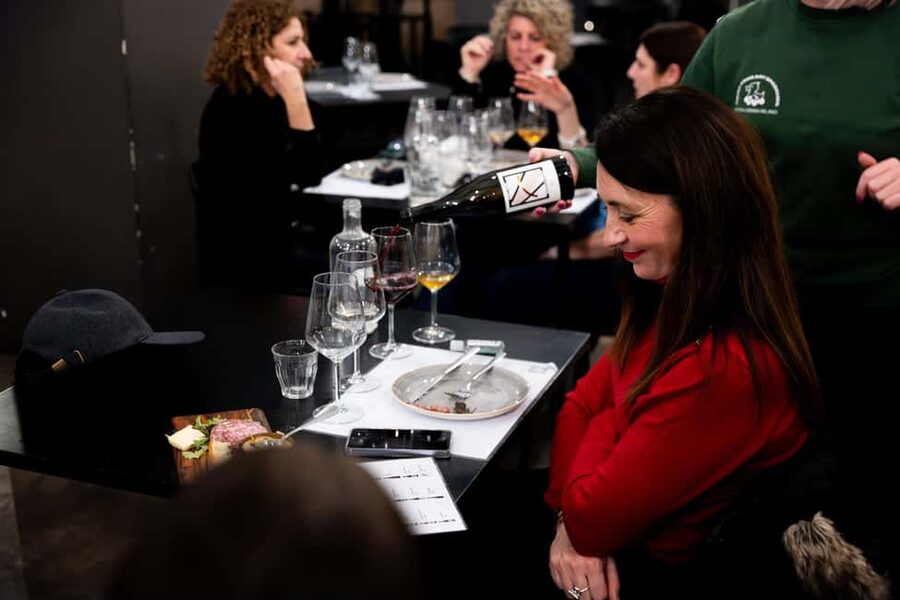
The staff make this experience work. Wine equipment alone would not justify the price, but the guides add the human connection that turns a series of pours into a lesson.
Andrea has been praised for clear English, warmth, and useful explanations. Irene has been described as enthusiastic and well informed about both general winemaking and the winery’s own methods. Francesco is often singled out for his passion, food pairing suggestions, and ability to answer questions. Nello has been appreciated for his patience and professional approach, while May and other hosts have also received warm comments.
The tone seems friendly rather than formal. You are encouraged to ask questions, and the guides explain the wines at the table instead of simply reading out labels. That helps if you are new to wine and do not know what to ask. It also gives experienced drinkers room to discuss production methods, flavor profiles, and pairings.
English and Italian are offered. Several English-speaking visitors found the communication clear, which is important in a tasting where small differences in flavor and method are part of the point.
The experience has earned a 4.7 rating from 683 reviews, with repeated praise for the staff, wine, and food. That rating is not a guarantee that every guide or every bottle will suit you, but the pattern is consistent enough to make the hosting a strong reason to book.
Charcuterie that does more than fill the table
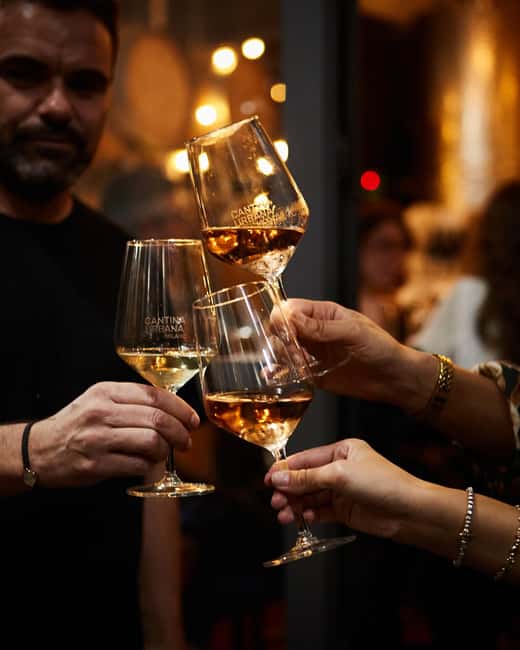
Food is included with the tasting. The usual accompaniment is a charcuterie board featuring typical local products, with meats and cheeses arranged to go with the wines.
This is more than a decorative snack. Food changes how wine tastes, and the board gives you a chance to test the pairing advice from your guide. Prosciutto, cheese, and other savory products can soften sharpness, bring out fruit, or make a red wine feel rounder.
The portions have generally been described as generous for a tasting, though you should not mistake the board for a complete dinner. If you are hungry, use the wine bar’s à la carte menu and order something extra.
Vegetarians should contact the provider or request an alternative when booking. A vegetarian board was supplied and described as delicious, but another person felt the vegetarian food could have included more cheese. That is a useful warning: the request can be accommodated, but the standard meat-and-cheese board appears to be the stronger option.
The food also helps make the price easier to assess. You are paying for a guided tour, six wines, and food, not simply six tastes at a counter.
Is $47 a fair price?
At $47 per person, this is not the cheapest way to drink wine in Milan. You can certainly find a glass of local or Italian wine for less. The value comes from the combination of guided instruction, production access, six pours, and food.
For a casual drink, the price is high. For a structured tasting in a working urban winery, it is reasonable, especially if you choose the six-wine option and make use of the explanations. Many people have considered it good value because the pours are generous and the food is substantial enough to support the tasting.
I would compare it with the cost of booking a winery excursion outside Milan. A countryside trip would offer vines and a broader rural setting, but it would also take more time and require transport. Cantina Urbana gives you a focused wine experience without leaving the city.
The shorter four-wine option may suit you if you want a lighter introduction or have other evening plans. If wine is the main reason you are coming, I would choose six. The additional styles make the comparison more useful, and the longer option appears to offer the best balance of food and drink.
Who will enjoy this most?
This is a good fit for wine lovers who want to see production rather than simply sit at a bar. You will get the most from it if you enjoy asking questions about fermentation, containers, flavor, and food pairing.
It also works well for beginners. You do not need to know Italian grape varieties or formal tasting terms. The guides explain the basics in a relaxed way, and the range of wines gives you something to compare.
Couples, small groups, and people looking for an evening activity can all make good use of the 90-minute format. One small group even received a birthday surprise, showing that the staff can add a personal touch when they know about a special occasion.
I would be less likely to recommend it if you want a quiet, private tasting with no group atmosphere, or if you expect a large traditional vineyard. The winery is compact and urban. That is its strength, but also its limit.
Practical details for a smoother visit
Book the six-wine option if you want the full tasting. Confirm the meeting point because options can differ, though Via Ascanio Sforza, 87 is the listed location.
Plan your route carefully. The winery is not in the heart of Milan’s most visited sights, and reaching it can take longer than the address first suggests. Leave enough time to arrive before the scheduled start.
The activity lasts 1.5 hours and is offered with a live guide in English or Italian. It is wheelchair accessible. You can cancel up to 24 hours before the experience for a full refund, and the reserve-now, pay-later option allows you to keep your plans flexible.
Extra food and drinks are not included, but you can order them from the à la carte menu. That is useful if you want to turn the tasting into a longer aperitivo or a more complete meal.
Should you book Cantina Urbana?
I would book this experience if you want something distinctive in Milan and you care more about the story behind the wine than a polished city bar. The combination of a real production space, organic urban wines, six varied pours, local food, and engaging guides gives you a clear reason to spend $47.
Choose the four-wine version if you are short on time or mainly want a taste. Choose six if you are curious about different wine styles, want the strongest value, or already enjoy wine tasting.
Skip it if you are expecting vineyards, a full countryside excursion, or a long formal course. Cantina Urbana is smaller and more city-based. That is precisely why I find it appealing: it offers a fresh look at Milan, one barrel, amphora, and glass at a time.
FAQ
Where does the Milan Urban Winery experience take place?
The experience takes place at Cantina Urbana Milano on Via Ascanio Sforza, 87, in Milan. The meeting point may vary depending on the option booked.
How long does the tasting and tour last?
The experience lasts 1.5 hours, including the guided winery tour, wine tasting, and food tasting.
How many wines are included?
You can choose an option with four or six wines. The six-wine option is best if you want to compare several different styles.
What kind of food is included?
A charcuterie tasting with typical local products is included. The food generally includes meats and cheeses, and vegetarian alternatives may be available by request.
Are the wines made at the winery?
Yes. Cantina Urbana produces its own artisanal wines in the urban winery. The facility uses wooden barrels, terracotta amphorae, and stainless steel tanks.
Is the experience available in English?
Yes. Live guiding is available in English and Italian.
Can I order more food or drinks?
Yes. Cantina Urbana is also a wine bar, and you can order additional food and drinks from the à la carte menu. These extras are not included in the tasting price.
More Winery Tours in Milan
- Porto: Douro Valley with Winery Lunch, Tastings & Cruise
★ 4.7 · 7,002 reviews - Barcelona: Montserrat, Cogwheel, Black Madonna & Winery Tour
★ 4.8 · 5,633 reviews - Montserrat with Black Madonna & Medieval Winery with Tapas/Lunch
★ 5.0 · 5,209 reviews - Wine Tour: Paarl, Franschhoek & Stellenbosch incl 3 wineries
★ 5.0 · 3,940 reviews
Newly added around Milan
- Pizza and Tiramisu Cooking Class with Wine in Milan★ 4.9 · 80 reviews
- Milan: Wine Tasting Experience in the City Centre★ 4.5 · 113 reviews
- Milan: Pasta Class with Gelato or Tiramisù & Unlimited Wine★ 4.9 · 233 reviews
- Milan: Pasta, Gnocchi and Tiramisù Cooking Class with Wine★ 5.0 · 117 reviews
- Milan Wine Tasting Aperitivo★ 4.4 · 31 reviews
- Milan: Small Group – Duomo & Rooftop, Wine & Food Tasting★ 5.0 · 27 reviews
- Milan: Food and Wine Experience★ 4.5 · 30 reviews
- Milan: History & Street Food Tour with Wine Tasting★ 4.9 · 30 reviews
Wine Cellar Visits, compared.
Bridges Cruise & Sunset & Port Wine Cellar Option
Read our review →
Cálem Cellar Tour, Interactive Museum & Wine Tasting
Read our review →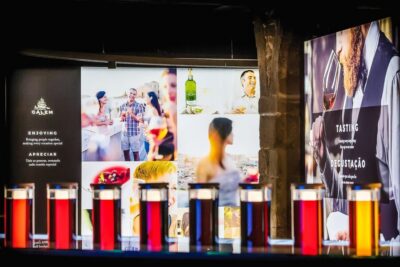
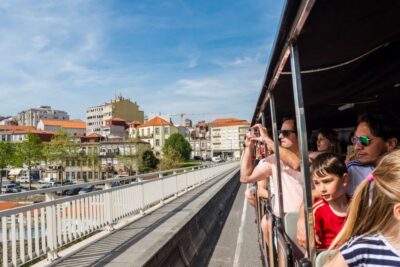
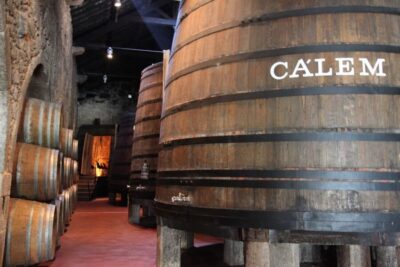
Hop-on Hop-off Bus with Optional Cruise & Wine Cellar
Read our review →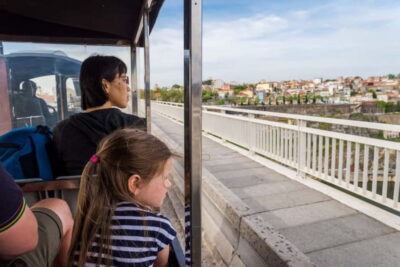
Magic Train Tour and Port Wine Cellar with Tastings
Read our review →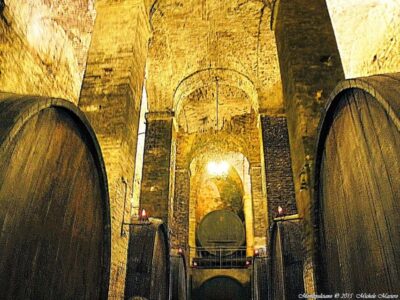
Browse the lists this tour appears in