
REVIEW · MONTEPULCIANO WINE TOURS
Montepulciano: Pasta-Making Class with Tasting and Wine
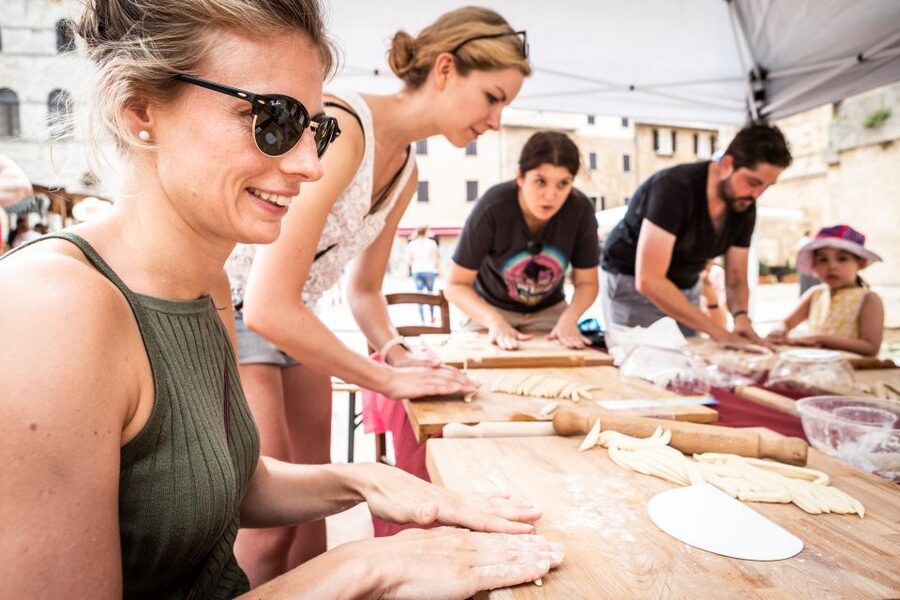
Fresh pasta tastes better when you make it. This three-hour cooking class in the Montepulciano countryside teaches you to roll pici by hand, prepare other Tuscan pasta, and sit down to eat what you have made. I like the focus on a real local staple rather than a generic pasta lesson, and I like the small group limit of 10, which should leave room for personal help. The main catch is transportation: the farmhouse meeting point is provided only after booking, and no transfer service is included.
The cooking itself is simple enough for beginners. You learn the local hand motion called appiciare, then work toward pici, tagliatelle, and sauces such as aglione, meat ragù, or cacio e pepe. The class includes lunch or dinner and wine, plus a small Tuscan-chef apron. At $141.61 per person, it is not a bargain meal, but it can be fair value if you want instruction, food, wine, and a countryside setting in one outing.
Key points to know before booking
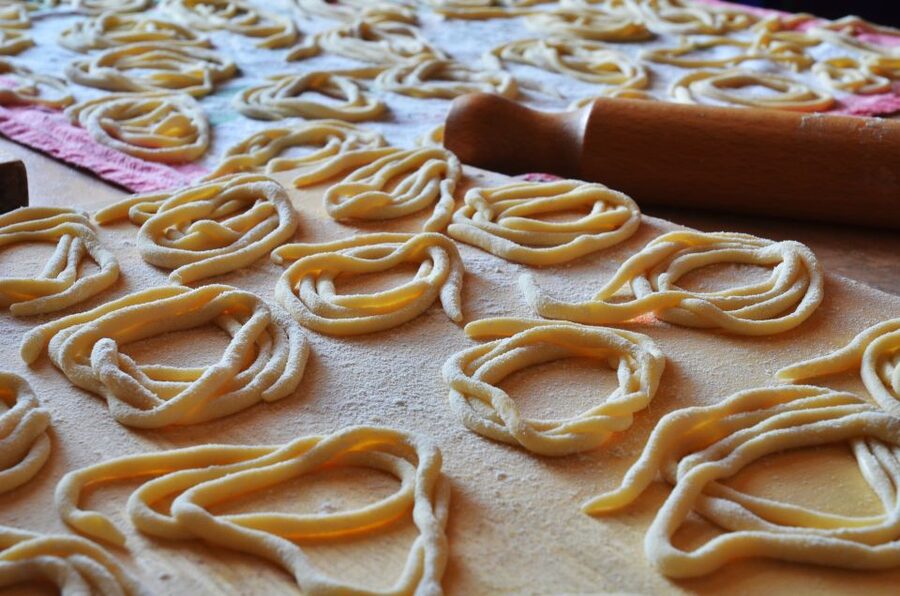
- Pici is the star: This thick, hand-rolled pasta is a specialty of Siena Province and the main reason to choose this class.
- You may make more than one pasta: Depending on the session, the work can include pici, tagliatelle, and even ravioli.
- Sauces are part of the lesson: Aglione, meat ragù, cacio e pepe, and simple tomato-based sauces help turn the dough into a full Tuscan meal.
- The meal is included: You eat the pasta you prepare, paired with a glass of wine.
- Small groups keep it personal: The class is limited to 10 people, with Italian and English used by the host or greeter.
- Plan your own way there: The farmhouse location is sent after confirmation, and transportation is not included.
Why pici makes this class different
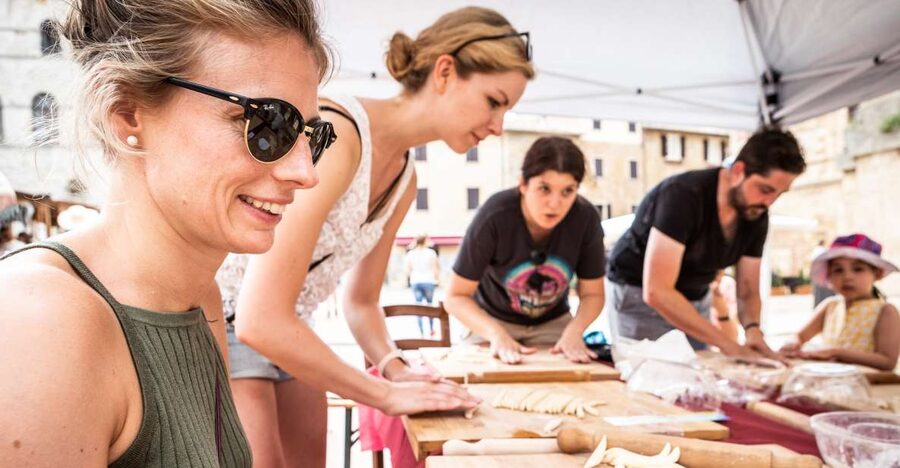
Pici looks like thick spaghetti, but the texture and method are different. You start with dough, then roll it between your palms until it becomes a long, uneven strand. That rubbing and rolling motion is known locally as appiciare.
This is a peasant recipe, built from basic ingredients and a technique that does not demand fancy equipment. That matters for you as a learner. You are not being shown a complicated restaurant trick that will gather dust once you get home. With flour, dough, your hands, and a little patience, you can repeat the method in your own kitchen.
Pici is also strongly tied to the Province of Siena. In Montepulciano, learning this pasta gives the meal a proper local accent. You are not simply making the most famous Italian pasta shape and calling it Tuscan. You are learning a dish connected to the area around you.
The first few strands may be uneven. That is fine. Handmade pici is not meant to look factory-perfect. Its irregular shape helps sauce cling to the pasta, and the rough, thick strands make a more substantial bite than ordinary spaghetti.
More Pasta Making in Italy:
- Florence: Pasta Cooking Class with Unlimited Wine
★ 4.9 · 10,285 reviews - Florence: Pasta & Tiramisu Cooking Class with Unlimited Wine
★ 4.9 · 6,708 reviews - Florence: Pasta Cooking Class with Unlimited Wine
★ 5.0 · 6,413 reviews
What happens during the three-hour class
The class lasts about three hours, with starting times available according to the date you select. The precise farmhouse is communicated after booking, so you should read the meeting instructions carefully and leave enough time to reach the property.
The session begins with instruction in fresh pasta making. Your host or cook explains how to prepare the dough and how to handle it. Because the group is limited to 10 people, you should have a better chance of seeing the technique clearly and asking for help than you would in a large culinary demonstration.
Pici is the natural centerpiece. You learn how to roll the dough with both hands, keeping the strands thick and long. The movement looks easy when someone else does it. Your first attempt may remind you that simple recipes still require a little practice.
The class can also include tagliatelle and other fresh pasta. Some sessions have included ravioli as well, giving you a wider look at Tuscan pasta shapes. The exact combination may vary, so I would book this mainly for pici and treat the extra pasta as a welcome addition.
Sauces are also prepared. Aglione is a particularly Tuscan choice, built around a local garlic sauce. You may also work with meat ragù or cacio e pepe, the straightforward combination of cheese and pepper. These are useful recipes to learn because they rely on a few strong ingredients rather than a long shopping list.
Some classes include bruschetta before the pasta. One session included three different bruschette, with strawberries picked on the property used for one of them. That detail gives you a sense of the home-style character of the meal, although you should not assume the same menu at every session.
From farmhouse kitchen to lunch or dinner
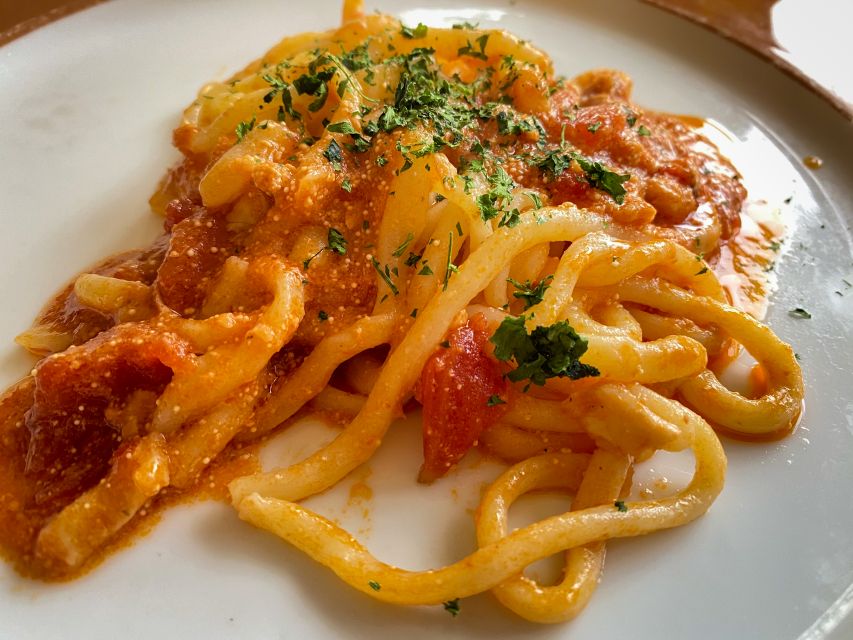
The cooking ends with the best part: you eat the fresh pasta you helped prepare. The included lunch or dinner is not an afterthought. It gives you a chance to taste the difference between dough you have just made and dried pasta from a packet.
The meal is paired with a glass of wine. That pairing suits the pace of the class. Once the pasta is cooking, you can sit back, talk with the people at your table, and enjoy the food without rushing off to the next sight.
Past sessions have taken place in beautiful Tuscan farmhouses, with cooking and dining outdoors on a patio when conditions allow. Some have been held in an intimate setting for only four people. Others have brought together two small groups. The exact setting depends on the farmhouse and the day, but the common thread is a family-style meal rather than a formal restaurant service.
You might also meet the host’s family or helpers. Hosts named in the experiences include Maria, Alister, Irena, Daniela, Daniel, Simonetta, and Susanna. One class was led by Simonetta with help from Susanna, while Daniel cooked and hosted at his family’s farmhouse. These details matter because the appeal here is as much the welcome as the recipe.
The tone can be warm and informal. One farmhouse had two friendly boxers on the property, while another host used ingredients grown on the family farm. Those touches are not guaranteed, but they show the kind of personal setting this activity aims to provide.
The value of the Tuscan setting
Montepulciano is a good base for a food class because the activity connects the town to its rural surroundings. The farmhouse setting takes you away from a standard restaurant kitchen and places the meal closer to the source of its ingredients and traditions.
I like that the class is not only a demonstration. You work with the dough, prepare sauces, and then eat your result. That active format gives the three hours a clear purpose. You are not paying simply to watch someone else cook.
The setting can also be a welcome change after visiting churches, wine cellars, and hill towns. A countryside farmhouse offers a slower afternoon or evening. You may have views across the rolling hills, a patio meal, and a chance to speak with a local host in a relaxed setting.
Still, you should keep expectations practical. The farmhouse address is not provided until after confirmation, and transportation is not included. If you do not have a car or an easy way to reach rural properties, this requires extra planning. Contact the provider if you need exact directions before committing, since the available information does not specify a pickup service.
A few more wine tours around Italy worth a look
- Rome: Pasta & Tiramisu Class with Fine Wine by the Vatican
★ 4.9 · 4,852 reviews - Rome: Pasta Making Class with Wine, Limoncello, and Dessert
★ 4.9 · 3,177 reviews - Florence: Cooking Class Pasta & Tiramisu Making Unlimited Wine
★ 5.0 · 2,234 reviews - Fettuccine & Tiramisù: Cooking Class with Wine & Limoncello
★ 4.9 · 2,103 reviews
How much value do you get for $141.61?
At $141.61 per person, this class costs more than simply ordering a plate of pici in town. The comparison is not quite fair, though. The price covers instruction, the fresh pasta meal, wine, and the setting. You also receive an apron as a small souvenir.
The strongest value comes if you care about learning a skill. You can take the pici method home and repeat it without special tools. The sauces are useful too, particularly cacio e pepe and aglione, which can be made with fairly direct methods once you understand the balance of ingredients.
The value is weaker if you only want a meal. You may find less expensive pasta lunches in Montepulciano, and this class requires several hours rather than a quick stop. It also does not include transportation, so any taxi or car costs are extra.
For a couple or family seeking an activity with a meal attached, the price is easier to justify. It gives you a shared task, a local recipe, and a finished dinner. For someone traveling alone, the small group helps, but the cost may feel high if you are not interested in cooking.
The hosts are a major part of the appeal
The food matters, but the hosts shape the memory of the day. Maria and Alister have created a setting that feels like a private country home, with a farmhouse on the hills and a meal prepared together. Irena has been praised for making the cooking area intimate and sociable, with enough preparation space for a small group.
English ability varies by host, but Italian and English are the stated languages for the activity. One host was described as speaking very good English and apologizing for it unnecessarily. That suggests you should be able to follow the lesson, though the class may still have the easy, slightly imperfect communication that often makes local activities feel human.
The best moments are likely to come from the interaction: asking how to keep the pici strands even, learning why a sauce is kept simple, or hearing how the host uses ingredients from the property. You should choose this class if that personal contact appeals to you. If you want a polished professional kitchen with a fixed menu and exact timing, this may feel more homespun than expected.
What you are likely to learn for your own kitchen
Pici is the most useful takeaway. The hand-rolling method is easy to understand, and the dough does not depend on a pasta machine. You can reproduce the dish at home with ordinary kitchen space.
Tagliatelle gives you another basic fresh-pasta skill: rolling and cutting dough into wider ribbons. Ravioli may also appear, though it is not promised as part of every class. If you are especially interested in filled pasta, confirm what will be taught before booking.
The sauce lesson adds practical value. Aglione introduces you to a Tuscan garlic preparation, while cacio e pepe shows how a few ingredients can create a satisfying sauce when handled correctly. Meat ragù offers a more familiar option for a substantial meal.
The class is suitable even if you are not confident in the kitchen. Pici began as an easy rural recipe, and the activity is designed around learning by doing. You do not need to arrive as an experienced cook. Come ready to use your hands and accept a few lumpy strands along the way.
Who should book, and who should think twice?
I would recommend this for couples, families, friends, and solo visitors who want a food activity with real participation. It suits anyone who enjoys learning a recipe connected to the place they are visiting, especially if you like the idea of a meal in a farmhouse rather than another restaurant table.
It is also a good choice for mixed-age groups because the basic pici method is approachable. Children may enjoy rolling the dough, though the provided information does not specify a minimum age, so check before booking if that matters to your family.
You should think twice if rural transportation is difficult, if you need a guaranteed city-center location, or if you are looking only for an inexpensive lunch. The farmhouse address arrives after booking, and no transport is included. You should also allow the full three hours, since this is a hands-on class rather than a quick tasting.
The top quality comes from the combination of pasta, hosts, farmhouse surroundings, and a meal you help create. The activity has a rating of 4.7 from 39 ratings, and the strongest praise centers on the welcoming hosts, beautiful properties, simple but delicious food, and the feeling of being invited into a Tuscan home.
Should you book this Montepulciano pasta class?
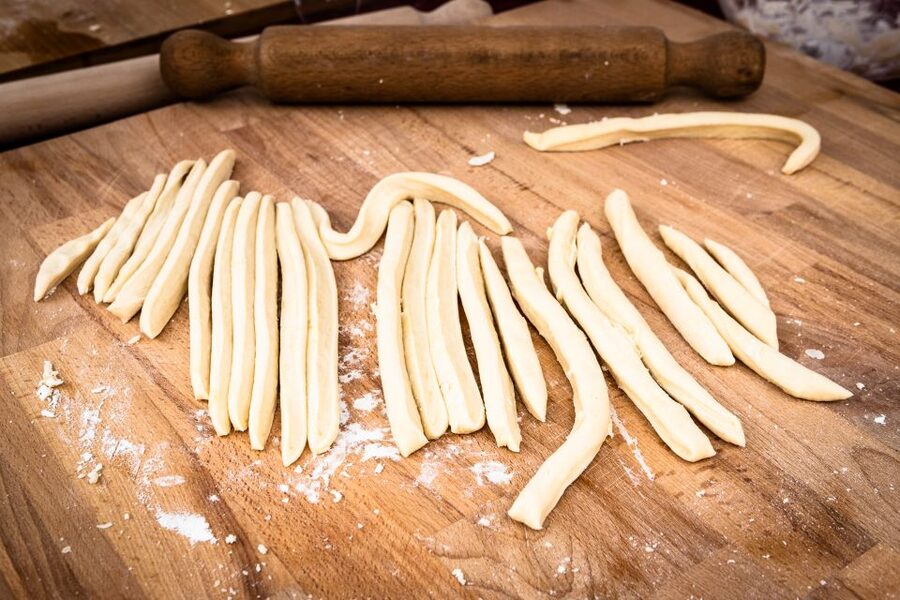
Book it if you want more than a plate of pasta. You will learn how to make pici by hand, taste Tuscan sauces, share wine, and enjoy a meal in a small farmhouse setting. The apron is a nice extra, but the real souvenir is a recipe you can make again.
At $141.61, it is best viewed as a cooking lesson, lunch or dinner, and countryside visit combined. Check the meeting location as soon as it is confirmed, plan your own transportation, and ask what pasta shapes will be included on your date. If those details work for you, this is a warm, practical way to connect Montepulciano with its food traditions.
FAQ
How long does the pasta-making class last?
The class lasts three hours. Starting times depend on availability for your chosen date.
What pasta will I learn to make?
Pici is the main pasta taught. The class may also include tagliatelle, and some sessions have included ravioli and other fresh pasta.
What is pici?
Pici is a thick, handmade pasta from the Province of Siena. You make it by rolling the dough between both hands, a local technique called appiciare.
Are sauces included in the lesson?
Yes. Possible sauces include meat ragù, aglione sauce, and cacio e pepe. The exact preparation may vary by session.
Is food included in the price?
Yes. Lunch or dinner with the fresh pasta you prepare is included, along with a glass of wine.
Is transportation included?
No. Transportation is not included. The farmhouse meeting point is communicated after booking confirmation.
What languages are available?
The host or greeter speaks Italian and English.
Newly added around Italy
- Etna trekking and wine tasting★ 5.0 · 28 reviews
- Etna Tour and Lunch in a Winery with Wine Tasting★ 5.0 · 97 reviews
- Cooking Class and Wine Pairing in Capri★ 5.0 · 57 reviews
- WINE TOUR with sommelier in a winery near Cagliari★ 5.0 · 27 reviews
- Cagliari 3 Hours Luxury Motorboat Tour – Wine and Snorkeling★ 5.0 · 118 reviews
- Cagliari Boat Tour by Maxi Rib – Wine and Snorkeling★ 5.0 · 128 reviews
- Small-Group Food and Wine Tour from Cagliari★ 5.0 · 237 reviews
- Wine Experience: vineyard, wines and food★ 5.0 · 155 reviews
Montepulciano Wine Tours, compared.

Browse the lists this tour appears in