
REVIEW · PORT WINE TASTINGS
Porto: Port Wine Tour with 7 Port Tastings
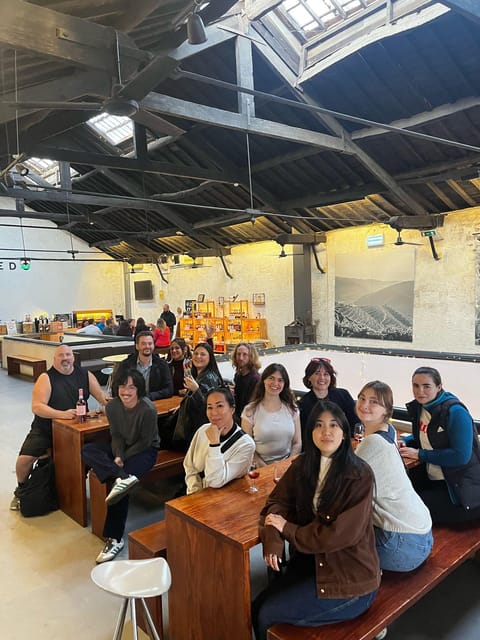
Port makes more sense after seven small glasses. This four-hour Porto Walkers experience links Porto’s riverside with the Port lodges of Vila Nova de Gaia, combining a guided cellar visit with tastings at three different venues. I like the clear progression from a major producer to two smaller houses, and I like that you taste seven Ports rather than stopping after a single introductory pour. The main catch is the amount of walking over uneven surfaces, which may be difficult for anyone with mobility limitations.
The guides, including Alex, Kevin, Francisco, Laura, Cyril, and Lara, are praised for making the subject lively without turning the afternoon into a lecture. I also like the small-group feel reported on many departures, but you should eat beforehand: food is not included, and seven fortified wine samples can catch up with you.
Key points at a glance
- Seven Ports, not seven versions of the same wine: The tasting covers the main Port families so you can compare color, sweetness, age, and style.
- Three venues in one afternoon: You visit one prestigious larger house, then two smaller producers with a more personal feel.
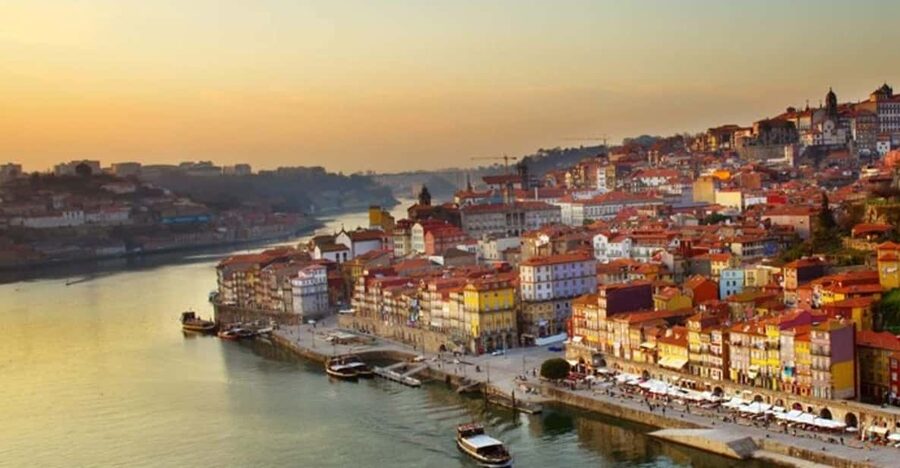
- A scenic Porto to Gaia route: The tour begins beside the lower level of the Luís I Bridge and crosses into the cellar district.
- Guides make the difference: Alex, Kevin, Francisco, Cyril, Laura, and Lara are singled out for humor, clarity, and strong local knowledge.
- Good value at $54: Entrance to three venues, a four-hour guided walk, and seven tastings are included.
- Plan for uneven ground: The walk is short enough for most reasonably fit visitors, but it is not a good choice for people with mobility impairments.
Why Port is best understood in Porto and Gaia
Port is not simply sweet red wine served after dinner. It is a fortified wine with several families, and the differences become much easier to grasp when you can compare glasses side by side.
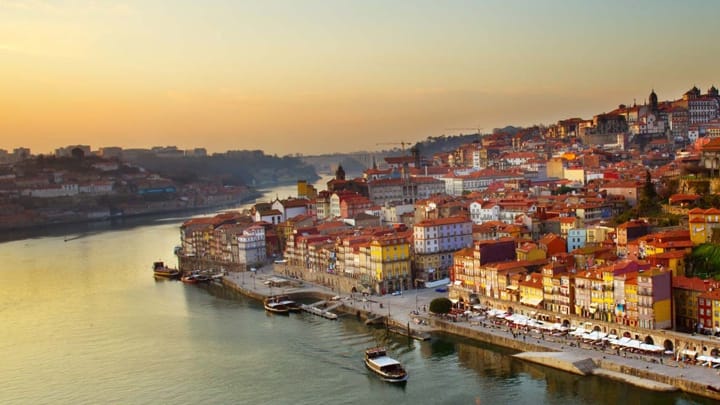
The tour begins on the Porto side of the Douro River, near the old Ponte Pensil bridge and the lower level of the Luís I Bridge. From there, your guide sets the historical scene as you walk toward Vila Nova de Gaia, the district traditionally associated with Port storage and tasting rooms.
That route matters. Porto and Gaia face each other across the river, but they have different roles in the wine story. The vineyards and production area lie farther inland in the Douro Valley, while Gaia became the place where Port was stored, matured, and shipped. You are not visiting the vineyards on this outing, but the walk helps connect the riverfront city you see with the cellars where the wine became part of international trade.
The guide also explains why Port differs from ordinary table wine, when it is usually served, and how its barrels and corks affect storage. This background gives the tastings a purpose. Instead of asking only if you like a particular glass, you begin asking what makes it different.
More Port Wine Tastings in Porto:
- Porto: Bridges Cruise & Sunset & Port Wine Cellar Option
★ 4.2 · 4,180 reviews - Porto: Fado & Port Wine in Traditional Portuguese Music Shop
★ 4.8 · 2,906 reviews - Porto: What is Fado? Commented Live Concert with Port Wine
★ 4.8 · 2,839 reviews
Meeting beside the lower Luís I Bridge
The meeting point is precise, but easy to misunderstand. Meet on the right side of the entrance to the lower level of the Luís I Bridge, at Rua da Ribeira Negra, near the large granite pillars of the old Ponte Pensil bridge. Look for a guide wearing a red Porto Walkers shirt or jacket.
Do not head to the upper deck by mistake. If you end up there, the instructions ask you to call the operator for help. Build in a few extra minutes, especially if you are coming from another part of Porto’s steep riverside streets.
The route includes a small amount of walking, and the river setting gives you a pleasant start before the indoor visits. Still, this is not a fully step-free city outing. Uneven surfaces are specifically noted, and the experience is not recommended for people with walking disabilities or mobility impairments.
The tour is listed as wheelchair accessible, but the separate warning about uneven surfaces deserves more weight when you decide. If you use a wheelchair or have trouble on cobbles, contact the provider before booking rather than relying on the general accessibility label.
The first cellar gives you the basic framework
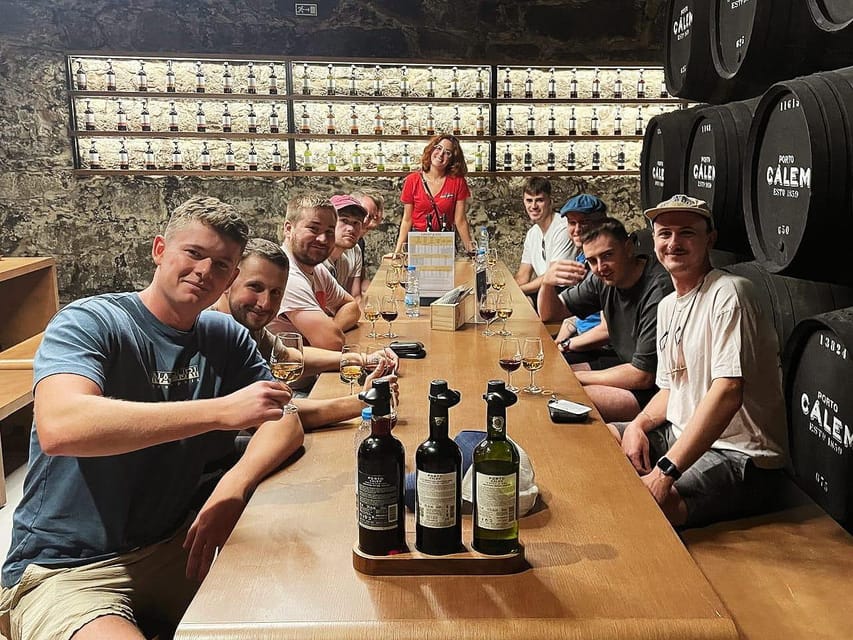
The opening stop is a guided visit to the museum and wine cellar of one of the more prestigious Port houses. This is the most formal part of the afternoon and the place where you get the broad outline of Port production and trade.
You then taste two Ports. That first pair acts as your reference point for the rest of the afternoon. Listen for the guide’s explanation of Port families, serving occasions, and the differences between styles. The goal is not to memorize a pile of technical terms. It is to create a set of markers you can use at the next two stops.
This larger producer also gives the tour useful scale. After seeing how a major house presents its cellar and wine story, the smaller producers later in the walk feel more distinct. The contrast is one of the strongest parts of the itinerary.
The exact brand visited can vary, so you should not book this expecting one particular famous label. The value is in the structure: a polished first introduction followed by less corporate settings.
Two smaller producers add character
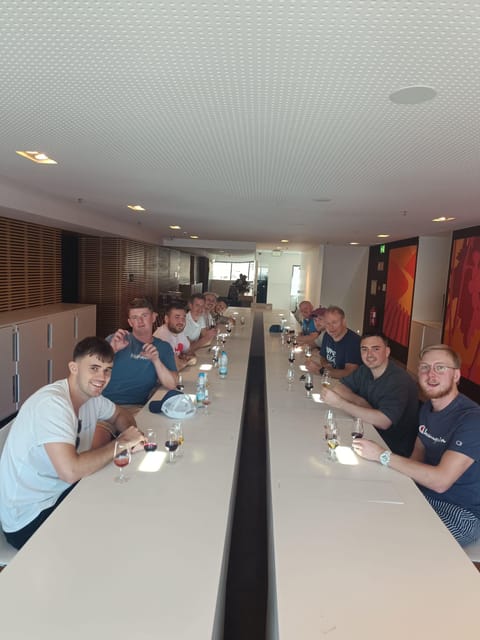
The second venue focuses on a smaller producer and includes two more Port tastings. The final stop adds three further Ports, bringing the total to seven.
These later visits are where the tour becomes more personal. Several guides have taken groups to smaller, quieter houses, including producers with annual output of about 50,000 bottles. That scale can help you see Port as a working local trade rather than only a famous export product.
You may also find the smaller venues more relaxed. One group particularly enjoyed visiting a large house first and two small family businesses afterward, while another singled out the quieter final stops. I like this balance because it prevents the afternoon from feeling like a single branded sales presentation.
The smaller venues may not have the same grand museum setup as the first cellar. That is not a flaw, but it is worth knowing. You are trading polish for a closer look at independent production and a more informal conversation.
A few more wine tours around Porto worth a look
- From Porto: Douro Valley w/ Boat Tour, Wine Tasting & Lunch
★ 4.7 · 19,061 reviews - Complete Douro Valley Wine Tour with Lunch, Wine Tastings and River Cruise
★ 5.0 · 12,920 reviews - Porto: Douro Valley with Winery Lunch, Tastings & Cruise
★ 4.7 · 7,002 reviews - From Porto: 2 Wine Regions, Farm-to-Table Lunch & Boat
★ 4.9 · 5,724 reviews
Seven tastings teach you more than one generous pour
Seven samples sound like a lot, and they are. The portions are tastings rather than full glasses, but Port is stronger than ordinary wine, so pace yourself.
The point is comparison. You learn to identify the main Port families by looking, smelling, and tasting rather than relying on labels alone. Red, white, and other styles can differ sharply in sweetness, weight, aroma, and how much alcohol you notice.
One useful tip comes from a first-time Port drinker who found the wine stronger than expected and preferred the red styles to the whites. That is a good reminder not to assume you will like every sample. A tasting should help you discover your preferences, not pressure you into pretending that every glass is your favorite.
Eat before the tour. Food tastings are not included, although a stop may occasionally offer something extra, such as cheese. Treat that as a bonus, not as lunch. Water, a solid meal beforehand, and a sensible pace will make the final tastings more enjoyable.
The tour also explains when to drink Port. You will hear about serving it as an aperitif or after a meal, depending on the style, and about the role of barrels and cork in preserving the wine. Those details are practical if you plan to buy a bottle later in Portugal.
Guides keep the four hours moving
The most consistently praised part of this experience is the guiding. Alex is described as funny, warm, and easy to follow. Kevin is often praised for his humor and ability to turn a group of strangers into a friendly crowd. Francisco receives similar praise for explaining both Port and Porto while leaving plenty of time for questions.
Cyril is noted for combining organization with a playful style, while Laura and Lara are praised for making the introduction relaxed and approachable. You cannot guarantee a particular guide, but the repeated pattern is useful: this tour depends heavily on a personable guide, and the company appears to place real weight on that role.
The best guides do more than recite facts. They explain Port in plain language, invite questions, share suggestions for cafés and restaurants, and connect the wine to Portuguese culture. That is especially helpful if this is your first Port tasting.
Group size can vary. Some departures have been as small as five people, while another had 16. A smaller group usually makes questions easier and conversation more natural. A larger one may feel less intimate, though a strong guide can still keep the group involved.
The social side is part of the appeal. Solo visitors can meet people from several countries, and the tasting format gives everyone an easy subject to talk about. You may leave with restaurant tips, plans for the evening, or simply a better sense of Porto’s wine culture.
Is $54 a fair price?
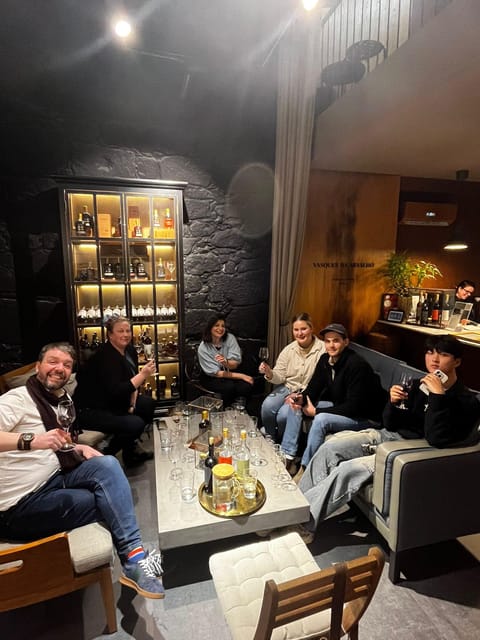
At $54 per person, this is good value if you want more than a quick cellar visit. The price includes an English-speaking guide, entry to three venues, and seven Port tastings over four hours.
You are paying for a structured comparison rather than isolated admission tickets. Visiting three houses independently would take more planning, and you might not know which styles to order or how to compare them. Here, the guide supplies the context and keeps the route organized.
The price does not include food, transportation, or a full bottle at each venue. You also should not expect a vineyard excursion in the Douro Valley. This is a Porto and Gaia cellar experience, not a day trip into the wine-growing region.
For wine enthusiasts, the value is strongest because you get breadth. For someone who dislikes fortified or sweet wines, the cost may feel less attractive, even though the historical material and city walk still have value. If you are unsure, remember that seven tastings offer variety, but they also mean a substantial amount of alcohol.
Who should book this Port tasting
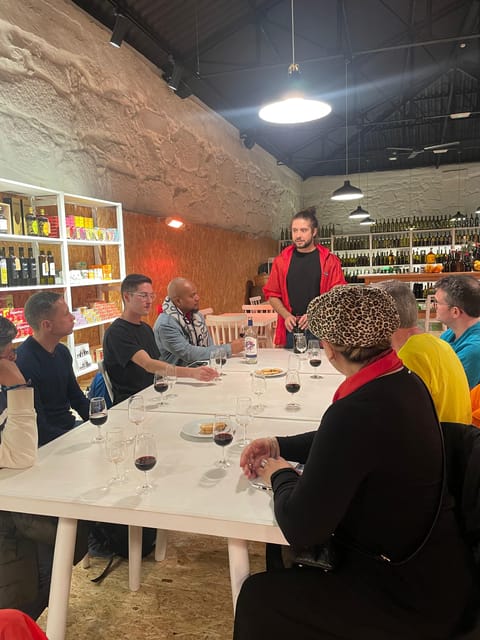
I would choose this tour if you are visiting Porto for the first time and want a clear introduction to its signature drink. It also suits people who have tried Port before but never compared several families in one sitting.
The experience works well for solo visitors, couples, and friends. The social format is friendly without requiring you to arrive with a group. It is also a sensible choice if you enjoy history but prefer it delivered in short, useful explanations rather than a long museum lecture.
You may want another option if you need a fully accessible route, dislike walking on uneven ground, or want a quiet, private tasting. This is a shared experience, and the atmosphere can become lively as the afternoon progresses.
Children must be accompanied by an adult, unaccompanied minors are not allowed, and the minimum drinking age is 18. Adult pricing applies to all participants.
The experience runs in English, and the starting time depends on availability. Minimum numbers apply, so a departure can be cancelled if too few people book. In that case, an alternative or full refund is offered. You can cancel up to 24 hours before the start for a full refund, and reserve now while paying later if that option is available at booking.
My verdict on the three-cellar route
I like this tour because it answers the basic Port questions in the right order: where the wine fits into Porto’s story, how different houses present it, and how the main styles compare in the glass.
The mix of one major producer and two smaller houses is more useful than visiting three nearly identical venues. The guides add warmth and humor, while seven tastings give you enough range to find a style you actually enjoy.
Book it if you want an active, social introduction to Port and can manage a four-hour walk with several alcoholic samples. Skip it if mobility is a concern, you need a substantial meal included, or you want a vineyard visit outside the city. For most first-time Porto visitors who enjoy wine, $54 buys a well-planned afternoon and a much clearer understanding of what is in the glass.
FAQ
How long does the Port wine tour last?
The tour lasts four hours. Starting times vary, so check availability when booking.
How many Port wines will I taste?
You will taste seven different Port wines across three venues.
Where does the tour meet?
Meet on the Porto side of the lower level of the Luís I Bridge, on Rua da Ribeira Negra, beside the granite pillars of the old Ponte Pensil bridge. Look for the guide in a red Porto Walkers shirt or jacket.
Is food included?
No. Food tastings are not included, so eating before the tour is recommended.
Is the tour suitable for children?
Children must be accompanied by an adult, and unaccompanied minors are not allowed. The minimum drinking age is 18, and adult pricing applies to all participants.
Is the tour suitable for wheelchair users?
The experience is listed as wheelchair accessible, but uneven surfaces and walking are involved. It is not recommended for people with mobility impairments, so contact the provider before booking if you use a wheelchair or have difficulty walking.
Newly added around Porto
- Porto: Tuk tuk Tours with Port Wine Tasting★ 4.5 · 65 reviews
- Porto: Tile Painting Workshop with Tea and Port Wine★ 4.9 · 66 reviews
- Porto: Douro River Boat Tour with Wine Tasting★ 4.9 · 167 reviews
- Porto: Sunset Walking Tour with Port Wine and Views★ 4.6 · 95 reviews
- Porto Wine Tasting Experience with Portuguese Tapas Plate★ 4.7 · 356 reviews
- Porto: Douro River Cruise w/ Portuguese Wines & Local Host★ 4.9 · 166 reviews
- Porto: Self-Guided Bike and Boat Tour with Port Wine Tasting★ 4.7 · 52 reviews
- Porto: Taylor’s Port Cellar Tour & WOW The Wine Experience★ 4.5 · 136 reviews
Port Wine Tastings, compared.
Bridges Cruise & Sunset & Port Wine Cellar Option
Read our review →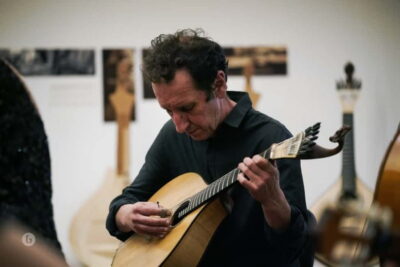
Fado & Port Wine in Traditional Portuguese Music Shop
Read our review →
What is Fado? Commented Live Concert with Port Wine
Read our review →
Port Wine Lodges Tour Including 7 Port Wine Tastings (English)
Read our review →
Charming Sailboat Cruise with Port Wine,Sunset Option
Read our review →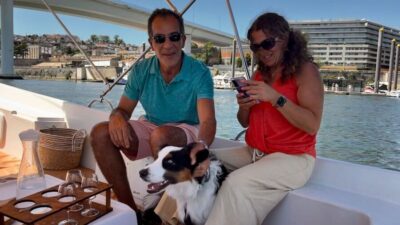
Douro River Boat Cruise with Port Wine Tasting
Read our review →
Graham’s Port Lodge Tour with Premium Wine Tastings
Read our review →
Intimate Fado Show & Port Wine in Trindade Noble Hall
Read our review →Browse the lists this tour appears in