
REVIEW · WINE TASTINGS
Rimini: San Valentino DOC Wine Tastings
Wine tastes better when you know its story. This small-group tasting at Azienda Agricola San Valentino takes you into the Rimini hinterland for a close look at the vineyards, cellar, grape varieties, and methods behind the wines. I like the personal scale, with no more than four participants, and I like that the tasting comes with bread, olive oil, cured meats, and cheeses rather than a few lonely crackers. The main consideration is that this is an adults-only stop, and the short 1 to 1.5-hour format leaves little time for a slow country ramble.
I also like the range of grapes, from familiar Sangiovese to Syrah, Cabernet Franc, and the local white grape Rebola. You taste five or six wines, depending on the option you choose, while an English or Italian guide explains how vineyard care, grape selection, maturation, and refinement shape each bottle. The setting is appealing, but remember that you must make your own way to the farm, since transport is not included.
Key points to know before booking
- Four-person limit: The small group keeps the cellar visit personal and gives you a better chance to ask questions.
- Five or six wines: The exact number depends on the option selected, with red and white styles represented.
- Rimini DOC focus: You taste wines from the local hinterland, including Sangiovese, Syrah, Cabernet Franc, and Rebola.
- A proper tasting board: Bread, olive oil, cured meats, and cheeses make this feel like a light regional food stop, not just a wine sample.
- Short farm visit: Plan on 1 to 1.5 hours, including the company story, vineyard and cellar introduction, and tasting.
- English or Italian guiding: If people of different nationalities share a time slot, the tour is generally conducted in English.
Why San Valentino makes a good Rimini side trip
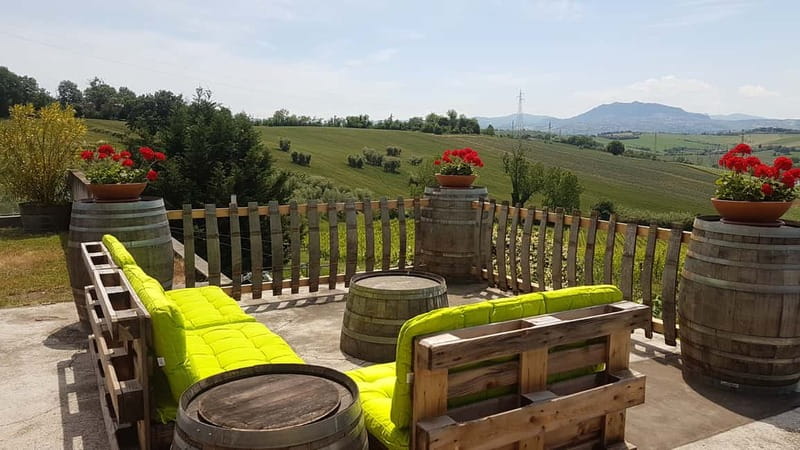
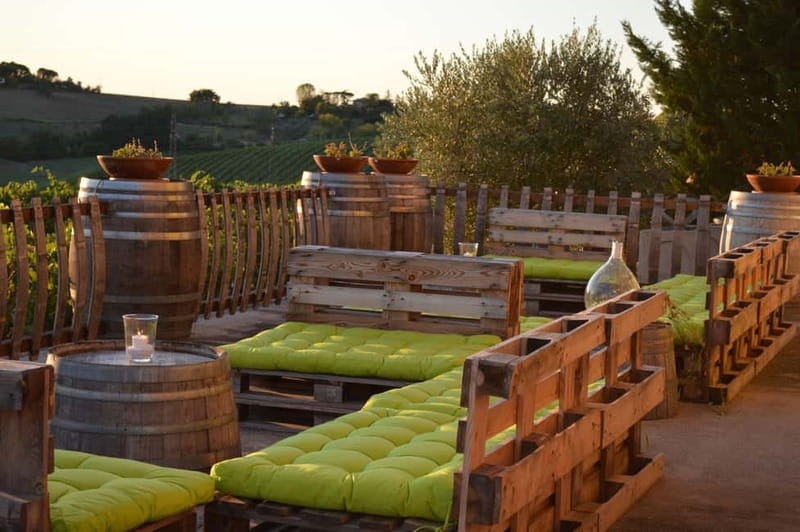
Rimini is famous for its Adriatic beaches, seaside hotels, and lively summer energy. Yet the city belongs to Emilia-Romagna, a region where food and wine continue inland beyond the coast. Azienda Agricola San Valentino gives you a chance to spend part of your day in that quieter setting, surrounded by vineyards and agricultural land.
You are not simply seated at a table and handed a flight of glasses. The visit is built around the farm itself. You hear how the company began, learn about the surrounding territory, and see how the work moves from vineyard to cellar. That connection matters because local wine can otherwise feel like a label without a place attached to it.
The setting also changes the pace of a Rimini trip. After time beside the sea or among the city streets, an hour or so among vines offers a calmer break. I would see this as a focused countryside outing rather than a full-day winery tour. It gives you a taste of the area without taking over your entire schedule.
The farm has a family-owned feel, according to the character of the visit, and the small group limit supports that impression. With up to four people, the guide can explain the wines at close range instead of delivering a fixed speech to a crowd. That is especially useful if you want to ask why a red tastes the way it does, or how a particular grape performs in this part of Romagna.
More Wine Tastings in Italy
- Florence: Chianti Wineries Tour with Wine Tasting
★ 4.5 · 10,071 reviews - Small-Group Wine Tasting Experience in the Tuscan Countryside
★ 5.0 · 7,392 reviews - Rome: Tuscany & Montepulciano Day Trip with Lunch & Wine Tasting
★ 4.5 · 5,232 reviews
Starting with the company, vineyards, and territory
The visit begins at Azienda Agricola San Valentino, which is both the meeting point and the end point. The first stage is an introduction to the company and the surrounding area. Expect the guide to frame the wine as a product of place, work, and choices made throughout the year.
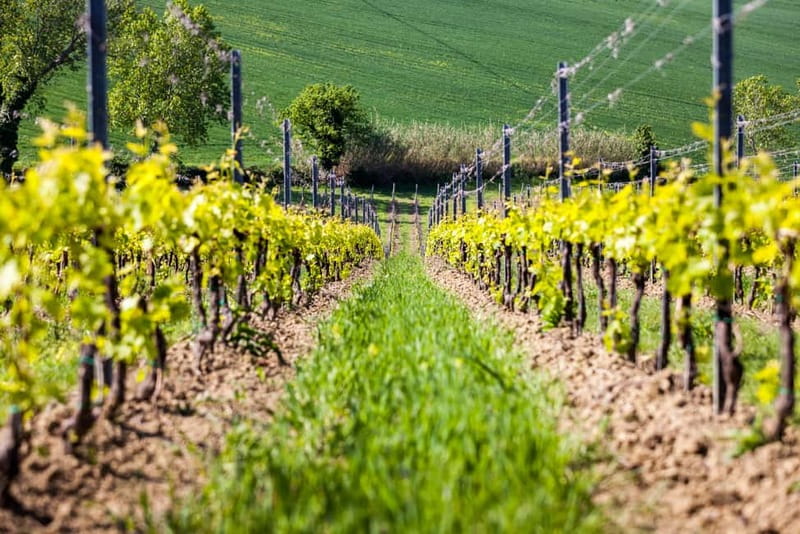
You learn about care in the vineyards before reaching the glass. The explanation includes the selection of grapes and the decisions that guide production. This gives you a useful base for the tasting, since you are not trying to remember a list of grape names without context.
The vineyard portion is not described as a long walking tour, so keep your expectations in check. You will get a glimpse of the vines and an explanation of their role, but the heart of the visit is the wine and cellar. If you want several hours of vineyard walking, this is probably too compact. If you want an introduction that fits neatly into a morning or afternoon, the timing works well.
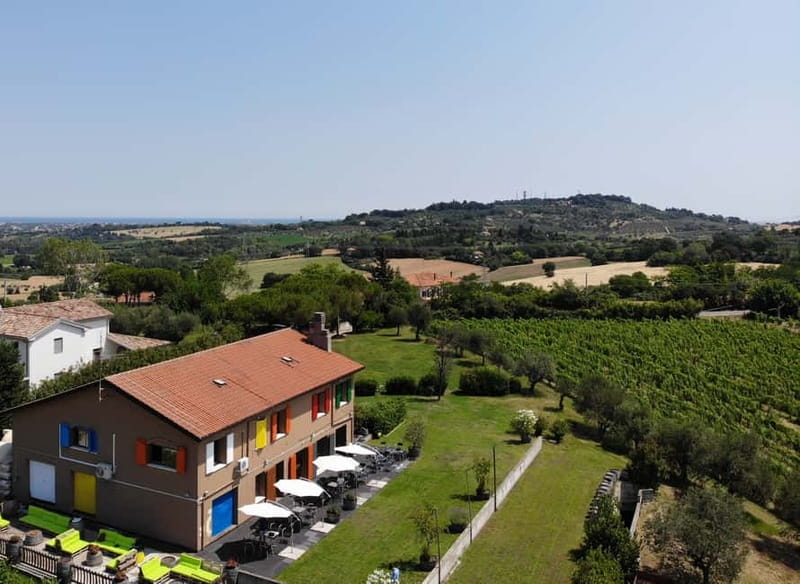
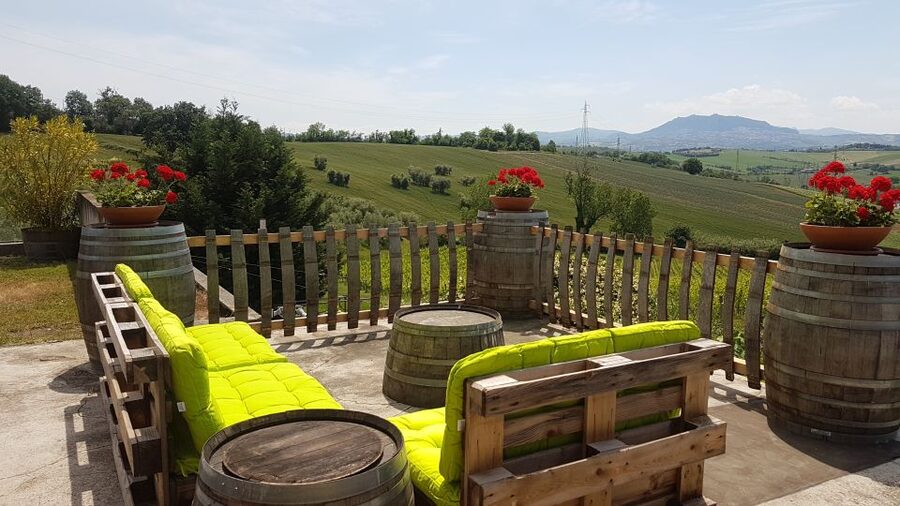
The surroundings are one of the stronger parts of the experience. A direct visit to the farm lets you see the setting where the bottles begin, and the rural views add a sense of place that a tasting bar in central Rimini cannot match. Bring your curiosity, but do not expect a major historical lecture or a long outdoor hike. This is a working wine stop with a clear focus.
Inside the cellar, where the wine takes shape
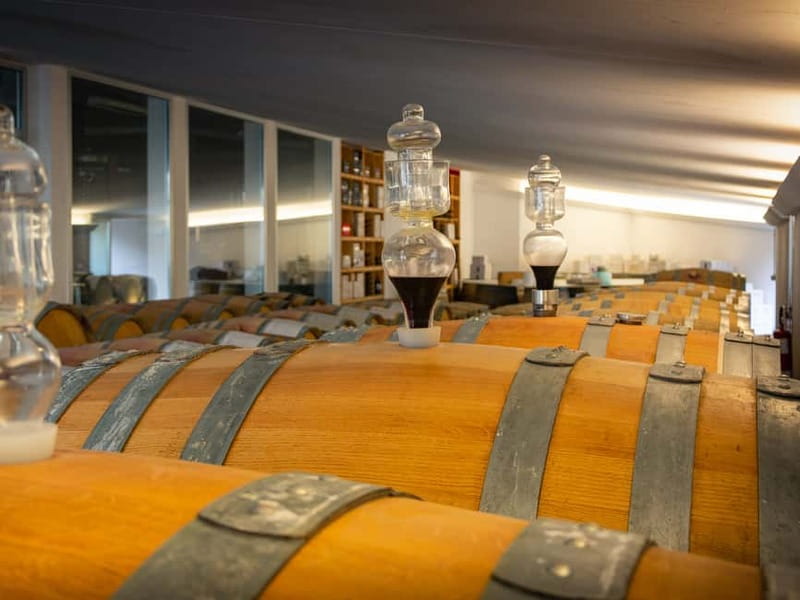
The cellar visit gives the tasting its backbone. Here, the guide explains how the wines move through production, from the grapes arriving at the winery to maturation and refinement. That sequence helps you understand that the final flavor is not just a result of the grape itself.
The explanation covers winemaking techniques and the way they affect aromas and flavors. This is where the tasting becomes more useful than a simple sample session. You can connect what you smell and taste with the production choices described in the cellar.
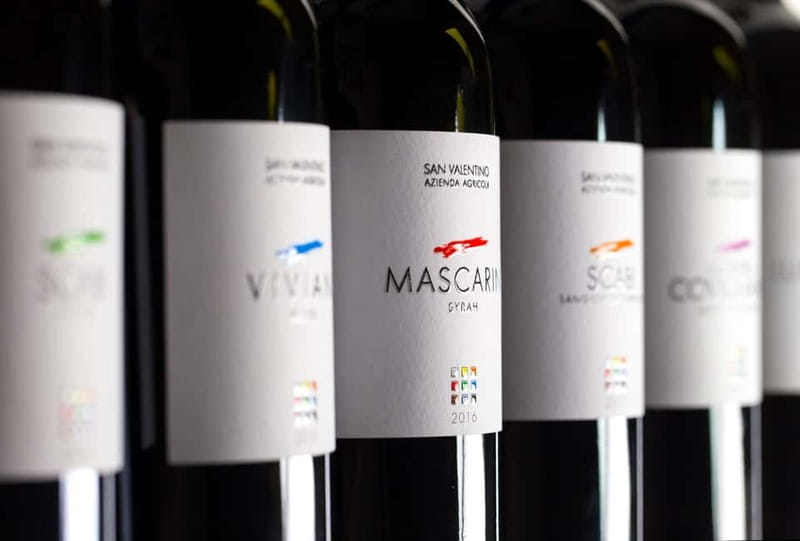
A particularly good feature is the attention to the different grape varieties. Sangiovese is likely to be the most familiar name for many visitors, especially anyone who has tasted wines from central Italy. Syrah and Cabernet Franc bring a different set of expectations, while Rebola offers a local white wine angle.
The tasting may include one white and several reds, depending on the selection and the wines poured that day. One participant with a preference for red wine enjoyed tasting a white alongside three reds, which suggests that the selection can offer useful contrast instead of repeating the same style. If you usually favor reds, the white still has a purpose: it gives your palate a point of comparison and shows another side of the winery.
The cellar explanation is also where you hear about the care behind each bottle. Vineyard work, grape selection, maturation, and refinement can sound abstract in a brochure. Seeing the production area and tasting the finished wines gives those terms some meaning.
The wine flight: Sangiovese, Syrah, Cabernet Franc, and Rebola
The tasting includes five or six Romagnoli wines, depending on the option you book. That is a generous number for a visit lasting only 1 to 1.5 hours, especially when the cellar explanation is part of the schedule. You should have enough variety to notice differences without turning the session into a marathon.
Sangiovese gives the flight a strong regional anchor. It is one of the key grapes associated with Romagna, and tasting it at a local farm helps you consider how soil, climate, and cellar work shape the result. The guide can explain the particular character of the wine being poured, rather than leaving you with only a grape name.
Syrah adds a separate red-wine profile, while Cabernet Franc brings another point of comparison. The purpose is not to decide which grape is best. It is to notice how the wines differ in aroma, body, and finish, and to see how production choices can change the expression of each variety.
Rebola is especially interesting for anyone who wants to go beyond familiar Italian wine names. It is part of the local identity presented here, and tasting it alongside the reds helps make the selection feel connected to Romagna rather than generic.
I appreciate that the guide introduces the aromas and flavors before you taste them. You can then look for those qualities yourself instead of being told what you should think. That is a good approach for beginners, and it still gives experienced wine drinkers enough material to discuss.
Do not expect a formal sommelier exam. You will not need special vocabulary, and the tasting is not presented as a test of your nose. It is a guided way to pay attention. If you already know a good deal about wine, ask questions about the grapes and techniques to make the most of the small-group format.
Same region, a very different glass:
- Tuscany Day Trip from Florence: Siena, San Gimignano, Pisa and Lunch at a Winery
★ 5.0 · 21,634 reviews - Florence: Pasta Cooking Class with Unlimited Wine
★ 4.9 · 10,285 reviews - Florence: Pasta & Tiramisu Cooking Class with Unlimited Wine
★ 4.9 · 6,708 reviews - Florence: Pasta Cooking Class with Unlimited Wine
★ 5.0 · 6,413 reviews
Bread, olive oil, cheeses, and cured meats
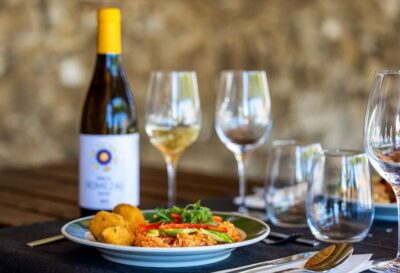
The food is more than decoration. Bread, olive oil, cured meats, and cheeses are included with the wines, giving you a simple taste of the region’s table. The board helps keep the tasting comfortable and gives you natural pairings to try as you move from one wine to the next.
The olive oil toast is a small but memorable touch. It adds salt, texture, and richness, which can change how a wine feels on the palate. Cured meats and cheese also give you a chance to see how food affects the reds, especially if you are new to tasting wine in a structured way.
The portions are not described as a full meal, so plan accordingly. I would treat the food as a substantial snack or tasting accompaniment, not lunch. If you arrive hungry, you may want to eat beforehand. If you simply want something regional to enjoy with the wine, the board should fit the bill.
This food pairing also adds value to the visit. A wine tasting with five or six pours can feel thin if you receive no food at all. Here, the combination creates a more complete farm experience and lets you slow down between glasses.
What the small group changes
The maximum group size is four participants, and that is a major reason to consider this tour. A tiny group usually makes it easier to hear the guide in the cellar, ask follow-up questions, and spend a little more time on the wines you find most interesting.
Small scale also suits the subject. Wine production involves details that can get lost when a guide is speaking to a large room. Here, you can ask about a grape, a production method, or the difference between two wines without feeling as if you are holding up a busload of people.
The personal tone appears to be one of the strongest features of the visit. The guide does not just point out bottles. She explains the winemaking process and the aromas and flavors linked to it, then gives you the chance to compare those ideas in the glass.
There is one practical catch. A small group can make scheduling less flexible, since there are fewer places in each time slot. Check the available times before building the rest of your day around it. The activity lasts 1 to 1.5 hours, but you should allow extra time for reaching the farm and returning to your next stop.
Language, age rules, and practical planning
Guiding is available in Italian and English. If people of different nationalities are booked into the same time slot, the tour is generally conducted in English. Italian speakers should still be able to take part when the group allows, but English is the safer expectation for a mixed group.
This is an adults-only activity. Children under 18 are not permitted, and the experience is also not suitable for pregnant women. Those rules are important because the main focus is wine tasting, not a general farm visit designed for all ages.
You meet at the farm, and the activity finishes at the same point. No transportation is included in the information provided, so you need to plan your own route to Azienda Agricola San Valentino. Confirm the exact meeting instructions and starting time when you book.
The booking terms are reasonably flexible. You can cancel up to 24 hours ahead for a full refund, and a reserve-now, pay-later option is available. That is useful if your Rimini plans depend on weather, beach time, or changing arrival schedules.
The rating of 4.7 from 52 ratings reflects a strong level of satisfaction, but the details matter more than the number. The praise centers on the clear cellar explanation, attractive scenery, good wine, intimate group size, and generous food board. Those are the elements I would use to judge the experience.
Is the value right for your trip?
A price is not provided here, so I cannot give you a precise cost comparison. I can still explain what you are getting for the fee: five or six wine pours, a guided look at the vineyard and cellar, an explanation of several grape varieties and techniques, and bread, olive oil, cheeses, and cured meats.
That is good value if you want more than a quick drink. You are paying for the setting and the explanation as well as the wine. The four-person limit adds value because the visit should feel more personal than a standard tasting for a large group.
The value is less clear if you only want to sample one local wine or if you are searching for a long, leisurely meal. This is a compact introduction, not a full winery day and not a restaurant replacement. Its strength is focus.
I would also consider how much you care about learning. If you are curious about why two reds taste different, or how a white grape fits into the local picture, the guided format earns its keep. If you prefer to taste silently and choose your own pours, the explanations may feel like more structure than you want.
Who should book the San Valentino tasting?
I would recommend this experience to adults staying in Rimini who want a countryside break and a clear introduction to Romagnoli wine. It suits couples, solo wine drinkers, and small groups of friends, especially those who appreciate local food served with the glass.
It is also a good pick for beginners. You do not need a large wine vocabulary to enjoy the tasting, and the guide’s explanation of aromas, flavors, and production gives you useful tools without making the visit feel like a classroom.
Experienced wine drinkers can enjoy it too, particularly if they are curious about Rebola, local Sangiovese, or the way Syrah and Cabernet Franc are handled at this farm. Ask questions. The four-person limit is made for conversation.
I would skip it if you are under 18, pregnant, looking for a family activity, or unwilling to arrange your own way to the farm. I would also skip it if you want a full meal or several hours of walking through the countryside.
Should you book this wine tasting?
Book it if you want a short, personal winery visit that combines local wine, a cellar explanation, and a generous regional snack. The strongest reasons are the four-person group limit, the range of five or six wines, and the chance to connect Sangiovese, Syrah, Cabernet Franc, and Rebola with the place where they are produced.
Set aside about 1 to 1.5 hours, check the language and starting time, and plan your route to the farm. For an adult looking to see a quieter side of the Rimini area without surrendering a whole day, San Valentino offers a well-sized taste of Romagna.
FAQ
Where does the wine tasting begin?
The activity begins at Azienda Agricola San Valentino, the farm and winery where the tasting takes place.
How long does the experience last?
The visit lasts about 1 to 1.5 hours. Starting times vary, so check availability when booking.
How many wines are included?
The tasting includes five or six Romagnoli wines, depending on the option selected.
Which grape varieties may be introduced?
The experience covers Sangiovese, Syrah, Cabernet Franc, and Rebola, along with the winemaking methods used to produce the wines.
Is food included?
Yes. The tasting includes bread, olive oil, cured meats, and cheeses.
Is the tour available in English?
Yes. The guide can conduct the experience in English or Italian. When participants of different nationalities share a time slot, the tour is generally conducted in English.
Can children join the tasting?
No. The experience is not suitable for children under 18. It is also not suitable for pregnant women.
Newly added around Italy
- Etna trekking and wine tasting★ 5.0 · 28 reviews
- Etna Tour and Lunch in a Winery with Wine Tasting★ 5.0 · 97 reviews
- Cooking Class and Wine Pairing in Capri★ 5.0 · 57 reviews
- WINE TOUR with sommelier in a winery near Cagliari★ 5.0 · 27 reviews
- Cagliari 3 Hours Luxury Motorboat Tour – Wine and Snorkeling★ 5.0 · 118 reviews
- Cagliari Boat Tour by Maxi Rib – Wine and Snorkeling★ 5.0 · 128 reviews
- Small-Group Food and Wine Tour from Cagliari★ 5.0 · 237 reviews
- Wine Experience: vineyard, wines and food★ 5.0 · 155 reviews
Wine Tastings, compared.
Douro Valley w/ Boat Tour, Wine Tasting & Lunch
Read our review →
Complete Douro Valley Wine Tour with Lunch, Wine Tastings and River Cruise
Read our review →
Small-Group Wine Tasting Experience in the Tuscan Countryside
Read our review →
Montserrat & Cogwheel Train, Gourmet Wine Tasting & Tapas/Lunch
Read our review →
Tuscany & Montepulciano Day Trip with Lunch & Wine Tasting
Read our review →Browse the lists this tour appears in