
REVIEW · PASTA
Rome: Fresh Pasta-Making Class with Italian Chef and Wine
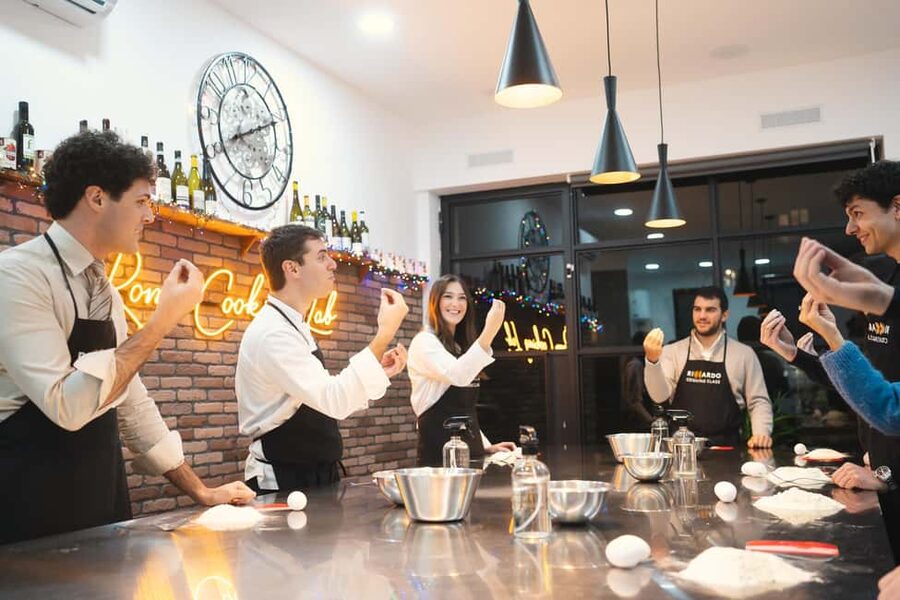
Pasta tastes better when you make it yourself. This three-hour class with Chef Riccardo and his team gives you a hands-on introduction to Roman cooking, from rolling fresh dough to preparing sauces and sitting down for the meal you helped create. I especially like the small group size, limited to 10 people, and the chance to make several kinds of pasta rather than just one dish. The included wine and three-course meal also make the $97 price easier to justify.
The main thing to consider is that the class can be taught in English and Italian, and the balance between languages may vary with the group. One participant felt left out when much of the storytelling was in French for other classmates. If you want quiet, highly focused instruction, this may feel lively and social instead. For most people, that is part of the fun.
Key things to know before booking
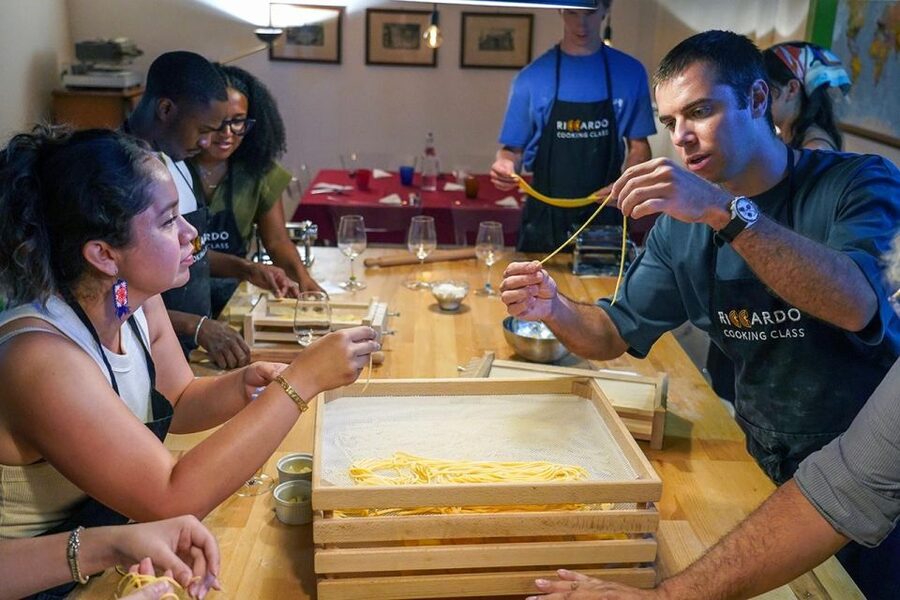
- You make several pasta shapes: Depending on the session, expect options such as ravioli, fettuccine, tortellini, cappelletti, and spaghetti alla chitarra.
- Roman sauces are part of the lesson: Carbonara and Cacio e Pepe are among the specialties covered, with other sauces such as arrabbiata also appearing in classes.
- The class ends with a full meal: You eat the pasta and sauces you prepared, along with selected wine and, in some sessions, prosecco.
- The teaching is practical: Chef Leo, Chef William, Chef Riccardo, and other team members have been praised for clear demonstrations, patient corrections, and useful tips for cooking at home.
- The setting can vary: You may meet at Riccardo’s grandmother’s home or at The Cooking Lab at Circonvallazione Gianicolense 418.
- Dietary needs require advance notice: Vegetarian options are available, while private classes can be arranged for vegan, gluten-free, dairy-free, or special recipes.
What happens during the three-hour class
The class begins when you meet the chefs at Riccardo’s grandmother’s house or at The Cooking Lab. The lab is on the street near a cafe at Circonvallazione Gianicolense 418, 00152 Rome. The venue is easy to reach by public transportation from central Rome, according to one participant, but you should still check the exact meeting instructions before setting out because the location may vary.
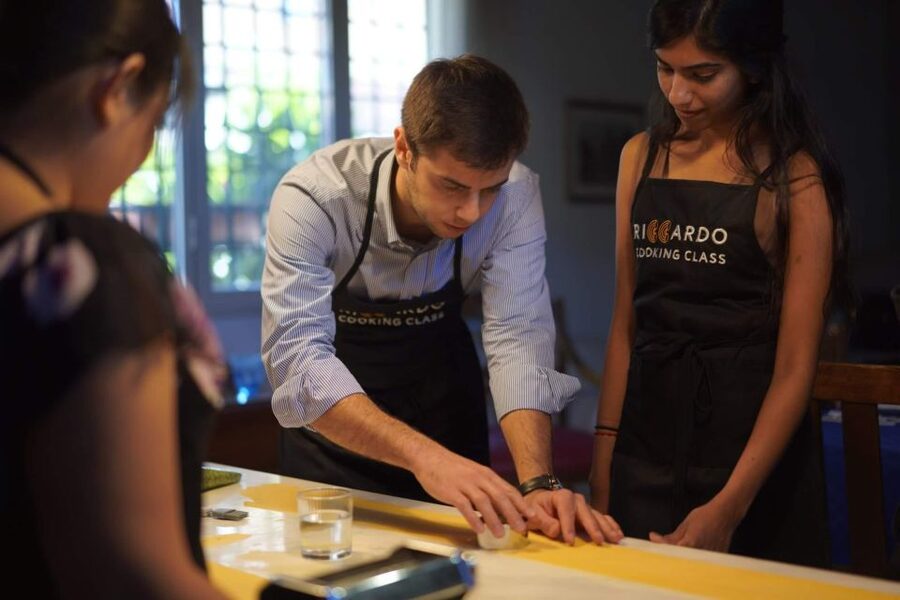
After introductions, you are given an apron and brought into the cooking process. This is not a demonstration where you sit back and watch a chef do everything. You mix, shape, roll, fill, and handle the dough yourself. That matters because fresh pasta is a hands-on skill. You learn how the dough feels, how thin it needs to be, and how much filling is sensible before the pasta becomes difficult to seal.
The exact menu can change, but past classes have included three different pasta types. Ravioli, fettuccine, and spaghetti were made in one session, while another included three pastas and three sauces. Other possible shapes include tortellini, cappelletti, and spaghetti alla chitarra.
You should expect some repetition, but it is useful repetition. Making more than one shape helps you see how the same basic dough can become a long pasta, a filled pasta, or a more distinctive cut. The class is also a good place to learn the small details that recipes often skip, such as how to work the dough, how to shape pasta evenly, and how to avoid overfilling ravioli.
More Pasta Making in Rome:
- Rome: Pasta & Tiramisu Class with Fine Wine by the Vatican
★ 4.9 · 4,852 reviews - Rome: Pasta Making Class with Wine, Limoncello, and Dessert
★ 4.9 · 3,177 reviews - Learn to Make Pasta & Tiramisu with Wine and Limoncello Included
★ 5.0 · 2,345 reviews
Rolling dough and shaping three types of pasta
The strongest part of this experience is the amount of actual work you get to do. You are not merely assembling pre-measured ingredients. The chefs show the process step by step, then give you a turn.
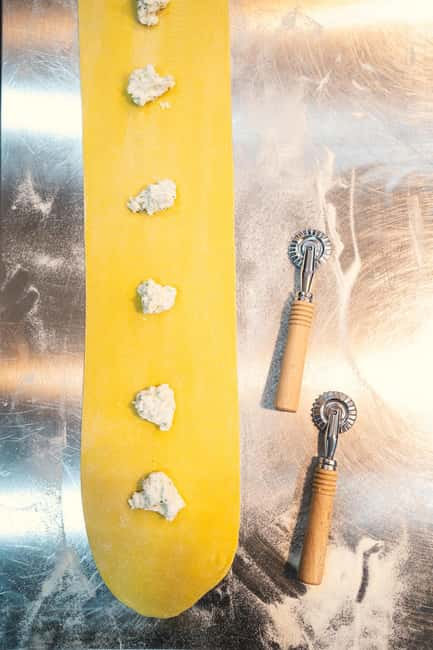
For many people, ravioli is the most satisfying part. You place the filling, fold or cover the dough, press out air, and seal the edges. It looks simple until you try to do it quickly. The chef’s corrections are useful here, especially if your first pieces are too thick, too full, or not sealed firmly enough.
Fettuccine offers a different lesson. The dough must be rolled and cut into long strands, and the shape gives you a clear sense of how fresh pasta differs from dried supermarket pasta. Spaghetti alla chitarra brings another technique, using the traditional guitar-like cutting tool. Tortellini and cappelletti require more detailed shaping and can be a little fiddly, but they show how much variety comes from a basic dough.
The instructors have received strong praise for explaining not just what to do, but why. Chef Leo has been singled out for making adjustments while explaining the reasons behind them. Chef William has also been praised for patience and clear instruction. That kind of teaching is valuable because you can repeat the methods at home instead of simply copying a one-time trick.
The class is social. You work alongside other participants, compare shapes, and share the table afterward. If you are traveling alone, this format can be a comfortable way to meet people. If you are traveling as a couple or family, there is enough shared work to keep everyone involved.
Roman sauces, from Carbonara to Cacio e Pepe
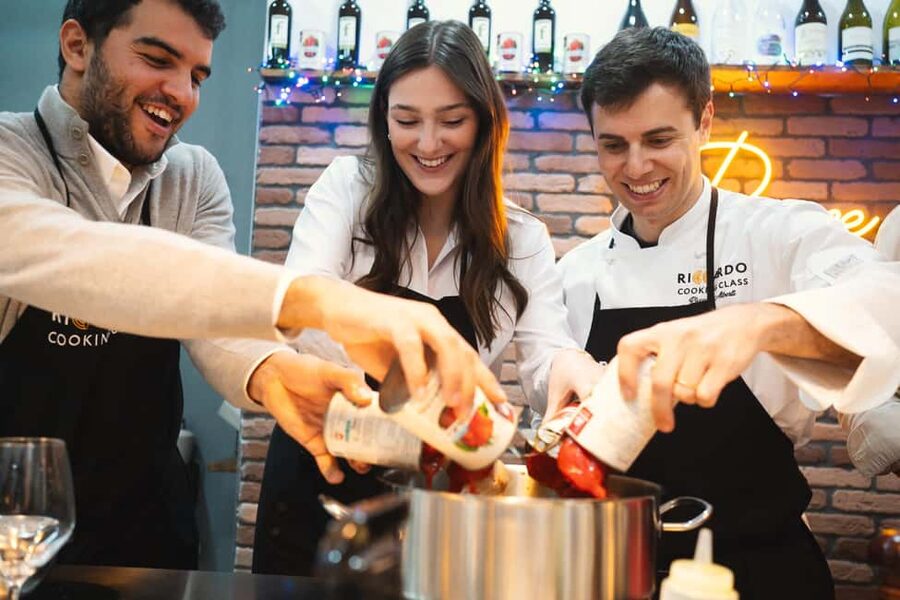
Pasta is only half the lesson. The sauces give this class a Roman focus and help explain why good Italian cooking often depends on a short ingredient list.
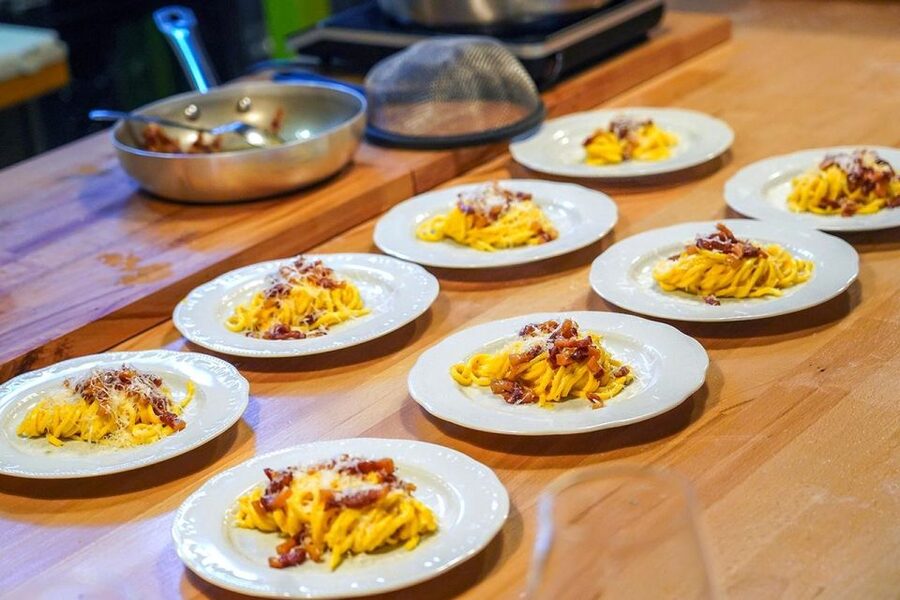
Carbonara is an important example. The traditional version prepared in class uses guanciale, which one participant specifically praised for its deep flavor. You also learn how the sauce differs from versions commonly served outside Italy. The lesson is useful because Carbonara can easily become scrambled eggs or a heavy cream sauce if handled poorly. The class focuses on the traditional method instead.
Cacio e Pepe is another Roman staple highlighted in the experience. Its ingredients are simple, but the technique is not. The cheese and pepper must come together with pasta water to form a smooth sauce. Learning this in person can help you understand why the texture matters and why the timing of the pasta and sauce is so important.
Arrabbiata has also appeared alongside fettuccine. Other sessions have included several sauces matched with different pastas. The exact combination is not guaranteed, so you should think of the class as a lesson in techniques and Roman flavors rather than a fixed menu.
The chefs also discuss shopping and ingredients. One session included advice on what to look for when buying ingredients at home and how to get more from each item. This is one of the best reasons to take a cooking class in Rome: you can connect the food on your plate with the choices made in the kitchen.
The meal and wine are part of the value
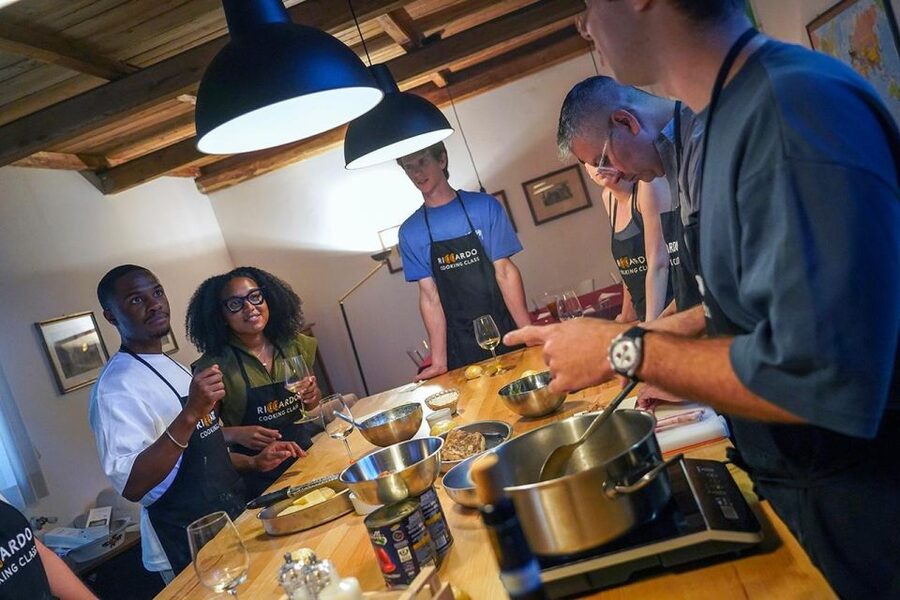
Once the pasta and sauces are ready, everyone sits down to eat. The meal is described as a three-course experience, with the pasta you prepared forming the heart of it. Selected wine is included, and some sessions have served prosecco during the class.
The wine is not just an extra drink added to the package. It helps turn the lesson into a shared Italian meal rather than a kitchen workshop that ends when the burners go off. Still, the amount of alcohol and the pacing can vary, so you should not book this solely as a wine tasting. The main focus is pasta and sauces.
There is also a practical benefit to the generous portions. One participant had enough food left to take some home. That will depend on the class and how much is prepared, but you should arrive ready for a substantial meal rather than a small sample.
The food has received some of the strongest praise. Multiple participants described the dishes as among their best meals in Rome, and several said they wanted to recreate them at home. That is a good sign for anyone who cares more about useful cooking skills than a polished photo opportunity.
A few more wine tours around Rome worth a look
- Fettuccine & Tiramisù: Cooking Class with Wine & Limoncello
★ 4.9 · 2,103 reviews - Rome Pasta and Tiramisu Class: Ravioli, Fettuccine & Fine Wine 5*
★ 5.0 · 1,319 reviews - Rome Cooking Class: Make Pasta, Dine & Drink Wine With Local Chef
★ 5.0 · 1,263 reviews - Rome: Combo Pizza and Pasta Cooking Class with Wine
★ 4.6 · 1,180 reviews
A warm teaching style, with a language caveat
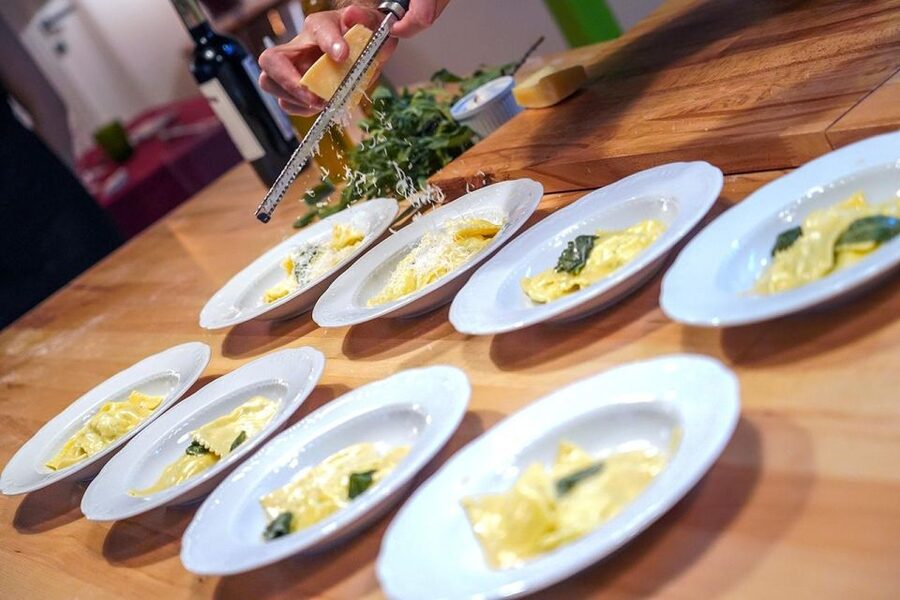
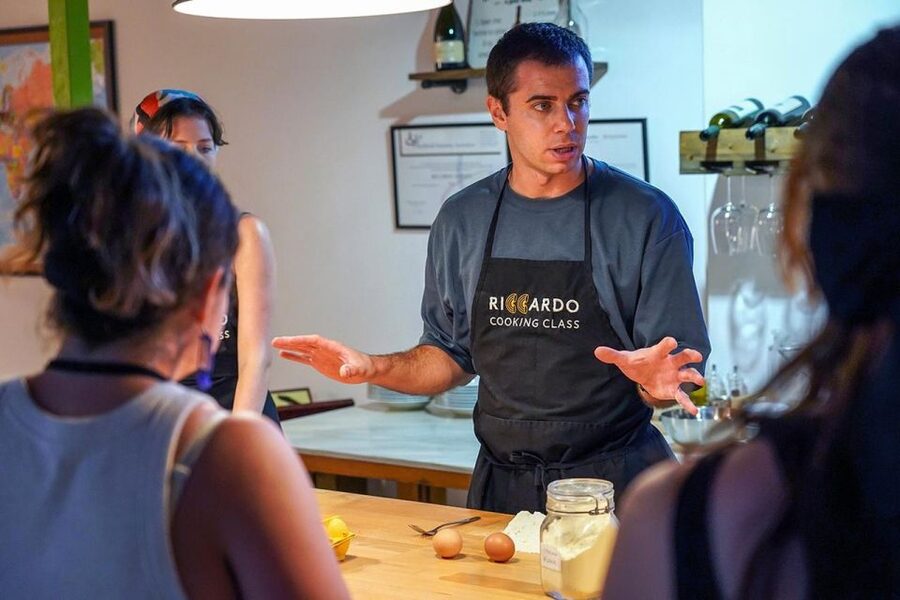
Chef Riccardo is the central figure, but the class may also be led or assisted by chefs such as Leo, William, Mattia, Marco, and Bruno. The teaching style appears friendly, involved, and informal. Participants have especially appreciated humor, personal attention, and the way the chefs bring everyone into the work.
That warmth is a real strength. Pasta-making becomes much less intimidating when the chef corrects you without making a fuss. Several sessions have been described as relaxed, entertaining, and family-like, which fits the small-group design.
The language setup deserves a little attention. English and Italian are listed as the class languages. If participants speak other languages, the instructor may try to accommodate the group, but the experience may not feel equally balanced for everyone. One participant found the class less satisfying when the chef spent much of the time speaking French to two classmates.
This is not a reason to avoid the class, but it is worth knowing. If you need every explanation in English, ask about the language arrangement before booking. The hands-on nature means you can still follow many demonstrations visually, but stories and cooking tips are harder to catch when they are translated only in parts.
A local setting rather than a sightseeing attraction
This class does not take place beside the Colosseum or in a famous historic building. Its appeal is the kitchen and the people in it. The experience is presented as taking place in a local home or at a dedicated cooking lab, with Riccardo’s grandmother’s house used for some sessions.
That setting can feel more personal than a large culinary school. You are there to cook, eat, and talk, not to move through a list of Roman sights. For a first visit to Rome, I would pair it with a separate sightseeing day rather than expecting the class to provide city history.
The chefs may also offer restaurant and food recommendations. Taking the class early in your Rome visit could be smart if you want to use those suggestions for the rest of your stay. Several participants found those recommendations useful for choosing restaurants, pizza places, gelaterias, and wine.
Is $97 a fair price?
At $97 per person, this is not the cheapest meal you will find in Rome. It is also more than a short pasta demonstration. You are paying for three hours of instruction, ingredients, equipment, an apron to use, several pasta techniques, sauces, wine, and a meal.
The value is strongest if you want to learn. You may leave with methods for making long pasta, stuffed pasta, and Roman sauces, plus recipes or notes that can guide you at home. That gives the experience a life beyond the afternoon itself.
The price also includes the social side of the class. You are not simply buying a plate of pasta. You are getting a small-group activity with a chef, shared cooking, and a meal around the table. For couples, families, and solo visitors who enjoy food, that combination is reasonable.
The value is weaker if you dislike group activities, do not drink wine, or want a strictly private lesson. Private classes are available, but special recipes and dietary arrangements may require that option. Also remember that the apron is provided for use, but keeping it costs extra.
Dietary restrictions and accessibility
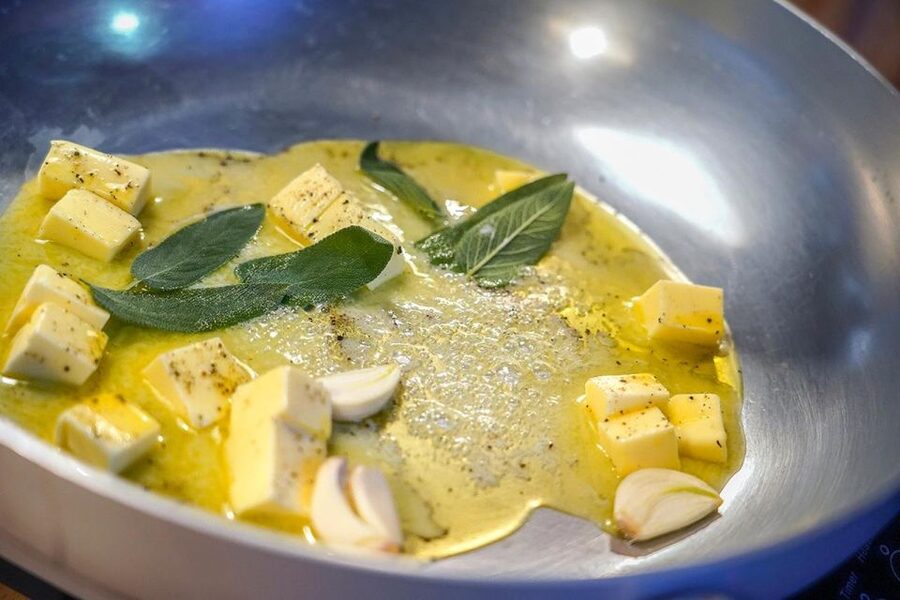
Vegetarian diners can be accommodated, and the class asks you to report allergies, intolerances, dietary restrictions, or ingredients you cannot eat. Do this before the class rather than waiting until you arrive.
Private classes may be arranged for vegan, gluten-free, dairy-free, or other special requirements, as well as recipes such as gnocchi, tiramisu, or risotto. The available information does not promise that every request can be handled in a standard small-group class, so private booking is the safer route for strict dietary needs.
The activity is listed as wheelchair accessible. Since the meeting point can be a home or cooking lab, you should confirm the exact venue and access details if this is important for your visit.
Who will enjoy this pasta class most?
I would recommend this experience to you if you want to:
- Learn techniques you can repeat at home
- Eat a proper meal after cooking
- Try several pasta shapes in one session
- Taste Roman sauces such as Carbonara and Cacio e Pepe
- Meet other people in a small, friendly group
- Add a food-focused activity to a sightseeing-heavy Rome itinerary
It is especially suitable for families and couples, but solo participants can fit in well because the class depends on shared work. It also suits cooks with some experience, since the chefs explain technique rather than assuming you already know the basics.
I would be more cautious if you want a quiet, private lesson or a fixed menu guaranteed in advance. You should also check the language arrangements if detailed English instruction is important to you.
FAQ
How long does the pasta-making class last?
The class lasts three hours. Starting times vary, so you need to check availability for the date you want.
How much does the experience cost?
The listed price is $97 per person.
What pasta can I learn to make?
Possible pasta types include ravioli, fettuccine, tortellini, cappelletti, spaghetti alla chitarra, and other fresh pastas. The exact selection can vary by session.
Are sauces included in the lesson?
Yes. The class covers Italian sauces, including Roman specialties such as Carbonara and Cacio e Pepe. Arrabbiata and other sauces may also be prepared.
Is food and wine included?
Yes. The experience includes a three-course meal, selected wine, and the food prepared during the class. Some sessions also include prosecco.
Can vegetarians or people with allergies participate?
Vegetarian options are available. You should report allergies, intolerances, and dietary restrictions in advance. Private classes may be arranged for vegan, gluten-free, dairy-free, and other special menus.
Where does the class meet?
The meeting point may be Riccardo’s grandmother’s house or The Cooking Lab. The listed lab address is Circonvallazione Gianicolense 418, 00152 Rome, near a cafe.
Should you book it?
Book this class if you want to cook, not just watch. The strongest reasons are the small group, the chance to make several pasta shapes, the Roman sauce instruction, and the full meal with wine afterward. The teaching has been praised for being clear, patient, and fun, with Chef Riccardo and team members such as Leo and William giving practical advice you can use at home.
I would book it early in your Rome stay so you can use the chefs’ food recommendations during the rest of your visit. Just confirm the meeting location, language arrangement, and dietary needs in advance. For food lovers, this offers a useful and genuinely social break from Rome’s monuments, with plenty of pasta to show for your time.
Newly added around Rome
- Rome: Painting Class with Unlimited Wine★ 4.8 · 109 reviews
- Rome: Vatican Street Food and Wine Tour with Farmers Market★ 5.0 · 37 reviews
- Rome: Trionfale and Prati Food and Wine Tasting Tour★ 4.8 · 115 reviews
- Rome: Testaccio Food & Market Tour with Pasta & Wine★ 5.0 · 38 reviews
- Rome: Trastevere Food Walking Tour with Beer and Wine★ 4.9 · 71 reviews
- Rome: Trastevere Wine Tasting with Food Pairing and Gelato★ 4.9 · 168 reviews
- Rome: Pasta Making Class with Tiramisu & Wine PRIVATE OPTION★ 4.8 · 404 reviews
- Rome: Private Guided Golf Cart Tour with Gelato or Wine★ 4.9 · 338 reviews
Pasta, compared.
Pasta & Tiramisu Cooking Class with Unlimited Wine
Read our review →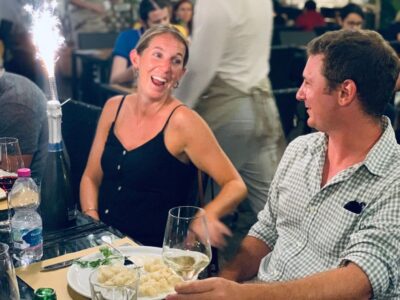
Pasta & Tiramisu Class with Fine Wine by the Vatican
Read our review →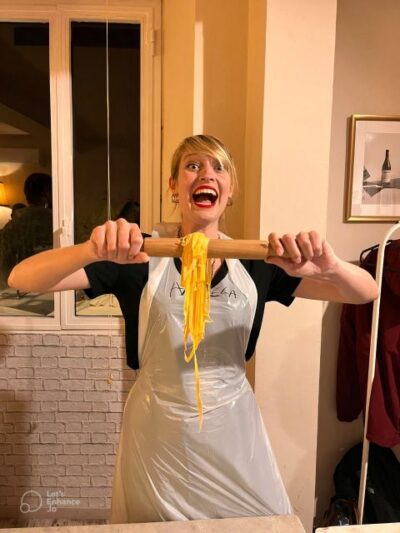
Pasta Making Class with Wine, Limoncello, and Dessert
Read our review →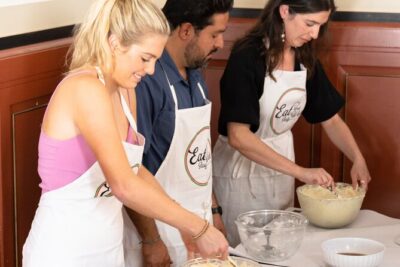
Learn to Make Pasta & Tiramisu with Wine and Limoncello Included
Read our review →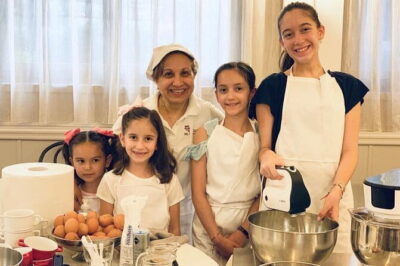
Cooking Class Pasta & Tiramisu Making Unlimited Wine
Read our review →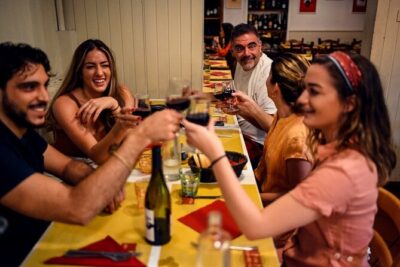
Bologna Food & Market Tour with 6 Tastings, Pasta, Wines & More
Read our review →Browse the lists this tour appears in