
REVIEW · ROME WINE TOURS
Rome: Hands-On Pizza Making Class near the Vatican with Wine
Pizza is a fine break from ancient stones. This hands-on Roman pizza class near the Vatican lets you mix, knead, shape, top, and bake your own meal with an English-speaking Italian chef. I like the small group size, capped at 12, and the warm teaching style praised by families who worked with hosts such as Sonia, Ginevra, Gui, and David. I also like that vegan, vegetarian, and gluten-free options are available.
The main consideration is time. At 90 minutes, the class moves at a good clip, so it is more of a focused cooking lesson than a long food tour. You also need to make your own way to Pummarè Restaurant above the Trionfale Food Market, rather than relying on hotel pickup.
Key points at a glance
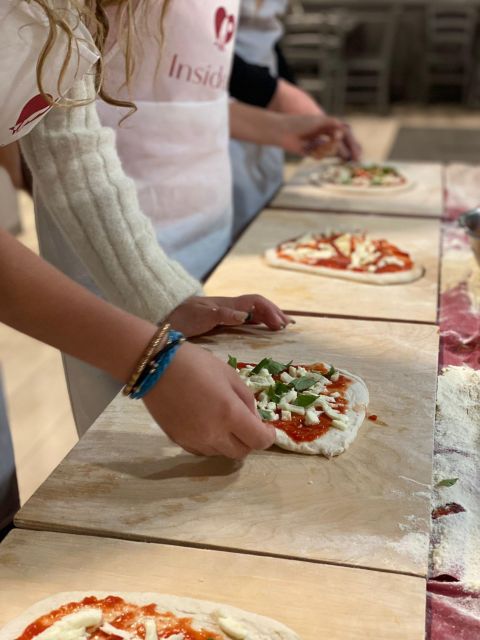
- You make the pizza from scratch: Mix and knead the dough, shape it, choose toppings, and take part in the cooking.
- The group is limited to 12 people: That gives the chef room to help beginners and answer questions.
- It includes more than pizza: Your menu includes a welcome drink, appetizer, pizza, water, and wine, beer, or a soft drink.
- It works well for families: Children can take part when accompanied by an adult, and past classes have been especially well received by parents.
- Dietary needs can be discussed: Vegetarian, vegan, and gluten-free choices are available, but you should state your needs when booking.
- You leave with a recipe: The useful souvenir is a practical skill you can repeat at home.
Why this Vatican-area class works so well
Rome offers endless sightseeing, but not every good memory comes from a museum or church. I like this class because it gives you something to do with your hands. Instead of only eating pizza at a restaurant, you learn how dough becomes the base of a Roman-style pie and how toppings affect the finished dish.
The setting is useful, too. Pummarè Restaurant is above the Trionfale Food Market, close to the Vatican area. You are not being sent across the city for a cooking lesson, so it can fit neatly before or after Vatican sightseeing. Still, plan your route carefully. The meeting point is at the top of stairs marked with graffiti, with a taxi station in front. Arrive 15 minutes early, since a market-side meeting point can be easy to miss if you are rushing.
The activity costs $61 per person. That is not the cheapest meal in Rome, but the price covers instruction, ingredients, cooking equipment, an apron, drinks, an appetizer, and the pizza you make. When you also count the social side of a small cooking class, the value is better than simply paying for a pizza at a restaurant. You are buying dinner plus a lesson you can use again.
A few more wine tours around Rome worth a look
- Rome: Pasta & Tiramisu Class with Fine Wine by the Vatican
★ 4.9 · 4,852 reviews - Rome: Pasta Making Class with Wine, Limoncello, and Dessert
★ 4.9 · 3,177 reviews - Fettuccine & Tiramisù: Cooking Class with Wine & Limoncello
★ 4.9 · 2,103 reviews
From welcome drink to pizza dough
The class begins with a welcome drink. The included choices list a light spritz, Prosecco, or wine, and the meal also includes water. This opening helps the class feel relaxed rather than like a formal kitchen course. If you do not drink alcohol, a soft drink is included as well.
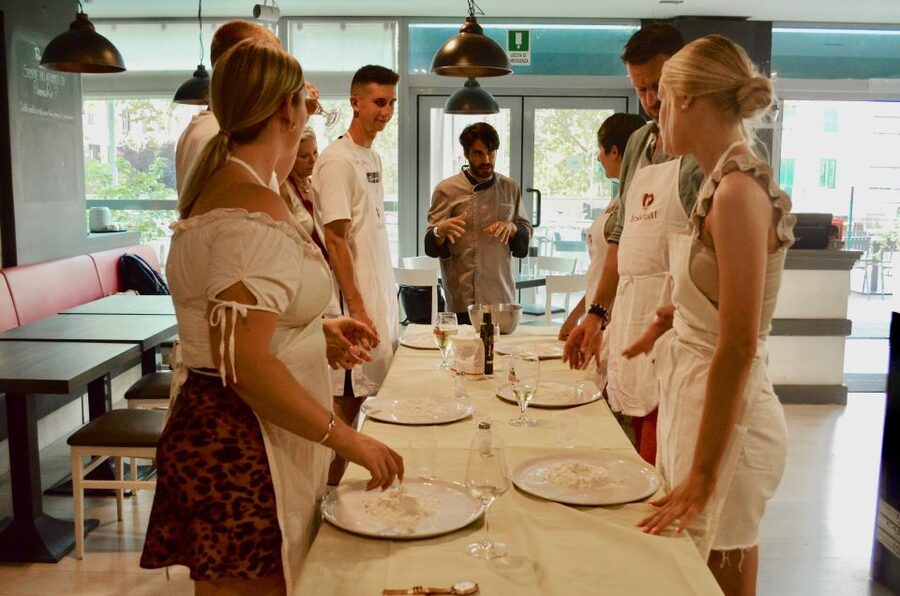
The chef then takes you through the basic dough process. You can expect to mix ingredients, knead the dough, and learn how its texture changes as you work it. This is the part beginners often appreciate most, since pizza dough can look simple but behaves differently depending on how it is handled.
The teaching is meant for complete beginners. Past instructors have been described as patient, funny, clear, and easy to understand. David was praised for explaining each step slowly, while Ginevra was noted for combining good instruction with a kind manner. Gui was remembered for being entertaining while explaining useful techniques. Those details matter because a cooking class can become frustrating if the instructor performs everything while you watch.
Here, the goal is participation. You should expect to ask questions, make mistakes, and receive help as you go. If you are cooking with children, that flexibility is important. Kids may interrupt, ask many questions, or need help with several steps at once. Sonia was especially praised for working well with children and families.
Shaping a Roman-style pizza
Once the dough is ready, you shape it into a pizza base. The class focuses on traditional techniques, so you are not simply handed a prepared crust. You get a chance to see how the dough stretches and how the shape affects the final result.
Do not expect every pizza to look perfect. That is part of the fun. A first attempt may be uneven, but the cooking process is forgiving, and the finished pizza can still be delicious. The class is designed to help you understand the method, not to test your ability to produce a restaurant-perfect circle.
You then choose from fresh, seasonal ingredients. The available options include choices for vegetarian, vegan, and gluten-free diners. That makes the class practical for mixed groups, since one person can avoid dairy or gluten without sitting out of the main activity.
You should tell the local partner about dietary requirements when booking. The information provided confirms that these options are available, but it does not promise that every ingredient is suitable for every allergy. If your restriction is serious, explain it clearly before the class rather than waiting until you arrive.
Toppings, oven time, and your meal
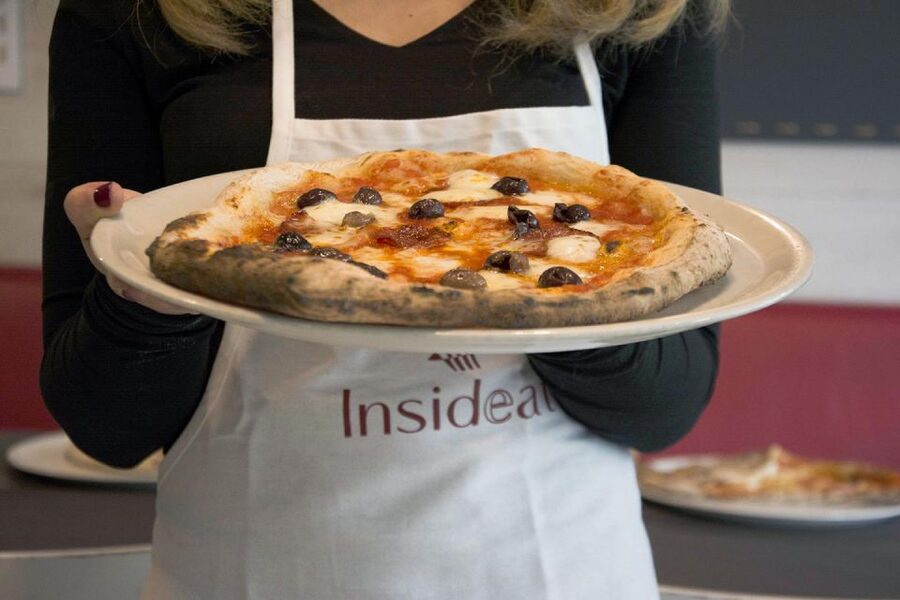
The topping stage is where the lesson becomes personal. You can select from the available cheeses and other ingredients, then build your own combination. This gives you a better feel for balance: too many toppings can weigh down the dough, while a simpler arrangement lets the base and sauce do more work.
The class includes an appetizer before or alongside the pizza, depending on how the chef organizes the meal. After the pizzas are prepared, you sit down to eat them with wine, beer, a soft drink, and water. The included menu is generous enough that you should arrive hungry.
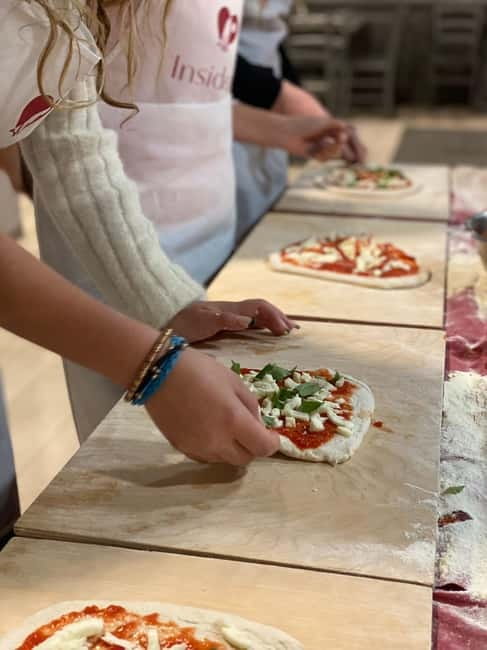
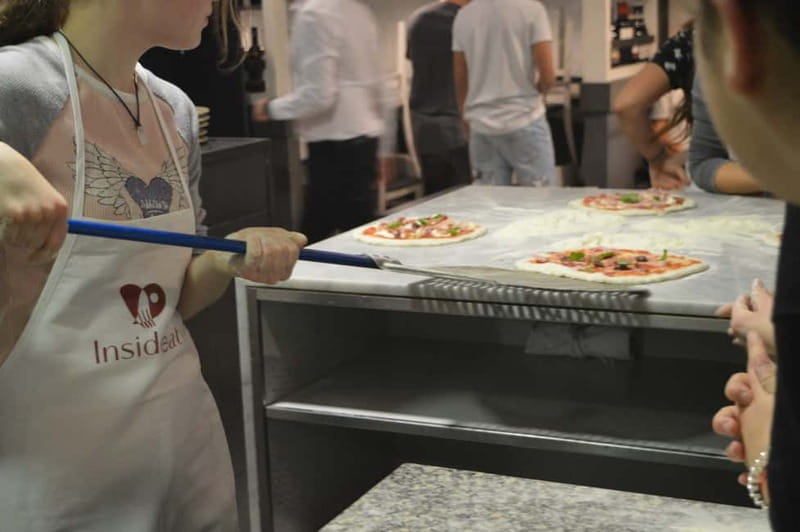
One useful detail from past sessions is that participants have been able to put their own pizzas into the oven. That makes the final stage feel earned. You are not watching a chef cook a pizza that you later receive. You have handled the dough, chosen the toppings, and taken part in the process from start to finish.
The food is clearly the main reward, but the setting also matters. The restaurant has been described as clean, friendly, and well prepared for the class. You are eating in a working restaurant environment rather than a staged demonstration kitchen, which gives the meal a more natural feel.
Same region, a very different glass:
- Rome: Tuscany & Montepulciano Day Trip with Lunch & Wine Tasting
★ 4.5 · 5,232 reviews - Rome Food Tour: Unlimited Tastings with Fine Wine & Barolo
★ 5.0 · 3,365 reviews - Rome: Guided Food Walking Tour with Wine in Trastevere
★ 4.9 · 3,105 reviews - Rome: Tuscany & Montepulciano Day Trip with Lunch & Wines
★ 4.7 · 3,004 reviews
A good choice for families and first-time cooks
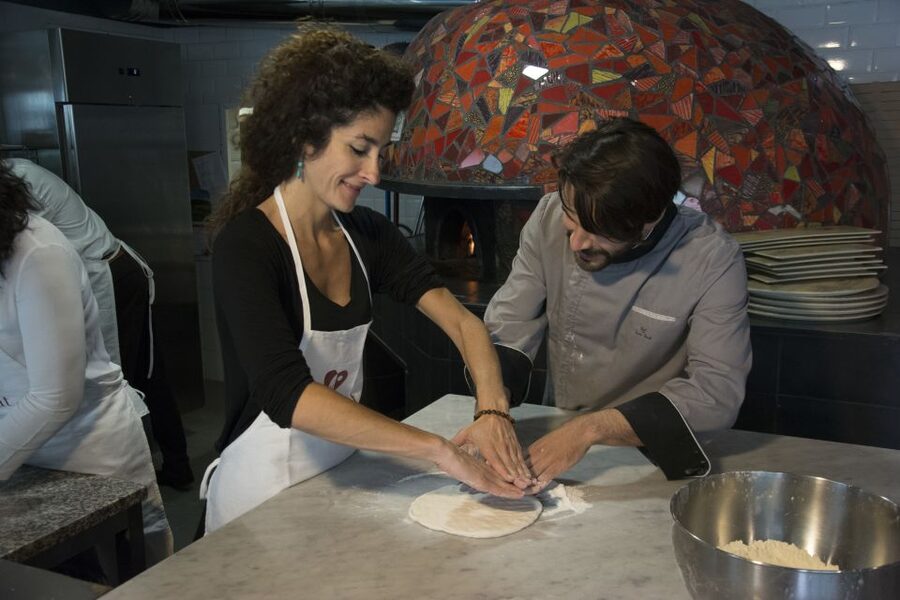
Families are likely to get the most from this activity. Several children enjoyed the class, and parents appreciated having a break from churches, ruins, and long museum visits. Pizza is familiar enough to keep young participants interested, while the hands-on work gives them a clear role.
Children must be accompanied by an adult, and unaccompanied minors are not allowed. That rule is worth noting if older children are traveling with a group. The class is not designed as drop-off childcare.
Couples can enjoy it as a shared meal with a playful side. It also suits solo participants, since the small group creates an easy chance to meet other people without requiring a full-day social tour. Friends can make the activity competitive if they wish, although the class is more about learning and eating than judging whose pizza looks best.
The 12-person maximum is a real advantage. A larger group could turn the class into a demonstration with limited personal help. With fewer people, you have a better chance to ask about dough, topping choices, and cooking technique. The exact number on your date may be smaller, but it will not exceed 12.
What the 90-minute schedule means
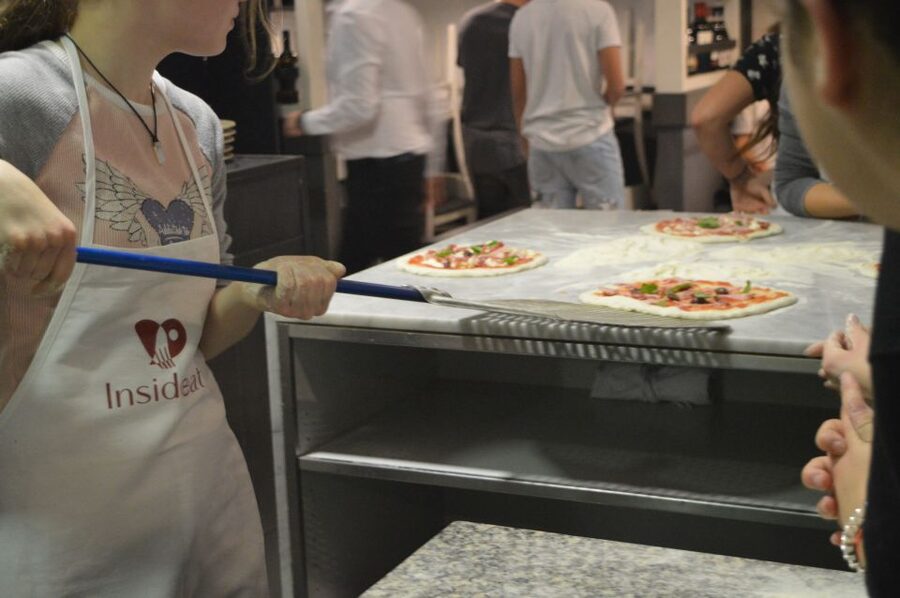
Ninety minutes is enough time for a compact lesson and meal, but it is not a slow afternoon cooking seminar. You will move from welcome drink to dough preparation, shaping, topping, baking, and eating without long pauses.
I see that as a benefit for a busy Rome itinerary. You can fit the class into a day that includes the Vatican, nearby neighborhoods, or other central sights. It is also a sensible option when you want a proper meal but do not want to spend several hours at a cooking school.
The tradeoff is that you may not get an extended discussion of flour, fermentation, regional pizza traditions, or advanced oven technique. The supplied details focus on practical pizza making and a friendly meal. If you want a full culinary course with several dishes and long preparation times, this is not that kind of activity.
Come hungry. The meal includes a welcome drink, appetizer, pizza, alcohol or a soft drink, and water. Eating a large meal immediately before class would make the final part less enjoyable.
Getting to Pummarè Restaurant
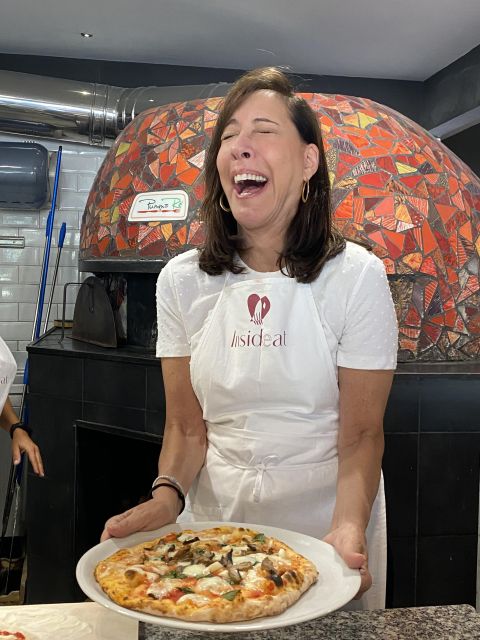
The meeting point is Pummarè Restaurant, above the Trionfale Food Market. Look for the stairs with graffiti and go to the top. A taxi station sits in front of the meeting point, which can help if you are arriving by cab.
You are responsible for getting there. Hotel pickup and drop-off are not included, and neither is transportation to other attractions. Build in extra time, especially if you are coming from the Vatican Museums or another appointment with a fixed entry time.
The activity is listed as wheelchair accessible, but the meeting instructions specifically refer to stairs. If you use a wheelchair or have mobility concerns, contact the local partner before arrival to confirm the most suitable route into the venue. The class language is English, and an English-speaking guide or chef leads the instruction.
If you are late, contact the provided number, +39 327 306 8995. Arriving 15 minutes early is the safer plan. You do not want to begin by searching around a food market while the dough lesson is already underway.
Dietary choices and what to tell the chef
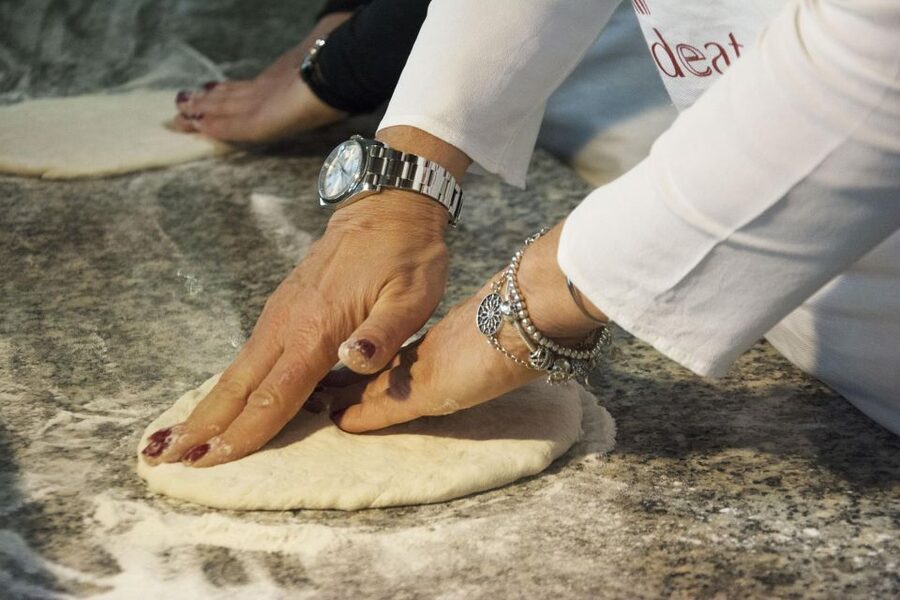
Vegetarian options are available, and the class also offers vegan and gluten-free choices. This is helpful for families and groups with different eating habits, since everyone can take part in the same basic activity.
Still, dietary arrangements work best when handled in advance. Give the local partner your requirements at booking, including allergies or serious cross-contact concerns. The class uses shared ingredients and a working restaurant kitchen, so clear communication is important.
If you simply prefer not to drink alcohol, you can choose a soft drink. The included menu also lists beer, wine, and water. A light spritz, Prosecco, or wine is available as a welcome drink, giving you several ways to take part without making alcohol central to the experience.
What past participants found especially strong
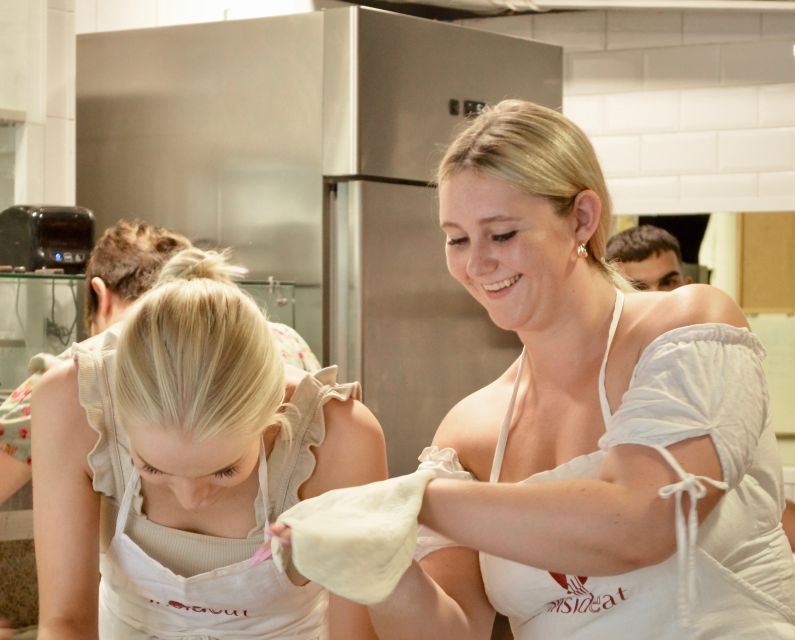
The most consistent praise has gone to the instructors. Their success comes less from formal culinary detail than from patience, humor, and the ability to keep the class moving. Families repeatedly found the chefs welcoming, while beginners left feeling able to try pizza at home.
The food itself also earns strong marks. Participants have called the pizzas delicious and described making them from start to finish. That is important: a cooking activity can be fun even when the food is average, but this one appears to deliver both a pleasant lesson and a satisfying meal.
The small-group format also receives praise. A group of about 10 has been described as comfortable, with enough people to create a social atmosphere but not so many that the instructor disappears. The class is capped at 12, so you should not face a crowded workshop.
The main limitation is not a serious flaw, but a matter of expectations. This is a short, cheerful pizza lesson, not a detailed study of Roman food culture. You get practical skills, a shared meal, and a recipe to download or take home, not a full tour of the market or Vatican area.
Is this pizza class worth $61?
For a basic restaurant meal, $61 is a significant price. For a meal plus a 90-minute cooking lesson, drinks, ingredients, equipment, and a small group, it is easier to justify.
I would consider it good value if you want an activity rather than only a plate of food. The recipe and techniques add lasting value, especially if you enjoy cooking at home. Families also get entertainment for children, which can be worth a great deal during a sightseeing-heavy Rome trip.
I would skip it if you want a quiet meal, a long food tour, or a highly advanced lesson. You should also compare the timing with your Vatican plans. The location is convenient, but a late-running museum visit could make the 15-minute early arrival difficult.
Who should book this experience?
I would recommend it to families, first-time cooks, couples, and solo visitors who like meeting people through food. It is especially useful for a group with mixed dietary needs, provided you give advance notice.
Book it if you want to leave Rome with more than photographs and a restaurant bill. You will have learned a repeatable dough and topping process, eaten what you made, and received a recipe for another attempt at home.
Skip it if your priority is a lengthy cooking course or a broad food tour. For most people seeking a friendly, practical break near the Vatican, the combination of personal instruction, generous food, wine, and a small group makes this an easy recommendation.
FAQ
How long does the pizza-making class last?
The class lasts 1.5 hours, or 90 minutes.
How much does the experience cost?
The listed price is $61 per person.
Where does the class meet?
Meet at Pummarè Restaurant above the Trionfale Food Market, at the top of the stairs with graffiti. A taxi station is in front of the meeting point.
How early should I arrive?
You should arrive 15 minutes before the class begins.
What happens if I am late?
If you are late, contact the local partner at +39 327 306 8995.
Is the class taught in English?
Yes. The cooking lesson and guiding are provided in English.
What food and drinks are included?
The menu includes a welcome drink, appetizer, pizza, wine, beer or soft drink, and water. A light spritz, Prosecco, or wine is listed among the welcome drink choices.
Are vegetarian, vegan, and gluten-free options available?
Vegetarian, vegan, and gluten-free options are available. Tell the local partner about specific dietary requirements when booking.
Can children join the class?
Children can join, but they must be accompanied by an adult. Unaccompanied minors are not allowed.
Newly added around Rome
- Rome: Painting Class with Unlimited Wine★ 4.8 · 109 reviews
- Rome: Vatican Street Food and Wine Tour with Farmers Market★ 5.0 · 37 reviews
- Rome: Trionfale and Prati Food and Wine Tasting Tour★ 4.8 · 115 reviews
- Rome: Testaccio Food & Market Tour with Pasta & Wine★ 5.0 · 38 reviews
- Rome: Trastevere Food Walking Tour with Beer and Wine★ 4.9 · 71 reviews
- Rome: Trastevere Wine Tasting with Food Pairing and Gelato★ 4.9 · 168 reviews
- Rome: Pasta Making Class with Tiramisu & Wine PRIVATE OPTION★ 4.8 · 404 reviews
- Rome: Private Guided Golf Cart Tour with Gelato or Wine★ 4.9 · 338 reviews
Rome Wine Tours, compared.
Tuscany & Montepulciano Day Trip with Lunch & Wine Tasting
Read our review →
Pasta & Tiramisu Class with Fine Wine by the Vatican
Read our review →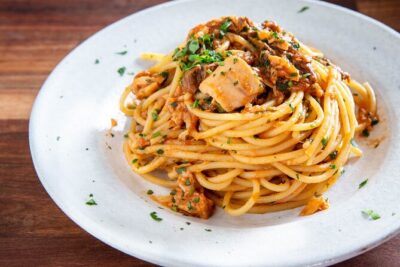
Rome Food Tour: Unlimited Tastings with Fine Wine & Barolo
Read our review →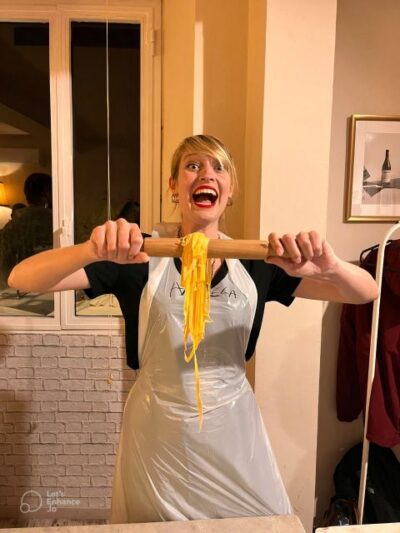
Pasta Making Class with Wine, Limoncello, and Dessert
Read our review →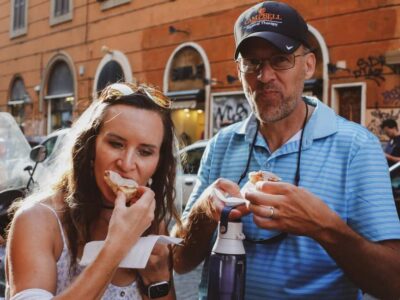
Guided Food Walking Tour with Wine in Trastevere
Read our review →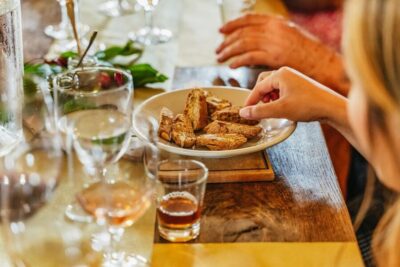
Tuscany & Montepulciano Day Trip with Lunch & Wines
Read our review →
Trastevere Food tour with Free-Flowing Fine Wine
Read our review →
Browse the lists this tour appears in