REVIEW · TOURS
Belgrade: Underground Tour with Glass of Wine
Belgrade keeps its best stories below street level. This three-hour tour links the Roman Well, a Tito-era military bunker, and the Austrian gunpowder storehouse called Barutana. I like the mix of Roman artifacts, military history, and old food-storage caverns, and I like that the experience ends with a glass of wine in a 19th-century cellar. The main drawback is that the underground sites are not connected by tunnels, so you will spend a fair amount of time walking outside between them.
The tour is especially strong when the guide brings Serbia’s political and military past to life. Guides including Stefan, Milan, Jovana, Joanna, and Nemanja have earned praise for clear explanations and lively storytelling. Just remember that the route includes stairs, uphill and downhill walking, and enclosed spaces. Claustrophobia could make parts of the tour uncomfortable, and summer departures can be hot above ground.
Key points to know before you go
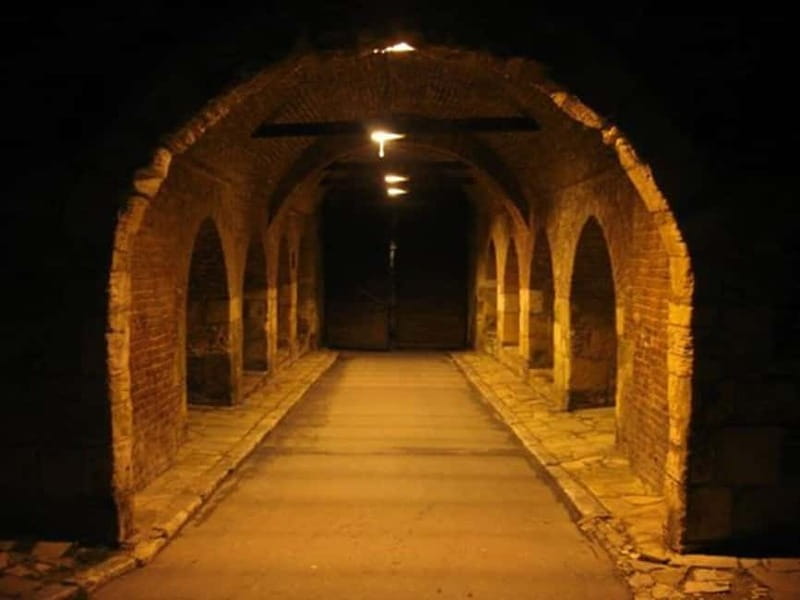
- The Roman Well is Austrian, not Roman-built: See the fortress’s famous 18th-century well and hear why its name can mislead.
- Tito-era bunker: Step inside a military shelter from Yugoslavia’s communist period.
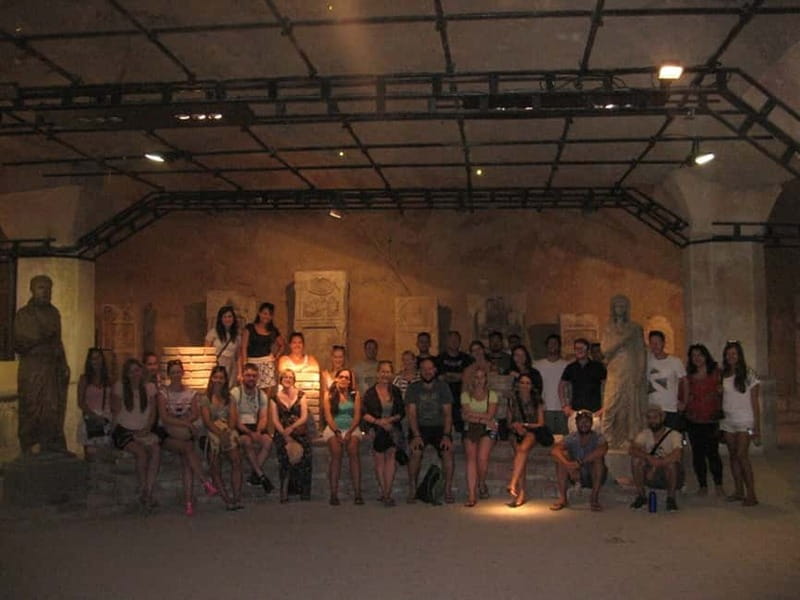
- Barutana’s Roman monuments: View altars, stonework, and sarcophagi inside an Austrian gunpowder storehouse.
- Above-ground walking matters: The sites are separate, so expect stairs, slopes, and outdoor walking between underground stops.
- Wine in an old cellar: Finish with a complimentary glass in a 19th-century space once used for storage.
- Strong value at $23: Entry fees, a professional English-speaking guide, the cellar, and wine are included.
Starting at Republic Square with Belgrade’s story
Your meeting point is easy to find. Look for the Bwt guide with a yellow umbrella beside the horseman statue at the Prince Mihailo Monument on Republic Square.
The tour starts with roughly 30 minutes of walking and explanation through central Belgrade. This opening matters because the underground sites make more sense once you understand the city above them. Belgrade has changed hands, political systems, and military roles many times, and the guide uses the walk to connect those changes.
I like this beginning because it is not just a march toward the first entrance. You get some city orientation before heading into the fortress area. Guides have been praised for answering questions about both Serbian history and politics, which is useful if you want more than dates and architectural labels.
The quality of the experience depends heavily on the guide. Stefan has been singled out for being approachable and clear, while Milan has been praised for explaining difficult historical subjects in an engaging way. Jovana and Joanna have also been noted for keeping the group involved. Names can change from one departure to the next, but the guide is clearly central to the tour’s appeal.
A few more wine tours around the world worth a look
- Tuscany Day Trip from Florence: Siena, San Gimignano, Pisa and Lunch at a Winery
★ 5.0 · 21,634 reviews - From Porto: Douro Valley w/ Boat Tour, Wine Tasting & Lunch
★ 4.7 · 19,061 reviews - Complete Douro Valley Wine Tour with Lunch, Wine Tastings and River Cruise
★ 5.0 · 12,920 reviews
The Roman Well and its surprising Austrian connection
The first major stop is the Roman Well inside Belgrade Fortress. You get time for a guided visit, sightseeing, and photographs, with the stop lasting about 30 minutes.
Despite its familiar name, the well dates from the 18th century and was built by the Austrians. That detail makes it more interesting, not less. Belgrade’s fortress has layers of Roman, medieval, Austrian, Ottoman, and Yugoslav history, and this well shows how the city’s labels can hide a more complicated past.
The well is open to the public, but the important part is hearing how it functioned and why it became part of Belgrade’s underground folklore. A guide can give the structure context that you would miss by simply looking down into it.
Bring a phone or camera if you like taking atmospheric photographs, but do not expect a long free-photography session. The tour moves at a sensible pace. One of the strengths of the experience is that it avoids long pauses for group pictures, so you have time for explanations and several different sites.
A five-minute walk to the fortress bunker
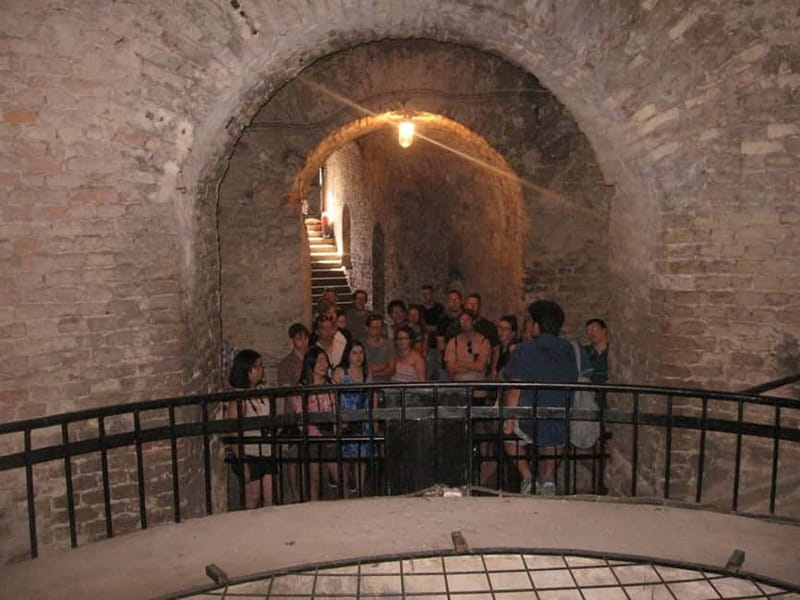
After the well, you walk for about five minutes within Belgrade Fortress before reaching a military bunker from Tito’s period. The stop lasts around 30 minutes and includes a guided visit and photographs.
This is one of the tour’s most useful contrasts. The Roman Well carries an older, imperial feel, while the bunker belongs to the tense political world of socialist Yugoslavia. You move from an 18th-century military water source to a modern shelter shaped by the era when Josip Broz Tito led the country.
The bunker gives the tour a human scale. Instead of hearing only about kings, empires, and battles, you get a sense of how the recent past affected ordinary military planning and city life. The guide’s stories are especially important here because the bare concrete spaces can seem plain without explanation.
The bunker is also a relief on a hot day. One summer visitor found the outdoor walking difficult but enjoyed the cooler underground sections. That is a useful planning point: the tour can feel physically easier once you are below ground, but you still need to handle the outdoor sections before and after each stop.
Barutana and the Roman stone monuments
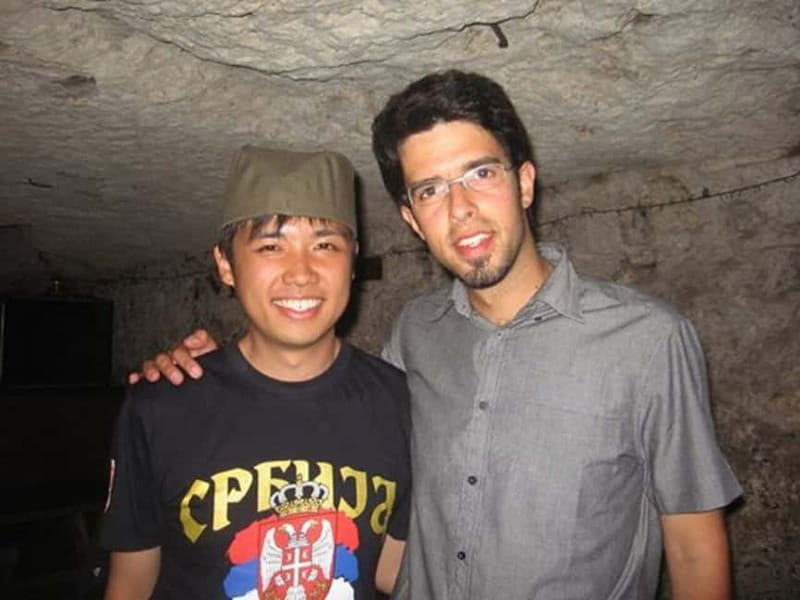
The next section brings you to Barutana, also known as the Big Gunpowder Magazine. You walk about five minutes from the bunker, then spend roughly 45 minutes inside.
The building began as an Austrian gunpowder storehouse. Today, it holds Roman stone monuments, including altars and sarcophagi. This is probably the strongest stop for anyone interested in archaeology, because the building itself is part of the military story while the objects inside reach back much further.
I like the way this part of the tour layers two periods in one room. You are standing in an Austrian military storehouse while looking at Roman remains. It is a good reminder that Belgrade Fortress was not rebuilt once and left alone. Each ruling power reused the site and added another chapter.
The Roman artifacts also give the guide a chance to explain how the area fit into the wider Roman world. The provided details do not promise a museum-style display with extensive labels, so your understanding will come mainly through the live English commentary. That is a plus if you enjoy asking questions, but less ideal if you prefer to explore independently at your own pace.
The 45-minute stop is long enough to look closely and listen without feeling rushed. It is also one of the more enclosed parts of the route, so anyone uncomfortable in confined spaces should think carefully before booking.
Same region, a very different glass:
- Florence: Pasta Cooking Class with Unlimited Wine
★ 4.9 · 10,285 reviews - Florence: Chianti Wineries Tour with Wine Tasting
★ 4.5 · 10,071 reviews - From Split: Krka Waterfalls, Food & Wine Tasting Tour
★ 5.0 · 9,326 reviews - Small-Group Wine Tasting Experience in the Tuscan Countryside
★ 5.0 · 7,392 reviews
Food-storage caverns and the walk between sites
After Barutana, the route returns through the fortress area for about 20 minutes before reaching a final, less publicized stop. Along the way, the guide discusses caverns once used to store food.
These spaces add a practical side to the tour. Military sites need supplies, not just walls and weapons, and food storage helps explain how a fortress operated day to day. I appreciate this kind of detail because it turns the fortress from a collection of ruins into a working place with soldiers, provisions, storage rooms, and routines.
The route is not one continuous underground network. You will come back outside between the main attractions, and that affects how you should dress. Wear shoes with a firm sole, since the tour includes stairs and walking on slopes. In summer, take a hat and a bottle of water. One useful feature is that the guide can point out places to refill water.
The walk is manageable for most people who are comfortable with three hours of sightseeing, but the route is not completely flat or effortless. A departure earlier in the day can be a smart choice in warm weather.
Wine in a 19th-century cellar
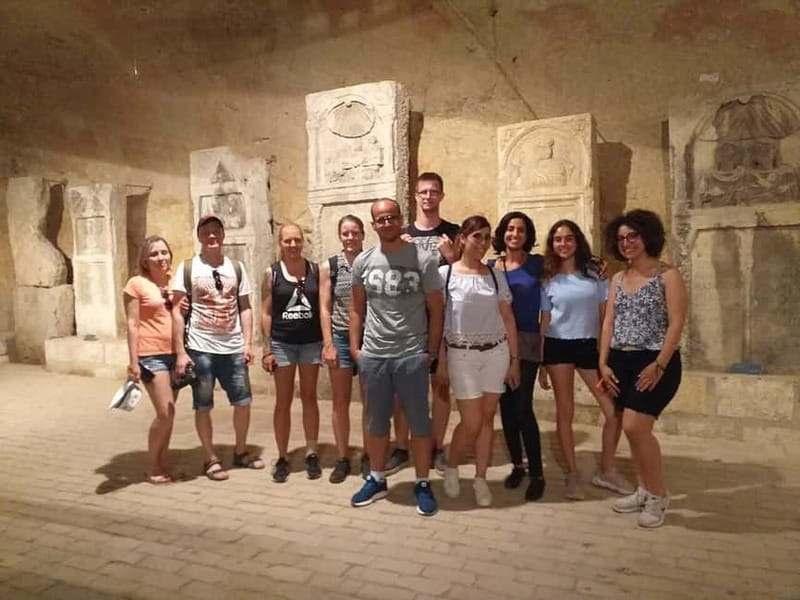
The final stop lasts about 30 minutes and includes a break, photographs, a guided visit, and wine tasting. You finish at a 19th-century wine cellar near Karađorđeva 31.
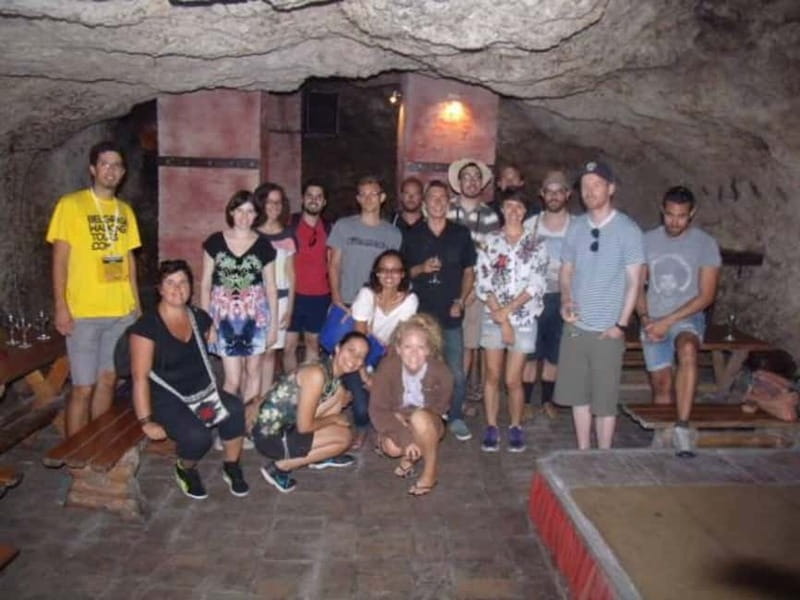
The complimentary glass of wine is more than a quick drink added to the end. You sit inside an old cellar space, with the atmosphere of a bunker or storage room, and have time to talk with the guide. Several visitors have especially enjoyed this chance to continue the conversation about Belgrade and Serbian history in a relaxed setting.
The wine itself seems to be a pleasant extra rather than the main reason to book. One person found the wine quality merely acceptable and felt Serbian wines could have been represented better. Another called the white wine excellent. That difference suggests you should keep your expectations sensible: this is a tasting finish, not a full winery visit or a dedicated wine tour.
Still, the setting gives the final half-hour a clear sense of occasion. After Roman artifacts, military rooms, and food caverns, a glass of wine in an old cellar feels like a fitting close. It also makes the tour social. You have time to ask the questions that may have come to mind during the route.
What the $23 price really covers
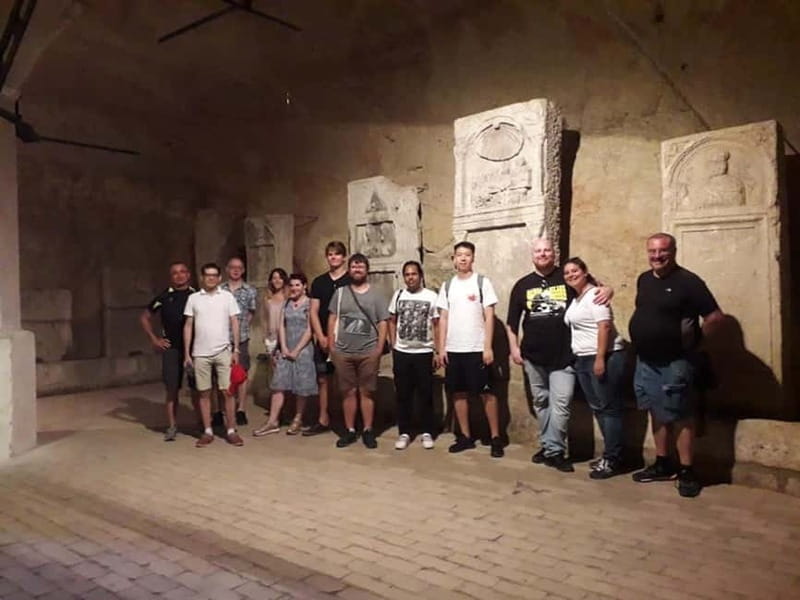
At $23 per person, this is a strong-value outing. The price includes entry to the Roman Well, Barutana, and the military bunkers, plus entry to the wine cellar, the guide, and a glass of wine.
Belgrade Fortress can be visited independently, but this tour packages several places that are easy to miss or hard to interpret on your own. The value comes from the combination of access and explanation. You are not paying only to walk around the fortress. You are paying for multiple underground stops, a live English-speaking guide, and the historical links between them.
The tour also works well as a three-hour use of your day. It is long enough to feel substantial but short enough to fit around other Belgrade plans. The route begins in central Belgrade and finishes at Karađorđeva 31, so you should allow time to get back to your hotel or your next activity.
The high score of 4.6 from 195 reviews reflects a consistent pattern: guides are the biggest strength, and the tour often reveals places people would not find by simply sightseeing around the fortress. That value is greatest for first-time visitors, though even repeat visitors can learn something new. One person who had already visited Belgrade several times said the tour changed how they understood familiar places.
Heat, stairs, and enclosed rooms
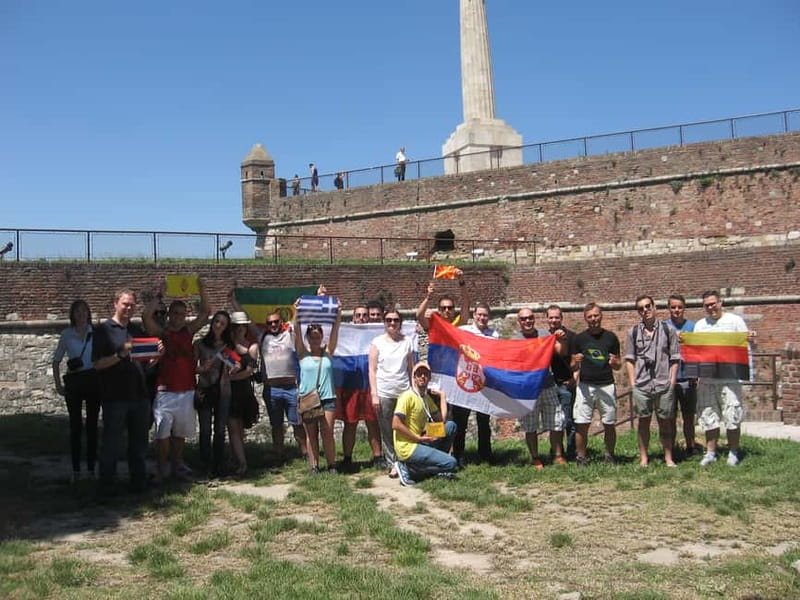
You should not book this as a completely easy stroll. The route includes underground rooms, stairs, uphill and downhill sections, and outdoor walking between the sites.
Comfortable shoes are essential. In the hot months, bring water and a hat, and consider choosing an earlier start. The underground rooms can feel cool and welcome during summer, but you cannot stay below ground for the whole tour.
The enclosed spaces may be a problem for people with claustrophobia. The tour information specifically warns about this, and it is worth taking seriously. The route also includes enough walking that anyone with mobility concerns should consider the stairs and slopes before reserving.
The group pace appears to be steady rather than slow. One person praised the lack of awkward pauses and long photo stops. That is good news if you want to cover the route efficiently, but it means you should be ready when the guide moves on.
Who will enjoy this Belgrade tour most
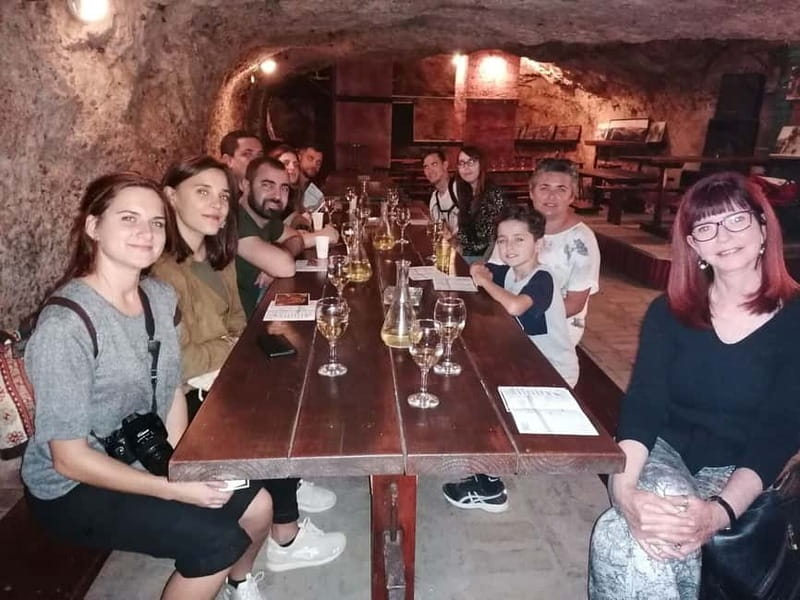
I would choose this tour if you like history but do not want a standard above-ground city walk. The mix is unusually broad: Austrian engineering, Roman remains, Yugoslav military planning, fortress logistics, and Serbian wine all appear in one afternoon.
It is also a good choice if you want a guide who can explain politics as well as architecture. Several guides have been praised for handling questions and connecting the sites to Serbia’s wider past.
Families with older children may enjoy the variety, especially if they like bunkers and underground spaces. The three-hour length gives the tour enough substance without taking a whole day.
I would skip it if you want a relaxed wine tasting, a purely archaeological visit, or a tour with almost no walking outdoors. The wine is a pleasant ending, but the main event is the underground history of Belgrade Fortress.
Booking advice and the flexible option
The tour is conducted in English, and the guide is live rather than recorded. Free cancellation is available up to 24 hours before the start, and you can reserve now and pay later, which helps if your Belgrade schedule is still shifting.
The meeting point is Republic Square, next to the horseman statue. Arrive ready to walk rather than dressed for a formal tasting. The final stop is a wine cellar, but this remains a practical sightseeing tour with stairs and outdoor sections.
If you are visiting during a heat wave, choose an earlier time if available. If you have only one spare afternoon, this tour makes good use of it because it combines several fortress sites with a clear historical thread.
Should you book the underground tour?
Book it if you want to see parts of Belgrade that are easy to overlook and you enjoy a guide who can turn plain rooms into meaningful places. At $23, the included admissions and wine make the cost fair, especially when you consider the range of sites.
Go with realistic expectations about the wine and the walking. The cellar tasting is a charming finish, not a serious wine program, and the underground sites are separated by outdoor stretches. For history-minded visitors, first-time guests, and repeat visitors who want a different view of the fortress, this is one of Belgrade’s better short tours.
FAQ
How long does the Belgrade underground tour last?
The tour lasts three hours, including the guided walking sections, underground visits, and wine tasting.
Where does the tour meet?
Meet at the Prince Mihailo Monument on Republic Square. Look for the Bwt guide with a yellow umbrella next to the horseman statue.
What language is the tour conducted in?
The tour is conducted in English with a live guide.
What sites are included?
The route includes the Roman Well, a military bunker from Tito’s period, Barutana or the Big Gunpowder Magazine, food-storage caverns, and a 19th-century wine cellar.
Is wine included in the price?
Yes. The tour includes entry to the wine cellar and one glass of wine.
What should I bring?
Wear comfortable shoes. In hot summer weather, bring a hat and a bottle of water.
Is the tour suitable for people with claustrophobia?
The tour is not suitable for people with claustrophobia because it includes enclosed underground rooms and bunkers.
Newly added around the world
- Charleston Women and Wine Tour★ 5.0 · 46 reviews
- Jersey Premium Vineyard and Distillery Wine Tour and Tasting★ 5.0 · 176 reviews
- Charleston Winery, Brewery & Sightseeing Tour★ 5.0 · 39 reviews
- From Chania Private half day Winery-Olive factory-Kournas lake★ 5.0 · 50 reviews
- Wine & Olive Oil Tour with lunch at the White Mountains★ 5.0 · 71 reviews
- Gastronomy tour and wine tasting in traditional villages★ 5.0 · 32 reviews
- Manousakis Winery Shuttle Service Tour and Taste★ 4.5 · 34 reviews
- Chania Walking Food And Wine Night Tour★ 4.5 · 31 reviews
Tours, compared.
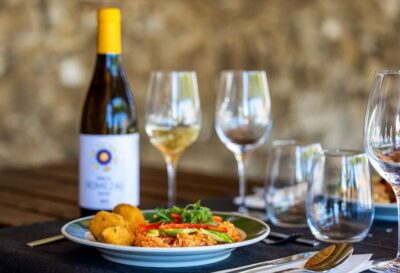
Douro Valley w/ Boat Tour, Wine Tasting & Lunch
Read our review →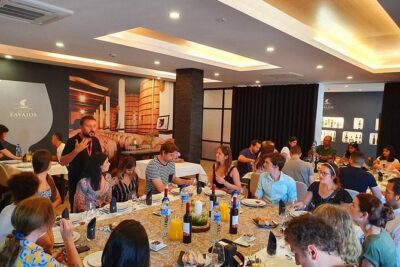
Complete Douro Valley Wine Tour with Lunch, Wine Tastings and River Cruise
Read our review →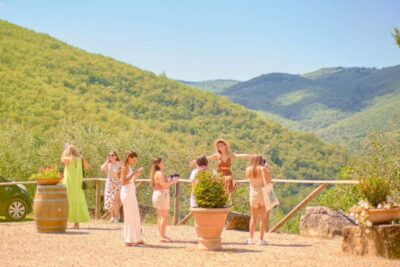

Montserrat Half-Day Tour with Tapas and Gourmet Wines
Read our review →
Winner 2025 Undiscovered Lisbon Food & Wine Tour by Eating Europe
Read our review →