
REVIEW · CHIANTI WINE TOURS
Total Immersion Wine Tour in Chianti
Tuscan wine tastes better at the source. This two-hour visit to Fattoria di Montemaggio takes you into the hills above Radda in Chianti, where a small family-run organic winery explains its work from vine to bottle. I like the personal, family-run setting and the chance to see more than a tasting room. You also get broad views from the cellar roof, a walk through the vineyard, a look at the production area, and a generous tasting of wine, olive oil, cheese, salami, and bread.
I also like the guides’ warm, lively approach. Francesco is especially praised for his storytelling, humor, and passion, while Stefano and Ilaria have also led engaging visits. The main drawback is the remote approach: the final road runs through the forest and includes several kilometers of gravel or uneven track. You need extra driving time and careful directions, especially if you are not comfortable on narrow, twisting rural roads.
Key points before you book
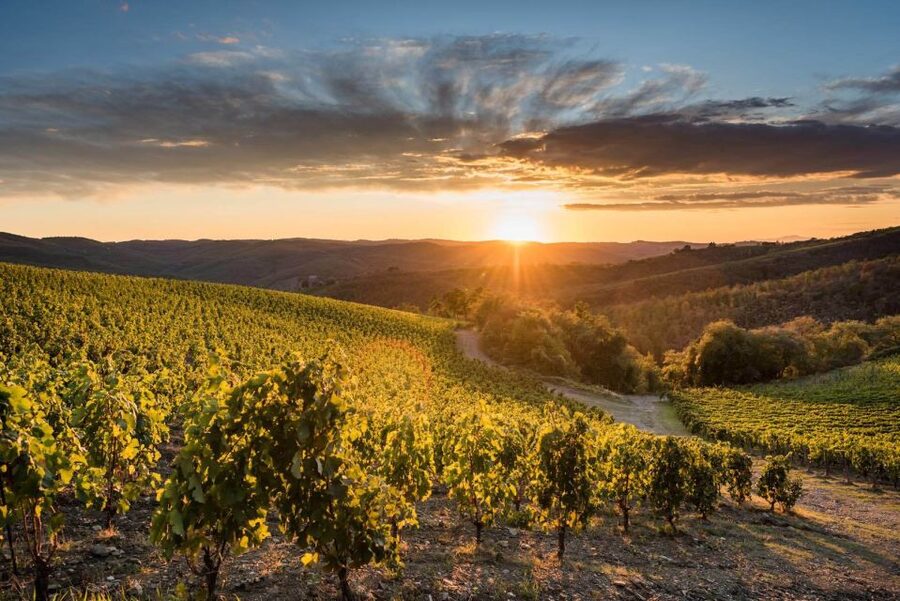
- A high hillside setting: The estate sits at about 600 meters above sea level, with wide views over the Tuscan hills from the cellar roof.
- A real production visit: You see a vineyard, cellar, fermentation areas, and aging barrels instead of simply sitting down for wine pours.
- Five estate products, often six or more pours: Expect red, white, rosé, and sparkling wines, with grappa sometimes included in the tasting.
- Organic farming is part of the story: The guide explains how organic agriculture affects the vineyard and winemaking process.
- Food is included: Olive oil, bread, cold cuts, and cheese accompany the tasting.
- The road is part of the adventure: A car is strongly useful because the winery is secluded and the final approach is unpaved.
Arriving at Fattoria di Montemaggio
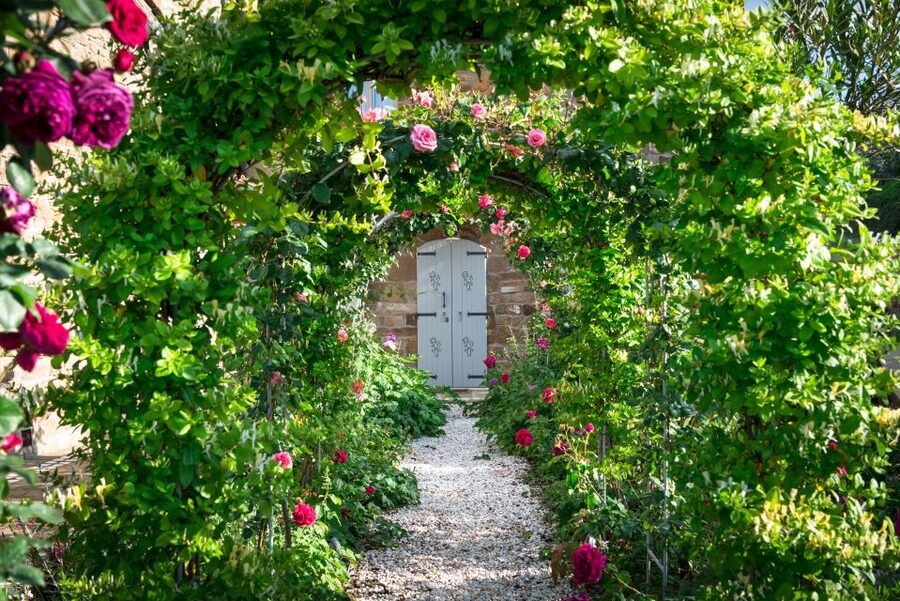
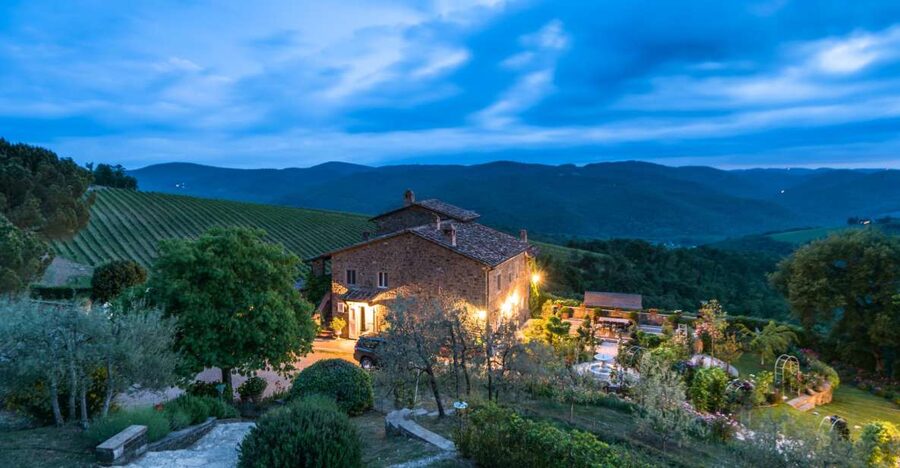
The meeting point is Fattoria di Montemaggio, Località Montemaggio, near Radda in Chianti in Siena province. This is not a quick stop beside a main road. The estate lies in a wooded rural area, and the last section includes a gravel or unpaved road with narrow turns and rainwater ruts.
I would allow more time than your map app suggests. One visitor described feeling uncertain during the drive, then being glad to have made the effort. That is useful advice. Do not rush the final approach, and follow the estate’s road instructions closely.
A rental car is the practical choice. The tour does not include hotel pickup or drop-off, and reaching the estate without your own vehicle can be difficult. The remote location is a nuisance if you are relying on public transport, but it is also why the setting feels so quiet and rural.
The activity is listed as wheelchair accessible, though the gravel approach is worth considering when planning. If that detail matters for your party, contact the provider before booking and ask how the current route works for your specific mobility needs.
More Chianti Wine Tours in Siena:
- From Florence: San Gimignano, Siena, and Chianti Wine Tour
★ 4.5 · 3,762 reviews - From Siena: Chianti and Castles Tour with Wine Tastings
★ 4.6 · 631 reviews - Vespa Tour with Lunch&Chianti Winery from Siena
★ 4.0 · 126 reviews
Starting above the vines at 600 meters
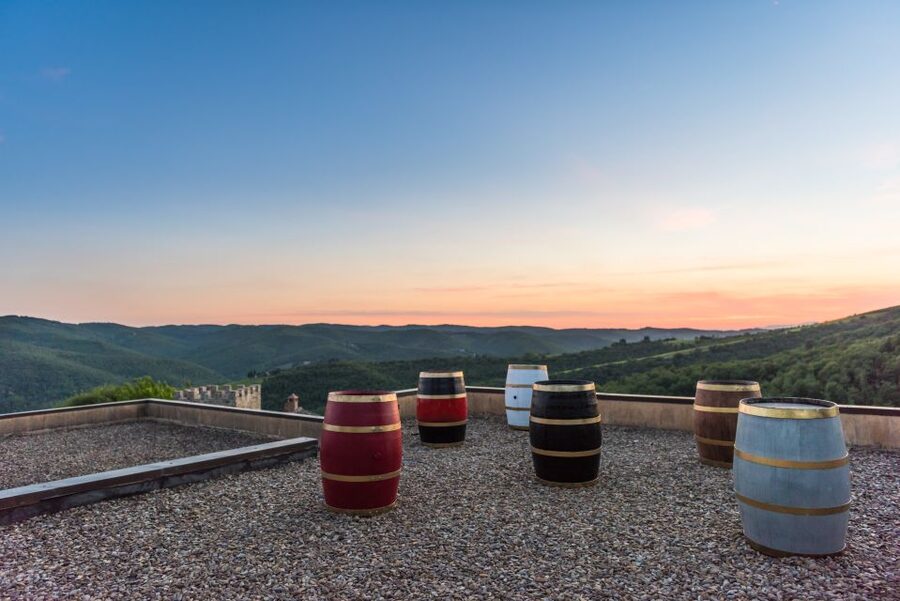
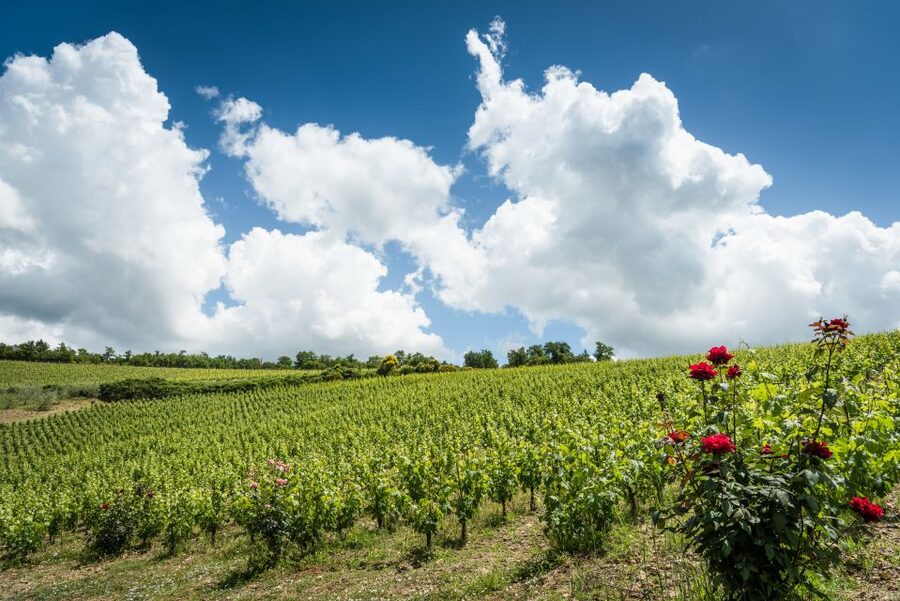
The visit begins on the roof of the cellar, a smart choice because it gives you the setting before the technical talk begins. At roughly 600 meters above sea level, you can look across wooded hills and vineyards while the guide introduces the estate and the Chianti Classico area.
This is where the story of the Black Rooster, the symbol of Chianti Classico, comes in. It is a small but memorable piece of local context, and it helps explain why the label and regional identity matter.
The view is one of the strongest parts of the experience. On a clear day, it gives you a wide sense of the hills rather than a close-up view of just one vineyard. On a rainy day, the visit can still work well, but the outdoor portion is less comfortable. Wear closed shoes if rain is in the forecast. In strong sun, you may want a hat, since one visitor wished for more shade on the roof.
Walking through organic agriculture
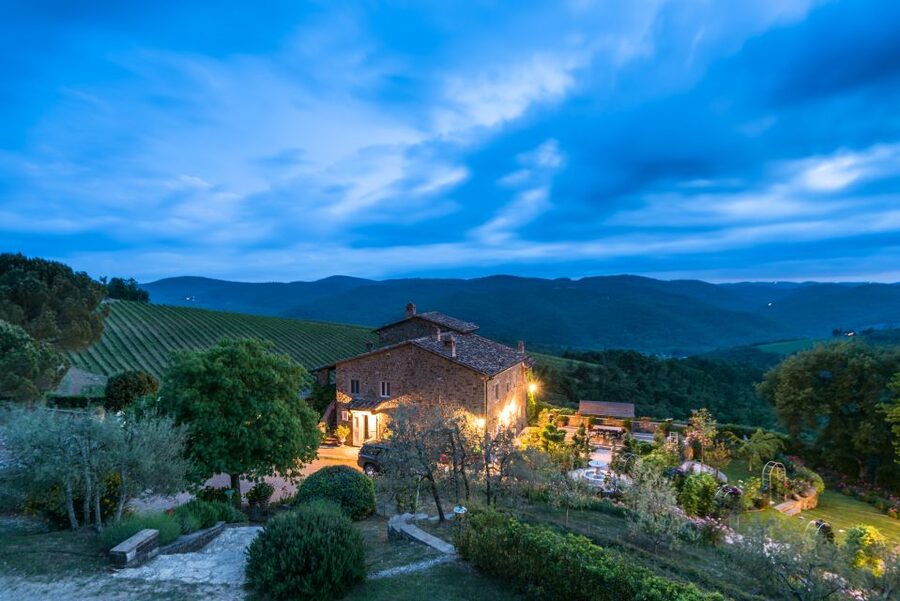
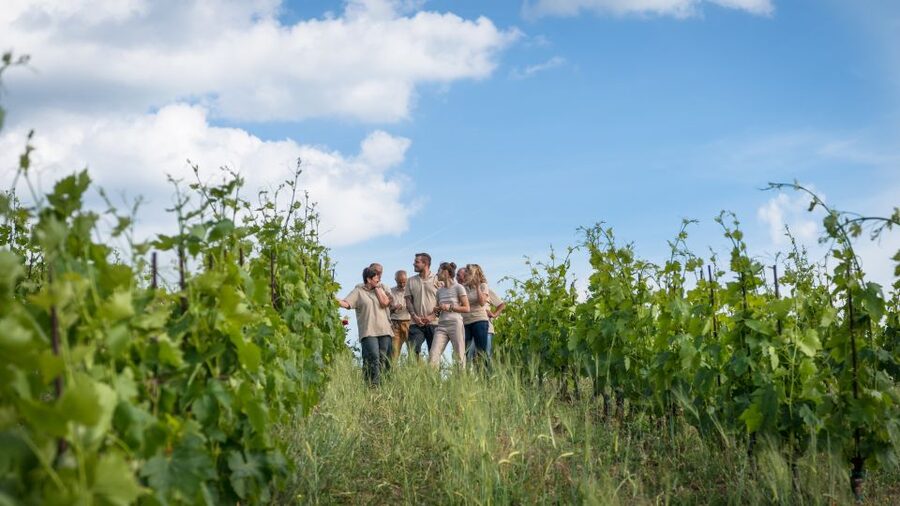
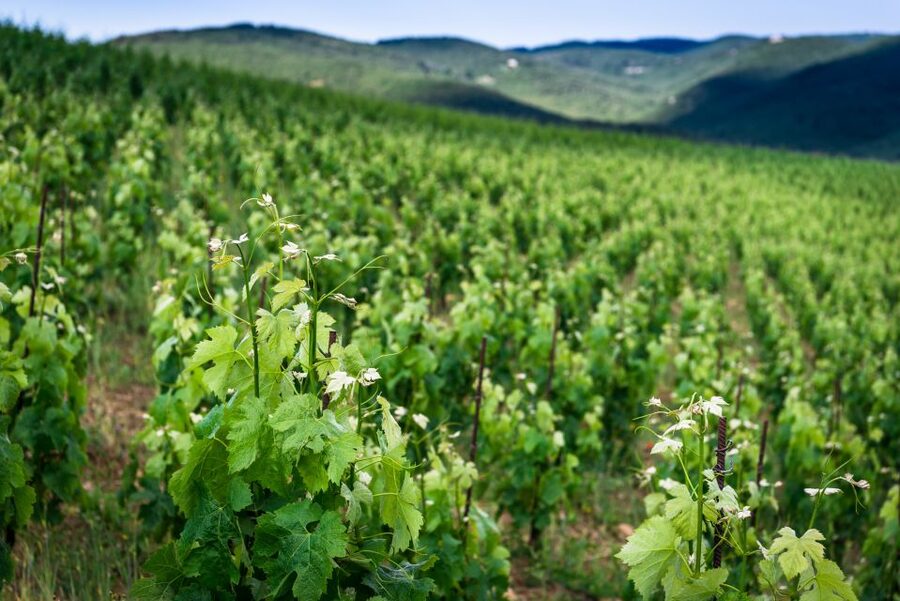
Next, you visit one of the vineyards. The guide explains the working process and the principles of organic agriculture, connecting what you see in the rows of vines to what later happens in the cellar.
This section is valuable because it keeps the wine from feeling like a mysterious finished product. You get a basic understanding of how vineyard decisions affect the grapes before harvest. The focus is not just on marketing organic wine. It is a practical explanation of how the estate works its land and handles the crop.
The guide makes a real difference here. Francesco has been praised for his passion and clear explanations, while other visits have been led by Ilaria, Stefano, or another member of the estate team. Several guides are involved, but the consistent strength is the human side of the tour. You are not handed a rehearsed speech and sent along. The explanations tend to invite questions and connect the technical details to the local area.
Arrive on time. One detailed account made clear that missing the beginning could mean missing the vineyard explanation, which is one of the more useful parts of the visit.
Inside the cellar, from harvest to aging
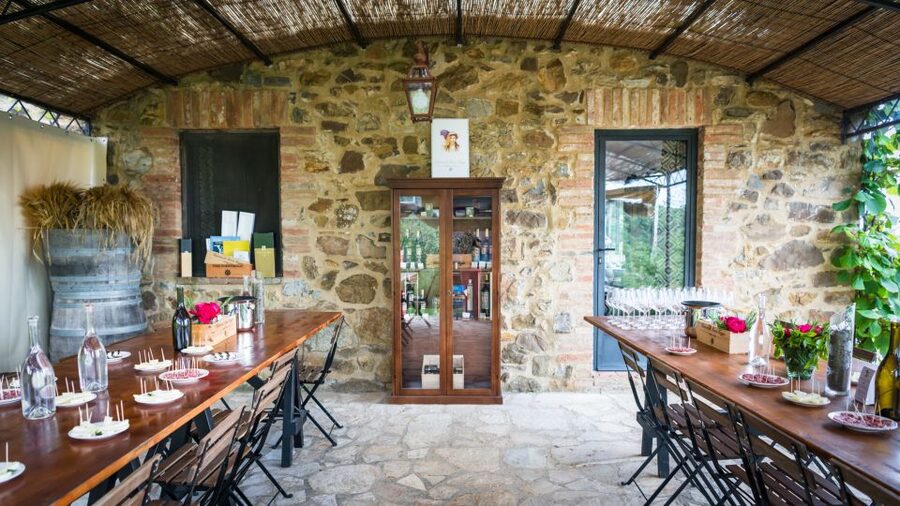
The cellar is the most educational stop. Here you learn how grapes are harvested and selected, then what happens during fermentation and later aging.
The exact level of technical detail will depend on your guide and group, but the structure is clear. You follow the wine through the main stages of production rather than hearing only a few broad claims about tradition and quality. For someone new to wine, this makes the tasting easier to understand. For someone already interested in wine, the organic approach and small-scale production give you better subjects to ask about.
This is a boutique winery, not a large commercial operation. That difference matters. A small producer can offer a more direct look at the work behind the bottles, though it also means the visit may feel less polished or theatrical than a major estate built for large groups.
The cellar visit also helps explain the range of wines served later. You may taste young and aged wines, along with white, red, rosé, and sparkling styles. The variety gives the tour more substance than a tasting built around several nearly identical Chianti pours.
A few more wine tours around Siena worth a look
- Small-Group Brunello di Montalcino Wine-Tasting Trip from Siena
★ 5.0 · 952 reviews - From Siena: Brunello di Montalcino Guided Wine Tour W/ Lunch
★ 4.9 · 357 reviews - Siena: A Wine Tour and Tasting Experience
★ 5.0 · 352 reviews - From Siena: Tuscany Hills Wine Tour
★ 4.1 · 323 reviews
The tasting: five estate products and more
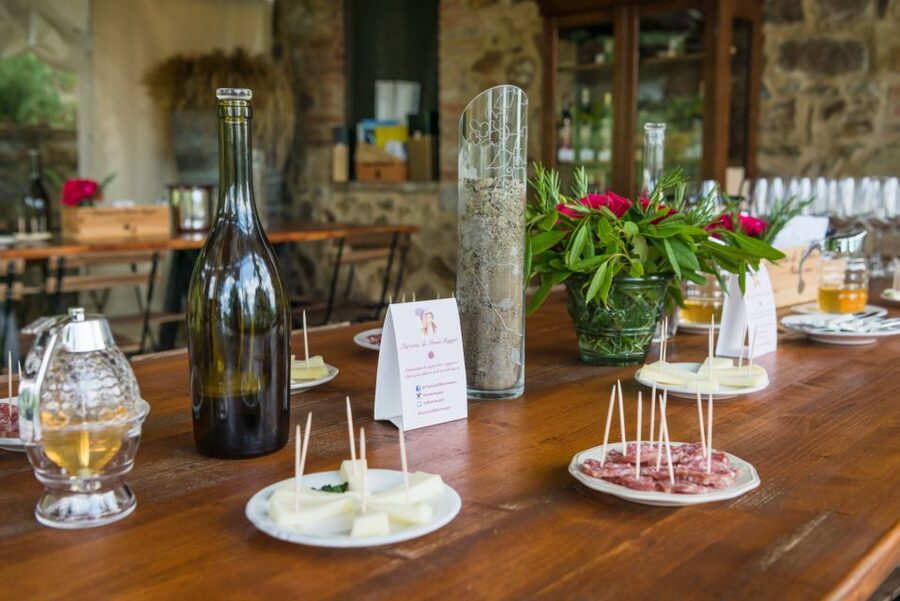
The final stop is the tasting room. The advertised tasting includes five products from the estate, including red, white, rosé, and sparkling wine. Actual pours described by visitors often reached six or seven wines, and grappa may also be offered.
That variation is worth noting. The exact lineup can change, so do not arrive expecting a fixed menu of identical pours. You should expect a broad sample of the estate’s work, with Chianti Classico at the center and other styles filling out the experience.
The tasting also includes a small plate of cheese, salami, and bread, plus the estate’s extra virgin olive oil. The food is not a full lunch, but it is more than a token snack. It gives you something to eat alongside the wine and shows how wine fits into everyday Tuscan table traditions.
The olive oil is an especially useful touch. You are not only tasting the winery’s bottles. You are also trying another product made on the estate, served with simple bread. If you have food intolerances, tell the team ahead of time. Gluten-free options are available, but one food-sensitive visitor found the alternatives limited.
A short lesson in tasting wine properly
The tasting includes a mini course on how to smell, taste, and serve wine. This is one of the best reasons to choose this visit if you are new to wine.
You learn a simple method for paying attention to the wine instead of just deciding if you like it. The guide helps you notice aroma, taste, balance, and the way serving affects the experience. It is practical rather than intimidating, and the tone is friendly enough that you do not need prior wine knowledge.
That teaching element also makes the tour worthwhile for couples or friends with mixed levels of interest. One person can enjoy the scenery and food while another asks technical questions. The tasting becomes a guided introduction rather than a parade of glasses.
Grappa may be included at the end for those who want to try it. The guide explains how it is produced and introduces its distinct, delicate character. You can skip it if you prefer not to drink it, but it adds a fitting final note to a tour focused on using the whole agricultural product.
How the guides shape the visit
The strongest repeated praise goes to the guides, particularly Francesco. His style combines wine knowledge, local familiarity, storytelling, and humor. That matters in a two-hour tour because a dry explanation of fermentation can quickly lose a room.
Francesco has also been described as fluent in English and generous with his time. Ilaria has been praised for clear explanations of both the vineyard and cellar, and Stefano has led visits that gave strong background on Chianti Classico and tasting technique.
The experience seems to work best when the group is small. One party described a group of four, and another benefited from a small-group visit during heavy rain. A small setting allows more questions and makes it easier for the guide to adjust the discussion to first-time tasters or serious wine fans.
The tour is conducted in English. If you want a highly formal sommelier presentation, this may feel more conversational than expected. I see that as a plus for most people, but the tone depends on the guide and the group on your day.
Is the $47 price good value?
At $47 per person, the price is fair to good for what is included. You receive about two hours of guided time, a vineyard visit, cellar explanations, an organic agriculture introduction, a view from the estate, five or more products to taste, a food plate, and a tasting lesson.
The value improves if you care about the production story. A basic wine tasting can cost less, but it may not include access to the vineyard and working cellar. Here, you are paying for context as much as for the wine itself.
The price is less attractive if you only want to drink wine and move on. The estate is remote, and you must arrange your own transport. Add driving time and the cost of a rental car, and the total outing becomes more than $47. Still, if you are already touring Chianti by car, the experience fits naturally into a day among the hills.
Bottle purchases are available after the tasting. Do not assume they will be discounted below retail price. One visitor specifically noted that bottles were sold at the regular price, so buy because you like the wine, not because you expect a special bargain.
Who will enjoy this Chianti tour?
I would recommend it most strongly to:
- First-time wine tasters who want clear instruction without a stiff classroom mood.
- Couples looking for a quiet countryside experience with food and wine.
- People interested in organic farming and small-scale production.
- Visitors staying near Radda in Chianti who already have a car.
- Wine fans who want to compare white, rosé, sparkling, red, aged wine, and grappa in one sitting.
- Anyone who prefers a small family winery to a large, highly commercial estate.
It is not designed for children under 18. One past party arrived with a one-year-old and found the staff accommodating, but the stated policy says the activity is not suitable for children under 18. Plan around that rule rather than assuming an exception.
If you have strict dietary needs, ask about the available options before you arrive. Gluten-free choices are available, but the food component is built around bread, cheese, and cold cuts.
Practical tips for a smoother visit
- Use the exact estate directions: The last road is gravel and can include deep rain ruts.
- Leave extra driving time: The secluded location makes late arrival an avoidable problem.
- Wear closed shoes in wet weather: The vineyard and unpaved approach can be muddy.
- Bring sun protection: The roof has excellent views, but shade may be limited.
- Eat lightly beforehand: The included food is a generous snack, not a full meal.
- Tell the team about dietary needs: Gluten-free options are available.
- Do not plan to drink and drive: The tasting can include six or more wines plus grappa.
- Ask questions: The visit is at its best when you engage with the guide.
- Check the timing before booking: The tour lasts two hours, with starting times based on availability.
Free cancellation is available up to 24 hours before the start, and you can reserve now and pay later. Those policies help if your Tuscan plans are still moving, but the more important planning issue remains transportation.
Should you book Fattoria di Montemaggio?
Book this tour if you want a personal introduction to Chianti Classico, not just a quick glass of wine beside a scenic road. The combination of organic farming, cellar access, varied pours, Tuscan food, and a high hillside setting gives the visit real substance.
Skip it if you do not have a practical way to reach the estate, dislike unpaved rural roads, or want a full meal rather than a tasting snack. For most adults touring the Chianti area by car, I think the $47 price is justified, especially if you enjoy learning how a small winery works. The consistently high 4.9 out of 5 rating from 430 ratings fits the main impression: the setting is beautiful, the wines are well received, and the guides make the visit feel warm rather than mechanical.
FAQ
Where is the Total Immersion Wine Tour in Chianti held?
It is held at Fattoria di Montemaggio, Località Montemaggio, Radda in Chianti, Siena, Tuscany.
How long does the tour last?
The experience lasts two hours.
How much does the tour cost?
The listed price is $47 per person.
What wines are included?
The tasting includes five estate products, including red, white, rosé, and sparkling wines. The exact number of pours can vary, and grappa may also be available.
Is food included?
Yes. The tasting includes olive oil, bread, cold cuts of meat, and cheese.
Is hotel pickup included?
No. Hotel pickup and drop-off are not included, so you must arrange your own transportation to the estate.
Is the tour offered in English?
Yes. The tour has a live English-speaking guide.
Can people with dietary restrictions take part?
Dietary options are available, including gluten-free options. You should inform the provider about your needs in advance.
Are children allowed?
The activity is listed as unsuitable for children under 18. Plan this as an adults-only wine experience.
What should I wear if it rains?
Closed shoes are advised in rainy weather, especially because the estate includes vineyard areas and an unpaved final road.
Newly added around Siena
- Siena: Tour and Wine Tasting in a Tuscan Private Castle★ 4.9 · 50 reviews
- Siena: winery tour, wine tasting and lunch★ 5.0 · 70 reviews
- Siena: Educational Wine Tour & Tasting★ 5.0 · 203 reviews
- Siena: Pasta and Tiramisu Cooking Class with Wine★ 4.8 · 274 reviews
- Siena: Balloon Flight Over Tuscany with a Glass of Wine★ 4.7 · 53 reviews
- From Siena: Tuscany Hills Wine Tour★ 4.1 · 323 reviews
- From Siena: Chianti Wine Tour with Lunch★ 5.0 · 34 reviews
- From Siena: Chianti Countryside E-Bike Tour w/ Lunch & Wine★ 4.8 · 44 reviews
Chianti Wine Tours, compared.
San Gimignano, Siena, Monteriggioni, Chianti Day Trip with Lunch & Wine Tasting
Read our review →
Pisa, Siena, S. Gimignano, Chianti Wine & Lunch
Read our review →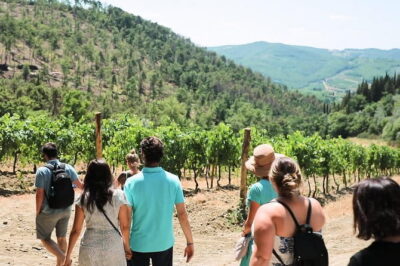
S. Gimignano, Siena, Chianti Wine Tasting & Lunch
Read our review →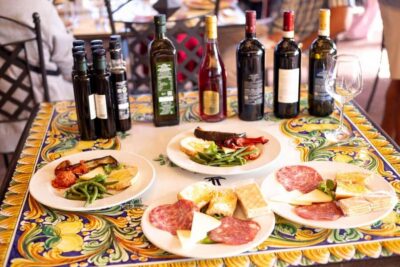
Siena, San Gimignano and Chianti Wines Day Tour from Florence
Read our review →Browse the lists this tour appears in