
REVIEW · WINE & OLIVE OIL TASTINGS
Wine and olive oil tastings with the locals
Taste Tuscany properly. This eight-hour private outing from Arezzo takes you to family-run producers, where you sample local wines and extra virgin olive oil while hearing how both are made. I especially like the chance to speak directly with winemakers and see the vineyards, fermentation areas, and aging rooms. I also like that guide Debora Mazzierli shapes the day around your interests rather than running a fixed, crowded group route.
The main consideration is the price: $252.31 per person is a serious spend, especially for a couple or family. You should also understand that the exact stops can vary, so this is best for someone who values personal guiding and local contact more than a guaranteed list of famous cellars.
Key points at a glance
- Family producers instead of a standard tasting room: You visit local businesses and speak with the people who make the wine and olive oil.
- A full eight-hour day: The schedule leaves room for tastings, conversation, rural visits, and historical context around Cortona and nearby Tuscany.
- Pickup from your location: Debora collects you at your chosen location, which makes the day easier if you are not staying near a formal meeting point.
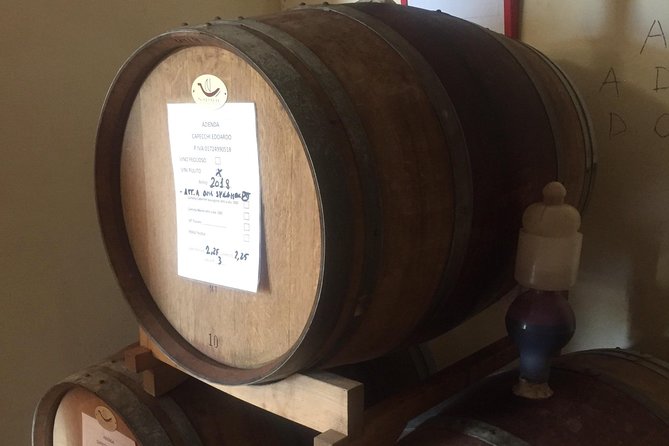
- Wine production comes to life: You may see vineyards, fermentation spaces, and aging rooms while learning how the bottles are made.
- More than wine: Past outings with Debora have included cheese, bread, pasta, gelato, balsamic vinegar, and regional towns such as Pienza and Montepulciano.
- A private experience: Only your group participates, so you can ask questions freely and spend more time on the subjects you care about.
What this Arezzo wine tour is really about
This is not simply a drive from one tasting counter to another. The heart of the day is contact with small family businesses and the traditions behind their products. You taste wine and extra virgin olive oil, then connect those flavors to the soil, work, and family knowledge that produced them.
The focus is especially useful if you are curious about how wine is made. The day can include time among the vineyards, a look at fermentation, and a visit to an aging room. Those details help you understand why two wines made in the same broad part of Tuscany can still taste very different.
Olive oil gets similar attention. Instead of treating it as a side dish for bread, the tour presents it as a serious local craft. You learn about the making of the oil and the methods passed down through generations. That context matters because fresh Tuscan oil can have strong, peppery, grassy flavors that may surprise you if you are used to mild supermarket oil.
I like this approach because you are not asked to admire a pretty bottle without explanation. You have a chance to ask how the product is made, why it tastes the way it does, and what keeps a family business going.
More Wine and Olive Oil Tastings in Italy:
- Sorrento Farm and Food Experience including Olive Oil, Limoncello, Wine tasting
★ 5.0 · 2,524 reviews - Sorrento: Lemon, Olive Oil and Wine Tasting Tour with Lunch
★ 5.0 · 300 reviews - Alghero: Wine and Olive Oil Tasting at a Local Farm
★ 4.8 · 294 reviews
Meeting Debora at 9:30 in the morning
The day begins at 9:30 a.m., with pickup from your location. The details do not specify a single public meeting point, so you should provide a clear pickup address when booking and confirm the arrangement before the morning of the tour.
Pickup is a real advantage in the Arezzo area. Rural wineries and oil producers are not always simple to reach by public transportation, and arranging several separate visits by taxi would be awkward and costly. Having one guide handle the route lets you focus on the food, scenery, and conversation.
The private format also changes the feel of the morning. You are not trying to keep up with a large bus group or waiting for strangers to finish their tasting. If your group wants to ask about fermentation, family traditions, or Italian food customs, you have room to do so.
There is one practical point to consider. The tour is offered in English, but the stops are family businesses, so the pace and style may vary from one producer to the next. That is part of the local character, but it may feel less polished than a large commercial winery.
Talking with Tuscan winemakers
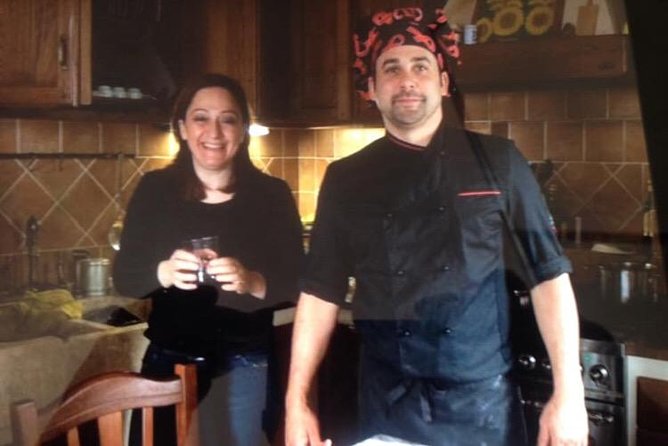
The most valuable part of the day is the conversation with the people who make the wine. You can hear how their work has been learned across generations and how family businesses keep old methods alive.
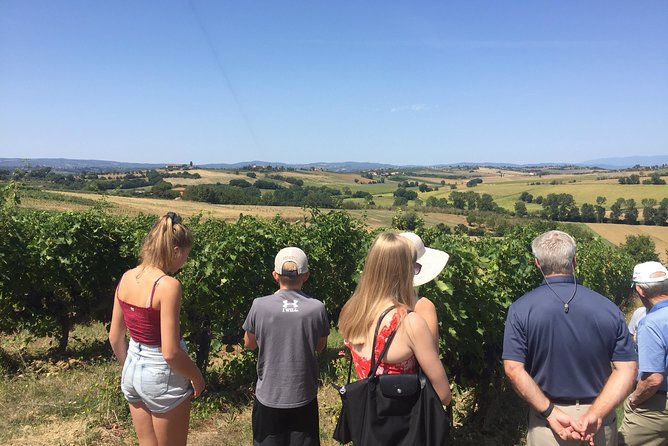
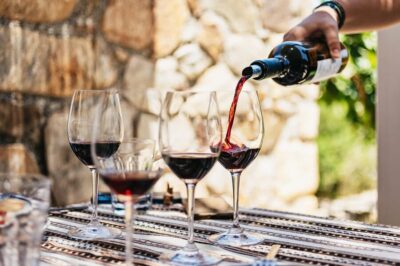
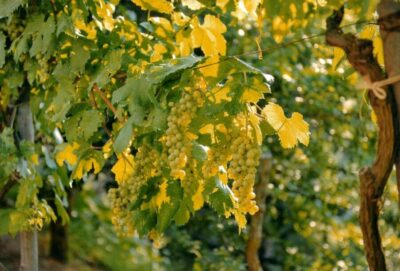
You may see the vineyards before moving indoors to the fermentation and aging areas. That sequence gives the tasting a useful shape: first the grapes and setting, then the production process, and finally the finished wine in your glass.
The experience is not designed as a technical certification course. You should expect clear explanations rather than a formal lesson in chemistry or viticulture. Still, the chance to ask direct questions can make the wine easier to understand.
I would ask about the grape varieties, how long the wine ages, and what local foods the producer serves at home. You can also ask Debora to explain the differences between the wines you taste. Her role is not limited to transportation. She brings in the history of Tuscany and helps connect the producers to the wider region.
The tasting itself may appeal to serious wine drinkers, but you do not need to arrive with expert knowledge. The private setting makes it comfortable to say what you like, what you do not understand, and which wines you want to compare.
Learning why Tuscan olive oil tastes different
Olive oil can be the surprise of the day. Many people have tasted Italian oil without thinking much about how it was produced. Here, you learn about growing and pressing methods and taste extra virgin oils with enough explanation to notice their differences.
Pay attention to the aroma before tasting. Then notice the texture, bitterness, and peppery finish. These are not flaws in a fresh extra virgin oil. They can be signs of character, especially when the oil is young.
The value of this stop goes beyond buying a bottle. You gain a better idea of what to look for when shopping at home. You can also compare the oil with bread, cheese, and other local foods, since those pairings help show how the flavor works at the table.
The exact olive oil producer is not listed in advance, and that may matter if you have a particular estate in mind. If buying oil is important to you, ask Debora ahead of time about the planned producer and whether purchases can be made during the visit.
A few more wine tours around Italy worth a look
- Tuscany Day Trip from Florence: Siena, San Gimignano, Pisa and Lunch at a Winery
★ 5.0 · 21,634 reviews - Florence: Pasta Cooking Class with Unlimited Wine
★ 4.9 · 10,285 reviews - Florence: Chianti Wineries Tour with Wine Tasting
★ 4.5 · 10,071 reviews - Small-Group Wine Tasting Experience in the Tuscan Countryside
★ 5.0 · 7,392 reviews
Cortona, history, and the wider Tuscan setting
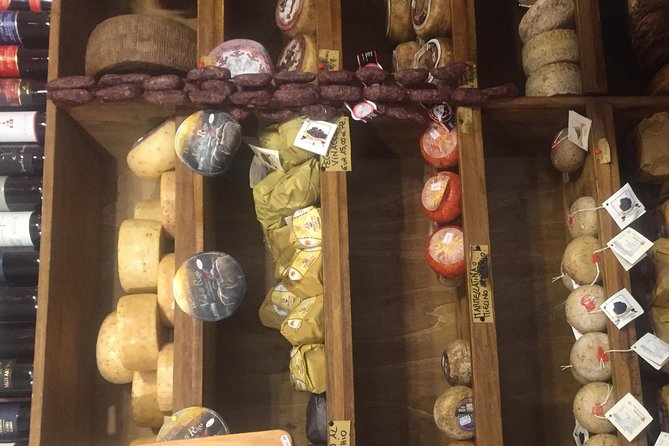
The tour includes history of Cortona and the surrounding area. That gives the food stops a sense of place rather than treating them as isolated tastings.
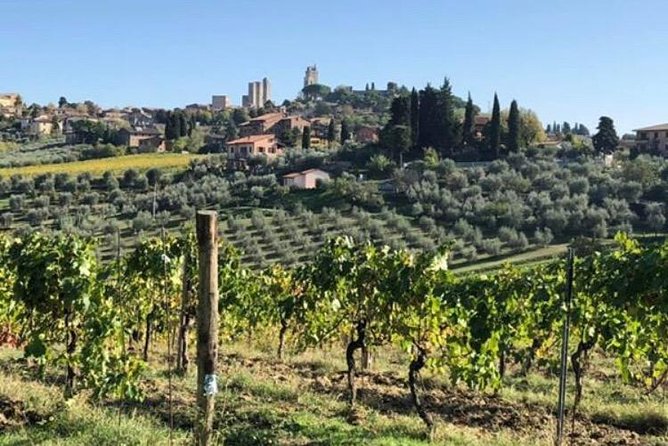
Cortona is especially well suited to this kind of outing. Its hills, villages, farms, and old food traditions make it easy to connect a glass of wine or a piece of cheese to the region around you. The tour is not only about consuming local products. It is also about hearing how families and communities have worked the land over time.
Previous days arranged by Debora have also included towns such as Pienza and Montepulciano, as well as cheese farms and other food producers. Those locations are not guaranteed stops for this specific booking, so you should not assume that a particular village or wine zone is included. Still, they show how the day can expand beyond a single tasting if your interests point in that direction.
One important example is the Brunello area. A past outing included vineyards there, along with wine, balsamic vinegar, and olive oil. Brunello is a major draw for wine fans, but this listing centers on Arezzo, Cortona, and local family businesses. Confirm the route if Brunello or Montepulciano is your main goal.
Food that may join the wine
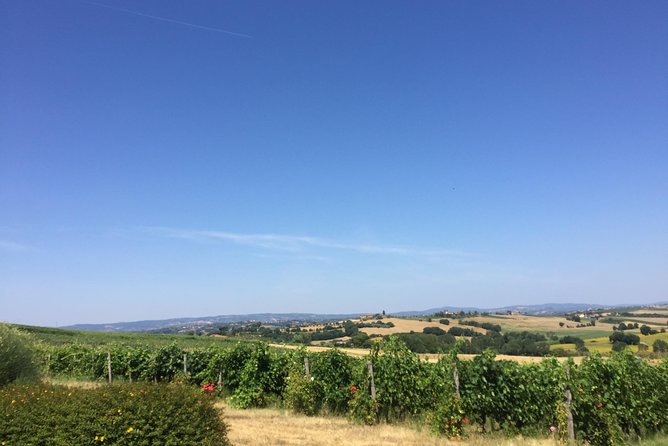
The supplied tour description focuses on wine and extra virgin olive oil, but the day can include a wider look at Tuscan food. Other outings with Debora have featured cheese, bread, regional pasta, gelato, balsamic vinegar, and visits to a cheese farm.
That broader food focus is one of the strongest reasons to choose a private guide. Wine rarely makes full sense without food, and Tuscan products are often best understood together. A sharp olive oil, an aged cheese, rustic bread, and a local wine can show more about the region than a lecture alone.
Still, you should ask exactly what food is included on your date. The core description does not promise a set lunch, a cheese course, pasta, or gelato. Those additions may depend on the route and the preferences discussed with Debora.
If you have dietary restrictions, tell the provider before the tour. The available information does not list a specific menu or dietary policy, so clear communication is important.
Why the private format matters
Only your group takes part. That is a major difference from a standard coach tour, especially when the day includes small producers and personal stories.
I like private tours when the subject is food because tastes are personal. You may want to spend more time on olive oil, while another group might focus on red wine or Italian history. With Debora, the day can be adjusted around those interests.
Past guests describe her as warm, personable, and able to offer restaurant and sightseeing suggestions beyond the tour. She has also been praised for her understanding of Tuscany and Italy more broadly. That matters if you are building a wider itinerary and want practical advice for meals or nearby towns.
The tradeoff is that a private tour usually offers less price efficiency than a group outing. At $252.31 per person, the value improves if you care about pickup, flexible conversation, and a full day with a dedicated guide. It is harder to justify if you only want a quick tasting and already have transportation to wineries.
Who will enjoy the day most
I would recommend this for several types of visitors:
- Wine and olive oil enthusiasts who want production details, not only samples.
- First-time visitors to Tuscany who need help understanding the region and its food traditions.
- Couples and families who prefer a private schedule.
- Food-focused visitors who want cheese, bread, pasta, or other local products woven into the day if available.
- Repeat visitors who have already seen the famous cities and want contact with family producers.
- People without a car who would find rural wineries difficult to reach independently.
You may want a different option if you dislike long days, have no interest in wine, or need a fixed itinerary with guaranteed stops. The eight-hour length is useful for seeing more of the countryside, but it is a substantial commitment.
Timing, weather, and cancellation details
The start time is 9:30 a.m., and the experience lasts about eight hours. That means you should keep the rest of the day light. Trying to schedule a major museum visit or evening train immediately afterward would leave little room for delays.
The tour requires good weather. If poor conditions cause cancellation, you are offered another date or a full refund. It also requires a minimum number of participants, and if that condition is not met, you are offered another option or a full refund.
You can cancel for a full refund up to 24 hours before the local start time. Changes or cancellations made less than 24 hours ahead are not accepted for a refund.
Service animals are allowed, and the experience is near public transportation, though pickup is offered directly from your location. Confirmation is provided when you book.
Is this tour worth $252.31?
The price is high enough that I would compare it with the cost of arranging transportation, separate tastings, and a private guide on your own. Once you add rural transfers and the time needed to find suitable producers, the price becomes easier to understand.
The strongest value comes from the combination of pickup, private guiding, local access, and a full day. You are not paying only for wine in a glass. You are paying for the route, the explanations, the conversations with producers, and Debora’s ability to connect food with Tuscan history.
The value is weaker if you are mainly seeking a large winery with a formal tour, a guaranteed Brunello tasting, or a short stop near Arezzo. Those needs should be confirmed before booking.
Since the experience is often booked about 127 days in advance, planning early is sensible, especially if your dates in Tuscany are fixed. I would contact the provider before booking with three questions: which towns and producers are planned, what food is included, and how much time is set aside for wine compared with olive oil.
Should you book this Tuscan tasting day?
Book it if you want a personal day built around family producers, local food, wine, olive oil, and conversation. Debora’s strength appears to be the human side of Tuscany: she connects you with makers, explains the area, and adjusts the day to your interests.
I would skip it if you need a tightly fixed itinerary or a lower-cost introduction to Tuscan wine. For everyone else, the combination of private pickup, direct contact with producers, and a full day in the Arezzo and Cortona area makes this a strong choice. Just confirm the route and inclusions first, then let the day unfold around what you most want to taste and learn.
FAQ
Where does the wine and olive oil tour take place?
The experience is based in Arezzo, with visits to local family businesses and historical context about Cortona and the surrounding area.
What time does the tour start?
The tour starts at 9:30 a.m.
How long does the experience last?
It lasts approximately eight hours.
Is pickup offered?
Yes. The guide picks you up at your location.
Is this a private tour?
Yes. Only your group participates.
What language is the tour offered in?
The experience is offered in English.
What will I taste?
The tour includes local wines and extra virgin olive oil. Other food, such as cheese, bread, pasta, balsamic vinegar, or gelato, may be part of a customized day, but the core description does not guarantee every item.
Will I see how wine is made?
The experience includes the opportunity to see vineyards, fermentation areas, and aging rooms while learning about winemaking.
Are service animals allowed?
Yes. Service animals are allowed.
Can I cancel for a full refund?
Yes, if you cancel at least 24 hours before the local start time. Cancellations made less than 24 hours before the start are not refunded.
What happens if bad weather cancels the tour?
You are offered a different date or a full refund if poor weather causes the experience to be canceled.
Newly added around Italy
- Etna trekking and wine tasting★ 5.0 · 28 reviews
- Etna Tour and Lunch in a Winery with Wine Tasting★ 5.0 · 97 reviews
- Cooking Class and Wine Pairing in Capri★ 5.0 · 57 reviews
- WINE TOUR with sommelier in a winery near Cagliari★ 5.0 · 27 reviews
- Cagliari 3 Hours Luxury Motorboat Tour – Wine and Snorkeling★ 5.0 · 118 reviews
- Cagliari Boat Tour by Maxi Rib – Wine and Snorkeling★ 5.0 · 128 reviews
- Small-Group Food and Wine Tour from Cagliari★ 5.0 · 237 reviews
- Wine Experience: vineyard, wines and food★ 5.0 · 155 reviews
Wine & Olive Oil Tastings, compared.
Sorrento Farm and Food Experience including Olive Oil, Limoncello, Wine tasting
Read our review →
Krka Waterfalls With Boat Cruise, Wine and Olive Oil
Read our review →
Lemon, Olive Oil and Wine Tasting Tour with Lunch
Read our review →
Alghero: Wine and Olive Oil Tasting at a Local Farm
Read our review →
Browse the lists this tour appears in