
REVIEW · WINERY TOURS
Visit a winery of the 19th century and its draft
Step into Rioja’s past. La Bodega del Tesoro offers a close look at old-style winemaking in Cuzcurrita de Río Tirón, a small village in La Rioja. The winery first opened in 1881 and spent 30 years closed before a careful restoration brought it back into use. I like the sense of discovery here, especially the descent into the old barrel room and hillside caves. I also like that the visit stays small, with no more than 10 people.
The main drawback is that the experience is short at about 90 minutes, and the $65.17 price is not a bargain if you only want a quick tasting. You are paying for the setting, the personal explanation, the restoration work, and the food as much as for the two included wines.
Key Points to Know Before You Go
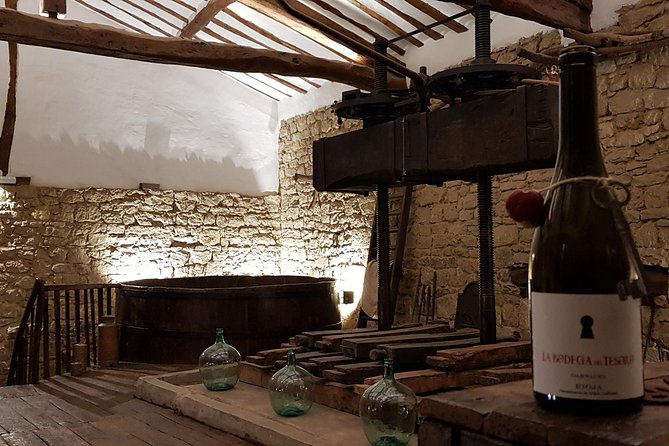
- A restored winery from 1881: La Bodega del Tesoro was closed for 30 years before its restoration brought the old wine rooms back to life.
- Carbonic maceration: You learn about a traditional Rioja winemaking method once used at the property.
- A small group setting: The maximum group size is 10, which allows for a more personal visit.
- Wine and food included: The price includes a tasting of two wines and some snacks.
- A village location: The meeting point is at C. Cuevas, 45, in Cuzcurrita de Río Tirón, La Rioja, not in the city of Burgos itself.
- A host called Jose: Jose leads some visits, offering detailed explanations about local wine, terroir, changing habits, and the wine business.
Finding La Bodega del Tesoro in Cuzcurrita de Río Tirón
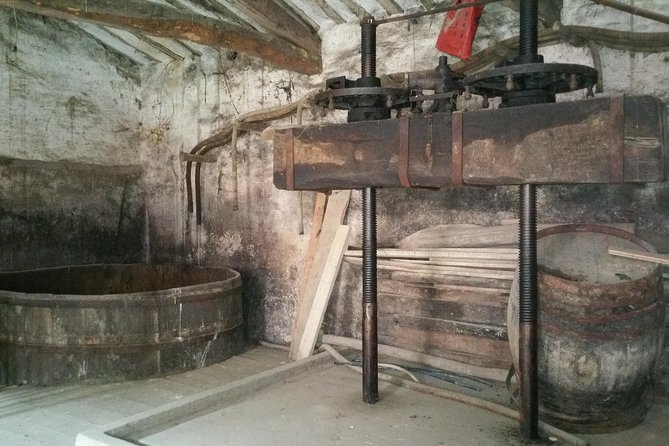
The first practical point is the address. The experience is presented under Burgos, but the meeting point is in Cuzcurrita de Río Tirón in La Rioja, at C. Cuevas, 45. That distinction matters. You should check your route carefully and avoid assuming that the winery is in Burgos city.
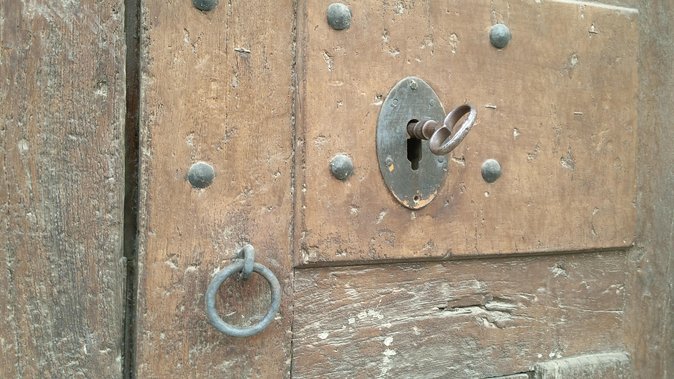
Cuzcurrita is a small village setting, and the property itself may look modest from the outside. That is part of the charm. The old winery is made up of unassuming buildings, so you should not judge the experience before stepping through the door.
Parking is available a few steps away on a small cinder lot, according to the directions provided during the visit. The tour begins and ends at the same meeting point, so you do not need to arrange a second pickup location.
The setting suits anyone who prefers a local, low-key stop over a large commercial wine center. You are not being moved through a big visitor complex. Instead, you enter a restored property where the building itself does much of the talking.
More Winery Tours in Spain
- Barcelona: Montserrat, Cogwheel, Black Madonna & Winery Tour
★ 4.8 · 5,633 reviews - Montserrat with Black Madonna & Medieval Winery with Tapas/Lunch
★ 5.0 · 5,209 reviews - Montserrat Full Day Tour with Farmhouse Lunch and Winery Visit
★ 5.0 · 1,068 reviews
Descending Into a Winery Built in 1881
The story begins with the long closure. La Bodega del Tesoro remained shut for 30 years, leaving its old wine-making rooms out of public view. Restoration brought the property back into the present while keeping its traditional character.
The winery is associated with wine made through carbonic maceration, an old method especially linked with traditional Rioja production. The visit gives you a chance to connect that technique with the physical rooms where wine was once made, stored, and handled.
Some descriptions refer to the winery as dating from the 19th century, while the barrel room and parts of the cellar are described as 18th century. Rather than treating the date as a strict label, I would focus on the larger point: you are visiting a genuinely old wine property with several layers of age and use.
The tour includes a descent down several flights of stairs. That may sound minor, but it is worth keeping in mind if stairs are difficult for you. Once below ground, the temperature is cooler and the mood changes. The barrel room offers a strong contrast to the quiet village outside.
This is the part of the visit that gives the tasting real context. Instead of sampling wine in a plain shop, you are drinking in rooms tied to the winery’s working past.
The Barrel Room and the First Taste
The barrel room is one of the strongest parts of the experience. It is cool, old, and carefully maintained, with the restoration handled in a tasteful rather than flashy way.
During the visit, a barrel is opened and you taste a sample from a small production. The supply is limited, so this is not presented as a mass-market wine experience. That small-production angle adds interest, particularly if you enjoy learning how wine changes from one producer or batch to another.
You also get explanations about the cellar and the way wine was traditionally handled. If Jose is leading the visit, you can expect more than a short script. He has discussed the region’s wine industry, local terroir, competition, changing drinking habits, and the business side of making wine.
That wider conversation is valuable. You are not only told what is in your glass. You get a better sense of how Rioja wine fits into the local economy and how producers respond to changing tastes.
The barrel room is also where the atmosphere matters most. The cool air, low light, and old masonry create a memorable setting without the need for theatrical effects. I would give this portion your full attention and avoid rushing through it.
Short Films and a Clearer Picture of Rioja Wine
The visit can include a couple of short narrated films. These help explain the winery and its background before or during the walk through the property.
Short films are not always a highlight on a food or wine tour, but here they appear to serve a useful purpose. They give you a basic outline before the more personal explanations begin. That can help you follow the story of the building, its closure, and its restoration.
The strongest part is still the conversation with the host. The films provide structure, while the cellar and the discussion bring the subject to life. If you already know Rioja wine well, you may find the general introduction familiar. If your knowledge is limited, it gives you a helpful starting point.
I like this mix because it avoids making the visit entirely dependent on a lecture. You see the rooms, hear the story, taste the wine, and then have a chance to connect those pieces.
Same region, a very different glass:
- Montserrat Half-Day Tour with Tapas and Gourmet Wines
★ 5.0 · 7,359 reviews - Montserrat & Cogwheel Train, Gourmet Wine Tasting & Tapas/Lunch
★ 5.0 · 6,290 reviews - Barcelona Tapas and Wine Experience Small-Group Walking Tour
★ 5.0 · 5,804 reviews - Barcelona: Tapas Walking Tour with Food, Wine, and History
★ 4.8 · 4,261 reviews
The Vinoteca, Homemade Food, and the Second Tasting
After the cellar, the visit moves to the vinoteca, where you sample additional small-production wines. The included tasting is described as two wines, while the actual tasting can include three wines depending on how the visit is arranged. You should treat two wines as the reliable inclusion and any extra pour as a possible addition rather than a guarantee.
Some snacks are included, with food served alongside the wine. The food may include homemade hot and cold items, and part of the experience can take place on the patio at the property’s bar.
This matters because the food makes the tasting feel like a hosted visit rather than a quick sample at a counter. Small bites also help you compare the wines without drinking on an empty stomach.
The food is not presented as a full meal, so you should not book this as lunch or dinner. Think of it as a generous snack pairing that rounds out the 90-minute visit.
The vinoteca also gives you a more relaxed place to ask questions. In the barrel room, you are focused on the building and the wine-making process. Here, you can slow down and consider what you liked in the glass.
What the $65.17 Price Really Covers
At $65.17 per person, this is a premium winery visit for a 90-minute activity. The cost includes admission, the guided visit, two wines, and snacks. Depending on the host and the flow of the tasting, you may receive an additional wine sample as well.
The value depends on what you want from a winery stop. If you only want to drink two inexpensive glasses of wine, the price will feel high. If you want access to an old restored property, a cellar visit, historical background, food, and a small-group conversation, the fee makes more sense.
The group limit of 10 improves the value. You are less likely to feel like a number in a large coach group, and the host has more room to answer questions. A visit for only four people can feel especially personal, with enough time for detailed explanations.
I would compare this experience with the cost of a standard wine tasting, not with the price of a museum ticket. You are paying for a guided food-and-wine encounter in a working historic property, not simply for admission to a building.
How Much Time to Set Aside
The listed duration is approximately one hour and 30 minutes. That is enough time for the cellar, the barrel room, the short films, the wine tasting, and snacks without turning the visit into an all-day commitment.
You should allow extra time around the scheduled start for finding Cuzcurrita de Río Tirón and parking. The tour itself returns to the meeting point, so the overall plan is simple once you arrive.
The short length makes this easy to add to a wider Rioja itinerary. You could pair it with other village stops or a broader wine route, but the exact travel time between locations is not provided, so you should plan those connections separately.
The 90-minute format also has a trade-off. You get a focused introduction, but not an extended winery day. If you want long vineyard walks, several producers, or a full meal, this is not that kind of outing.
Who Will Enjoy This Winery Visit Most
I would recommend La Bodega del Tesoro to you if you enjoy old buildings, local wine, and direct conversation with the person running the place. It is particularly suitable for couples, small groups, and anyone who prefers a personal visit to a polished tourist attraction.
Wine beginners should find the experience approachable. You do not need advanced tasting skills to appreciate the cellar, the restoration, or the chance to compare wines in their original setting.
Wine enthusiasts may enjoy the discussion of terroir, production, competition, and changing habits. The small-production wines and traditional carbonic maceration also give the visit a more specific focus than a generic Rioja tasting.
Families should consider the wine-centered format before booking. Most people can participate, and service animals are allowed, but the activity is built around wine tasting and cellar access rather than child-focused entertainment.
You should also think about stairs. The visit includes a descent down several flights to the barrel room and caves, so anyone with mobility concerns should confirm that the route works for them before booking.
What Makes This Different From a Standard Tasting
A standard tasting often begins and ends at a counter. Here, the old cellar provides the main setting, and the wine comes with a story about the building, the production method, and the village.
The restoration is another major part of the appeal. The property had been closed for decades, and the work brought back rooms that had disappeared from everyday view. You can see why the building matters before you even taste the wine.
The personal hosting is equally important. Jose has been described as welcoming and generous with his time, with explanations that cover both the wine in the glass and the wider business of the region. That makes the visit feel less like a sales pitch and more like an introduction to local wine culture.
The experience also keeps its scale under control. A maximum of 10 people is small enough for questions and conversation, while still allowing the tour to run as a proper scheduled activity.
Booking, Changes, and Practical Details
Your confirmation is normally sent at booking. If you book within one hour of the activity, confirmation may arrive as soon as possible, depending on availability.
The activity is offered in English. It is non-refundable and cannot be changed after booking for any reason, so I would only reserve it once your plans are firm.
A minimum number of participants is required. If the experience is canceled because that minimum is not met, you will be offered another date or experience, or you will receive a full refund.
The experience is generally suitable for most people, and service animals are allowed. Since the tour includes stairs and a cellar visit, you should still consider your own comfort with that route.
Should You Book La Bodega del Tesoro?
Book it if you want a personal Rioja wine visit in an old cellar, not just a quick pour. The restored winery, cool barrel room, small-production wines, homemade snacks, and detailed hosting give the experience a clear sense of place.
I would hesitate only if your schedule is uncertain, your budget is tight, or you are looking for a full meal and a longer vineyard program. The non-refundable policy also calls for care when choosing your date.
For the right visitor, this is a memorable stop in Cuzcurrita de Río Tirón. You leave with more than a couple of tastings. You gain a better feel for how wine, old cellars, village life, and local business fit together in Rioja.
FAQ
Where does the winery tour take place?
The meeting point is C. Cuevas, 45, 26214 Cuzcurrita de Río Tirón, La Rioja, Spain. Although the experience is associated with Burgos, the stated address is in Cuzcurrita de Río Tirón.
How long does the experience last?
The visit lasts approximately one hour and 30 minutes.
What is included in the price?
The experience includes admission, a tasting of two wines, and some snacks. Additional wine may be offered during the visit, but two wines are the stated inclusion.
Is the tour offered in English?
Yes. The experience is offered in English.
How large is the group?
The activity has a maximum of 10 participants.
Where does the tour end?
The tour ends back at the meeting point at La Bodega del Tesoro.
Are service animals allowed?
Yes, service animals are allowed.
Can most people participate?
Yes, most people can participate. The visit includes stairs leading down to the barrel room and caves, so you should consider whether that route is suitable for you.
Can I cancel or change my booking?
No. The experience is non-refundable and cannot be changed for any reason. If the provider cancels because the minimum number of participants is not met, you will be offered another date or experience, or a full refund.
Newly added around Spain
- Visit La Joya Escondida de la Ribera del Duero Winery★ 5.0 · 43 reviews
- Full day at the winery, visit, tasting, aperitif and lunch★ 4.5 · 60 reviews
- Visit and Wine Tasting at the Territorio Luthier Winery★ 5.0 · 89 reviews
- Ribera del Duero Underground Cellar & Wine Tasting Experience★ 4.5 · 49 reviews
- Rioja wine region with visit to winery & Vitoria-Gasteiz★ 4.5 · 32 reviews
- Semi-Private Rioja Tour of 3 Premium Wineries from Bilbao★ 5.0 · 128 reviews
- Rioja & Txakoli Wine Tasting in Bilbao with a Local Sommelier★ 5.0 · 40 reviews
- La Rioja Boutique Wine Tour & Charming Lunch (From Bilbao)★ 5.0 · 62 reviews
Winery Tours, compared.
Tuscany Day Trip from Florence: Siena, San Gimignano, Pisa and Lunch at a Winery
Read our review →

Douro Valley with Winery Lunch, Tastings & Cruise
Read our review →
Montserrat, Cogwheel, Black Madonna & Winery Tour
Read our review →
Montserrat with Black Madonna & Medieval Winery with Tapas/Lunch
Read our review →
Siena, San Gimignano, Pisa & Lunch at Winery
Read our review →
Wine Tour: Paarl, Franschhoek & Stellenbosch incl 3 wineries
Read our review →
Douro Valley Tour: 2 Vineyard Visits, River Cruise, Winery Lunch
Read our review →Browse the lists this tour appears in