

REVIEW · CAPE TOWN WINE TOURS
Taste Of Africa Food & Wine Paring Experience
Cape Town tastes better one plate at a time. This walking food experience links several African cuisines in the city center, from South African comfort food to Ethiopian, Tanzanian, Ghanaian, or Nigerian dishes. I like the wide range of food and the chance to hear local stories while moving through Cape Town’s central streets. I also like that meals can be adjusted for dietary needs, including vegetarian preferences.
The main caution is consistency. Some outings have included four restaurant stops, while others reached only three. Guide quality, waiting times, food portions, and organization have also varied. The tour can be excellent with a good guide and prepared restaurants, but you should arrive with realistic expectations.
At $64.26 per person, the experience offers a fair deal if you receive several substantial tastings, bottled water, a guide, and a useful introduction to the Cape Town CBD. It is less attractive if the meal becomes a few small plates with long waits. Bring an appetite, wear comfortable shoes, and confirm the meeting details before setting out.
Key Points to Know Before You Book
- Four African food traditions: You may taste South African, Tanzanian, Ethiopian, and Ghanaian or Nigerian food during the experience.
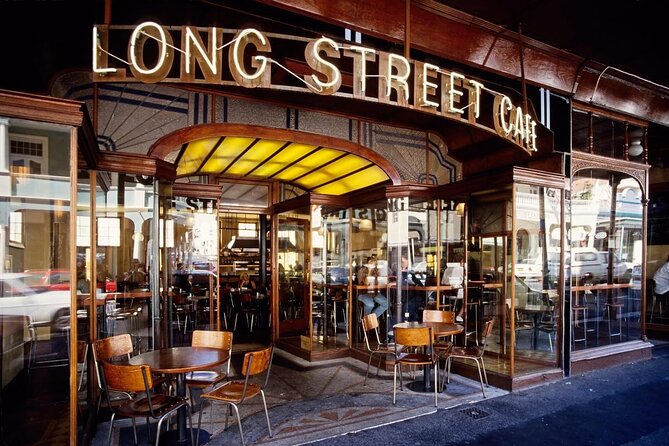
- A walking route through the CBD: The restaurants are within walking distance around Greenmarket Square, Bree Street, and Long Street.
- Food is the star: Previous menus have included Ethiopian dishes, South African seven colors, street food, fish, chicken, and tripe.
- Vegetarian-friendly planning: Tell the operator about allergies or dietary needs so dishes and restaurant stops can be changed.
- Guide quality matters: Guides including Ivan, Thando, Lilebo, Frank, Tye, and others have been praised, but organization has not been uniform.
- Alcohol costs extra: Bottled water and food are included, but alcoholic drinks are not.
A Continental Meal in the Cape Town CBD
This experience uses Cape Town’s central streets as its dining room. Rather than taking you far outside the city, it moves between restaurants in the Central Business District, with each stop offering food linked to a different part of Africa.
That format has real value. Cape Town is often presented through its coastal setting, colonial buildings, markets, and mountain views. Food gives you another way to understand the city. A plate of Ethiopian food, a South African home-style dish, or a West African recipe can open a conversation about ingredients, migration, family traditions, and the people who live and work in the city today.
The experience usually lasts from one to three hours, depending on the pace, restaurant service, and number of stops. Each restaurant is meant to take about 30 to 45 minutes. In practice, some groups have spent much longer waiting for food, so do not book this immediately before a fixed appointment.
The tour has a maximum of 15 people. That is small enough for a guide to speak with the group, though a smaller party may feel more personal. Solo visitors, couples, families, and groups of friends can all fit the format. Several people have especially liked the friendly style of guides such as Thando and Tye, while Ivan was praised for making a family group feel comfortable from the start.
More Food Experiences in Cape Town:
- Cape Town: Full-Day Winelands Tour with Wine Tastings & Food
★ 4.9 · 1,288 reviews - From Split: Krka Waterfalls, Food & Wine Tasting Tour
★ 5.0 · 9,326 reviews - From Split: Krka Waterfalls, Food & Wine Tasting Tour
★ 4.9 · 6,598 reviews
Starting Near Green Market Square
The listed starting point is 56 Corporation Street in Cape Town City Centre. From there, the route moves through the CBD, an area where historic public spaces, shops, offices, restaurants, and street activity sit close together.
Greenmarket Square is an important early reference point. You get time to learn about the square’s past and about the people who use it today. You also have a chance to look at African art, crafts, and souvenirs. This gives the tour a little more shape than a simple restaurant crawl.
There is a practical point here: Greenmarket Square can be busy, and you should keep an eye on your phone and belongings. One person was advised not to take out a cellphone while walking in parts of the area. That does not make the tour unsuitable, but it does mean you should follow your guide’s local advice and avoid wandering off alone during the walk.
The square can also be a pleasant place to shop after the meal. Since the experience ends nearby, you can browse without carrying purchases through the entire afternoon. Prices and quality vary, so take a moment to compare items before buying.
Bree Street and Long Street on Foot
Bree Street is known for restored old buildings, restaurants, and small food businesses. It is a good setting for this experience because the architecture and street scene add context between tastings. The walk is not simply dead time between meals. Your guide may point out places connected to Cape Town’s past and present.
Long Street brings a different feel. It runs through the City Bowl and is known for bookshops, bars, restaurants, and a broad mix of food from different communities. African restaurants sit alongside Indian and other international choices. The street gives you a quick look at how varied Cape Town’s central food scene can be.
The route is walkable, but comfortable shoes are important. You are not riding between restaurants, and private transportation is not included. If you have limited mobility, ask the operator about the exact route before booking, since the supplied information does not specify accessibility arrangements.
One useful feature is the short distance between stops. You do not lose time sitting in traffic, and you get a better feel for the central streets. The trade-off is that you are walking in an urban area where the atmosphere can change from one block to the next. Stay with the group and listen to the guide’s safety advice.
What You May Eat Across Four Regions
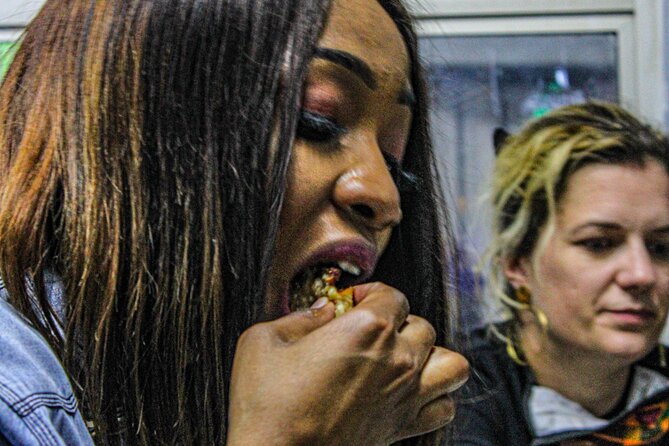
The food is the reason to book this experience. The advertised menu covers South African, Tanzanian, Ethiopian, and Ghanaian or Nigerian cooking, though the exact restaurants and dishes can change.
South African food may include seven colors, a home-style plate made up of several colorful elements. This kind of meal is useful for understanding the everyday side of South African cooking. It is not only about famous dishes. It shows how starches, vegetables, meat, and sauces can come together on one plate.
The Tanzanian stop may offer street food or another East African dish. Street food can be a lively way to taste a place, though preparation and portion sizes may vary. Ask your guide what you are eating and how it is normally served. The strongest part of the experience is often the explanation of ingredients and cooking methods, not simply the act of eating.
The Ethiopian meal has received some of the warmest praise. Ethiopian food is often shared, with diners eating from a common platter using injera. The exact dishes are not guaranteed, but you should expect food that is eaten communally and may include strong seasoning, vegetables, legumes, or meat.
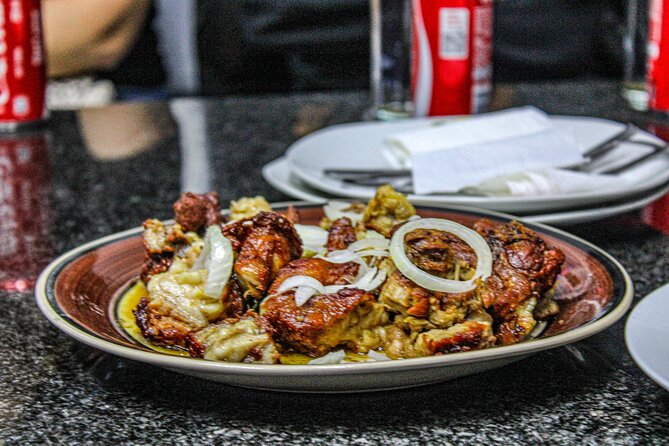
The West African stop may focus on Ghanaian or Nigerian food. The description does not promise one country every time, so you should ask which tradition is being represented on your date. Fish, chicken, and tripe have appeared on past outings. The fish and chicken were not always equally successful, with some portions described as dry or overcooked. That is a reminder that this is a small-restaurant food experience, not a carefully staged tasting menu.
Tripe is another possible surprise. If you are adventurous, it can be an interesting local specialty. If you know you dislike certain textures or ingredients, tell the guide early. The operator says meals can be changed for allergies and dietary needs.
A few more wine tours around Cape Town worth a look
- Wine Tour: Paarl, Franschhoek & Stellenbosch incl 3 wineries
★ 5.0 · 3,940 reviews - From Cape Town: 3 Regions Wine Tour with 3 Estates, 15 Wines
★ 4.7 · 2,136 reviews - From Cape Town: Franschhoek Wine Tram Hop-on Hop-off
★ 4.7 · 1,972 reviews - Cape Town: Sunset Champagne Cruise
★ 4.6 · 1,083 reviews
Portions, Timing, and the Meaning of Tasting
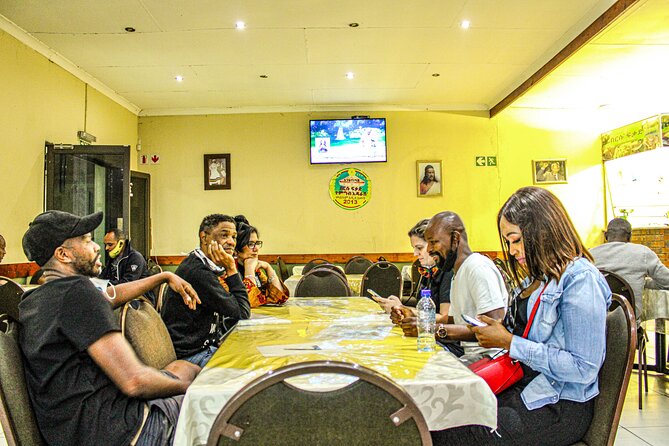
The experience is described as a tasting, but some people have finished feeling completely full. Four restaurants with food at each stop can add up quickly, especially if portions are shared or served as full plates.
I would eat lightly beforehand, but not arrive starving. A small meal or snack earlier in the day gives you room for the first stop without making the walk uncomfortable. Bring water, although bottled water is included.
Timing deserves attention. The plan allows roughly 30 to 45 minutes per restaurant, but food service can take longer. Some outings have involved waits of up to an hour at a stop. That can be frustrating when the goal is to visit several places, and it may reduce the time available for cultural explanation.
The best version of the tour has food ready or nearly ready when the group arrives. There have also been occasions when restaurants were not told in advance, which led to confusion. You can reduce the risk by confirming the start time, meeting place, and expected number of stops before the day of the tour.
The experience is sometimes offered in an evening slot, which works well as a dinner. An afternoon departure may leave you finishing around late afternoon, depending on the pace. Check the exact time when booking, especially if you have plans afterward.
The Guide Makes or Breaks the Experience
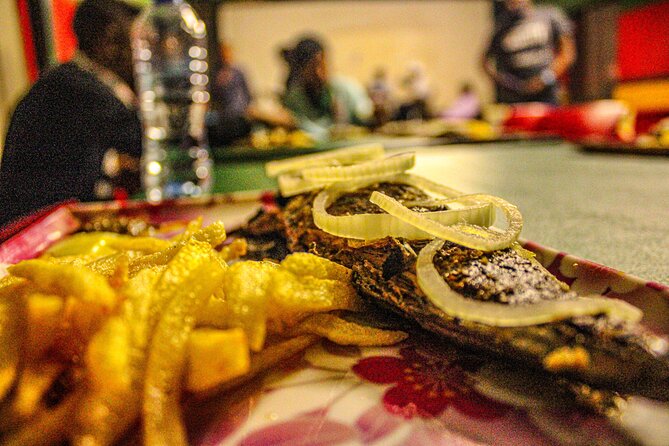
A strong guide can turn four meals into a story about Cape Town and the wider continent. The most praised guides have been friendly, patient, and able to explain the food as well as the city. Tye was praised for a professional approach, while Thando was appreciated by a solo visitor for being easy to talk with. Ivan received similar praise for answering questions and creating a relaxed mood.
Frank was also singled out for explaining Cape Town through food, especially during an evening outing. These comments point to the experience’s best quality: you are not just being taken to restaurants. You are given a reason to understand what is on the plate.
The weaker outings had a different pattern. A guide sometimes knew Cape Town’s streets and history but had less information about the dishes. In other cases, the group felt the guide was unprepared, arrived late, or brought an extra person who appeared to be joining for the meal.
That unevenness is the largest risk. The operator has acknowledged problems with guide training, scheduling, restaurant coordination, and matching the actual route to the promised plan. If your guide seems unsure at the start, ask directly which restaurants you will visit, what food has been arranged, and how many tastings are included.
Price and What You Receive for $64.26

The $64.26 price is reasonable when the tour delivers four food stops, a useful guide, bottled water, and enough food to replace a meal. You also pay for the convenience of having someone select the restaurants and explain what you are eating.
It is not a bargain if you are mainly paying for a short walk and a few small samples. The experience is not private, and it does not include transport. Alcoholic drinks are extra, despite the food and wine wording in the title. The provided details confirm food and water, but not wine or any other alcohol.
At this price, I would compare the tour with what you might spend visiting several restaurants independently. Going alone may be cheaper if you order only small portions, but you would lose the guide’s local knowledge and the chance to sample several food traditions in one outing. For a couple or small group, the tour’s value depends heavily on the amount of food and how well the route is organized.
The tour is often booked about 34 days ahead. That suggests you should reserve early if the date matters, but check the cancellation terms before committing. You can cancel for a full refund up to 24 hours before the start time. Cancellations or changes made inside 24 hours are not refunded.
Who Should Book This Cape Town Food Walk?
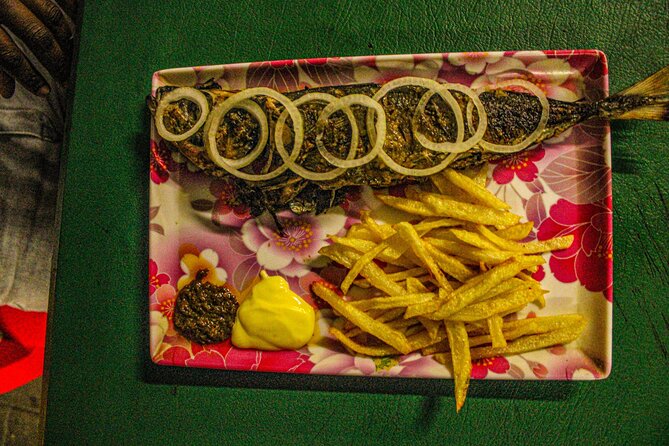
I would recommend it to you if you enjoy trying unfamiliar food, prefer walking to riding between stops, and want a broad introduction rather than a single-country cooking lesson. It suits solo visitors because the guide provides company and conversation. Couples and friends can also enjoy comparing reactions to unfamiliar dishes.
Vegetarians should find the format workable, provided dietary needs are stated in advance. People with allergies should do the same, since the operator says meals and restaurant locations can be changed.
This is less suitable if you need a tightly timed itinerary, guaranteed restaurant names, or a polished tasting menu. It may also frustrate you if you dislike shared food, waiting, urban walking, or dishes such as tripe.
Should You Book the Taste of Africa Experience?
Book it if you want a generous, informal introduction to African food in Cape Town and you are comfortable with some flexibility. The Ethiopian meal, South African seven colors, street food, and conversations with an engaging guide can make this a memorable afternoon or dinner.
Before booking, confirm the meeting point, start time, number of restaurants, and dietary requests. Ask whether alcohol is included, because it is not listed among the inclusions. If the operator provides a well-prepared guide and calls the restaurants ahead, $64.26 can buy a lot of food and a useful look at the city.
My verdict: worth considering for curious eaters, but not the safest choice for anyone who needs perfect organization. The food range is appealing, the walking route is practical, and the best guides add real value. Just treat the exact menu and number of stops as flexible rather than guaranteed.
FAQ
Where does the Taste of Africa food experience start?
The listed starting point is 56 Corporation Street, Cape Town City Centre, Cape Town, 8000, South Africa.
Where does the experience end?
The listed end point is 40 Hout Street, Central, Cape Town, 8001, South Africa. The final restaurant is an Ethiopian restaurant.
How long does the experience last?
The experience lasts approximately one to three hours. Each restaurant stop is expected to take about 30 to 45 minutes, although meal service may affect the total time.
Which cuisines are included?
The experience is designed to include South African, Tanzanian, Ethiopian, and Ghanaian or Nigerian food. The exact dishes and restaurants may vary.
Is the tour suitable for vegetarians and people with allergies?
Yes. The experience is described as vegetarian-friendly. You should tell the operator about allergies or dietary needs so meals and restaurant locations can be changed.
Is alcohol included in the price?
No. Bottled water and meals are included, but alcoholic beverages are not included.
Newly added around Cape Town
- Franschhoek wine Tram & Stellenbosch Town Full day tour★ 5.0 · 139 reviews
- Private Tour of Top 5 Stellenbosch Wineries From Cape Town★ 4.0 · 56 reviews
- Catamaran Sunset Champagne Cruise Cape Town★ 4.5 · 85 reviews
- Taste + Tram the Winelands Tour: Franschhoek, Stellenbosch, Paarl★ 5.0 · 60 reviews
- From CapeTown: Stellenbosch Half Day Wine Tour★ 4.5 · 287 reviews
- Stellenbosch, Franschhoek and Paarl Winelands Full Day Trip from Cape Town★ 4.5 · 115 reviews
- Full-Day Stellenbosch, Franschhoek and Paarl Wine Tasting Tour from Cape Town★ 4.0 · 98 reviews
- Private Stellenbosch, Franschhoek Paarl Wine Tour from Cape Town★ 5.0 · 89 reviews
Cape Town Wine Tours, compared.

Wine Tour: Paarl, Franschhoek & Stellenbosch incl 3 wineries
Read our review →


Full-Day Winelands Tour with Wine Tastings & Food
Read our review →
African Story Wine Tours in the Cape Winelands
Read our review →
Wine Tour to Stellenbosch & Franschhoek with Tastings & Lunch
Read our review →
Private Wine Tour with Wine Expert to Stellenbosch-Franschhoek Wine Regions
Read our review →Browse the lists this tour appears in