REVIEW · WINE CELLAR VISITS
Paris Art of Pairing Cheese and Wine Tasting in a Cheese Cellar
Cheese tastes better underground. This Paris tasting takes you beneath a specialist fromagerie for seven cheeses, three wines, and fresh baguette, with a cheese expert explaining what you are eating and why the pairing works. I like the small groups, capped at 12, and the chance to meet guides such as Agathe, Pierre, Gabriel, and Paul, who bring warmth and humor to the lesson. The main consideration is that the experience spends meaningful time on cheesemaking and French cheese traditions, so it is not a wine class with cheese on the side.
I also like the practical value. You leave with better instincts for ordering cheese, reading French menus, and choosing pairings during the rest of your stay. The drawback is the cellar itself: you reach it by stairs, and it can be cold, so bring a warm layer even if Paris is sunny above ground.
Key points at a glance
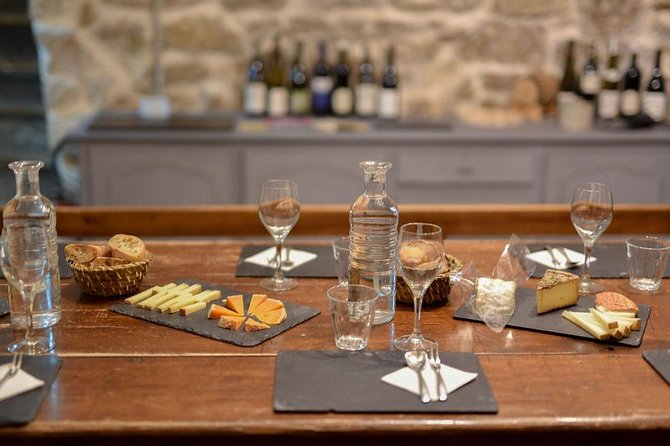
- Seven cheeses and three wines: Taste Swiss Gruyère, bôfavre, Camembert, Etivaz, Beaufort, and other selected varieties with matched French wines.
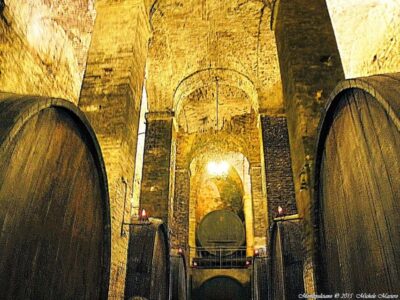
- A real maturing cellar: Put on the supplied protective suit and see large wheels, blocks, and rolls ripening in cool conditions.
- Small-group teaching: The group can include as many as 12 people, allowing plenty of room for questions and conversation.
- More cheese instruction than wine theory: You learn a great deal about production, regions, and aging, while the wine discussion is less extensive.
- A central Île Saint-Louis meeting point: The experience begins at 39 Rue Saint-Louis en l’Île and ends there, with no hotel transport.
- Strong overall satisfaction: The experience has a 4.9 rating from 386 reviews and is recommended by 97 percent of customers.
What this Paris cheese cellar experience is really like
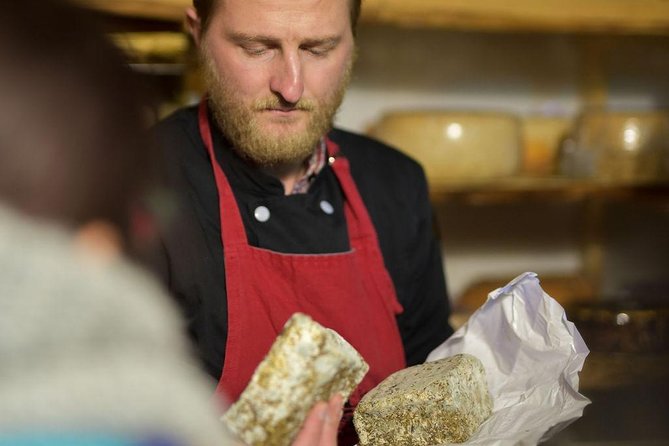
This is not a quick counter tasting where someone hands you a cube of cheese and points toward the exit. It is a compact lesson in French food culture, held inside and below the Musée Vivant du Fromage, a specialty cheese shop on Île Saint-Louis.
The advertised duration is about 90 minutes, although several published comments describe the visit as lasting closer to a couple of hours. I would allow at least the full stated time and avoid placing a tight museum reservation immediately afterward.
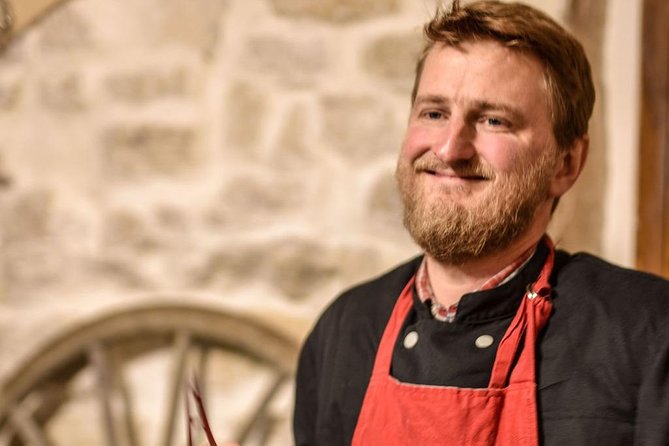
The experience is offered in English, which matters when you are trying to understand terms about milk, aging, regions, and texture. The guides are the heart of the event. Agathe is praised for her passion, Pierre for his patience and warmth, Gabriel for his clear instruction, and Paul for creating a relaxed class atmosphere. Guide assignments can change, but the pattern is clear: this is designed as an informal teaching session, not a scripted tasting.
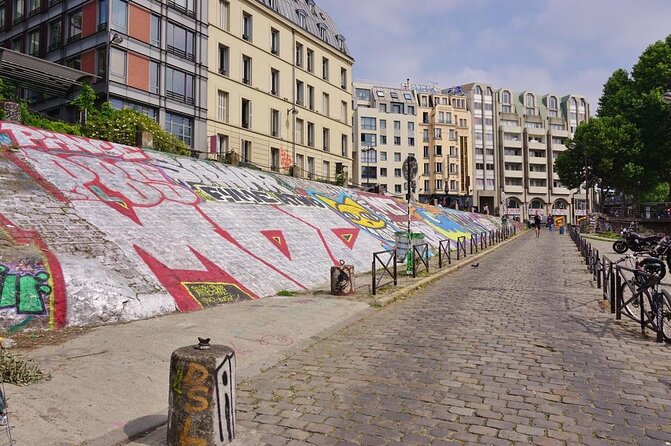
You begin at 39 Rue Saint-Louis en l’Île, 75004 Paris, and return to the same meeting point. The address puts you in a pleasant central part of Paris, but do not assume that hotel pickup is included. You need to make your own way there and arrive ready to start on time.
More Wine and Cheese Tastings in France
- Paris: Montmartre Cheese, Wine & Pastry Guided Walking Tour
★ 4.8 · 2,255 reviews - Private Montmartre Food Tour with Wine, Cheese & Pastries
★ 5.0 · 1,027 reviews - Paris Le Marais Food Tour With 10+ Tastings, Cheese, Wine & More
★ 5.0 · 985 reviews
The first stop: cheese history and a cooling room
The first part takes place in the living cheese museum and shop. Here, you get an explanation of how cheese is made, how different styles developed across France and nearby Switzerland, and why aging changes taste, smell, and texture.
This section is valuable because it gives you a framework for the tasting. Instead of hearing only that one cheese is hard and another is soft, you begin to understand how milk, production methods, age, and cellar conditions shape the final result.
The presentation also covers the maturing process. Cheese is not simply made and then put on a plate. It may be turned, brushed, watched, and kept at a carefully managed temperature while its character develops. The cool room helps make that process easier to picture.
One important expectation check: this opening lesson can take a sizeable portion of the experience. If you came mainly for wine tasting, you may find the balance a little uneven. The cheese teaching is the main subject, and the wine pairing supports it rather than receiving equal class time.
That is not necessarily a weakness. If you want to understand why French cheese counters can feel confusing, this background is useful. You learn how regions and methods affect the food before you are asked to compare flavors.
Going downstairs into the ripening cellar
After the introduction, you put on a hygienic protective suit and go down into the cellar. The suit may not be glamorous, but it serves a purpose: cheese needs a clean environment, and the cellar is an active working space rather than a decorated dining room.
The stairs are an important practical detail. The cellar is only accessible by stairs, so this activity may not suit anyone who cannot manage them. The room can also be cold. I would bring a sweater or light jacket, even during warm weather, and wear shoes that feel secure on steps.
Inside, you see blocks, rolls, and wheels at different stages of maturation. Some are as large as 77 pounds, or 35 kilograms. That scale helps explain why traditional cheese production is not a tiny artisan exercise. Even a friendly tasting can connect you with serious food production.
The cellar is also what gives this activity its sense of place. You are not simply eating cheese in a generic classroom. You are seeing the conditions that help create the flavors on your plate.
The setting may appeal most to people who enjoy process. If you want a polished restaurant-style tasting with elegant furniture and a quiet sommelier, this may feel basic. If you like seeing how food is handled and aged, the cellar adds real value.
Seven cheeses, from Gruyère to Beaufort
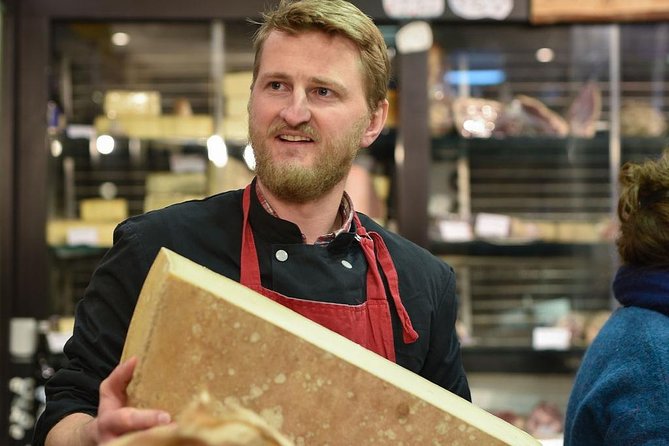
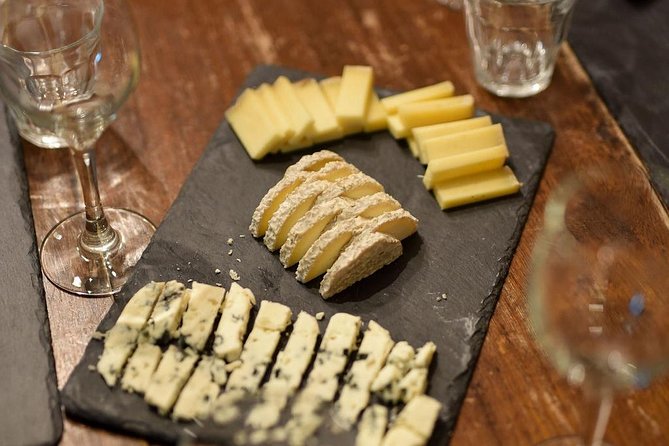
The tasting includes seven cheeses, cut fresh for the group. The selection can vary, but the named examples give you a good idea of the range:
- Swiss Gruyère, firm, savory, and familiar enough to provide a useful starting point
- Bôfavre, a hard cheese from Switzerland’s Jura Mountains
- Camembert, soft and delicate in texture
- Etivaz, a hard Alpine cheese
- Beaufort, made from raw cow’s milk
- Additional selected cheeses that broaden the comparison
The point is not to crown one cheese the winner. You taste across different textures, milk styles, regions, and levels of intensity. That makes the session useful for future meals because you begin to notice what you actually enjoy.
You may also learn how to approach a cheese before pairing it. Smell, texture, salt, firmness, and aftertaste all matter. A soft cheese can call for a different wine from a hard, nutty one, and the best match is not always the most expensive bottle.
The fresh baguette is more than decoration. Bread gives your palate a plain base between samples and makes the tasting feel like a French snack rather than a sequence of isolated bites. It also functions as the stated dessert, with the menu playfully reduced to cheese, wine, and bread.
Portions are not described in detail, so I would not book this as a replacement for dinner. It is a generous tasting lesson, but you should plan another meal if you need a full evening supper afterward.
More Wine and Cheese Tastings in Paris
- Paris: Wine and Cheese Lunch
★ 4.9 · 596 reviews - Cheese & Wine Tasting in Montmartre with Local Cheesemonger
★ 5.0 · 470 reviews - French Wine, Champagne And Cheese Tasting Paris SECRET WINE DOOR
★ 5.0 · 464 reviews - Le Marais Walking Food Tour with Cheese, Wine & Pastries
★ 4.7 · 339 reviews
Three wines and the art of matching them
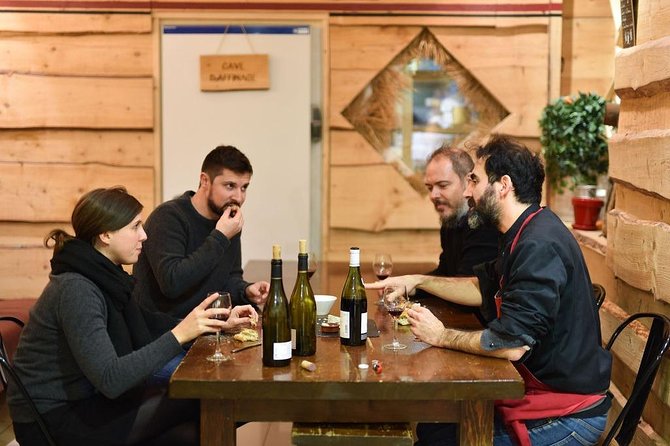
The wine portion includes three wines chosen to complement the cheeses. You alternate bites and sips, learning how a pairing can change the way both items taste.
The useful lesson is comparative. A cheese may seem sharper or saltier with one wine and rounder with another. You are not merely told that a particular wine is correct. The aim is to notice how acidity, sweetness, body, and aroma interact with the cheese.
Still, keep your expectations in check. The strongest teaching focus is cheese. Several comments describe the wine explanation as less detailed than the cheese instruction, and one assessment found that the pairing occupied only part of the visit. If wine regions, grape varieties, and technical tasting vocabulary are your priority, you may want a dedicated wine class instead.
For most people, though, the balance works. You get enough wine to understand the basic idea without turning the session into a formal tasting exam. The approach is friendly and practical. You can take what you learn to a restaurant, market, or fromagerie later that day.
The minimum drinking age is 18. Anyone under that age can attend only within the rules set by the provider, but the supplied information confirms that alcohol consumption begins at 18.
Why the small group matters
The group size is limited to 12. In practice, some sessions are smaller, and one published account describes a class with only one participant. That can make a major difference.
A small group allows the guide to answer individual questions and adjust the pace. If you are unsure how to describe a smell or do not understand why two cheeses taste so different, you can ask without interrupting a crowded lecture.
It also makes the cellar visit easier. Large groups can make a compact room feel cramped, while a smaller class gives you a better chance to see the cheeses and hear the guide.
The atmosphere appears to be relaxed rather than formal. Guides are praised for being entertaining, friendly, and patient. That is especially helpful if you feel intimidated by French food vocabulary or have little experience with wine.
The setting may suit couples, families with adult children, and solo visitors. It can also work well early in a Paris stay because the advice carries into later meals. You may find it easier to order a cheese plate, ask about regional products, or understand a menu after this introduction.
The guides make or break the session
The provider is Paroles de Fromagers, and the guide’s personality shapes the experience. Names associated with especially strong sessions include Agathe, Pierre, Gabriel, Paul, Dee, Galina, Dion, and others.
Agathe is described as deeply passionate about cheese. Pierre is praised for being attentive, patient, and able to explain both process and flavor. Gabriel receives repeated credit for making the class clear and enjoyable. Paul is noted for enthusiasm and for helping the group relax.
That range matters because the format depends on conversation. You are not visiting a silent display. The guide has to explain technical points in plain English, keep the group moving, and make unfamiliar cheeses approachable.
The most highly praised qualities are passion, friendliness, and clear instruction. People consistently value the sense that the guide enjoys the subject rather than simply reciting facts.
There is no guarantee of a particular guide, so I would not book solely to meet one person. Book because the format gives you direct access to a specialist and a chance to ask questions in a small setting.
Is $84.69 a fair price?
At $84.69 per person, this is not a cheap snack. The value depends on what you want from the outing.
You receive seven cheeses, three wines, bread, instruction, a cellar visit, and a small-group format. You also get a practical food lesson that can improve several later meals in Paris. For someone who already planned to buy a cheese board and wine separately, the guided context adds a useful layer.
The price is harder to justify if you only want to eat cheese. Paris offers many less expensive ways to enjoy Camembert and baguette. You are paying for access to the cellar, the teaching, the specialist, and the chance to compare several pairings in a structured setting.
I see the best value for curious food lovers who want context. You learn how cheeses are made and aged, how regions matter, and how to taste with more confidence. You are not paying just for the quantity of food.
The 4.9 rating from 386 reviews and the 97 percent recommendation rate suggest that the format works very well for most people. The lower-scoring comments are useful because they point to the same two issues: communication about a changed meeting address and a stronger emphasis on cheese than wine.
Timing, arrival, and practical advice
The experience begins and ends at the meeting point on Rue Saint-Louis en l’Île. There is no hotel pickup or drop-off, so plan your route before the day of the tasting.
Check the current meeting instructions carefully. One person arrived at an old address after a venue change and lost much of the introductory portion. The safest approach is to check your confirmation and the provider’s latest message shortly before leaving, rather than relying only on a printed ticket or an older saved address.
Arrive early enough to find the shop. The session is small, and a late arrival can interrupt the group and leave you missing the explanation of the cellar and the first cheeses.
Dress in layers. The cellar is cold, and the protective suit is provided. Since stairs are required, comfortable footwear is sensible.
The experience is near public transportation, and most people can participate. The supplied information does not describe wheelchair access, and the stair-only cellar means you should check directly if mobility is a concern.
Cancellation is free up to 24 hours before the start time. Within 24 hours, changes and refunds are not accepted. The provider also requires a minimum number of participants and may offer a new date or a full refund if that minimum is not reached.
Who should book this tasting?
I would recommend it to you if you enjoy food with a story, want practical menu help, or feel unsure about French cheese. It is also a smart pick for a first or second day in Paris because the lessons can improve the way you eat for the rest of your visit.
It suits adults who appreciate an informal class, and the English-language format makes the material accessible. Solo participants may benefit especially from the small group, while couples and families can share the tasting without committing to a long formal meal.
I would hesitate if you want a wine-first experience, cannot manage stairs, dislike cold rooms, or need a substantial dinner. I would also leave extra time afterward, since the teaching may run longer than the basic 90-minute estimate.
Should you book the Paris cheese cellar tasting?
Book it if you want more than a plate of cheese. The cellar, the protective suit, the large wheels, and the explanations about aging give the tasting a sense of purpose. The small group and friendly guides make it easy to ask questions, while the seven cheeses and three wines provide enough variety to sharpen your palate.
Skip it if your main goal is a technical wine seminar or a full meal. For everyone else, $84.69 buys a memorable food lesson in a central Paris setting, plus advice you can use every time you visit a fromagerie afterward.
FAQ
Where does the cheese and wine tasting begin?
It begins at 39 Rue Saint-Louis en l’Île, 75004 Paris, France.
Where does the experience end?
It ends back at the meeting point.
How long does the experience last?
The stated duration is approximately 1 hour and 30 minutes. Some sessions may take longer, so leave extra time afterward.
How many people can join the group?
The maximum group size is 12 people.
What food and drink are included?
The experience includes tastings of seven cheeses, three wines, and bread.
Is the tasting offered in English?
Yes. The experience is offered in English.
Is the cellar accessible without stairs?
No. The cellar is accessible only by stairs.
What should I wear for the cellar?
The cellar can be cold, so warm clothing is recommended. A hygienic protective suit is provided.
What is the cancellation policy?
You can cancel up to 24 hours before the start time for a full refund. Cancellations or changes made within 24 hours are not accepted for a refund.
More Wine Cellar Visits in Paris
- Paris – Guided Visit & Tasting in a Royal Wine Cellar
★ 4.5 · 221 reviews - Paris: Cheese and Wine Class in a 17th Century Cellar
★ 4.8 · 91 reviews - Paris: Champagne Cellars Tour and Tastings with a Sommelier
★ 4.9 · 74 reviews - Paris: French Wine Experience in Parisian Cellar
★ 4.5 · 54 reviews
More Wine and Food Pairings in France
- Montmartre Hill French Gourmet Food and Wine Tasting Walking Tour
★ 5.0 · 2,588 reviews - Paris Le Marais District Original Food and Wine Tasting Tour
★ 4.5 · 880 reviews - Paris: Montmartre Food and Wine Guided Tour
★ 4.9 · 58 reviews - Nice: Food and Wine Old Town Guided Walking Tour
★ 4.9 · 411 reviews
Newly added around Paris
- Top Private Cruises in Paris with Champagne + more surprises★ 5.0 · 309 reviews
- The Official Emily in Paris Champagne Seine Cruise★ 4.9 · 27 reviews
- Private tour of Paris by Night with Champagne★ 4.7 · 323 reviews
- Paris: Wine and Cheese Tasting with a Chef Sommelier★ 4.7 · 277 reviews
- Paris: Wine and Cheese Tasting★ 4.6 · 91 reviews
- Paris: Wine Tasting Experience with 6 Wines and Cheese Board★ 4.9 · 80 reviews
- Paris: The Ultimate Wine and Cheese Tasting in English★ 5.0 · 33 reviews
- Paris: The Ultimate Wine Tour of Montmartre – 7 Guests max★ 5.0 · 28 reviews
Wine Cellar Visits, compared.
Bridges Cruise & Sunset & Port Wine Cellar Option
Read our review →
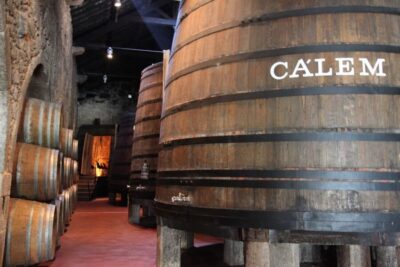
Cálem Cellar Tour, Interactive Museum & Wine Tasting
Read our review →
Hop-on Hop-off Bus with Optional Cruise & Wine Cellar
Read our review →
Magic Train Tour and Port Wine Cellar with Tastings
Read our review →
Milan Urban Winery: Taste & Tour at Cantina Urbana
Read our review →