
REVIEW · WINE TASTINGS
Córdoba: Local Wine Tasting Evening
Córdoba has a wine secret. This one-hour tasting introduces you to four wines from the Montilla-Moriles region, served with local tapas in a small wine shop that opens especially for the session. I like the personal scale of the experience, with no more than 10 people, and the way it teaches you how to order and pair local wine during the rest of your stay. The only drawback is the short length: serious wine fans may wish for more time.
The focus is not on famous Spanish labels you already know. Instead, you get to try local styles such as Fino, Oloroso, and sweet Pedro Ximénez, wines that can be hard to find outside Córdoba. I also like that this is more than four glasses on a counter, since each wine comes with a tapa and the guide explains the region, production methods, and local customs.
Four useful things to know before booking
- The tasting uses wines from Montilla-Moriles: You sample four regional wines, including Fino, Oloroso, and Pedro Ximénez styles.
- Every wine comes with a tapa: The food is chosen to match the wine and makes the hour feel like a light evening snack.
- Francisco is the main host praised for the experience: He explains the wines clearly, answers questions, and offers practical advice about ordering wine and food in Córdoba.
- The venue is a small local wine shop: It feels more intimate than a large commercial tasting room and may also have local products available to buy.
- The group is limited to 10 people: This gives you a better chance to ask questions and speak with the host.
- It is a strong first-night activity: The information can help you make better choices at Córdoba restaurants and bars during the rest of your visit.
Why Montilla-Moriles makes this tasting worthwhile
Many people arrive in Andalusia thinking mainly about Rioja, Cava, or Sherry. Córdoba offers a different wine story. The Montilla-Moriles region produces distinctive wines from the local Pedro Ximénez grape, and the tasting shows how one grape can produce very different styles depending on harvest timing and production.
That contrast is the heart of the session. You are not simply comparing four unrelated bottles. You are learning why wines made from the same local grape can range from dry and delicate to dark, full, and sweet.
The tasting also explains Córdoba’s place as a wine-making region. That context matters because these bottles are closely tied to local food and daily habits. A glass of Pedro Ximénez can be a dessert-style drink, while a dry regional wine may work better with savory tapas or a meal.
I like this approach because it gives you a useful framework. Instead of leaving with four names to forget, you leave knowing what to look for on a menu. The experience can turn an unfamiliar wine list into something much easier to understand.
More Wine Tastings in Spain
- Montserrat & Cogwheel Train, Gourmet Wine Tasting & Tapas/Lunch
★ 5.0 · 6,290 reviews - Madrid Tapas & Wine Tasting Walking Tour – Small Group Local Bars
★ 5.0 · 3,644 reviews - Toledo Tour & Vineyard Walk with Wine Tasting from Madrid
★ 5.0 · 2,546 reviews
Arriving at Calle Moriscos 10
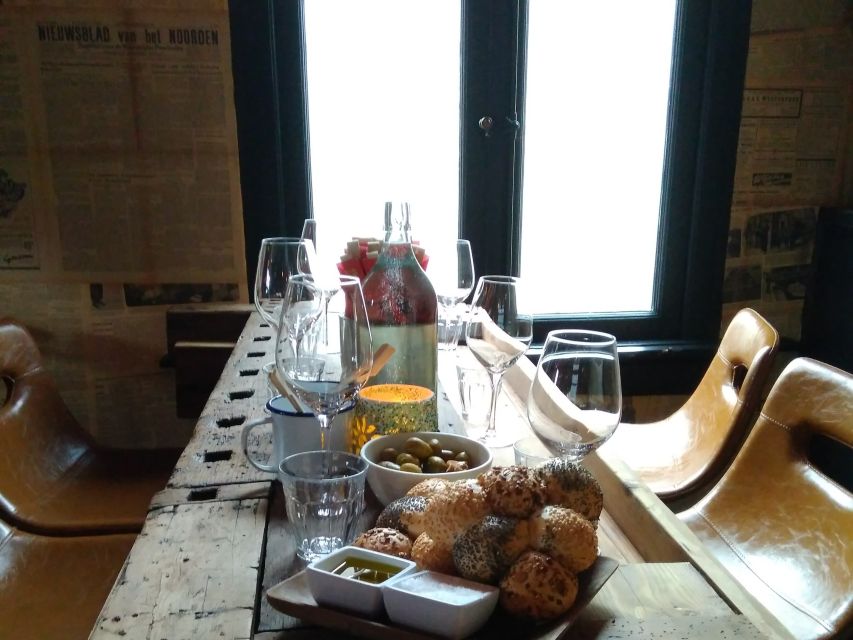
The meeting point is Calle Moriscos 10, at a small winery-shop in Córdoba. The shop opens especially for the tasting, which helps create a private and relaxed feel rather than the atmosphere of a busy public bar.
The location is described as a short walk from Córdoba’s main old-town sights, though one visitor found it a little farther from the main monuments than expected. I would allow a few extra minutes to find the address, especially if you are coming from the Mezquita area or another part of the historic center.
There is no hotel pick-up or drop-off, so you need to make your own way to the shop. That is not a major issue for a one-hour activity in central Córdoba, but it is worth planning if you have limited mobility or are arriving straight from the train station.
The venue also sells local goods, and you may find wine, cheese, biscuits, or other regional products available to purchase. That gives the experience a practical ending. If you discover a bottle you enjoy, you may be able to take it home rather than trying to remember the name later.
The first glass sets the tone
Once the group is gathered, the guide begins with an introduction to the area and its wines. The tone is informal, with time for questions rather than a long lecture.
Francisco is the host most often associated with this tasting, and his strengths are clear: he explains wine production in plain language, keeps the conversation friendly, and connects the bottles to Córdoba’s food and customs. Another guide named Hank has also led the session, so the exact host may vary.
The group size makes a real difference here. With a maximum of 10 participants, you are not lost at the back of a crowded room. Several small groups have been as small as four or six people, which allows for direct conversation.
This format suits beginners particularly well. You do not need to know wine terms before arriving, and you do not need to pretend you understand something when you do not. You can ask why one wine is dry, why another is sweet, or how a bottle should be ordered in a local restaurant.
Four wines, four different personalities
The tasting includes four local wines from Montilla-Moriles. The exact order and bottles may vary, but the session is designed to show the range of regional styles.
Same region, a very different glass:
- Montserrat Half-Day Tour with Tapas and Gourmet Wines
★ 5.0 · 7,359 reviews - Barcelona Tapas and Wine Experience Small-Group Walking Tour
★ 5.0 · 5,804 reviews - Barcelona: Montserrat, Cogwheel, Black Madonna & Winery Tour
★ 4.8 · 5,633 reviews - Montserrat with Black Madonna & Medieval Winery with Tapas/Lunch
★ 5.0 · 5,209 reviews
Fino
Fino is a dry style and can be a surprise if your main experience of Pedro Ximénez is sweet dessert wine. Its lighter, sharper character gives you a useful starting point for understanding how the grape and production method can produce a very different result.
The guide explains how these wines are made and why they taste as they do. That explanation is important because the styles are not always obvious from the labels alone.
Oloroso
Oloroso offers a fuller and more powerful contrast. Tasting it beside Fino makes the differences easier to notice, particularly when a small tapa is served with each glass.
The pairing is not decoration. Food can change how you perceive acidity, sweetness, salt, and body. A wine that seems intense by itself may feel better balanced with the right bite of local food.
Pedro Ximénez
Pedro Ximénez is the style many people associate most strongly with the area. It is sweet, rich, and unlike the dry wines served earlier in the tasting.
This is one of the most useful parts of the experience for anyone who has only tasted standard table wines. You get a clear example of how a regional grape can produce a dessert-style wine with a completely different role at the table.
A fourth regional style
The fourth sample completes the comparison and gives you a broader picture of Montilla-Moriles. Some groups have tasted four local white wines, while others have focused on different regional expressions made from the same grape.
The value is in the comparison. The session shows that local wine is not one single flavor or category. You are tasting a family of wines shaped by production methods, harvest timing, and food pairings.
The tapas are more than decoration
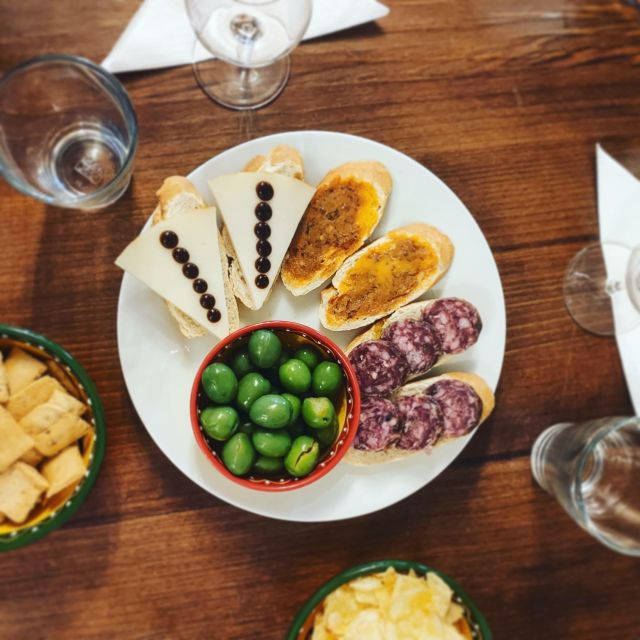
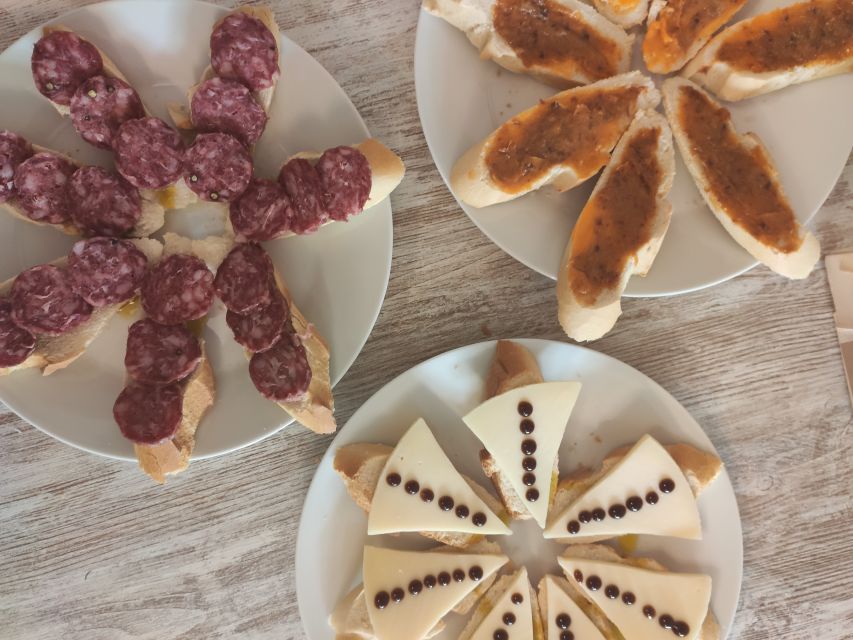
A small tapa comes with each wine. The food provides a light refreshment and helps explain how local people might enjoy these wines with meals.
Do not expect a full dinner. This is a tasting with snacks, not a restaurant crawl or a multi-course food tour. Still, the pairings are substantial enough to make the hour feel complete, especially if you have already eaten or plan to dine later.
Dietary needs should be stated at the time of booking. Vegetarian options are available, but they need to be requested in advance. The experience includes a bottle of water as well.
The tapas also help solo visitors. You can sample several wine and food combinations without ordering four separate drinks and dishes by yourself. For couples and small groups, the pairings give you something to discuss between glasses.
What you learn beyond the tasting room
The most useful advice may come after the guide has explained the wines. Francisco has offered practical tips on how to order local wine correctly in Córdoba’s bars and restaurants, along with suggestions for regional dishes and places to eat.
That makes this a good activity near the beginning of your visit. If you schedule it on your first evening, you can use what you learn when choosing drinks and food later. You may recognize a wine style on a menu, understand whether it is dry or sweet, and know which kind of dish might suit it.
The guides also connect wine with local culture and daily life. The conversation can cover production, history, food, and the role of regional products. The result is more useful than a memorized list of tasting notes.
One particularly practical suggestion shared during the experience has been a visit to Mercado Victoria. That kind of local food tip adds value, especially if you have time before a train or want another place to eat after the tasting.
Atmosphere, pace, and group size
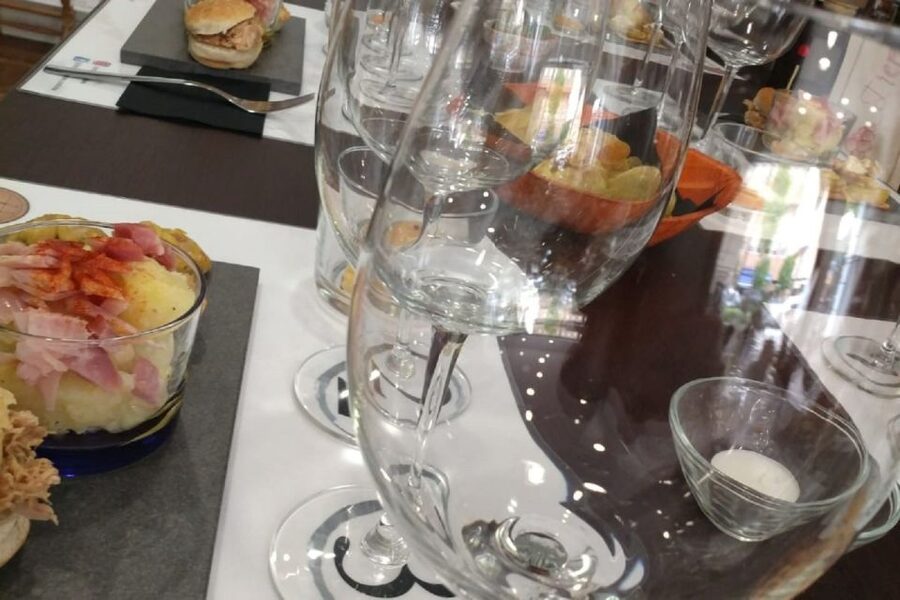
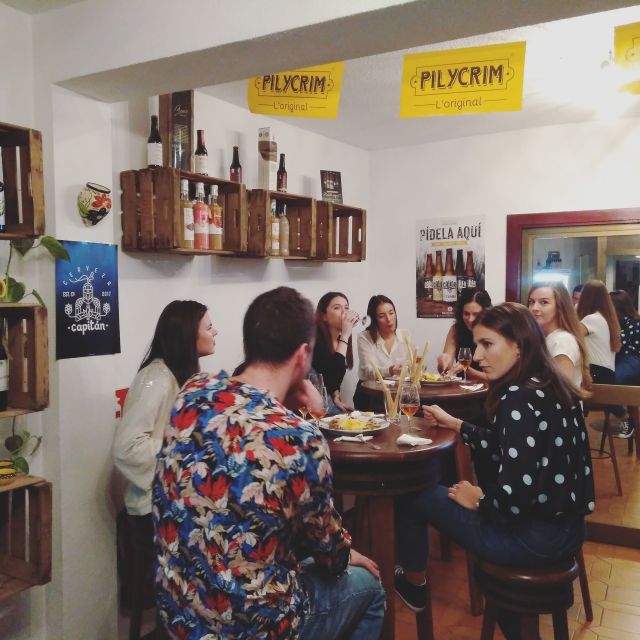
The shop is described as cozy, pleasant, and relaxed. You sit close enough to hear the guide and the other participants, and the setting encourages conversation.
The one-hour length is both a strength and a limitation. It fits neatly into an evening schedule and does not consume half a day. You can visit the Mezquita, explore the old town, attend the tasting, and still have time for dinner.
At the same time, an hour passes quickly. You will not tour vineyards, visit a production cellar, or explore the countryside around Montilla-Moriles. The emphasis is on tasting and explanation in Córdoba itself.
I would choose this activity for a first introduction, not as a complete wine holiday. If you already have extensive experience with Andalusian wines, you may want a longer winery visit. If these wines are new to you, the compact format works well.
The group can include couples, solo visitors, and people from several countries. A thoughtful host can help solo participants join the conversation, and the small setting makes it easy to meet other people. One solo participant even continued on to dinner with people met during the tasting.
Is $28 a fair price?
At $28 per person, the price is reasonable for four wines, four tapas, water, and an expert-led introduction in a small group. You are paying for interpretation as much as for the drinks.
Buying four separate glasses in a bar would not necessarily give you the same range or explanation. You would also miss the comparisons between styles and the advice on local ordering customs.
The value is strongest if you use the information afterward. If you visit Córdoba for only a short time and want a quick way to understand regional wine, this is an efficient use of an hour. The price is less compelling for someone who wants a large meal, a vineyard tour, or a long formal tasting.
You may also spend more if you buy bottles or local products from the shop. That is optional, but the shop makes it easy to take home a bottle of a wine you liked.
Who should book this Córdoba tasting?
I would recommend it to:
- First-time visitors who want an introduction to Córdoba beyond the major monuments
- People who enjoy local food and drink but do not know much about wine
- Solo visitors looking for a social evening in a small group
- Couples who want a short, low-pressure activity before dinner
- Anyone curious about Pedro Ximénez, Fino, and Oloroso
- Travelers who want practical advice for ordering wine in Andalusian bars
It is less suitable for children because the minimum age is 18. It may also disappoint anyone expecting a full meal, a vineyard excursion, or a technical wine course.
The activity is wheelchair accessible. The available languages are Dutch, English, and Spanish, and the small group size should make it easier to hear and participate.
Cancellation and planning details
You can cancel up to 24 hours before the activity for a full refund. A reserve-now, pay-later option is also available, which helps if your Córdoba schedule is still changing.
Starting times vary, so you need to check availability for the date you want. Since the tasting lasts one hour, it is easy to fit around sightseeing, dinner, or an evening train, but leave time to reach Calle Moriscos 10.
Tell the provider about dietary requirements when booking. Vegetarian food is available with advance notice.
Should you book it?
I would book this tasting, especially near the start of a Córdoba visit. The strongest reason is not simply the four glasses. It is the combination of unusual local wines, matching tapas, and advice you can use at every meal afterward.
The experience earns its high rating because the hosts make unfamiliar wines approachable. Francisco, in particular, is praised for being warm, clear, and generous with local tips. The small shop, short duration, and $28 price also make this an easy addition to a busy itinerary.
Skip it only if you want a full dinner, a countryside winery visit, or a long technical tasting. For everyone else, this is a smart, social introduction to the wine culture of Córdoba.
FAQ
How long does the Córdoba wine tasting last?
The tasting lasts one hour.
How many wines are included?
You taste four wines from the Montilla-Moriles region.
Which wine styles may be included?
The experience explains regional styles such as Fino, Oloroso, and sweet Pedro Ximénez.
Are tapas included?
Yes. A local tapa is served with each wine, and a bottle of water is included.
Where does the tasting take place?
The meeting point is Calle Moriscos 10 in Córdoba, at a small winery-shop.
Is the tasting suitable for vegetarians?
Vegetarian options are available, but you should state your dietary needs when booking.
Is the activity suitable for children?
No. The minimum age is 18, and children under 18 are not permitted.
More Evening Trips in Spain
- Bohemian Barcelona Neighborhood Evening Tapas & Wine Tour
★ 5.0 · 419 reviews - Calpe: Sunset Cruise with Sparkling Wine
★ 4.3 · 260 reviews - Barcelona: Sunset Catamaran Cruise with Wine and Tapa
★ 4.9 · 124 reviews - Lanzarote: Sunset vineyard tour with wine and chocolate tasting
★ 4.8 · 97 reviews
Newly added around Spain
- Visit La Joya Escondida de la Ribera del Duero Winery★ 5.0 · 43 reviews
- Full day at the winery, visit, tasting, aperitif and lunch★ 4.5 · 60 reviews
- Visit a winery of the 19th century and its draft★ 5.0 · 62 reviews
- Visit and Wine Tasting at the Territorio Luthier Winery★ 5.0 · 89 reviews
- Ribera del Duero Underground Cellar & Wine Tasting Experience★ 4.5 · 49 reviews
- Rioja wine region with visit to winery & Vitoria-Gasteiz★ 4.5 · 32 reviews
- Semi-Private Rioja Tour of 3 Premium Wineries from Bilbao★ 5.0 · 128 reviews
- Rioja & Txakoli Wine Tasting in Bilbao with a Local Sommelier★ 5.0 · 40 reviews
Wine Tastings, compared.
Douro Valley w/ Boat Tour, Wine Tasting & Lunch
Read our review →
Complete Douro Valley Wine Tour with Lunch, Wine Tastings and River Cruise
Read our review →
Small-Group Wine Tasting Experience in the Tuscan Countryside
Read our review →
Montserrat & Cogwheel Train, Gourmet Wine Tasting & Tapas/Lunch
Read our review →
Tuscany & Montepulciano Day Trip with Lunch & Wine Tasting
Read our review →Browse the lists this tour appears in