
REVIEW · WINE TASTINGS
Alba: Wine Tasting and Tour with a Local Producer
Wine makes more sense from the hillside. On Alba’s Altavilla hill, Jessica and Roberto lead you through the vines and cellar, connecting each glass to the soil, harvest, and local traditions. I like the six-wine tasting, with Barbaresco always included, and the chance to pair the bottles with Piedmontese cured meats and cheeses.
I also like the setting: the estate is only about four minutes from central Alba, yet it opens onto broad views of vineyards and mountains. The main drawback is getting there without a car. A taxi from Alba’s train station can be expensive, and the walk includes vine rows and a hill, so this is not a good fit if you have mobility limits.
- Six local wines, including Barbaresco: The tasting gives you a useful introduction to Piedmont rather than just one signature bottle.
- A walk through working vines: You see where the wine begins and hear how eco-sustainable farming shapes the grapes.
- A hilltop view above Alba: The Altavilla setting adds real sense of place to the tasting.
- Jessica and Roberto’s personal welcome: You spend time with local producers, not only with a guide repeating a script.
- Wine with regional food: Cured meats and cheeses make the tasting feel like part of a meal.
- A practical two-hour format: The visit is long enough to be rewarding but short enough to fit around other Alba plans.
A Small Estate Above Alba
The experience begins at Abellonio Roberto Cascina Piccaluga, on the Altavilla hill just outside Alba. The short distance from the center is useful, but do not confuse close with effortless. You need to arrange your own transportation, and the final approach is rural.
The directions are specific: about one kilometer before the end, look for signs marked ABELLONIO ROBERTO and CASCINA PICCALUGA. The estate is a yellow house. Save those details before leaving town, especially if you are arriving by taxi or driving yourself.
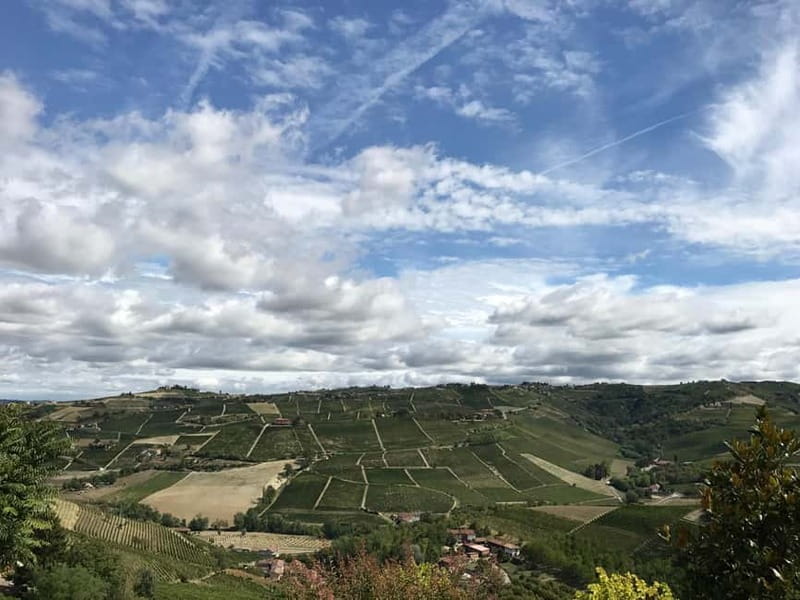
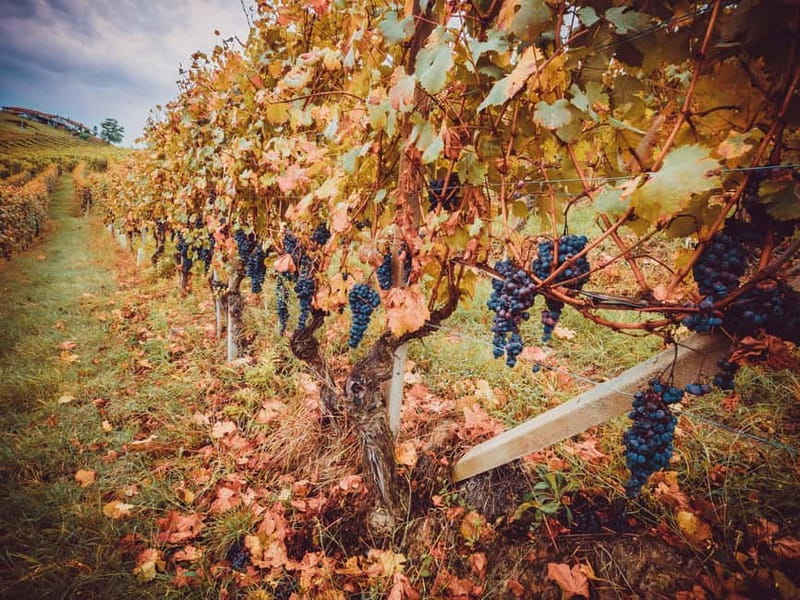
The setting is one of the strongest parts of the visit. You are not tasting wine in a shop in central Alba. You are above the town, among vines, with the surrounding mountains and vineyards spread out below. The view helps you understand why the Langhe is so closely tied to wine. The hills are not background decoration. They are the reason the local wine culture looks and tastes the way it does.
The First 40 Minutes: Vines, Farming, and Place
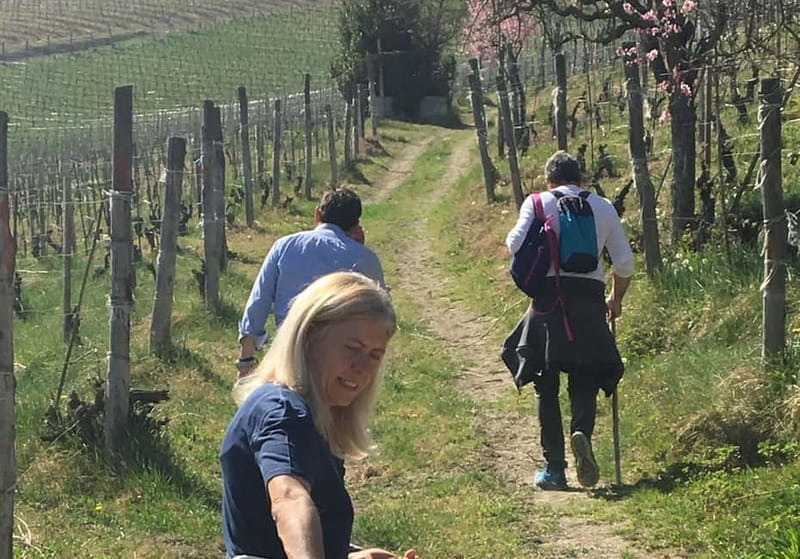
The visit begins with a walk between the rows of vines. This is a simple but important choice. Before you taste the wine, you see the plants, the hill, and the working environment that produce it.
Jessica and Roberto explain the wine-making process from the vineyard onward. A key subject is their use of eco-sustainable agriculture techniques. That gives you more than a passing look at farming. You get a sense of how the producers care for the vines and how choices in the field affect the finished wine.
You should wear comfortable shoes. The route goes between vine rows and continues uphill, so this is not a polished, flat garden walk. In wet or cold weather, dress for the conditions. The visit can still work in cloudy weather, but the hilltop view will naturally be less dramatic.
The walk also gives the hosts room to explain the history and legends tied to wine-making in the Langhe. I like this part because it connects the practical work of growing grapes with the stories that have shaped the area. You are not only learning how wine is made. You are learning why wine matters so much here.
At the top of the hill, pause for the view. This is one of the best moments to take a breath and get your bearings. From this height, the vineyards and mountains make the region’s character easier to read than they would from a tasting room alone.
More Wine Tastings in Italy
- Florence: Chianti Wineries Tour with Wine Tasting
★ 4.5 · 10,071 reviews - Small-Group Wine Tasting Experience in the Tuscan Countryside
★ 5.0 · 7,392 reviews - Rome: Tuscany & Montepulciano Day Trip with Lunch & Wine Tasting
★ 4.5 · 5,232 reviews
Inside the Cellar, From Harvest to Wood
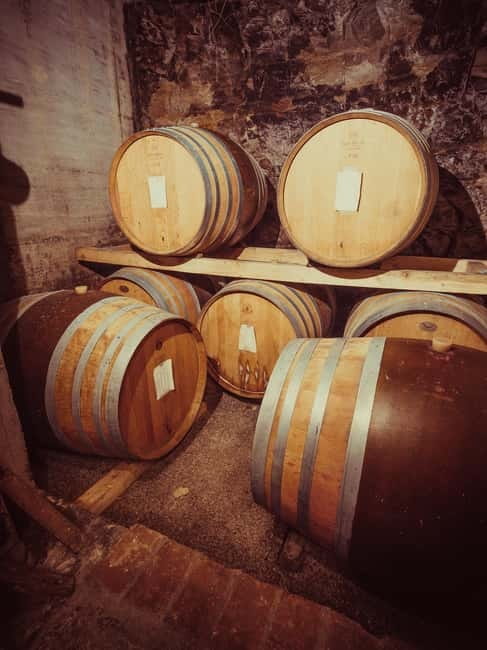
After the vineyard walk, you move into the cellar. Here, the focus shifts from the growing season to what happens after the grapes are picked.
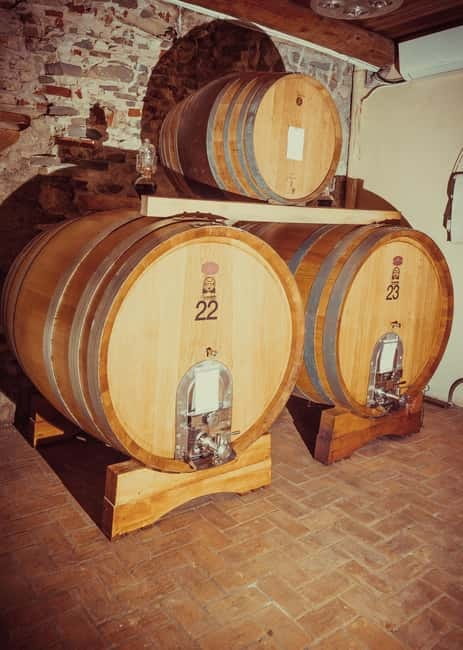
The cellar shows the stages in which the wine takes shape, including harvest and aging in wood. That sequence is valuable because it gives structure to the tasting that follows. Instead of hearing separate facts about six bottles, you can connect the wine in your glass to a process you have just seen explained.
The cellar portion also covers wine science. You do not need to arrive with technical knowledge. The format is designed for curious drinkers who want a clearer understanding of how wine changes from grape to finished bottle.
Storage is another useful subject. One visitor particularly appreciated the clear explanation of wine conservation, and this is the sort of detail that can improve the way you handle bottles at home. The conversation is practical, not just romantic talk about country life.
The atmosphere can change with the season. On a cold day, the fire adds a warm touch to the visit. On a cloudy day, the cellar and the hosts’ stories become more important than the view. Either way, the experience has enough variety to avoid feeling like a single long tasting.
One Hour With Six Piedmont Wines
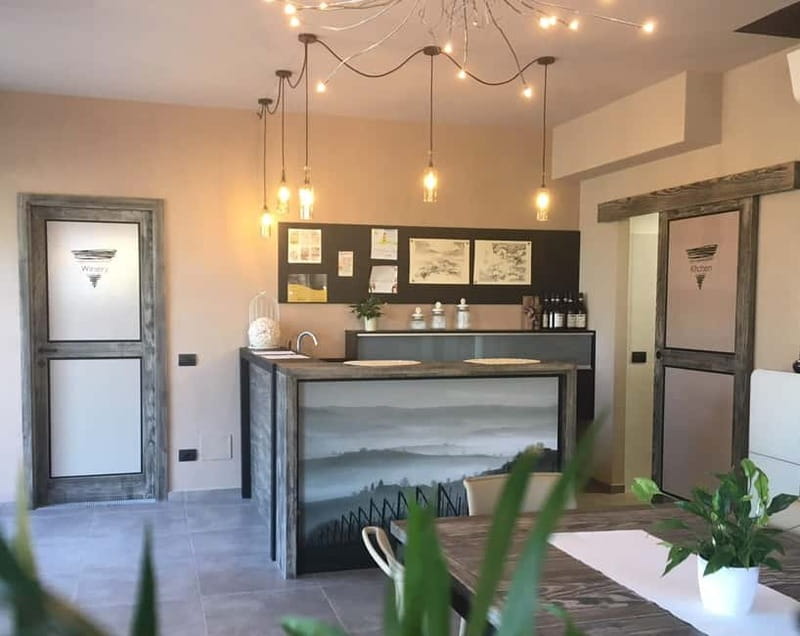
The tasting lasts about an hour, following the 40-minute guided visit. You sample six wines, with Barbaresco always included, and the bottles are paired with local cured meats and cheeses.
That number of wines makes the $29 price especially appealing. A tasting of six bottles, plus food, a vineyard walk, a cellar visit, and time with the producer offers solid value for a short activity in Alba. The price is low enough to fit into a day of sightseeing without making the visit feel like a major splurge.
The food matters here. Cured meats and cheeses give you something to eat between pours and show how wine fits into local dining. The pairing also makes the tasting more accessible if you are new to Piedmont wines. You can compare the bottles with food instead of trying to judge every glass on its own.
The hosts guide you through the wines and add stories about the region. I like the opportunity to taste with the producer because it gives you a direct connection to the place where the wine is made. You can ask questions in the moment, hear the reasoning behind the wines, and get a feel for the people behind the estate.
A vegetarian request can be accommodated. One couple received a vegetarian dish in place of the meat, which is useful information if you do not eat cured products. Still, you should communicate dietary needs when booking rather than assume the standard food arrangement will suit you.
Barbaresco is the fixed point of the tasting. For many visitors, that alone gives the experience extra appeal, since the wine is one of the Langhe’s best-known names. The other five wines let you compare styles and build a broader picture of local production.
Why Barbaresco Adds Value
Barbaresco is not treated as a vague regional sample that might appear if available. It is always part of the tasting. That certainty helps you decide if the experience matches your interests.
If you are visiting Piedmont partly to understand its famous reds, the inclusion of Barbaresco makes the tasting more useful. You get to approach the wine in its own setting, after seeing the hills and cellar connected to the local tradition.
The experience is not presented as a formal certification class, and you should not expect a technical wine course. Its strength is the mix of explanation, place, food, and conversation. You leave with a better sense of how the area works as a wine region, even if you do not remember every production term.
Same region, a very different glass:
- Tuscany Day Trip from Florence: Siena, San Gimignano, Pisa and Lunch at a Winery
★ 5.0 · 21,634 reviews - Florence: Pasta Cooking Class with Unlimited Wine
★ 4.9 · 10,285 reviews - Florence: Pasta & Tiramisu Cooking Class with Unlimited Wine
★ 4.9 · 6,708 reviews - Florence: Pasta Cooking Class with Unlimited Wine
★ 5.0 · 6,413 reviews
Getting There From Alba
Transportation deserves careful planning. The estate is close to Alba, roughly four minutes from the town center by car, but transport to and from the cellar is not included.
If you arrive in Alba by train, you need to arrange a taxi or another ride. One visitor found the taxi cost from the station very high, so check the price before setting off. The short distance does not guarantee a cheap fare, particularly if the road climbs outside the center.
Driving makes the arrival easier, but you still need to follow the estate signs. Look for the yellow house and the Abellonio Roberto Cascina Piccaluga name. Do not rely only on a general map pin if you can avoid it.
Give yourself time to arrive. A late start could cut into the vineyard walk or tasting, and both parts are central to the experience. The tour returns to the same estate where you began, so you do not need to solve a second meeting point afterward.
Who Will Enjoy This Two-Hour Visit
This is a good choice if you want an introduction to Piedmont wine without giving up half a day. The two-hour schedule fits neatly into an Alba itinerary, especially if you plan to visit the town’s food shops, historic center, or other local sights before or after.
I would recommend it for couples, small groups, and food-minded visitors who prefer a personal welcome over a large commercial winery. The hosts, Jessica and Roberto, add a human touch, and the time with the producer gives the visit more warmth than a standard tasting counter.
It also suits mixed-experience groups. Wine enthusiasts get six local bottles and a look at farming, cellar work, and aging. Beginners get clear explanations, food with the tasting, and enough context to make the wines easier to understand.
This is less suitable for anyone who wants a fully urban activity. You walk outdoors, climb a hill, and move across uneven vineyard ground. It is not suitable for wheelchair users or people with mobility impairments, and comfortable shoes are essential.
Families should also think about the format. The activity centers on wine tasting, so it is best for adults who genuinely want to spend two hours on wine, food, and regional stories. The provided information does not state a child policy, so ask before booking if that is important to your plans.
Weather, Clothing, and the View
Weather can shape the balance of the visit. On a clear day, the hilltop views are likely to be a major part of the appeal. On a cloudy day, the vineyard walk remains interesting, but the mountains and valleys may look softer and less open.
Bring comfortable walking shoes and dress for the forecast. The route includes the vineyard rows and an uphill section, not simply a short stroll from the car to the cellar.
Bad weather does not automatically ruin the experience. The cellar, fire, wine stories, and tasting provide a strong indoor portion. Still, if the view is your main reason for booking, choose a day with a favorable forecast when possible.
The schedule is also worth keeping in mind. The guided tour takes about 40 minutes, followed by roughly one hour of tasting. Allow the full two hours, plus transport time. You do not want to rush away before the final glass or the last part of the conversation.
Booking Value and Flexibility
At $29 per person, this is one of the more accessible ways to add a Piedmont wine experience to your trip. You receive a vineyard and cellar tour, six wines, Barbaresco, regional food, and direct time with the producer.
The price is strongest for people who would otherwise pay separately for a tasting and a short winery visit. It is also a practical choice if you want substance without committing to a full-day wine tour through the Langhe.
Transportation is the main extra cost to consider. The ticket does not include a ride to the estate, and a taxi from the train station may add more than you expect. Include that in your budget before deciding that the experience is inexpensive.
The activity offers free cancellation up to 24 hours in advance, and you can reserve now and pay later. Those options help if your Alba schedule depends on weather or train plans. Starting times vary, so check availability before building the rest of your day around it.
Should You Book the Abellonio Roberto Tasting?
Book this experience if you want a personal, good-value introduction to Langhe wine with a real vineyard walk, a cellar visit, six wines, and local food. The guaranteed Barbaresco, hilltop views, and time with Jessica and Roberto give it more character than a quick tasting in town.
Think twice if you need step-free access, dislike walking on hills, or expect transportation to be included. Also plan the route carefully if you arrive by train, since the taxi cost can be surprisingly high.
For most wine-curious visitors staying in Alba, the format works well. It gives you the setting, the story, and the glass in hand, all within two hours and at a reasonable price.
FAQ
Where does the wine tasting take place?
It takes place at Abellonio Roberto Cascina Piccaluga on the Altavilla hill, about four minutes from central Alba.
How do I find the estate?
About one kilometer before the end of the route, look for signs reading ABELLONIO ROBERTO and CASCINA PICCALUGA. The estate is a yellow house.
How long does the experience last?
The full experience lasts two hours. The guided vineyard and cellar visit takes about 40 minutes, followed by approximately one hour of wine tasting.
How many wines are included?
The tasting includes six local wines. Barbaresco is always included.
Is food included with the wine?
Yes. The wines are paired with local cured meats and cheeses.
Are vegetarian options available?
A vegetarian dish can be prepared instead of the meat. Contact the provider with your dietary needs when booking.
What languages are offered?
The live tour is available in Italian and English.
Is the tour suitable for wheelchair users?
No. The experience is not suitable for wheelchair users or people with mobility impairments because it includes walking between vine rows and uphill.
Newly added around Italy
- Etna trekking and wine tasting★ 5.0 · 28 reviews
- Etna Tour and Lunch in a Winery with Wine Tasting★ 5.0 · 97 reviews
- Cooking Class and Wine Pairing in Capri★ 5.0 · 57 reviews
- WINE TOUR with sommelier in a winery near Cagliari★ 5.0 · 27 reviews
- Cagliari 3 Hours Luxury Motorboat Tour – Wine and Snorkeling★ 5.0 · 118 reviews
- Cagliari Boat Tour by Maxi Rib – Wine and Snorkeling★ 5.0 · 128 reviews
- Small-Group Food and Wine Tour from Cagliari★ 5.0 · 237 reviews
- Wine Experience: vineyard, wines and food★ 5.0 · 155 reviews
Wine Tastings, compared.
Douro Valley w/ Boat Tour, Wine Tasting & Lunch
Read our review →
Complete Douro Valley Wine Tour with Lunch, Wine Tastings and River Cruise
Read our review →
Small-Group Wine Tasting Experience in the Tuscan Countryside
Read our review →
Montserrat & Cogwheel Train, Gourmet Wine Tasting & Tapas/Lunch
Read our review →
Tuscany & Montepulciano Day Trip with Lunch & Wine Tasting
Read our review →Browse the lists this tour appears in