
REVIEW · WINE & CHEESE TASTINGS
Amsterdam: Dutch Cheese Tasting Experience with Wine
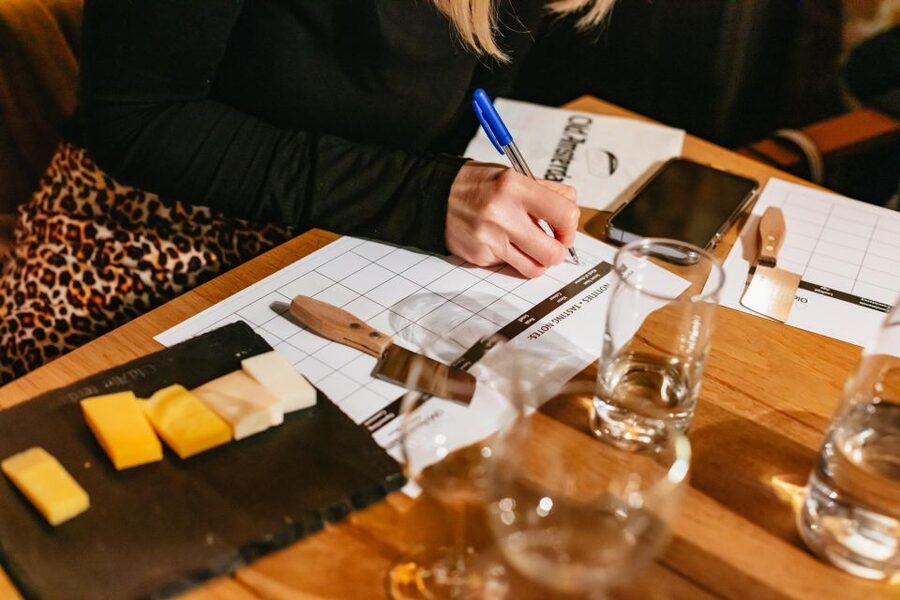
Cheese and wine make a fine Amsterdam pause. This 45-minute tasting gives you a friendly introduction to five Gouda cheeses, three wines, and the story behind Old Amsterdam. I like the clear progression from young to aged flavors, and I like that the host explains how cheese is made rather than simply handing you a plate. The main consideration is that the tasting room is upstairs, accessible only by stairs, and the session may feel brief if you want a long, leisurely meal.
I also like the 20% shop discount, which gives the tasting a practical finish. Guides such as Aris, Rik, Roberta, and Maria have been praised for humor, clear explanations, and generous attention to questions. Portions are designed for tasting rather than lunch, so come for the education and pairings, not a full meal.
Key points to know before you book
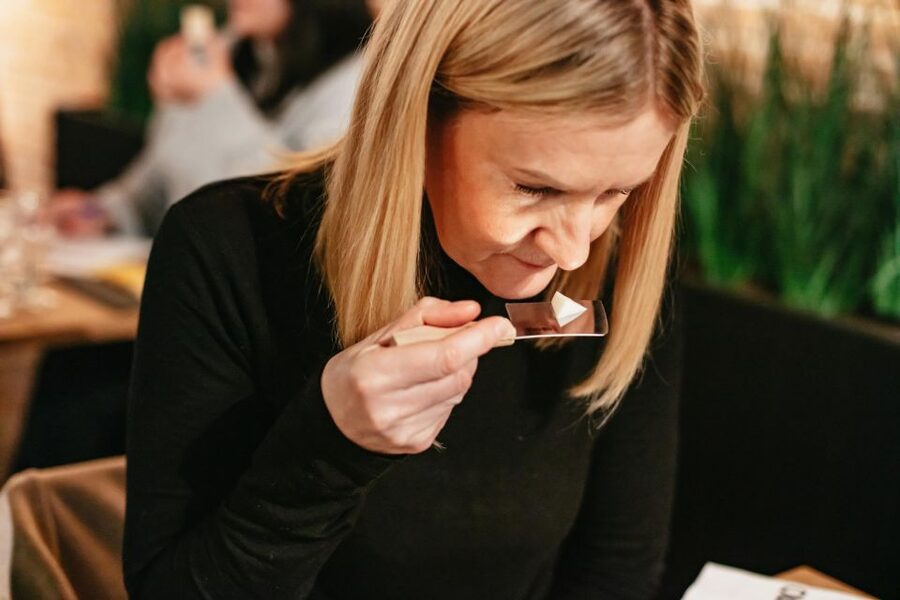
- Five Gouda cheeses: Compare different ages, styles, and milk sources, including cow and goat cheeses.
- Three wine pairings: The tasting includes red wine, white wine, and port selected to match the cheeses.
- Old Amsterdam story: Learn about the family-run Westland Kaasspecialiteiten business and its famous cheese.
- A lively teaching style: Aris and other hosts have been praised for making the session funny, relaxed, and easy to follow.
- 20% off downstairs: You can shop for more cheese after the tasting and use the discount on purchases.
- Short and central in spirit: At 45 minutes, this fits neatly into a morning, afternoon, or rainy-day Amsterdam plan.
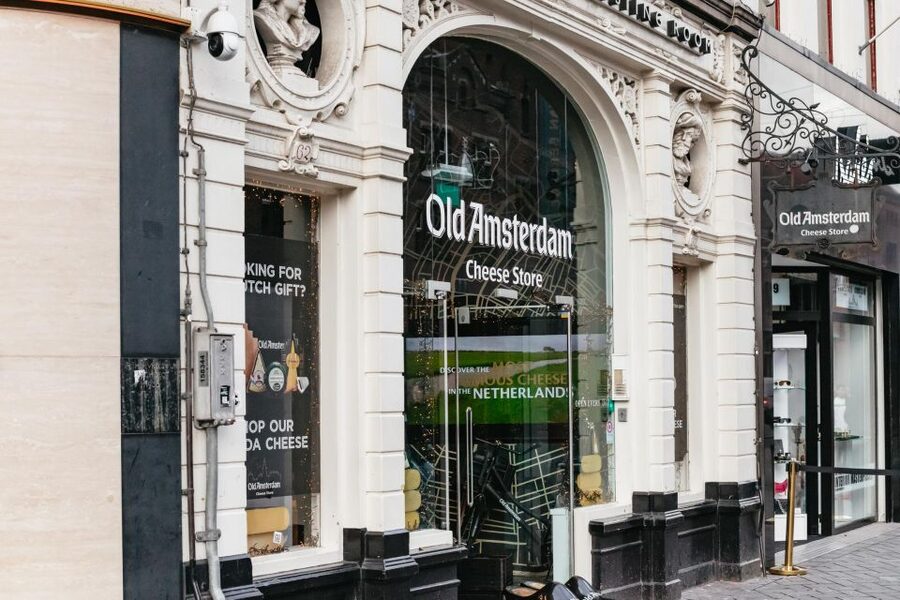
Entering the Old Amsterdam Cheese Store
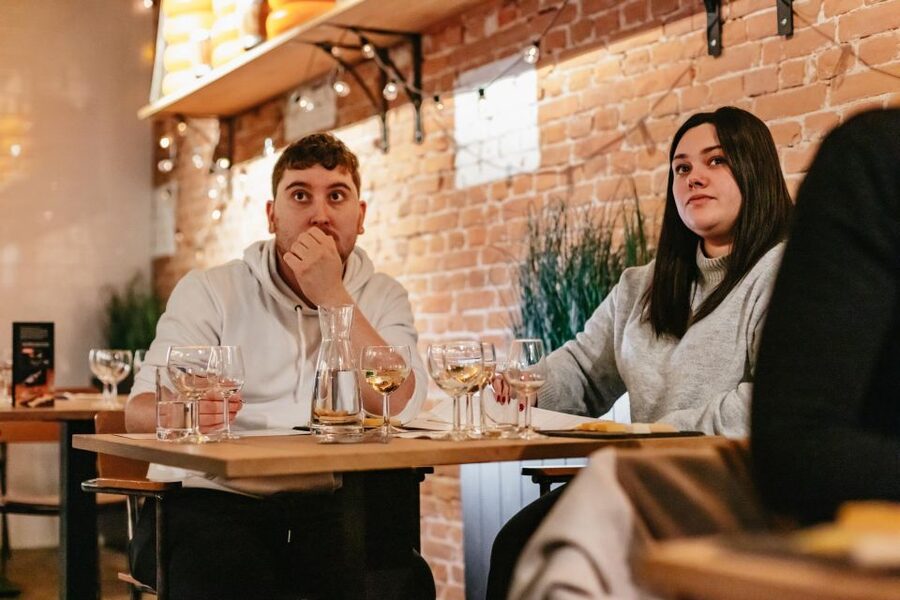
You meet at the Old Amsterdam Cheese Store, where the shop provides the setting for the tasting. The tasting room is on the first floor, reached by stairs, so this is not a suitable choice if you have a mobility impairment or cannot manage stairs.
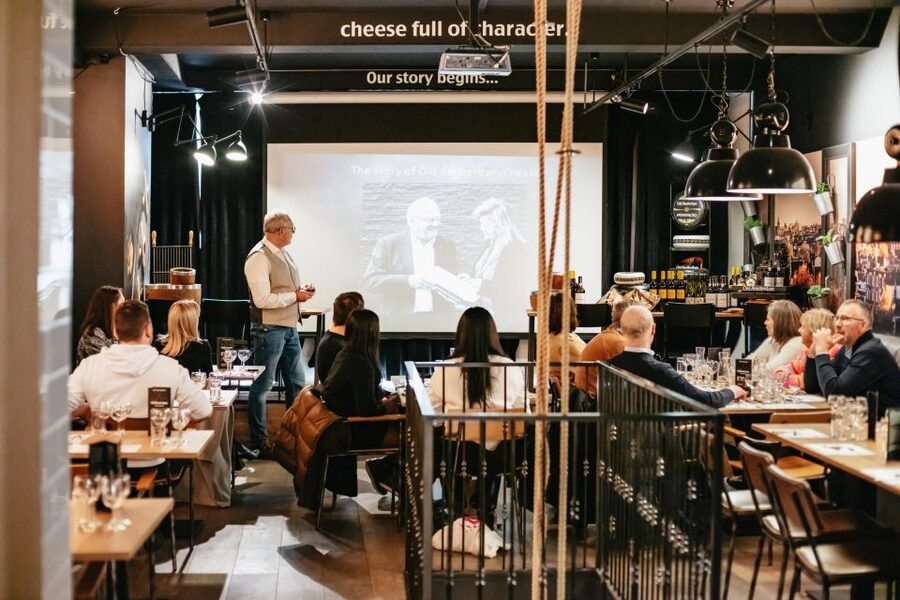
The room has been described as cozy, private, and air-conditioned. That last point matters in summer, when a cool indoor break can be welcome after walking Amsterdam’s streets. The setting is more intimate than a large food hall or a busy market counter, although group size can vary. One particularly small session had only two couples, while the room can hold around 18 people.
I would expect the atmosphere to depend partly on the host and the mix of people in your group. The strongest reports describe lively sessions with plenty of laughter, questions, and conversation. If the room fills, you may get a more social tasting. If your group is small, you may have more space to ask questions and talk directly with the host.
The session is in English. You do not need prior knowledge of cheese or wine. The host explains the basics as you go, making this a comfortable introduction for first-time tasters.
More Wine and Cheese Tastings in Amsterdam:
- Amsterdam: Evening Candle Light Cruise With Wine & Cheese
★ 4.6 · 1,774 reviews - Amsterdam: Cozy Cheese & Wine Cruise Tasting Experience
★ 4.5 · 1,156 reviews - Amsterdam: Wine and Cheese Evening Cruise
★ 4.5 · 839 reviews
Learning how Dutch Gouda is made
The tasting starts with context. You learn about Dutch cheese-making traditions, the basic production process, and how aging changes flavor and texture. This is useful because Gouda is often treated as one simple cheese, when the word covers a broad range of styles.
The host explains the difference between younger and older cheeses. A younger Gouda can be softer and milder, while a longer-aged cheese can have a firmer texture and stronger savory notes. You may also learn how cow and goat milk produce different results. Several tastings included both types, and the younger goat Gouda received particular praise.
The presentation also covers the story of Old Amsterdam and the Westland Kaasspecialiteiten family business. The recipes are closely guarded, but the session offers background on the company, its cheese production, and its brands. That business connection adds some character to what could otherwise be a standard shop tasting.
I like this part because it gives you a way to judge the cheese for yourself. Instead of hearing only that one sample is older or stronger, you get a simple framework: look at the texture, smell the cheese, taste it without wine, then see how the pairing changes it.
Some hosts add food-pairing ideas that you can use at home. One host also offered restaurant suggestions, which can be useful if you are planning the rest of your Amsterdam day. The teaching style varies by person, but the strongest sessions combine facts with a good deal of humor.
Five cheeses, five small lessons
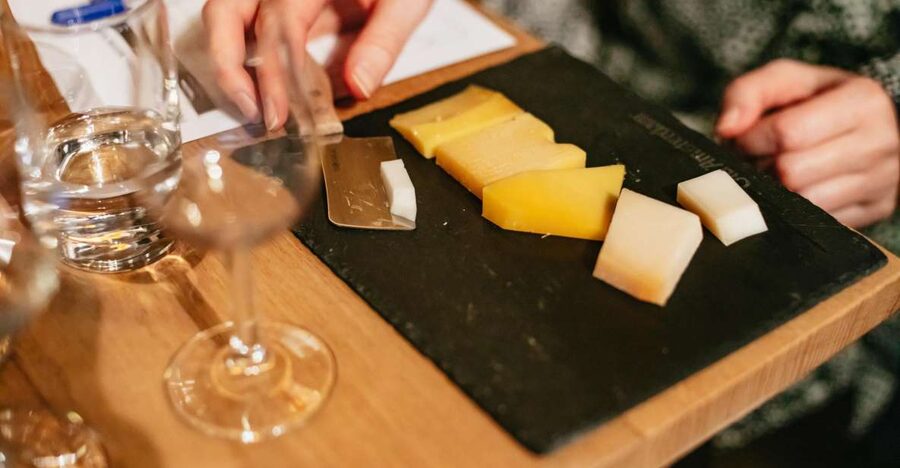
The center of the activity is a board with five different Gouda cheeses. The portions are tasting sizes, not large wedges meant to fill you up. One couple found the pieces small but sufficient for learning, while another group described the portions as generous.
That difference is worth putting in context. You get enough cheese to compare the samples and notice changes in flavor, but you should not book this as a replacement for lunch. Have a meal before or after if you are hungry.
The order of tasting matters. You are guided through the cheeses so that the bolder flavors do not overwhelm the milder ones. You may start with a softer or younger cheese before moving toward firmer, older, or more assertive samples.
The session can include cow and goat Gouda. This makes the board more interesting than five nearly identical pieces. Pay attention to the texture as much as the taste. Some cheeses may be creamy, while others are firmer and more crumbly, with a longer finish.
Old Amsterdam receives special attention. You learn how it fits into the company’s story and how aging contributes to its character. The famous name is not the only reason to try it, though. The tasting lets you compare it with other cheeses instead of judging it in isolation.
If you find one you like, the shop downstairs is convenient. Several people bought cheese after the tasting, including Old Amsterdam goat cheese and truffle Gouda. The 20% discount makes that final purchase more appealing, especially if you want to take Dutch cheese home.
Three wines chosen for the cheese
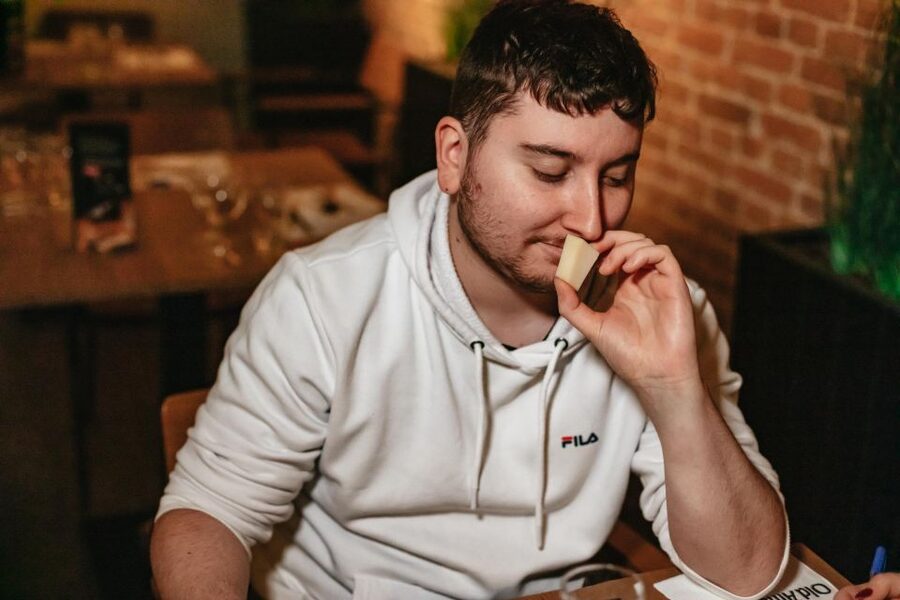
The wine portion includes one red wine, one white wine, and one port. They are selected by a sommelier to work with the cheeses, and the host explains how the flavors interact.
The point is not to drink three unrelated wines. You taste the cheese first, then try it with the suggested wine. The combination can soften a salty edge, bring out sweetness, or make a stronger cheese seem more balanced. Fig bread and water help cleanse your palate between samples.
I find this pairing approach more useful than a simple wine tasting because it gives you an idea of how to serve cheese at home. You can notice which combinations you prefer and repeat them with a future cheese board.
The port is a useful final pairing because its sweetness offers a clear contrast with aged cheese. The red and white wines give you different directions earlier in the tasting. Some people especially enjoyed the wine matches, and one participant even asked for a refill. The included drinks are meant to accompany the tasting, not provide a long drinking session, so keep your expectations in the right place.
The host’s delivery makes a difference here. Rik was praised for explaining pairings professionally, while other hosts were noted for checking that everyone understood. Aris was singled out for being entertaining and friendly. You are not simply left to taste in silence.
More Wine Tastings in Amsterdam:
- Cheese and Wine tasting in Amsterdam
★ 4.5 · 135 reviews - Amsterdam: Dutch Wine Tasting with Sommelier
★ 4.8 · 46 reviews - From Porto: Douro Valley w/ Boat Tour, Wine Tasting & Lunch
★ 4.7 · 19,061 reviews - Complete Douro Valley Wine Tour with Lunch, Wine Tastings and River Cruise
★ 5.0 · 12,920 reviews
The hosts shape the experience
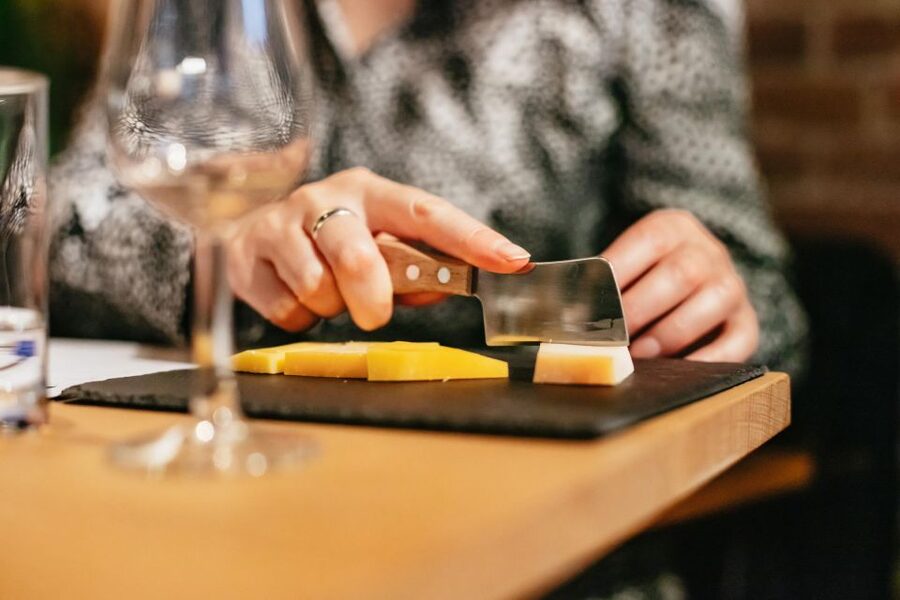
The most consistent strength is the host. Aris appears several times in the feedback for his humor, energy, and ability to make people laugh while still explaining the subject clearly. Rik was praised for his pairing advice and overview of cheese aging. Roberta, Maria, Ron, and other hosts also received strong praise for clear presentations and warm personalities.
That matters in a short activity. Forty-five minutes can feel rushed if the presenter reads facts from a script. A lively host can make the time feel full without turning the session into a lecture.
The tone is friendly rather than formal. You can ask questions, learn at your own level, and take part in a group activity without needing to know technical wine terms. One family found the session easy and enjoyable, while another group appreciated the chance to ask about restaurants and food pairings.
There is still some natural variation. Different hosts have different styles, and the group itself affects the mood. If you prefer a quiet, highly structured tasting with detailed technical notes, this may feel more casual than you want. If you like learning through stories, jokes, and conversation, it should suit you well.
Why the 45-minute length works
At 45 minutes, this is one of the easier food activities to fit into an Amsterdam itinerary. You can place it between canal walks, museum visits, shopping, or a meal without giving up half a day.
The short duration also keeps the tasting focused. You get the cheese-making introduction, five samples, three wines, palate cleansers, and shop discount without a long wait between courses. I would choose this format for a first visit when you want a taste of Dutch food culture but still have many sights to see.
The tradeoff is depth. You will not visit a rural dairy, watch a full cheese-making demonstration, or spend hours discussing regional cheese styles. The activity takes place in a tasting room above a shop, so it is an introduction and guided comparison rather than a farm visit.
That is not a flaw, but it should guide your decision. If you want a compact indoor activity with clear instruction, the timing is excellent. If you want to see production in the countryside, you need a different kind of outing.
What the $23 price includes
At $23 per person, the value is good if you care about both the tasting and the explanation. Your price includes an instructor, five Gouda cheeses, red wine, white wine, port, fig bread, water, and the shop discount.
The discount can change the calculation. If you already plan to buy cheese, 20% off gives the experience a useful shopping benefit. It does not mean you should buy more than you need, but it can make a take-home selection easier to justify.
The value is also tied to the host. You are paying for interpretation, not only ingredients. A plate of five cheese samples and three small wine pours would be easy to find elsewhere, but the explanations about aging, production, Old Amsterdam, and pairing are what turn the food into an activity.
Do not expect a full meal. The cheese pieces are tasting portions, and the bread is there to support the tasting rather than serve as a substantial side dish. I would schedule this before a meal, after a light meal, or as a planned snack.
Who should book this tasting?

I would recommend it to couples, families with adult children, friends, and solo visitors who enjoy food with a bit of conversation. It is also a good birthday activity. One person brought their mother for a birthday and found the host helped make the occasion special.
Wine and cheese fans are the obvious audience, but you do not need to be an enthusiast. The explanation of cheese-making and aging makes it accessible to beginners. You may leave with a better idea of what you like, even if you normally buy only one familiar cheese.
It can also suit a rainy Amsterdam afternoon. The air-conditioned tasting room offers a comfortable break from the weather, and the shop gives you something useful to browse afterward.
I would be more cautious if you have a dairy allergy, do not drink alcohol, or need step-free access. The supplied information confirms that the room is reached by stairs and that the minimum age for drinking alcohol is 18. The tasting includes wine, so it is not designed as an alcohol-free activity.
Practical timing and small tips
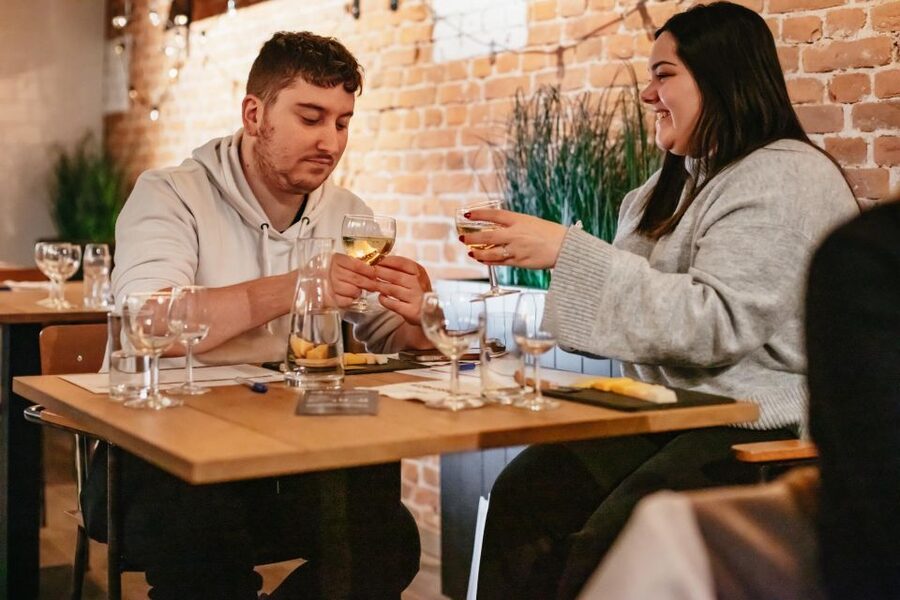
Arrive ready to taste rather than expecting a sit-down meal. Since the activity lasts only 45 minutes, late arrival could cut into the explanations and pairings.
Take note of the cheeses you prefer before you shop. With five samples, it is easy to remember only the strongest one. If you like a particular style, ask the host about its age, milk source, or suggested food pairings.
Use the fig bread and water between samples instead of eating them all at once. That keeps your palate clearer and makes the comparisons easier.
If you are visiting with a group, agree beforehand on how much cheese you want to carry home. The 20% discount is useful, but a shop full of attractive Dutch cheese can encourage enthusiastic overbuying.
Should you book the Old Amsterdam tasting?
Book it if you want a friendly, compact introduction to Dutch cheese, especially if wine pairing interests you. The strongest reasons are the entertaining hosts, the clear explanation of Gouda aging, the variety of five cheeses, and the chance to save 20% on purchases afterward.
Skip it if you want a farm visit, a full meal, or a long technical seminar. You should also choose another activity if stairs are a problem or if you do not drink alcohol.
For most visitors, the $23 price is fair because it covers food, three wines, instruction, and a useful shop discount. I would place it on a flexible afternoon or rainy-day schedule, then buy one or two favorite cheeses downstairs for a simple edible souvenir of Amsterdam.
FAQ
Where does the cheese tasting take place?
The meeting point is the Old Amsterdam Cheese Store. The tasting room is on the first floor of the store.
How long does the experience last?
The tasting lasts 45 minutes.
How many cheeses will I taste?
You will taste five different Gouda cheeses.
Which wines are included?
The tasting includes one red wine, one white wine, and one port wine.
Is the tasting available in English?
Yes. The host or greeter conducts the activity in English.
Can I buy more cheese afterward?
Yes. You can shop downstairs after the tasting and receive a 20% discount.
Is the tasting suitable for people with mobility impairments?
No. The tasting room is accessible only by stairs, so it is not suitable for people with mobility impairments. The minimum age to drink alcohol is 18.
Newly added around Amsterdam
- Amsterdam Champagne Private Canal Cruise★ 5.0 · 42 reviews
- Private Champagne Canal Cruise in Amsterdam★ 4.5 · 43 reviews
- Classic Salonboat Tour in Amsterdam Including Cheese and Wine★ 5.0 · 100 reviews
- Amsterdam Wine and Cheese Guided Evening Cruise★ 4.0 · 236 reviews
- Dutch Winetasting – Amsterdam City Centre★ 5.0 · 77 reviews
- Cheese and Wine tasting in Amsterdam★ 4.5 · 135 reviews
- Premium Cheese Tasting with Wine and Beer Pairing★ 4.5 · 79 reviews
- Amsterdam Luxury Boutique Boat tour with Unlimited Beer and Wine★ 4.5 · 156 reviews
Wine & Cheese Tastings, compared.
Montmartre Cheese, Wine & Pastry Guided Walking Tour
Read our review →
Evening Candle Light Cruise With Wine & Cheese
Read our review →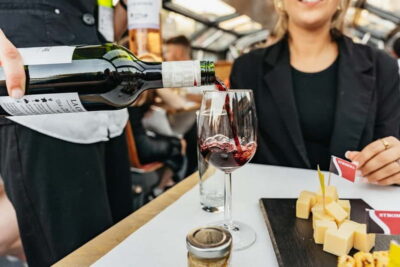
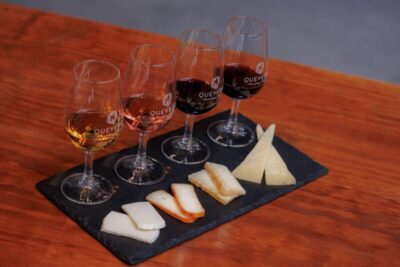
Vila Nova de Gaia: Port Wine Tasting with Cheese Pairing
Read our review →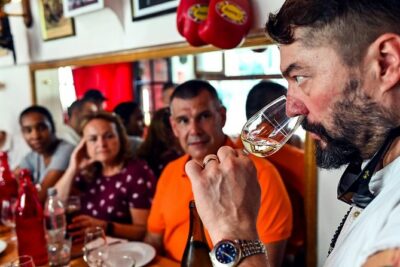
Private Montmartre Food Tour with Wine, Cheese & Pastries
Read our review →
Paris Le Marais Food Tour With 10+ Tastings, Cheese, Wine & More
Read our review →
Small Group Key West Adult Sunset & Moët Sail & Amazing Cheeses
Read our review →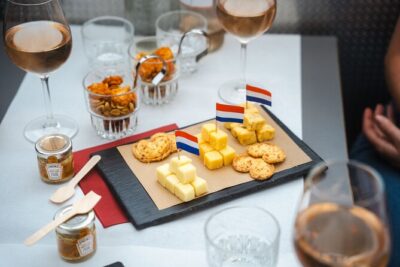
Browse the lists this tour appears in