
REVIEW · WINE TASTINGS
Beaune: Wine Tasting at Château de Pommard
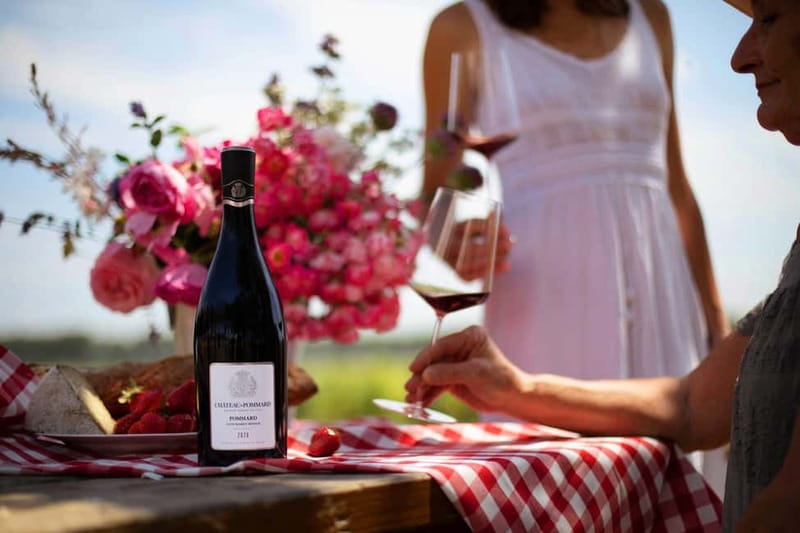
Burgundy makes every sip a geography lesson. At Château de Pommard, I like the focused one-hour format and the chance to taste four wines while learning how Burgundy’s soils, classifications, and subregions shape the bottle. The Clos Marey-Monge vineyard gives the experience a real sense of place, and the free access to the French Gardens adds a pleasant extra before or after the tasting.
The small group limit of eight is another strong point. Guides such as Alex, Pierre, Manon, and others have been praised for being friendly, patient, and clear, with Pierre even giving a quiet September visit the feel of a private tasting. The main drawback is important: the cellars and winery are closed to visitors during renovation, so this is a vineyard and wine education experience, not a full behind-the-scenes winery tour.
Key points at a glance
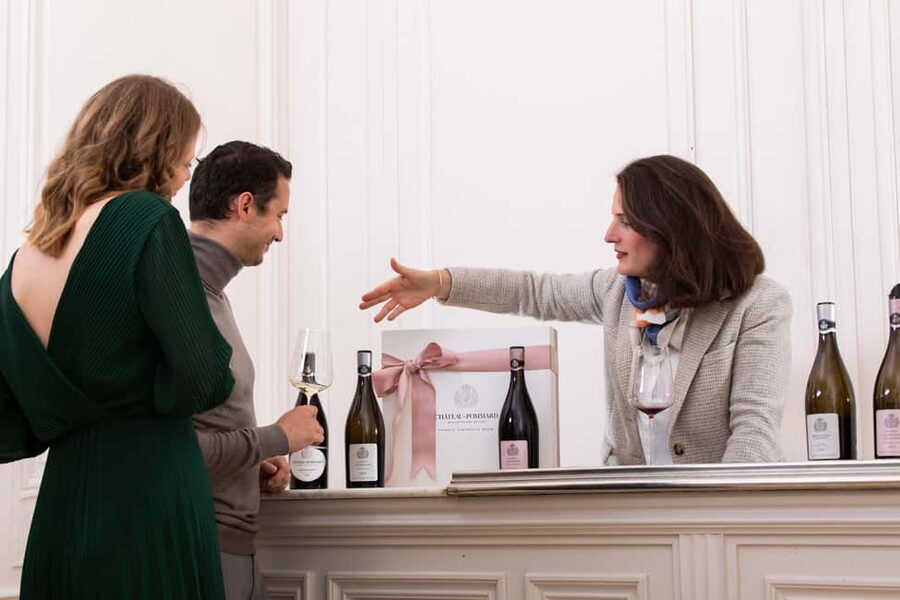
- Four Burgundy wines: Taste selections from Château de Pommard and Famille Carabello-Baum.
- A clear Burgundy primer: Learn about the region’s history, five subregions, classifications, and terroir.
- Clos Marey-Monge setting: The vineyard helps connect the tasting to the land discussed during the presentation.
- Small groups: With no more than eight participants, questions are easier to ask and answer.
- French Gardens included: You can spend time in the gardens without paying an extra admission fee.
- Cellar access is unavailable: Renovation work means you will not visit the underground cellars or winery areas.
Why this one-hour tasting works
Burgundy wine can feel confusing at first. Labels often emphasize a village, vineyard, or classification rather than a familiar grape variety. A short introduction can make the whole region easier to understand, and this tasting is designed for exactly that purpose.
During the hour, you learn how Burgundy is divided into five subregions and how the region’s classification system works. You also hear about the natural factors that affect the taste, style, and ageability of wines from Clos Marey-Monge. That gives you more than a simple pour-and-sip session. You leave with a framework for understanding why two nearby wines can taste quite different.
I especially like that the presentation connects the wine to the vineyard. Wine tasting is more useful when you can link the glass to soil, place, and growing conditions. The vineyard setting at Château de Pommard helps make those ideas less abstract.
Still, keep your expectations in check. The one-hour schedule is compact, so the emphasis is on explanation and tasting rather than a long visit through several parts of the estate. If you want a slow, technical lesson on every stage of winemaking, this may feel brief.
More Wine Tastings in France
- Burgundy Bike Tour with Wine Tasting from Beaune
★ 5.0 · 674 reviews - From Beaune: Burgundy Day Trip with 14 Wine Tastings
★ 4.8 · 248 reviews - Beaune: Maison Champy Guided Cellar Tour with Wine Tasting
★ 4.7 · 213 reviews
Arriving at Château de Pommard and the Clos Marey-Monge vineyard
The experience takes place in the Burgundy countryside near Beaune, in the Bourgogne-Franche-Comté region. The château and vineyard provide the visual setting, and the grounds themselves are part of the appeal.
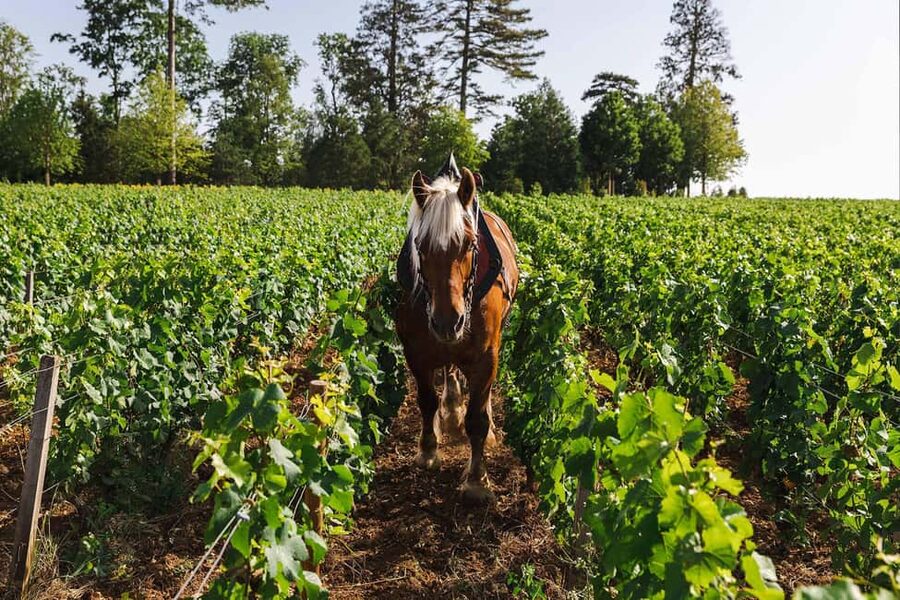
The Clos Marey-Monge vineyard is central to the experience. You learn how its natural conditions influence the wines, including the factors that affect flavor, character, and how long the wines may age. This is useful because it turns the tasting into a lesson about Burgundy’s sense of place rather than a generic sampling of French wine.
Several people have also enjoyed the appearance of the château and the well-kept vineyard. You can expect attractive views around the estate, along with access to the French Gardens. One useful practical detail is that parking has been described as easy, and the garden beside the parking area provides a simple place to look around before or after the scheduled tasting.
The grounds may be the part children or non-drinkers appreciate most. Even if someone in your group is less interested in wine, the garden and château surroundings give them something to enjoy while you focus on the tasting.
Wear sensible shoes. High heels are discouraged, which makes sense for a visit involving outdoor areas and vineyard ground. This is not the place for footwear chosen only for photographs.
What you learn about Burgundy in the tasting room
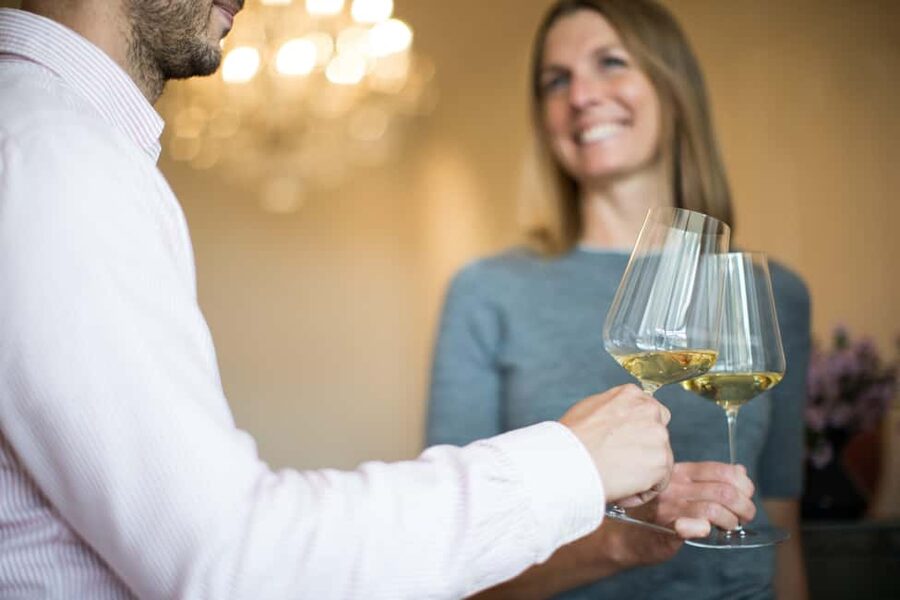
The educational portion covers several subjects, and the order may vary with the guide and group. You can expect discussion of Burgundy’s history, its five subregions, and the classification system used to organize its wines.
The classification lesson matters because Burgundy labels can be hard to read without context. The difference between a broad regional wine and a wine tied to a more specific village or vineyard has a major effect on how you interpret the bottle. Even a short explanation can help you shop for wine with more confidence later.
The presentation also looks at terroir. In plain terms, this means the combined effect of natural conditions on the wine. At Château de Pommard, the discussion focuses on the Clos Marey-Monge vineyard and the way its conditions influence taste, style, and ageability.
I would pay close attention here, especially if you are new to Burgundy. The most useful part is not memorizing every term. It is learning to ask better questions: Where was the wine grown? How does that site differ from another? Is the wine intended to be enjoyed young, or can it develop with time?
The quality of the guide makes a difference. Alex has been praised for explaining the winery and wines in detail, while Manon has been singled out for her introduction to the Château de Pommard selections. Pierre has also received praise for taking time with questions during a quieter visit. Those names matter because a good wine guide can adjust the conversation to the group instead of rushing through a fixed speech.
Tasting four wines from two producers
The core of the experience is a tasting of four wines from Château de Pommard and Famille Carabello-Baum. Four pours are enough to compare styles without turning the hour into a marathon.
The tasting works best if you approach each wine as part of the lesson. Notice how the guide describes the wines, then consider how the explanation connects with what you smell and taste. You do not need a trained palate. The point is to build your own vocabulary and see how the wines differ.
The selection also gives you an opportunity to compare wines associated with the Château de Pommard name with wines from Famille Carabello-Baum. The supplied details do not specify the exact bottles served, so the lineup can vary by booking or availability. If a particular wine matters to you, ask the guide during the tasting.
The wines have received very strong praise, with repeated comments about their quality and the pleasure of the tasting. That said, wine preferences are personal. The educational value is more dependable than any promise that every pour will suit every palate.
I appreciate that the experience does not treat the tasting as a contest. You are not expected to identify aromas correctly or perform for the group. Ask about the grape, the vineyard, the classification, or how the wine might change with age. The small group makes those questions easier to fit into the hour.
More Wine Tastings in Beaune:
- Private Wine Tasting Tour – Burgundy Uncorked!!
★ 5.0 · 74 reviews - Private wine tasting workshop by Dufouleur – Bourgogne
★ 5.0 · 57 reviews - 2 Hour Sparkling Wine Tasting and visit in Beaune
★ 4.5 · 36 reviews - From Porto: Douro Valley w/ Boat Tour, Wine Tasting & Lunch
★ 4.7 · 19,061 reviews
The French Gardens add breathing room
Free access to the French Gardens is included, and this is more useful than it may first appear. The tasting itself lasts only one hour, so the gardens give you time to slow down and look around without squeezing extra sightseeing into the scheduled session.
Several people have enjoyed the grounds, and one particularly practical tip is to look for the horses after the tasting. That small detail can make the visit feel more like an estate stop and less like a brief appointment in a tasting room.
The gardens also help balance the indoor presentation. You spend time learning about soil and vineyards, then you can step outside and see the setting for yourself. If the weather is pleasant, allow extra time around the formal garden rather than leaving as soon as the last glass is cleared.
Do not confuse garden access with a full château tour. The activity does not promise an extensive visit through the residence or every part of the estate. One past visitor felt the experience would have been stronger with access to the château, cellar, and winemaking areas. That is a fair concern if you are looking for architecture or production details as much as wine.
The renovation changes what you can see
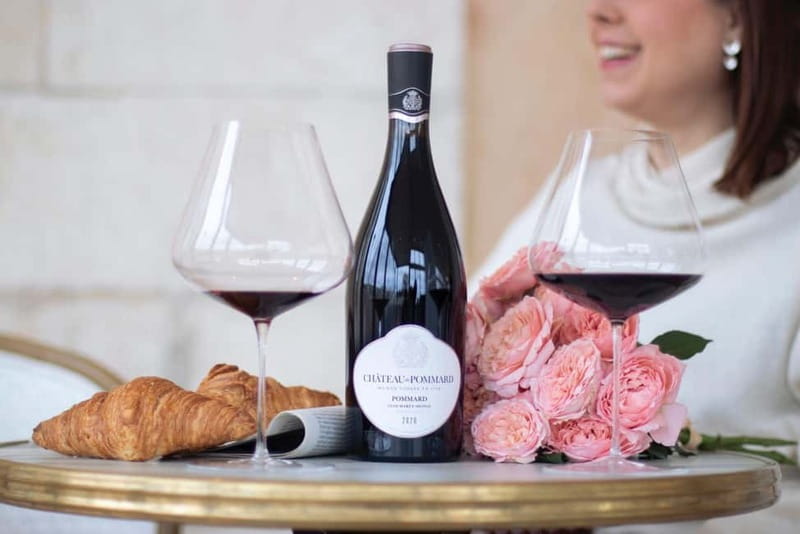
The château is working on a major restoration and expansion project. The estate is nearly three centuries old, and the stated goal is to prepare it for the next three hundred years. During this work, the cellars cannot be visited.
This limitation should be clear before you book. You will not tour the cellar or winery, and the activity is not a traditional production tour. The experience remains centered on the vineyard, the gardens, the guided explanation, and the four wines.
For some people, the closed cellar will be a dealbreaker. Burgundy wine visits often depend on atmospheric underground rooms, old barrels, and a look at how wine is made. If that is the main reason you want to visit, wait until renovation work is complete or choose a different activity.
For others, the renovation is a manageable compromise. The tasting still offers a useful introduction to Burgundy, and the vineyard discussion gives you a better understanding of what is in your glass. I would book it for the education and the setting, not for access to production rooms.
Is $35 a fair price?
At $35 per person, this is a reasonable price for a one-hour tasting in a major Burgundy wine area, especially with four wines and garden access included. The value depends on what you want from the visit.
If you are new to Burgundy, the price is easier to justify. You get a structured explanation of the region, its classifications, five subregions, and the natural factors affecting the wines. That background can improve the rest of your time in Burgundy, particularly if you plan to visit more vineyards or buy bottles.
If you already know Burgundy well, the value is less certain. You may find the introductory material familiar, and the lack of cellar or winery access means you are paying mainly for the tasting, guide, grounds, and vineyard setting.
The small group helps the price feel fair. A limit of eight allows for questions and can create a more personal visit, especially outside the busiest periods. In September, one group had what felt like a private tasting because the château was quiet. Busy days may feel less personal, but the group cap still keeps the session from becoming a large crowd.
Who will enjoy this experience most?
I would recommend this tasting to first-time Burgundy visitors, casual wine drinkers, couples, and anyone who wants a clear introduction without spending half a day at a winery. It also suits people who want a scenic stop near Beaune with a little structure and a lot of useful context.
It is a good fit for a mixed group if some people care more about gardens and scenery than wine. The grounds give non-specialists something to enjoy, and the one-hour format does not demand a long commitment.
The experience may not suit wheelchair users, as it is specifically listed as unsuitable for wheelchair users. I would also think twice if you want cellar access, a detailed production tour, or a full château visit. Those elements are not available during the renovation.
Dogs may be welcome in practice, as one guide was praised for being patient and kind with two dogs during a visit. Still, the supplied information does not set out a formal pet policy, so ask before booking if your dog is coming with you.
Practical advice before you book
Choose comfortable shoes and avoid high heels. Give yourself enough time to find the correct meeting point, since it may vary according to the option selected.
The tasting is offered in English and French. If you want to ask detailed questions, prepare one or two before arriving. Good subjects include the classification system, the differences among Burgundy’s five subregions, and how the Clos Marey-Monge site affects the wines.
The standard duration is one hour, and starting times depend on availability. You can cancel up to 24 hours in advance for a full refund, and the reserve-now, pay-later option allows you to hold a place without paying immediately.
The experience has a 4.6 rating from 353 reviews, with especially strong praise for the guides, the wine, the vineyard views, and the educational content. The less favorable comments focus on the missing cellar visit, limited explanation of soil types during one visit, and the feeling of staying in one room rather than touring more of the estate. Those points line up with the current renovation limits, so they are worth considering before you commit.
Should you book Château de Pommard?
Book it if you want a polished, small-group introduction to Burgundy wine, with four pours, a clear lesson on classifications and terroir, and time in attractive gardens. The guides are a major part of the experience, and names such as Alex, Pierre, and Manon have been associated with friendly, well-prepared presentations.
Skip it for now if your main goal is to walk through historic cellars, see the winery in action, or tour the château interior. Until renovation work is finished, this is best understood as a focused vineyard tasting with garden access, not a complete estate tour. At $35, it offers good value for beginners and curious wine drinkers who know exactly what they are booking.
FAQ
How long does the Château de Pommard wine tasting last?
The tasting lasts one hour. Check availability for the specific starting time.
How many wines are included?
You taste four wines from Château de Pommard and Famille Carabello-Baum.
Are the cellars and winery included?
No. The cellars and winery cannot currently be visited because of renovation work.
Is access to the French Gardens included?
Yes. Free access to the French Gardens is included with the wine tasting.
What languages are available?
The experience is offered in English and French.
Is the tasting suitable for wheelchair users?
No. The activity is listed as unsuitable for wheelchair users.
Newly added around Beaune
- Private wine tasting workshop by Dufouleur – Bourgogne★ 5.0 · 57 reviews
- Private Wine Tasting Tour – Burgundy Uncorked!!★ 5.0 · 74 reviews
- Luxury Luxury Wine Tour Experience★ 5.0 · 69 reviews
- 2 Hour Sparkling Wine Tasting and visit in Beaune★ 4.5 · 36 reviews
- Half-day guided tour on the Burgundy wine Route in a classic car★ 5.0 · 45 reviews
- Private Tasting in Beaune : The Best of Burgundy Wines★ 5.0 · 66 reviews
- From: Dijon/Beaune: Burgundy Region Winery Tour with Lunch★ 4.7 · 43 reviews
- Private Tasting in Beaune : The Best of Burgundy Wines★ 4.9 · 66 reviews
Wine Tastings, compared.
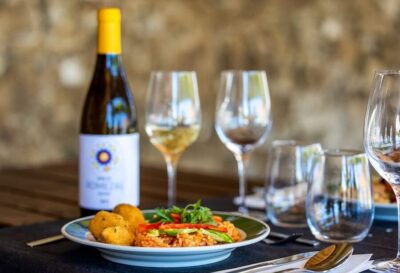
Douro Valley w/ Boat Tour, Wine Tasting & Lunch
Read our review →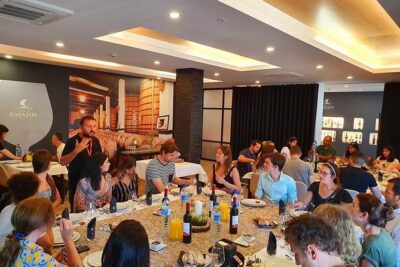
Complete Douro Valley Wine Tour with Lunch, Wine Tastings and River Cruise
Read our review →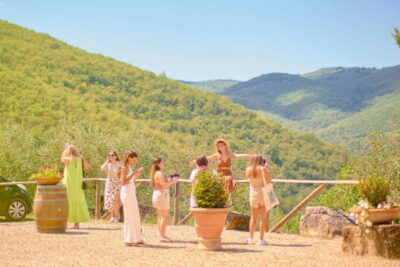
Small-Group Wine Tasting Experience in the Tuscan Countryside
Read our review →
Montserrat & Cogwheel Train, Gourmet Wine Tasting & Tapas/Lunch
Read our review →
Tuscany & Montepulciano Day Trip with Lunch & Wine Tasting
Read our review →Browse the lists this tour appears in