
REVIEW · WINE TASTINGS
Boutique Wine Tasting in Turin City Center
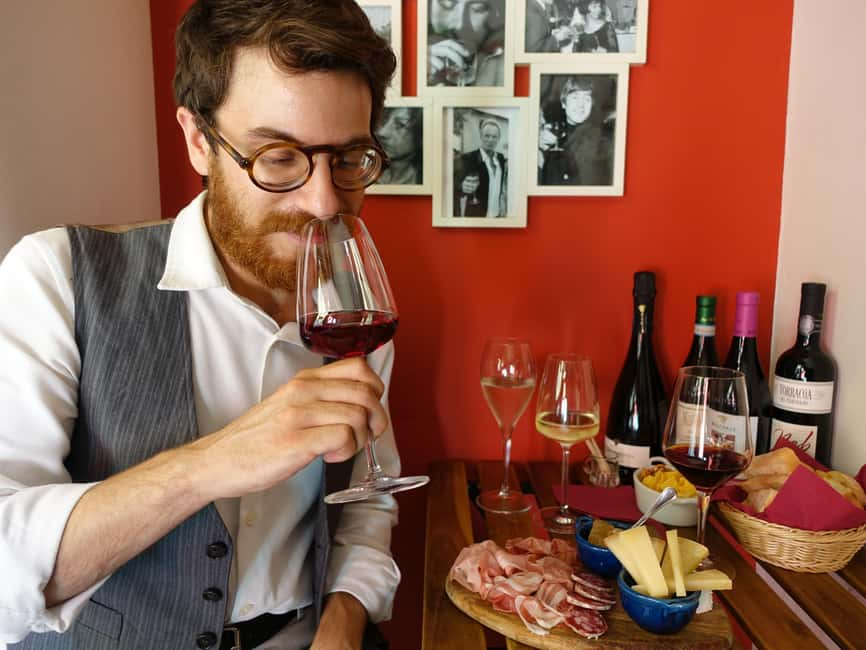
Good wine, little fuss, Turin nearby. This one-hour tasting gives you four Piedmont wines, local cheese, cured meat, and bread or grissini in a relaxed wine bar. I like the small group of up to eight and the printed guidebook, which lets you learn at your own pace. The main thing to note is that this is not a formal guided wine class.
The format suits you if you want a quiet break in the city rather than a long excursion. I especially like the chance to compare sparkling, white, and red wines from one famous Italian region in a single sitting. The possible drawback is that full explanations are not guaranteed, and English service can vary by host.
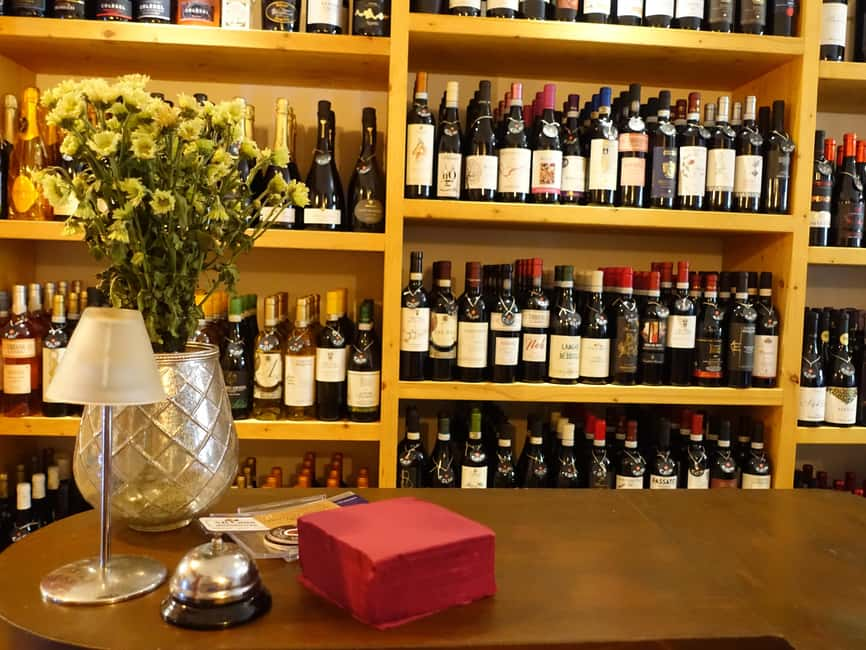
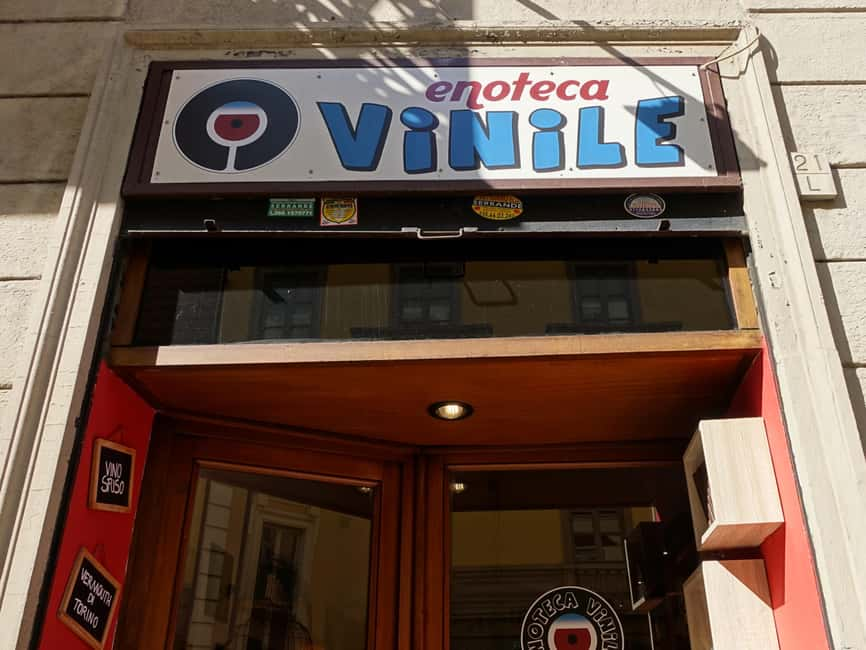
The setting is part of the appeal. You enter a small boutique wine bar and shop marked by a vinyl sign, about ten minutes on foot from the Royal Palace. Music plays, the pace is easy, and you can ask questions without feeling rushed.
Key points at a glance
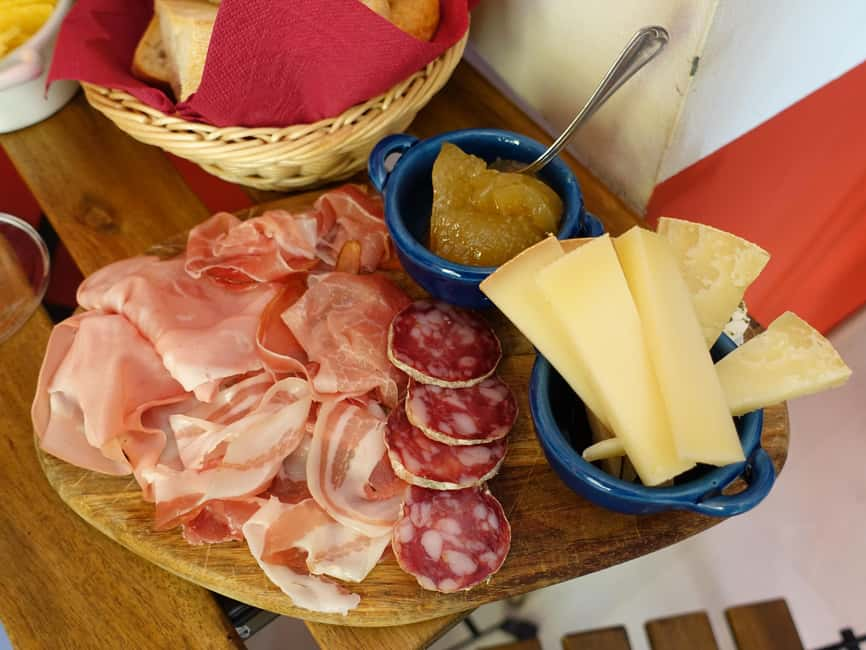
- Four Piedmont wines in one hour: The selection may include Alta Langa sparkling wine, Erbaluce, Arneis, Nebbiolo, Barbera, or Roero Riserva.
- Local food is included: Expect cured meat, regional cheese, and bread or grissini to match the wines.
- A printed guidebook adds context: Follow tasting notes, grape information, and an overview of Piedmont winemaking while you sip.
- Small and informal: The group is limited to eight people, making this more personal than a large tasting room visit.
- Convenient Turin location: The bar is roughly ten minutes from the Royal Palace, making it easy to fit into a day of sightseeing.
- A good value at $42: You receive four tastings, food, a guidebook, and a full hour in a comfortable setting.
Why this Turin tasting works well for a short evening
Piedmont is one of Italy’s best-known wine regions, but its bottles can seem confusing when you first meet them. Barolo, Barbaresco, Nebbiolo, Barbera, Roero, Arneis, Erbaluce, and Alta Langa all appear on menus and shelves. A tasting like this gives you a useful first map.
You are not expected to know the difference between a grape and a wine name before you arrive. The guidebook provides basic information about each pour, along with tasting notes and background on local winemaking. That matters because Piedmont wines often carry names connected to a town, a grape, or a particular production area.
I see the experience as an introduction rather than a serious certification course. You get enough information to understand what is in your glass, but the event is designed to stay relaxed. That balance is ideal after several hours of museums, churches, and Turin streets.
The overall rating is 4.7 from 80 ratings, and the praise is notably consistent about three things: the wine choices, the friendly service, and the generous food pairings. Several people also liked that the pace did not feel hurried. That is important in a tasting, since rushing through four glasses can turn a pleasant hour into a checklist.
More Wine Tastings in Italy
- Florence: Chianti Wineries Tour with Wine Tasting
★ 4.5 · 10,071 reviews - Small-Group Wine Tasting Experience in the Tuscan Countryside
★ 5.0 · 7,392 reviews - Rome: Tuscany & Montepulciano Day Trip with Lunch & Wine Tasting
★ 4.5 · 5,232 reviews
Finding the boutique wine bar near the Royal Palace
The meeting point is a small wine bar and shop with a vinyl sign. Once you spot it, enter and show your ticket to the host. The location is about a ten-minute walk from the Royal Palace, so it fits neatly before or after a visit to Turin’s historic center.
Do not expect a grand cellar or a large commercial tasting room. The setting is intentionally modest and intimate. Music plays in the background, and the atmosphere has more of a neighborhood wine bar feel than a formal vineyard estate.
That setting can be a real advantage. You are in the city, close to other Turin sights, and do not lose time traveling into the countryside. At the same time, you should not book this expecting vineyard views, a tour of production facilities, or a visit with a winemaker. The experience is about tasting and learning in town.
The group limit is eight people. A small group makes it easier to ask about a particular grape or bottle, and it helps keep the mood calm. It also means the experience may feel more like a hosted tasting at a local shop than a structured tour with a microphone and timed announcements.
The first pour: sparkling Piedmont in a city wine bar
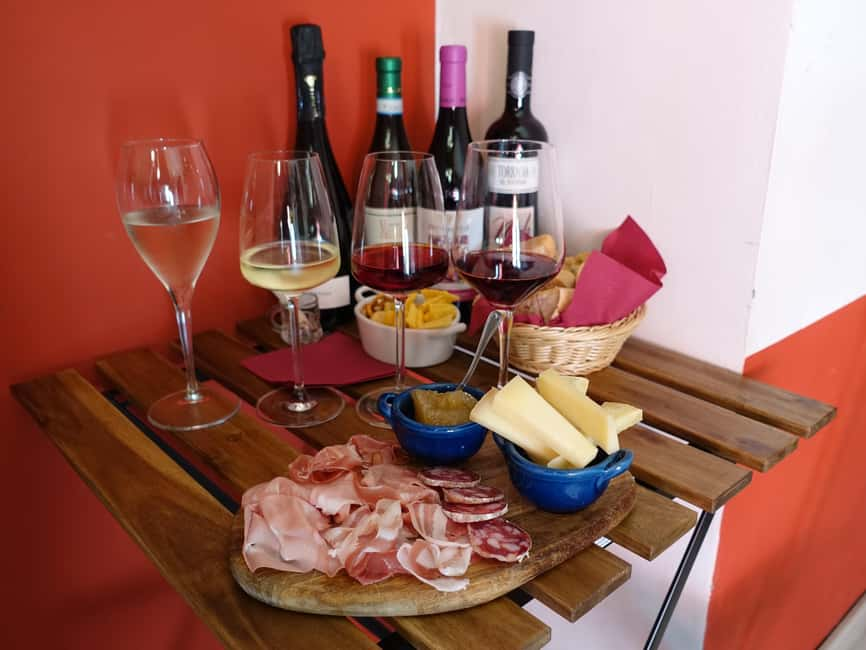
The four-wine selection changes, but sparkling wine may appear through Alta Langa. This style is a useful reminder that Piedmont is not only about powerful red wines.
Alta Langa is associated with refined sparkling wine from the region. Tasting it alongside a white and one or two reds gives you a broader view of Piedmont’s winemaking. You can pay attention to how the bubbles and freshness work with salty cured meat, cheese, and bread.
The tasting is served as four glasses from Piedmont, with the host choosing from available local wines. That flexibility is worth understanding. You are not guaranteed one fixed bottle list, so the exact wines may differ from one session to another.
For many people, that is a benefit. It allows the host to select bottles that are available and suitable for the day. If you have your heart set on Barolo or a specific vintage, however, this may not be the right format. Nebbiolo may be included, but a named Barolo bottle is not promised.
White wines such as Erbaluce and Arneis
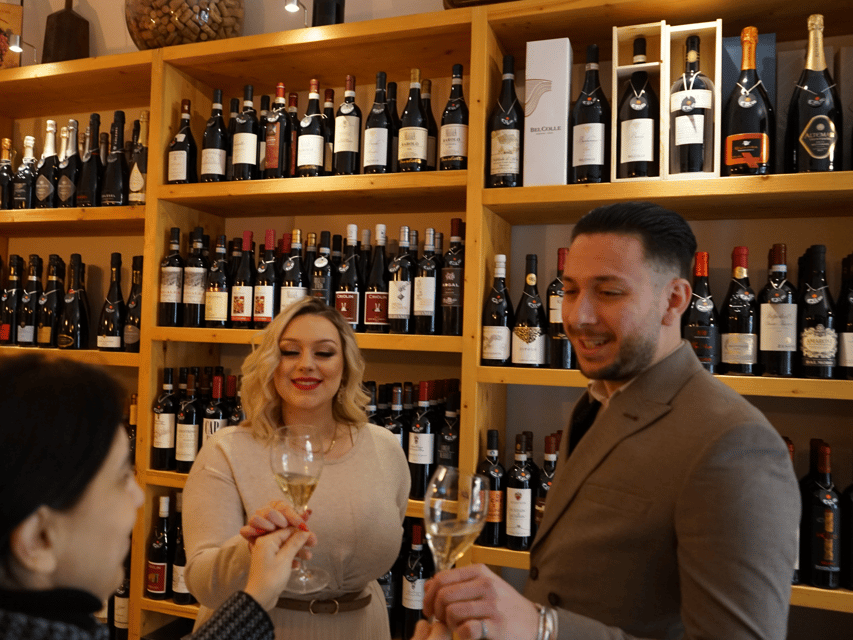
The white wine portion may feature Erbaluce or Arneis. These grapes give you a chance to move beyond the red-heavy image many people have of Piedmont.
Erbaluce can show the region’s crisp side, while Arneis is often associated with a fresh, aromatic style. The guidebook gives you a simple way to note the differences in smell, taste, and finish. You do not need to take formal tasting notes, but the written material can help you remember which wine suited you best.
The food makes this comparison more useful. Cheese and bread can soften sharp acidity, while cured meat adds salt and savory flavor. The pairing is not just decoration on the table. It helps you notice how a wine changes when you taste it with something from the same food culture.
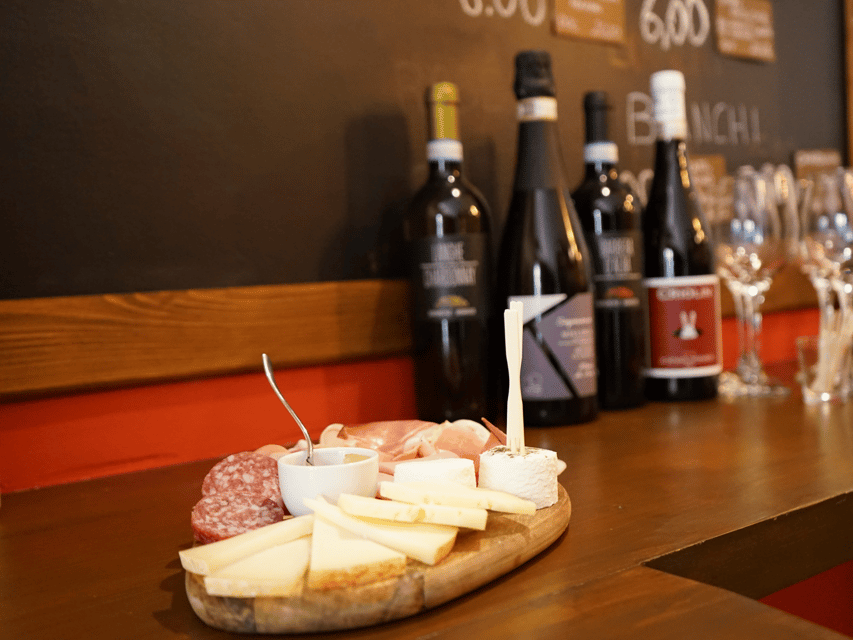
The portions are described as generous enough to accompany the wine, though this should not replace dinner. You receive a platter of local cold cuts, cheeses, and bread or grissini. Some tastings may also include jam, as one attendee noted, but the core offering is the meat, cheese, and bread.
Same region, a very different glass:
- Tuscany Day Trip from Florence: Siena, San Gimignano, Pisa and Lunch at a Winery
★ 5.0 · 21,634 reviews - Florence: Pasta Cooking Class with Unlimited Wine
★ 4.9 · 10,285 reviews - Florence: Pasta & Tiramisu Cooking Class with Unlimited Wine
★ 4.9 · 6,708 reviews - Florence: Pasta Cooking Class with Unlimited Wine
★ 5.0 · 6,413 reviews
Nebbiolo, Barbera, or Roero Riserva for the red wines
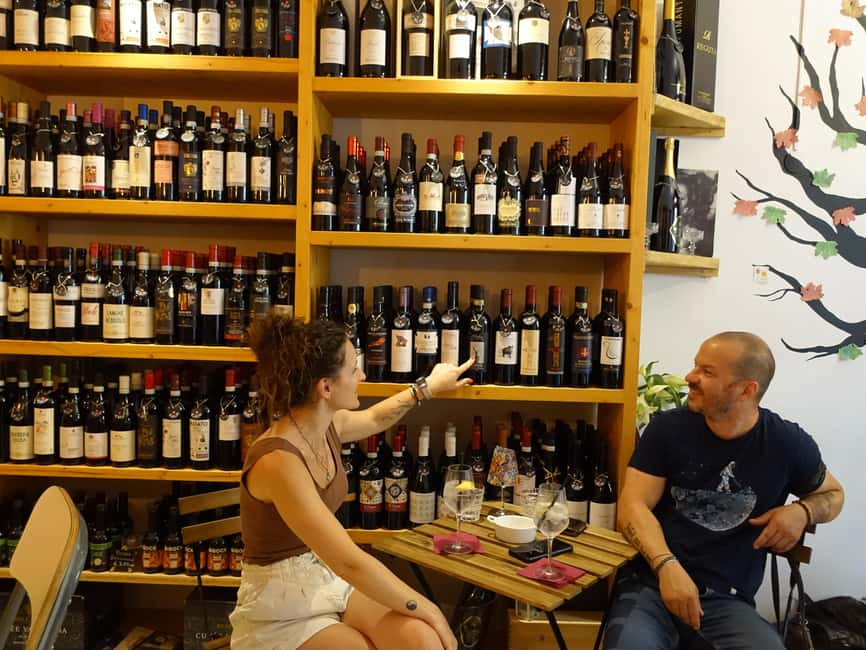
The red selection is where Piedmont’s reputation usually gets most of the attention. You might taste Nebbiolo, the grape used for Barolo and Barbaresco, or a fruit-forward Barbera. Roero Riserva is another possible choice, with a more polished style and aging potential.
A tasting of this length cannot explain every detail of Piedmont’s red wine culture. It can, however, show you why the region has such a strong following. Nebbiolo tends to bring structure and serious character, while Barbera is often easier to approach for someone who prefers lively fruit and less tannic grip.
If Roero Riserva appears, it adds another point of comparison. You can think about how age, place, and grape variety affect the wine in your glass. The printed guide helps keep these ideas clear, particularly if you are new to Italian wine labels.
The host may offer some choice or respond to questions about the wines. One person described being given options and having the winemaking process explained with help from an online translator. That suggests a flexible attitude, but it also points to one limitation: the amount of spoken explanation depends on the host and the language available at your session.
Cheese, cured meat, bread, and grissini
The food pairing is one of the strongest parts of the experience. You receive local cured meat, cheese, and bread or grissini, arranged to support the four wines.
This is a sensible match for Piedmont. Salty cured meat can bring out fruit in a red wine, while cheese can make a structured pour feel rounder. Crisp whites and sparkling wines usually work naturally with lighter bites and bread.
The food also keeps the hour from feeling like four isolated samples. You can taste a wine alone, then try it with cheese or meat and see what changes. That simple comparison is more useful than a long speech full of technical terms.
I would still plan a separate meal if you are hungry. The platter is substantial enough for snacking and pairing, but the experience is not sold as dinner. This is especially important if you book an early evening time and expect a full restaurant portion.
Vegetarian, vegan, lactose-free, and celiac needs should be shared in advance. The provider specifically asks for this information before the tasting, so do not wait until you sit down. The standard platter includes meat, dairy, and bread products.
The guidebook keeps the lesson light
The printed guidebook is a smart feature. It covers the wines, tasting notes, grape varieties, and Piedmont’s winemaking traditions. You can read a little, taste a little, and return to the page when something catches your attention.
That approach suits people who dislike long lectures. You are not required to listen to a guide talk continuously for an hour. Instead, the host introduces the experience, pours the wines, and answers questions while you use the booklet as a reference.
The guidebook also makes the tasting more useful after you leave. If you later see Arneis or Barbera on a restaurant list, you may remember the style and decide with more confidence. You can also use the notes to remember which wines you might want to buy.
There is a clear tradeoff. A printed guide is not the same as a dedicated live guide. The activity specifically does not include full explanations of every wine, and there is no dedicated guide leading a formal lesson. If your main goal is a detailed technical course, look for a longer specialist class instead.
The host and the language question
The host or greeter speaks Italian and English, and the owner is available to answer questions. The strongest praise goes to the friendly welcome and personal attention. Tussi was singled out for being especially warm, while Elena was remembered for making the tasting interesting and informative, though the spelling of her name was uncertain.
There have also been sessions where English support was late or unavailable. In those cases, the host still continued with the tasting, using translation tools when needed. One person said the Italian-speaking host explained the wines and processes through Google Translate, and still made the session work well.
That tells you two useful things. First, the staff appear willing to help rather than abandon the educational side of the event. Second, you should not assume every session will have the same level of English explanation.
If you have detailed wine questions, ask early. The host may be able to offer a fuller answer when the bottle is opened. The guidebook gives you a backup, and the setting is informal enough that simple questions are welcome.
Is $42 a fair price?
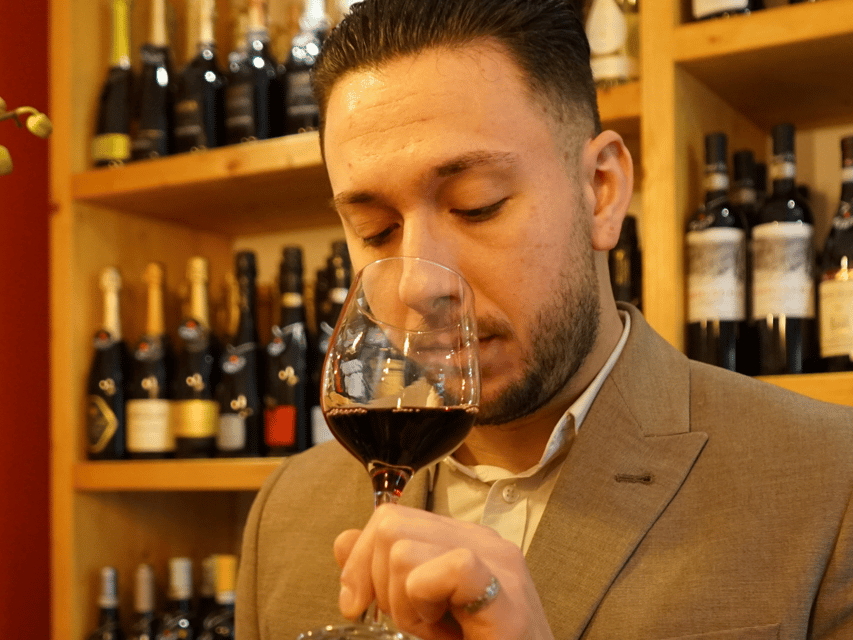
At $42 per person, this is a reasonable city-center tasting if you value convenience and food as much as instruction. You receive four wines, a local snack platter, a printed guidebook, and about an hour in a small group.
The price becomes particularly fair for a first introduction to Piedmont. Buying four different wines on your own can cost more, and you would still need to find suitable cheese and cured meat. Here, the pairing is already arranged, and you can compare the wines side by side.
The value is less clear if you only want a few generous pours. This is not the cheapest way to drink wine in Turin. You are also paying for the setting, the food, and the chance to ask questions.
The experience offers free cancellation up to 24 hours before the start time, and you can reserve now while paying later. Check the available start times when booking, since the duration is fixed at one hour but the schedule can vary.
Who should book this tasting?
I would recommend it to couples seeking a quiet, romantic stop, solo visitors who want an easy introduction to regional wine, and food lovers who prefer a small local setting to a large group tour.
It also suits you if your Turin itinerary is tight. The central location means you can fit it around the Royal Palace and nearby sights without committing half a day to transport. The one-hour length is long enough to feel worthwhile but short enough to leave room for dinner.
You may also like it if you want information without a constant lecture. The printed guidebook lets you control the pace, while the host remains available for questions.
I would hesitate to recommend it to someone seeking a vineyard visit, a formal sommelier lesson, or guaranteed deep discussion of every bottle. The exact wines can change, and the spoken English explanation may depend on the host working that session.
Pregnant people should not book this activity. If you have dietary restrictions, contact the provider before arrival so the food can be adjusted if possible.
Should you book it?
Book this tasting if you want a friendly, low-pressure introduction to Piedmont wine close to Turin’s main sights. The strongest reasons are the well-chosen mix of sparkling, white, and red wines, the generous local food, and the small wine-bar setting.
Skip it if you need a fixed wine list, a full meal, or a formal expert-led lesson. For most visitors who want one pleasant hour, useful regional context, and four glasses without leaving the city center, the $42 price is sensible.
FAQ
How long does the wine tasting last?
The tasting lasts one hour. Check the available start times when booking.
How many wines are included?
Four wine tastings from Piedmont are included. The selection may include sparkling, white, and red wines.
Which Piedmont wines might be served?
Possible wines include Alta Langa, Erbaluce, Arneis, Nebbiolo, Barbera, and Roero Riserva. The exact selection can vary.
Is food included?
Yes. The tasting includes local cured meat, cheese, and bread or grissini. Some sessions may also include jam.
Is there a live guide?
There is a friendly host or greeter who introduces the tasting and answers questions. A dedicated live guide and full explanations of every wine are not included.
Where does the tasting take place?
It takes place in a small boutique wine bar and shop in Turin city center, about ten minutes on foot from the Royal Palace. Look for the vinyl sign outside.
Can dietary needs be accommodated?
You should notify the provider in advance about vegetarian, vegan, lactose-free, or celiac dietary needs. The standard food includes meat, dairy, and bread.
Is the tasting available in English?
The host or greeter may speak Italian and English. English support can vary by session, and translation tools may sometimes be used.
Can pregnant people attend?
No. The activity is listed as unsuitable for pregnant women.
How large is the group?
The experience is limited to eight participants, making it a small-group tasting.
Newly added around Italy
- Etna trekking and wine tasting★ 5.0 · 28 reviews
- Etna Tour and Lunch in a Winery with Wine Tasting★ 5.0 · 97 reviews
- Cooking Class and Wine Pairing in Capri★ 5.0 · 57 reviews
- WINE TOUR with sommelier in a winery near Cagliari★ 5.0 · 27 reviews
- Cagliari 3 Hours Luxury Motorboat Tour – Wine and Snorkeling★ 5.0 · 118 reviews
- Cagliari Boat Tour by Maxi Rib – Wine and Snorkeling★ 5.0 · 128 reviews
- Small-Group Food and Wine Tour from Cagliari★ 5.0 · 237 reviews
- Wine Experience: vineyard, wines and food★ 5.0 · 155 reviews
Wine Tastings, compared.
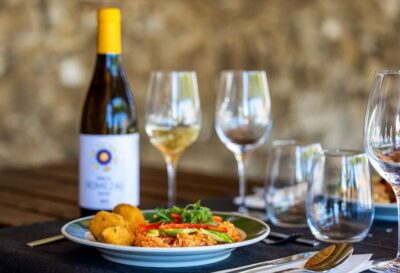
Douro Valley w/ Boat Tour, Wine Tasting & Lunch
Read our review →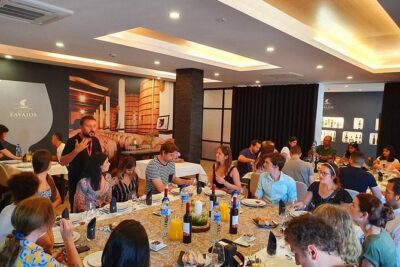
Complete Douro Valley Wine Tour with Lunch, Wine Tastings and River Cruise
Read our review →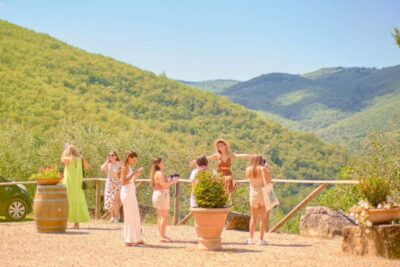
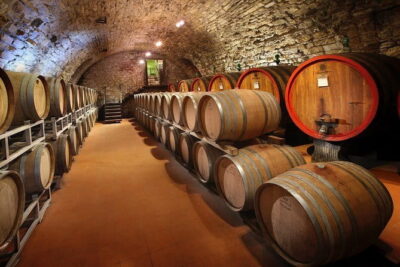
Small-Group Wine Tasting Experience in the Tuscan Countryside
Read our review →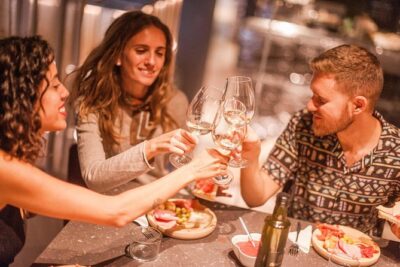
Montserrat & Cogwheel Train, Gourmet Wine Tasting & Tapas/Lunch
Read our review →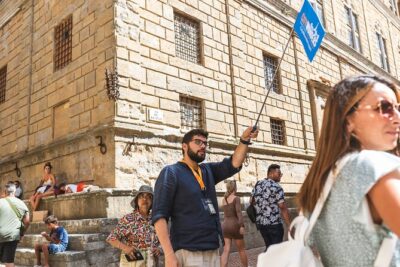
Tuscany & Montepulciano Day Trip with Lunch & Wine Tasting
Read our review →Browse the lists this tour appears in