
REVIEW · CHIANTI WINE TOURS
Chianti Grand Tasting: Wines, Oils & Balsamics in the Cellar
Taste Tuscany beyond the postcard. Poggio ai Laghi pairs six wines with oils, balsamics, and classic Tuscan bites in a quiet cellar setting, making this a polished choice for anyone who wants more than a quick pour at a crowded bar. I especially like the focus on local food pairings and the chance to hear the stories behind the estate’s Donna Ava labels. The main point to consider is that this is a tasting only, not a vineyard, winery, or estate tour.
The 90-minute format gives you enough time to taste slowly without turning the visit into an all-day commitment. I also like the private feel, with stone walls, soft lighting, and a guide who can explain the products in several languages. Still, language support may not be as smooth as the booking page suggests, so French speakers should confirm what language will be used during their session.
Key points to know before booking
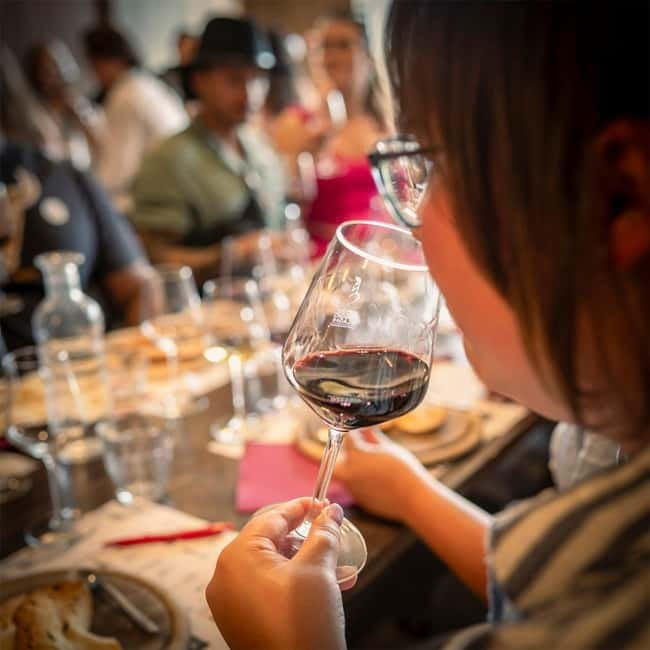
- Six wines are included: You taste two Spumante wines and four reds, including Chianti and Chianti Classico selections.
- The food is part of the lesson: Salami, finocchiona, prosciutto, pecorino, bruschetta, and toasted bread show how Tuscan products change the taste of wine, oil, and vinegar.
- The oils get proper attention: Classic extra virgin olive oil joins white truffle and chili pepper oils for a small but varied tasting.
- The balsamics are not an afterthought: You try Gold Selection Balsamic Vinegar of Modena PGI and Lacrime Viola, a red onion balsamic from Tuscany.
- Guides make or break the visit: Stefano, Valentino, and Bledar have been praised for clear explanations, warm service, and strong product knowledge.
- It is accessible and flexible: The experience is wheelchair accessible, offers a separate entrance, and allows free cancellation up to 24 hours before the start time.
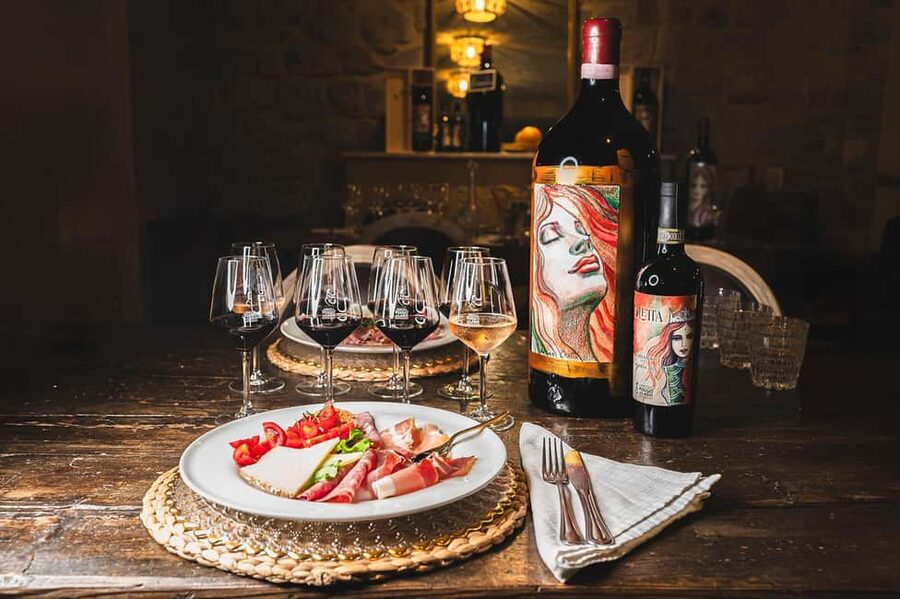
A private cellar setting at Poggio ai Laghi
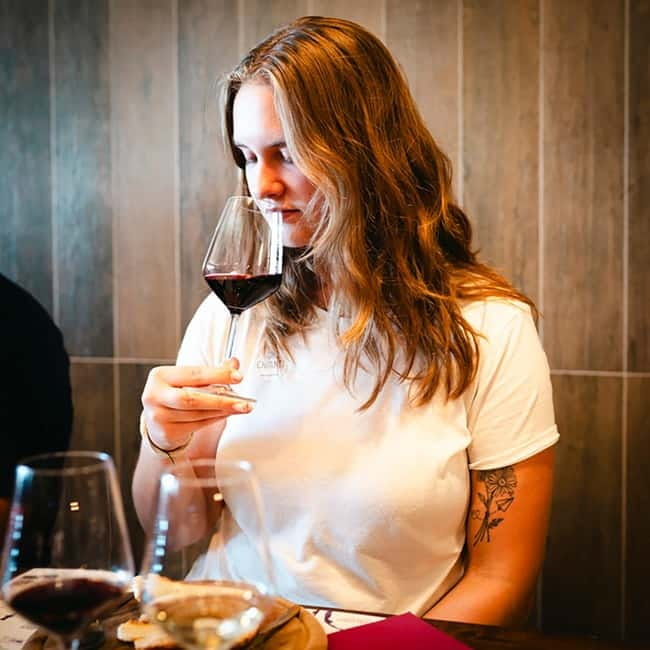
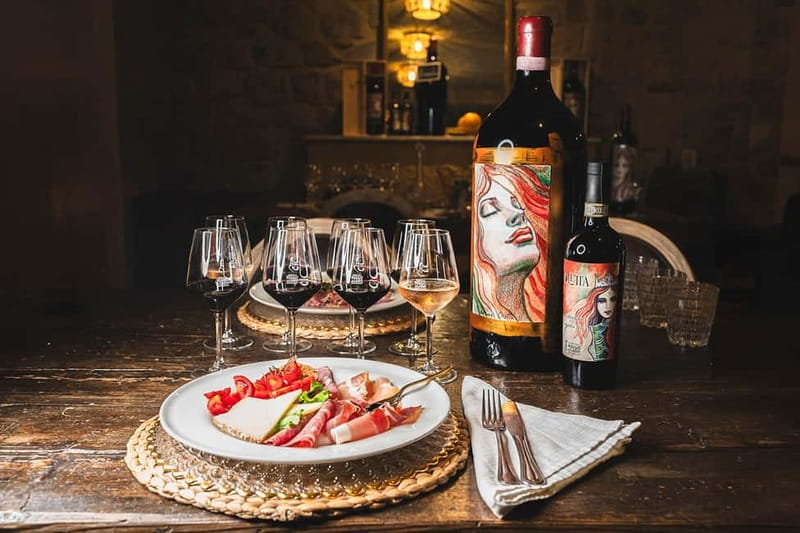
This experience takes place in the most secluded part of the Poggio ai Laghi estate, inside elegant tasting rooms with stone walls and subdued lighting. You are not being sent from barrel room to vineyard to gift shop. Instead, the focus stays on the table in front of you and the person guiding the tasting.
That setting matters. Wine tasting can feel hurried when a large group is pushed through a busy room. Here, the design is meant to slow things down and give the tasting a more personal tone. The separate entrance also helps you get settled without waiting in the main flow of visitors.
The tradeoff is clear: you will not see the vineyard or production areas. The experience does not include an estate, vineyard, or winery tour, so you should book it for the tasting itself rather than for a broad look at how Poggio ai Laghi operates.
The atmosphere sounds especially suited to couples, small groups, and anyone who prefers a quiet indoor setting. If you want photographs among vines or a walk through the cellar machinery, this is the wrong format. If you want to sit down and pay attention to what is in your glass, it makes better sense.
More Chianti Wine Tours in Italy:
- Florence: Chianti Wineries Tour with Wine Tasting
★ 4.5 · 10,071 reviews - San Gimignano, Siena, Monteriggioni, Chianti Day Trip with Lunch & Wine Tasting
★ 4.5 · 4,432 reviews - Florence: Pisa, Siena, S. Gimignano, Chianti Wine & Lunch
★ 4.6 · 4,354 reviews
The first pours: Arella and Firmina
The wine portion begins with sparkling wines, which provide an easy opening to the tasting. Arella is a Spumante Cuvée Extra Dry, while Firmina is a Spumante Rosé Extra Dry.
Both are listed as Extra Dry, a term that can confuse first-time wine tasters. It does not mean completely dry. In sparkling wine, Extra Dry usually indicates a little more sweetness than Brut, so these pours may offer a softer and more approachable start than a very crisp, austere sparkling wine.
The rosé also adds a visual and stylistic change from the pale Cuvée. You can compare the two before moving into the more serious red wines. That order is sensible, since sparkling wine tends to refresh the palate before the fuller flavors of Chianti and Super Tuscan styles arrive.
Your guide should explain how to taste each wine and how the food affects it. This is where the session becomes more useful than simply receiving six glasses and a plate of snacks. A good guide can point out what changes when you take a sip after salty salami, creamy pecorino, or a piece of tomato-topped bruschetta.
Four red wines, from Chianti to Super Tuscan style
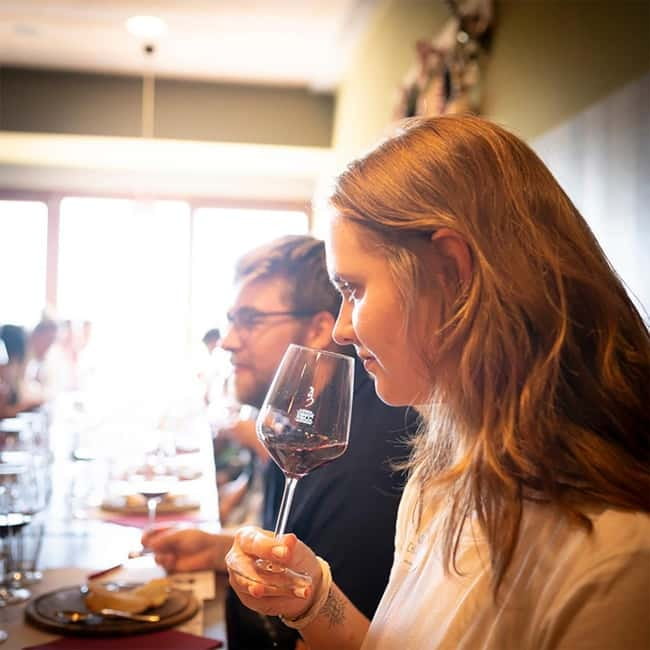
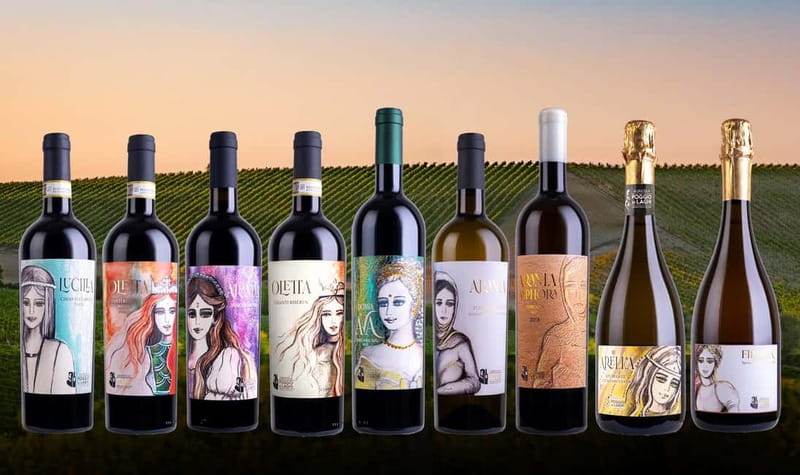
The included flight features four red wines. Oletta is Chianti Riserva DOCG, Lucilla is Chianti Classico DOCG, DonnaAva is Toscana Rosso IGT, and Nina is Chianti Classico Riserva DOCG.
For you, the useful comparison is not just the number of bottles. It is the chance to taste different expressions of Tuscany in one sitting. Chianti and Chianti Classico are familiar names, but the Riserva designation gives you a reason to ask how aging affects the wine’s body, aroma, and finish.
The Toscana Rosso IGT wine, DonnaAva, adds a different point of reference. IGT rules can allow a producer more freedom in grape choices and blending than the traditional DOCG categories. That does not automatically make it better, but it gives the guide something interesting to explain about modern Tuscan winemaking.
The labels also carry the estate’s story. The collection is inspired by Donna Ava and seven handmaidens, women whose names and qualities give identity to the wines. That theme gives the tasting a human thread, rather than leaving you with a string of technical names to remember.
The listed wine collection includes Arania, an IGT Bianco Toscana, as well. However, the included tasting is specifically described as two Spumante and four red wines, so you should not assume the white wine is part of the standard six-wine flight. Ask before booking if Arania is important to you.
Tuscan food that earns its place on the table
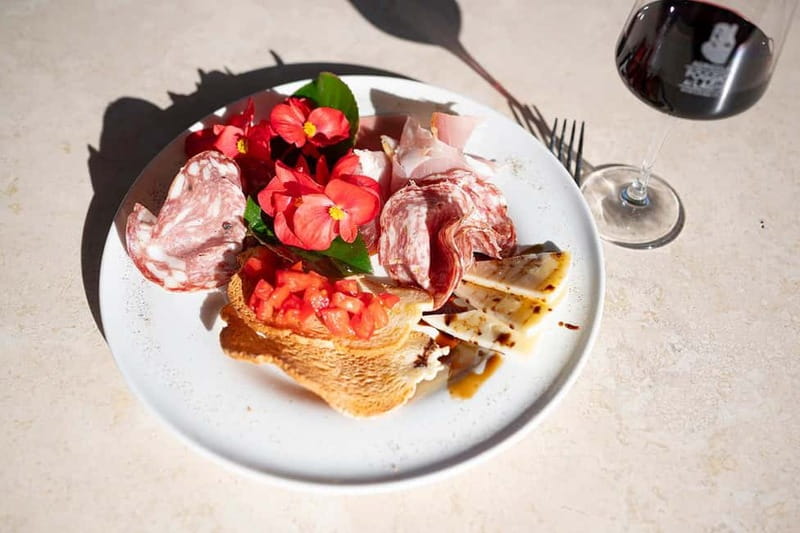
The food is more than decoration. You receive Tuscan salami, finocchiona, Tuscan prosciutto, pecorino cheese, bruschetta with fresh tomato and basil, and crisp toasted bread with extra virgin olive oil.
Finocchiona is a Tuscan fennel salami, so it gives the plate a different herbal note from ordinary salami. The prosciutto brings salt and fat, while pecorino offers a firmer, sheep’s milk contrast. Those details matter because salt and fat can make wine taste softer, while cheese can change how you notice acidity and fruit.
The bruschetta offers a fresher bite, with tomato and basil adding brightness. Toasted bread lets the olive oil take center stage. I like this structure because it gives you several simple ways to test the same wine or oil instead of treating the food as a one-time snack.
Portions are not described, so I would not book this as a substitute for lunch. Think of it as a generous tasting accompaniment. It should help carry you through the 90 minutes, but anyone arriving very hungry may want to eat beforehand.
More Wine Cellar Visits in Italy:
- Milan Urban Winery: Taste & Tour at Cantina Urbana
★ 4.7 · 683 reviews - Montepulciano: Wine Tasting and Cellar Tour
★ 4.8 · 545 reviews - Riomaggiore: Vineyard & Wine Cellar Tour with Wine Tasting
★ 4.7 · 100 reviews - Bardolino: Wine tasting at Cantina Valetti
★ 4.6 · 98 reviews
Olive oils with three distinct personalities
The oil tasting includes classic extra virgin olive oil, white truffle olive oil, and chili pepper olive oil. This is a small flight, but the differences should be easy to notice.
The classic oil is described as balanced and harmonious. It is the useful baseline: taste it on the toasted bread first, then compare the flavored oils. The white truffle version is described as elegant and enveloping, so it may appeal to you if you like a savory, aromatic finish.
The chili pepper oil takes the opposite route. It is bold and lively, with heat that can linger. Use a small amount at first, especially if you are more interested in comparing the oils than testing your tolerance for spice.
The best part of this section is its practicality. You are not only hearing about olive oil as a Tuscan staple. You are tasting how a plain oil behaves next to truffle and chili flavors. The bread and bruschetta provide simple carriers, so you can focus on the oils without a complicated dish getting in the way.
Balsamic vinegar, including a red onion specialty
Two signature vinegars are included. The first is Gold Selection Balsamic Vinegar of Modena PGI. The second is Lacrime Viola, a red onion balsamic described as a Tuscan specialty.
Balsamic vinegar can be easy to misunderstand when it is served in a tiny glass. Its sweetness, acidity, and thickness can vary widely, and the tasting gives you a chance to compare a recognized Modena style with a more unusual red onion version.
Try the vinegars with the bread and cheese, then consider how they work with the cured meats. The sharpness can cut through fat, while a sweeter balsamic may bring out the savory side of pecorino. The red onion version sounds like the more distinctive pour, especially if you enjoy condiments with a clear regional identity.
A useful tip is to ask your guide how each vinegar is normally used at home. The session is strongest when it connects the tasting to the way you might use these products after returning home, not just to the romance of the cellar.
Cantuccini and Vin Santo finish the tasting
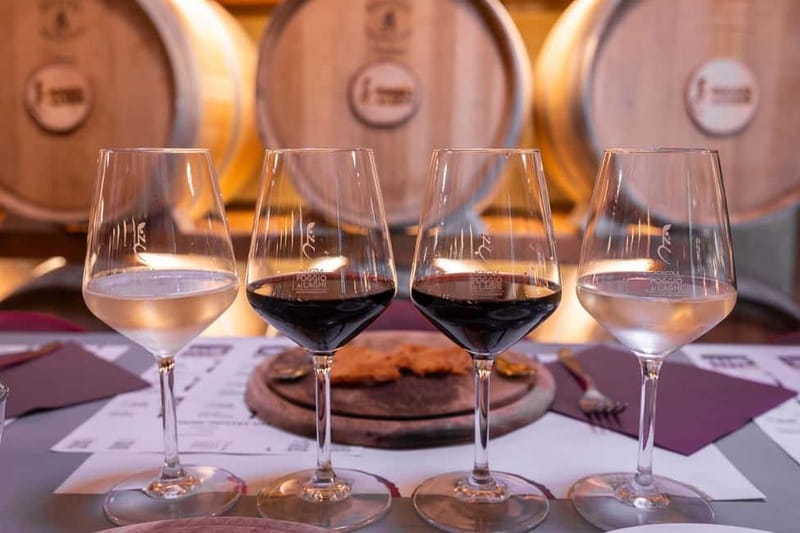
The final course is cantuccini with Vin Santo dessert wine. These crisp Tuscan biscuits are traditionally made for dipping, and Vin Santo gives the tasting a gentle, sweet finish.
This closing pairing also resets the pace. After sparkling wine, four reds, oils, vinegars, meats, cheese, and bruschetta, a small dessert course gives you time to ask final questions and decide which products you liked best.
The listing identifies Vin Santo as the dessert wine but does not name a separate Vin Santo bottle in the main wine collection. That is not a problem for most people, but anyone tracking every wine in the flight should understand that the six-wine count refers to the two sparkling and four red wines, while Vin Santo appears as the dessert pairing.
The guide matters more than the label list
The strongest part of this experience is likely to be the person leading it. Valentino has been praised for explaining the wines, oils, and other products carefully, along with the estate’s traditions. Stefano has been described as professional, kind, and especially strong at presenting the products. Bledar has led a German-language tasting and allowed plenty of time for questions.
Those details tell you what to look for. This is not designed as a silent self-serve flight. You should expect the guide to connect the bottles to the Donna Ava story, local traditions, art, and the character of the products.
The stated host languages are English, French, Spanish, and German. Still, French support may depend on the particular session. One French-speaking participant found that the experience was conducted mainly in English or Italian despite selecting French, so I would confirm the working language if clear explanations are important to you.
The guides’ warmth also matters for beginners. You do not need a large vocabulary of wine terms to enjoy the tasting. Ask direct questions about sweetness, acidity, oak, spice, serving ideas, and food pairings. The format is best when you treat it as a conversation rather than an exam.
Is $58 a fair price?
At $58 per person, this is not the cheapest wine tasting in Tuscany. But price alone does not tell the whole story. You are paying for a 90-minute hosted session, six included wines, three olive oils, two vinegars, a substantial Tuscan appetizer plate, dessert, and a private cellar setting.
The value improves if you enjoy food pairing. A basic wine flight might give you the same number of pours, but it would not necessarily include finocchiona, prosciutto, pecorino, bruschetta, flavored oils, and two distinct balsamics. Here, the extra products make the tasting feel like a small survey of Tuscan table culture.
The value is weaker if your main goal is vineyard access or winemaking instruction. Since no estate, vineyard, or winery tour is included, you should not compare this with a half-day visit that includes transportation and production areas. This is a focused tasting, and the price makes the most sense when you want comfort, guidance, and variety in a short visit.
There is also no pickup or drop-off. You need to arrange your own transport to Poggio ai Laghi, so factor that into the total cost and timing of your day.
Who will enjoy this experience most?
I would recommend it to you if you want a relaxed introduction to Tuscan wine without committing to a long excursion. It suits couples, food-focused visitors, first-time tasters, and anyone who enjoys learning through comparison.
It is also a good choice for a mixed group. A serious wine drinker can ask about DOCG, Riserva, and IGT designations, while a newcomer can focus on the simple pleasure of pairing cheese, bread, oil, and wine.
You may want another activity if you need a vineyard walk, production tour, or extensive look at the estate. You should also be cautious if you expect every advertised language to be used fluently in every session. Confirm the language in advance, particularly for French.
Wheelchair access is available, which makes the indoor format useful for visitors who want a seated tasting rather than uneven outdoor paths. The separate entrance and reserve-now-pay-later option also make it easier to fit into a changing Tuscany schedule. Free cancellation is available up to 24 hours before the experience.
Should you book the Poggio ai Laghi tasting?
Book it if you want a polished, food-friendly tasting with a strong guide and a quiet cellar atmosphere. The best reasons are the range of products, the thoughtful appetizer pairings, and the chance to compare Chianti, Chianti Classico, sparkling wines, oils, and balsamics in one sitting.
Skip it if your priority is seeing vineyards, touring wine production, or spending half a day outdoors. Also confirm the working language and whether the Arania white wine is included if that detail matters to you.
For $58, I see this as a good value for a 90-minute introduction to Poggio ai Laghi and Tuscan table traditions. It gives you plenty to taste, enough time to ask questions, and a comfortable setting that keeps the focus where it belongs: in the glass and on the plate.
FAQ
How long does the Poggio ai Laghi tasting last?
The experience lasts 90 minutes.
How many wines are included?
The included wine tasting features two Spumante wines and four red wines, for six wines in total.
Which wines are part of the tasting?
The listed wines include Arella Spumante Cuvée Extra Dry, Firmina Spumante Rosé Extra Dry, Oletta Chianti Riserva DOCG, Lucilla Chianti Classico DOCG, DonnaAva Toscana Rosso IGT, and Nina Chianti Classico Riserva DOCG. Arania IGT Bianco Toscana is also listed in the collection, but the included tasting is described as two sparkling and four red wines.
What food is served?
You receive Tuscan salami, finocchiona, Tuscan prosciutto, pecorino cheese, bruschetta with fresh tomato and basil, toasted bread with extra virgin olive oil, and cantuccini with Vin Santo.
Are olive oil and balsamic tastings included?
Yes. The olive oil tasting includes classic extra virgin olive oil, white truffle olive oil, and chili pepper olive oil. The balsamic tasting includes Gold Selection Balsamic Vinegar of Modena PGI and Lacrime Viola red onion balsamic vinegar.
Is transport or a winery tour included?
No. Pickup and drop-off are not included, and the experience does not include an estate, vineyard, or winery tour.
Newly added around Italy
- Etna trekking and wine tasting★ 5.0 · 28 reviews
- Etna Tour and Lunch in a Winery with Wine Tasting★ 5.0 · 97 reviews
- Cooking Class and Wine Pairing in Capri★ 5.0 · 57 reviews
- WINE TOUR with sommelier in a winery near Cagliari★ 5.0 · 27 reviews
- Cagliari 3 Hours Luxury Motorboat Tour – Wine and Snorkeling★ 5.0 · 118 reviews
- Cagliari Boat Tour by Maxi Rib – Wine and Snorkeling★ 5.0 · 128 reviews
- Small-Group Food and Wine Tour from Cagliari★ 5.0 · 237 reviews
- Wine Experience: vineyard, wines and food★ 5.0 · 155 reviews
Chianti Wine Tours, compared.
San Gimignano, Siena, Monteriggioni, Chianti Day Trip with Lunch & Wine Tasting
Read our review →
Pisa, Siena, S. Gimignano, Chianti Wine & Lunch
Read our review →
S. Gimignano, Siena, Chianti Wine Tasting & Lunch
Read our review →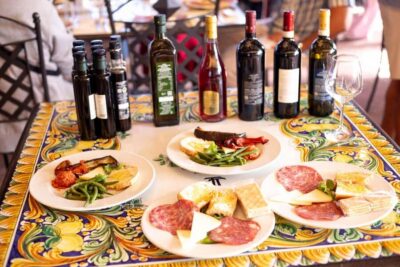
Siena, San Gimignano and Chianti Wines Day Tour from Florence
Read our review →Browse the lists this tour appears in