REVIEW · ITALY WINE TOURS
Dogliani: Tasting of 7 Wines in the Heart of the Langhe
Good wine begins long before the bottle. This two-hour visit at Azienda Ca’ Neuva gives you a close look at family winemaking in the Langhe, with seven wines paired with local foods and clear explanations from Beatrice and her family. I like the relaxed, personal setting, and I especially like that the tasting includes both famous wines and less showy Piedmontese bottles. The one point to check is timing: the core tasting lasts two hours, while the wider route also lists one-hour photo stops in La Morra and Barolo.
The tasting is priced at $36 per person, which is strong value for seven pours, food pairings, a cellar visit, and a guide who can explain the wines in English or Italian. Beatrice is praised for making wine easy to understand, without turning the session into a lecture. Just remember that alcohol tastings are not suitable for pregnant women, and arrange your transport carefully if you are not driving.
Key points before you book

- Seven wines in one sitting: Taste Roero Arneis, two Dogliani DOCG wines, Nebbiolo, Barbera, Langhe Excelso, and Barolo.
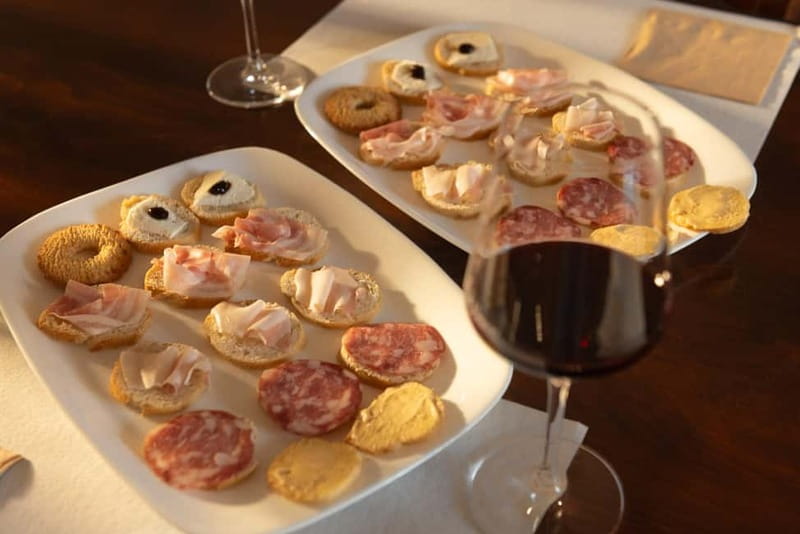
- Food is part of the lesson: Tuna sauce, salami, lard, bacon, meliga biscuits, cheese, and cugnà show how Piedmontese flavors change the wines.
- A genuine family winery: Ca’ Neuva is a small operation focused on quality and care for its local territory.
- Beatrice is a major strength: She explains grapes, vineyard work, cellar methods, and flavor in friendly English.
- The cellar visit completes the picture: You see fermentation, decanting and aging tanks, bottling, and labeling.
- Plan for the wider route: The schedule also lists photo stops in La Morra and Barolo, but confirm how these fit with the two-hour tasting.
Arriving at Borgata Santa Lucia 36
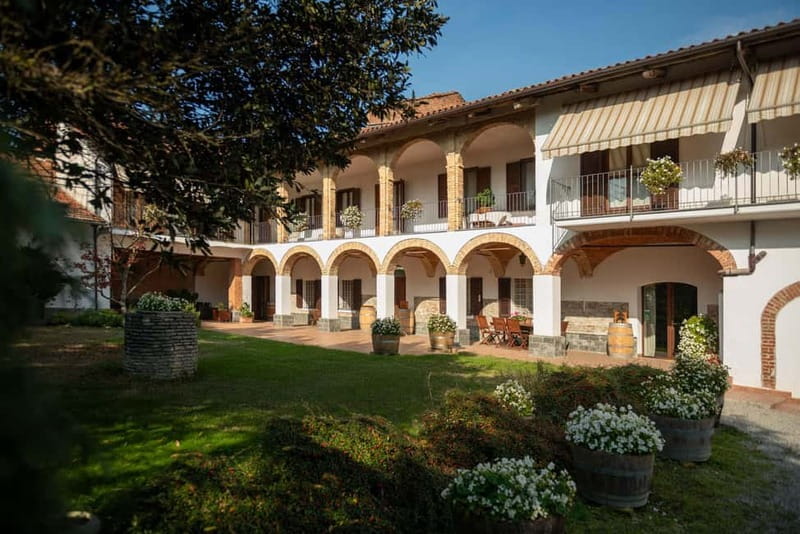
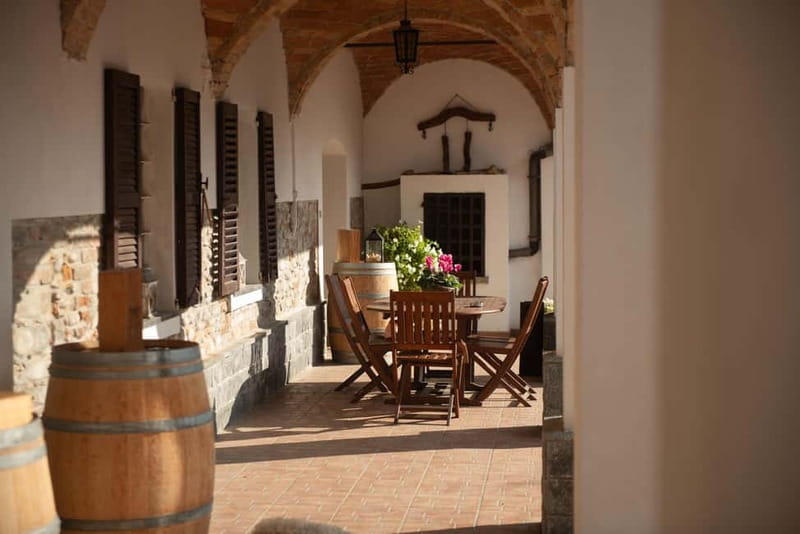
You meet in the parking lot at Borgata Santa Lucia, 36. This is a countryside winery experience rather than a grand wine museum, so the setting matters: the attraction is the family welcome, the working cellar, and the chance to taste wines where they are produced.
A small practical point can make a big difference here. The experience is in the Langhe, where rural roads and scattered villages are part of the setting. If you are arranging a taxi, make sure the pickup plan is firm. One group had trouble with a taxi service, and the family helped find a solution. That kind of assistance is useful, but it is still wiser to settle your return ride before the tasting begins.
The property is wheelchair accessible, and the activity is offered in English and Italian. The English presentation is especially useful if you want more than a quick sip and a sales pitch. Beatrice has been praised for her clear English and for explaining wine in everyday terms.
A few more wine tours around Italy worth a look
- Tuscany Day Trip from Florence: Siena, San Gimignano, Pisa and Lunch at a Winery
★ 5.0 · 21,634 reviews - Florence: Pasta Cooking Class with Unlimited Wine
★ 4.9 · 10,285 reviews - Florence: Chianti Wineries Tour with Wine Tasting
★ 4.5 · 10,071 reviews
The first pour: Roero Arneis with tuna sauce
The tasting starts with Roero Arneis, the only white wine in the lineup. It is described as fresh and fruity, a gentle opening before the reds arrive.
The pairing is tuna sauce, a smart Piedmontese touch. The sauce gives you a savory, creamy flavor against which to test the wine. You are not simply handed a glass and left to guess what you are tasting. The host explains the wine from vineyard to cellar, including how the grapes were grown and how the wine was processed.
This first stage sets the tone for the visit. You can ask questions about the region, grape varieties, and production methods, then taste again with the food. That back-and-forth is valuable for anyone who knows a little about wine but wants help noticing more.
Dogliani DOCG: two versions of the local red
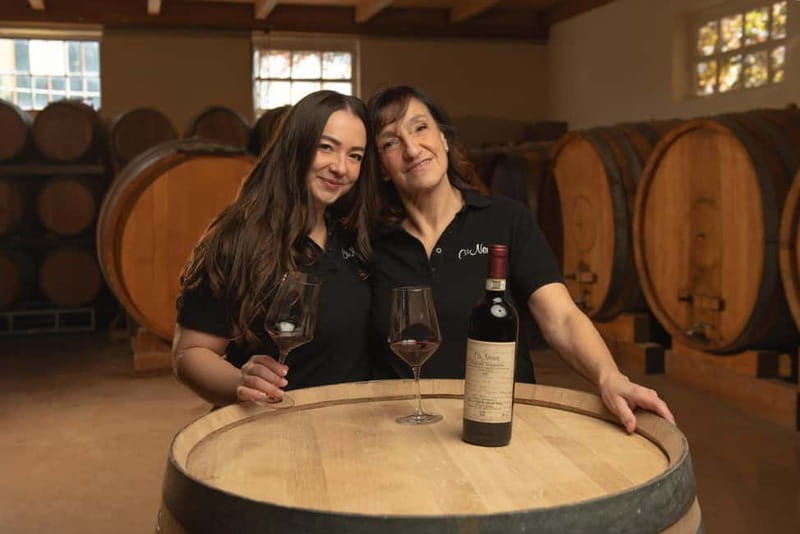
Next comes Dogliani, the wine most closely tied to the name of the town. The first is Dogliani DOCG Sambù, presented as easy to drink and light. It is paired with salami.
That pairing makes sense for a casual local red. Salami brings salt and fat, while the lighter wine keeps the first red from feeling heavy. I would pay attention here to the contrast between this bottle and the next pour, because the progression is part of the lesson.
Dogliani DOCG Superiore follows, with more structure and complexity. It is still made from the local wine tradition, but it offers a fuller step up from Sambù. Tasting both in sequence helps you understand how two bottles from the same broad category can feel quite different.
This is one of the strongest parts of the tasting for a first-time visitor to Piedmont. Instead of treating Dogliani as a single label, the host shows you a range. You leave with a clearer sense of what the area produces, not just a memory of one favorite glass.
Nebbiolo and Barbera with lard and bacon
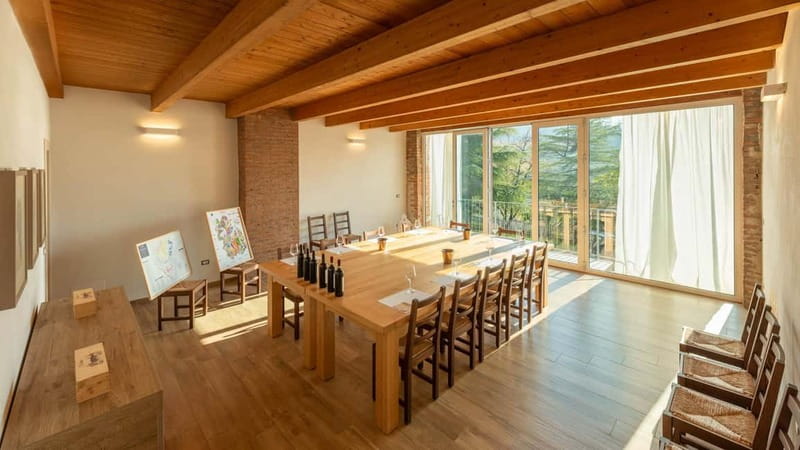
The tasting then moves to Nebbiolo and Barbera. These wines are paired with lard and bacon, foods with enough salt and richness to make the differences between the reds easier to spot.
Nebbiolo is presented as fresh and young. That is useful context because many people first meet Nebbiolo through aged Barolo, a much more famous and costly expression of the grape. Here, you taste a younger version before reaching the final Barolo, giving the session a useful line from simpler to more complex wines.
Barbera is described as soft and fruity. It offers another point of comparison, especially beside Nebbiolo. Rather than expecting you to memorize technical terms, the tasting gives you food, wine, and a simple order that lets you notice the change.
I like this part because it keeps the experience grounded. Lard and bacon are not decorative snacks chosen only for appearance. They are traditional local foods with strong flavors, and they help you see why wine pairing is not just about sipping a drink on its own.
Same region, a very different glass:
- Small-Group Wine Tasting Experience in the Tuscan Countryside
★ 5.0 · 7,392 reviews - Florence: Pasta & Tiramisu Cooking Class with Unlimited Wine
★ 4.9 · 6,708 reviews - Florence: Pasta Cooking Class with Unlimited Wine
★ 5.0 · 6,413 reviews - Pisa, Siena and San Gimignano Day Trip with Lunch & Wine Pairing
★ 4.5 · 6,006 reviews
Langhe Excelso and the meliga biscuit
The next wine is Langhe Excelso, a blend made from several wines. It is served with meliga pasta, a typical Piedmontese biscuit.
The biscuit brings a sweeter, more delicate note after the savory pairings. It also gives you a chance to taste a blended wine without approaching it as a technical exercise. The host can explain how different wines come together, while the food offers a familiar reference point.
This is a good reminder that the visit is about the region as a whole. Piedmontese food culture is not limited to cheese and cured meat. A local cornmeal-style biscuit has its own place at the table, and it changes the rhythm of the tasting.
Barolo with cheese and cugnà
The final pour is Barolo, the best-known wine in the lineup. It is served with cheese and cugnà, a Piedmontese preparation made with fresh and dried fruit. Cugnà is somewhere between a jam and a sauce, giving the cheese and wine a sweet, concentrated partner.
Placing Barolo at the end is the natural choice. By this point, you have tasted lighter Dogliani, young Nebbiolo, soft Barbera, and a blend. You can approach the Barolo with a better sense of what makes it different, rather than tasting it as an isolated expensive name.
The food pairing also keeps the finale local. Cheese and fruit preserve create a richer finish, and the sweetness of cugnà gives the Barolo a different angle. If you are new to the wine, this is where asking questions pays off. You can ask about the grapes, aging, and how the bottle differs from the earlier reds.
Do not expect a full bottle of Barolo at a bargain price simply because you enjoyed it at the tasting. The $36 activity price covers the seven samples, food, explanations, and cellar visit. Bottles can be purchased afterward, but there is no pressure to do so. One useful detail from the experience is that the host makes clear that buying wine is optional.
Inside the cellar: from grapes to labeled bottle
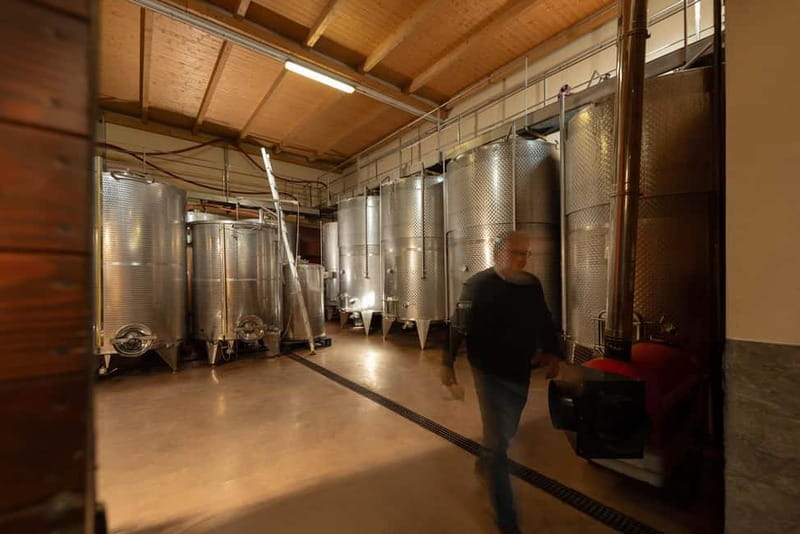
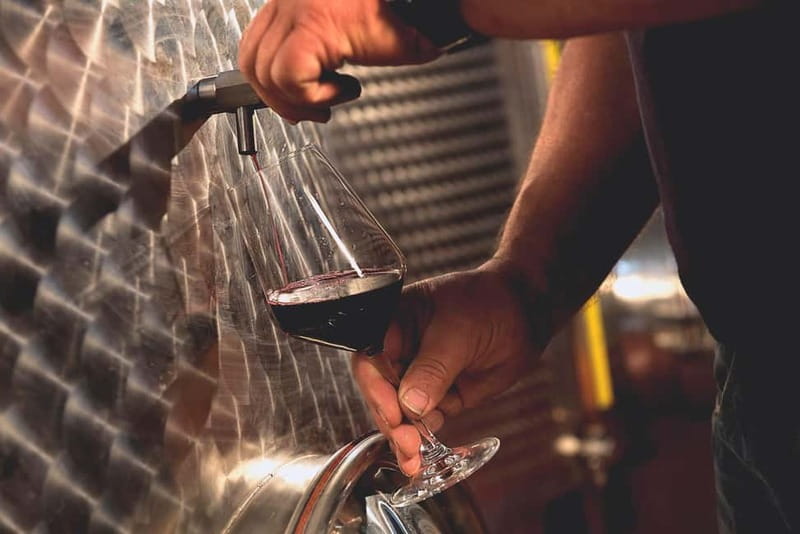
After the tasting, you visit the cellar and see the work behind the wines. The tour covers fermentation, decanting and aging tanks, bottling, and labeling.
This part matters because it connects the stories told over the glasses to actual production. You see where wine is fermented, where it rests, and how it eventually becomes the bottle placed on a table. For many people, that is more useful than a long technical talk about winemaking.
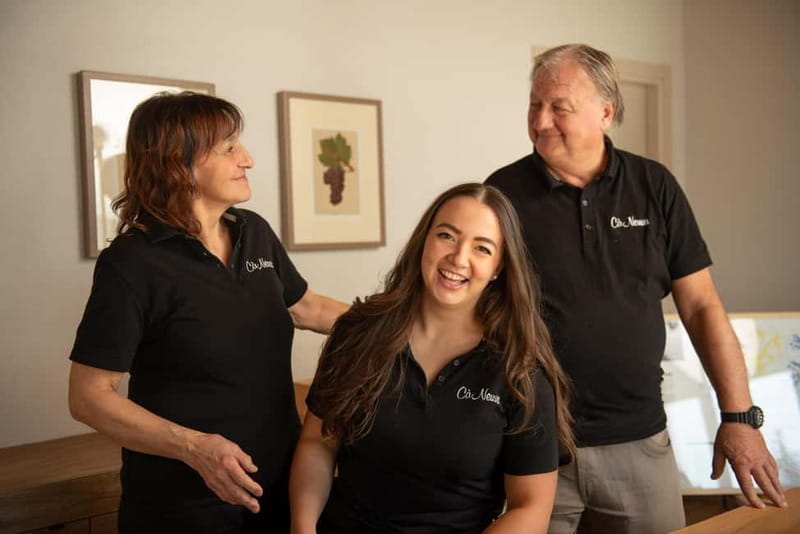
The family also emphasizes care for the local territory and quality as its main goal. At a small winery, those ideas feel practical rather than corporate. The visit gives you a sense of a family operation where several people help keep the business going. Beatrice has described herself as one of five people helping the winery flourish, which helps explain the personal tone.
You may also encounter the family animals. Leo the puppy and Andy the horse have been singled out as part of the welcome. They are not the reason to book a wine tasting, of course, but they add to the informal countryside character.
La Morra and Barolo photo stops
The wider schedule lists La Morra and Barolo as photo stops, with one hour at each location. These are important Langhe names, but the supplied timing needs careful attention: the main tasting is listed as two hours, while the route also includes these additional stops before returning to Borgata Santa Lucia.
You should confirm the exact schedule when booking. If the photo stops are included in your day, they offer a useful visual extension to the cellar visit. La Morra and Barolo place you among the hill towns and vineyards associated with Piedmont wine, while the winery itself gives you the production story.
If the tasting is the only part you attend, you still receive the central experience: seven wines, regional foods, a family introduction, and a cellar tour. If the photo stops are included, allow more time than the headline two-hour duration suggests.
What $36 gets you
At $36 per person, the value is unusually clear. You receive seven wine samples:
- Roero Arneis
- Dogliani DOCG Sambù
- Dogliani DOCG Superiore
- Nebbiolo
- Barbera
- Langhe Excelso
- Barolo
You also receive the food pairings, explanations for each wine, and a cellar visit. Many tastings charge mainly for the wine and offer only a few small bites. Here, the food has a teaching role, and the number of wines lets you compare local styles.
The value is strongest if you enjoy asking questions. A quick tasting can feel expensive when you only want a drink, but this visit gives you a guided route through Piedmontese grapes and production. The family setting also means your money supports a small producer rather than a large commercial attraction.
The score of 4.7 from 89 ratings fits the experience described here. The praise is especially consistent around the welcome, the wines and food, Beatrice’s explanations, and the feeling that the winery is not overly commercial.
Who will enjoy this tasting most
I would recommend Ca’ Neuva to anyone who wants an approachable introduction to Langhe wine. You do not need advanced wine knowledge. The tasting is structured enough for beginners, yet the comparisons between Dogliani, Nebbiolo, Barbera, and Barolo give experienced drinkers plenty to discuss.
It suits couples, small groups, and food-minded visitors who enjoy regional products as much as the wine itself. It is also a good choice if you prefer meeting the people behind a product instead of visiting a polished attraction with little contact.
English-speaking visitors should feel comfortable, especially if Beatrice is hosting. Her style is warm, clear, and unpretentious. Several people have praised her ability to answer questions without making the subject difficult.
This is not the right choice if you are pregnant, do not drink alcohol, or want a large-scale winery show with extensive formal exhibits. The experience is built around tasting seven wines, talking with the family, and seeing the working cellar.
Practical details worth knowing
The activity lasts two hours for the tasting and cellar visit, with starting times based on availability. It is wheelchair accessible, and live guidance is offered in English and Italian.
You can cancel up to 24 hours in advance for a full refund, and you can reserve now while paying later. Those policies help if your Langhe plans are still shifting, though the transport question remains yours to solve.
I would avoid scheduling a rushed meal immediately afterward. Seven wines with regional food can be more substantial than the word tasting suggests, and the explanations are part of the experience. Also, if you plan to buy bottles, bring a way to carry them safely, but do not feel obliged to purchase anything.
Should you book Azienda Ca’ Neuva?
Yes, if you want a friendly, food-centered introduction to Langhe wine at a fair price. The strongest reasons are the seven-wine progression, the generous local pairings, Beatrice’s approachable guidance, and the chance to connect the glass with the cellar where it was made.
Before booking, confirm how the La Morra and Barolo photo stops fit with the advertised two-hour duration. If you need private transport, arrange it in advance. With those details settled, this is an easy recommendation for curious wine drinkers who prefer family hospitality over a polished commercial production.
FAQ
How long does the wine tasting at Azienda Ca’ Neuva last?
The tasting and cellar visit last two hours. The wider schedule also lists photo stops in La Morra and Barolo, so confirm the full timing if those stops are part of your booking.
Which wines are included?
The tasting includes Roero Arneis, Dogliani DOCG Sambù, Dogliani DOCG Superiore, Nebbiolo, Barbera, Langhe Excelso, and Barolo.
What food is served with the wine?
The pairings include tuna sauce, salami, lard, bacon, meliga pasta, cheese, and cugnà, a preparation made with fresh and dried fruit.
Is the experience available in English?
Yes. Live guidance is available in English and Italian. Beatrice has been praised for her clear English and friendly explanations.
Is the activity wheelchair accessible?
Yes, the activity is listed as wheelchair accessible.
Can I cancel or pay later?
You can cancel up to 24 hours in advance for a full refund. You can also reserve your place and pay later.
Newly added around Italy
- Etna trekking and wine tasting★ 5.0 · 28 reviews
- Etna Tour and Lunch in a Winery with Wine Tasting★ 5.0 · 97 reviews
- Cooking Class and Wine Pairing in Capri★ 5.0 · 57 reviews
- WINE TOUR with sommelier in a winery near Cagliari★ 5.0 · 27 reviews
- Small-Group Food and Wine Tour from Cagliari★ 5.0 · 237 reviews
- Cagliari 3 Hours Luxury Motorboat Tour – Wine and Snorkeling★ 5.0 · 118 reviews
- Cagliari Boat Tour by Maxi Rib – Wine and Snorkeling★ 5.0 · 128 reviews
- Wine Experience: vineyard, wines and food★ 5.0 · 155 reviews
Italy Wine Tours, compared.
Tuscany Day Trip from Florence: Siena, San Gimignano, Pisa and Lunch at a Winery
Read our review →
Small-Group Wine Tasting Experience in the Tuscan Countryside
Read our review →
Pasta & Tiramisu Cooking Class with Unlimited Wine
Read our review →
Pisa, Siena and San Gimignano Day Trip with Lunch & Wine Pairing
Read our review →