
REVIEW · AVIGNON WINE TOURS
From Avignon: Wine Tour with Visit to Châteauneuf du Pape
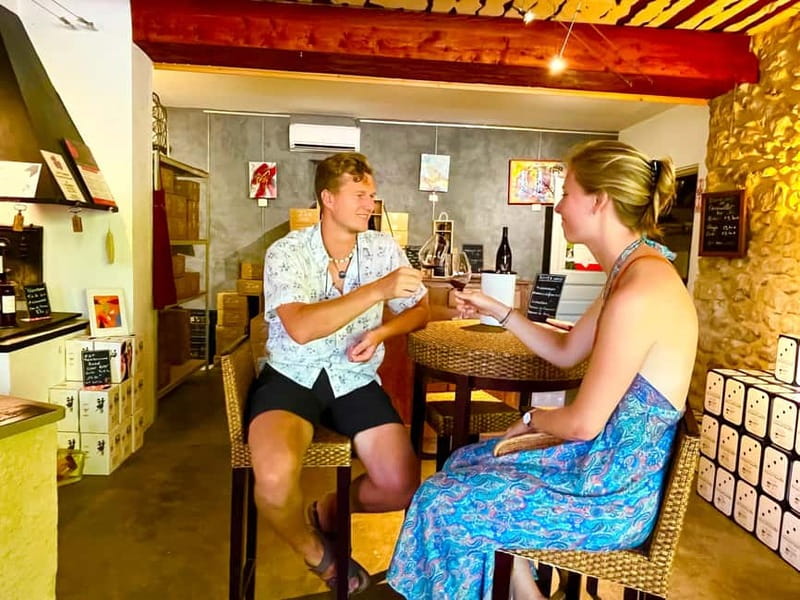
Wine country is closer than you think. This small-group outing from Avignon packs three Southern Rhône appellations, at least nine wines, and generous local insight into one relaxed day. I especially like the mix of family-run wineries and the chance to compare very different wines in Beaumes-de-Venise, Gigondas, and Châteauneuf-du-Pape. The local picnic, made with produce from nearby farms and the guide’s village, is another real strength.
The main consideration is the vehicle. It carries no more than six people, which keeps the outing personal, but one person found it cramped with a full group. The wine stop at Châteauneuf-du-Pape can also vary in quality, with one tasting featuring younger wines than expected. Still, at $93 per person, the amount of tasting and regional access is impressive.
Why this Rhône Valley outing is worth your time
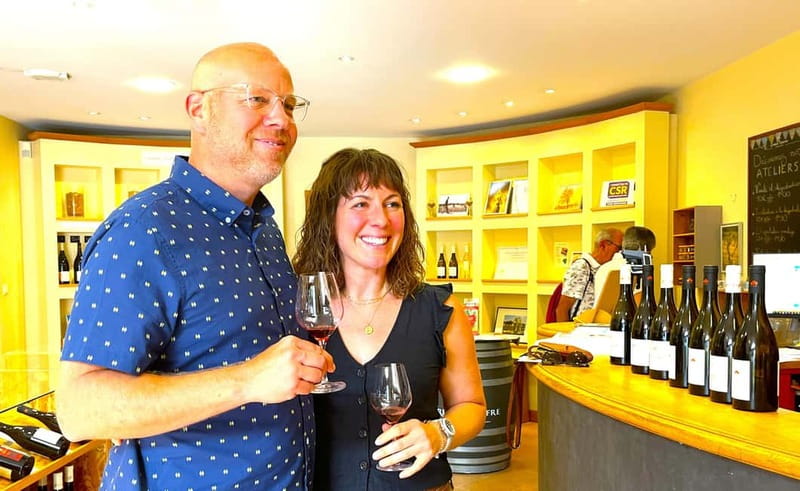
- Three famous appellations in one day: Taste Muscat in Beaumes-de-Venise, red wines from Gigondas, and the celebrated wines of Châteauneuf-du-Pape.
- At least nine wines: Each of the three winery visits includes a minimum of three wines.
- A genuinely local picnic: The morning tour from April through October includes goat cheese, tapenade, eggs, seasonal fruit, grape juice, and other fresh products.
- A six-person maximum: The small group makes it easier to ask questions and spend time with the guide.
- A guide with local connections: Arnaud knows the wineries and their proprietors, which helps create a more personal welcome.
- Seasonal choices: The full picnic tour runs from April to October, while afternoon and winter departures offer different schedules.
What you are really paying for at $93
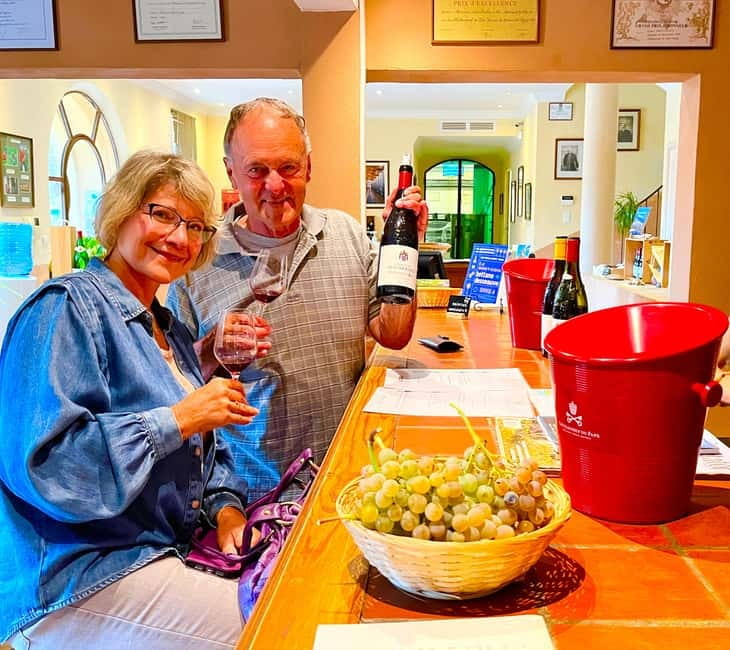
At $93, this is not simply a ride between tasting rooms. Your fee covers transport from central Avignon, a bilingual guide, at least nine tastings, three winery visits during the main April to October schedule, and the picnic on the morning departure.
The value comes from the access and the teaching. Arnaud explains how the Dentelles de Montmirail affect the two nearby appellations, how the Mistral shapes the vines, and why the large stones of Châteauneuf-du-Pape matter. He also knows the people pouring the wine, so the visits feel less like a quick commercial stop and more like an introduction to working wine estates.
You may buy bottles at the wineries, but purchases are not included and there is no pressure to buy. That matters. You can focus on tasting and learning instead of feeling obliged to fill the car with cases.
The price is especially fair for anyone who would otherwise need a rental car and a designated driver. You get a safe ride through the countryside and can taste freely. The tradeoff is that the tour is not designed for a private vehicle or a slow, all-day winery visit. It is a tightly planned outing with enough time at each stop to taste and ask questions.
A few more wine tours around Avignon worth a look
- Chateauneuf du Pape wine tour
★ 5.0 · 484 reviews - From Avignon: Châteauneuf du Pape Half-Day Wine Tour
★ 4.7 · 365 reviews - Provence Cru Wine Small-Group Half-Day Tour from Avignon
★ 4.5 · 290 reviews
The morning route from Avignon to three appellations
The main seasonal departure leaves Hôtel Le Bristol in Avignon at 9:30 a.m. and returns at around 3:30 p.m. You meet the guide in front of the hotel and look for a black car marked Ventourisme.
The route usually visits Beaumes-de-Venise first, followed by Gigondas and Châteauneuf-du-Pape. This order gives the day a clear progression, beginning with a sweet specialty, moving into structured reds, and ending in the most famous name of the three.
You spend about 45 minutes tasting in Beaumes-de-Venise, an hour in Gigondas, about an hour for the picnic, and another hour tasting in Châteauneuf-du-Pape. Drive time is filled with commentary about the villages, vines, mountains, and soil.
The timing can stretch a little when the group has questions. That is usually a benefit, but you should not expect the day to run like a train timetable.
Beaumes-de-Venise and the appeal of Muscat
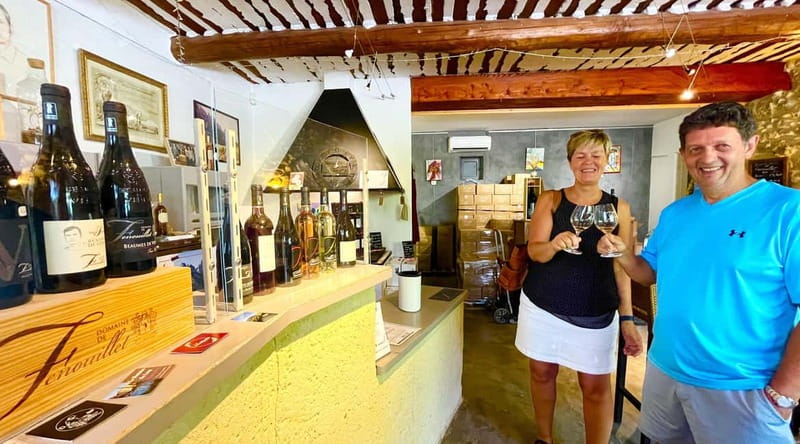
Beaumes-de-Venise sits on the southern side of the Dentelles de Montmirail, a set of three pointed mountain ranges. The mountains protect this area from some of the wind and help create a warmer setting than nearby wine zones.
The appellation is best known for Muscat de Beaumes-de-Venise, a naturally sweet wine that has held AOC status since 1943. You can drink it as an aperitif, with dessert, alongside blue cheese, or with charcuterie. The tasting helps you see how one grape and one place can produce a style very different from the dry reds that dominate the Southern Rhône.
The area also produces red wine under a separate AOC created in 2005. Winemakers may include up to 10 percent white grapes in the blend. The soils vary between limestone, sandstone, sand, and clay, giving the guide plenty to point out as you drive and walk around the estate.
This can be one of the most memorable stops because it breaks up the usual red-wine tour. You may also encounter a producer working with organic methods, though the exact winery depends on the day. Allow yourself to taste slowly here. The sweet wine is not an afterthought, and it makes a useful comparison with the dry wines later.
Gigondas, the windy home of Rhône reds
Gigondas lies on the northern side of the Dentelles de Montmirail. It is higher and windier than Beaumes-de-Venise, with vineyards ranging from about 100 to 600 meters above sea level.
The Mistral can blow for roughly 150 days each year. It is cold, but it clears clouds and dries the vines after damp weather, helping winemakers manage disease. That small piece of information makes the drive more meaningful. You begin to connect the weather you feel with the wine in your glass.
Gigondas is known mainly for red wines, with rosé also permitted under the appellation rules since 1971. White wine is a newer addition, joining the AOC in 2023. The local soils include sandy marl, along with clay, sand, limestone, and sandstone.
The tasting usually lasts about an hour. This is a good place to pay attention to texture and structure, not just whether you like a particular bottle. One person on the tour enjoyed the other two appellations more than the Gigondas wines, but found the tasting useful as an introduction to unfamiliar flavor profiles. That is a fair way to approach the stop. You do not need to love every wine for the comparison to be valuable.
Same region, a very different glass:
- Châteauneuf du Pape Wine Day Tasting Tour including Lunch from Avignon
★ 5.0 · 287 reviews - Afternoon Wine Tour to Chateauneuf du Pape from Avignon
★ 4.5 · 176 reviews - Wines from Châteauneuf-du-Pape and surrounding areas in 1/2 day
★ 5.0 · 96 reviews - Avignon: Historic District Guided Food & Wine Walking Tour
★ 4.8 · 84 reviews
The picnic is a local snack, not a restaurant lunch
On the April to October morning tour, the picnic takes place around Gigondas and lasts about an hour. It is built from fresh local products rather than a prepared restaurant meal.
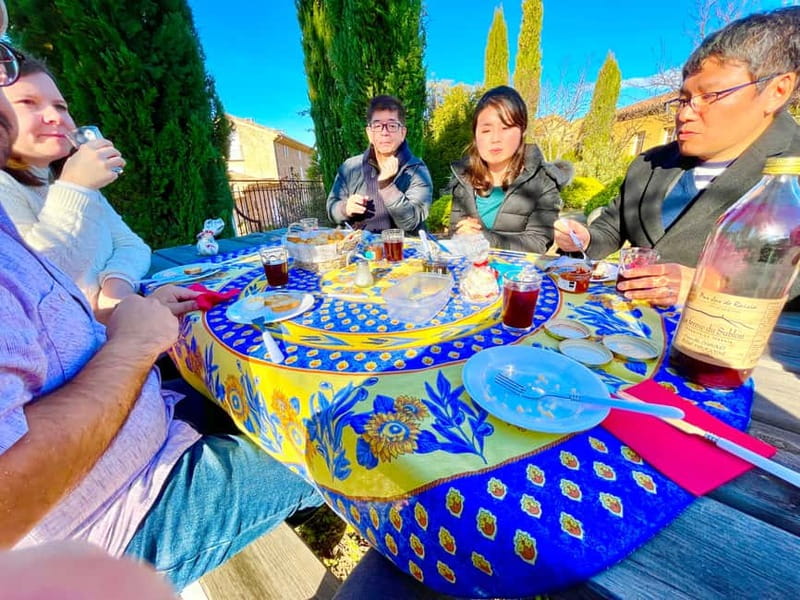
The spread can include boiled eggs, bread, black olive tapenade, sweet pepper tapenade, fresh goat cheese, anchovies, seasonal fruit, grape juice, and fruit juice. Some of the food comes from the guide’s village, and some may come from his own garden. One especially nice touch is the chance to taste Muscat grapes in fresh, juice, and wine forms during the same day.
Think of this as a generous regional snack or light brunch. It is enough to make the tastings more comfortable, but it is not a full multi-course lunch. If you need a large midday meal, plan around that limitation.
The setting adds much of the pleasure. You eat near the vines, with the Dentelles and surrounding countryside nearby. It is a simple pause that gives the day breathing room and shows how local food fits naturally with local wine.
Châteauneuf-du-Pape brings the famous name
The final main stop is Châteauneuf-du-Pape, the best-known of the three appellations. It was one of France’s first AOCs, established in 1936, and its wines are now sold around the world.
Red wine accounts for about 92 percent of production, while white wine makes up roughly 8 percent. The most recognizable feature of the soil is the large river stones, called galets roulés. Clay, sand, sandstone, and limestone also appear in the area.
Those stones help explain why the wines can be powerful and concentrated. They absorb heat during the day and release it later, adding to the warm growing conditions. Many Châteauneuf-du-Pape wines can age for 20 to 30 years in a cellar, although the bottles poured during your tasting may be young and intended for drinking sooner.
You get about an hour here. The guide may also take you to the castle ruins in the village if your group shows interest and time allows. That stop is not presented as a guaranteed part of the schedule, so treat it as a possible bonus rather than a promise.
The quality of the tasting can vary by winery. One tasting included young wines that did not impress as much as the selections at the earlier estate. That is worth knowing before you book. The visit still gives you useful context, but the most famous appellation does not automatically guarantee the best pour of the day.
Arnaud makes the drive part of the experience
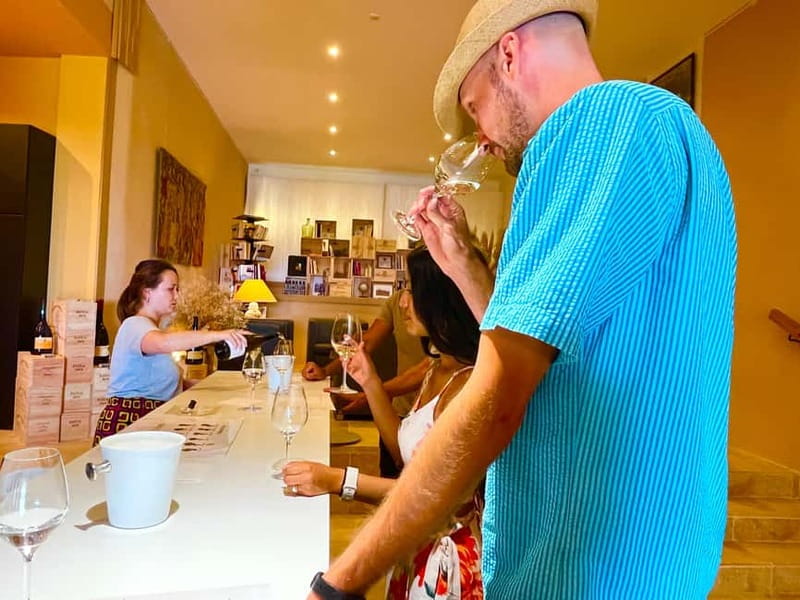
Arnaud is repeatedly praised for his friendly manner, clear English, French-language ability, and strong grasp of the region. He explains the soils, climate, wine styles, and local history while driving, so the time between estates does not feel wasted.
His best quality may be his pace. He is willing to answer questions, help with French pronunciation, and adjust the outing when the group is interested in something extra. He also has good relationships with the winery staff, which can make the welcome feel more personal.
The tour is offered in English and French. If your group includes both languages, he can move between them. That is useful for couples or friends traveling with people who prefer different languages.
There is also a practical benefit to having an informed driver. You can taste nine or more wines without worrying about navigating narrow roads or choosing a designated driver. The car ride is described as smooth and safe, though space may feel tight when all six seats are occupied.
How the seasonal schedules differ
The exact experience depends on the month and time of day.
From April through October, the morning tour leaves at 9:30 a.m. and runs until roughly 3:30 p.m. It includes at least nine wines in Beaumes-de-Venise, Gigondas, and Châteauneuf-du-Pape, plus the local picnic.
The afternoon option runs all year, from about 2 p.m. to 6:30 p.m. It visits the same three areas in reverse order, beginning with Châteauneuf-du-Pape and ending in Beaumes-de-Venise. No meal is included, so eat before departure or arrange food afterward.
From November through March, the morning tour runs from about 9:30 a.m. to 12:30 p.m. It visits two estates, one in Gigondas or Beaumes-de-Venise and another in Châteauneuf-du-Pape. There is no picnic in winter.
This seasonal setup is sensible. Vineyard visits are shorter in winter, and the longer spring-to-autumn outing makes better use of the warmer months. Check the available date carefully so you know if you are booking the full three-winery route or the shorter winter version.
Who will enjoy this tour most
I would choose this experience if you are staying in Avignon and want a practical introduction to Southern Rhône wine without renting a car. It suits curious beginners because Arnaud explains the basics without making the tasting feel like a lecture.
It also works well for wine drinkers who already know a little about the region and want to compare appellations in one day. The contrast between sweet Muscat, Gigondas reds, and Châteauneuf-du-Pape is the real lesson.
The small group is a strong fit for solo visitors, couples, and friends who enjoy conversation. A maximum of six people makes it easier to ask about grape varieties, soil, aging, and food pairings.
I would hesitate if you need a large vehicle, dislike car rides, or want a long, leisurely visit at each estate. You should also note the stated restrictions: large bags, oversize luggage, walking frames, pregnancy, and certain heart conditions are not suited to this activity. Weather can also cause cancellation.
Should you book this Avignon wine tour?
Book it if you want three Southern Rhône appellations, a local guide, and safe transport in one compact outing. The morning route from April to October offers the best value because it adds the picnic and gives you the fullest schedule.
For the best experience, wear comfortable clothes, avoid bringing luggage, and arrive ready to taste wines that vary in style and quality. Do not judge the whole day by one bottle or one estate. The pleasure is in seeing how Beaumes-de-Venise, Gigondas, and Châteauneuf-du-Pape differ.
At $93, this is a strong choice for an accessible, personal introduction to the vineyards around Avignon. Choose the morning departure in warmer months if the picnic matters to you. Choose the afternoon route if you prefer a shorter-feeling schedule and do not need lunch included.
FAQ
Where does the tour begin and end?
It begins and ends in front of Hôtel Le Bristol in Avignon.
How do I identify the tour vehicle?
Look for a black car with Ventourisme written on the sides.
How many people can join the tour?
The group is limited to six participants.
Which languages are available?
The tour is offered in French and English.
How many wines are included?
The main three-winery tour includes at least three wines at each estate, for a minimum of nine wines.
Are all three wineries visited year-round?
No. From November through March, the morning tour visits two estates. The three-estate route operates from April through October in the morning and all year in the afternoon.
Is food included?
A local picnic is included only on the morning tour from April through October. The afternoon tour and the winter morning tour do not include a meal.
What food might be served at the picnic?
The picnic may include fresh products such as eggs, bread, black olive tapenade, sweet pepper tapenade, goat cheese, seasonal fruit, and fruit juice.
Can I bring luggage?
No. Oversize luggage, large bags, and walking frames are not allowed in the car.
Can the tour be canceled because of weather?
Yes. The tour may be canceled because of weather conditions. Free cancellation is available up to 24 hours in advance for a full refund.
Newly added around Avignon
- Morning Wine Tour to Chateauneuf du Pape from Avignon★ 4.5 · 70 reviews
- Wines from Châteauneuf-du-Pape and surrounding areas in 1/2 day★ 5.0 · 96 reviews
- Wine Tasting Tour at Châteauneuf du Pape★ 5.0 · 36 reviews
- Afternoon Wine Tour to Chateauneuf du Pape from Avignon★ 4.5 · 176 reviews
- Roman Heritage & Wine Legacy★ 5.0 · 40 reviews
- Avignon: Full-Day Wine Tour around Châteauneuf-du-Pape★ 4.9 · 83 reviews
- Avignon: Full-Day Châteauneuf du Pape Wines & Luberon Tour★ 4.8 · 42 reviews
- Avignon: Historic District Guided Food & Wine Walking Tour★ 4.8 · 84 reviews
Avignon Wine Tours, compared.
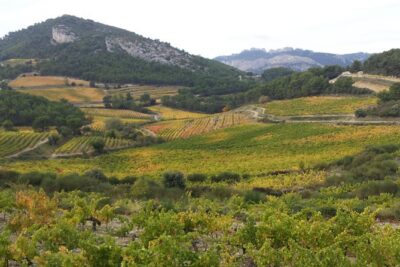
Provence Cru Wine Small-Group Half-Day Tour from Avignon
Read our review →
Châteauneuf du Pape Wine Day Tasting Tour including Lunch from Avignon
Read our review →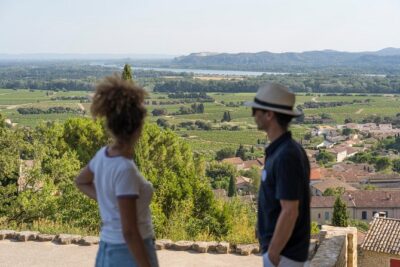
Afternoon Wine Tour to Chateauneuf du Pape from Avignon
Read our review →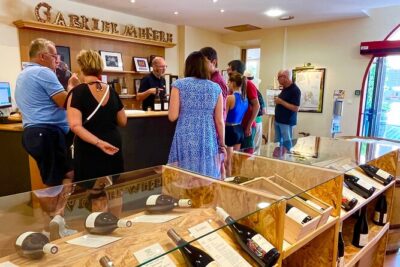
Wines from Châteauneuf-du-Pape and surrounding areas in 1/2 day
Read our review →
Historic District Guided Food & Wine Walking Tour
Read our review →
Browse the lists this tour appears in