
REVIEW · RIOJA & RIBERA WINE TOURS
From Madrid: Ribera del Duero Tour of 3 Wineries w/ Tastings
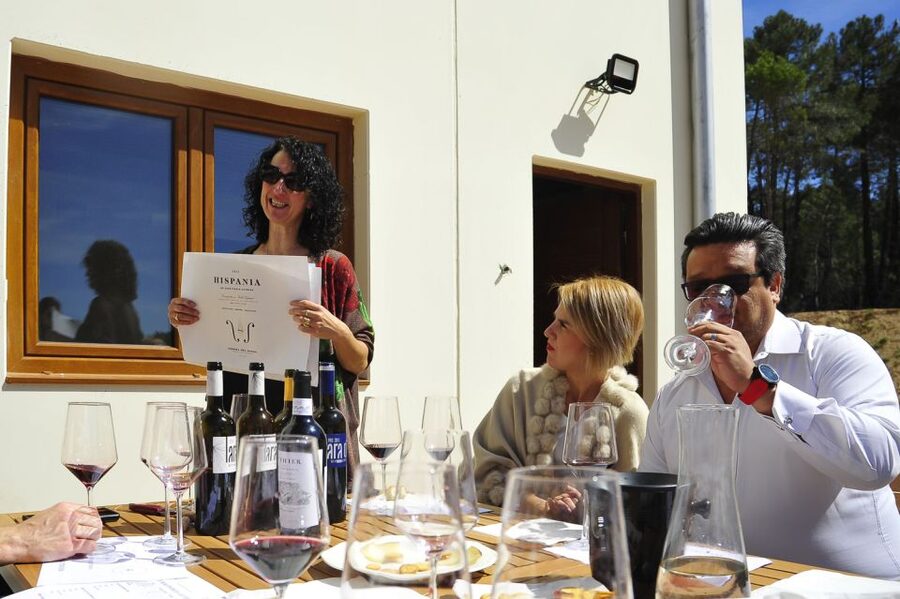
Wine country is worth the long day. This trip gives you three sharply different wineries, from modern design to a 16th-century cellar, and I like that you taste at least eight Ribera del Duero wines rather than rushing through one estate. I also like the personal touch: guides such as Ismael and Muna have been praised for explaining the region clearly in both Spanish and English. The catch is the length. With roughly four hours on the road and three winery visits, this is a full 10 to 11-hour outing.
You leave Madrid at 9:15 AM from Plaza del Conde de Casal and return at about 8 PM. At $218 per person, it is not a bargain basement wine trip, but the price covers transport, a bilingual guide, three winery tours, tastings, and snacks. You still pay for lunch, and past bus comfort has not always been perfect, so go in knowing that the experience is about depth and variety, not speed.
Five things to know before you book
- Three wineries, three personalities: Expect a modern boutique producer, a winery shaped around nature and technology, and a traditional estate with medieval underground tunnels.
- At least eight wines: Each stop includes tastings and local appetizers, giving you a broad introduction to Ribera del Duero styles.
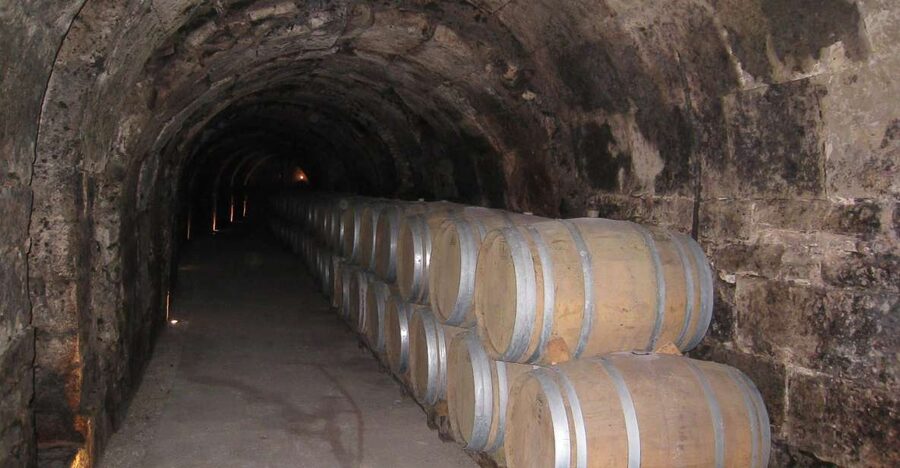
- The historic cellar is the finale: One winery has tunnels from the 16th century, excavated about 13 meters underground and extending roughly 7 kilometers.
- Lunch is separate: You get at least an hour of free time, with tapas costing about €12 to €15 and a full three-course meal around €30.
- Small groups help: The maximum is 20 people, but the average group is about eight. The minimum is four.
- Adults only for the wine: Children under 12 cannot join, and tastings are limited to people aged 18 and over.
Why Ribera del Duero makes a good Madrid day trip
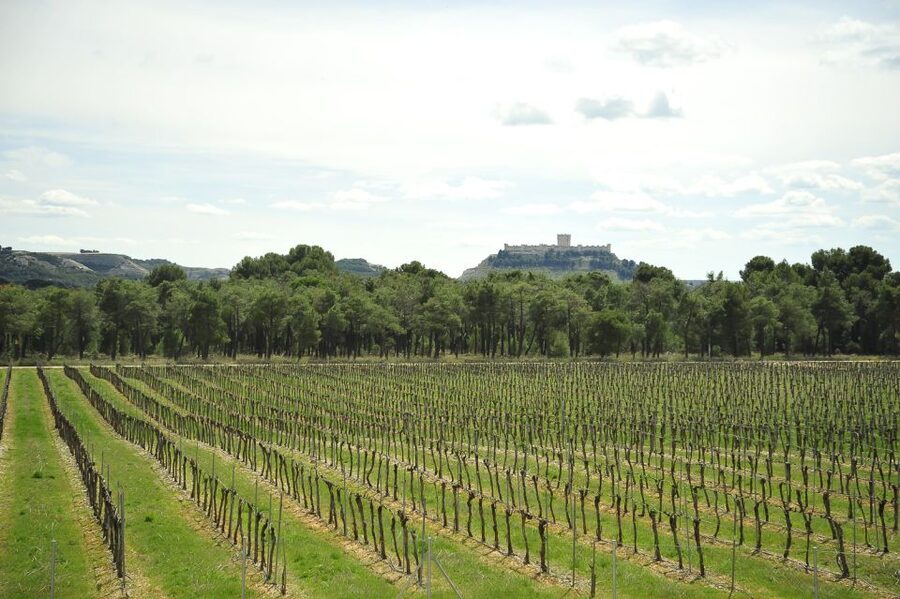
Ribera del Duero sits about two hours north of Madrid by road. The Duero River runs through the region and continues into Portugal, where it also plays a major role in wine production. That shared river connection helps explain why this is not simply another Spanish vineyard stop.
The area is known for red wines under the Ribera del Duero Denomination of Origin. The trip gives you a useful contrast with the Rioja bottles you may already know from Spanish restaurants. Instead of focusing on a single famous label, you see how different producers interpret the same broad region.
The drive is part of the experience. Your guide explains the wine area, the river, and local traditions as you leave the capital behind. This matters because the wineries are not just tasting rooms dropped into the countryside. They reflect a region where older family methods now sit beside new buildings, updated equipment, and careful temperature control.
You should also set your expectations correctly. This is not a slow rural retreat with hours to wander alone among the vines. It is a planned day with three guided visits, set tasting times, and a fixed return to Madrid. If you enjoy learning as you go, that structure works well. If you prefer to linger over one glass for an afternoon, it may feel busy.
More Winery Tours in Madrid
- Madrid Countryside Wineries Guided Tour with Wine Tasting
★ 5.0 · 740 reviews - Ribera del Duero Wineries Guided Tour & Wine Tasting from Madrid
★ 5.0 · 328 reviews - From Madrid: Toledo Guided Tour & Winery Visit with Tasting
★ 4.8 · 313 reviews
The first winery: modern craft and careful presentation
The first stop lasts about 75 minutes and includes a guided visit, wine tasting, and local snacks. The exact winery can vary, but the program is designed to begin with a boutique producer known for avant-garde architecture and close attention to production conditions.
This is the stop for seeing how Ribera del Duero presents itself to the modern wine world. The building is part of the story. Design, technology, and the care given to each stage of production show how a relatively young wine region has built an international reputation.
The producer selected for this style has received strong recent recognition. In 2025, six of its wines were rated above 95 points on the Tim Atkin scale, and one founder was named Winemaker of the Year. That does not tell you whether every bottle will suit your taste, but it does explain why this visit can feel more polished than a simple family cellar tour.
Your guide helps connect the architecture to the wine. Rather than just handing you a glass, the visit explains how the winery seeks consistent conditions for high-quality production. Local snacks give you something to eat while tasting, but they are not a substitute for lunch.
I would pay attention to the differences between the wines here. At least eight wines are served across the day, so the value comes partly from comparison. Notice how fruit, oak, acidity, and texture change from one producer to the next. You do not need advanced wine knowledge to enjoy this. A good guide, such as Ismael or Muna, can make the technical points easy to follow.
The second winery: architecture meeting the vineyards
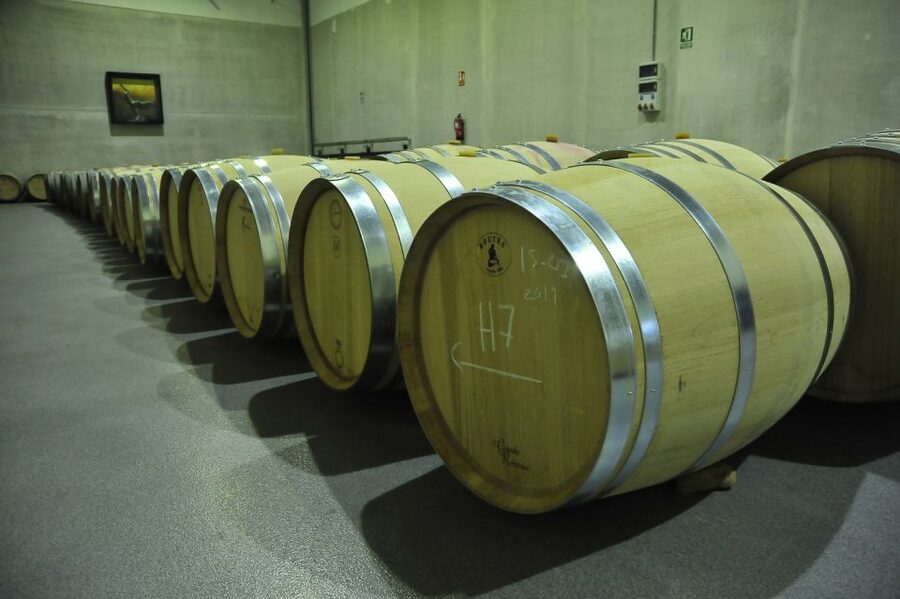
The second 75-minute visit shifts the mood. Here, the focus is on spaces that connect with the vineyards, with modern structures placed in close contact with nature and the surrounding area.
The point is not simply to see another attractive building. You get a second way of thinking about wine production. The first stop emphasizes boutique precision and international recognition. The second shows how function, setting, and older traditions can work together.
That contrast is one of the strongest parts of the day. You are not visiting three versions of the same cellar. You can compare a small, design-led producer with a winery using larger or more modern facilities. One past visitor described the range as an artisan producer, a large operation with serious resources, and a village-style cellar using older methods alongside modern production. That is a useful way to understand what the itinerary is trying to achieve.
Again, plan on wine, snacks, and a full facility tour. Your guide remains with the group and adds context while the winery staff explains its own work. The guide’s role matters here, especially if the tour runs in Spanish and English at the same time. Ismael has been singled out for translating and making sure English-speaking participants do not miss the key points.
The main limitation is time. Seventy-five minutes passes quickly once you include the introduction, cellar visit, tasting, and questions. You will see the operation and sample its wines, but you should not expect a long private conversation with every winemaker.
Lunch in the Ribera del Duero: plan your budget
After the first two wineries, you get at least one hour of free time for lunch. This meal is not included, which is worth building into the true cost of the day.
Your guide recommends places in the area, where you can choose among tapas, a lighter meal, or a full Castilian lunch. The stated guide is about €12 to €15 for tapas and approximately €30 for a three-course meal. I would decide early what sort of lunch fits you best. A quick meal keeps the day moving, while a longer sit-down meal may make the final winery feel more rushed.
Food quality can be uneven, so do not assume the lunch is a highlight simply because it is in wine country. One past experience found the food disappointing, while another described the lunch as lovely. That difference suggests you should listen to your guide’s current recommendation rather than choose at random.
This break is still useful. After two tastings and a long morning, you need real food and a chance to reset. The hour also gives you a little breathing room in a schedule that otherwise runs from one appointment to the next.
More Winery Tours in Spain
- Madrid Region Wineries Guided Tour with Wine Tastings
★ 4.9 · 222 reviews - Ribera del Duero:4 Wineries, tasting & Lunch included from Madrid
★ 5.0 · 199 reviews - Madrid: Toledo Day Trip with Winery Visit and Wine Tasting
★ 4.4 · 177 reviews - From Madrid: Alcalá de Henares, Winery Tour & Wine Tasting
★ 4.4 · 63 reviews
The third winery: 400 years of tradition underground
The final winery is the day’s most distinctive stop. Its winemaking tradition goes back about 400 years, before the Ribera del Duero Denomination of Origin formally existed. It is also one of the area’s early forerunners.
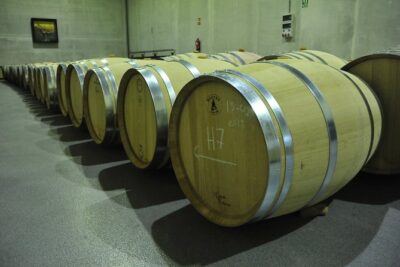
The main attraction is a medieval underground cellar dating to the 16th century. The tunnels were excavated in rock to a depth of about 13 meters and extend roughly 7 kilometers. They are still in use, which makes the visit more than a museum display. You see a working connection between old cellar practice and present-day wine production.
This is where the tour becomes especially memorable for many people. The cellar offers a sense of place that a new building cannot reproduce. You can see how the underground setting shaped storage and winemaking long before modern climate systems were available.
The visit lasts about 75 minutes and ends with another tasting and local appetizers. It is a fitting final stop because it gives the day a clear arc: new architecture first, a different modern approach second, and a centuries-old cellar last.
The tunnels may not suit everyone. Anyone uncomfortable in underground spaces should consider that before booking. The tour is also not suitable for wheelchair users, and the long day involves repeated movement through winery facilities.
Guides, group size, and the feel of the day
The tour uses a bilingual Spanish-English guide, and the language arrangement can vary. Spanish and English may be spoken at the same time, so this is not always a separate English-only group.
That sounds like a small detail, but it can shape the experience. A strong guide keeps both languages moving without making one group feel forgotten. Ismael has been praised for doing this with a multicultural group, while Muna was noted for making the drive interesting and explaining the region. Antonio, Raul, Kike, and Jorge have also been praised for their wine and regional knowledge at different times.
The group maximum is 20, but the average is about eight. That average is a good size for asking questions without feeling like you are part of a huge coach excursion. The minimum group size is four, so the departure depends on enough people booking.
The vehicle takes you to and from Madrid, and the trip takes about two hours each way. One past participant found the bus comfortable, while another reported problems with the public address system, air conditioning, and seat vents. Conditions can change, but you should bring a light layer and avoid expecting luxury transport.
The guide’s energy also matters. Most of the praise has focused on guides who explain wine with warmth rather than showing off. One less enthusiastic experience felt the guide lacked interest and seemed to be working for the company from outside. That is a reminder that the personality leading your particular departure can affect the day.
Is $218 a fair price?
At $218, this is one of the more expensive group wine excursions from Madrid. The value depends on what you want included.
You are paying for a full day of transport, three winery visits, at least eight tastings, local appetizers at every stop, and a bilingual guide. Booking three separate winery visits on your own would require arranging transport across the region, managing timing, and finding places that accept individual visitors. For someone without a car, that convenience has real value.
The price feels stronger if you care about variety. You are not paying for three near-identical tastings. The itinerary covers a modern boutique operation, a winery linked closely to its setting, and a historic underground cellar.
The calculation is less favorable if you mainly want to drink wine in a relaxed setting. Lunch costs extra, the drive is long, and the schedule may feel packed. You also need to pay attention to how much you drink. Tastings at three wineries can add up, even with snacks and food at midday.
Free cancellation up to 24 hours before departure and the option to reserve now and pay later make the booking less rigid. These are practical advantages, but they do not change the basic question: are three contrasting winery visits worth most of a day outside Madrid? For wine lovers, the answer is likely yes. For casual drinkers, two wineries might be enough.
Who should book this Ribera del Duero tour?
I would recommend it to adults who want a guided introduction to one of Spain’s major wine areas without renting a car. It suits solo visitors particularly well because the group setting makes it easy to meet other people, and the small average group keeps the day personal.
It is also a good choice for couples and friends who value context. You learn how the region developed, see both old and new methods, and taste wines with local food instead of simply stopping for a bottle and a photo.
You should think twice if you dislike long day trips, need wheelchair access, or want plenty of unplanned time. Children under 12 cannot participate, and the minimum age for tastings is 18. The tour is considered safe for solo women, and the organized transport removes the need to drive after tasting.
Wear practical shoes and keep your schedule light after returning to Madrid. You will be away from the city for most of the day, and traffic can affect the return time.
Should you book it?
Book this tour if you want the full Ribera del Duero picture: modern design, family traditions, local snacks, and an underground cellar with centuries of use. The variety of wineries and the quality of guides such as Ismael and Muna are the main reasons the price can make sense.
Skip it if you want a short tasting, a guaranteed gourmet lunch, or a slow day at one estate. The road time is substantial, lunch is extra, and the schedule leaves little room for wandering.
For an adult wine enthusiast visiting Madrid, I think the historic cellar and three-way comparison justify the long outing. Just treat it as a serious day trip, not a quick side excursion.
FAQ
How long does the Ribera del Duero tour take?
The tour lasts about 10 to 11 hours, with a stated duration of 11 hours. Traffic can affect the timing, and the return to Madrid is expected at around 8 PM.
Where does the tour leave from?
It leaves from the front door of the cafeteria at Hotel Claridge, at Plaza del Conde de Casal, 6, Madrid. The closest Metro station is Conde de Casal on Line 6.
What time does the tour depart?
Departure from Madrid is scheduled for 9:15 AM.
How many wineries do you visit?
You visit three family-owned wineries in the Ribera del Duero region. Each includes a guided visit, wine tasting, and local appetizers.
How many wines are included?
You taste at least eight wines carrying the Ribera del Duero Denomination of Origin across the three wineries.
Is lunch included?
No. You receive at least one hour of free time for lunch, but you pay for the meal yourself. Tapas generally cost about €12 to €15, while a full three-course meal is approximately €30.
Is the tour available in English?
Yes. A bilingual guide leads the tour in Spanish and English. Both languages may be used at the same time if needed.
Can children join the tour?
Children under 12 cannot take part. The minimum age for wine tastings is 18.
Is the tour accessible to wheelchair users?
No. The tour is not suitable for wheelchair users. It is also not suitable for pets or people who are intoxicated.
More Rioja and Ribera Wine Tours in Madrid
- Rioja Like A Native Wine Tour
★ 5.0 · 385 reviews - Semi-Private Rioja Tour of 3 Premium Wineries from Bilbao
★ 5.0 · 128 reviews - Architectural Rioja Small Group Wine Tour with Lunch from Bilbao
★ 5.0 · 128 reviews - From Bilbao: La Rioja Wineries Day Trip with Wine Tastings
★ 4.6 · 118 reviews
Newly added around Madrid
- Madrid: Toledo Day Trip with Winery Visit and Wine Tasting★ 4.4 · 177 reviews
- Madrid: Iberico Ham and Spanish Wine Small-Group Food Tour★ 4.9 · 49 reviews
- Madrid: Tapas & Wine Tour with Visit to a Rooftop★ 4.7 · 256 reviews
- Madrid: Flamenco Show with Tapas and Wine Tour★ 4.9 · 66 reviews
- Madrid: Los Porches Flamenco Show with Tapas and Wine Ticket★ 4.7 · 84 reviews
- Madrid Region Wineries Guided Tour with Wine Tastings★ 4.9 · 222 reviews
- Madrid: Old Madrid Walking Food and Wine Tour★ 4.9 · 111 reviews
- From Madrid: Toledo Guided Tour & Winery Visit with Tasting★ 4.8 · 313 reviews
Rioja & Ribera Wine Tours, compared.
Ribera del Duero Wineries Guided Tour & Wine Tasting from Madrid
Read our review →
Ribera del Duero:4 Wineries, tasting & Lunch included from Madrid
Read our review →
Architectural Rioja Small Group Wine Tour with Lunch from Bilbao
Read our review →
Semi-Private Rioja Tour of 3 Premium Wineries from Bilbao
Read our review →
La Rioja Boutique Wine Tour & Charming Lunch (From Bilbao)
Read our review →Browse the lists this tour appears in