
REVIEW · WINERY TOURS
La Palma: Bodegas Teneguia Winery Tour with Wine Tasting
Volcanic soil gives this winery its character. At Bodegas Teneguía, you learn how grapes grown around Fuencaliente become Canarian wine, then see the working cellar, oak barrels, cement warehouses from 1945, and bottling area. I like the direct grape-to-bottle story and the chance to enjoy wine beside the vineyards. The main catch is that the advertised one-hour visit can run much longer, especially when one guide repeats everything in English and Spanish.
I also like the price: $17 per person is fair for a guided winery visit and tasting, especially if you want a short, focused stop rather than a full-day wine program. Still, the tasting appears limited to two wines, one white and one red, and a recent visit became uncomfortable because the group was large and there was no chance to sit.
Key points to know before you go
- The cellar includes cement warehouses built in 1945, a rare physical link to the winery’s early working years.
- The tour takes place in Fuencaliente, one of La Palma’s best-known wine-growing municipalities.
- You see the full production chain, from grape harvesting and destalking to pressing, aging, and bottling.
- The tasting focuses on two wines, generally one white and one red, rather than a broad flight.
- English and Spanish are both offered, but bilingual explanations can extend the visit.
- You arrange your own transport, and the tour returns to the same Bodegas Teneguía starting point.
Why Bodegas Teneguía is worth a stop
Bodegas Teneguía is one of the Canary Islands’ better-known wineries, with more than seventy years of wine production behind it. The winery is in Fuencaliente, a municipality closely linked with viticulture, so this is not simply a tasting room placed beside a tourist route. The setting gives the visit a clear sense of place.
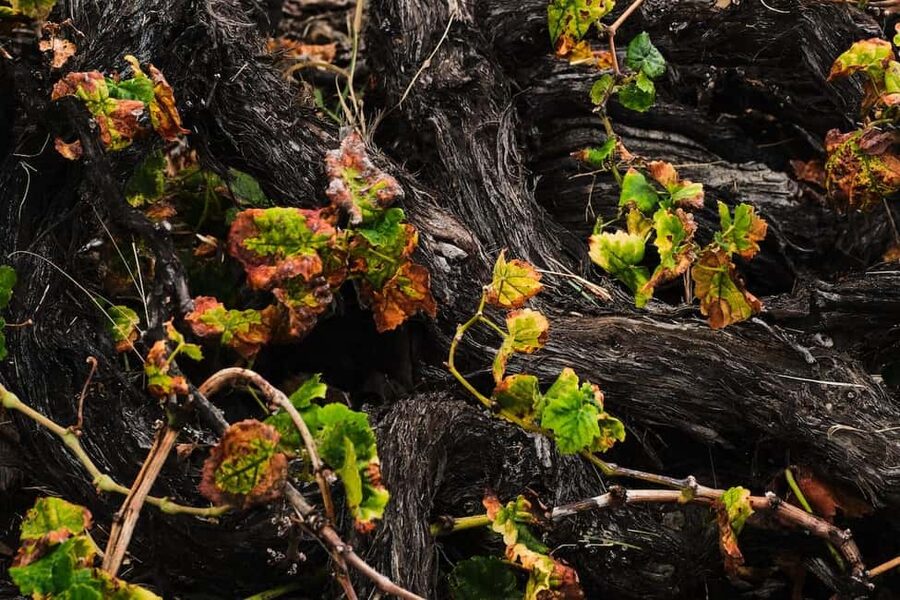
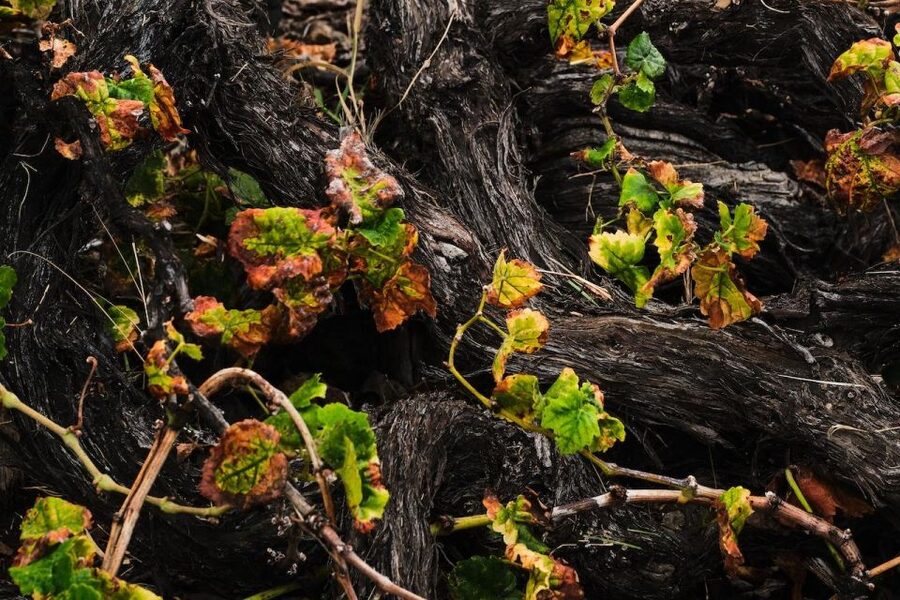
The key subject is volcanic soil. La Palma’s vineyards grow in ground shaped by volcanic activity, and the tour explains how that soil affects vine cultivation and wine production. You will not just hold a glass and hear a sales pitch. You follow the working steps that turn grapes into red wine and other bottled products.
I find that useful because wine tours can sometimes stay at the level of pleasant scenery and polished labels. Here, the focus is more practical: how grapes are harvested, what raw materials go into the wine, and how the winery handles the fruit after it arrives.
The visit is especially appealing if you are already exploring southern La Palma. You get a local agricultural experience, a look at traditional winery buildings, and a tasting without committing half a day or paying for a large food-and-wine package.
More Wine Tastings in Spain
- Montserrat & Cogwheel Train, Gourmet Wine Tasting & Tapas/Lunch
★ 5.0 · 6,290 reviews - Madrid Tapas & Wine Tasting Walking Tour – Small Group Local Bars
★ 5.0 · 3,644 reviews - Toledo Tour & Vineyard Walk with Wine Tasting from Madrid
★ 5.0 · 2,546 reviews
Starting in the reception hall
The tour begins in the winery’s reception hall. This is where the guide introduces the production process and explains what happens before the grape juice reaches a barrel or bottle.
You learn about harvesting and the raw materials used in winemaking. The guide also explains how the grapes are destalked and pressed. These are basic steps, but seeing where they fit in the larger process helps you understand why the winery is organized the way it is.
The bilingual format is practical for mixed groups. English and Spanish are both available, which makes the tour accessible to more people. The trade-off is time. One recent visit lasted about two hours because the same information was delivered in both languages. If your schedule depends on the advertised one-hour duration, allow extra time.
This is also where group size matters. A recent group was estimated at about 30 people. A large group can make a cellar visit feel less personal, and it may be harder to hear or ask questions. If you prefer a quiet, detailed tasting with plenty of conversation, keep that limitation in mind.
From grape harvesting to pressing
The production explanation is the heart of the experience. You hear how the grapes are collected and then prepared for winemaking, including destalking and pressing.
Destalking removes the stems before the grapes continue through production. Pressing then extracts the juice. These steps may sound technical, but they give you a better sense of the labor involved in making wine. The tour presents wine as an agricultural product first, not just something poured at the end of a meal.
The information is particularly useful if you are new to wine. You can connect the vineyard views outside with the machinery and cellar work inside. For experienced wine drinkers, the visit may feel introductory, since the provided details suggest a general production tour rather than a specialist workshop.
The tour also explains the route from raw grape to finished bottle. That makes the visit easy to follow, even if you know little about wine. You are not expected to arrive with technical knowledge.
The 1945 cement warehouses and aging rooms
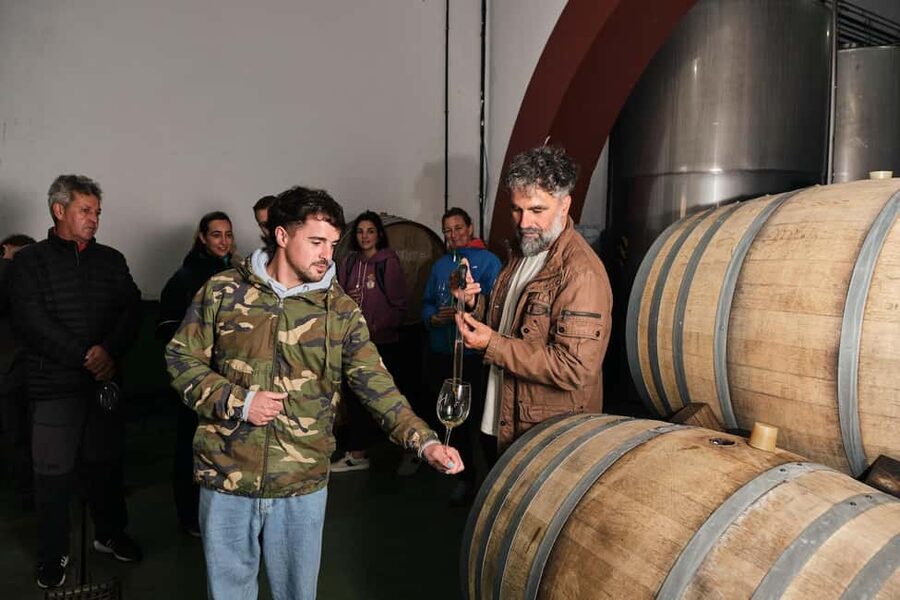
Next comes the aging area. Authentic oak barrels line the room, showing where wine is kept after fermentation. This is one of the more atmospheric parts of the visit, and it gives you a chance to see the traditional side of the operation.
The cellar also contains cement warehouses built in 1945. These structures are a memorable feature because they are part of the winery’s working fabric, not a modern decoration added for display. Their age helps you picture how wine production was organized decades ago.
The aging room may be the best stop for anyone interested in the physical side of wine. You see the barrels, the storage areas, and the space where the wine rests before bottling. At the same time, keep your expectations sensible. This is a short guided tour, not an extended cellar examination with a technical lecture on barrel types, fermentation temperatures, or individual vintages.
One practical issue is seating. A recent visit involved standing for the full duration, which became tiring when the tour extended to around two hours. Wear comfortable shoes and clothing, as requested, and do not assume there will be a chair during the cellar walk.
More Winery Tours in Spain
- Barcelona: Montserrat, Cogwheel, Black Madonna & Winery Tour
★ 4.8 · 5,633 reviews - Montserrat with Black Madonna & Medieval Winery with Tapas/Lunch
★ 5.0 · 5,209 reviews - Montserrat Full Day Tour with Farmhouse Lunch and Winery Visit
★ 5.0 · 1,068 reviews - Montserrat & Winery Visit Tour with Traditional Farmhouse Lunch
★ 4.5 · 1,035 reviews
The bottling area and final tasting
The tour ends in the bottling area, where you see the last stage before the wine reaches the sales point. This completes the production chain in a logical way: grapes are harvested, prepared, fermented, aged, and bottled.
After the tour, you taste the winery’s wine. The tasting is described as a chance to sample the best-quality wine produced by the winery, but the practical tasting selection appears modest. One recent visit included two wines, one white and one red.
That is enough to give you a basic comparison, but it is not a large tasting flight. If you have visited wineries with five or six pours, this experience may feel restrained. A bottle purchase can make the tasting more worthwhile, especially if you want to take home something connected to your time in La Palma.
The winery has a point of sale where you can buy wines tasted during the visit. This is convenient, though the tour does not include additional drinks or a meal. Think of the tasting as the closing sample, not as a full food pairing.
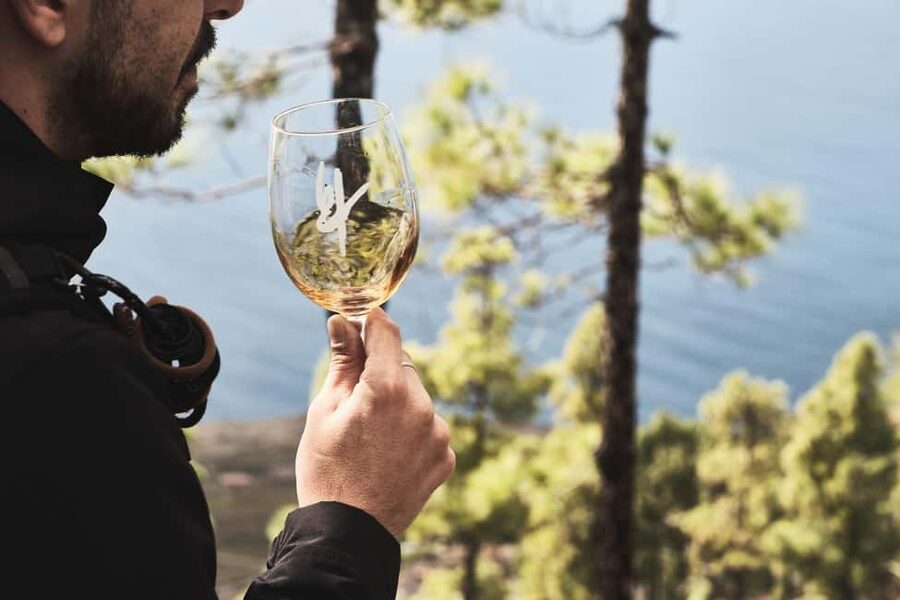
The setting adds something to the final pour. One highlight is enjoying a glass while looking toward the vineyards. That small pause gives the visit a pleasant finish and connects the wine in your glass with the land where the grapes were grown.
Is $17 good value?
At $17 per person, I consider the tour good value if you want a short introduction to La Palma’s wine culture. The price includes the guided visit, a bilingual English and Spanish guide, the wine tasting, and the chance to buy bottles afterward.
The value depends on what you want from a winery visit. For a simple tour with production information and two tastings, the price is reasonable. You are paying for access to the cellar and an explanation of the process, not an elaborate meal or a private tasting.
The price feels less attractive if the visit runs close to two hours without adding more wine or seating. A long bilingual presentation can be worthwhile if you enjoy detailed explanations, but it can also feel repetitive if you understand only one of the two languages.
I would treat the tour as a good-value add-on to a day in Fuencaliente, not as the only reason to build an entire day around the winery. Since transportation is not included, calculate the cost of getting there before deciding. The starting and ending point is Llanovid S. C. L. Bodegas Teneguía.
Timing, transport, and practical planning
The stated duration is one hour, with starting times depending on availability. In practice, allow more time. A recent visit took about two hours because of bilingual explanations and a large group.
You need to arrange transportation to and from the winery yourself. The experience begins and ends at Bodegas Teneguía, so it is easy to plan if you already have a car or another way to reach Fuencaliente. The tour does not include transport, meals, or extra drinks.
I would arrive with comfortable shoes. You walk through reception, production areas, aging rooms, and the bottling area, and you may be standing for much of the visit. Comfortable clothing is also recommended.
Check the operating schedule carefully around holidays. One booking in early January ended with a closed winery and no staff present, apparently connected with the Three Kings holiday period. That is a serious planning warning, especially if you are driving an hour for the visit. Confirm the time and opening status before setting out during holiday dates.
Cancellation is flexible: you can cancel up to 24 hours in advance for a full refund. You can also reserve now and pay later, which helps if your La Palma plans are still changing.
Who will enjoy this winery tour?
I would recommend Bodegas Teneguía to anyone curious about how volcanic-island wine is made. It suits first-time winery visitors, couples looking for a quiet stop, and people who want a clear introduction without a full day of tastings.
It is also a good fit for visitors already interested in La Palma’s agriculture and local products. The 1945 cement warehouses and oak aging room give the tour more substance than a simple retail tasting.
You may want to skip it if you dislike standing, large groups, or repeated bilingual commentary. It is also not the right choice if you want a long tasting menu, substantial food, or several small pours. The experience is educational and practical, but the tasting itself is limited.
The tour has received a 4.5 rating from 67 reviews, and the strongest praise centers on value and the guide’s work. One recent five-star booking called it excellent value and praised the guide highly. That matches the tour’s main strength: you get a genuine look at a working winery for a moderate price.
Should you book Bodegas Teneguía?
Book this tour if you want a reasonably priced introduction to Fuencaliente wine, historic cellar spaces, and the route from grape to bottle. The volcanic setting, 1945 cement warehouses, oak barrels, and vineyard views give the visit a clear local identity.
Before booking, make three checks: confirm the winery is open on your date, allow more than one hour, and decide if two wines are enough for your tasting expectations. If those points suit your plans, Bodegas Teneguía is a worthwhile stop. If you want a private-feeling tasting or a broad selection of wines, look for a longer format elsewhere.
FAQ
Where does the Bodegas Teneguía tour begin?
The tour begins at Llanovid S. C. L. Bodegas Teneguía in Fuencaliente and returns to the same location.
How long does the winery tour last?
The stated duration is one hour. A recent visit lasted about two hours because the guide gave the information in both English and Spanish and the group was large.
What languages are available?
The live guide speaks English and Spanish.
What does the tour include?
It includes a guided tour of Bodegas Teneguía, a bilingual guide, a wine tasting, and the opportunity to purchase wines at the winery.
How many wines are included in the tasting?
The tasting is described as featuring the winery’s best-quality wine. A recent visit included two wines, one white and one red.
Is transportation included?
No. You must arrange transportation to and from the winery yourself.
What should I wear or bring?
Wear comfortable shoes and comfortable clothing, since the visit involves walking through the winery and may require standing.
Can I cancel the booking?
Yes. You can cancel up to 24 hours in advance for a full refund. You can also reserve now and pay later.
Newly added around Spain
- Visit La Joya Escondida de la Ribera del Duero Winery★ 5.0 · 43 reviews
- Full day at the winery, visit, tasting, aperitif and lunch★ 4.5 · 60 reviews
- Visit a winery of the 19th century and its draft★ 5.0 · 62 reviews
- Visit and Wine Tasting at the Territorio Luthier Winery★ 5.0 · 89 reviews
- Ribera del Duero Underground Cellar & Wine Tasting Experience★ 4.5 · 49 reviews
- Rioja wine region with visit to winery & Vitoria-Gasteiz★ 4.5 · 32 reviews
- Semi-Private Rioja Tour of 3 Premium Wineries from Bilbao★ 5.0 · 128 reviews
- Rioja & Txakoli Wine Tasting in Bilbao with a Local Sommelier★ 5.0 · 40 reviews
Winery Tours, compared.
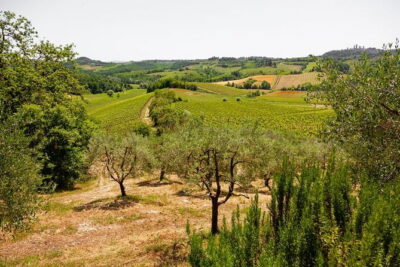
Tuscany Day Trip from Florence: Siena, San Gimignano, Pisa and Lunch at a Winery
Read our review →
Douro Valley with Winery Lunch, Tastings & Cruise
Read our review →
Montserrat, Cogwheel, Black Madonna & Winery Tour
Read our review →
Montserrat with Black Madonna & Medieval Winery with Tapas/Lunch
Read our review →
Siena, San Gimignano, Pisa & Lunch at Winery
Read our review →
Wine Tour: Paarl, Franschhoek & Stellenbosch incl 3 wineries
Read our review →
Douro Valley Tour: 2 Vineyard Visits, River Cruise, Winery Lunch
Read our review →Browse the lists this tour appears in