REVIEW · PORT WINE TASTINGS
Lisbon: Premium Port Wine Tasting & Tapas
Port deserves more than a rushed after-dinner sip. This two-hour Lisbon tasting brings you five small-production Ports, from white to ruby to tawny, with an expert explaining what you are drinking and why it matters. I especially like the independent producers and the generous food pairing, including Portuguese cheese and 38-month Pata Negra ham. The main consideration is the price: at $104 per person, this is a serious tasting rather than a casual glass of wine.
I also like the intimate setting and the clear focus on helping you choose good Port for yourself. Guides such as Alex and Diagonal have made the experience warm, relaxed, and easy to follow. Some sessions have also included Portuguese olive oils, but that appears to be an extra rather than a fixed part of what is promised.
Key points at a glance
- Five Port styles in one sitting: Taste white, ruby, and tawny Ports, with several examples showing how much the styles can differ.
- Small-house bottles: The selection focuses on producers outside the biggest commercial names.
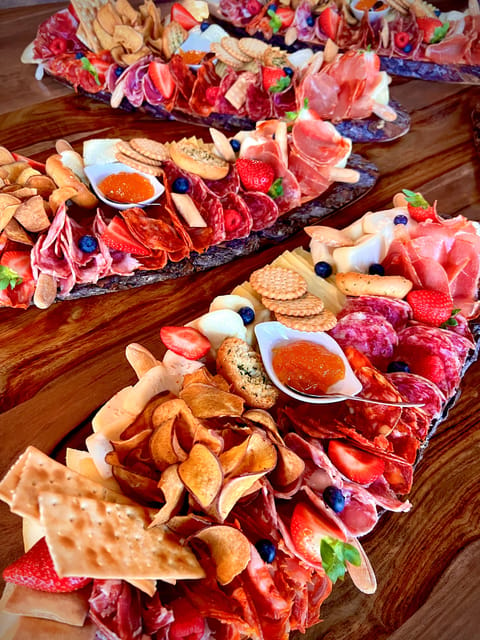
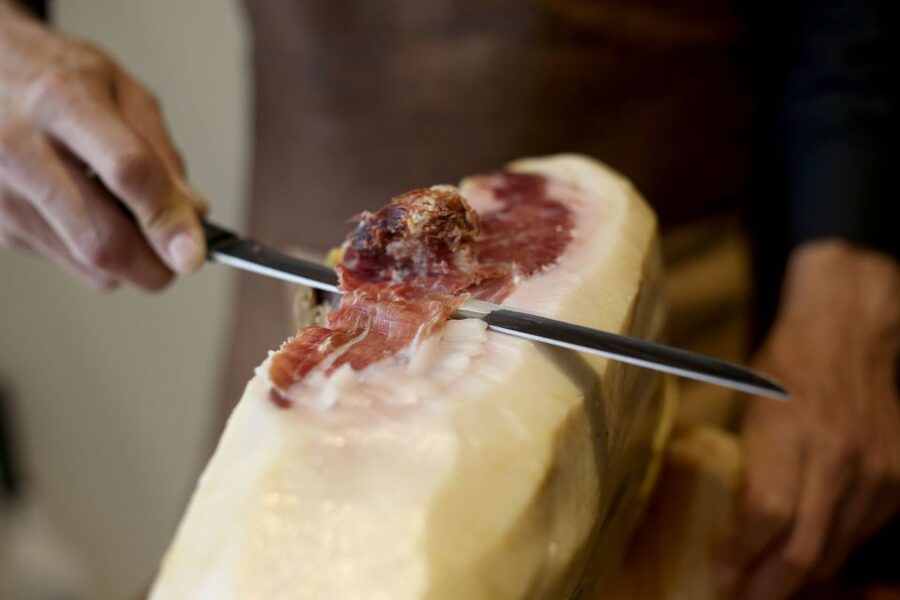
- Serious food pairing: Artisanal Portuguese cheeses, Iberian charcuterie, bread, oils, and long-cured Pata Negra ham accompany the wine.
- A lesson you can use later: The expert explains how Port is made and how to judge quality when buying a bottle.
- A calm Lisbon setting: This takes place in a dedicated wine tasting center with a welcoming, intimate feel.
- Good flexibility: The two-hour activity is offered in English, with free cancellation up to 24 hours before the start.
Why this Port tasting is worth your time
Lisbon is a good place to learn about Port, even though the wine comes from the Douro Valley in northern Portugal. The capital gives you access to Portuguese food and drink culture without requiring a separate trip north. A focused tasting also helps you get past the common idea that all Port is sweet, heavy, and best served in tiny glasses after dinner.
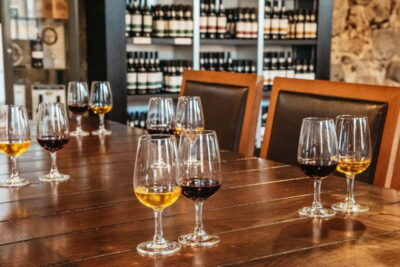
Here, you taste five Ports in one sitting. That matters because the differences become much easier to spot side by side. White Port can be fresh and light or fuller and more textured. Ruby Port usually brings youthful fruit and color. Tawny Port gets its character from time in wood, with softer flavors and a more developed profile.
The session is built around explanation rather than simply handing you five pours. A local Port specialist talks through production methods, styles, and the qualities that separate a good bottle from an ordinary one. You can ask questions as you go, which is useful if you want to buy Port during the rest of your trip or take a bottle home.
I like this practical angle. A wine tasting can be enjoyable for two hours and still leave you unsure what you actually learned. This one aims to give you a method for tasting and choosing, not just a list of names to remember.
More Wine and Tapas Tours in Lisbon
- Lisbon: Premium Wine and Tapas Tasting Session
★ 4.8 · 116 reviews - A True Taste of Lisbon: Portuguese Tapas, Wine & Surprise Drink
★ 4.5 · 110 reviews - Food Tour: Portuguese wine & Tapas with Ginjinha Tasting
★ 3.8 · 67 reviews
Five Ports, three styles, and a useful tasting order
The main flight includes five Ports. The selection covers white, ruby, and tawny styles, though the exact bottles may vary because the focus is on smaller producers. That variety gives the tasting a clear shape.
White Port is a helpful place to begin. It is often overlooked by people who know only the dark, sweet versions of Port. Tasting it early lets you notice its lighter color and different feel before moving into the deeper fruit of ruby Port.
Ruby Port is the most direct expression of young fruit in the flight. It can show berry-like flavors and a bold color. The expert’s guidance is especially useful here because ruby Ports can vary in sweetness, weight, and finish.
Tawny Port offers the clearest contrast. Wood aging changes the wine’s character, giving it a softer, more developed profile. It is less about fresh fruit and more about the effect of time. You do not need advanced wine knowledge to appreciate the difference, since the tasting places the styles next to each other.
The value of five pours is not simply quantity. It is the chance to compare. You can ask why one Port feels lighter, why another tastes more mature, or why a certain bottle works better with cheese than ham. The expert’s role is to connect those sensations with the way Port is made.
A small caution: Port is fortified wine, so five tastes can add up. The tasting lasts two hours, which gives you time to go slowly, eat between pours, and pay attention. Do not treat it like a quick bar stop.
Small producers instead of familiar supermarket labels
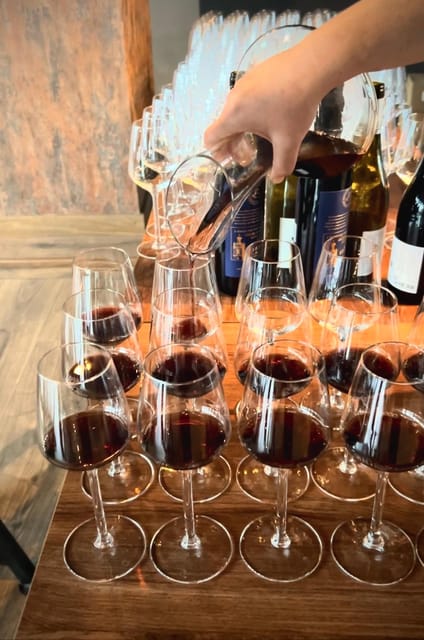
The tasting centers on small-house Ports outside the largest commercial circuit. That is one of the strongest reasons to choose this experience over a generic Port flight.
Big brands have their place. They are easy to find and often consistent. But a tasting based on smaller producers can show you more variation in style and production. You may come away with a better sense of Port as a broad category rather than a single branded product.
The selection is described as exclusive and focused on bottles that are not always part of the usual commercial lineup. That does not mean every pour will suit every palate. It does mean the session is designed to give you something more specific than the standard tourist sample.
I would pay close attention to the expert’s buying advice. Ask what to look for on a label, how the different styles are best served, and which kind of Port is most useful for your own taste. The experience is at its best when you leave with a preference, not just a pleasant memory.
Portuguese cheese and 38-month Pata Negra ham
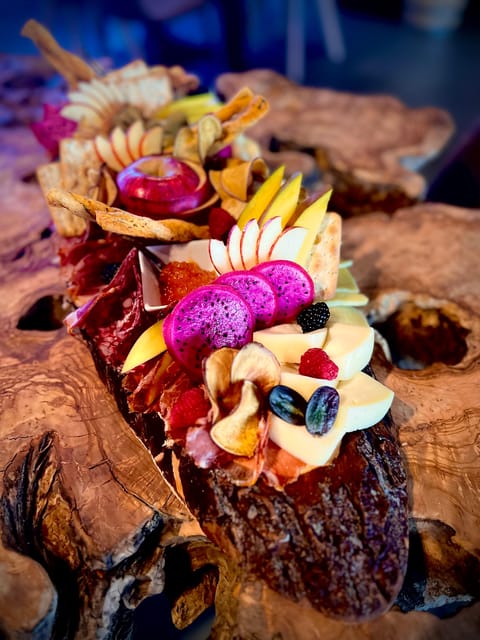
The food is more than a bowl of crackers beside the wine. The tasting includes a board of artisanal Portuguese cheeses and Iberian pork charcuterie, with long-cured cheeses and Pata Negra ham cured for 38 months among the featured items.
That long cure gives the ham a firm texture and concentrated savory flavor. It is a natural partner for Port, especially when the wine has enough sweetness and body to balance the salt. The pairing also makes the experience feel rooted in Portugal rather than built around generic bar snacks.
The cheeses give you another useful comparison. A long-cured cheese can bring salt, firmness, and a sharper finish. Softer or milder pieces can make the same Port seem sweeter and rounder. The point is not simply to eat well. The food shows you how a pairing can change the way a wine tastes.
Bread and oils have also appeared during some sessions. Several tastings included a Portuguese olive oil component, with one account noting three oils alongside the Ports and food. Since olive oil is not listed among the fixed inclusions, treat it as a possible bonus, not a guarantee.
The serving board has been generous enough to make the two-hour session feel substantial. Still, this is a tasting, not a full lunch or dinner. If you arrive hungry, the cheese and charcuterie should help, but you should not book it as your only meal of the day.
More Wine and Tapas Tours in Portugal
- Private Lisbon Walking Tour with Premium Port Wine and Tapas Tasting
★ 5.0 · 61 reviews - Porto: Wine Tasting with Tapas Walking Tour
★ 4.4 · 1,541 reviews - Wine Tasting with Tapas Walking Tour in Porto
★ 4.5 · 544 reviews - Porto Wine Tasting Experience with Portuguese Tapas Plate
★ 4.7 · 356 reviews
The expert makes the difference
Port has a lot of terminology, and a poor explanation can turn a good wine into a classroom chore. The strongest part of this experience is the guide’s ability to keep the information useful and conversational.
Alex has been praised for storytelling, history, and clear explanations. Another guide, whose name appears as Diagonal in one account, was singled out for detailed knowledge of the wines and generous pours. The team includes sommeliers with strong competition experience, including one described as a world champion-level expert.
The important point is not the title. It is whether you can ask a basic question without feeling out of place, then follow a more detailed answer when you want one. This tasting seems designed for both situations.
You can expect discussion of how Port is produced and how the different varieties develop. The expert can also help you compare the five bottles and understand why a white, ruby, or tawny Port might suit a different occasion.
I would use the time to ask direct questions:
- Which style is best for someone who dislikes very sweet wine?
- What should you serve with a tawny Port?
- How can you spot a well-made Port when shopping?
- Which bottle is best for drinking soon, and which is worth saving?
The answers will be more useful than memorizing tasting notes.
A relaxed setting rather than a loud wine bar
The venue is described as a top wine tasting center with a welcoming, intimate atmosphere. That setting matters. Port rewards slowing down, and the format gives you room to taste, listen, and talk rather than standing at a crowded counter.
The small-group design should suit people who want personal attention. It also makes it easier to compare notes with the rest of the group. The mood appears to be friendly and informal, with enough structure to keep the tasting moving.
This is a good choice for a couple, a small group of friends, or a solo visitor who enjoys meeting people over food and wine. It may be less appealing if you want a quick drink with no instruction or if you prefer a large, highly theatrical food tour.
The language offered is English. That makes the explanations accessible to English-speaking visitors, especially when the subject includes production terms and regional differences.
How the two hours are likely to unfold
The exact order can vary, but the experience has a clear progression.
You begin by settling into the wine center and meeting the Port specialist. The expert introduces the subject and sets out the first wine. This opening is a chance to explain what makes Port different from ordinary table wine and to give you a framework for the tasting.
The flight then moves through five Ports, covering white, ruby, and tawny examples. Rather than rushing from one glass to the next, you should expect commentary on color, aroma, sweetness, texture, aging, and production. The smaller-producer focus gives the guide plenty to discuss.
Food arrives alongside the wines. You taste the cheeses and cured meats with different pours, noting which combinations work best. The Pata Negra ham and long-cured cheeses are the most distinctive parts of the board, while bread and any included oils provide a simple contrast.
The final part is a chance to compare favorites and ask buying questions. This is when the tasting becomes most useful for the rest of your trip. You can decide if your taste leans toward fresh ruby fruit, a lighter white style, or the more developed feel of tawny Port.
The two-hour length is well judged for five wines. It is long enough for explanation and food, but short enough to fit into a day of sightseeing.
Is $104 a fair price?
At $104 per person, this is not a bargain tasting. The value depends on what you want from the experience.
You are paying for five Ports, expert instruction, a substantial cheese and charcuterie board, Pata Negra ham, and a dedicated setting. You are also paying for the chance to taste smaller-production bottles that may not be easy to find on a casual Lisbon night out.
If you only want a glass of Port and a small snack, the price will feel high. If you want a guided comparison, quality food, and a better understanding of what you are drinking, the cost is more defensible.
The food matters here. Artisanal cheese and 38-month ham add real value, especially when they are paired with the wines rather than served as unrelated snacks. Generous pours have also been part of the experience, though pouring sizes can vary by session.
For a special occasion, this is easier to justify than for a budget-conscious afternoon. It also makes sense near the start of your Lisbon stay, since the advice can shape later purchases and meals.
Who should book this experience?
I would choose this tasting if you already like Port, want to learn the difference between styles, or enjoy Portuguese food and wine. It is also a strong pick if you prefer intimate, guided activities to large sightseeing groups.
It suits curious beginners because the expert explains the basics without requiring prior wine knowledge. It suits experienced drinkers because the small-house selection and food pairings give you more to compare.
People with food restrictions should ask ahead. One session accommodated a gluten allergy without trouble, but that should not be treated as an automatic promise for every booking.
This is less suitable for anyone avoiding alcohol, anyone seeking a full meal, or anyone who dislikes sweet fortified wines. Five Port samples can also feel like too much if you prefer a single drink and a quick visit.
Free cancellation up to 24 hours before the start gives you useful flexibility, and you can reserve without paying immediately. Starting times vary, so check the available schedule before building the rest of your day around it.
Should you book the Lisbon Port tasting?
Yes, if you want a polished but personal introduction to Portuguese Port and are willing to pay for quality instruction and food. The best reasons to book are the five-style comparison, the smaller producers, and the unusually good pairing board with long-cured cheese and Pata Negra ham.
I would not book it simply because Port is famous. Book it because you want to understand what you are tasting and leave with a clearer idea of what to buy. At $104, the experience needs to deliver more than five glasses, and the expert guidance, food, setting, and producer selection give it a convincing case.
FAQ
Where does the Port tasting take place?
It takes place in Lisbon District, Portugal, at a dedicated wine tasting center operated by Lisbon Winery, The Tastings.
How long does the experience last?
The tasting lasts two hours.
How many Port wines are included?
Five Port wines are included.
Which types of Port will I taste?
The tasting includes white, ruby, and tawny Ports.
Is food included?
Yes. The experience includes an artisanal Portuguese cheese board, Iberian pork charcuterie, and long-cured Pata Negra ham.
Is an expert included?
Yes. A Port wine expert provides commentary during the tasting.
Is the tasting offered in English?
Yes. The instructor language is English.
How much does the experience cost?
The listed price is $104 per person.
Can I cancel for a full refund?
Yes. You can cancel up to 24 hours in advance for a full refund.
More Wine Tastings in Portugal
- From Lisbon: Arrábida Day Tour & Wine Tasting
★ 4.9 · 182 reviews - Lisbon: Sintra, Pena Palace & Wine Tasting Small-Group Tour
★ 4.9 · 156 reviews - Lisbon: Guided Port Wine Tasting Apéritif/Digestif
★ 4.7 · 152 reviews - Lisbon Private Setúbal Region Wine Tasting Tour
★ 4.9 · 149 reviews
More Wine Tastings in Lisbon
- Private Wine Tasting in the Setúbal Wine Region, from Lisbon
★ 5.0 · 611 reviews - Arrabida and Sesimbra Small-Group Day Trip from Lisbon with Wine Tasting
★ 5.0 · 494 reviews - Lisbon: 1-Hour Portuguese Wine Tasting Session
★ 4.6 · 368 reviews - From Lisbon: Évora and Monsaraz with Regional Wine Tasting
★ 4.7 · 345 reviews
Newly added around Lisbon
- Sintra: Full-Day Tour from Lisbon with Wine Tasting★ 4.8 · 58 reviews
- Arrabida Wine Tour – Lisbon: Wineries-Tastings-Tile Factory★ 4.9 · 179 reviews
- Lisbon Sunset Sailing – Small Group (max 10) Wine & History★ 4.8 · 41 reviews
- Lisbon: Sunset Sailing Boat Cruise with Wine★ 5.0 · 75 reviews
- Lisbon: Sintra, Pena Palace & Wine Tasting Small-Group Tour★ 4.9 · 156 reviews
- Lisbon Small-Group Food & Wine Tour Eat & Drink like a Local★ 4.9 · 77 reviews
- Lisbon: Sunset Sailing with Portuguese Wine and History★ 5.0 · 270 reviews
- Lisbon Private Setúbal Region Wine Tasting Tour★ 4.9 · 149 reviews
Port Wine Tastings, compared.
Bridges Cruise & Sunset & Port Wine Cellar Option
Read our review →
Fado & Port Wine in Traditional Portuguese Music Shop
Read our review →
What is Fado? Commented Live Concert with Port Wine
Read our review →
Port Wine Lodges Tour Including 7 Port Wine Tastings (English)
Read our review →
Charming Sailboat Cruise with Port Wine,Sunset Option
Read our review →
Douro River Boat Cruise with Port Wine Tasting
Read our review →
Graham’s Port Lodge Tour with Premium Wine Tastings
Read our review →