
REVIEW · WINE & TAPAS TOURS
Manilva: Nilva Vineyard, Wine Tasting & Tapas Guided Tour
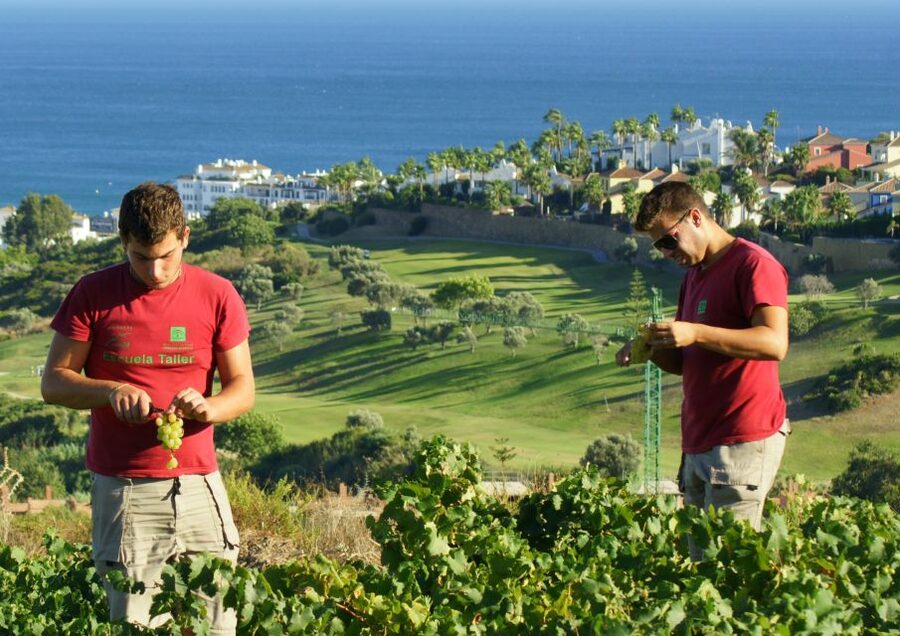
Old vines meet the Mediterranean here. This two-hour Manilva experience combines a small wine museum, Nilva’s artisan winery, and a tasting among organic Moscatel de Alejandría vines with views toward the sea and Africa. I like the personal feel of the project and the way the tour links each glass to Manilva’s farming traditions. Guide Maggie is often praised for her humor, warmth, and clear explanations.
I also like that your $35 pays for more than a tasting. You are helping a local effort keep old vineyards in production, rather than watching them disappear under new building. The main catch is practical: you need your own transport, or you must walk roughly 1 kilometer, and the vineyard visit can change or be canceled in poor weather.
Key points to know before you go
- A three-part visit: Start at CIVIMA, continue to the Nilva winery, then finish with wine and tapas at Viña del Peñoncillo.
- The setting is the star: The organic vineyard looks across the Mediterranean toward Africa, with mountains and coastline in view.
- A small producer, not a grand estate: Nilva is an artisan, garage-style winery where the work feels hands-on and personal.
- Expect a generous tasting: The formal details describe three wines, while several recent accounts describe four, usually served with ham, cheese, walnuts, and crisps.
- Plan the transfer: The vineyard is about 1 kilometer from CIVIMA, and some people find the walk closer to 15 or 20 minutes.
- Your visit has a purpose: The Save the Vineyards of Manilva project supports old vines threatened by development and low farming profits.
Why Manilva’s old vines matter
Manilva sits on the Costa del Sol, but this is not just another seaside stop built around beaches and apartment blocks. The town still has historic vineyards planted with Moscatel de Alejandría, a grape suited to the dry Mediterranean climate and long farming traditions of the area.
Those vines now face a basic problem. Land near the coast is valuable, while vineyard work is difficult and often not profitable enough. Urban development puts further pressure on the remaining plots. If the vines disappear, Manilva loses more than a crop. It loses a piece of local identity.
That gives the tour a useful purpose beyond tasting wine. Nilva’s wine production and wine tourism help provide a reason to keep the fields in use. The project, called Save the Vineyards of Manilva, has received an International Skal award for sustainable tourism. You are not simply consuming a local product. Your visit helps make the traditional work more viable.
I find this context important because it changes how you look at the vineyard. The rows of vines are not just a pretty background for photographs. They represent an agricultural tradition trying to survive beside one of Spain’s busiest coastal development zones.
More Vineyard Tours in Spain
- Toledo Tour & Vineyard Walk with Wine Tasting from Madrid
★ 5.0 · 2,546 reviews - From Barcelona: Penedés Vineyards Tour by 4WD w/Wine & Cava
★ 4.8 · 808 reviews - Montserrat,Vineyard, Wine Tasting Small Group Tour & Hotel Pickup
★ 5.0 · 513 reviews
CIVIMA explains Manilva’s wine story
The meeting point is the CIVIMA building, between the fire station and Plaza de la Vendimia. CIVIMA is the Centro de Interpretación Viñas de Manilva, or Manilva Vine Interpretation Center. It works as a compact wine museum rather than a large, formal institution.
The visit lasts about 30 minutes and covers three rooms devoted to viticulture, oenology, and grape harvesting. That gives you the basic vocabulary for the rest of the afternoon. You learn how the vines are grown, how grapes become wine, and how harvesting has shaped local life.
This first stop is valuable because it puts the tasting in context. Without it, you might see a glass of Moscatel as simply a sweet or aromatic local wine. With the museum visit, you begin to understand the work behind the bottle and the role of the grape in Manilva’s past.
The museum is not presented as a huge attraction, so keep your expectations sensible. You are getting a focused introduction, not an afternoon-long museum visit. The appeal comes from the guide connecting the displays to real farming and winemaking rather than leaving you to read labels on your own.
Maggie receives especially strong praise for this part. She explains the local grape varieties, farming methods, and history with a lively style. Several people describe her as funny and welcoming, while one note says she can speak quickly. If you have difficulty following fast English, tell her early and ask her to slow down.
Inside Nilva’s small artisan winery
After CIVIMA, the tour moves to the Nilva winery for about 15 minutes. This is a small, artisan operation, described as a garage winery rather than a large commercial cellar. That distinction matters.
You will not see an elaborate wine estate with rows of stainless steel tanks and a polished visitor center. Instead, you get a closer look at how a small producer makes, ferments, and bottles its wine. The scale lets the guide explain the work in plain terms, and you get a clearer sense of how much depends on careful labor.
The winery visit may be brief, but it is an important bridge between museum and vineyard. CIVIMA explains the tradition, while Nilva shows how that tradition is being carried forward now. The tour focuses on the meeting point between older methods and future-minded small production.
This is also where the experience feels most personal. The owners and their work are part of the story, and the guide speaks about the effort involved in maintaining the vines and producing the wines. The result is less like a factory tour and more like a look at a small family-scale project trying to build a future.
The walk or drive to Viña del Peñoncillo
The tasting vineyard is about 1 kilometer from CIVIMA. The tour does not include transport, so you need to drive yourself, arrange a taxi, or walk.
The published timing suggests roughly 10 minutes on foot, but several people found it closer to 15 or 20 minutes. That difference is not a major problem, but it is worth knowing before you arrive. One person was glad to drive, while another enjoyed the walk for its views and photo opportunities.
I would treat the transfer as part of the planning, not an afterthought. If you are comfortable walking and the weather is good, the route can add to the experience. If you have mobility concerns, limited time, or strong midday heat, use your own vehicle or arrange a ride.
The drop-off location is Diseminado Peñoncillo, 4, in the 29692 area of Málaga. The vineyard is separate from the museum, so do not assume you can simply follow the group into a waiting tour vehicle. You are responsible for getting between the two sites.
The activity is listed as wheelchair accessible, but the walk between locations is still a point to clarify when booking. Accessibility at the buildings does not automatically mean the route between them will suit every visitor.
More Wine and Tapas Tours in Spain
- Montserrat Half-Day Tour with Tapas and Gourmet Wines
★ 5.0 · 7,359 reviews - Montserrat & Cogwheel Train, Gourmet Wine Tasting & Tapas/Lunch
★ 5.0 · 6,290 reviews - Barcelona Tapas and Wine Experience Small-Group Walking Tour
★ 5.0 · 5,804 reviews - Montserrat with Black Madonna & Medieval Winery with Tapas/Lunch
★ 5.0 · 5,209 reviews
Wine, tapas, and the view toward Africa
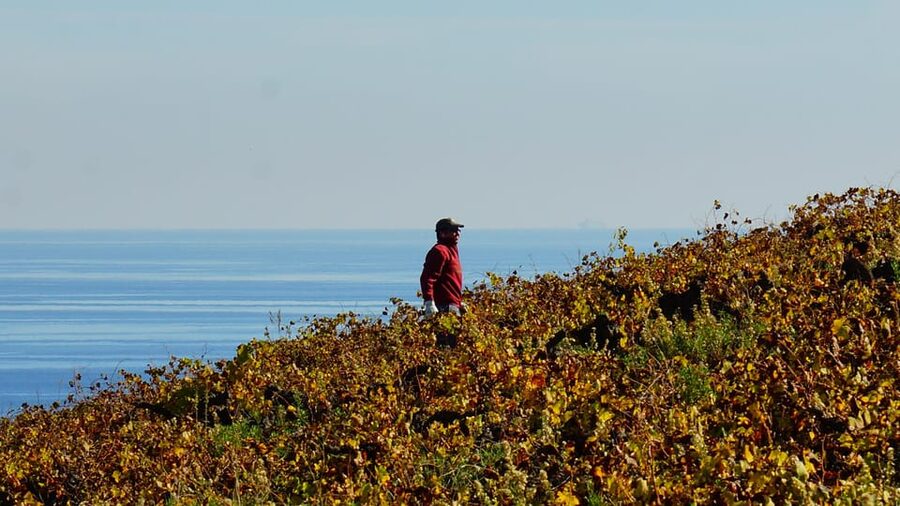
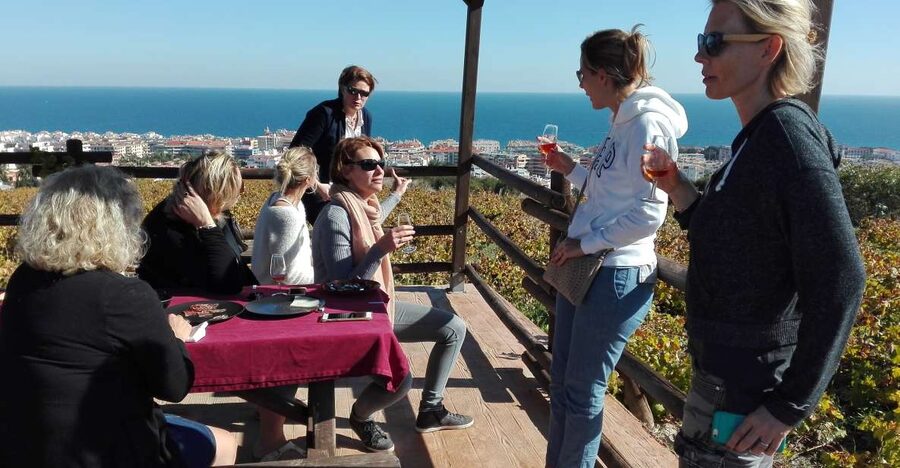
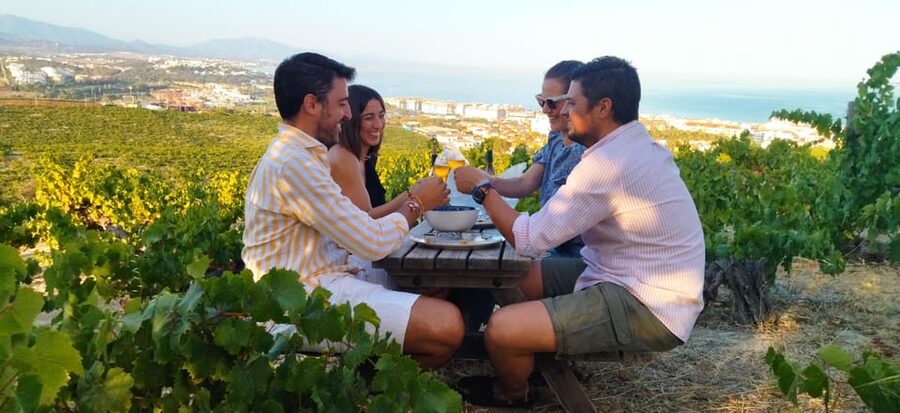
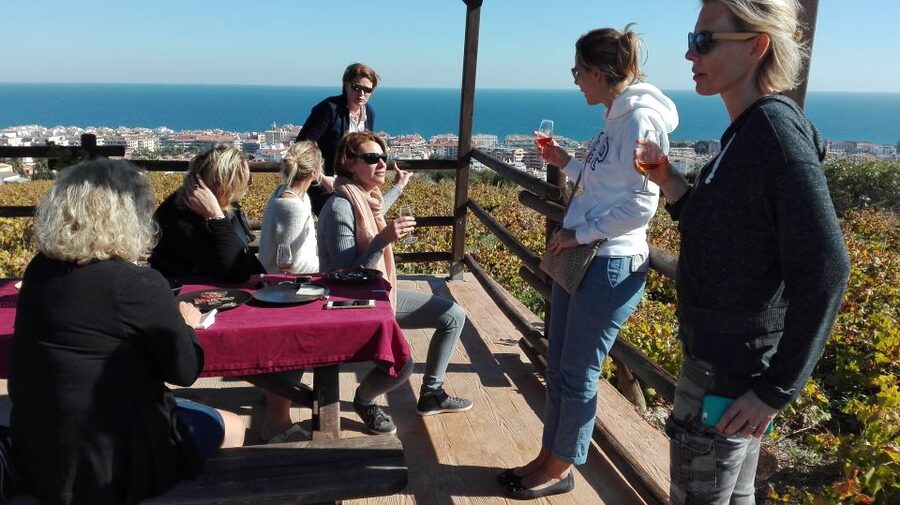
The final stop takes place at Viña del Peñoncillo, a vineyard certified for organic agriculture. This is the part most people remember. You sit among the vines with the Mediterranean stretching out beyond them, and on clear days you can see toward Africa.
The setting gives the tasting a sense of place that a bar or hotel terrace cannot match. The wine is connected directly to the soil, the vines, and the coast. You are not just told where the bottle comes from. You are standing beside the source.
The official details describe a tasting of three wines. Several accounts describe four, and the exact selection may depend on the day or the current production. Expect different styles and flavors rather than a single repeated pour. The wines are served with tapas such as ham, cheese, walnuts, and crisps.
The food is simple, but that is exactly right here. This is not a full meal or a restaurant tasting menu. It is a generous plate of familiar Spanish accompaniments that gives you something salty to eat between wines. The combination suits the relaxed setting and keeps the focus on the local bottles.
The tasting is also explained rather than rushed. Maggie shows you how to approach each wine and links the glass to the production process. You may learn about fermentation, grape varieties, and the choices that shape the finished wine.
The views can change the mood of the whole afternoon. On a bright evening, you may get the Mediterranean, mountain scenery, vineyard rows, and sunset all at once. In bad weather, the final stop may not be possible. One person still enjoyed the museum and winery when rain prevented the vineyard visit, but you should book with the understanding that the outdoor section depends on conditions.
What the guide adds to the experience
The guide is one of the strongest reasons to choose this tour. Maggie is repeatedly praised for being warm, funny, professional, and passionate about the area. She also works with the vineyard, so her explanations are tied to practical experience rather than only prepared facts.
That personal connection matters. She can explain not just how wine is made, but why keeping these vines alive is difficult. Her enthusiasm also helps make the museum section feel less dry. You get local history without a lecture that drains the fun from the afternoon.
The language offered is English. Most comments describe Maggie’s English as clear and easy to understand, though one person found her pace quick. If you want a slower explanation or have questions about a specific wine, ask. This is a small tour built around conversation, so speaking up should make the visit better.
The tone also suits people who do not consider themselves wine experts. One person specifically recommended it even for someone who does not like wine. The guide’s approach is welcoming rather than intimidating, and you do not need a technical background to enjoy the tasting.
Is $35 a good value?
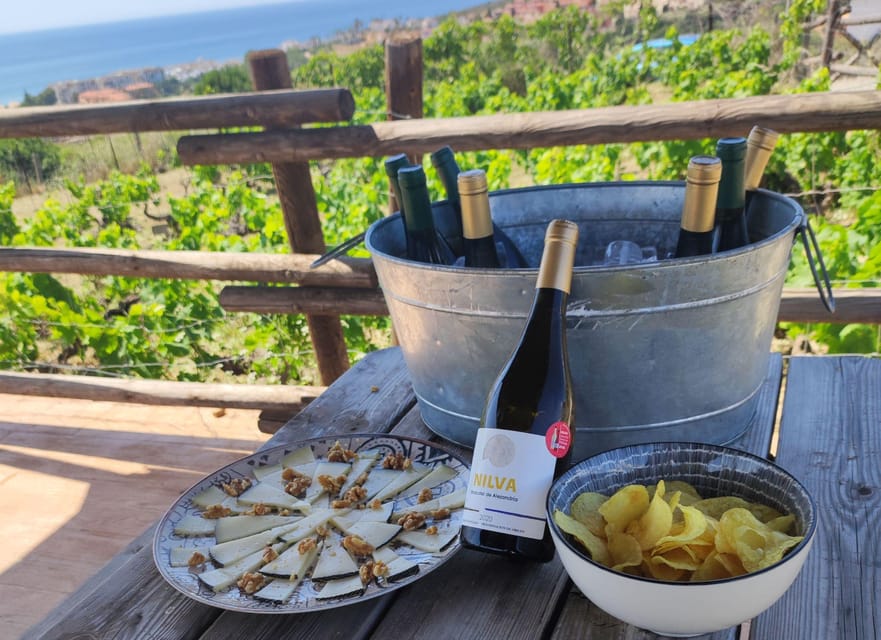
At $35 per person, the experience is fairly priced. The fee includes entry to CIVIMA, the Nilva winery and vineyard, the guided explanations, the wines, and tapas. It does not include hotel pickup, drop-off, or transport between the museum and vineyard.
The value is strongest if you want a local experience rather than a standard Costa del Sol excursion. You get two hours of history, production insight, food, and scenery in one outing. The conservation purpose also adds weight to the purchase.
It is less attractive if you want a large winery with extensive cellars, a full meal, or a long formal tasting. Nilva is small, and the winery visit lasts only about 15 minutes. The charm comes from the direct connection to the people and vines, not from grand facilities.
I would also factor in transport costs if you cannot walk or drive. A taxi may make the outing more expensive, though the tasting itself remains good value. If you are staying near Duquesa or Sabinillas, arrange your route carefully. One person used a taxi from Duquesa to reach the meeting point and then walked onward toward Sabinillas after the vineyard visit.
Who will enjoy this Manilva tour?
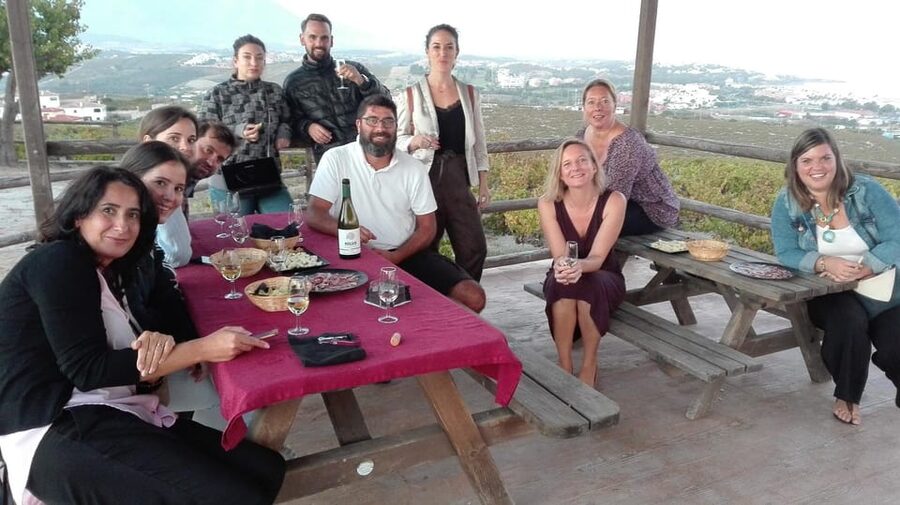
I would recommend it to you if you like:
- Small producers and local food traditions
- Short cultural outings with a strong sense of place
- Wine tastings explained in plain English
- Coastal views, sunsets, and photographs
- Sustainable tourism with a direct local purpose
- A relaxed afternoon rather than a full-day excursion
It also suits couples, small groups, and anyone looking for a birthday or special occasion activity. The combination of tapas, wine, and scenery gives the visit a celebratory feel without turning it into a formal luxury event.
Families with children may find the museum and vineyard setting pleasant, but animals are not allowed in the winery. If you are traveling with a pet, plan around that rule.
You should think twice if you need a fully self-contained tour with included transport. You should also check the weather before setting out, since the vineyard visit depends on suitable conditions. The walk may be easy for some people and inconvenient for others.
Practical advice for a smoother visit
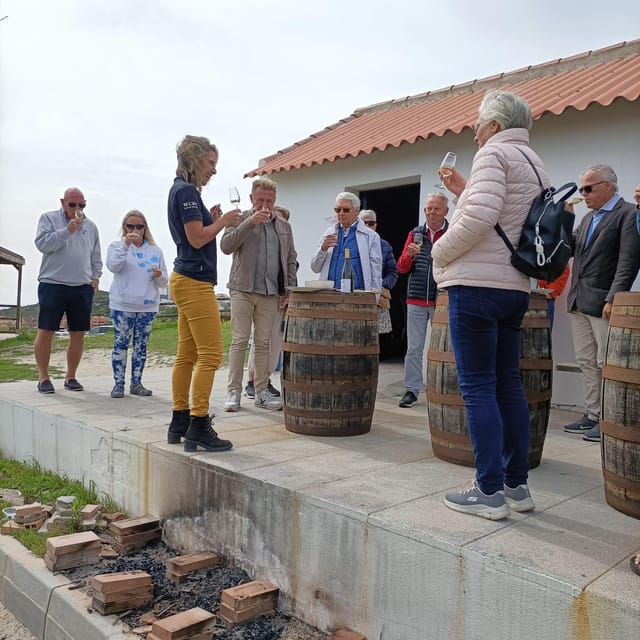
Meet at CIVIMA, located between the fire station and Plaza de la Vendimia. Arrive ready for a two-part outing in different locations, not a single-site wine tasting.
Wear shoes suitable for walking between the museum and vineyard. The route is only about 1 kilometer, but timing estimates vary, and warm weather can make a short walk feel longer. Bring sun protection if your visit is during the brighter part of the day.
If you are driving, plan to continue from CIVIMA to the vineyard. If you are walking, allow closer to 15 or 20 minutes rather than relying on the shortest estimate. If you are staying in a nearby coastal town, check taxi availability in advance instead of assuming a ride will appear at the end.
The booking terms are flexible: you can cancel up to 24 hours before the activity for a full refund, and you can reserve now while paying later. Those policies are useful here because the outdoor tasting depends on the weather.
Should you book Nilva’s vineyard tasting?
Yes, if you want an intimate, useful introduction to Manilva’s wine culture. The combination of CIVIMA, a working artisan winery, and an organic vineyard overlooking the Mediterranean gives you far more context than a stand-alone tasting.
The main reasons to book are Maggie’s engaging guidance, the striking vineyard setting, and the chance to support old vines under pressure from development. The main reasons to hesitate are the lack of included transport, the sometimes longer walk, and the possibility that bad weather will prevent the outdoor tasting.
For $35, I think the experience offers strong value, especially for anyone staying along the western Costa del Sol. Just plan the transfer, check the forecast, and arrive ready for a small, personal tour rather than a polished wine resort. That is precisely where its appeal lies.
FAQ
Where does the Manilva wine tour begin?
The meeting point is the CIVIMA building, located between the fire station and Plaza de la Vendimia in Manilva.
How long does the experience last?
The activity lasts about two hours, including the museum, winery, and vineyard tasting.
Is transportation between CIVIMA and the vineyard included?
No. You need your own vehicle, a taxi, or you can walk. The vineyard is about 1 kilometer from CIVIMA, with some people taking roughly 15 to 20 minutes on foot.
How many wines will I taste?
The tour details describe three wines. Several recent accounts describe four, so the number may vary according to the day and the available wines.
What food is served with the wine?
The tasting includes tapas, with ham, cheese, walnuts, and crisps mentioned as accompaniments.
What happens if the weather is poor?
The vineyard visit is subject to good weather. The museum and winery portions may still take place, but the outdoor tasting can be affected.
Is the tour available in English and wheelchair accessible?
Yes. The live tour is offered in English, and the activity is listed as wheelchair accessible. Animals are not allowed inside the winery.
More Wine Tastings in Spain
- Madrid Tapas & Wine Tasting Walking Tour – Small Group Local Bars
★ 5.0 · 3,644 reviews - Madrid: Tapas & Wine Tasting Tour with Local Guide
★ 4.8 · 2,171 reviews - Paella Cooking Class, Wine Tasting & Central Market in Valencia
★ 5.0 · 1,150 reviews - Bilbao: Basque Food Tour and Wine Tasting with Guide
★ 4.9 · 772 reviews
Newly added around Spain
- Visit La Joya Escondida de la Ribera del Duero Winery★ 5.0 · 43 reviews
- Full day at the winery, visit, tasting, aperitif and lunch★ 4.5 · 60 reviews
- Visit a winery of the 19th century and its draft★ 5.0 · 62 reviews
- Visit and Wine Tasting at the Territorio Luthier Winery★ 5.0 · 89 reviews
- Ribera del Duero Underground Cellar & Wine Tasting Experience★ 4.5 · 49 reviews
- Rioja wine region with visit to winery & Vitoria-Gasteiz★ 4.5 · 32 reviews
- Semi-Private Rioja Tour of 3 Premium Wineries from Bilbao★ 5.0 · 128 reviews
- Rioja & Txakoli Wine Tasting in Bilbao with a Local Sommelier★ 5.0 · 40 reviews
Wine & Tapas Tours, compared.

Montserrat Half-Day Tour with Tapas and Gourmet Wines
Read our review →
Montserrat & Cogwheel Train, Gourmet Wine Tasting & Tapas/Lunch
Read our review →
Barcelona Tapas and Wine Experience Small-Group Walking Tour
Read our review →
Montserrat with Black Madonna & Medieval Winery with Tapas/Lunch
Read our review →
Tapas Walking Tour with Food, Wine, and History
Read our review →
Madrid Tapas & Wine Tasting Walking Tour – Small Group Local Bars
Read our review →
Sevilla Food Tour: Tapas, Wine, History & Traditions
Read our review →
Valencia Old Town Tour with Wine & Tapas in 11th Century Historic Monument
Read our review →Browse the lists this tour appears in