
REVIEW · PASTA
Masterclass Pasta & Focaccia with Wine
Pasta tastes better when you make it yourself. In Apulia, this two-hour class brings you into a family kitchen to prepare orecchiette, cavatelli, and focaccia using simple ingredients and traditional recipes. The class is led by Stefania, whose calm teaching style, clear English, and local stories help turn a cooking lesson into a friendly meal with a sense of place.
I like the small, relaxed setting, where you get your own workstation and enough room to practice instead of simply watching. I also like the generous finish: your handmade pasta is cooked for you, focaccia is served fresh, and wine accompanies the meal. The main consideration is price. At $70 per person, this is not the cheapest cooking class, especially since the session lasts only two hours.
Key details at a glance
- Two classic pasta shapes: You make both orecchiette and cavatelli from scratch, learning the different ways each shape is formed.
- A proper Puglian focaccia lesson: Stefania demonstrates her recipe and shares the method so you can try it at home.
- A home-style setting: The welcome is personal, with food, conversation, and family recipes handed down through generations.
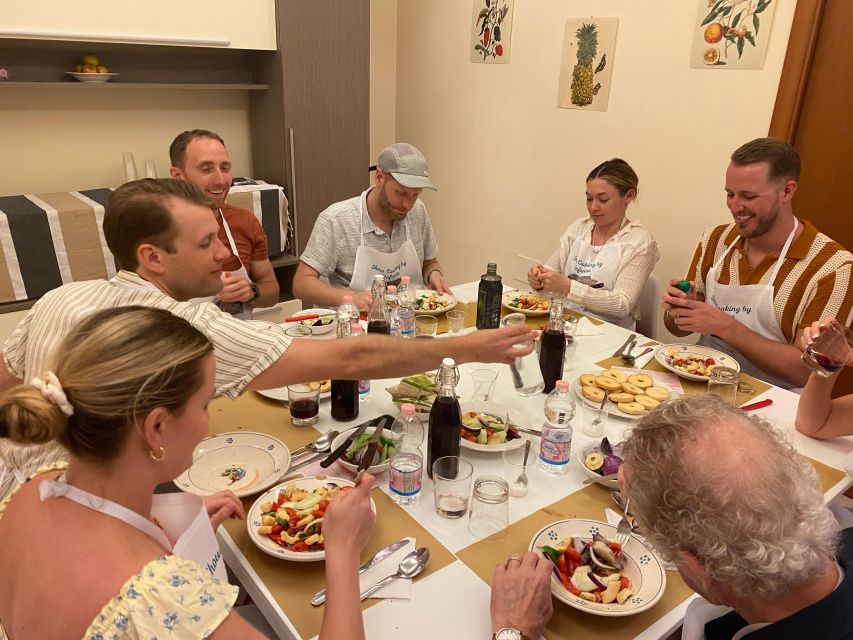
- A meal made by you: The class ends with cooked pasta, fresh focaccia, drinks, and wine rather than a quick sample.
- Practical setup: Each person has a workstation, apron, tools, quality ingredients, and recipes to take away.
- Good flexibility: You can cancel up to 24 hours before the class for a full refund, and you can reserve now and pay later.
Starting with flour, water, and a clean workstation
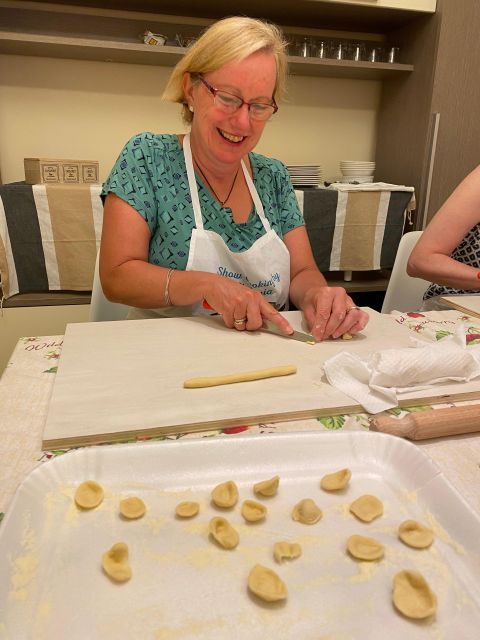
The appeal of this class begins with its simplicity. You are not handed a finished dough and asked to shape a few pieces for a photograph. You start with basic ingredients, especially flour and water, and learn how those plain items become pasta with a firm, fresh texture.
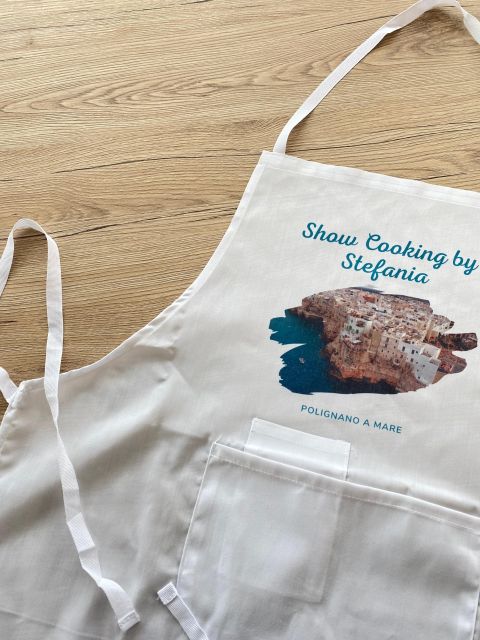
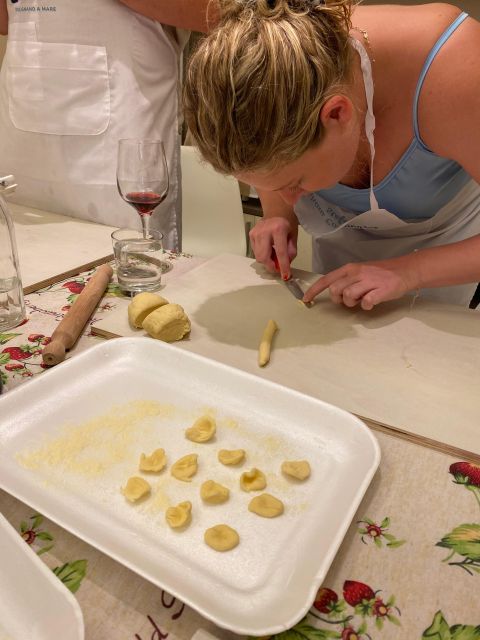
Each participant has a workstation, along with an apron and the tools needed for the lesson. That matters more than it may sound. A cooking class can become awkward when people crowd around one table or wait for one set of equipment. Here, the setup is designed for active participation.
The cooking area has been described as clean and scenic, while the overall mood is small and relaxed. You should expect to get your hands dirty. That is part of the fun, but it also means this suits you best if you want to work rather than sit back and watch a demonstration.
Stefania explains the ingredients and gives some background on pasta in the region before guiding you through the dough. Her approach is patient. She steps in when help is needed, but gives you enough space to learn by practice. That balance is important for beginners, since handmade pasta often looks easier than it feels on the first try.
More Pasta Making in Italy:
- Florence: Pasta Cooking Class with Unlimited Wine
★ 4.9 · 10,285 reviews - Florence: Pasta & Tiramisu Cooking Class with Unlimited Wine
★ 4.9 · 6,708 reviews - Florence: Pasta Cooking Class with Unlimited Wine
★ 5.0 · 6,413 reviews
Orecchiette and cavatelli, two shapes worth learning
The class teaches two different pasta forms: orecchiette and cavatelli. Orecchiette are the small ear-shaped pieces closely associated with Apulia. Cavatelli are formed differently, with a more rolled and hollow shape.
Learning both gives the lesson more value than focusing on one shape. You can compare the techniques, notice how small changes in finger pressure affect the dough, and see why local pasta is shaped by hand. You are not simply copying a restaurant dish. You are learning movements that can be repeated in your own kitchen.
Stefania demonstrates each step clearly, then lets you try. That makes the class suitable for people with little or no pasta-making experience. It is also useful for confident home cooks, because the lesson offers specific hand techniques that a written recipe cannot fully explain.
Do not expect every piece to look perfect. Handmade pasta has character, and the point is to understand the process. The satisfaction comes when the pieces you made are cooked and placed on your plate. Even an uneven orecchietta feels like a small achievement when you know exactly how it got there.
The pasta section is also where the regional character of the class is strongest. Apulian cooking often relies on a short list of good ingredients and careful preparation. You learn how a local dish begins, rather than only tasting the final result.
Watching the focaccia come together
The focaccia portion adds a second texture and a useful recipe to your cooking notes. Stefania shows you how she makes her version and shares the recipe, with the promise of fresh focaccia at the end of the class.
This is a good contrast to the pasta work. Pasta asks for patience and small hand movements. Focaccia gives you a different lesson in dough, preparation, and baking. You watch the method, then get to taste the result while it is fresh.
The focaccia has been one of the most praised parts of the class, especially for its freshness and flavor. If you are especially interested in bread, you should note that this is a demonstration and tasting within a larger pasta class, not a separate bread-making workshop. The emphasis remains on preparing the two pasta shapes.
Still, the recipe adds lasting value. A photograph fades quickly, but a recipe you can try at home has a longer life. The combination of pasta instructions and focaccia guidance makes this more useful than a meal that ends when you leave the table.
Wine, conversation, and the meal you helped prepare
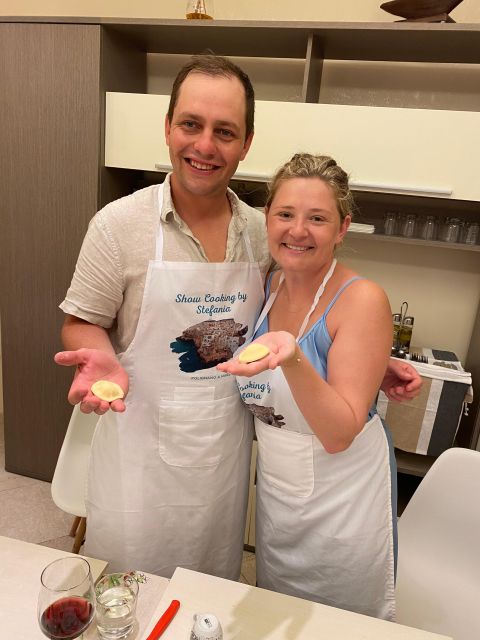
Cooking classes work best when the final meal feels connected to the work that came before it. Here, the pasta you make is cooked and served, along with focaccia and drinks. Wine is part of the experience, and the servings have been described as generous.
The meal is not just a reward. It lets you judge the texture of the pasta, taste the effect of fresh dough, and understand how the shapes work with the prepared dishes. You get to eat food you helped create, which gives the meal a personal touch that a standard restaurant dinner cannot match.
The shared table also gives the class a social side. The setting is described as warm and comfortable, with conversation among the people taking part. That can be a plus if you enjoy meeting others over food. It may be less appealing if you want a private, quiet meal for just your own group, since the experience is designed around a shared class atmosphere.
The home setting adds warmth, but it also means you should not expect the polished scale of a professional culinary school. That is part of the charm for many people. You are being welcomed into a personal cooking space, with recipes and techniques connected to family tradition.
A few more wine tours around Italy worth a look
- Tuscany Day Trip from Florence: Siena, San Gimignano, Pisa and Lunch at a Winery
★ 5.0 · 21,634 reviews - Florence: Chianti Wineries Tour with Wine Tasting
★ 4.5 · 10,071 reviews - Small-Group Wine Tasting Experience in the Tuscan Countryside
★ 5.0 · 7,392 reviews - Pisa, Siena and San Gimignano Day Trip with Lunch & Wine Pairing
★ 4.5 · 6,006 reviews
Stefania’s teaching style and local context
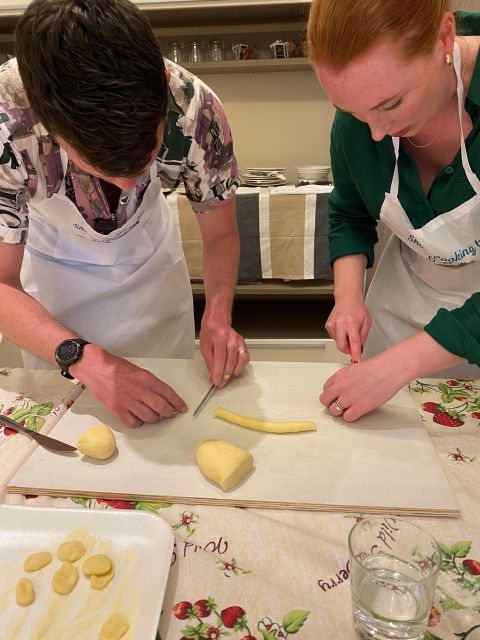
Stefania is the key to the quality of the class. She explains the ingredients, shares some pasta history, and offers practical tips as she teaches. Her English has been described as strong, and her patient manner helps beginners keep up.
I would value the history here because it is tied to the food in front of you. You learn why these pasta shapes matter in Apulia while your hands are making them. The information does not appear to overwhelm the cooking. It supports the practical lesson.
Stefania also knows when to let people work things out. A teacher who takes over too quickly can turn a hands-on activity into a demonstration. Here, the better approach is to try, make a few imperfect pieces, and accept a little help when needed.
Anna may also be involved in welcoming and setting up the class. A warm reception and an organized workstation help the session begin smoothly. The overall tone is friendly without sounding formal, making this a good choice for you if you prefer personal instruction to a large commercial class.
What the $70 price really includes
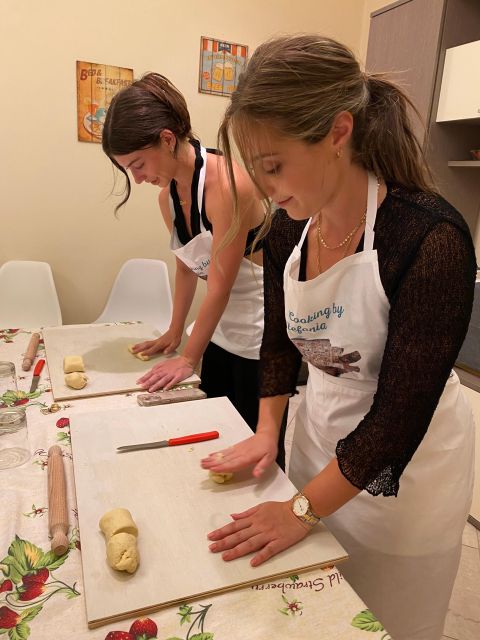
At $70 per person, the class sits in the moderate range for a short food activity. You receive two hours of instruction, use of an apron and cooking tools, a dedicated workstation, quality ingredients, recipes, drinks, wine, and a tasting of the dishes you prepare.
The value depends on what you want from a cooking class. If your priority is a long professional lesson with several courses, this may feel expensive for two hours. One past participant specifically considered the cost the only drawback despite enjoying Stefania and the class.
If you care about the full experience, the price is easier to justify. You are paying for instruction, ingredients, the meal, drinks, a home setting, and recipes you can use later. You also receive a souvenir photo taken with your smartphone, which is a small but pleasant extra.
The class has earned a 4.8 rating from 48 reviews, with repeated praise for the food, relaxed atmosphere, patient instruction, and friendly host. The most consistent strength is not one particular recipe. It is the combination of learning and eating in a personal setting.
For a special afternoon in Polignano or another Apulian base, I would see this as a worthwhile splurge if food is central to your trip. If you are watching every euro, compare it with the cost of a normal meal and ask how much you value learning the recipes yourself.
Who will enjoy this class most
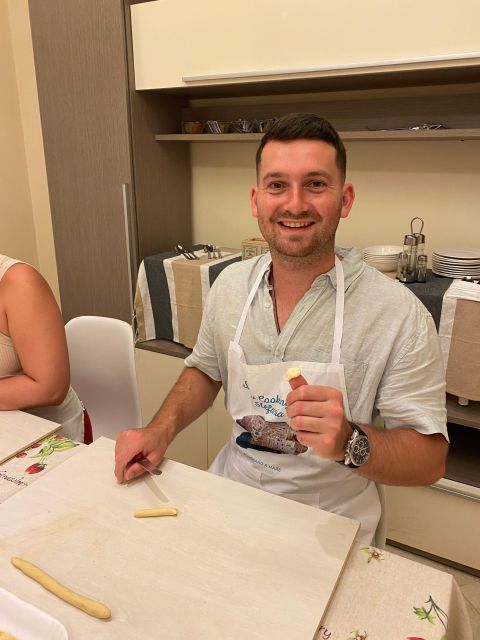
This class is a strong match for first-time pasta makers. You get step-by-step help, simple ingredients, and enough practice to understand the basic movements. You do not need advanced cooking skills.
It also suits couples, friends, and solo visitors who like social activities. The small group and shared meal make conversation easy, while the workstations keep you busy. You will not be sitting silently through a long lecture.
Families should note the age limit. Children under six are not suitable for the class. Older children may enjoy the hands-on work, but the provided information does not specify a separate child program, so adults should be ready to supervise and participate.
This is less suitable if you want a private dining experience, a long multi-course menu, or a class focused only on focaccia. The class includes wine and shared food, so it is best for adults who want cooking, conversation, and tasting in one compact session.
Practical planning for your two hours
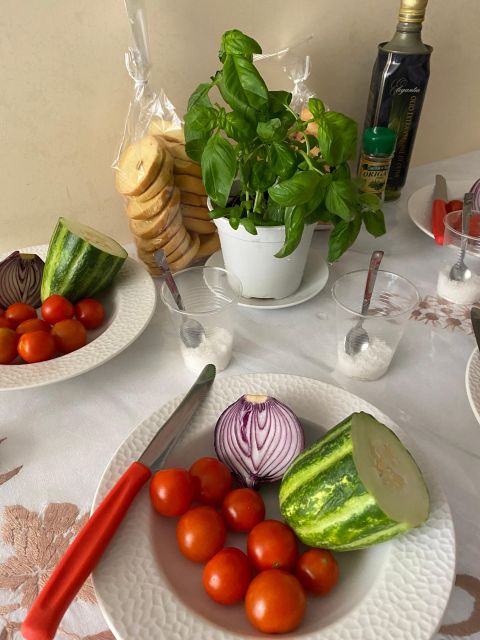
Set aside the full two hours rather than treating this as a quick stop between sightseeing plans. You will need time to make the dough, shape two kinds of pasta, watch the focaccia demonstration, cook the food, and sit down to taste it.
Wear clothes you do not mind protecting with an apron. An apron is provided, but flour and dough work are still hands-on. Comfortable clothing will make the session easier.
The class is offered in English and Italian. English instruction has been praised as clear, so English-speaking visitors should be able to follow the techniques and explanations. If you speak Italian, you can also take part in that language.
Starting times vary, so check availability when choosing a date. The booking terms are useful for uncertain plans: you can cancel up to 24 hours in advance for a full refund, and the reserve-now, pay-later option lets you hold a place without paying immediately.
Final verdict: book it if food is part of your trip
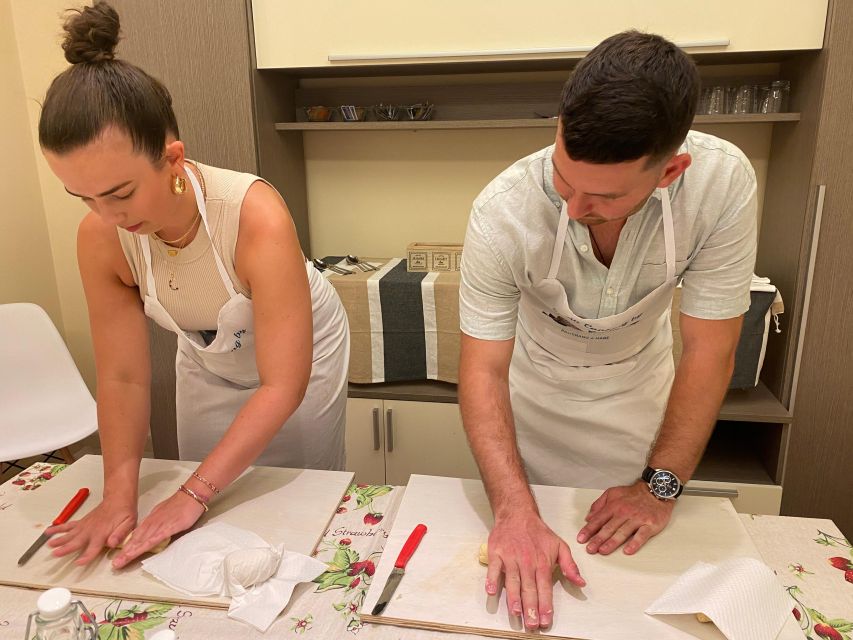
I would book Masterclass Pasta & Focaccia with Wine if you want a warm, hands-on introduction to Apulian cooking. The strongest reasons are Stefania’s patient teaching, the chance to make both orecchiette and cavatelli, and the satisfying meal that follows.
The main reservation is the $70 price for two hours. You are paying for more than a meal, but less than a full-day culinary course. If that balance works for you, the class offers genuine value through skills, recipes, food, wine, and a personal setting.
Choose it especially if you want to return home able to make the shapes yourself. If you only want to eat focaccia and pasta, a restaurant will cost less. If you want to understand how those dishes begin, put on the apron and start with the flour.
FAQ
Where does Masterclass Pasta & Focaccia with Wine take place?
The experience takes place in Apulia, Italy. The class is held in a home-style setting.
How much does the class cost?
The price is $70 per person.
How long does the experience last?
The class lasts two hours.
Which pasta shapes will I learn to make?
You will prepare two pasta shapes: orecchiette and cavatelli.
Is focaccia included in the class?
Yes. You will watch the focaccia preparation, receive the recipe, and taste fresh focaccia during the final meal.
Is wine included?
Yes. Drinks, including wine, are included.
What languages are available?
The instructor teaches in English and Italian.
Can I cancel the booking?
Yes. You can cancel up to 24 hours in advance for a full refund. You can also reserve now and pay later.
Newly added around Italy
- Etna trekking and wine tasting★ 5.0 · 28 reviews
- Etna Tour and Lunch in a Winery with Wine Tasting★ 5.0 · 97 reviews
- Cooking Class and Wine Pairing in Capri★ 5.0 · 57 reviews
- WINE TOUR with sommelier in a winery near Cagliari★ 5.0 · 27 reviews
- Cagliari 3 Hours Luxury Motorboat Tour – Wine and Snorkeling★ 5.0 · 118 reviews
- Cagliari Boat Tour by Maxi Rib – Wine and Snorkeling★ 5.0 · 128 reviews
- Small-Group Food and Wine Tour from Cagliari★ 5.0 · 237 reviews
- Wine Experience: vineyard, wines and food★ 5.0 · 155 reviews
Pasta, compared.
Pasta & Tiramisu Cooking Class with Unlimited Wine
Read our review →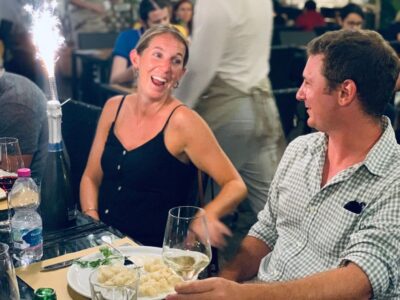
Pasta & Tiramisu Class with Fine Wine by the Vatican
Read our review →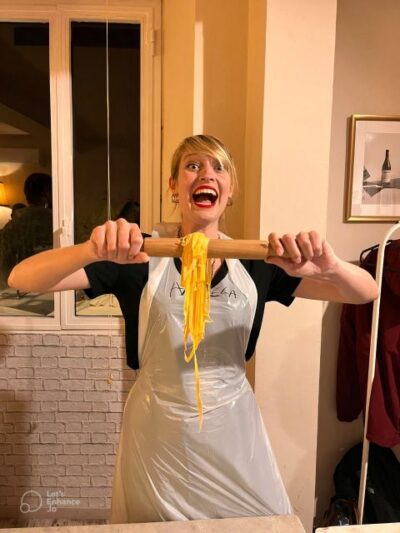
Pasta Making Class with Wine, Limoncello, and Dessert
Read our review →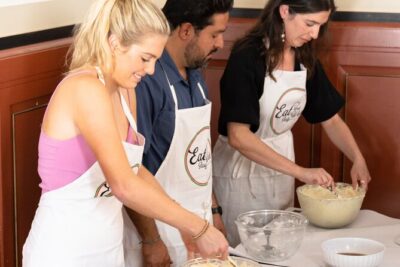
Learn to Make Pasta & Tiramisu with Wine and Limoncello Included
Read our review →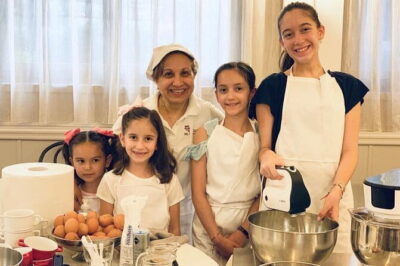
Cooking Class Pasta & Tiramisu Making Unlimited Wine
Read our review →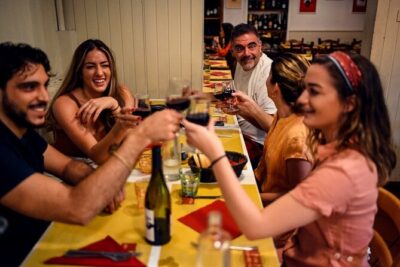
Bologna Food & Market Tour with 6 Tastings, Pasta, Wines & More
Read our review →Browse the lists this tour appears in