
REVIEW · PORT WINE TASTINGS
Port wine & wine walking tour with culture – max 8 pax
Green wine starts the story. This Porto to Gaia walk pairs regional food, six wines from small producers, and local culture in a way that feels more personal than a standard cellar visit. I especially like the tiny group limit of eight and the chance to taste Green Wine in a local Porto tavern before reaching the Port lodges of Gaia.
The route also includes a glass of Douro DOC wine, three types of Port, and views from the Dom Luís Bridge. The main consideration is the walking: you cover several streets, a riverfront route, and a bridge, often over three to three and a half hours. Comfortable shoes are essential, and the tour is not suitable for people with mobility impairments, pregnant women, or anyone under 19.
Key details that make this Porto wine walk different
- Six regional wines in three settings: Green Wine, Douro DOC, and three styles of Port give you a useful introduction to northern Portuguese wine.
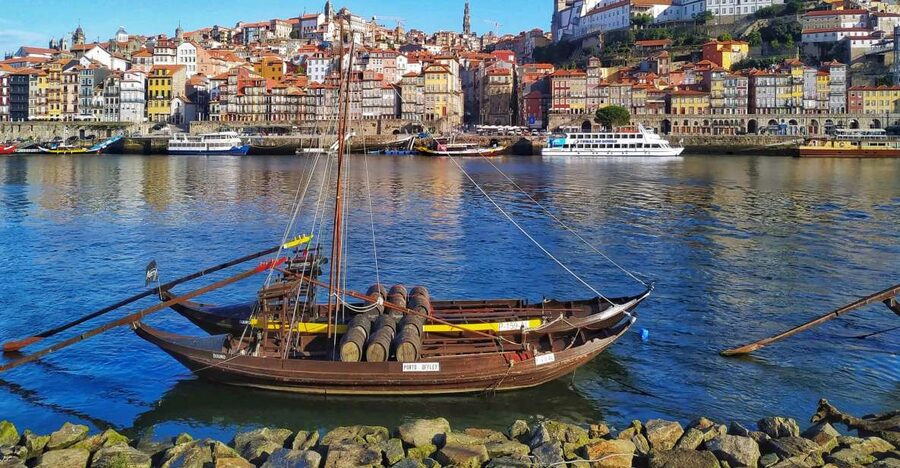
- A Porto to Gaia route: The walk links Trindade, the historic center, Ribeira, Dom Luís Bridge, and Cais de Gaia without relying on a bus.
- A maximum of eight people: The small group leaves more room for questions and a relaxed pace.
- Local taverns and a family producer: Tastings take place in working wine and food settings rather than only in polished visitor centers.
- Verena’s personal guiding style: Recent German-language feedback repeatedly praises her humor, expertise, local tips, and willingness to spend extra time with the group.
- A rain-or-shine plan: Bring shoes that can handle Porto’s slopes and wet pavement because the walk goes ahead in all weather.
Starting at Trindade with Green Wine
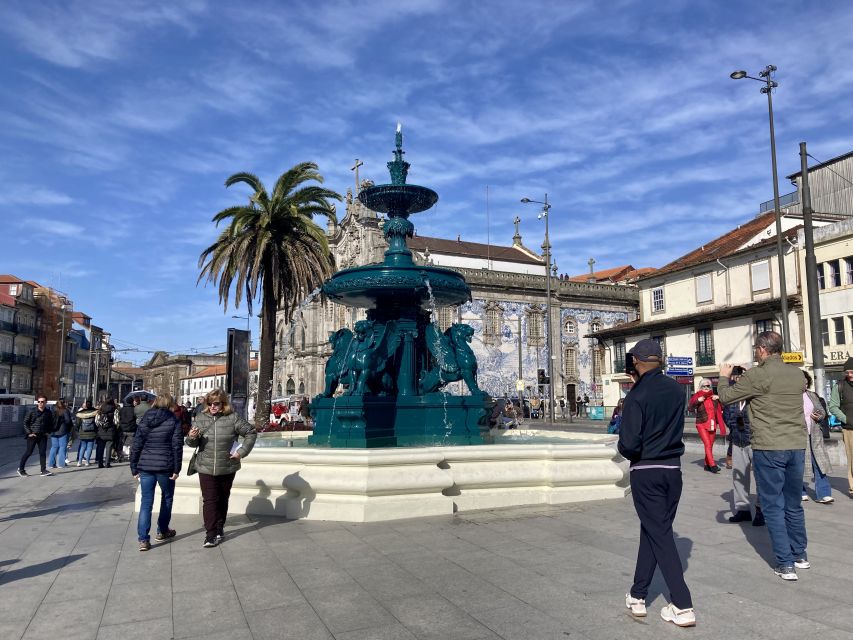
The tour begins at Praça da Trindade, by the fountain between Trindade Church and the back of Porto’s city hall. This is a practical meeting point because it is close to Trindade Metro Station, though you should allow a few minutes to find the correct fountain.
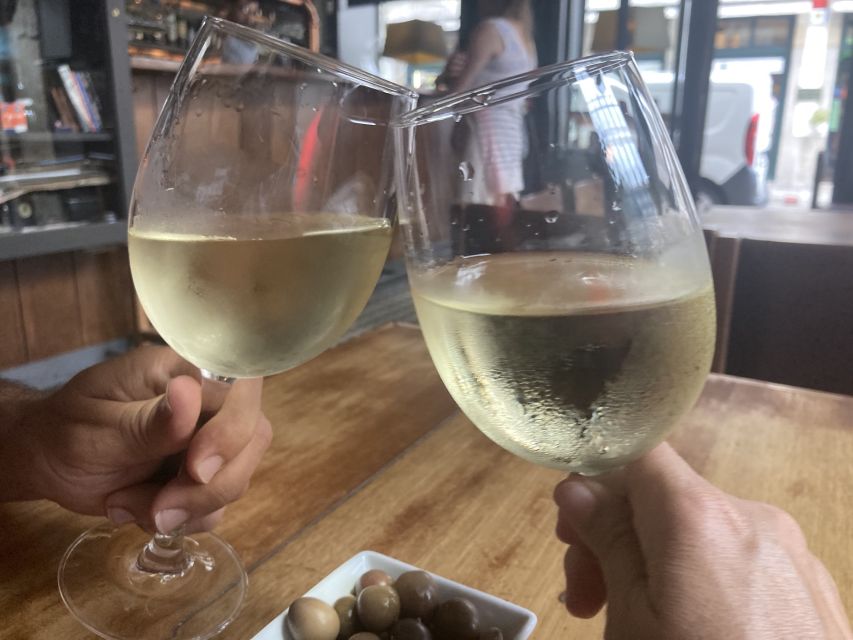
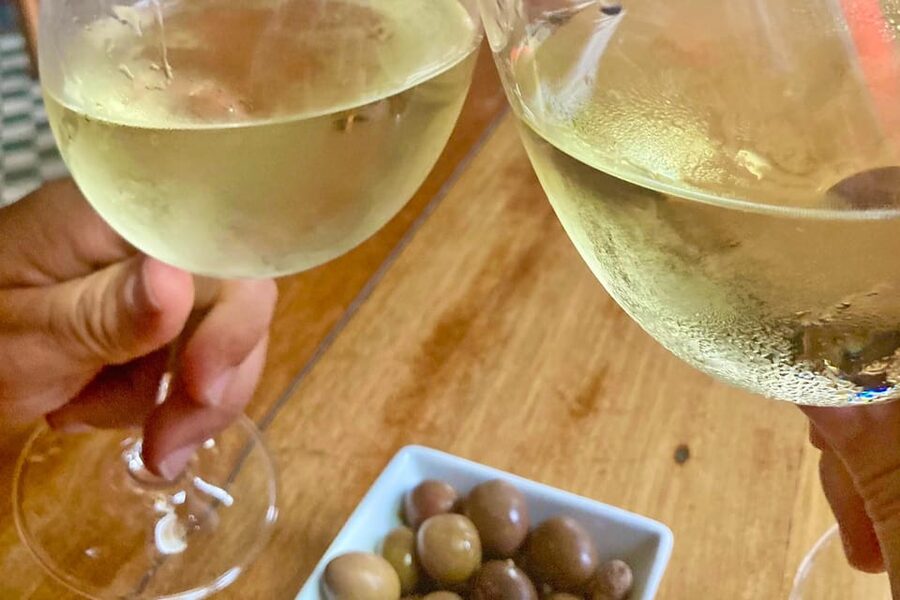
From there, you walk about ten minutes to a local bar. This first stop lasts around 45 minutes and focuses on Green Wine alongside regional specialties. The name can sound odd at first. Green Wine does not mean wine made from green grapes, nor is it necessarily green in color. It refers to a wine-producing area and style from northern Portugal.
The useful part here is the setting. A local tavern gives you a taste of how the wine fits into everyday northern Portuguese food culture. The tour description specifically calls attention to why you can drink Green Wine for breakfast, a playful way of explaining its light, fresh role in the region. Your guide can connect the wine to local habits rather than treating it as an isolated tasting sample.
I like this opening because it starts with something less familiar than Port. Many first-time visitors arrive in Porto already expecting fortified wine. Green Wine gives you a wider view of the region before the tour turns to the city’s best-known drink.
The stop lasts long enough to taste and ask questions, but it is not a full meal. Regional specialties are included, yet you should not book this as a substitute for lunch or dinner. If you have food allergies or dietary needs, the supplied information does not confirm what dishes are available, so ask the operator before booking.
More Port Wine Tastings in Porto:
- Porto: Bridges Cruise & Sunset & Port Wine Cellar Option
★ 4.2 · 4,180 reviews - Porto: Fado & Port Wine in Traditional Portuguese Music Shop
★ 4.8 · 2,906 reviews - Porto: What is Fado? Commented Live Concert with Port Wine
★ 4.8 · 2,839 reviews
Porto’s center, Ribeira, and a glass from the Douro
After the first tasting, the route moves toward Ribeira, with about 15 minutes of walking. The guide introduces Porto’s culture, history, and local food traditions while pointing out major sights and less obvious corners of the city.
This is where the tour earns its culture label. You are not simply moving between tasting rooms. The walk places Green Wine and Port in the context of Porto itself, linking what is in your glass to the streets, river, and commercial life of the city.
At a second local bar, you stop for roughly 45 minutes. Here, you receive one glass of Douro DOC wine from the Douro Valley. The Douro is the wider wine region tied closely to Porto’s Port trade, so this tasting helps explain the difference between a regular regional wine and fortified Port.
The contrast matters. A Douro DOC wine and a Port wine can come from the same broad wine country, but they are made and enjoyed differently. This middle tasting gives you a reference point before the final Port stop. Instead of tasting three Port wines in isolation, you can compare them with a dry or still wine from the valley.
The second stop also offers another chance to ask practical questions. If you want to understand sweetness, strength, serving styles, or production, this is a useful point to do it. The guide is expected to lead the tasting, not just pour glasses, and the strongest feedback about Verena highlights her ability to explain wine clearly and keep the mood relaxed.
The route then returns to Ribeira for about 30 minutes of guided walking. This section is long enough to slow the pace and look around, but it also adds more time on uneven city streets. Porto is not a flat walking city, so you should expect steps, slopes, and pavement that may be slick in wet weather.
Crossing Dom Luís Bridge to Gaia
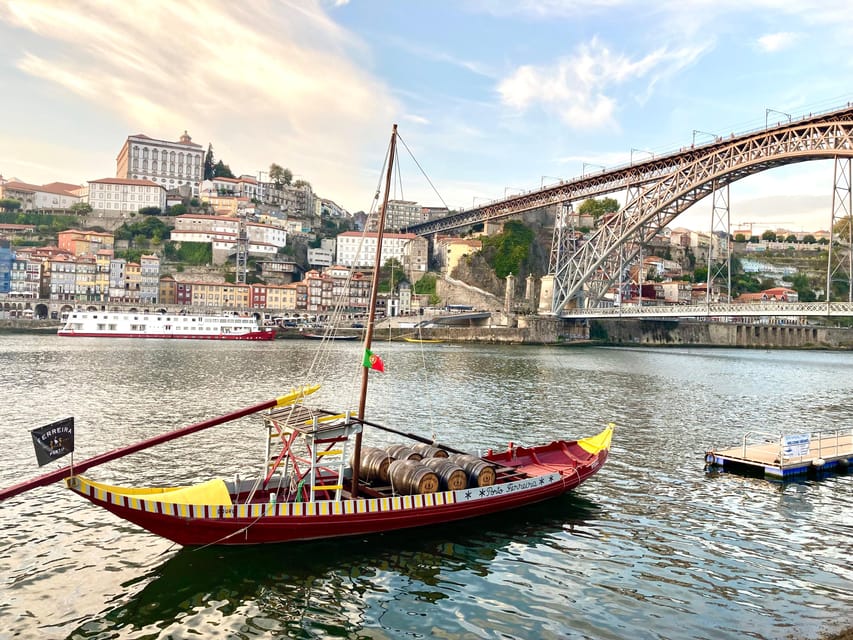
The group next walks toward Dom Luís Bridge, with a guided 10-minute section. The bridge is one of Porto’s defining views, linking the city with Vila Nova de Gaia across the Douro.
You then reach Cais de Gaia for a photo stop and another 20 minutes of walking. This is one of the tour’s most appealing transitions. The city changes around you as you move from Porto’s historic center to Gaia’s riverfront, where Port production has long shaped the local identity.
The views are a major part of the value here. You can look back toward Porto, see the river corridor, and understand why Gaia is not merely a second stop on a sightseeing route. It is the place most closely associated with Port wine cellars and tasting rooms.
The bridge crossing also breaks up the tastings. You are not seated indoors for three hours, drinking from one glass after another. The walk gives you time to notice the city and let each tasting settle. That said, people looking for a purely relaxed wine experience should know that this is an active walking tour, not a seated afternoon at one estate.
The route ends at a winery in Gaia. The final visit lasts about 45 minutes and includes three different types of Port, accompanied by nuts. This is the main event for anyone booking the tour because it gives you a basic map of the Port category.
Three Ports and the family-owned finish
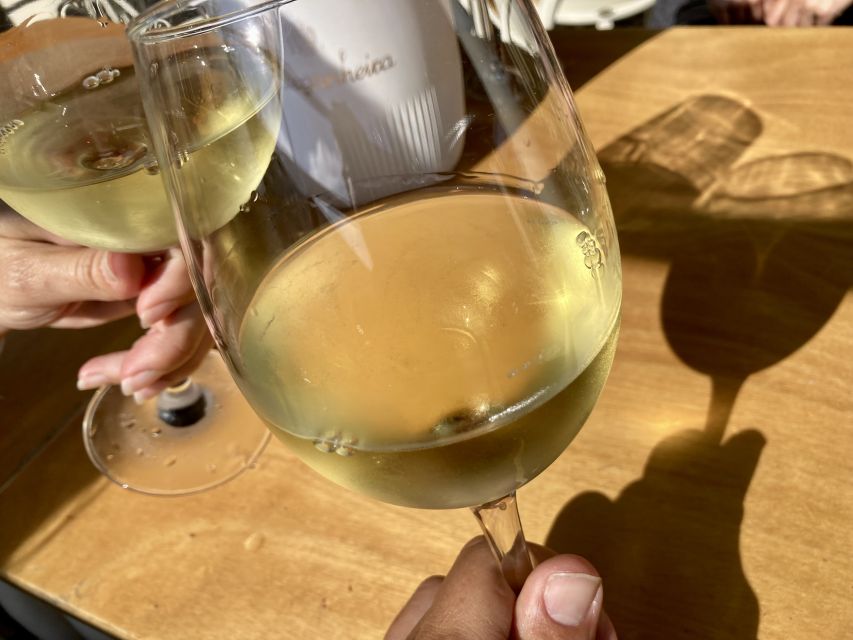
Port can seem simple until you face a shelf full of bottles with different colors, ages, and labels. The final tasting is designed to make that category easier to understand. You taste three types while learning about production and the qualities that make Port different from ordinary wine.
The stop takes place with a family-owned producer, which is a useful contrast to a large commercial cellar. The supplied details do not name the winery or specify the exact Port styles, so you should not expect a guaranteed list of Ruby, Tawny, White, or Vintage Port before arrival. What is confirmed is three different types of Port, nuts, and an explanation of how the wine is produced.
That uncertainty is worth noting. Wine enthusiasts who want a precise technical tasting may prefer a dedicated cellar tour with a published flight. For most visitors, however, the broader introduction is more useful. You get a guided comparison without needing prior wine knowledge.
The Port tasting is also where the tour’s title makes sense. Green Wine, Douro wine, and Port are not random samples. Together, they show three parts of northern Portugal’s food and wine culture. You finish with a better sense of what belongs to Porto, what comes from the Douro Valley, and why Gaia plays such a central part in the Port trade.
The tour finishes at Cais de Gaia rather than returning to Trindade. That is convenient if you plan to stay by the river, visit another cellar, or continue exploring Gaia. It is less convenient if you need to collect luggage or return to central Porto immediately, so plan your next move from the Gaia waterfront.
More Walking Tours in Porto:
- Porto: Wine Tasting with Tapas Walking Tour
★ 4.4 · 1,541 reviews - Porto: Delicious Food and Wine Walking Tour
★ 4.8 · 977 reviews - Porto: Port and Douro Wine Walking Tour with 9 Tastings
★ 4.7 · 926 reviews - Wine Tasting with Tapas Walking Tour in Porto
★ 4.5 · 544 reviews
What the small group changes
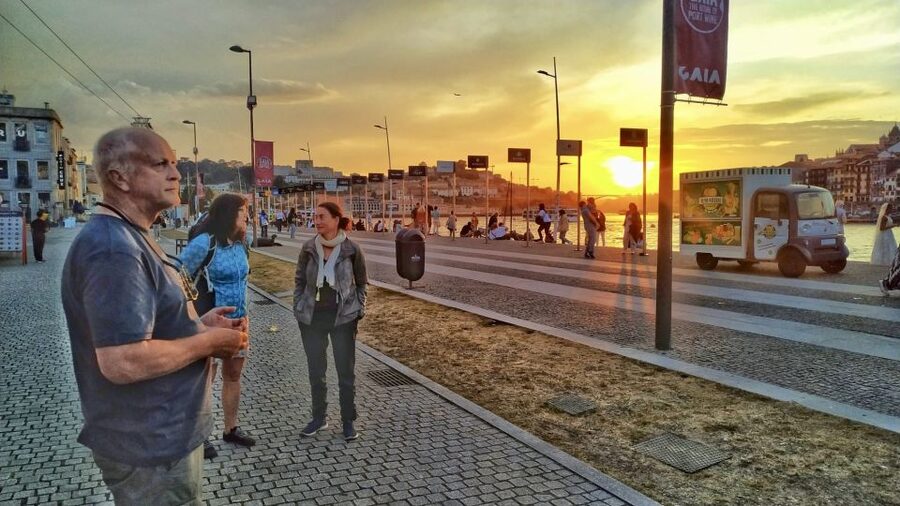
The maximum group size is eight. That matters on a walking and tasting tour because crowded groups can make tavern stops awkward and questions difficult. A small group should give you more access to the guide and a better chance to ask about particular wines, food customs, and places to eat.
The feedback about Verena is especially consistent. She is praised for being warm, funny, and well informed, with several comments noting that she shared local tips away from tourist traps. One group reported that the tour ran an hour over because she spent extra time with them.
That extra time can be a plus if you want a leisurely, conversational experience. It can also be a problem if you have a dinner reservation, another tour, or a train to catch. The advertised duration is three to three and a half hours, but the reported experience suggests you should keep your schedule flexible.
Language options are English and German. If you book in German, Verena’s strong German-language feedback may be especially relevant. If you book in English, confirm the language at the time of reservation if that matters to your group.
Is $69 a fair price?
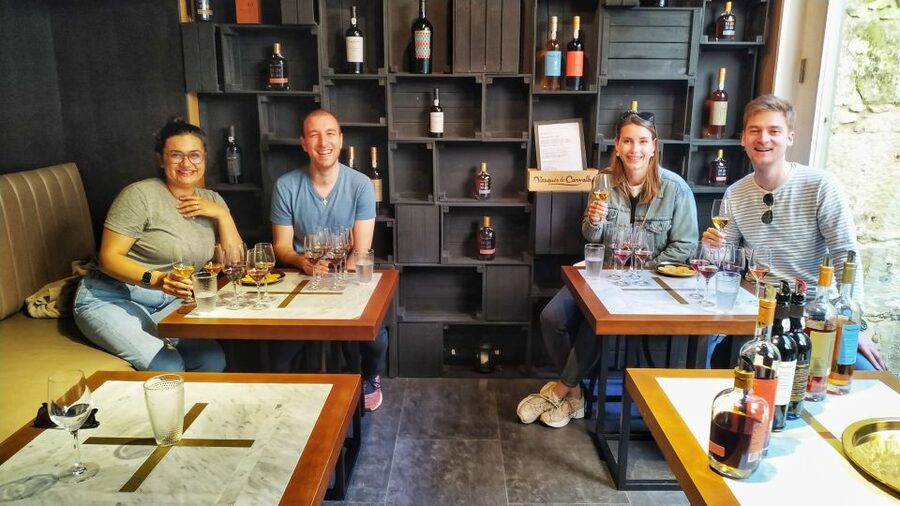
At $69 per person, the price covers an experienced guide, a small group, six wine tastes, regional specialties at the first tavern, nuts with the Port tasting, and a three to three and a half hour walking route.
I consider that reasonable if you value explanation and city orientation as much as the wine itself. Buying six comparable glasses independently could cost a sizeable portion of the price, and you would not automatically get the route, cultural context, or help comparing Green Wine, Douro DOC, and Port.
The value is strongest for first-time visitors who want a clear introduction to northern Portugal’s wine culture. It is also good for couples or friends who prefer a personal group rather than a large tasting bus.
The value is weaker for serious Port collectors. You may want a longer cellar visit, more detailed production notes, or a tasting focused only on older and rarer bottles. This tour is an accessible introduction, not a specialist certification course.
The inclusion of small producers and a family-owned Port stop also adds appeal. You are paying for access to places and explanations that can be harder to arrange on your own. The city walking is part of the product, so someone who wants only wine should choose a seated tasting instead.
Weather, walking, and who should book
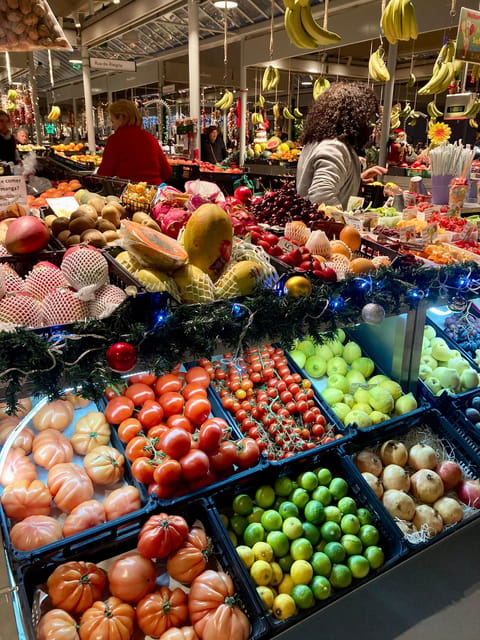
The tour runs in rain or sunshine. Porto’s weather can change, and the route includes open streets, riverfront areas, and the Dom Luís Bridge. Bring comfortable shoes, and consider a rain layer when the forecast looks uncertain.
The route is not suitable for people with mobility impairments. The supplied information also excludes pregnant women and anyone under 19. Since the experience includes wine at multiple stops, that age restriction is straightforward, and identification requirements are not specified.
I would recommend this tour to you if you want:
- A first look at Green Wine and Port in one outing
- A mix of tastings, city sights, and local history
- A small group with room for questions
- An English or German speaking guide
- A route that ends in Gaia rather than returning to the starting point
- A relaxed guide who may share personal food and drink tips
I would be more cautious if you dislike walking on slopes and uneven pavement, need a tightly timed schedule, or want a highly technical wine course. The experience has several walking sections, and its friendly pace may run longer than advertised.
Should you book this Porto to Gaia wine walk?
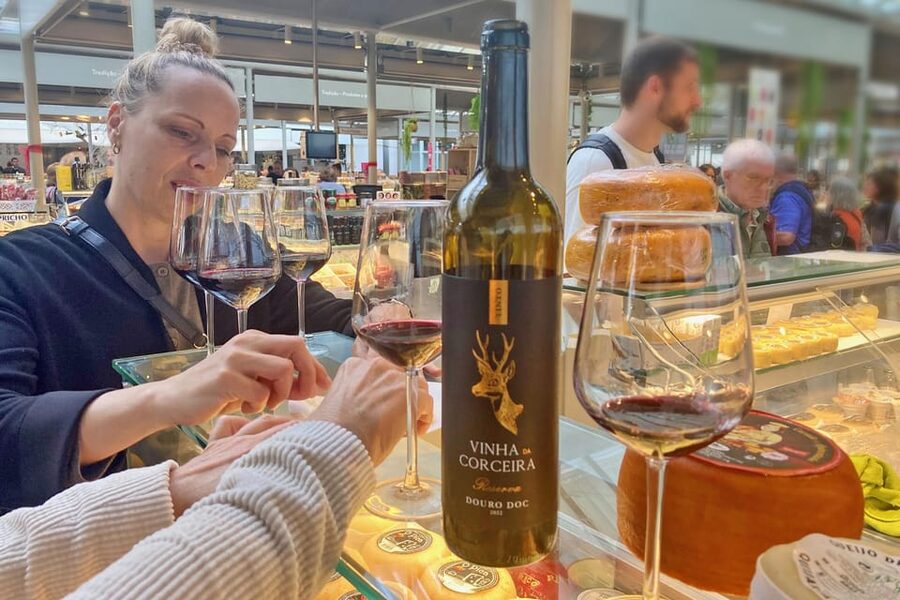
I would book it if this is your first visit to Porto and you want the city’s wine story explained as you see the city itself. The combination of Green Wine at a local tavern, Douro DOC wine, views from Dom Luís Bridge, and three Ports at a family-owned producer gives you a broad and practical introduction.
The strongest reason to choose it is the personal scale. A maximum of eight people and a guide such as Verena, who is praised for humor, local advice, and extra attention, can turn a basic tasting into a useful afternoon with a human touch.
Skip it if you want a short, fully seated tasting or a specialist Port experience. For everyone else who can manage the walking, $69 is a sensible price for wine, food, guiding, and a route that connects Porto with Gaia.
FAQ
Where does the tour begin?
It begins at Praça da Trindade, by the fountain between Trindade Church and the back of Porto city hall. The meeting point is close to Trindade Metro Station.
Where does the tour finish?
The tour finishes at Cais de Gaia in Vila Nova de Gaia.
How long does the experience last?
The advertised duration is three to three and a half hours. Starting times depend on availability.
How many people can join?
The group is limited to eight participants.
Which wines are included?
You taste six wines in total: Green Wine at a local Porto tavern, one glass of Douro DOC wine, and three different types of Port. The supplied details describe six quality wines from small producers.
Is food included?
Regional specialties are included at the Green Wine tasting, and nuts are included with the Port tasting. The available information does not specify the full food menu.
Which languages are available?
The tour is offered in English and German.
Does the tour run in bad weather?
Yes. The tour takes place in rain or sunshine, so comfortable shoes and suitable weather protection are sensible.
Can I cancel or pay later?
You can cancel up to 24 hours before the experience for a full refund. The reserve-now, pay-later option lets you book without paying immediately.
Newly added around Porto
- Porto: Tuk tuk Tours with Port Wine Tasting★ 4.5 · 65 reviews
- Porto: Tile Painting Workshop with Tea and Port Wine★ 4.9 · 66 reviews
- Porto: Douro River Boat Tour with Wine Tasting★ 4.9 · 167 reviews
- Porto: Sunset Walking Tour with Port Wine and Views★ 4.6 · 95 reviews
- Porto Wine Tasting Experience with Portuguese Tapas Plate★ 4.7 · 356 reviews
- Porto: Douro River Cruise w/ Portuguese Wines & Local Host★ 4.9 · 166 reviews
- Porto: Self-Guided Bike and Boat Tour with Port Wine Tasting★ 4.7 · 52 reviews
- Porto: Taylor’s Port Cellar Tour & WOW The Wine Experience★ 4.5 · 136 reviews
Port Wine Tastings, compared.
Bridges Cruise & Sunset & Port Wine Cellar Option
Read our review →
Fado & Port Wine in Traditional Portuguese Music Shop
Read our review →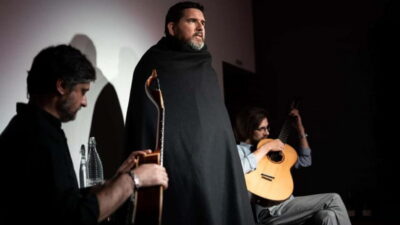
What is Fado? Commented Live Concert with Port Wine
Read our review →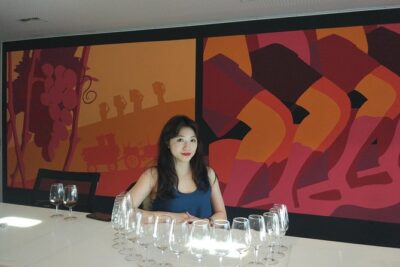
Port Wine Lodges Tour Including 7 Port Wine Tastings (English)
Read our review →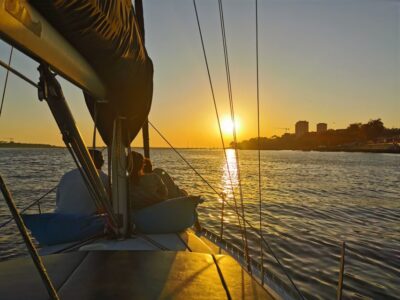
Charming Sailboat Cruise with Port Wine,Sunset Option
Read our review →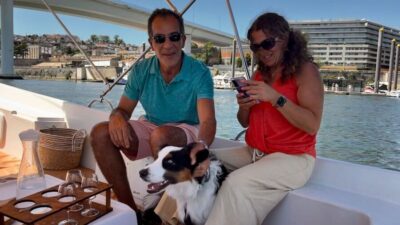
Douro River Boat Cruise with Port Wine Tasting
Read our review →
Graham’s Port Lodge Tour with Premium Wine Tastings
Read our review →
Intimate Fado Show & Port Wine in Trindade Noble Hall
Read our review →Browse the lists this tour appears in