REVIEW · WINE CELLAR VISITS
Porto: Cálem Cellar with Chocolate, Cheese, and Wine Tasting
Port becomes clearer with the right food. This one-hour visit to Cálem Cellars links the wine to the Douro Valley, the barrels, and a smart tasting plate. I like the mix of the interactive museum and the cellar tour, and I especially like tasting Late Bottled Vintage, Vintage, and 20-year tawny side by side. The main caution is group size: a crowded tour can make the guide hard to hear.
The tasting is the star here. Cheese and chocolate pairings show how Port can work beyond dessert, while the cellar visit gives you useful basics about grape growing, ageing, and the different styles. The visit may run longer than the advertised hour, so leave some space before your next booking.
Key points to know before you book
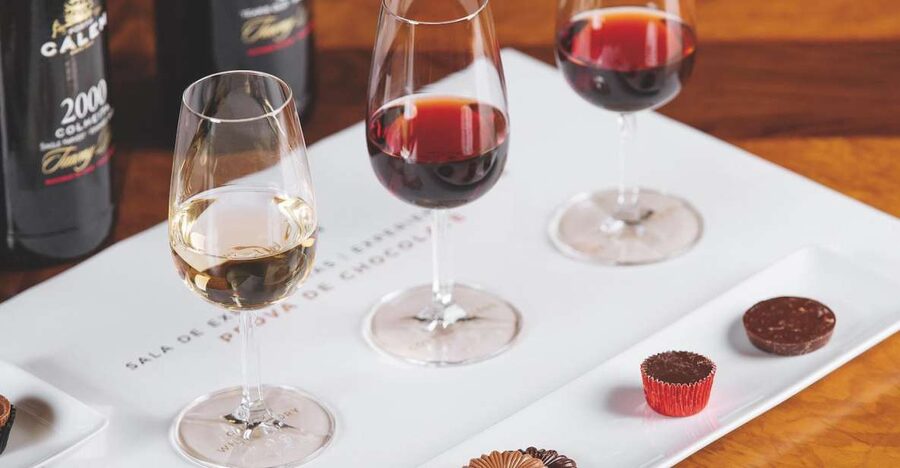
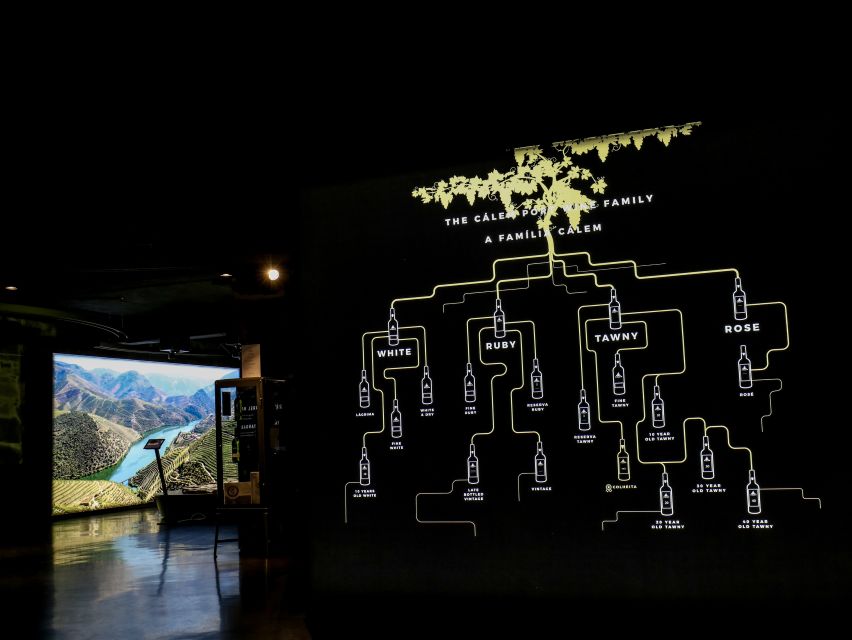
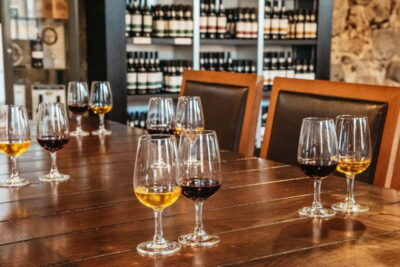
- Three distinct Ports are served: Cálem Late Bottled Vintage, Cálem Vintage, and Cálem 20 Years Old Tawny.
- The food is more than a token snack: goat cheese from Trás-os-Montes, São Jorge cheese from the Azores, chocolate tartlets, crackers, and jam accompany the wines.
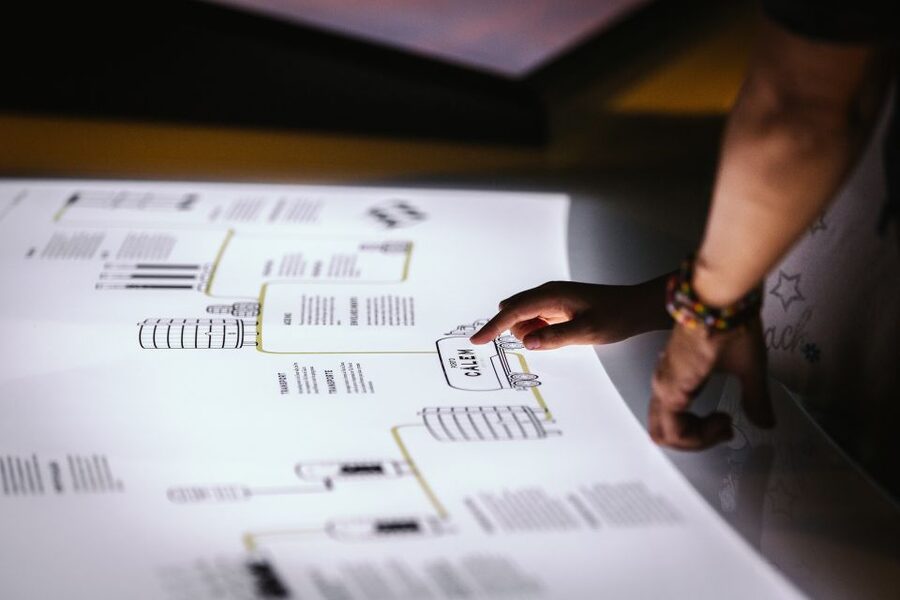
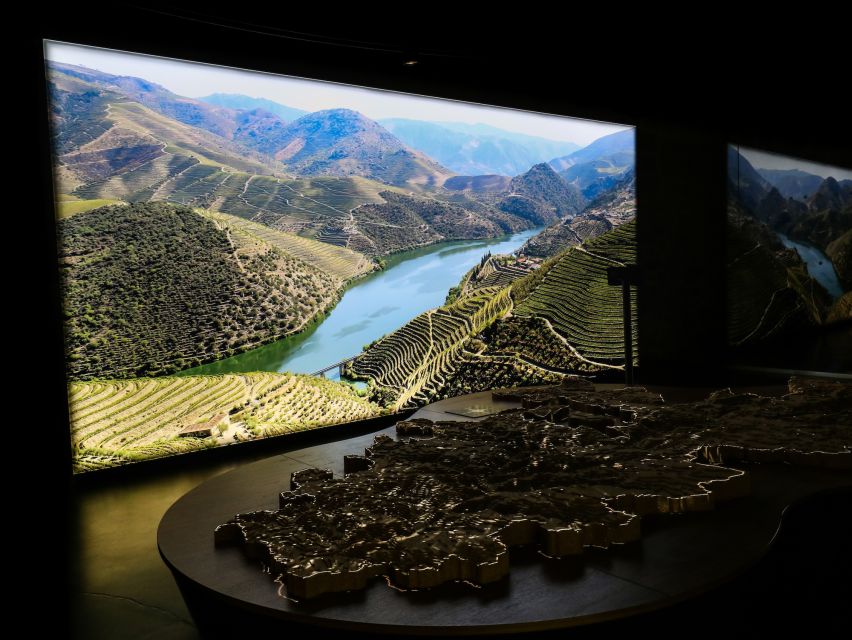
- The Cálem Interactive Museum adds visual context: it explains Port production in an approachable way before you enter the working cellar.
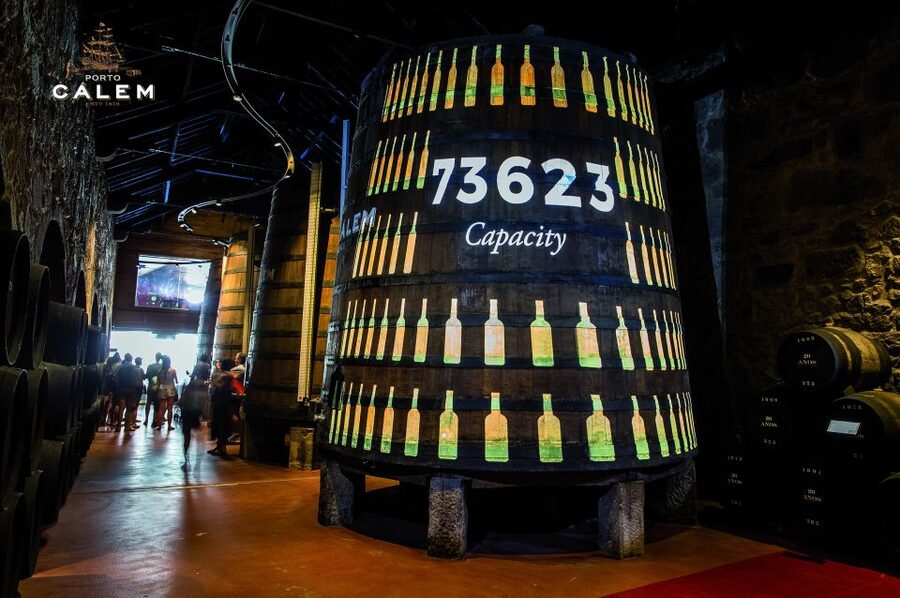
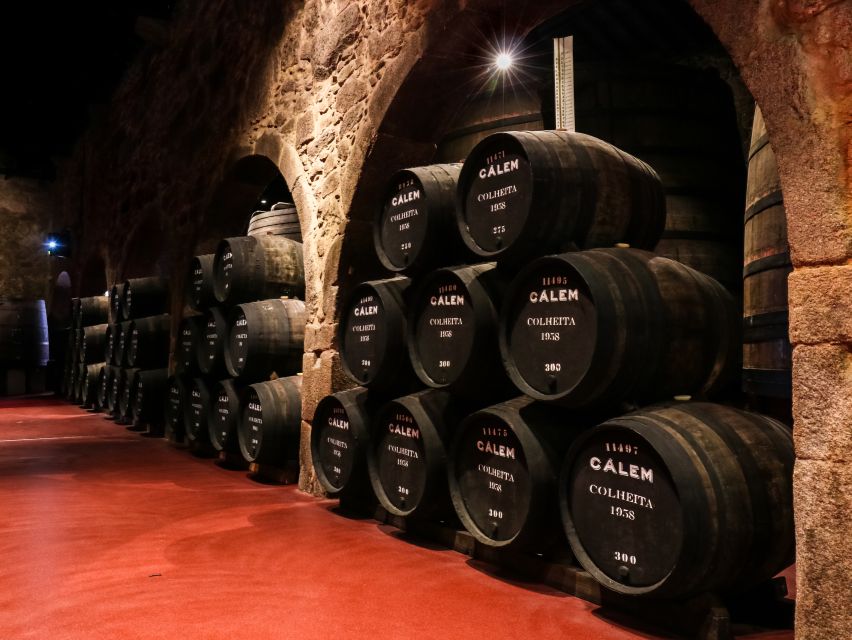
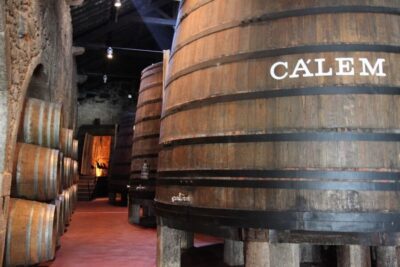
- The cellar remains active: you see barrels where Port matures away from light and heat.
- Guides speak English, Portuguese, Spanish, and French: individual guides can make a big difference, with names such as Matthew and Anna praised for clear, engaging tours.
- A large group can reduce the experience: arrive ready to stay near the guide and ask for help if you cannot hear.
Why Cálem is a useful first Port stop
Port can seem simple at first: sweet wine, small glass, perhaps a piece of chocolate. Cálem makes a good introduction because the visit connects the drink to its production rather than rushing straight to the bar.
You learn about the Douro Demarcated Region, the area tied to Port production, and how the wine is made. The presentation also covers the history of the Cálem house and the differences among Port styles. That background matters because the tasting includes three wines that behave quite differently in the glass.
I like this setup for first-time Port drinkers. You do not need to arrive with specialist knowledge, and you will have enough information to understand why one Port tastes fruity while another shows woody or caramel notes. If you already know Port well, the visit may feel introductory, particularly when the group is large.
The price is $53 per person. That is not a bargain cellar visit, but it is reasonable if you value the guided tour, museum access, three wines, and a prepared food pairing in one stop. You are paying for more than three samples. You are getting a short lesson in Port, a look at active ageing spaces, and a tasting designed to help you compare styles.
More Wine Cellar Visits in Porto
- Porto: Bridges Cruise & Sunset & Port Wine Cellar Option
★ 4.2 · 4,180 reviews - Porto: Cálem Cellar Tour, Fado Show & Wine Tasting
★ 4.4 · 3,530 reviews - Porto: City Train Tour, River Cruise & Wine Cellar
★ 3.9 · 2,601 reviews
The Cálem Interactive Museum starts the lesson
The museum is a helpful bridge between Porto street life and the cellar below. You have about 15 minutes to explore its displays, which explain the Port-making process in a visual and accessible way.
This section works best if you use it to get your bearings. Look for the basic sequence: grapes from the Douro, wine production, fortification, ageing, and blending or bottling. The details give you a framework for what the guide explains later.
The museum also helps families and mixed groups. Someone who does not drink much wine can still follow the story through the visual material. One parent found the cheese and chocolate pairing especially useful for including a younger daughter who was too young to drink.
Do not expect an in-depth museum visit. Fifteen minutes is enough for an introduction, not a full study of Portuguese wine. The cellar and tasting carry most of the experience.
Inside the active cellar
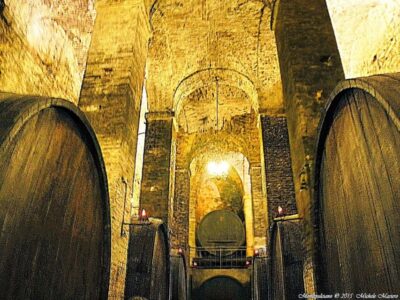
The guided cellar visit is the atmospheric part of the tour. You see barrels and storage areas where Port matures under controlled conditions, protected from light and heat. The fact that the cellar remains active gives the visit more purpose than a simple display of old casks.
Your guide explains how ageing affects the wine and introduces the main Port categories. This is where the tasting becomes easier to understand. You hear why some wines keep a fresher fruit character and why others develop notes linked to wood and long ageing.
The cellar itself is not presented as a grand historic monument. Its value is practical. You are looking at the place where the wine develops, close to the barrels rather than only seeing bottles behind glass.
The tour can be harder to enjoy when several groups are speaking at once. Some visitors found it difficult to hear the guide, and one group felt the guide spoke too fast. Stay close, especially at the back, and politely ask the guide to repeat a point if necessary. That small effort can make the difference between a useful explanation and a blur of wine terms.
Three Ports, three different jobs at the table
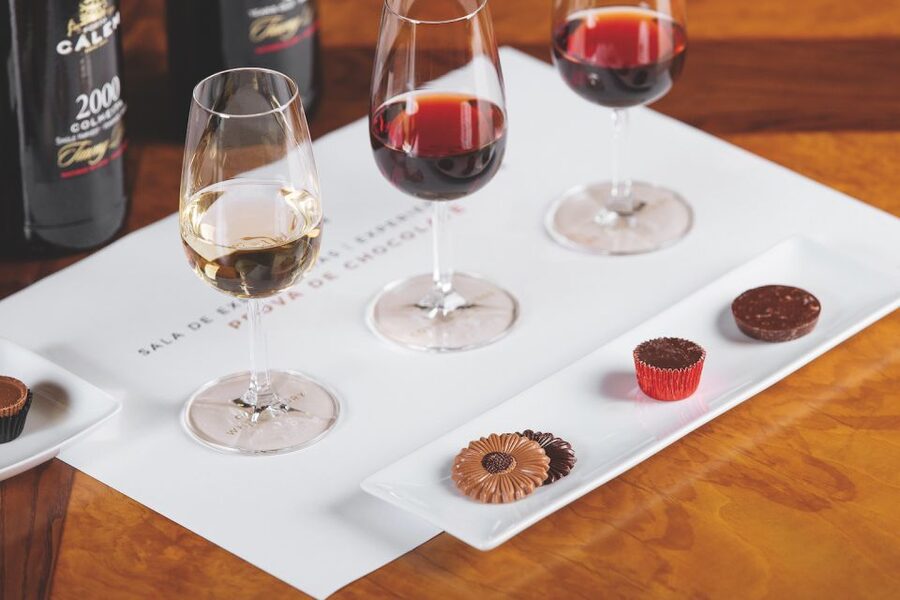
The tasting includes Cálem Late Bottled Vintage, Cálem Vintage, and Cálem 20 Years Old Tawny. Sampling them together gives you a simple comparison instead of three unrelated pours.
Late Bottled Vintage offers a way to meet a fuller, fruit-led style without needing to know much beforehand. Vintage Port is treated as one of the house’s more notable styles, while the 20-year tawny shows how time changes the character of the wine.
The exact tasting atmosphere can vary. At its best, the guide or tasting staff explains what to try first, what to notice, and which food works with each pour. One particularly useful detail is the suggested order for consuming the wines and pairings. That sequence helps prevent the stronger flavors from flattening the more delicate ones.
At other times, the tasting may feel more like a quick service stop. Some people received only a short explanation after being separated from the main tour group. If you want a more personal tasting lesson, ask questions while the staff are present. Ask which wine is fruitiest, which is most influenced by ageing, and why a certain cheese or chocolate works with it.
The tasting portion is still widely praised for its flavor and variety. It is also the part most likely to make the price feel worthwhile.
More Wine Tastings in Porto
- From Porto: Douro Valley w/ Boat Tour, Wine Tasting & Lunch
★ 4.7 · 19,061 reviews - Complete Douro Valley Wine Tour with Lunch, Wine Tastings and River Cruise
★ 5.0 · 12,920 reviews - Douro Valley Small-Group Tour with Wine Tasting, Lunch and Boat
★ 5.0 · 3,642 reviews - Porto: Douro Valley Tour with Wine Tasting, Cruise and Lunch
★ 4.7 · 2,714 reviews
Cheese and chocolate change how the Port tastes
The food pairing is not decorative. You receive goat cheese from Trás-os-Montes, São Jorge cheese from São Jorge Island in the Azores, dark and milk chocolate tartlets, crackers, and jam.
The two cheeses give you a useful contrast. Goat cheese brings a sharper, more savory edge, while São Jorge has a firm character that can hold up to a sweet fortified wine. The chocolate tartlets shift the experience in another direction, showing why Port is so often served with dessert, while also proving that the pairing need not stop there.
I like the fact that you are encouraged to compare rather than simply eat and drink. Try a small sip of Port on its own, take a bite of cheese, and taste the wine again. Then repeat with chocolate. You may notice fruit, wood, caramel, or sweetness more clearly after the food.
Crackers and jam fill out the plate and give you a neutral or sweet option between the stronger flavors. The portion is designed for tasting, not lunch, so do not book this as a meal replacement.
Allergy information matters. The listed allergens include milk, dried fruits, soy, nuts, and eggs. If any of these are a concern, contact the provider before booking rather than assuming substitutions are available.
The guide can make or break the hour
The strongest part of the presentation is the human explanation. Matthew was praised for being informative and entertaining on an English-language visit. Anna was also singled out for a polished presentation, while other guides received praise for making the subject easy to follow.
That does not mean every tour will feel identical. Group size, room noise, and the guide’s pace affect the experience. One guide may invite questions and bring the Port-making process to life. Another may rely more heavily on a prepared explanation or move too quickly through the cellar.
A few practical habits help. Arrive ready to stay near the guide, especially if you have hearing difficulty. If the group is large, move forward before the presentation begins. During the tasting, listen for the pairing order and ask one or two direct questions before the staff move on.
Some people felt the tour included too much selling of individual Cálem Ports. That is a fair concern in a branded cellar visit. You are learning about one producer, not receiving an impartial survey of every Port house in Porto. For a first visit, the brand focus is useful. For an experienced Port drinker, it may feel limited.
How long does the visit really take?
The experience is sold as one hour, with a museum visit, cellar tour, and tasting packed into that time. In practice, some visits have lasted closer to two hours, particularly when the tasting was unhurried.
That variation matters. Do not schedule a train, restaurant reservation, or second tour immediately afterward. A loose plan lets you enjoy the tasting instead of watching the clock.
The cellar presentation itself may take around 30 to 45 minutes, with the museum adding about 15 minutes. The tasting follows, and its length depends on the group and the staff. One of the best experiences came when the group was small and the tasting had time to breathe. A cold, rainy day even produced an almost private English-language tour for two people.
Large groups can create the opposite problem. A group of 200 was described as industrial and impersonal, although the food pairing helped soften that feeling. Group size is not fixed in the information provided, so consider the time of day and season when choosing a departure.
Comfort, languages, and access
Tours are offered in English, Portuguese, Spanish, and French. The language you book can affect your experience, so choose carefully and confirm the meeting point for your selected option. The meeting point may vary depending on the booking.
The activity is listed as wheelchair accessible, but it is also marked as not suitable for people with mobility impairments. That is a clear reason to confirm the exact route and physical conditions with Cálem before paying. Do not rely on a general accessibility label if stairs, standing, or uneven areas could be a problem.
Seating may be limited during the cellar presentation. One person specifically wished for chairs during the longer explanation. If you need to sit, ask staff at the start rather than waiting until the presentation is under way.
The cellar environment is protected from heat and light for the wine, so you may find it cooler or darker than outside. The supplied details do not specify the exact temperature or floor surfaces, so dress for a cellar setting and wear shoes you can stand in comfortably.
Who will get the most from this experience?
This is a strong choice if you are new to Port, want a compact introduction, or enjoy learning through food. The three-wine comparison keeps the visit focused, and the cheese and chocolate make the lesson easier to remember.
It also suits couples and small groups looking for a short Porto activity that does not require a full day outside the city. You learn about the Douro without taking a separate trip into the valley.
Families can find value here if some members are under the legal drinking age, since the museum and food pairing provide something beyond the wine itself. The experience is still centered on alcohol, so it is not a children’s attraction.
I would be more selective if you are already an experienced Port drinker. You may want a smaller, more technical tasting with a wider range of producers. Cálem gives you a branded introduction and a clear comparison, not an advanced wine seminar.
Should you book the Cálem tasting?
Book it if you want an easy introduction to Port with a strong food component. The cellar, museum, three wines, and pairings form a sensible package at $53, especially if you have only a short time in Porto.
I would book at a time when you can stay longer than one hour. Choose the language carefully, arrive early enough to get near the guide, and ask about access if mobility is a concern.
Skip it if you dislike group tours, want a quiet private tasting, or already know the main Port styles well. The guide quality and group size can vary, and the presentation may feel basic or sales-focused.
For most first-time visitors, I think the tasting earns its place on a Porto schedule. The cellar gives you the setting, the guide explains the method, and the cheese and chocolate show what the wine can do at the table.
FAQ
How much does the Cálem Cellar tasting cost?
The listed price is $53 per person.
How long does the experience last?
The advertised duration is one hour. Some visits have lasted closer to two hours, so leave extra time before your next activity.
Which wines are included?
The tasting includes Cálem Late Bottled Vintage, Cálem Vintage, and Cálem 20 Years Old Tawny.
What food is paired with the Port?
The pairings include goat cheese from Trás-os-Montes, São Jorge cheese from the Azores, dark and milk chocolate tartlets, crackers, and jam.
Is the Cálem Interactive Museum included?
Yes. Entrance to the Cálem Cellars and the museum visit are included.
What languages are available?
The live tour guide may speak English, Portuguese, Spanish, or French.
Is the experience wheelchair accessible?
It is listed as wheelchair accessible, but it is also marked as not suitable for people with mobility impairments. Confirm the exact route and conditions with Cálem before booking.
Are there known allergens?
The listed allergens are milk, dried fruits, soy, nuts, and eggs.
Can I cancel for a full refund?
You can cancel up to 24 hours in advance for a full refund.
Do I have to pay when I book?
The reserve now and pay later option allows you to hold a place without paying immediately.
More Wine and Cheese Tastings in Porto
- Porto: Cheese and Port Wine Tasting in a Unique Place
★ 4.8 · 30 reviews - Paris: Montmartre Cheese, Wine & Pastry Guided Walking Tour
★ 4.8 · 2,255 reviews - Amsterdam: Evening Candle Light Cruise With Wine & Cheese
★ 4.6 · 1,774 reviews - Amsterdam: Cozy Cheese & Wine Cruise Tasting Experience
★ 4.5 · 1,156 reviews
More Wine Tastings in Portugal
- Douro Valley Tour: Wine Tasting, Cruise and Lunch from Porto
★ 4.5 · 2,645 reviews - Porto Food & Wine Tasting Tour with Lunch or Dinner Option
★ 5.0 · 2,303 reviews - Douro Valley Tour – 3 Wine tastings, Lunch & river Cruise
★ 5.0 · 2,043 reviews - Port Wine Lodges Tour Including 7 Port Wine Tastings (English)
★ 5.0 · 2,041 reviews
Newly added around Porto
- Porto: Tuk tuk Tours with Port Wine Tasting★ 4.5 · 65 reviews
- Porto: Tile Painting Workshop with Tea and Port Wine★ 4.9 · 66 reviews
- Porto: Douro River Boat Tour with Wine Tasting★ 4.9 · 167 reviews
- Porto: Sunset Walking Tour with Port Wine and Views★ 4.6 · 95 reviews
- Porto Wine Tasting Experience with Portuguese Tapas Plate★ 4.7 · 356 reviews
- Porto: Douro River Cruise w/ Portuguese Wines & Local Host★ 4.9 · 166 reviews
- Porto: Self-Guided Bike and Boat Tour with Port Wine Tasting★ 4.7 · 52 reviews
- Porto: Taylor’s Port Cellar Tour & WOW The Wine Experience★ 4.5 · 136 reviews
Wine Cellar Visits, compared.
Bridges Cruise & Sunset & Port Wine Cellar Option
Read our review →
Cálem Cellar Tour, Interactive Museum & Wine Tasting
Read our review →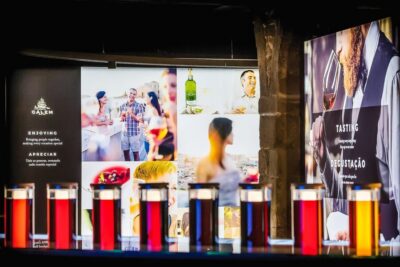
Hop-on Hop-off Bus with Optional Cruise & Wine Cellar
Read our review →
Magic Train Tour and Port Wine Cellar with Tastings
Read our review →
Milan Urban Winery: Taste & Tour at Cantina Urbana
Read our review →