
REVIEW · WINE TASTINGS
Premium Argentinian Wines and Malbec Tasting Experience
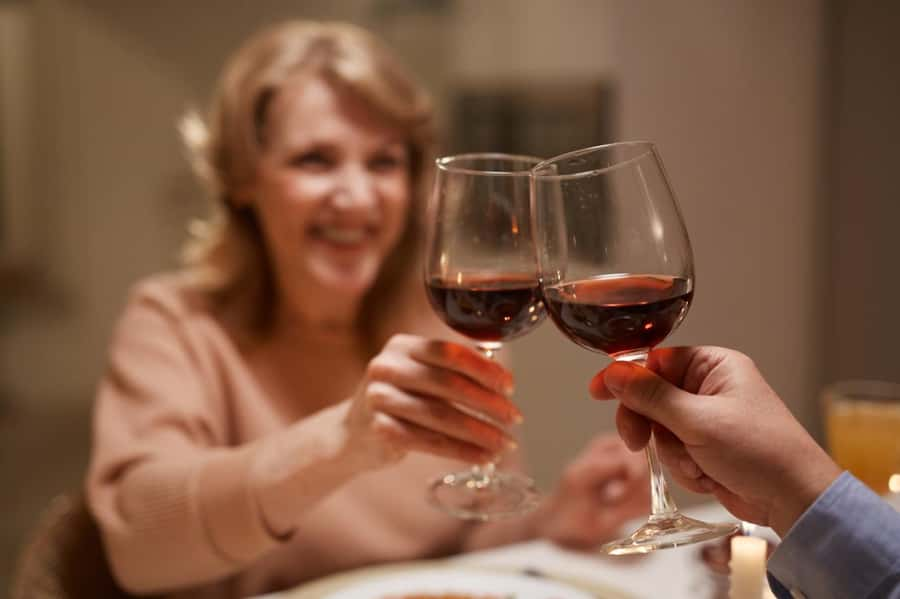
Great wine, clear explanations, and a smart setting. This 90-minute tasting in Palermo Soho gives you a useful introduction to Argentina’s wine culture without sending you outside Buenos Aires. I like the focused lineup of Torrontés, Pinot Noir, and Malbec, and I also like the generous food pairings, including cheese, salami, and a typical Argentine appetizer. The main thing to consider is that this is a seated tasting class, not a vineyard visit, so you will learn about wine regions without seeing the vineyards themselves.
The price is $50 per person, which feels fair if you want guided tasting rather than three anonymous glasses at a bar. The hosts bring real personality to the session. Lourdes, Tomas, Faku, Myrian, Pamela, and others have been praised for explaining the wines clearly and answering broader questions about Buenos Aires. You should also note that the meeting-point details vary slightly between Gorriti 4882 and Gorriti 4886, so check the final booking information before setting out.
Key points to know before booking
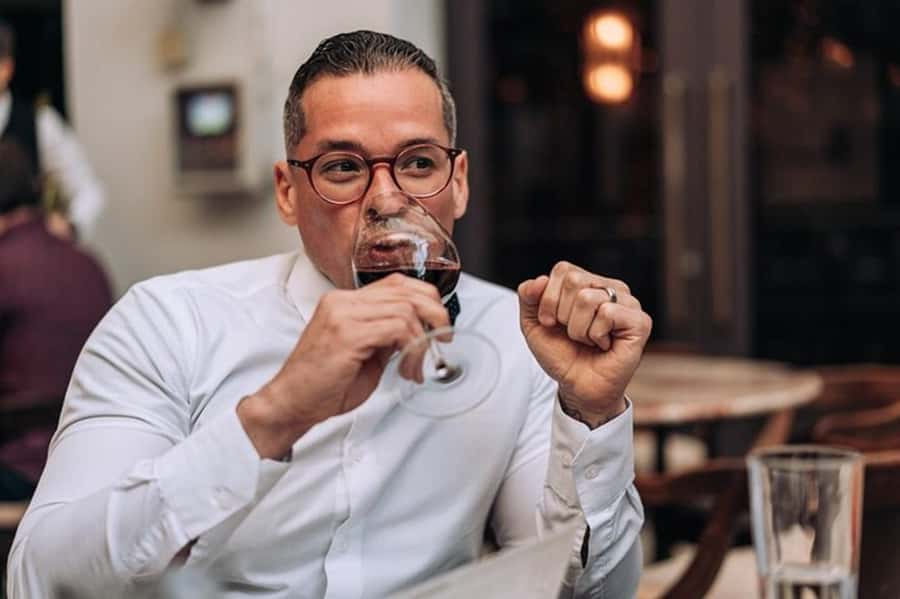
- Three important Argentine grapes: Taste Torrontés, Pinot Noir, and Malbec, with each wine explained in terms of aroma, flavor, origin, and food pairing.
- A useful regional comparison: Learn how Mendoza, Salta, and Patagonia produce wines with different character.
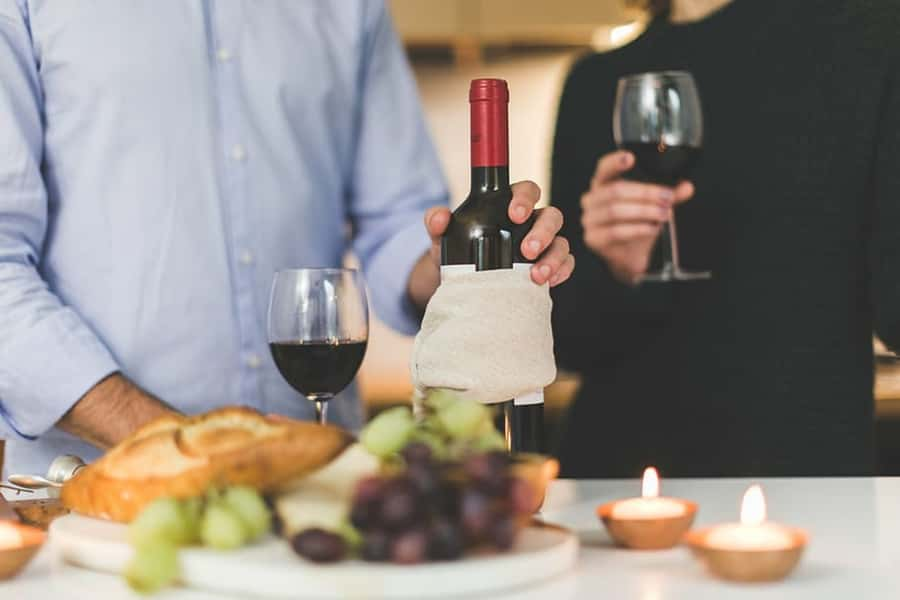
- Food is part of the lesson: Cheese, salami, and other local snacks help show why pairing matters.
- A strong choice for curious beginners: You do not need advanced wine knowledge to follow the class.
- Central Palermo setting: The tasting begins at Gorriti 4882 or Gorriti 4886 in Palermo, with no hotel pickup included.
- Adult-only activity: Children under 18 cannot join, and the venue is not suitable for wheelchair users.
Starting in Palermo Soho at Gorriti Street
The tasting begins in Palermo Soho, one of Buenos Aires’ popular areas for restaurants, shops, and nightlife. Your meeting point is listed as Gorriti 4882, with another instruction giving Gorriti 4886. Those addresses are close, but I would still use the exact confirmation you receive when booking.
There is no hotel pickup or drop-off. You will need to reach the venue yourself, and one practical suggestion is to use an Uber if you are unfamiliar with the neighborhood or carrying a phone without reliable local service. The activity takes place indoors, and it runs even if rain or storms arrive, which is useful in Buenos Aires when the weather changes quickly.
The setting has been described as bright, with high ceilings, and earlier sessions were held in an intimate cellar-style room. The exact room may vary, but the important point is that this is designed as a small-scale tasting environment rather than a large restaurant meal. You sit, listen, taste, and ask questions.
The advertised duration is 90 minutes. One part of the schedule describes a two-hour visit, so allow a little extra time if you have dinner plans afterward. The wine portion itself is built around an hour and a half of instruction and tasting.
More Wine Tastings in Argentina:
- From Salta: Full-Day Tour to Cafayate with Wine Tasting
★ 4.5 · 478 reviews - From Salta: Cafayate Day Trip with Wine Tasting
★ 4.4 · 226 reviews - Buenos Aires: Wine Tasting and Lunch at Bodega Gamboa
★ 4.8 · 177 reviews
Why Argentina’s wine regions matter
The best part of this activity is not simply drinking three wines. It is learning how to place them on Argentina’s wine map.
The host introduces the country’s three main wine areas covered in the session: Mendoza, Salta, and Patagonia. You learn where the vineyards are located and how their conditions affect the wine’s taste. This gives you a useful framework for ordering wine later in Argentina, rather than treating Malbec as the country’s only worthwhile grape.
Mendoza is the name most people already know. It is central to Argentina’s wine identity and is closely tied to Malbec. Salta brings another regional point of comparison, while Patagonia helps show that Argentine wine is not limited to one warm inland zone. The class focuses on differences in flavor and production, not just geography.
Maps and visual material can make this section easier to grasp. Faku, one of the hosts, used antique maps to explain the development of Argentine winemaking. That kind of material gives the talk a sense of place and helps connect modern bottles to the country’s earlier wine industry.
You should not expect a technical lecture at sommelier-school level. Instead, the session gives you practical background: grape variety, vineyard location, vintage, production, aroma, taste, and pairing. That balance works well if you want to understand what is in your glass without memorizing a long list of wine terms.
Torrontés, Pinot Noir, and Malbec in one flight
The tasting focuses on three wines: Torrontés, Pinot Noir, and Malbec. Each gives you a different way into Argentina’s wine culture.
Torrontés is the white wine in the lineup. It offers an important reminder that Argentina is not only about red wine. The host discusses its appearance, aroma, taste, and suitable food matches, so you can compare its character with the two reds that follow.
Pinot Noir adds a lighter red style to the tasting. Its inclusion helps show how varied Argentine production can be. Rather than moving from one similar red to another, you get a contrast in grape and style.
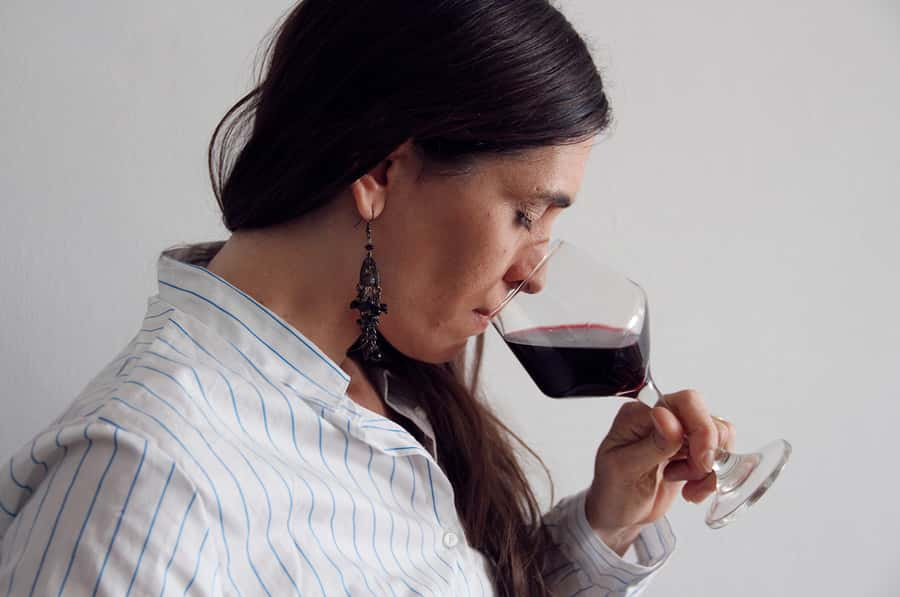
Malbec is the star, and rightly so. Argentina has become closely associated with this grape, and the session explains why. You taste the wine while learning about its origin, vineyard location, vintage, and production method. The host also discusses how to judge what is in the glass, including its smell, appearance, and flavor.
The format is helpful for beginners because you are not left to guess what you should notice. At the same time, people who already enjoy wine should find enough regional information and vintage discussion to keep the session useful. A participant with experience in Napa Valley particularly praised the depth of the wine presentation, which suggests that the class is not limited to first-time tasters.
Do not expect a bottle-by-bottle catalog of every major Argentine variety. Three wines make the 90-minute format manageable, but they also limit the range. If you want sparkling wine, a larger red selection, or a tasting built only around Malbec, this may feel compact.
Cheese, salami, and the food pairing lesson
Food is not an afterthought here. The tasting includes a typical Argentine appetizer, with cheese and salami mentioned as part of the pairing. You use the food to see how a wine changes when matched with something salty, creamy, or savory.
That makes the session more useful than a simple pour-and-listen event. The hosts explain which foods work with each wine and why. You can pay attention to whether the cheese softens a wine’s sharper edge or whether salami makes a red taste fuller and more substantial.
The portions have been described as generous, and the food pairing has earned especially strong praise. Still, you should treat the snacks as part of the tasting rather than a full dinner. If you are arriving hungry, plan another meal in Palermo afterward.
Dietary needs require advance attention. One host, Myrian, made careful adjustments for a participant with celiac disease, lactose intolerance, kidney problems, and a meat-free diet. That is encouraging, but it does not guarantee that every dietary request can be handled automatically. Contact the provider before booking if you need substitutions.
A few more wine tours around Argentina worth a look
- From Mendoza: 3 Wineries, Olive Oil Factory Tour & Tasting
★ 4.6 · 901 reviews - Mendoza: Half-Day Wine Tour with Tastings
★ 4.3 · 727 reviews - From Salta: Cafayate, land of wines and imposing ravines
★ 4.4 · 347 reviews - Mendoza: Full Day Wine Tour with 3 Course Lunch
★ 4.3 · 153 reviews
The hosts shape the quality of the evening
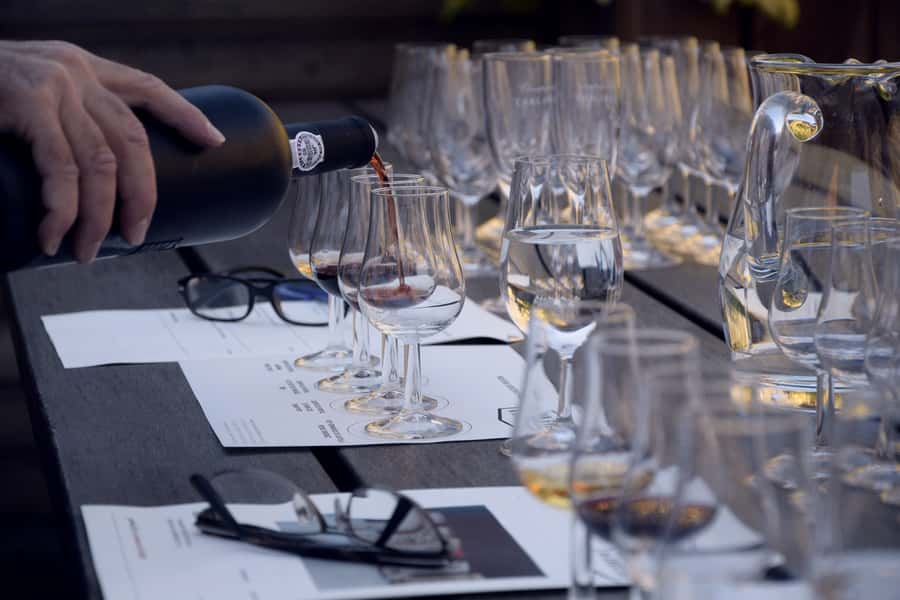
A wine tasting depends heavily on the person leading it. Here, the human side has been one of the strongest parts.
Lourdes has been praised for making people feel at home while explaining the qualities of each wine. Tomas received similar praise for his clear presentation of Argentine wine regions, the development of the wine industry, and the food matches.
Faku brought antique maps into the discussion and also helped with wider questions about what to see and do in Buenos Aires. That can be a real bonus if this is one of your first evenings in the city and you want local suggestions along with your wine lesson.
Pamela and Rocio previously hosted sessions praised for their friendly manner, passion, and strong knowledge of Argentine wine. Andrea was also described as warm and well informed in an intimate cellar setting. The exact host depends on the date, but the repeated pattern is clear: the session works best because the guides explain rather than simply pour.
The language options are English, Spanish, and Portuguese. That makes the activity accessible to a wide range of visitors, and you can select the language that lets you ask the most precise questions.
What the 90 minutes feel like
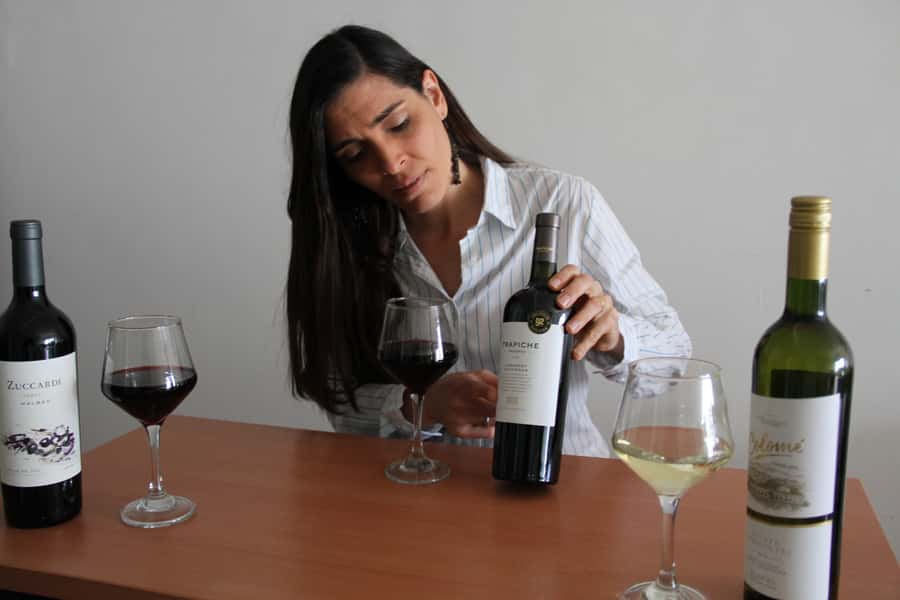
The session follows a sensible order. You arrive at the Palermo meeting point, settle in, and receive an introduction to Argentine winemaking. The host then explains Mendoza, Salta, and Patagonia before moving into the wines.
You taste the three selections while discussing grape types, vintages, vineyard locations, and production. The food arrives as part of the tasting, allowing you to compare the wines with cheese, salami, and other snacks.
The pace should suit you if you like conversation and explanation. You are not rushed through a long list of small samples. Instead, the format gives you time to look at the wine, smell it, taste it, and hear how the host describes it.
There is also room for questions. Several hosts have been praised for responding to broader questions, not just those about the wine. That means you can ask about local dining, Buenos Aires neighborhoods, or what to do next, although the central purpose remains the tasting.
Because this is a short indoor activity, it fits neatly into a Palermo evening. You could schedule it before dinner, after an afternoon of sightseeing, or as a rainy-day plan. I would avoid placing it immediately before a fixed reservation if you need to be across town at a precise time, especially since the supplied schedule gives both 90 minutes and two hours.
Is $50 a fair price?
At $50 per person, the value depends on what you want from the evening.
If you only want three glasses of Argentine wine, you could likely spend less at a wine bar. But that comparison misses the point. Your fee also covers a professional guide, the food, the regional explanation, and the chance to ask questions in a structured setting.
The price is strongest for people who are new to Argentine wine and want to leave with a working understanding of the country’s main regions and grapes. It is also reasonable for experienced wine drinkers who value a focused explanation and well-chosen pairings.
The activity does not include transportation, and it is not a vineyard excursion. You are paying for interpretation and tasting in Palermo, not for a day in Mendoza. That distinction matters. If you have limited time in Buenos Aires, the urban format is convenient. If visiting vineyards is your main goal, save your money for a separate trip outside the city.
The generous pours noted by one participant may also improve the value, but responsible tasting still matters. Three wines plus food can be enough for a pleasant evening, so you do not need to add another alcohol-focused activity right afterward.
Who should book this wine tasting?
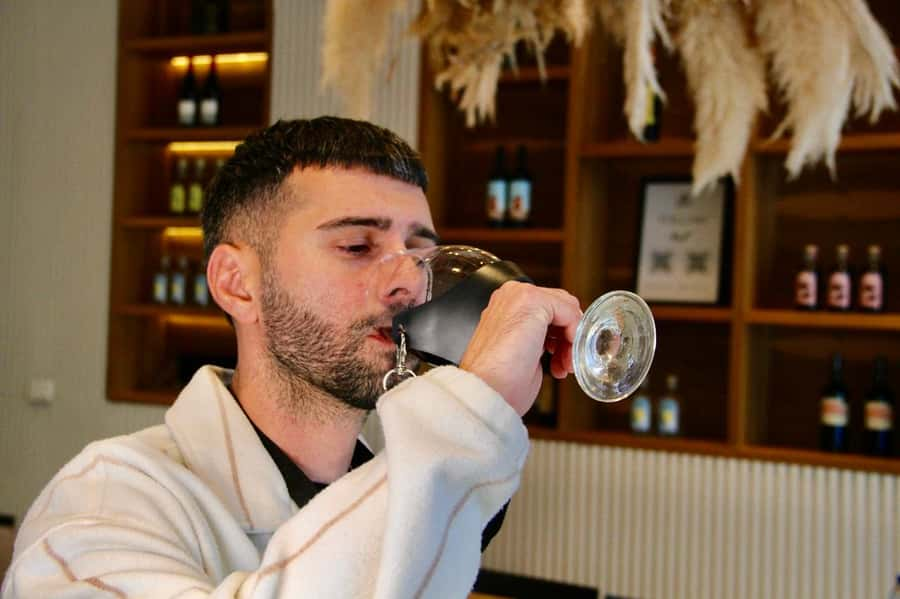
I would recommend it to adults who want a friendly introduction to Argentina’s wine regions and do not want to spend a full day outside Buenos Aires.
It suits:
- First-time wine tasters who want help identifying aromas and flavors
- Malbec fans who want to understand what else Argentina produces
- Couples and small groups looking for a relaxed evening activity
- Food lovers interested in cheese, salami, and pairing
- People staying in or near Palermo
- Wine drinkers who enjoy asking questions rather than simply receiving a tasting flight
It is less suitable if you need a wheelchair-accessible venue, are under 18, or want a full meal. It may also disappoint you if you expect to walk through vineyards, meet winemakers on a farm, or taste a very large number of bottles.
The setting and format are also worth considering for solo visitors. A host’s ability to make people feel comfortable can matter a lot when you arrive alone. Myrian’s care with special dietary needs shows how personal the hosting can be, though you should still arrange dietary details ahead of time.
Final verdict: book it for context, not just Malbec
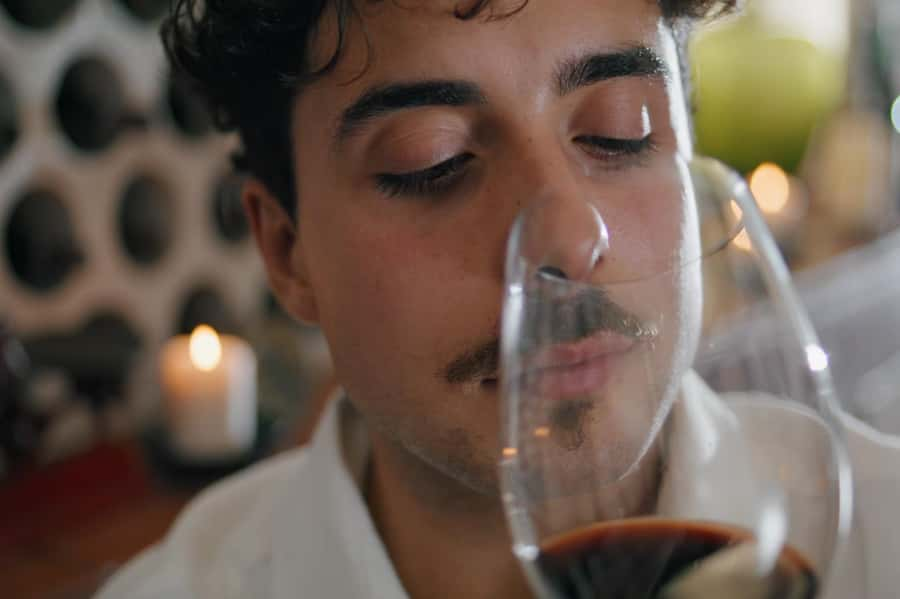
You should book this tasting if you want more than a glass of Argentina’s famous red. The combination of Torrontés, Pinot Noir, and Malbec, regional comparisons, maps, food pairing, and practical guidance gives you a useful foundation for the rest of your time in Argentina.
I especially like that the class treats Malbec as the beginning of the conversation, not the end. The Palermo location makes it easy to fit into a city itinerary, and the $50 price is fair for the wine, snacks, and guided instruction.
Skip it if your priority is a vineyard visit, a substantial dinner, or a long technical tasting. For an indoor Palermo evening with clear teaching and a friendly host, though, this is a smart and enjoyable introduction to Argentine wine.
FAQ
Where does the wine tasting take place?
The meeting point is in Palermo, Buenos Aires, at Gorriti 4882. Another instruction gives Gorriti 4886, so check your final booking information before going.
How long does the experience last?
The stated duration is 90 minutes. One schedule description mentions two hours, so allow some extra time in case the session runs longer than the main tasting period.
Which wines will I taste?
The tasting includes Torrontés, Pinot Noir, and Malbec.
Is food included?
Yes. Food and drinks are included, with cheese, salami, and a typical Argentine appetizer used for pairing.
Which languages are available?
The live guide can lead the experience in English, Spanish, or Portuguese.
Can children join the tasting?
No. The activity is not suitable for children under 18. It is also not suitable for wheelchair users.
Newly added around Argentina
- Sailing with Wine Tasting in Buenos Aires★ 5.0 · 50 reviews
- Discover Argentine Wines Paired with Delicious Tapas★ 5.0 · 51 reviews
- Mendoza: Premium Wine Tasting★ 4.4 · 48 reviews
- Mendoza: Wine Tasting Tour with Lunch and Private Transport★ 4.6 · 48 reviews
- Mendoza: Top Wineries Guided Tour with Transportation★ 4.8 · 99 reviews
- Mendoza: Winebike Tasting Tour with Optional Lunch★ 4.1 · 73 reviews
- From Salta: Cafayate Day Trip with Wine Tasting★ 4.4 · 226 reviews
- Buenos Aires: Wine Tasting and Lunch at Bodega Gamboa★ 4.8 · 177 reviews
Wine Tastings, compared.
Douro Valley w/ Boat Tour, Wine Tasting & Lunch
Read our review →
Complete Douro Valley Wine Tour with Lunch, Wine Tastings and River Cruise
Read our review →
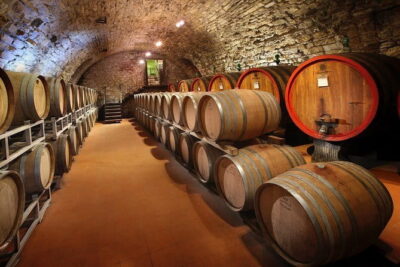
Small-Group Wine Tasting Experience in the Tuscan Countryside
Read our review →
Montserrat & Cogwheel Train, Gourmet Wine Tasting & Tapas/Lunch
Read our review →
Tuscany & Montepulciano Day Trip with Lunch & Wine Tasting
Read our review →Browse the lists this tour appears in