
REVIEW · PASTA
Rome: Hands-On Pasta & Tiramisu Class with Unlimited Wine
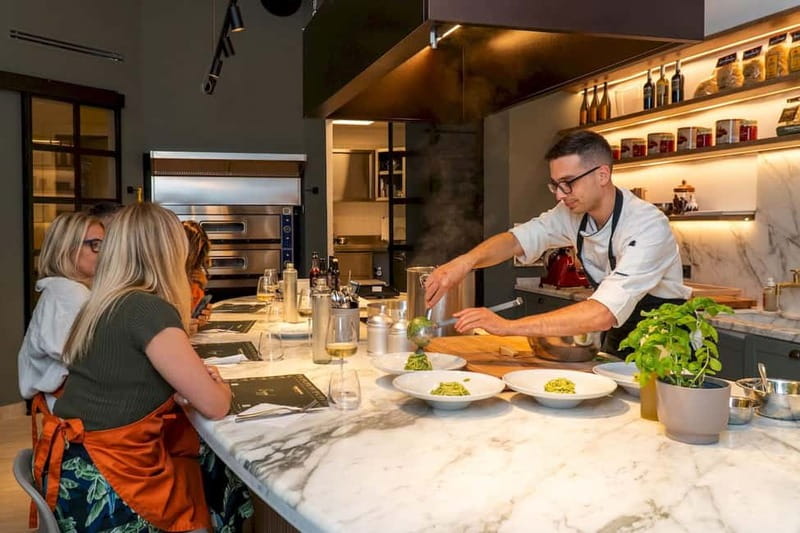
Pasta tastes better when you make it yourself. This Rome cooking class turns flour, eggs, and a few hours into a full Italian meal, with a local chef guiding you from dough to dessert. I like the small-group format, which keeps the lesson personal, and the generous flow of Italian wine, coffee, snacks, and nonalcoholic drinks. The main drawback is simple: this is not suitable for people with celiac disease or severe gluten allergies.
You’ll make fresh fettuccine, stuffed ravioli, and classic tiramisu in roughly three to three and a half hours. Chefs such as Max and Marco have earned especially warm praise for keeping the class funny, clear, and relaxed. The class may be near the Colosseum, depending on the option you book, but the exact meeting point can vary.
Key points to know before booking
- Three dishes in one class: Make fresh fettuccine, stuffed ravioli, and tiramisu from basic ingredients.
- Small groups matter: Classes have been as small as five or six people, with some groups reaching eight.
- Wine is included: Italian wine flows throughout the meal, with coffee and nonalcoholic drinks also provided.
- Strong instructors: Max, Marco, Jacopo, Alessandro, and Zori are praised for patience, humor, and clear teaching.
- A practical souvenir: You receive a recipe booklet so you can try the dishes at home.
- Watch the gluten warning: Traces of gluten and nuts may be present, and the class is not recommended for people with celiac disease.
A Roman cooking class built around eating
Rome offers plenty of food tours, but this experience gives you something more useful than a list of restaurants. You learn a few basic techniques, sit down to eat what you made, and leave with recipes that can bring part of the trip back into your own kitchen.
The setting is described as a warm, inviting, cinematic kitchen. The exact location depends on your booking option, though one class took place around the corner from the Colosseum. That can make this a convenient choice after sightseeing in the ancient center, but check your confirmation carefully rather than assuming every session uses the same meeting point.
You spend about three to three and a half hours here. That is long enough to work through the dough without feeling rushed, cook the pasta, assemble dessert, and enjoy the meal. It is also short enough to fit into a busy Rome schedule.
I would expect the class to feel social rather than formal. You work beside the other people in your group, share a table, and eat together at the end. Several groups were reported at five, six, or eight people, a size that gives you room to handle the pasta while still creating some dinner-table conversation.
More Pasta Making in Rome:
- Rome: Pasta & Tiramisu Class with Fine Wine by the Vatican
★ 4.9 · 4,852 reviews - Rome: Pasta Making Class with Wine, Limoncello, and Dessert
★ 4.9 · 3,177 reviews - Learn to Make Pasta & Tiramisu with Wine and Limoncello Included
★ 5.0 · 2,345 reviews
Starting with flour, eggs, and fresh pasta dough
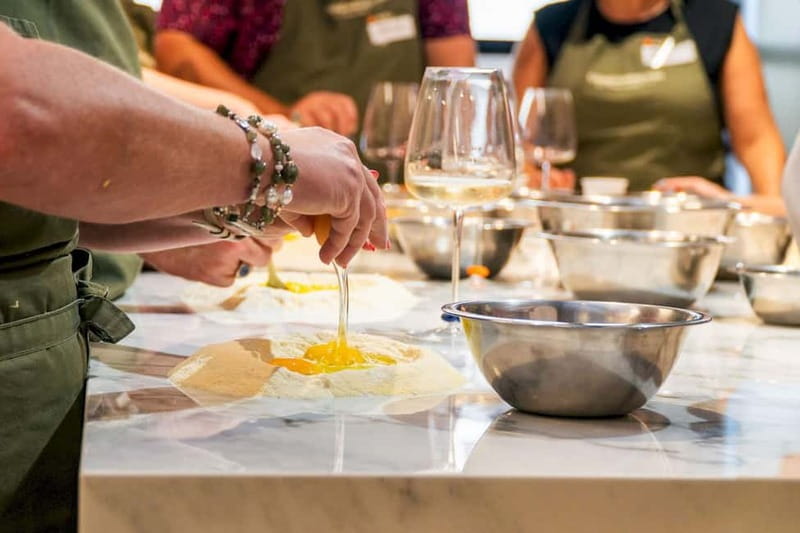
The lesson begins with the most satisfying part: mixing flour and eggs by hand. You feel the dough change as it comes together, then knead it until it becomes smooth and workable.
This is where a good instructor makes a real difference. The class is aimed at beginners, but it does not treat you like a spectator. You get personalized help with the texture, rolling, and shaping. Max is praised for explaining things simply and keeping a steady pace. Jacopo is also singled out for being attentive, while Marco is repeatedly described as energetic and encouraging.
Fresh pasta is less complicated than many people expect, but it does demand judgment. Too much flour can make it tough. Too little kneading can leave it uneven. The useful part of this class is not only the recipe. You watch the chef adjust the dough and learn what it should feel like in your hands.
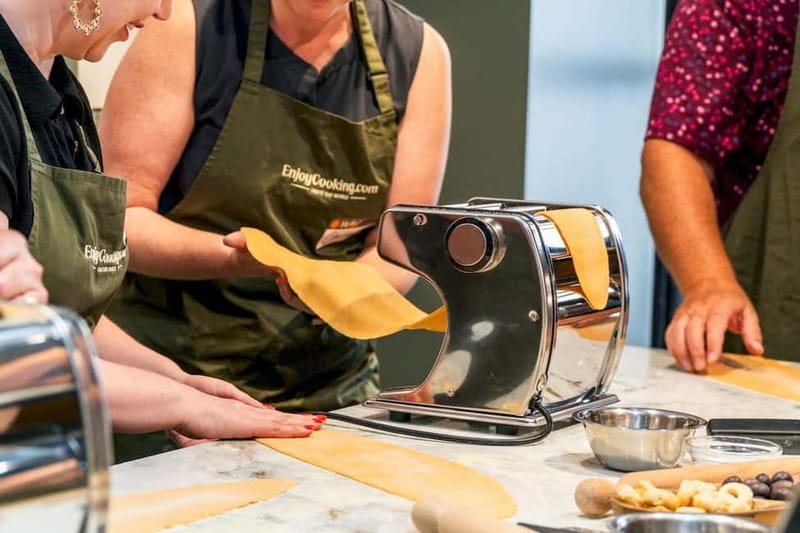
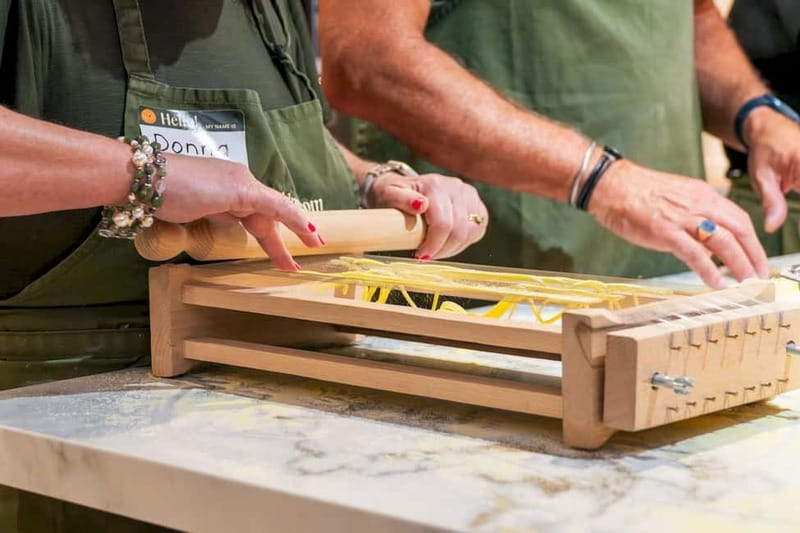
The pasta is rolled into sheets and cut into fettuccine. You may also learn several pasta shapes while working toward the main dishes. One private class included a lesson on different shapes before focusing on the long pasta and ravioli.
Stuffing ravioli and getting the texture right
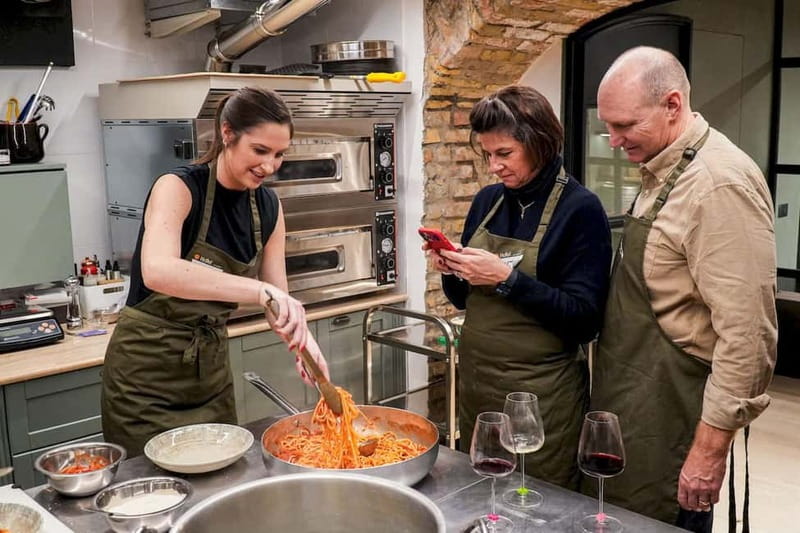
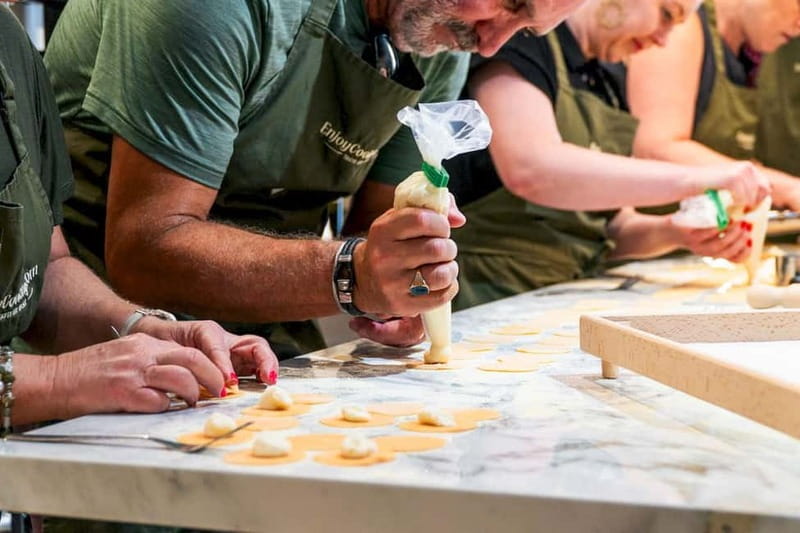
The ravioli section adds a little more care. You place seasonal filling on sheets of pasta, cover them, and shape the pockets so they hold together during cooking.
This part has a nice balance of craft and practicality. You learn how much filling is enough, how to seal the edges, and how to avoid trapping too much air. These are small details, but they are the difference between a neat raviolo and one that opens in the pot.
The fillings are described as fresh and seasonal, though the precise ingredients can vary. That is worth keeping in mind if you have allergies or strong food preferences. Tell the provider about dietary needs when you book. Special arrangements may be possible, but traces of gluten and nuts can be present.
Once the ravioli are shaped, the pasta is cooked in boiling water until al dente. The chef then helps prepare the sauces, including fresh red and yellow tomatoes and seasonings in one class. You get to see how quickly fresh pasta cooks and how a simple sauce can let the pasta do most of the work.
I like this part because it connects the hands-on work to the meal you eat. You are not just making decorative pasta for a photograph. You are preparing a dish that goes straight from the cooking station to your plate.
Tiramisu gives the class a sweet finish
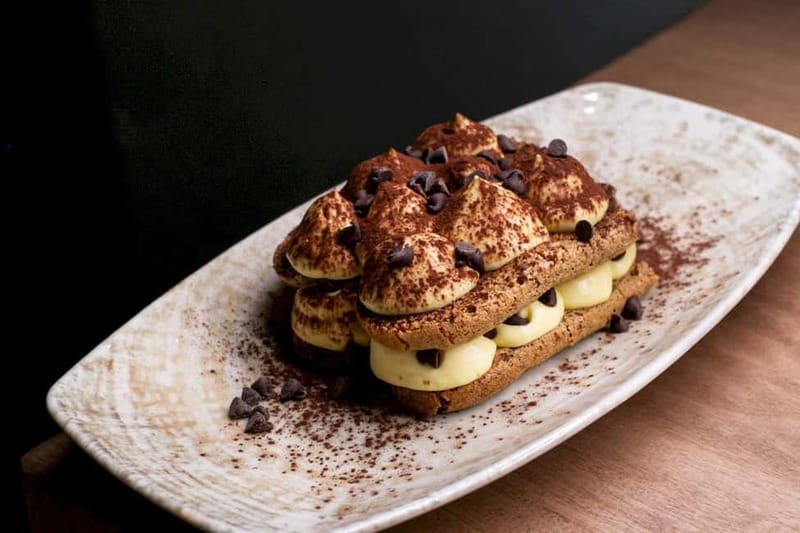
The dessert lesson is easier than the pasta but still useful. You layer espresso-soaked biscuits with creamy mascarpone, then finish the tiramisu with cocoa.
The appeal here is that tiramisu is familiar, yet many home versions miss the balance between coffee, cream, and sweetness. The chef shows you the basic order of assembly and the proportions needed for a dessert that is soft but not soggy.
Because the class includes tiramisu in the same session, you get a full Italian meal rather than a single pasta demonstration. That makes the experience work well for couples, families, and small groups with mixed cooking skills. A young child was welcomed in one class, and the staff were described as accommodating, though parents should still decide if a three-hour kitchen lesson suits their child.
You eat the tiramisu as part of the final meal. Do not expect to pack it away as a souvenir. The recipe booklet is the take-home item, allowing you to recreate the dessert later.
A few more wine tours around Rome worth a look
- Fettuccine & Tiramisù: Cooking Class with Wine & Limoncello
★ 4.9 · 2,103 reviews - Rome Pasta and Tiramisu Class: Ravioli, Fettuccine & Fine Wine 5*
★ 5.0 · 1,319 reviews - Rome Cooking Class: Make Pasta, Dine & Drink Wine With Local Chef
★ 5.0 · 1,263 reviews - Rome: Combo Pizza and Pasta Cooking Class with Wine
★ 4.6 · 1,180 reviews
The meal, the wine, and the social side
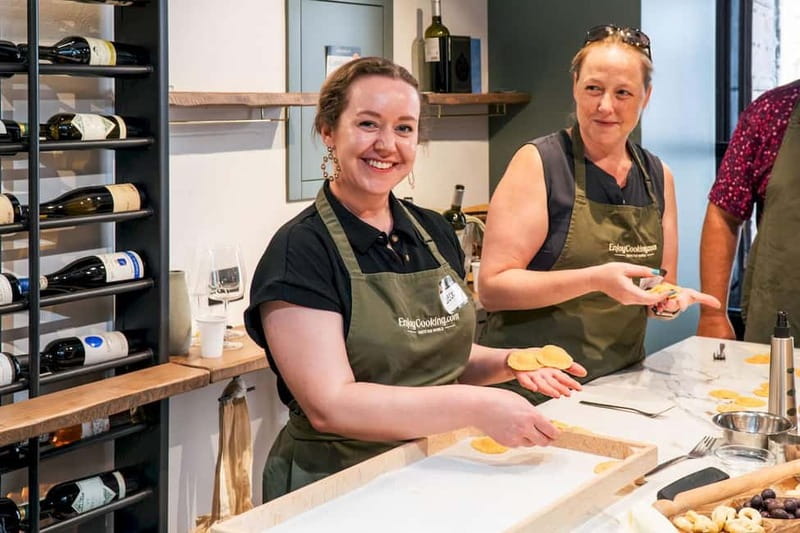
At the end, you gather around the table to eat the fettuccine, ravioli, sauces, and tiramisu you helped prepare. Italian wine is free-flowing during the experience, with coffee and nonalcoholic drinks included as well.
The wine changes the mood. This is not a quiet technical workshop where everyone stares at a measuring cup. Conversation builds as the meal comes together, and the group setting gives solo visitors and couples an easy way to meet other people.
Still, unlimited wine is worth viewing sensibly. You are cooking, handling hot water, and walking back into Rome afterward. Pace yourself, especially if you have plans later in the day. The food is the main event, not an excuse to drink as much as possible.
Snacks are provided while you cook, so you are not working hungry. The class also includes enough food to function as a substantial meal. For many visitors, that improves the value considerably. You are paying for instruction, ingredients, drinks, and dinner in one booking.
Why the chef can make or break the experience
The strongest theme in the feedback is the teaching. Max is repeatedly praised for being funny, patient, attentive, and easy to follow. Marco is described as having excellent energy and making the group feel comfortable. Alessandro, Jacopo, and Zori are also praised for guidance, humor, and care.
The individual chef may vary, so you should not book solely on the promise of one particular instructor. Still, the pattern is encouraging. The class appears designed around interaction rather than a chef performing while you watch.
A good pace matters here. Too fast, and beginners lose track of the dough. Too slow, and three hours in a kitchen can drag. The class with Max was described as moving at the right speed, with enough explanation but no long waits. That is exactly what I would want from a cooking lesson during a sightseeing trip.
Some instruction may also include Italian food terms and background about ingredients. This adds flavor without turning the class into a lecture. You learn what you are doing, why it matters, and how to repeat it later.
What the $112.15 price really buys
At $112.15 per person, this is not the cheapest meal in Rome. You can find excellent pasta for much less, especially if you eat at a neighborhood trattoria. The value comes from combining a meal with a practical lesson, wine, snacks, dessert, and a recipe booklet.
Think of it as part cooking class, part dinner, and part social activity. If you would otherwise book a meal and a separate food experience, the price becomes easier to justify. The small-group setting also adds value because you receive hands-on help rather than simply watching a demonstration.
The price works best for people who enjoy participation. If you want to sit down after a long day and have someone else do the cooking, spend the money at a restaurant instead. If you enjoy learning by doing, the class gives you a skill and a memory for the same evening.
Private and small-group options are available. A private class may suit a family or group celebrating together, while a small shared session is likely the better deal for couples and solo visitors who enjoy meeting people.
Who will enjoy this class most
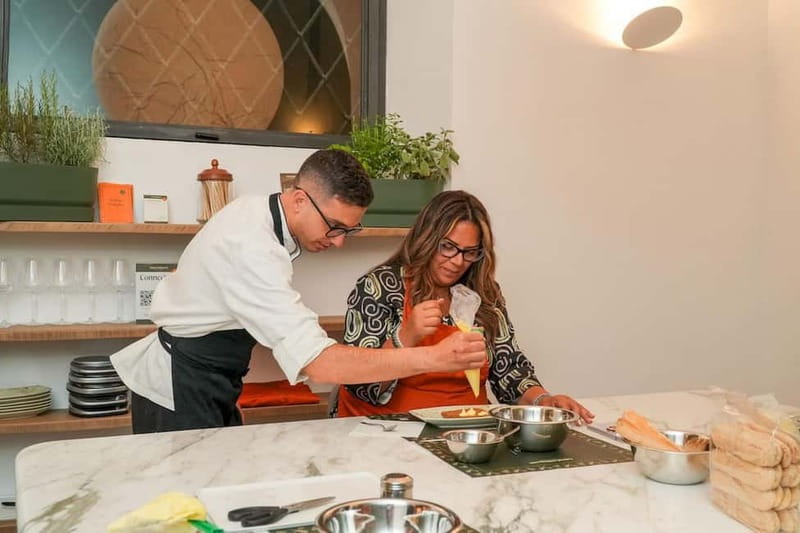
I would recommend this experience to:
- First-time pasta makers who want clear, hands-on instruction
- Couples looking for a relaxed evening activity
- Families with older children or children who enjoy kitchen projects
- Solo visitors who like social meals
- Food lovers who want recipes they can use after returning home
- Sightseers who want an activity near the central Rome area, subject to the booked location
You do not need advanced cooking skills. The lesson is built for beginners, and experienced cooks can still pick up useful details about dough, shaping, sauces, and tiramisu.
This is less suitable for people with celiac disease, gluten intolerance, or severe gluten or nut allergies. The provider can accommodate some dietary requirements if notified ahead of time, but the class may contain traces of gluten and nuts. Gluten-free options are not included.
Timing, meeting point, and practical planning
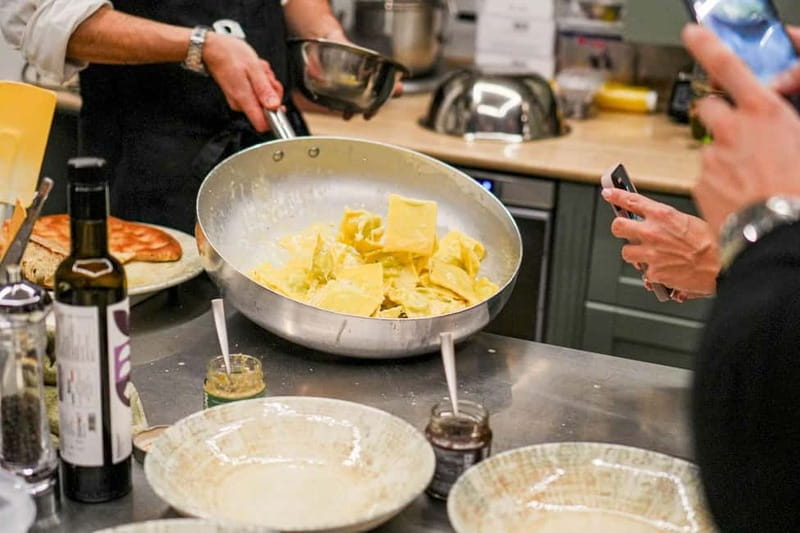
The duration is three to three and a half hours, with starting times shown when you check availability. Because the meeting point may vary by option, confirm the address before setting out.
The activity ends back at the meeting point. Hotel pickup and drop-off are not included, so you need to make your own way there and back. If your class is near the Colosseum, leave enough time to find the kitchen rather than relying on a last-minute arrival between sightseeing stops.
Wear something comfortable for kitchen work. An apron is mentioned in the class description, but practical clothing and closed shoes are sensible choices around flour, sauce, and boiling water. You will be handling dough for much of the first part, so avoid planning a formal activity immediately afterward.
Cancellation is flexible up to two days in advance for a full refund. That is useful in Rome, where weather, delayed trains, and overambitious sightseeing plans can disrupt a schedule.
The best reasons to book, and the reasons to pause
The biggest strength is the complete format. You make two kinds of pasta, prepare tiramisu, eat the results, drink Italian wine, and receive recipes for home. Many food experiences offer one of those elements. This one brings them together in a manageable half-day session.
The teaching is another major advantage. The repeated praise for Max and Marco suggests that the class depends heavily on friendly, active instruction. You are likely to get more from the session if you ask questions, handle the dough, and take part instead of waiting for the chef to finish each step.
The main caution is dietary. Do not treat this as a safe gluten-free experience. Even if some requirements can be arranged, the stated warnings about gluten and nuts are important.
I would also think about your energy level. Three hours of cooking followed by a full meal is enjoyable, but it is not a quick stop. Book it on a day when you can slow down and enjoy the table rather than rushing to another attraction.
Should you book this Rome pasta class?
Yes, if you want an active food experience rather than another restaurant meal. The combination of fettuccine, ravioli, tiramisu, wine, and a small group gives you good value at $112.15, especially if you plan to use the recipes at home.
I would choose a small-group session for the best balance of price and personal attention. Check the meeting point, tell the provider about allergies before booking, and pace yourself with the wine. For visitors who enjoy cooking, this could easily become one of the most memorable evenings in Rome. For anyone with serious gluten concerns or little interest in hands-on kitchen work, spend the money elsewhere.
FAQ
How long does the Rome pasta and tiramisu class last?
The class lasts approximately three to three and a half hours. Starting times depend on availability.
What dishes will I make?
You will make fresh fettuccine, stuffed ravioli, and classic tiramisu from scratch.
Is wine included in the price?
Yes. Free-flowing Italian wine is included, along with coffee and nonalcoholic drinks.
Are recipes provided after the class?
Yes. You receive a recipe booklet to help you recreate the dishes at home.
Is the class suitable for people with celiac disease?
No. The experience is not recommended for people with celiac disease or gluten intolerance. Traces of gluten and nuts may be present, and gluten-free options are not included.
Is hotel transportation included?
No. Hotel pickup and drop-off are not included. The activity starts and ends at the meeting point, which may vary depending on the option booked.
Newly added around Rome
- Rome: Painting Class with Unlimited Wine★ 4.8 · 109 reviews
- Rome: Vatican Street Food and Wine Tour with Farmers Market★ 5.0 · 37 reviews
- Rome: Trionfale and Prati Food and Wine Tasting Tour★ 4.8 · 115 reviews
- Rome: Testaccio Food & Market Tour with Pasta & Wine★ 5.0 · 38 reviews
- Rome: Trastevere Food Walking Tour with Beer and Wine★ 4.9 · 71 reviews
- Rome: Trastevere Wine Tasting with Food Pairing and Gelato★ 4.9 · 168 reviews
- Rome: Pasta Making Class with Tiramisu & Wine PRIVATE OPTION★ 4.8 · 404 reviews
- Rome: Private Guided Golf Cart Tour with Gelato or Wine★ 4.9 · 338 reviews
Pasta, compared.
Pasta & Tiramisu Cooking Class with Unlimited Wine
Read our review →
Pasta & Tiramisu Class with Fine Wine by the Vatican
Read our review →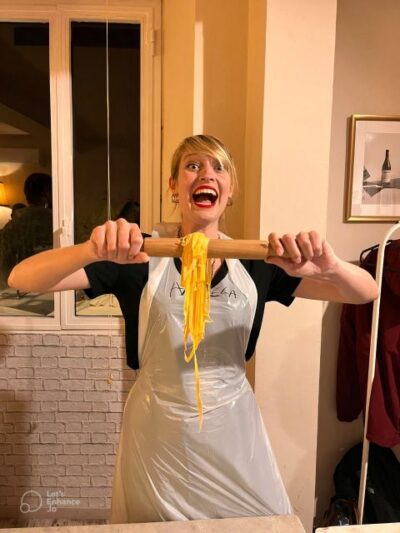
Pasta Making Class with Wine, Limoncello, and Dessert
Read our review →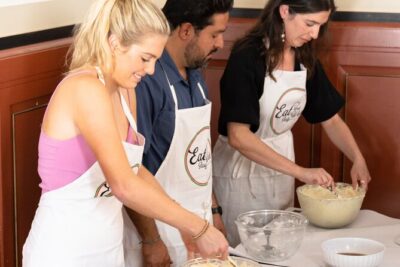
Learn to Make Pasta & Tiramisu with Wine and Limoncello Included
Read our review →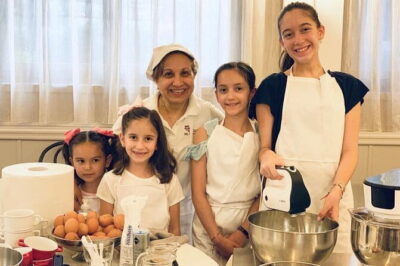
Cooking Class Pasta & Tiramisu Making Unlimited Wine
Read our review →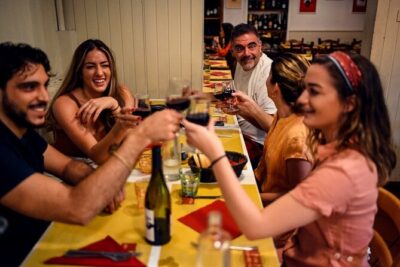
Bologna Food & Market Tour with 6 Tastings, Pasta, Wines & More
Read our review →Browse the lists this tour appears in