
REVIEW · ROME WINE TOURS
Rome: Jewish Ghetto & Campo de Fiori by Night Food Wine Tour
Rome tastes better after sunset. This four-hour walk combines seven food stops with the Jewish Ghetto, Campo de’ Fiori, Piazza Navona, and lesser-known ancient sites. I like the generous portions and the way the tour connects food to Roman history. I also like the small-group format, capped at 14 people. The main drawback is dietary: vegetarian options are available, but vegan, gluten-free, and dairy-free diets cannot be accommodated.
At $105 per person, this is not a cheap dinner, but it can be a solid value if you want both a meal and a guided walk. You may try as many as 15 samples, with wine, beer, and soft drinks included. Guides such as Marco, Fabrizia, Maria, Andrea, and Matteo have been praised for balancing stories, food, and conversation without rushing the group.
Key things to know before booking
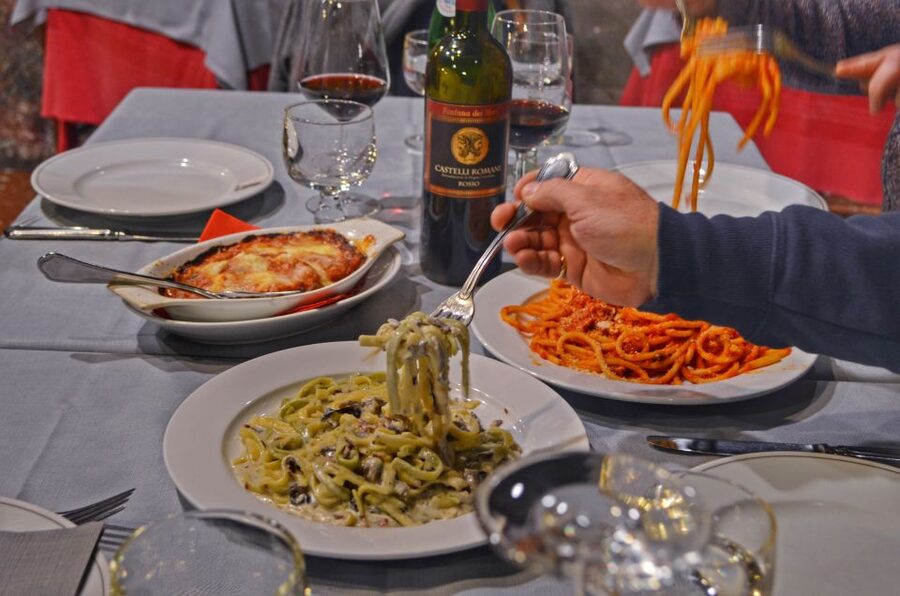
- Seven tasting venues: Expect a progressive Roman dinner spread among restaurants, delicatessens, pastry stops, and other food businesses.
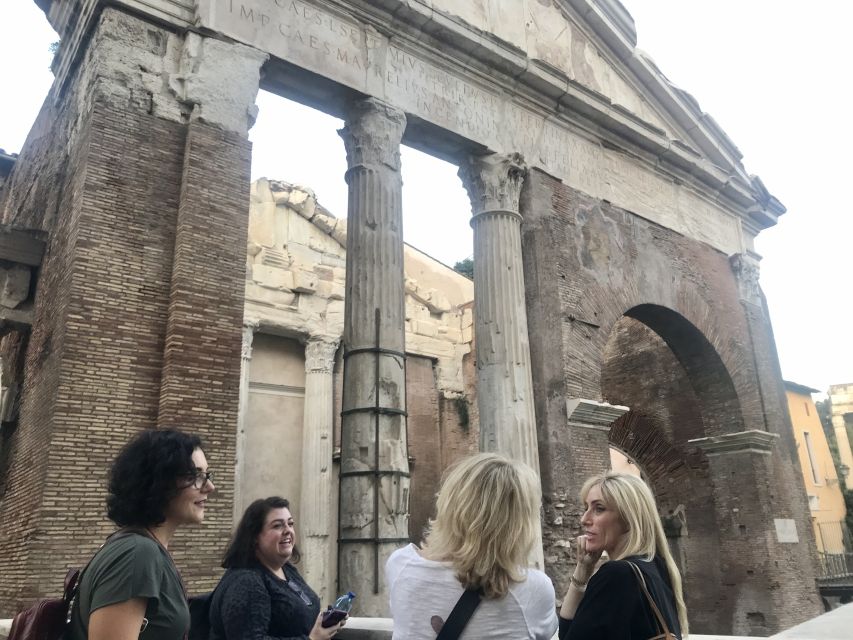
- A history walk with dinner: The route links the Jewish Ghetto, Pompey Theatre, the Theatre of Marcellus, the Temple of Apollo, and the Portico of Octavia.
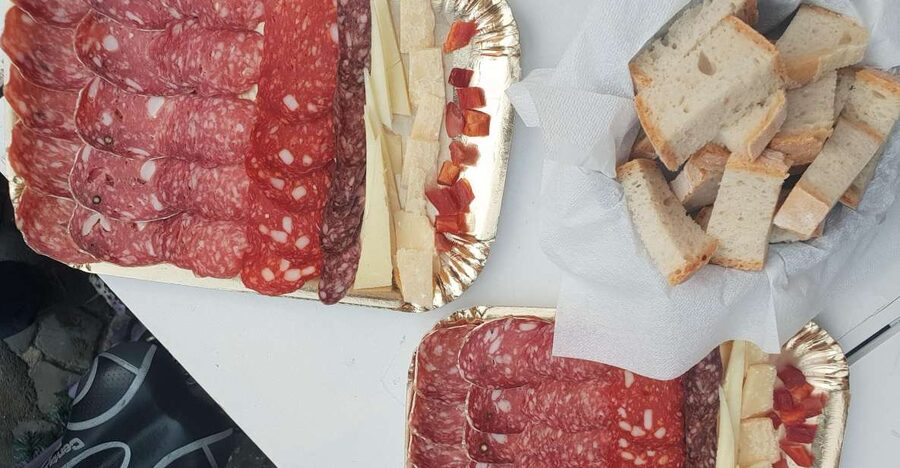
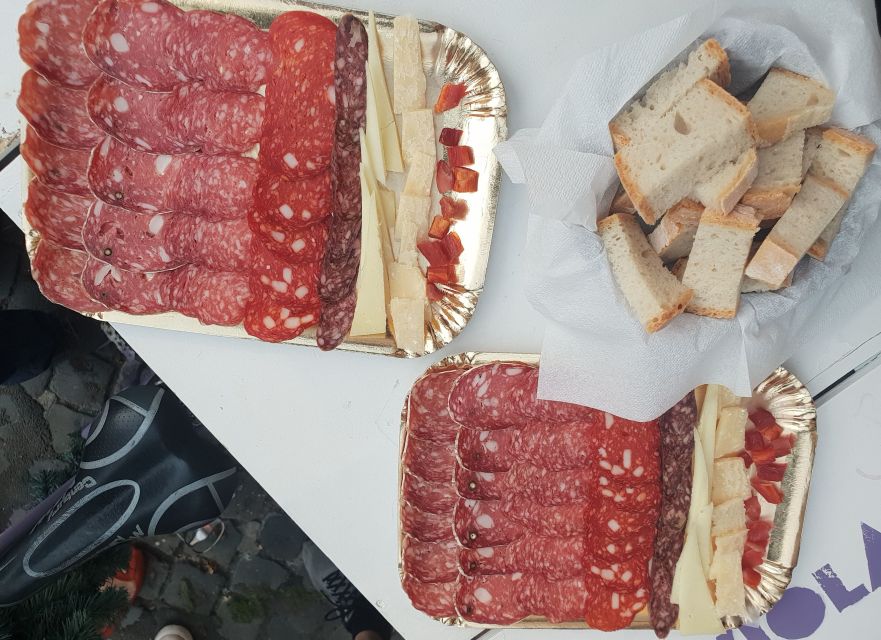
- Substantial portions: This is not a few token bites. Pasta, pastries, fried specialties, wine, dessert, espresso, and gelato may all appear along the way.
- Nighttime atmosphere: Campo de’ Fiori and Piazza Navona take on a different mood after the daytime crowds thin out.
- Small-group setting: The maximum group size is 14, which helps you hear the guide and chat with other people.
- Come ready to walk and eat: The tour lasts four hours and works best as your evening meal, not as an appetizer before dinner.
Starting at Piazza Mattei and the Turtle Fountain
The tour begins at Piazza Mattei, by the Turtle Fountain in the Jewish Ghetto. This is a pleasant meeting point in a compact square, and it gives you an immediate sense that the evening will move through old Rome rather than follow a simple restaurant crawl.
Your guide sets the tone here. The best guides on this experience do more than point at buildings. They explain how Rome’s neighborhoods, food customs, markets, and religious communities shaped one another. Fabrizia, Maria, Andrea, Marco, and Matteo have all been singled out for warmth and clear storytelling, though your guide will depend on the departure.
The group then begins walking through streets and squares that can feel quite different from Rome’s famous monument circuit. You will still see important architecture, fountains, and statues, but the pace allows time for food stops and conversation.
That balance matters. A food tour can become a blur of plates, while a sightseeing walk can leave you hungry and tired. Here, the stops break up the history, and the history gives each dish a setting and a reason to remember it.
More Food Experiences in Rome:
- Rome Food Tour: Unlimited Tastings with Fine Wine & Barolo
★ 5.0 · 3,365 reviews - Rome: Guided Food Walking Tour with Wine in Trastevere
★ 4.9 · 3,105 reviews - Rome: Trastevere Food tour with Free-Flowing Fine Wine
★ 5.0 · 2,853 reviews
The Jewish Ghetto: food, memory, and local tradition
The Jewish Ghetto is one of the strongest parts of the route. You learn about the long history of Rome’s Jewish community while walking through an area filled with restaurants, food shops, and old streets.
The tour is not a kosher food tour, so you should not book it expecting strict kosher dining. Still, the neighborhood offers an important look at how Roman and Jewish culinary traditions meet. Fried artichokes and other Jewish-Roman specialties may be part of the tastings, along with small plates and local drinks.
One useful feature is the chance to meet people connected with the food itself. The experience is built around local producers, innkeepers, and food artisans, so you are not simply eating anonymous samples handed out on a pavement. The emphasis is on recipes and methods passed down through families and businesses.
The food also arrives in stages. Early tastings may be smaller and more spread out as you walk. Later stops become more substantial, including sit-down dishes. This is why you should avoid arriving after a heavy dinner. Several hours and seven stops can add up to a full meal, and then some.
Ancient Rome between the plates
The route brings history into the spaces between tastings. You may stop near Pompey Theatre, associated with the death of Julius Caesar, and pass remains connected with the Theatre of Marcellus, the Temple of Apollo, and the Portico of Octavia.
These sites are easy to miss when you are hurrying from the Pantheon toward the Colosseum. At night, some are especially effective because the streets feel quieter and the monuments are viewed from a walking route rather than from a crowded entrance line.
The guide explains what you are seeing and places it in the story of Rome. You will not get a full archaeological lecture, nor is this a replacement for a dedicated ancient Rome tour. That is a fair trade. The history is short enough to keep the evening moving, but substantial enough to make the neighborhood more than a backdrop for dinner.
This is one reason I would book the food tour early in a Rome visit. It helps you get oriented, introduces neighborhoods you may not otherwise reach, and points out places you might return to for lunch or another evening meal.
Piazza Navona and Bernini’s four rivers
Piazza Navona is one of the route’s big visual moments. The square occupies the site of the Stadium of Domitian and later served as a city market. Its long shape and grand Baroque architecture make it easy to understand why it remains one of Rome’s essential evening stops.
The Fountain of the Four Rivers by Bernini is the main landmark here. Your guide can explain the fountain and the square while you enjoy a pause between tastings. This is not just a quick photo stop. The route uses the piazza as a place to connect public space, art, food, and Roman daily life.
The square can be busy, especially during popular evening hours. That means the group may need to stay together and keep an eye on the guide. The small maximum group size helps, but anyone who dislikes walking through crowded historic centers should know that this is an urban tour, not a quiet countryside food outing.
More Evening Trips in Rome:
- Rome by Night – Ebike Small Group Tour – Food and Wine (Option)
★ 5.0 · 1,275 reviews - Rome by Night: E-bike Small Group Tour -Food & Wine (Option)
★ 4.9 · 1,233 reviews - Winner 2025 Florence Sunset Food & Wine Tour by Eating Europe
★ 5.0 · 5,015 reviews - Porto: Bridges Cruise & Sunset & Port Wine Cellar Option
★ 4.2 · 4,180 reviews
Campo de’ Fiori after dark
Campo de’ Fiori brings a different mood. By day, it is known for its market. By evening, the square becomes a social meeting place lined with restaurants and bars.
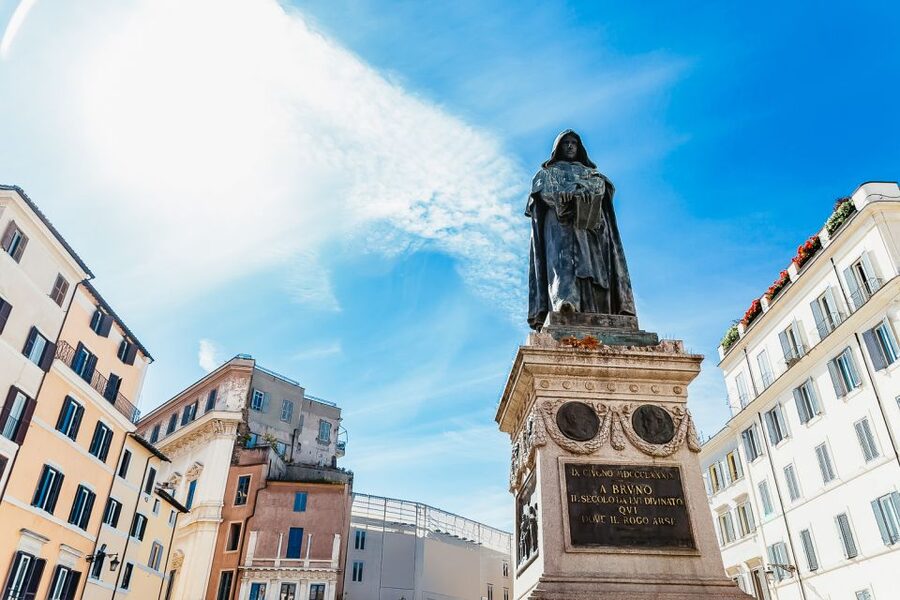
The tour uses Campo de’ Fiori to show how a medieval market area continues to shape Roman life. You will learn about its past, see the statue at the center of the square, and sample food along or near the surrounding streets.
Campo de’ Fiori can also be touristy. You should not expect every stop to feel like a secret known only to locals. The value lies in having a guide choose reputable places and explain what you are eating, rather than spending your evening guessing among menus.
The nighttime timing is a real advantage. You see the square in a more social setting, and the route avoids making the market the only reason to visit. Several people have found the evening walk a good first-night activity because it combines food, orientation, and sightseeing in one outing.
What you may eat and drink
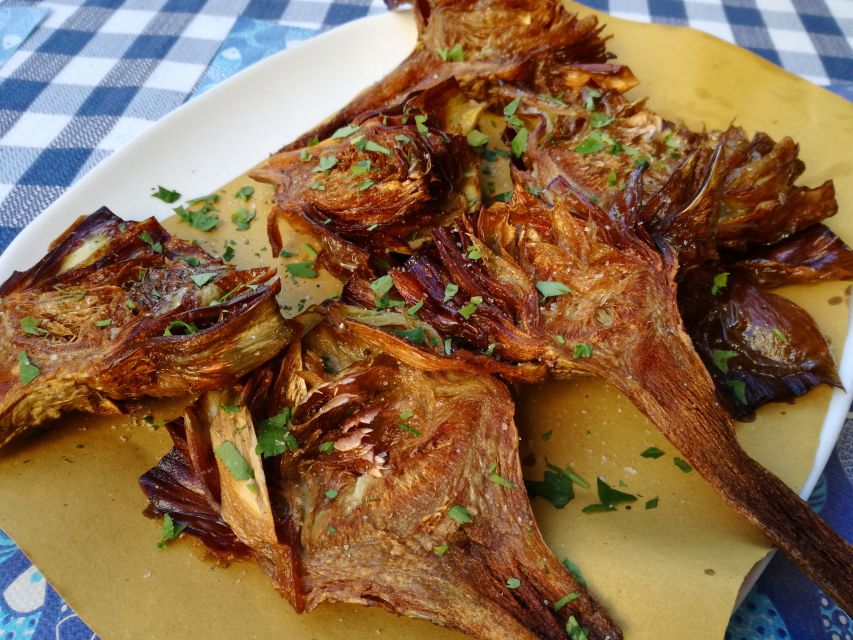
The exact menu can change, but the experience promises up to 15 food samples across seven venues. The range is more important than any single dish. You can expect traditional Roman food, homemade pasta, pastries, pizza or other baked specialties, vegetables, desserts, and drinks.
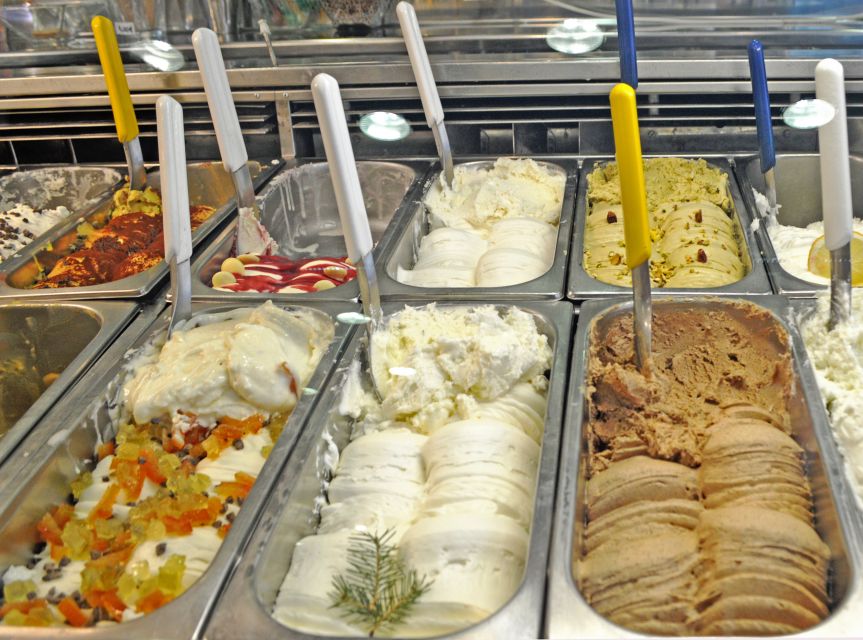
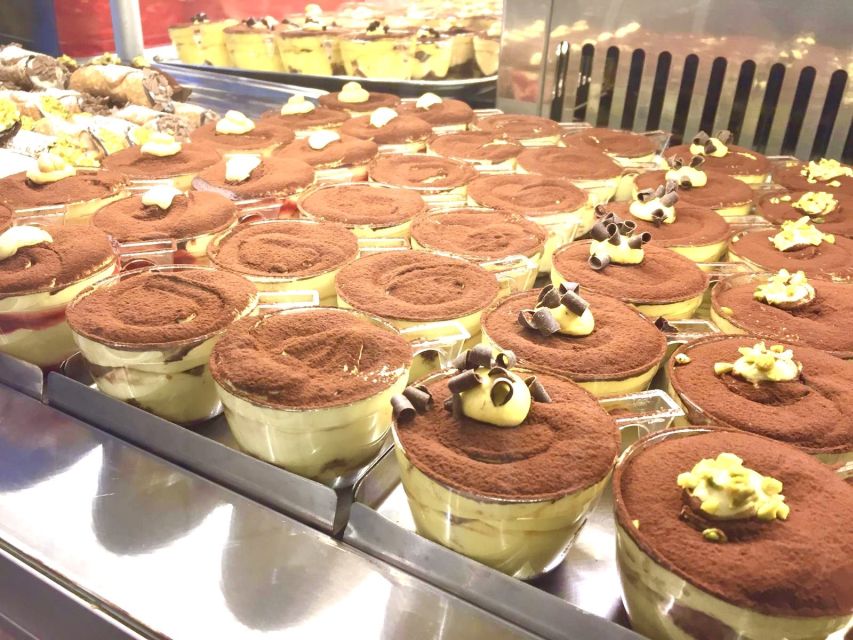
Past tastings have included fried artichokes, Jewish-Roman appetizers, several pasta dishes, tiramisu, gelato, and espresso. These examples give you a useful picture of the evening: savory bites first, a more substantial pasta course later, then sweets and coffee to finish.
Wine is included, along with beer and soft drinks. That makes the price easier to assess, especially because drinks in central Rome can add up quickly when purchased separately. The tour is not a formal wine class, so book it for food, culture, and convivial drinking rather than technical tasting instruction.
The portions are generous enough that you should treat this as dinner. Some people arrive worried there will not be enough food and end up overly full. I would eat lightly beforehand, but not skip food all day. A long walking tour is more enjoyable when you are hungry but not exhausted.
The progressive-dinner format is smart. You do not sit in one restaurant for four hours, and you do not spend the whole evening standing around with a single snack. Walking between stops gives your appetite time to catch up and lets the guide add context.
How the four hours feel
Four hours sounds long, but the route has a natural rhythm. You walk, hear a short explanation, taste something, and move on. Later, you sit down for more substantial dishes, then continue toward dessert and coffee.
The group size helps with timing. A maximum of 14 people is small enough for questions and shared conversation, while still large enough to create a social evening. Several guides have been praised for keeping a steady pace without making the group feel hurried.
Still, this is not a relaxed restaurant dinner. You will spend part of the evening walking over uneven historic streets, standing at some stops, and keeping track of the group in busy squares. Wear comfortable shoes. Rain does not automatically cancel the tour, so bring suitable clothing and expect the route to continue in wet weather.
One guide continued telling stories under bridges and umbrellas during heavy rain. That says something useful about the format: the tour is built around walking, but the storytelling can continue when the weather turns unpleasant.
Is $105 a fair price?
At $105, the value depends on how you use the experience. If you are looking only for dinner, you may find less expensive meals on your own. If you want seven tasting venues, drinks, a four-hour guided walk, and historical context, the price is easier to justify.
A meal of this size in central Rome would already cost a fair amount, particularly once wine, beer, coffee, and dessert are included. Add a live guide and the convenience of having someone select the stops, and the package becomes more appealing.
The tour also saves you from making several uncertain restaurant choices. You get a range of Roman foods in one evening, including dishes you might not order without an explanation. That variety is a major part of the value.
The price is less attractive if you do not drink, eat very little, or prefer one long meal in a single restaurant. It also does not include transportation, though the tour is designed as a walking route through central Rome, so a separate transfer should not usually be needed for the activity itself.
Who should book this Rome food tour?
I would recommend it to first-time visitors who want a lively introduction to central Rome. It is particularly useful on your first or second night, when you want help finding your bearings and a list of places worth revisiting.
It also suits people who care about both food and history. You get neighborhood stories, ancient ruins, Baroque fountains, market history, and local culinary traditions in one evening.
Families can enjoy it too, provided everyone can manage four hours of walking and several food stops. One replacement tour arranged for a family with two adults and two children worked well, suggesting the general format can suit younger participants, though the standard tour details do not specify a child age range.
This is not the right choice for someone with strict dietary restrictions. Vegetarian options are available, but the tour cannot accommodate vegan, gluten-free, or dairy-free diets. It is also not suitable for wheelchair users, and the four-hour route may be tiring for anyone who dislikes extended walking.
Practical tips for a better evening
- Eat a light lunch or early snack, then arrive hungry enough for a full dinner.
- Wear comfortable walking shoes. The route covers several historic areas over four hours.
- Arrive at Piazza Mattei by the Turtle Fountain with enough time to identify your guide and group.
- Ask questions. The guides are there to explain both the dishes and the places around you.
- Keep space for dessert. Tiramisu, gelato, pastries, and espresso may come near the end.
- Bring rain protection. Tours operate in wet weather as well as dry weather.
- Consider booking early in your Rome stay so you can return to favorite food stops later.
Should you book it?
Book this tour if you want a full evening of Roman food, wine, walking, and history rather than a simple sit-down meal. The seven-stop format, generous servings, included drinks, and small group make $105 reasonable for many visitors.
Skip it if you need vegan, gluten-free, or dairy-free food, cannot walk for four hours, or prefer to choose every restaurant yourself. For everyone else, this is a strong way to connect the Jewish Ghetto, Campo de’ Fiori, Piazza Navona, and ancient Rome through what the city does best: eat, talk, and keep moving.
FAQ
Where does the tour meet?
Meet your guide at Piazza Mattei by the Turtle Fountain in Rome’s Jewish Ghetto.
How long does the tour last?
The tour lasts four hours.
What language is the tour offered in?
The live tour guide speaks English.
How many people can join the group?
The tour can accommodate a maximum of 14 people per group, except by special arrangement.
How many food stops are included?
The tour visits seven different tasting venues and offers several food tastings, with up to 15 samples.
Are drinks included?
Yes. Wine, beer, and soft drinks are included.
Can the tour accommodate special diets?
Vegetarian options are available. The tour does not accommodate vegan, gluten-free, or dairy-free diets, and it is not a kosher food tour.
Newly added around Rome
- Rome: Painting Class with Unlimited Wine★ 4.8 · 109 reviews
- Rome: Vatican Street Food and Wine Tour with Farmers Market★ 5.0 · 37 reviews
- Rome: Trionfale and Prati Food and Wine Tasting Tour★ 4.8 · 115 reviews
- Rome: Trastevere Food Walking Tour with Beer and Wine★ 4.9 · 71 reviews
- Rome: Trastevere Wine Tasting with Food Pairing and Gelato★ 4.9 · 168 reviews
- Rome: Testaccio Food & Market Tour with Pasta & Wine★ 5.0 · 38 reviews
- Rome: Pasta Making Class with Tiramisu & Wine PRIVATE OPTION★ 4.8 · 404 reviews
- Rome: Private Guided Golf Cart Tour with Gelato or Wine★ 4.9 · 338 reviews
Rome Wine Tours, compared.
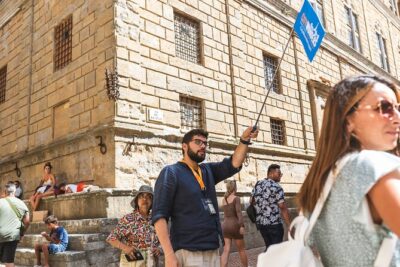
Tuscany & Montepulciano Day Trip with Lunch & Wine Tasting
Read our review →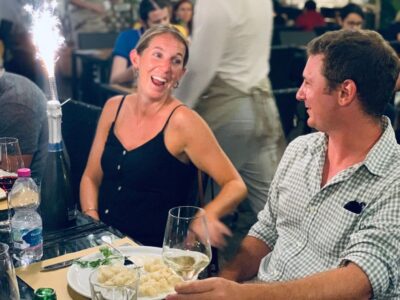
Pasta & Tiramisu Class with Fine Wine by the Vatican
Read our review →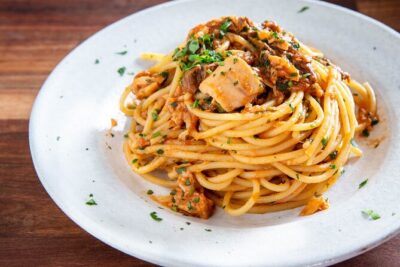
Rome Food Tour: Unlimited Tastings with Fine Wine & Barolo
Read our review →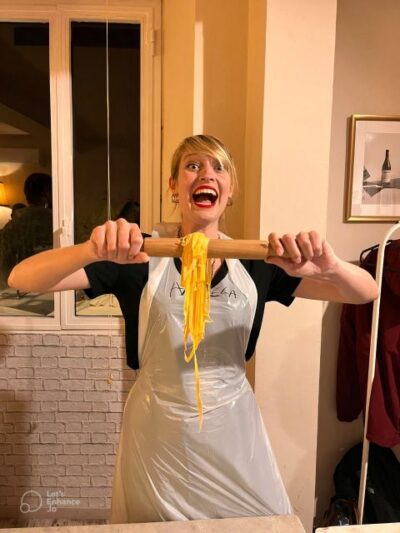
Pasta Making Class with Wine, Limoncello, and Dessert
Read our review →
Guided Food Walking Tour with Wine in Trastevere
Read our review →
Tuscany & Montepulciano Day Trip with Lunch & Wines
Read our review →
Trastevere Food tour with Free-Flowing Fine Wine
Read our review →
Browse the lists this tour appears in