
REVIEW · WINE & FOOD PAIRINGS
Rome: Local Food and Wine Tour in Trastevere & Heart of Rome
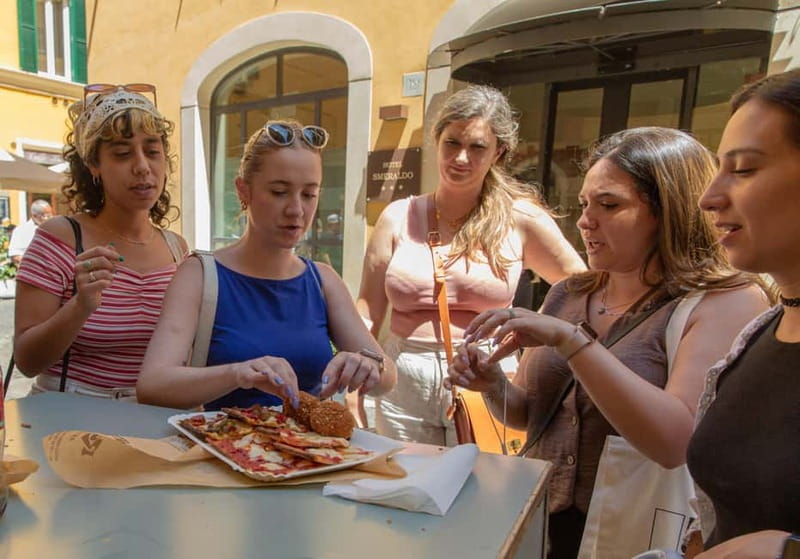
Rome tastes better when lunch comes with a story. This three-hour food walk links Trastevere, Campo de’ Fiori, and the Jewish Quarter with six stops for cheese, cured meats, wine, street food, pasta, and gelato.
I especially like the small group of no more than eight, which gives you a better chance to ask questions and hear your guide. I also like the mix of sit-down food and quick bites, from porchetta and supplì to a proper Roman pasta course. The main consideration is pace: this is a walking tour with several food stops, so comfortable shoes and room for a substantial amount of food are essential.
Guides such as Elizabetta, Antonio, Maria, Mary, and Dalia have earned strong praise for combining food with Roman history. Elizabetta even helped arrange taxis for the group at the end of one evening, a useful touch if you are finishing after dark.
Key Points at a Glance
- Six food stops in three hours: You move from a traditional food shop to sweets, street food, a Jewish Quarter stop, a pasta dinner, and gelato.
- A genuinely small group: With a maximum of eight people, the guide can keep the conversation personal and answer individual questions.
- More than a tasting menu: You get stories about Roman customs, local dishes, and the people behind the food.
- Plenty of variety: Expect artisanal cheeses, salumi, local wine, porchetta, arrosticini, supplì or arancini, Roman pasta, and gelato.
- Good for a first night in Rome: The route helps you learn what to eat and gives you ideas for other places to try during your stay.
- Important practical limit: The tour is not suitable for wheelchair users, and pets are not allowed.
Why This Food Walk Works So Well
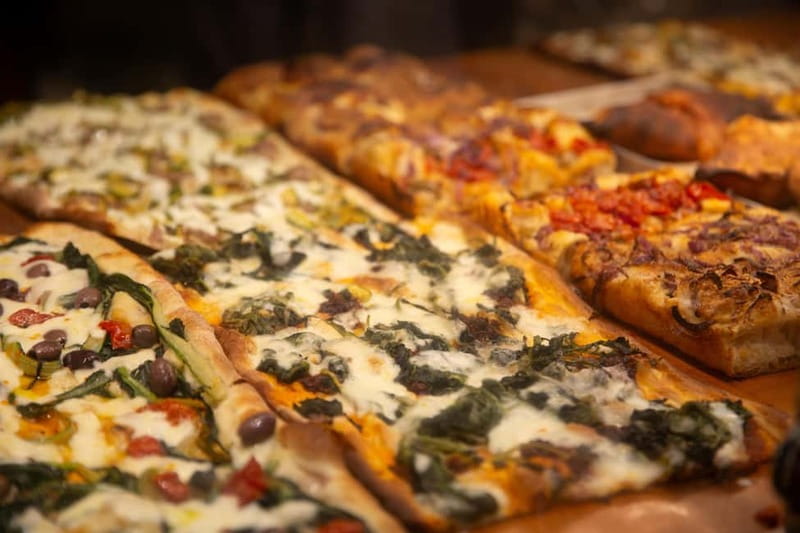
A food tour can be little more than a string of samples. This one has a stronger shape. You begin with products that show off Italian ingredients, move into small street foods, sit down for classic Roman cooking, and finish with dessert.
I like that the experience covers three different parts of central Rome rather than keeping you in one restaurant district. Trastevere brings its narrow streets and evening atmosphere. The Jewish Quarter adds a different food tradition and a look at another part of the city. Campo de’ Fiori helps connect the eating to Rome’s old market and central streets.
The group size matters. Eight people is small enough for a guide such as Antonio or Dalia to remember names, take questions, and adjust the conversation. That is useful in Rome, where a good food guide can explain not only what you are eating but also how locals order, share, and talk about it.
At $81 per person, the price is not bargain-basement. But six food stops, wine, a pasta meal, a guide, and three hours of city touring make it a reasonable package if you would otherwise buy several snacks and a meal on your own. The real value is the guidance. You are paying to connect the food to the city and to avoid spending your first days guessing which Roman specialties deserve your time.
More Wine and Food Pairings in Italy
- Rome by Night – Ebike Small Group Tour – Food and Wine (Option)
★ 5.0 · 1,275 reviews - Rome: Trastevere Guided Food and Wine Tour with 20+ Tastings
★ 4.9 · 1,022 reviews - Trevi Fountain, Pantheon, and Campo Dei Fiori Market Food and Wine Tour
★ 5.0 · 320 reviews
Starting at Piazza del Biscione
The tour begins at Piazza del Biscione. Look for the coordinator in the middle of the square, beside the water fountain, holding a Let’s See Italy sign.
This is a useful central starting point for a walking route through the heart of Rome. Since hotel pickup is not included, allow time to reach the square on your own. I would arrive a little early, especially if you are navigating Rome for the first time or meeting the group after a long day of sightseeing.
The opening location also sets the tone. You are not being loaded onto a bus or taken to a distant suburb. The evening unfolds on foot, with food stops woven into the old streets.
Ancient Pizzicheria Ruggeri: Cheese, Salumi, and Wine

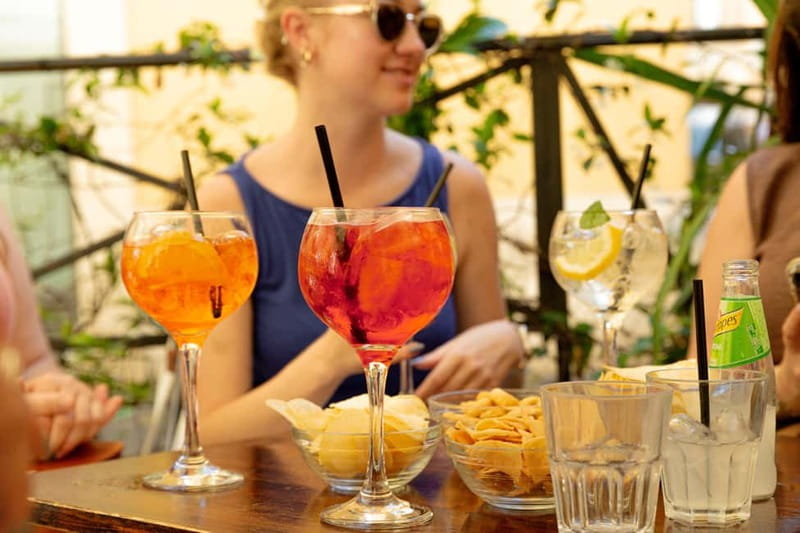
The first food stop is Ancient Pizzicheria Ruggeri, where you spend about 35 minutes tasting regional food and local wine.
This is a smart place to start because it introduces the basic building blocks of Italian eating. You can expect artisanal cheeses such as mozzarella, pecorino, and stracciatella, along with cured meats that may include prosciutto, salumi, and porchetta.
Pecorino is especially important for understanding Roman cooking. Its salty, firm character appears in several local pasta dishes, so tasting it before dinner gives you a useful reference point. Stracciatella, with its soft texture, offers a gentler contrast.
The wine tasting adds another layer without turning the tour into a formal wine class. Your guide can connect what is in the glass to the food on the plate and explain regional habits in plain terms. If you do not know much about Italian wine, this first stop gives you a low-pressure introduction.
The only challenge is restraint. This is the first of six stops, and the portions are intended to add up. Pace yourself instead of treating the opening spread like a full meal.
I Dolci di Nonna Vincenza: A Sweet Interlude
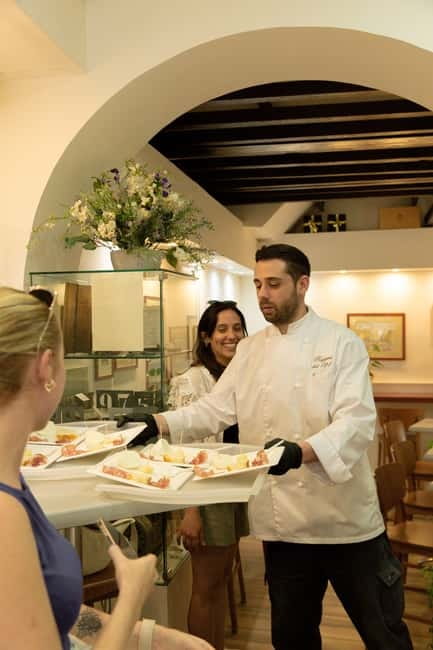
Next comes I Dolci di Nonna Vincenza, with about 30 minutes devoted to local snacks and regional sweets.
This stop breaks up the savory food and gives you a look at the dessert side of Italian food culture. The supplied details do not specify every sweet served, so I would treat this as a chance to sample what is available on the day rather than expect one fixed pastry list.
The timing is helpful. A sweet course early in the route keeps the tour from feeling like one long dinner and gives you a change in texture. Your guide also continues explaining local traditions, so the stop is not simply a quick sugar break.
Families with children may appreciate this part of the tour, since the experience is described as kid-friendly. Still, parents should remember that the full walk lasts three hours and includes several stops. Younger children may need a little help keeping up between tastings.
More Wine and Food Pairings in Rome
- Rome Pantheon: Fine Food & Wine Pairing Dinner with Sommelier
★ 5.0 · 283 reviews - Rome: Trastevere Wine Tasting with Food Pairing and Gelato
★ 4.9 · 168 reviews - Rome: Trionfale and Prati Food and Wine Tasting Tour
★ 4.8 · 115 reviews - Rome: Italian Food and Wine Guided Tasting Experience
★ 4.8 · 92 reviews
Arrostreet: A Quick Taste of Street Food
At Arrostreet, the tour shifts to a shorter 20-minute stop centered on regional food.
The name points toward arrosticini, small skewered pieces of grilled meat associated with central Italy. The experience also includes street food such as porchetta, and this is where the tour feels less formal and more like eating your way through Rome one counter at a time.
Street food matters because it shows the practical side of Italian cooking. These are foods meant to be eaten without ceremony, often as a quick meal or snack. You get a different sense of Rome here than you would from a plate of pasta in a restaurant.
This is also one of the shorter stops, so do not expect a long explanation or a full sit-down meal. The benefit is variety. You taste something distinct and keep moving before the route becomes too heavy.
Taverna del Ghetto and the Jewish Quarter
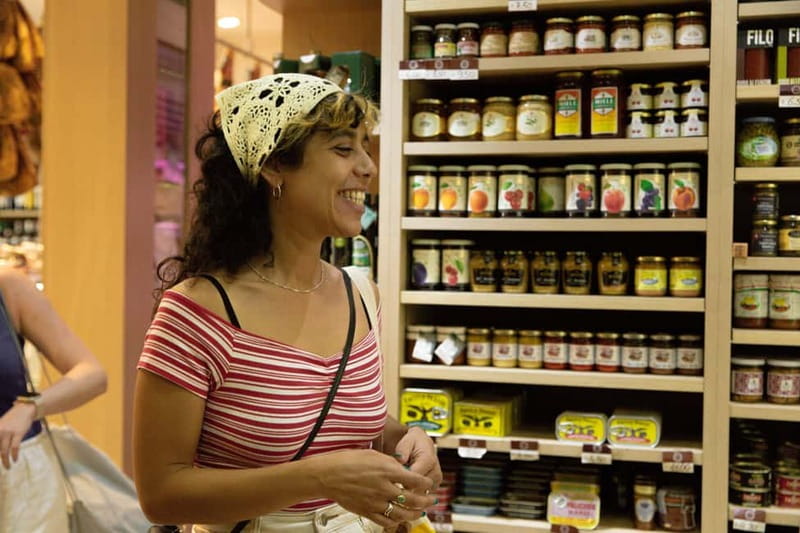
The stop at Taverna del Ghetto lasts about 30 minutes and includes street food, a guided visit, and regional tasting.
The Jewish Quarter gives the route a useful historical and culinary change of direction. Rome’s food is not one single tradition, and this neighborhood helps show how local cooking has developed through different communities and customs.
The exact foods can vary, but the experience specifically highlights street food and may include supplì or crispy arancini. These fried rice snacks are a classic Roman bite: crisp outside, soft inside, and filling enough to make you understand why they remain popular.
I like this part of the route because it connects a neighborhood walk to something you can easily seek out later. Once you know what a supplì looks and tastes like, you can spot it on menus and counters for the rest of your visit.
The stop also reinforces the tour’s main strength. You are not only collecting samples. You are learning why certain foods belong to Rome and how the city’s neighborhoods have their own character.
Trastevere: Roman Pasta and an Evening Meal
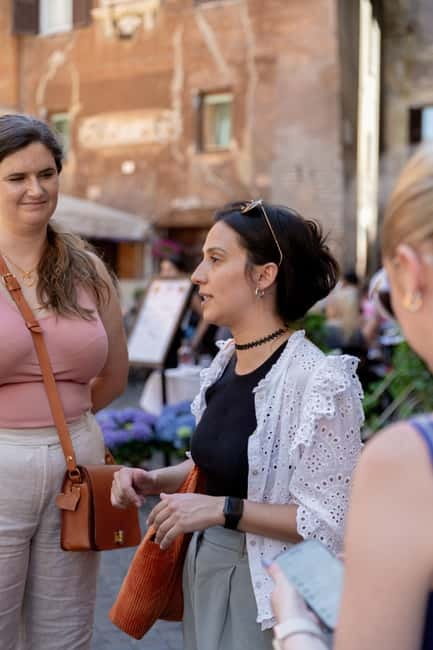
The longest food stop comes in Trastevere, where about 45 minutes are set aside for wine, dinner, guided conversation, and regional food.
This is the heart of the experience for many people. You sit down at a family-owned restaurant and eat classic Roman pasta dishes rather than merely sampling another small bite. The tour description does not promise a specific pasta shape or sauce, so you should not book expecting one exact dish. Instead, expect a proper taste of Roman pasta within the restaurant’s offering.
This stop helps you understand why Roman food can seem simple but still demand good ingredients. Cheese, cured pork, pepper, tomato, and pasta form the basis of many famous dishes, but balance matters. A local guide can explain the difference between a dish that is traditional and one that has been altered for visitors.
Trastevere is also a good setting for the meal. You get scenic views along the way, and the route lets you experience the neighborhood as part of the evening rather than treating it as a restaurant address. The district is famous for its narrow streets and dining atmosphere, but the food is what gives the stop its purpose.
I would schedule this tour early in your Rome visit. One traveler who took it on a first night found that the guide’s advice helped shape the rest of the trip, including suggestions for other local places to try. That is one of the best uses of a food tour: learn the city’s edible vocabulary before you spend several days ordering at random.
Gelateria del Viale: The Right Ending
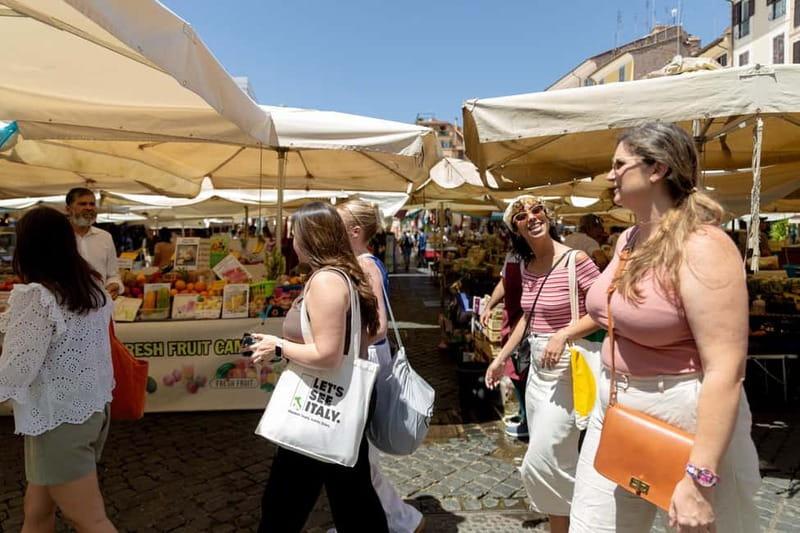
The last stop is Gelateria del Viale, with about 20 minutes for artisan gelato and a final guided walk.
Ending with gelato is not a surprise in Italy, but it is the right choice after a route filled with salty meats, cheese, fried snacks, wine, and pasta. You finish with something cold and creamy rather than another heavy course.
The portion is described as a scoop of gelato, so think of this as a neat finale rather than a second dessert meal. The final walk also gives you time to review what you have tasted and ask about other Roman dishes.
Gelato is often the food people feel most confident ordering on their own. Your guide can help you compare what you find later, though the supplied information does not promise a formal lesson about ingredients or production.
Guides Who Make the Difference
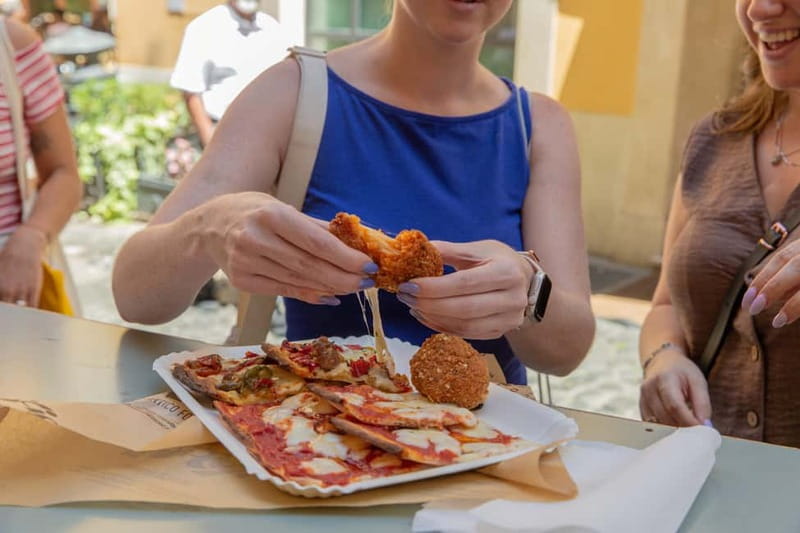
The guide is central to this experience. The strongest praise goes to guides who make the history and food feel connected rather than delivering two separate lectures.
Antonio is described as warm, courteous, and happy to answer questions about the city and local food. Maria is praised for being attentive and professional while leading the group through attractive streets and enjoyable food stops. Mary is noted for linking Roman history with what people were eating.
Elizabetta receives especially strong praise for making the evening fun and personal. She also offered additional suggestions for local places and helped call taxis at the end of one tour. Dalia is described as friendly and informative, with a clear ability to make the various tastings enjoyable.
The tour runs in English, Spanish, and Italian. Since the guide’s storytelling is a major part of the value, choose a language in which you can comfortably ask questions and follow food terms.
Timing, Walking, and Group Size
Three hours sounds short for six stops, but the route is tightly organized. You will be walking between locations, stopping for food, and listening to neighborhood stories rather than sitting for long periods at each address.
Wear comfortable shoes. That is not a formality here. The experience is a walking tour through central Roman neighborhoods, and you will enjoy it more if your feet are not complaining before the pasta arrives.
Bring a bottle of water and stay hydrated. A camera is also suggested, especially for the streets and food displays. Pets are not allowed, and the tour is not suitable for wheelchair users.
The maximum of eight people is one of the strongest practical features. A larger food group can turn every stop into a queue and make conversation difficult. Here, you have a better chance of hearing the guide and asking about ingredients, customs, or later restaurant choices.
Who Should Book This Experience?
I would recommend this tour to first-time visitors who want a quick introduction to Roman food and neighborhoods. It is also a good fit if you enjoy learning through conversation rather than reading a menu and hoping for the best.
Families may like the mix of short stops, sweets, street food, and gelato. The small group and kid-friendly format make it easier to keep children engaged, though the walking and three-hour length still matter.
Food-focused visitors should appreciate the range. You are not limited to pasta and pizza. Cheese, cured meats, wine, fried rice snacks, grilled meat, regional sweets, pasta, and gelato all appear in the same evening.
I would be more cautious if you need step-free access, dislike walking, or want a slow, formal dinner. The route has several transitions, and the meal at the Trastevere restaurant is one part of a larger food program, not the entire evening.
Is $81 a Fair Price?
At $81, this tour sits in the midrange for a guided food experience. You receive six tastings, local wine, a pasta dish or meal, gelato, neighborhood touring, and a live guide.
The value depends on how you use it. If you simply want the cheapest way to eat in Rome, you can spend less by ordering street food on your own. But you will not get the same sequence, explanations, or help choosing what deserves your attention.
I see the price as fair for a first-night orientation, especially if you consider the cost of a separate dinner, drinks, snacks, and a guided city walk. Free cancellation up to 24 hours before the tour and the option to reserve now and pay later also make planning less rigid.
The 4.9 rating from 29 bookings supports the idea that the format is working well, though the sample is not enormous. The most consistent strengths are the guides, the amount of food, the clear link between history and cuisine, and the personal feel of a group capped at eight.
Should You Book This Rome Food Tour?
Book it if you want to eat across several Roman neighborhoods in one evening, learn how the food fits into the city, and get practical advice from a local guide. I especially recommend it for your first or second day in Rome, when you can still use the guide’s suggestions throughout the rest of your stay.
Skip it if you want a single long restaurant dinner, need wheelchair access, or prefer to explore at your own pace. For everyone else, the combination of family-run stops, Roman pasta, street food, wine, and gelato makes this a useful and enjoyable way to meet Rome through its food.
FAQ
How long does the Rome food and wine tour last?
The tour lasts three hours.
How many people can join the group?
The group is limited to a maximum of eight participants.
Which Rome neighborhoods does the tour visit?
The route includes Trastevere, the Jewish Quarter, and Campo de’ Fiori.
How many food stops are included?
Six food stops are included, with tastings at each stop.
What food can I expect to taste?
The experience includes artisanal cheeses, cured meats, local wines, porchetta, arrosticini, salumi, street food such as supplì or arancini, classic Roman pasta, regional sweets, and artisan gelato.
Is wine included?
Yes. Local wine is included at the food stops where wine is part of the experience.
What languages are available?
The live guide is available in English, Spanish, and Italian.
Where does the tour meet?
The meeting point is Piazza del Biscione. Look for the coordinator in the middle of the square beside the water fountain, holding a Let’s See Italy sign.
Is the tour suitable for wheelchair users or pets?
The tour is not suitable for wheelchair users, and pets are not allowed.
More Food Experiences in Rome
- Rome Food Tour: Unlimited Tastings with Fine Wine & Barolo
★ 5.0 · 3,365 reviews - Rome: Guided Food Walking Tour with Wine in Trastevere
★ 4.9 · 3,105 reviews - Rome: Trastevere Food tour with Free-Flowing Fine Wine
★ 5.0 · 2,853 reviews - Rome: Gourmet Food Tour with Dinner & Barolo Wine
★ 4.9 · 2,347 reviews
Newly added around Rome
- Rome: Painting Class with Unlimited Wine★ 4.8 · 109 reviews
- Rome: Vatican Street Food and Wine Tour with Farmers Market★ 5.0 · 37 reviews
- Rome: Trionfale and Prati Food and Wine Tasting Tour★ 4.8 · 115 reviews
- Rome: Testaccio Food & Market Tour with Pasta & Wine★ 5.0 · 38 reviews
- Rome: Trastevere Food Walking Tour with Beer and Wine★ 4.9 · 71 reviews
- Rome: Trastevere Wine Tasting with Food Pairing and Gelato★ 4.9 · 168 reviews
- Rome: Pasta Making Class with Tiramisu & Wine PRIVATE OPTION★ 4.8 · 404 reviews
- Rome: Private Guided Golf Cart Tour with Gelato or Wine★ 4.9 · 338 reviews
Wine & Food Pairings, compared.
Pisa, Siena and San Gimignano Day Trip with Lunch & Wine Pairing
Read our review →
Lisbon Small-Group Portuguese Food and Wine Tour
Read our review →
Montmartre Hill French Gourmet Food and Wine Tasting Walking Tour
Read our review →
Rome by Night – Ebike Small Group Tour – Food and Wine (Option)
Read our review →
Vila Nova de Gaia: Port Wine Tasting with Cheese Pairing
Read our review →
Eat, Drink and Repeat: Wine and Food Tasting Tour in Venice
Read our review →Browse the lists this tour appears in