
REVIEW · ROME WINE TOURS
Rome: Pizza & Tiramisu Class with Free Flowing Fine Wine
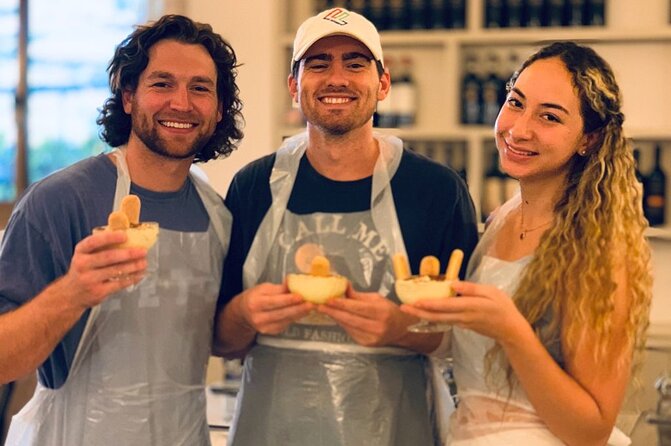
Rome tastes better when you make lunch. This three-hour pizza and tiramisu class combines hands-on cooking with a relaxed meal in a central Roman restaurant. I like the small group limit of 12 and the chance to work with traditional ingredients instead of simply watching a demonstration.
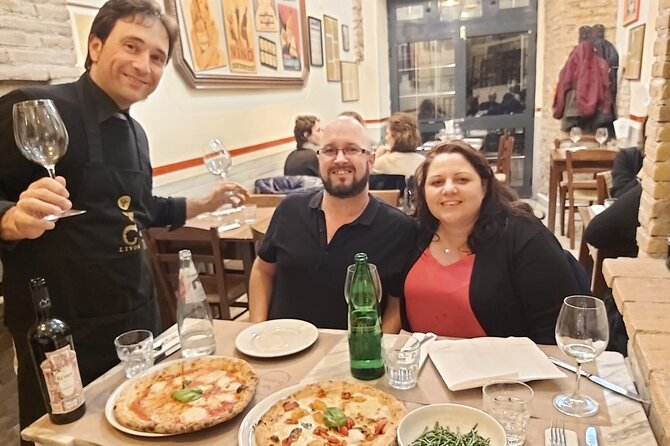
I also like the included wine and soft drinks, which turn the lesson into a social meal. Guides such as Julia, Mattia, Fiammy, and Carlo receive especially warm praise for their patience and humor. The main caution is that the class takes place in part of a working restaurant, so noise, nearby diners, or a less polished setup can sometimes affect the experience.
Key points at a glance
- Tiramisu comes first: You prepare the classic dessert before moving on to pizza, then eat what you made.
- Small groups help: The maximum of 12 people gives you a fair chance to ask questions and get help with the dough.
- Wine is included: Fine wine and soft drinks accompany the meal, though the amount of wine may vary.
- A family-friendly activity: Children, teenagers, couples, solo visitors, and larger family groups have all enjoyed the class.
- The setting is informal: You cook in the back section of a working restaurant, not in a dedicated cooking school.
- Food restrictions need care: Substitutions may be available, but the instruction follows recipes containing gluten, dairy, and eggs, with no guarantee against cross-contamination.
What this Rome cooking class is really like
This is not a formal chef-training course. It is a social Roman food experience where you prepare two famous Italian dishes, share a table with a small group, and eat your work at the end.
The class lasts about three hours and takes place at La Panetteria Ristorante on Via della Panetteria, near central Rome. The meeting point is also the finishing point, so you do not need to arrange transport between activities. The location is close to public transportation, which helps if you are fitting the class between sightseeing stops.
The format is simple. A local English-speaking instructor guides you through tiramisu and pizza, explains the basic methods, and helps with the practical steps. You then sit down to eat, with wine and soft drinks included.
I would think of this as a good break from museums, churches, and crowded streets. You get to use your hands, meet other people, and enjoy a proper meal without spending the whole afternoon at a restaurant table.
A few more wine tours around Rome worth a look
- Rome: Pasta & Tiramisu Class with Fine Wine by the Vatican
★ 4.9 · 4,852 reviews - Rome: Pasta Making Class with Wine, Limoncello, and Dessert
★ 4.9 · 3,177 reviews - Fettuccine & Tiramisù: Cooking Class with Wine & Limoncello
★ 4.9 · 2,103 reviews
Starting with tiramisu before the pizza
The class generally begins with tiramisu. That order makes sense: the dessert needs time to rest, so preparing it first gives the layers time to settle while you work on the pizza.
You can expect to handle the main components of a traditional tiramisu, including ladyfingers and mascarpone. The recipe is approachable, which makes this part particularly suitable for children and first-time cooks. Several families found that children around school age could take part and stay engaged.
The tiramisu also gives the instructor an early chance to explain the method and divide tasks among the group. Guides such as Julia and Mattia are praised for offering individual help rather than rushing everyone through the same motions.
Do not expect a pastry-school lesson. The focus is on making a tasty dessert together, not on detailed culinary theory. One less positive account found the tiramisu average and felt the ingredient explanations lacked depth. If you want a technical lesson about mascarpone, coffee, or the origins of each ingredient, you may find the treatment fairly light.
Still, the activity has a useful payoff. You do not simply taste tiramisu in Rome. You learn a basic process that you can repeat at home, provided you receive or record the recipe.
Building a Roman pizza from dough to table
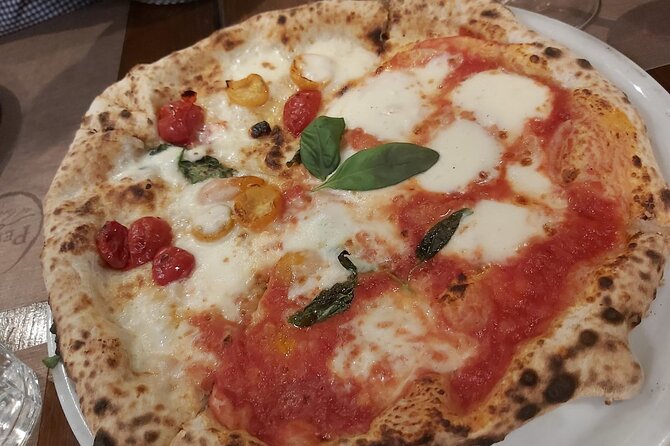
After the dessert, attention shifts to pizza. The class uses traditional ingredients and teaches the basic feel of the dough, which is often harder to understand than a written recipe suggests.
You may learn how to shape the dough, add sauce and toppings, and prepare the pizza for cooking. The exact topping selection is not specified, although the menu identifies the main dish as authentic Roman pizza. The food is made with artisanal ingredients, and the pizza is eaten at the restaurant once ready.
This is where the class feels most useful for a home cook. Measuring flour is easy. Knowing how the dough should feel is harder. A good instructor can show you when it is too dry, too sticky, or ready to shape.
Past instructors have included Julia, Mattia, Fiammy, Carlo, Elena, Mia, Irene, Thiara, and Chiara. The strongest praise goes to teachers who keep moving around the table, answer questions, and offer one-to-one corrections. Mattia, Julia, and Fiammy are repeatedly described as warm, patient, and energetic.
The quality of the lesson can depend heavily on the instructor assigned that day. Most accounts describe a fun and well-run class, but one person reported a late start and a young instructor handling setup, teaching, serving, and cleanup alone. That is worth keeping in mind if you expect a polished professional kitchen environment.
Eating your own lunch with wine included
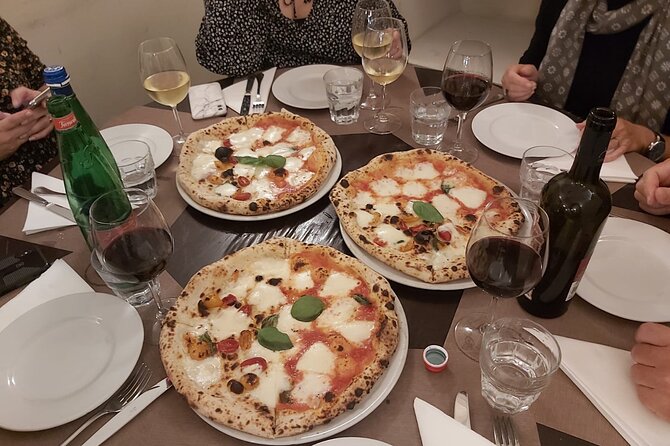
The meal is the reward at the end. You eat the pizza and tiramisu you prepared, with wine and soft drinks included.
That makes the $47.16 price attractive. In Rome, a restaurant meal with drinks can take a substantial part of a daily budget, while this experience also gives you a three-hour activity and instruction. You are paying for food, social time, and a practical lesson, not just a plate of pizza.
The wine is described as free flowing, and several people appreciated that glasses were topped up during the meal. However, one account felt there could have been more wine, while another warned that extended drinking led some participants to become very intoxicated.
If you are traveling with children, keep an eye on the pace of drinking around the table. Wine is part of the adult social side of the class, but it should not be the reason you book the experience. The real value comes from cooking and eating together.
Soft drinks are also included, which gives non-drinkers and younger participants another option. The meal is listed as lunch, although sessions can occur at different times. One evening class reportedly ran much longer than planned, so avoid scheduling an important event immediately afterward.
Same region, a very different glass:
- Rome: Tuscany & Montepulciano Day Trip with Lunch & Wine Tasting
★ 4.5 · 5,232 reviews - Rome Food Tour: Unlimited Tastings with Fine Wine & Barolo
★ 5.0 · 3,365 reviews - Rome: Guided Food Walking Tour with Wine in Trastevere
★ 4.9 · 3,105 reviews - Rome: Tuscany & Montepulciano Day Trip with Lunch & Wines
★ 4.7 · 3,004 reviews
A working restaurant, not a quiet cooking studio
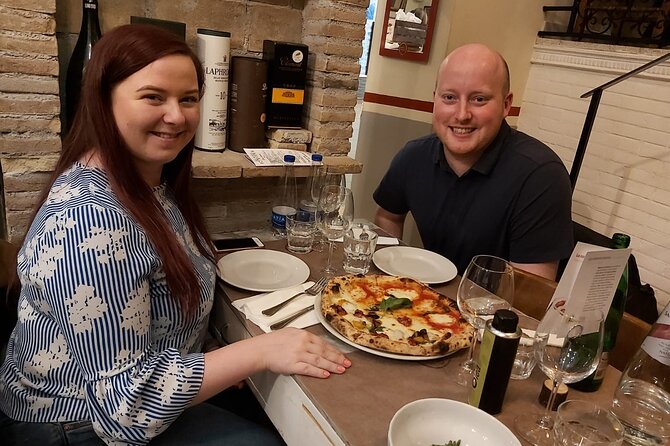
The setting is one of the most important details to understand before booking. La Panetteria Ristorante is a functioning restaurant, and the class uses a back section of the dining room.
That arrangement can add a genuine Roman feel. You are not cooking in a staged studio built only for demonstrations. You are in a restaurant where food is being served, which can make the experience feel more connected to everyday dining in Rome.
The tradeoff is noise and space. A large party or tour group may be seated nearby, making it harder to hear the instructor. Other diners may watch or take photographs. During quieter periods, the class can have much more room and privacy. One family of four ended up with what felt like a private lesson because they were the only participants at that time.
The group limit is 12 people. That is small enough for conversation, but not so small that you should expect constant personal attention. If all 12 places are filled, your experience will depend on an instructor who actively moves around the table.
I would choose a quieter daytime session if you value clear instruction. If the class takes place during a busy restaurant period, expect more background activity. That is not automatically bad, but it is part of the bargain.
Why the class works well for families
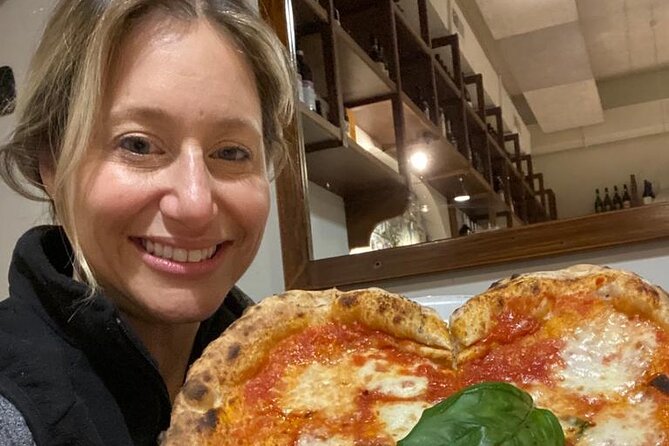
This is one of the better food activities for a family visiting Rome. Children can take part in mixing tiramisu, working with dough, and adding toppings. The work is active enough to hold attention, and the final meal gives everyone a clear reward.
A family with children aged nine and 11 found a morning class easy to combine with a stop at the Trevi Fountain beforehand. Another group included people from age 10 to 73 and enjoyed the activity together. A birthday celebration was also given extra attention by the teaching team.
The class does not require advanced cooking ability. You can ask questions, make mistakes, and still end up with something good to eat. That relaxed tone is useful when several members of a family have different interests.
There is one practical issue: the wine service can make the atmosphere more adult than some parents expect. Soft drinks are included, but the class is still built around shared wine. Families should decide if that fits their group.
A good match for couples and solo visitors
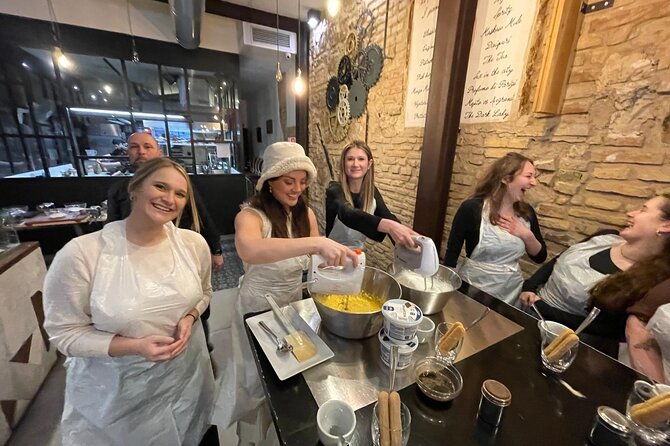
Couples can use the class as a low-pressure date activity. You work side by side, share food, and have plenty of time to talk. One couple booked it as a surprise and particularly liked the patient coaching and the chance to ask questions.
Solo visitors also have a natural way to meet people here. The table setup encourages conversation, and the included meal prevents the experience from feeling like a short demonstration followed by an awkward exit.
The social side is part of the appeal, but it also means you should not expect a private cooking lesson. You may share the table with families, couples, or other solo participants. That mix can create laughter and conversation, though it may not suit someone who wants quiet, focused training.
How much cooking instruction should you expect?
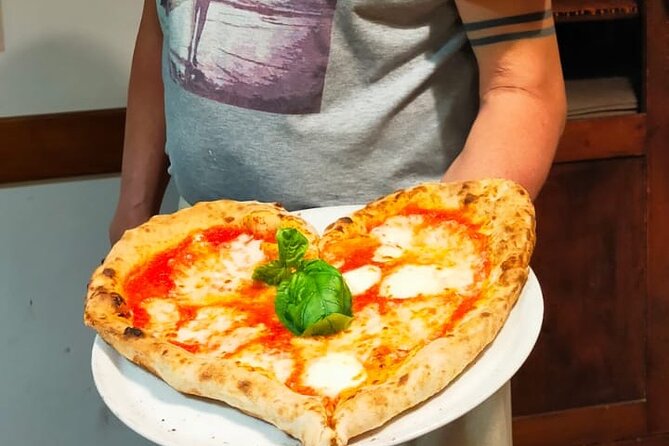
The strongest part of the teaching is practical guidance. You should expect to see how the recipes come together and receive help with the steps that are difficult to judge alone, especially the pizza dough.
The instructors are generally praised for clear English, warmth, and good energy. Fiammy is noted for sharing tips and tricks, while Julia is praised for individual coaching and giving participants recipes to take home. Carlo was especially popular with children.
The depth of the cultural explanation may vary. Some teaching includes stories about pizza, family traditions, and Roman food. Another account found little explanation of the background of ingredients such as 00 flour, ladyfingers, mascarpone, and cured meats.
This difference matters. If you want a serious culinary lesson with detailed food history and precise technique, ask questions as you go. If you mainly want to make pizza, eat well, and enjoy the company, the class should meet your needs.
Also, do not assume recipes will always arrive automatically. One participant had trouble receiving the pizza dough recipe afterward, despite requesting it several times. I recommend taking notes or photographing any recipe sheet before leaving.
Food allergies and dietary limits
This class is not a safe fit for every diet. The traditional recipes contain gluten, dairy, and eggs, and the activity is specifically not recommended for people with egg allergies, lactose intolerance, gluten intolerance, or celiac-related concerns. It is also not recommended for vegans.
Substitutions may be available for some allergies or food preferences, but the teaching will still focus on the traditional recipes. The provider cannot guarantee that food is free from cross-contamination.
You should contact the provider before booking if you have a food restriction. Do not rely on a simple substitution to solve a serious allergy problem. For most people without dietary concerns, the ingredient list is part of the classic pizza and tiramisu experience.
Timing, meeting point, and cancellation
The class starts and ends at La Panetteria Ristorante, Via della Panetteria 13a/14, 00187 Rome. It is near public transportation, and the activity does not include an air-conditioned vehicle because no transportation between stops is provided.
Allow about three hours, but keep your schedule flexible. Most sessions may fit that window, yet one evening group reported a much longer experience caused by a late start and a slow finish. I would not book a timed performance, train, or major dinner immediately afterward.
Confirmation is provided when you book. Free cancellation is available if you cancel at least 24 hours before the local start time. Changes or cancellations made inside that window are not accepted for a refund.
Who should book this experience?
Book it if you want to:
- Cook rather than watch a food demonstration
- Meet people around a shared table
- Give children a hands-on activity in Rome
- Learn basic pizza dough and tiramisu methods
- Enjoy a meal with wine and soft drinks included
- Take a break from major Roman sights
Think twice if you need a quiet, highly structured cooking school. The working restaurant setting can be noisy, the teaching style may vary, and the wine service may make the session feel more like a social meal than a strict lesson.
The $47.16 price is strong for a three-hour activity that includes lunch, drinks, and instruction. Its value depends less on restaurant polish and more on the quality of your instructor and the group atmosphere.
Should you book the Rome pizza and tiramisu class?
For most visitors, yes. I would book this class if you want an easygoing food activity with real participation, a full meal, and a good chance to laugh with your group.
The best reason to choose it is the combination of pizza, tiramisu, and personal instruction in a small group. The main reason to avoid it is the informal restaurant setup, especially if you want advanced culinary training or have strict dietary needs.
For families, couples, and solo visitors who enjoy food and conversation, this is a practical and fairly priced way to spend part of a day in Rome. Go in expecting a friendly cooking session, not a professional chef certification, and you are more likely to leave satisfied.
FAQ
How long does the pizza and tiramisu class last?
The activity lasts approximately three hours, although the exact timing can vary. One evening session reportedly ran longer, so leave some space in your schedule afterward.
Where does the class start and finish?
It starts and ends at La Panetteria Ristorante, Via della Panetteria 13a/14, 00187 Rome, Italy.
What food will I prepare?
You will prepare traditional tiramisu and authentic Italian, Roman-style pizza. You eat the food at the end of the class.
Are drinks included?
Yes. Lunch pizza, wine, and soft drinks are included. The amount of wine served may vary by session.
Is the class suitable for children?
Yes. Children can participate, and families with children have enjoyed the activity. Parents should remember that wine is part of the shared meal.
Can people with allergies or dietary restrictions participate?
Substitutions may be offered, but the standard instruction uses gluten, dairy, and eggs. The class is not recommended for vegans, people with egg allergies, lactose intolerance, or gluten intolerance. Cross-contamination cannot be ruled out.
What is the cancellation policy?
You can cancel for a full refund up to 24 hours before the experience start time. Cancellations or changes made less than 24 hours in advance are not refundable.
Newly added around Rome
- Rome: Painting Class with Unlimited Wine★ 4.8 · 109 reviews
- Rome: Vatican Street Food and Wine Tour with Farmers Market★ 5.0 · 37 reviews
- Rome: Trionfale and Prati Food and Wine Tasting Tour★ 4.8 · 115 reviews
- Rome: Testaccio Food & Market Tour with Pasta & Wine★ 5.0 · 38 reviews
- Rome: Trastevere Food Walking Tour with Beer and Wine★ 4.9 · 71 reviews
- Rome: Trastevere Wine Tasting with Food Pairing and Gelato★ 4.9 · 168 reviews
- Rome: Pasta Making Class with Tiramisu & Wine PRIVATE OPTION★ 4.8 · 404 reviews
- Rome: Private Guided Golf Cart Tour with Gelato or Wine★ 4.9 · 338 reviews
Rome Wine Tours, compared.
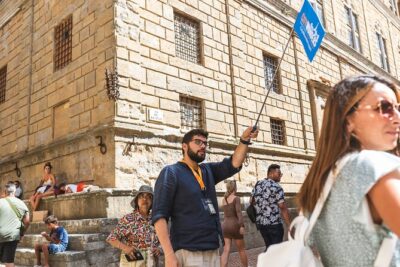
Tuscany & Montepulciano Day Trip with Lunch & Wine Tasting
Read our review →
Pasta & Tiramisu Class with Fine Wine by the Vatican
Read our review →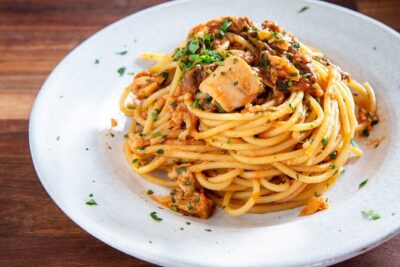
Rome Food Tour: Unlimited Tastings with Fine Wine & Barolo
Read our review →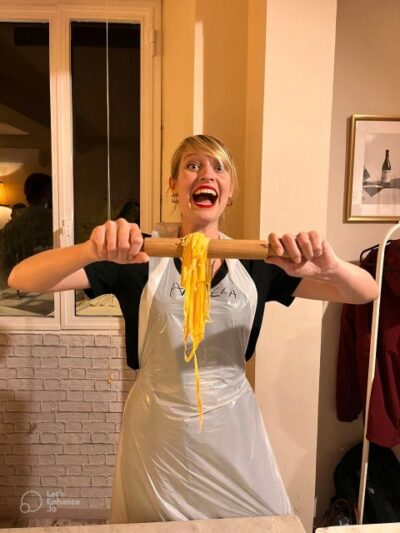
Pasta Making Class with Wine, Limoncello, and Dessert
Read our review →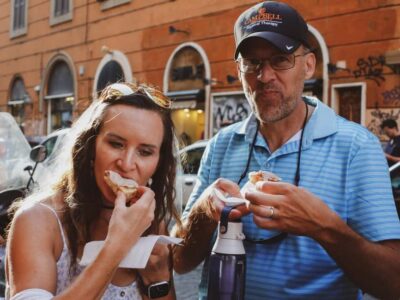
Guided Food Walking Tour with Wine in Trastevere
Read our review →
Tuscany & Montepulciano Day Trip with Lunch & Wines
Read our review →
Trastevere Food tour with Free-Flowing Fine Wine
Read our review →
Browse the lists this tour appears in