
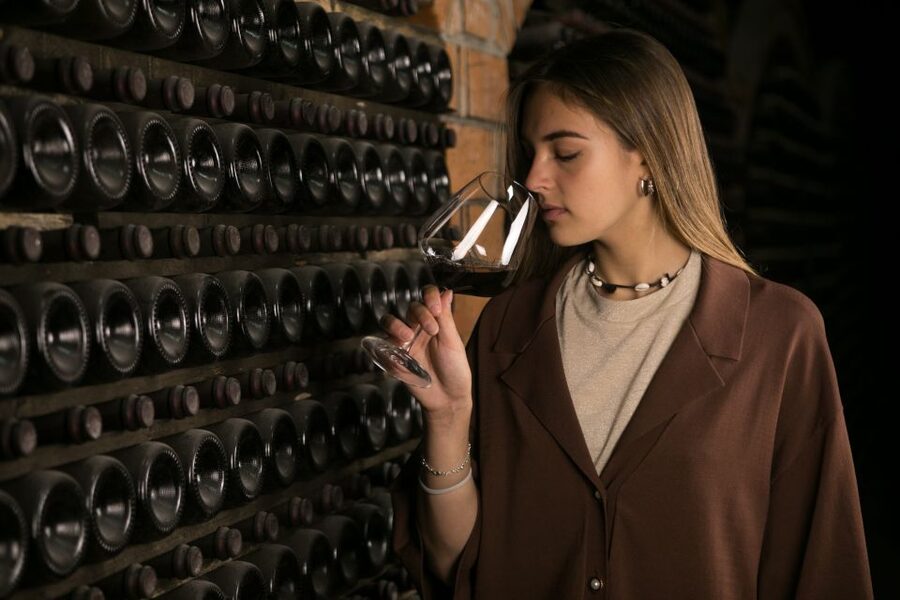
REVIEW · WINERY TOURS
Verona: Montresor Winery Visit with Wine Tasting and Snacks
Wine and history meet just outside Verona.
I like that this 90-minute winery visit gives you much more than four glasses at a counter. You walk through a museum, see original winemaking tools, test your nose in an aroma room, and enter the barrel room where Amarone’s appassimento process is explained. I also like the choice of tasting: bold Valpolicella reds, including Amarone Riserva, or fresh whites from Lake Garda. The main consideration is access. The winery is easy by taxi or bus, but it is not in Verona’s historic center, and some areas may be difficult for visitors with reduced mobility.
The warm, lighthearted guides make this visit work. Emma, Leonardo, Emmanuele, and Silvia have all been praised for clear explanations and genuine enthusiasm. At $34 per person, the tour is good value if you want context with your wine, though you should confirm the snack offering if bread, cheese, and meat matter to you.
What makes the Montresor visit worth your time
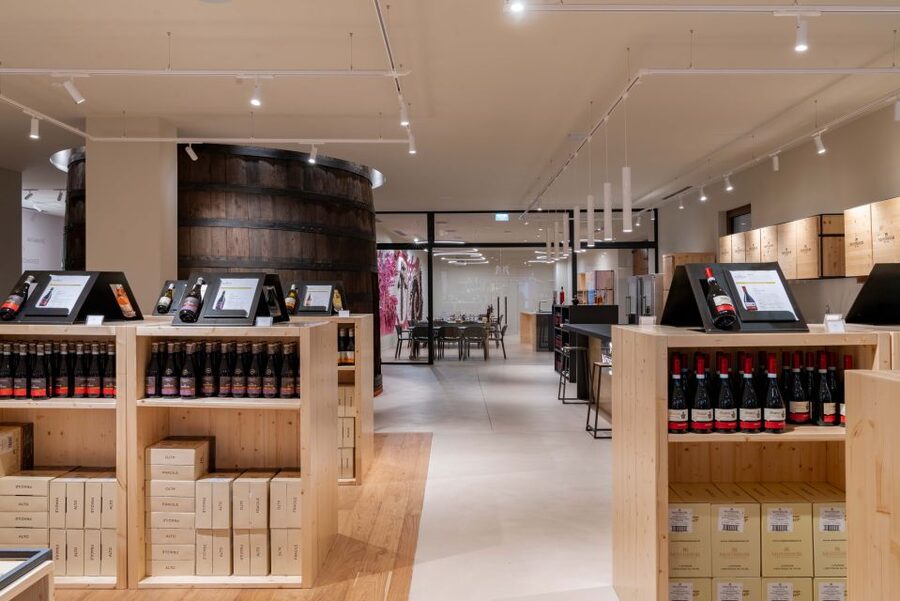
- A museum with a Verona timeline: See how the Montresor family and winery developed from the late 1800s to the present.
- Two tasting routes: Choose five Valpolicella reds or four Lake Garda white wines.
- A useful aroma challenge: Try to identify scents associated with the wines before tasting them.
- A working cellar atmosphere: See large barrels, aging wine, and grapes at different stages of drying.
- Amarone explained clearly: Learn how appassimento changes the character and concentration of the grapes.
- A convenient rainy-day plan: The visit is indoors, with controlled conditions, making it useful in very hot or wet weather.
Reaching the Montresor Winery from central Verona
Montresor Winery is just outside Verona’s main historic core. From the Arena, a taxi is the simplest option, and one recent visit put the journey at roughly 15 minutes from the city center. If you prefer public transport, buses 21 and 93 run from Castelvecchio Castle, opposite the castle entrance, with a stop near the winery.
Parking is available on site, so a car works well if you are visiting from outside Verona. I would allow a little extra time for the journey, especially if your booking has a fixed start time. One visit experienced a delay of about an hour, so do not schedule a tight activity immediately afterward.
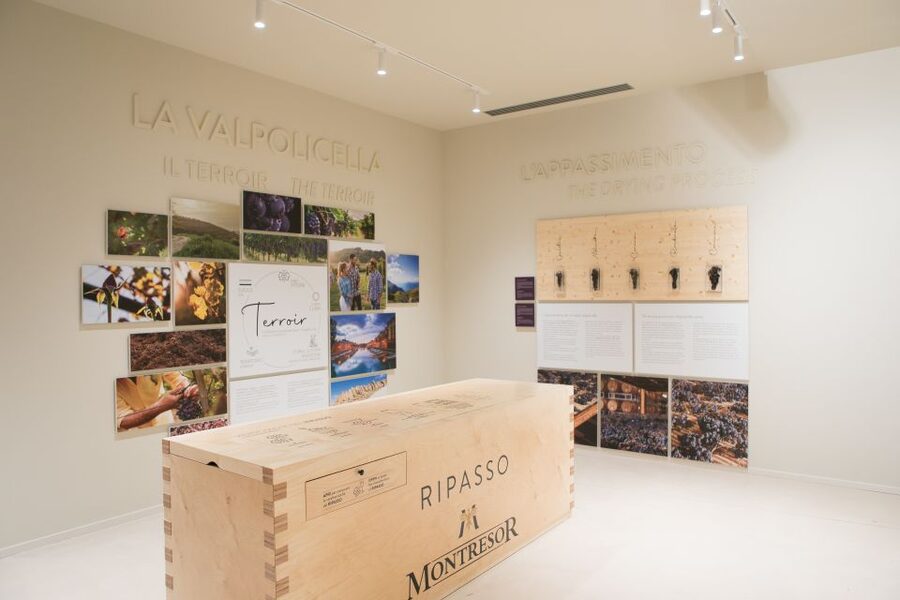
You meet your guide inside the winery. The site also includes a wine shop, where you can buy bottles after the tasting. Wine shipping is available, and one visitor reported receiving bottles in the United Kingdom within five days, with a small customs fee handled online. Shipping rules depend on your destination, so ask at the shop before buying a case.
More Wine Tastings in Italy
- Florence: Chianti Wineries Tour with Wine Tasting
★ 4.5 · 10,071 reviews - Small-Group Wine Tasting Experience in the Tuscan Countryside
★ 5.0 · 7,392 reviews - Rome: Tuscany & Montepulciano Day Trip with Lunch & Wine Tasting
★ 4.5 · 5,232 reviews
The museum connects Montresor wine with Verona
The visit begins in the winery museum. This is not just a display of dusty bottles and old machinery. Its purpose is to show how the Montresor family, the company, and Verona changed together from the late nineteenth century onward.
You see original winemaking tools and learn how the winery kept its identity while adapting through major historical events. That background gives the tasting more meaning. Instead of treating Valpolicella as a label on a bottle, you begin to see how local customs, production methods, and family decisions shaped what you are about to drink.
The museum has been praised for its modern design and interactive displays. One visitor wished for more time to read everything, which is useful advice. The scheduled visit moves along, so if you enjoy exhibits and small historical details, arrive ready to focus rather than rushing through the opening.
The museum also helps make this a good choice for a mixed group. Someone who is less interested in wine can still follow the company story, equipment displays, and historical material. It is not a countryside vineyard visit, and that is part of its appeal. You get a modern urban winery setting rather than a day in the rural hills.
Valpolicella, Ripasso, and Amarone explained
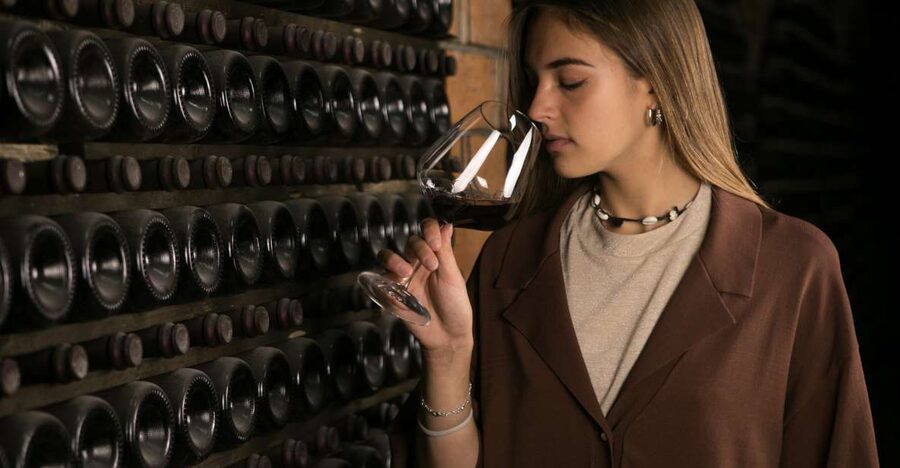
The wine portion centers on Valpolicella and the methods that give its wines different levels of body, weight, and complexity. You learn about Valpolicella Classico, Ripasso, and Amarone, with grapes shown at different stages from harvest through drying.
This is the most useful part for anyone who has seen these names on wine lists but never understood the difference. The guide explains how the territory affects the wine, then links that information to the production process. The point is not simply to memorize terms. You are shown why a lighter Valpolicella tastes different from Ripasso, and why Amarone has such concentration.
The drying of grapes, known as appassimento, receives special attention. Grapes are held after harvest so they lose water and develop a more concentrated character. The winery displays grapes at various points in this process, which makes the explanation easier to understand than a speech delivered only at the tasting table.
Amarone Riserva is included in the red tasting route. That matters because Amarone can be expensive in restaurants and in overseas shops. If you rarely order it because of the price, this gives you a chance to taste it in the place and production context that made it famous.
The aroma room turns tasting into a game
Before the glasses arrive, you enter an interactive sensory room. Here you try to identify smells connected with the wines.
This part has been one of the most praised features of the visit. Emma has used a quiz to challenge groups to recognize different aromas, and the activity gives everyone something to do. You do not need a trained nose. The point is to notice how much of tasting comes from smell, memory, and comparison.
I like this approach because it takes pressure off. Wine tastings can sometimes feel like an exam where you worry about naming the correct fruit or spice. Here, the sensory exercise is presented as a friendly challenge. You get a clearer idea of what guides mean when they describe a wine as floral, fruity, herbal, or earthy.
The room also makes the visit more social. You can compare impressions with the rest of the group, then see how your guesses line up with the guide’s explanation. It is a small feature, but it keeps the tour lively and gives beginners a way into the subject.
More Winery Tours in Italy
- Tuscany Day Trip from Florence: Siena, San Gimignano, Pisa and Lunch at a Winery
★ 5.0 · 21,634 reviews - From Florence: Siena, San Gimignano, Pisa & Lunch at Winery
★ 4.8 · 4,538 reviews - Tuscany Wine Tour: 2 Wineries & San Gimignano from Florence
★ 5.0 · 1,007 reviews - Chianti Wineries Tour with Tuscan Lunch and San Gimignano
★ 5.0 · 793 reviews
Inside the barrel room and aging cellar
The route continues beneath a historic barrel and into the aging room. Large casks hold wines as they rest, and the space gives you a sense of the time involved in production.
A full-wall historical mural is a distinctive feature of this room. It links the cellar to the winery’s past rather than treating the barrels as decoration. You also see where the appassimento process fits into the wider sequence, from harvested grapes to finished wine.
This part is especially useful for understanding that wine does not go directly from vineyard to bottle. The guide connects storage, aging, grape treatment, and final style. Leonardo has been praised for making these explanations vivid and easy to follow, with descriptions that help you picture what is happening inside the barrels.
The cellar is indoors and kept under controlled conditions. That makes the visit practical in Verona’s summer heat or on a wet day. One visitor specifically found it a good option during a day that swung between heavy rain and high heat.
Some parts may not be easy to reach for people with reduced mobility or other disabilities. If that affects your plans, contact the provider before booking and ask which parts of the route are accessible.
Choosing between the red and white tastings
Your tasting choice changes the character of the visit, so consider your usual preferences before booking.
The Valpolicella red option includes five glasses. It is the better match if you want to understand the region’s best-known styles, from Valpolicella Classico through Ripasso and up to Amarone Riserva. You will get the clearest look at how grape drying and aging affect strength, texture, and flavor.
The Lake Garda white option includes four glasses. These wines are described as fresh and elegant, and they offer a lighter alternative to the reds. Choose this route if you usually prefer white wine or want to explore a part of Veneto beyond Valpolicella.
The tasting is guided by a wine specialist in English or Italian. The strongest reports praise guides for explaining each glass clearly without making the session stiff. Silvia, Emma, Leonardo, and Emmanuele have each been singled out for friendly presentation, useful detail, and a clear affection for the winery.
The exact pace depends on the guide and group, but expect the tasting to be more than a quick pour. The explanations cover the wine’s origin and production, and snacks are served alongside the glasses.
Snacks, shop time, and the practical details
The current experience includes wine-pairing snacks listed as bread, olive oil, soppressa salami, and cheese. However, past visits have reported receiving breadsticks instead of a larger meat-and-cheese plate. If food is a major reason you are booking, confirm the current serving with the winery rather than assuming a full aperitivo.
The snack portion is useful, but this is primarily a wine and winery visit, not a meal. Vegans should not book this activity, and the stated restrictions also make it unsuitable for children under 18 and pregnant women. Minors must be accompanied by an adult, and unaccompanied minors are not allowed.
After the tasting, you can browse the winery shop and use the discount on bottle purchases. This is a real part of the value. You taste several wines first, hear how they are made, and then decide if one is worth taking home. Buying at the end is optional, so you are not pushed into a purchase.
The total price is $34 per person. For an hour and a half with a guided museum visit, sensory room, cellar route, specialist-led tasting, and snacks, I consider that a fair price in Verona. It is especially good value for the red route if Amarone is included, since a single restaurant glass can be costly in many countries.
The tour requires at least two participants to operate. Free cancellation is available up to 24 hours before the visit, and you can reserve now and pay later. Bad storms or other extreme, unexpected events may be handled case by case, and a full refund is not guaranteed in those circumstances.
Who should book the Montresor experience?
I would recommend this to you if you want a structured introduction to Veronese wine without spending a full day in the countryside. It suits first-time wine tasters because the aroma activity and step-by-step explanations give you a clear starting point.
It also works for experienced drinkers who want to taste Amarone Riserva and learn more about appassimento. The museum and mural add material beyond the glass, while the indoor setting keeps the plan reliable in poor weather.
Couples, small groups, and visitors with a free morning or afternoon will get the most from it. The visit is short enough to fit around Verona sightseeing, but it still has enough substance to feel like an activity rather than a simple tasting.
You may want to skip it if you are looking for a scenic vineyard walk, a long countryside lunch, or a fully accessible route. It is a city-edge winery visit with a modern museum and production spaces. That is convenient, but it is not the same as touring open vineyards in the Valpolicella hills.
Should you book the Montresor Winery Visit?
Book it if you want wine explained in plain language, a well-designed museum, and a tasting that connects each glass to the way it was made. The most valuable parts are the aroma room, the appassimento display, and the chance to taste Amarone in a guided setting.
Choose the red option for the fullest Valpolicella lesson. Choose the white option if you prefer lighter wines or want to focus on Lake Garda. Leave room in your schedule for the bus or taxi, and ask about the current snacks before you go.
At $34, this is a sensible Verona add-on for wine drinkers and curious beginners. It gives you a solid introduction without taking up half your day.
FAQ
How long does the Montresor Winery visit last?
The visit lasts about 1.5 hours.
How much does the experience cost?
The stated price is $34 per person.
Where do I meet the guide?
You meet the guide inside the Montresor Winery.
How can I reach the winery from Verona?
You can take a taxi from the Arena or take bus 21 or 93 from Castelvecchio Castle, opposite the castle entrance. Parking is available at the winery.
Which wines can I taste?
You can choose Valpolicella red wines or Lake Garda white wines. The red option includes five glasses, while the white option includes four.
Is the tasting conducted in English?
Yes. The live tour is available in English and Italian.
Are snacks included?
Yes. The stated pairing includes bread, olive oil, soppressa salami, and cheese. Some earlier visits received breadsticks instead, so confirm the current offering if this is important to you.
Can children join the tour?
The activity is not suitable for children under 18. Minors must be accompanied by an adult, and unaccompanied minors are not permitted.
Newly added around Italy
- Etna trekking and wine tasting★ 5.0 · 28 reviews
- Etna Tour and Lunch in a Winery with Wine Tasting★ 5.0 · 97 reviews
- Cooking Class and Wine Pairing in Capri★ 5.0 · 57 reviews
- WINE TOUR with sommelier in a winery near Cagliari★ 5.0 · 27 reviews
- Cagliari 3 Hours Luxury Motorboat Tour – Wine and Snorkeling★ 5.0 · 118 reviews
- Cagliari Boat Tour by Maxi Rib – Wine and Snorkeling★ 5.0 · 128 reviews
- Small-Group Food and Wine Tour from Cagliari★ 5.0 · 237 reviews
- Wine Experience: vineyard, wines and food★ 5.0 · 155 reviews
Winery Tours, compared.
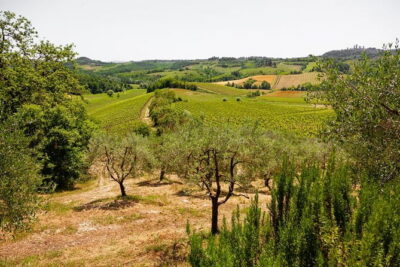
Tuscany Day Trip from Florence: Siena, San Gimignano, Pisa and Lunch at a Winery
Read our review →
Douro Valley with Winery Lunch, Tastings & Cruise
Read our review →
Montserrat, Cogwheel, Black Madonna & Winery Tour
Read our review →
Montserrat with Black Madonna & Medieval Winery with Tapas/Lunch
Read our review →
Siena, San Gimignano, Pisa & Lunch at Winery
Read our review →
Wine Tour: Paarl, Franschhoek & Stellenbosch incl 3 wineries
Read our review →
Douro Valley Tour: 2 Vineyard Visits, River Cruise, Winery Lunch
Read our review →Browse the lists this tour appears in