
REVIEW · WINE TASTINGS
Wine Tasting Experience with Three Types of Tuscan Wine
Florence has a shortcut to Tuscany. This one-hour tasting brings Vernaccia or Vermentino, Bolgheri Rosso, and Chianti Classico Riserva to a table near Mercato Centrale, with cured meats, cheese, olives, and bruschetta to match. It is a compact way to learn the basics without giving up half a day to a vineyard bus tour.
I like the thoughtful wine progression, from a crisp white to a fuller red and then an aged Chianti Riserva. I also like the personal service. Francesca, Jessica, Vinci, and other hosts have helped make the tasting friendly and clear, even for people who do not usually know much about wine. The main drawback is the short length: one hour gives you a useful introduction, not a full study of Tuscan wine.
At $41 per person, the tasting offers good value if you want wine, food, and instruction in one sitting. You do not need hotel transport, and you return to the same central location after the class. Still, arrive early. If you miss the start, you cannot join later or receive a refund.
Key Points to Know Before Booking
- Three distinct Tuscan styles: Taste a mineral white, a bold Bolgheri red, and a polished Chianti Classico Riserva.
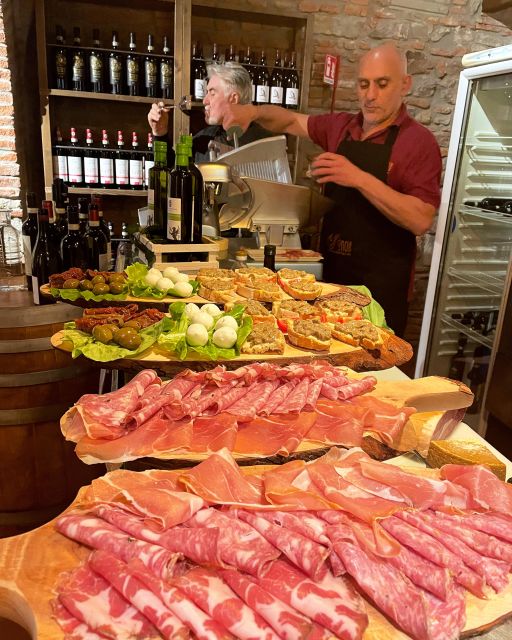
- A real food pairing: The platter includes olives, bruschetta, salami, prosciutto, and cheeses, rather than a few token snacks.
- One hour near Mercato Centrale: This fits neatly into a Florence sightseeing day and works well in hot weather.
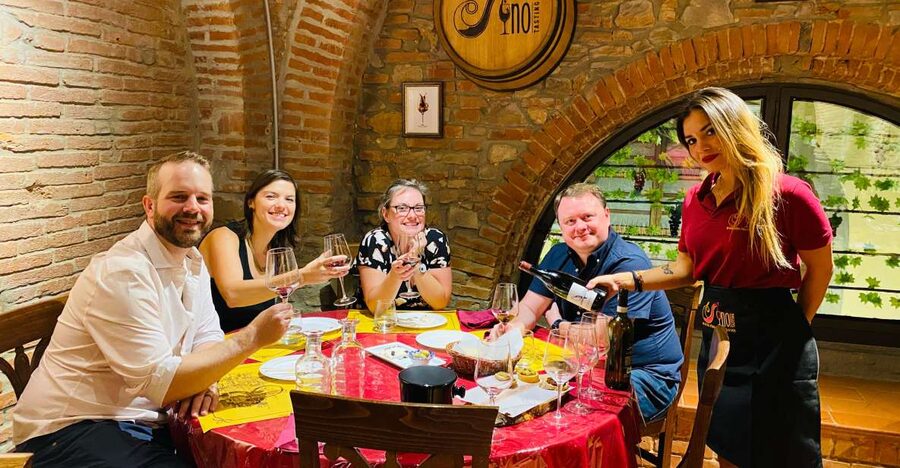
- Personal guidance: Hosts such as Francesca, Jessica, and Vinci explain the wines and adjust suggestions to your preferences.
- Good indoor break: The space has air conditioning, WiFi, clean bathrooms, and wheelchair access.
- Simple but important limits: The guide language is Italian, the tasting needs a minimum number of participants, and alcoholic drinks are for those aged 17 and above.
Why This Tasting Works in a Busy Florence Schedule
Many visitors picture Tuscan wine as a day in the countryside. That can be wonderful, but it also means transport, fixed departure times, and several hours away from Florence. This tasting takes a different approach. You remain in the city, learn the basics, eat a generous antipasto platter, and can be back on the streets in about an hour.
That short format is the main appeal. If you have only a few days in Florence, you can fit the class between visits to the Duomo, the Accademia, or Mercato Centrale. It also makes sense after arriving in the city, when you want an introduction before ordering wine at dinner.
The meeting point is Vino Tasting Global Srl on Via del Gomitolo dell’Oro, 11r. The shop is conveniently close to Mercato Centrale, so I would pair the tasting with a visit to the market. You can look at local food stalls before or after, but do not plan to race across town immediately beforehand. Punctuality matters here.
More Wine Tastings in Florence
- Florence: Chianti Wineries Tour with Wine Tasting
★ 4.5 · 10,071 reviews - Small-Group Wine Tasting Experience in the Tuscan Countryside
★ 5.0 · 7,392 reviews - SMALL-GROUP Wine Safaris: Tuscan Wine Tasting Tours from Florence
★ 5.0 · 5,088 reviews
The First Glass: Vernaccia or Vermentino
The opening wine is a crisp Tuscan white, listed as Vernaccia or Vermentino depending on the tasting selection. Vernaccia is strongly associated with San Gimignano and is known for its mineral character and citrus notes. Vermentino offers a similarly fresh start, with a clean profile that works well before the heavier wines arrive.
This first glass gives the guide a useful way to explain acidity, freshness, and food pairing. You may learn why a bright white works with olives, bruschetta, or lighter cheeses, while a strong red can overpower them. Even if you already drink wine regularly, comparing the white with the reds makes the lesson easier to follow.
The precise white wine can vary, so do not book expecting one guaranteed bottle or label. That flexibility is reasonable for a tasting, but it is worth knowing if you have your heart set on Vernaccia.
The local food arrives alongside the wine. Expect Italian olives, bruschetta, salami, prosciutto, and cheese. The platter is not just decoration. It gives you something to taste with each pour and helps show how salt, fat, acidity, and tannin affect wine.
Bolgheri Rosso Brings the Weight
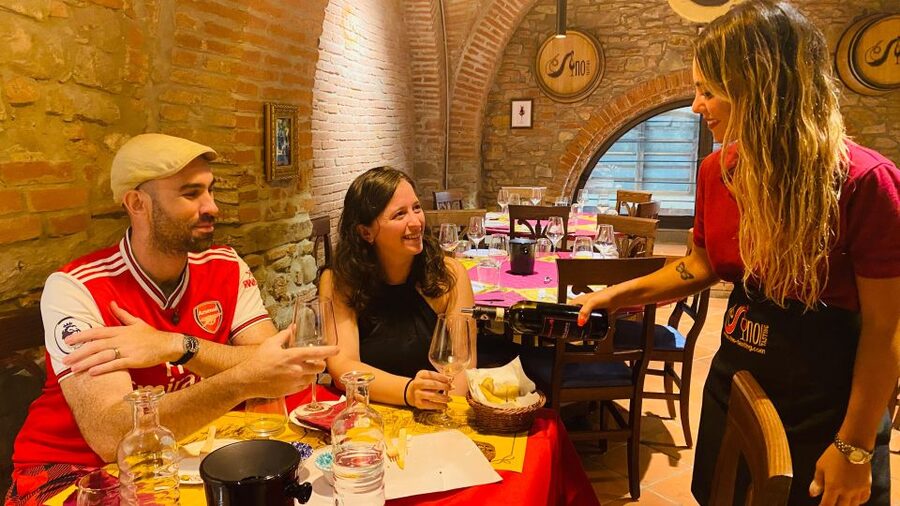
The second wine moves into darker and fuller territory with Bolgheri Rosso. This style often includes Cabernet Sauvignon and can offer a more robust character than the opening white. It is a helpful contrast, especially if this is your first organized tasting.
Here the guide can explain how grape varieties and growing conditions affect body, aroma, and finish. You do not need a trained palate. The useful question is simply: what changes between the first and second glass? You may notice more weight, a stronger fruit profile, or firmer tannins.
This is also where the cured meats become especially useful. Prosciutto and salami soften the sharper edges of a red wine, while bruschetta and olives give you another comparison. The food portion is reported to be more generous than many people expect at a one-hour tasting, which improves the value at $41.
One practical point: the tasting may not follow exactly the same red, white, and rose combination every time. One account describes a white, a rose, and a red, while the planned selection focuses on Vernaccia or Vermentino, Bolgheri Rosso, and Chianti Classico Riserva. Think of the advertised wines as the intended style and lineup, with some room for substitutions.
Chianti Classico Riserva Finishes the Class
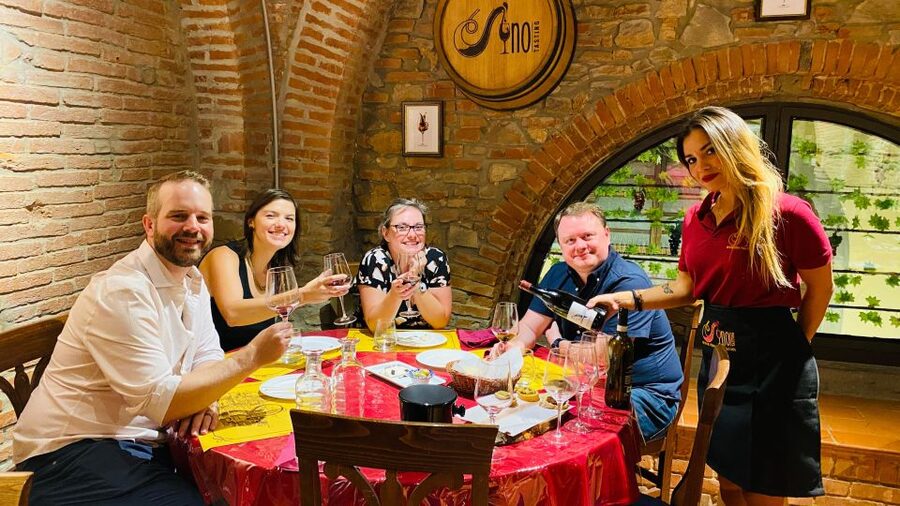
The final wine is Chianti Classico Riserva, the most structured and mature pour in the stated lineup. Riserva wines spend longer aging than standard versions, which generally gives them more developed flavors and smoother tannins.
That makes it a natural finish. The sequence moves from bright and fresh, to bold, to more layered and polished. Your guide can use the final glass to explain aging, tannin, and why some wines work better with richer foods.
The Riserva is also a good chance to think about personal taste. You might prefer the easy freshness of the white, the sturdy Bolgheri red, or the refined finish of the Chianti. A useful tasting is not about choosing the most expensive or most serious wine. It is about learning what you would actually order again.
The hosts have been willing to offer more of a favorite in some tastings, and they can respond to your preferences. That personal touch matters in a small setting, especially if one of the three pours is not to your taste. One host reportedly suggested a different wine after a guest disliked one selection, turning a disappointment into a better match.
More Wine Tastings in Italy
- San Gimignano, Siena, Monteriggioni, Chianti Day Trip with Lunch & Wine Tasting
★ 4.5 · 4,432 reviews - From Florence: Small Group Wine Tasting Tour to Tuscany
★ 4.9 · 3,902 reviews - Florence: S. Gimignano, Siena, Chianti Wine Tasting & Lunch
★ 4.6 · 3,102 reviews - Half day Chianti Vineyard Escape from Florence with Wine Tastings
★ 4.5 · 2,196 reviews
The Antipasto Platter Is Part of the Lesson
The food is a strong part of this outing. You receive a platter with Italian olives, bruschetta, salami, prosciutto, and cheese. The selection gives the class a proper Tuscan feel without turning it into a full meal.
I would not arrive expecting dinner, but I also would not treat the food as a tiny nibble. The portions have been described as generous, and the pairing helps make the $41 price easier to justify. If you are planning this before dinner, it should whet your appetite rather than replace a full evening meal.
Vegetarian and gluten-free options are available on request. You should state your needs while booking and remind the staff before the tasting begins. The experience is not recommended for people with food allergies, so anyone with a serious allergy should consider a different activity rather than relying on last-minute adjustments.
The food also gives you a practical skill to take into the rest of your trip. After learning how salami, cheese, olives, and bread change the taste of wine, restaurant menus become less mysterious. You can start noticing why certain regional combinations work.
What the Guides Add to the Hour
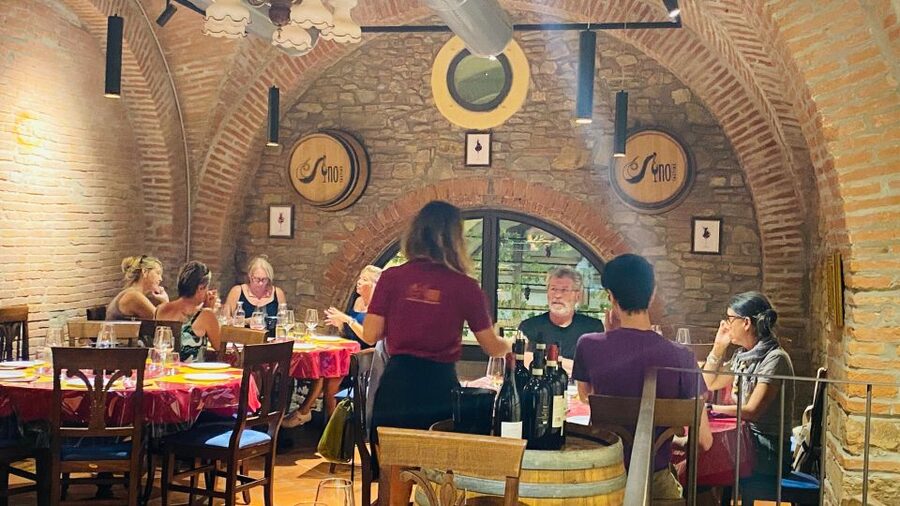
The guide is the heart of this activity. Francesca has been praised for answering many questions and giving solo participants attentive service. Jessica has been described as warm, clear, and good at explaining wine history and pairings without making the lesson dull. Vinci has also been singled out for her friendly and passionate approach.
Those names matter because a one-hour tasting can easily become a rushed sales pitch. Here, the strongest reports point to an informal class with room for questions and personal suggestions. You can ask about grape varieties, Tuscan winemaking, olive oil, or the connection between Florence and regional food.
The listed guide language is Italian. That is an important limitation for English-speaking visitors. Some staff may be able to communicate in other languages, but you should not assume that an English-led class is guaranteed. If clear English instruction is essential, confirm before booking.
The setting is described as intimate, with small groups seated together. That format is better for questions than a large room where you simply listen and sip. Group size can vary, however, because the activity requires a minimum number of participants to run.
Price, Timing, and Overall Value
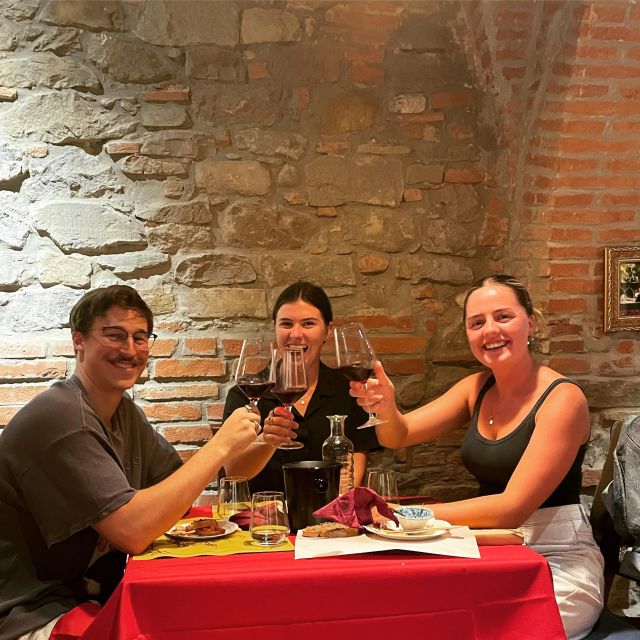
At $41, this is not the cheapest way to drink wine in Florence. You can order a glass at a bar for less. But that comparison misses the point. The price includes three Tuscan wines, a food platter, a certified guide, and a structured pairing class in a central indoor location.
The value is strongest for three types of visitors. First, you get an efficient introduction to Tuscan wine without paying for a full countryside excursion. Second, you receive enough food to make the tasting feel substantial. Third, you can ask questions and get recommendations instead of reading a menu alone.
The value is weaker if you already have a full wine itinerary or want to visit vineyards, cellars, and rural villages. This is a city tasting, not a vineyard tour. You will learn about the region, but you will not spend the afternoon among vines or see wine production firsthand.
The one-hour schedule is both a strength and a limit. It protects your sightseeing time, but the class cannot spend long on each grape, appellation, or winemaking method. I would treat it as a first lesson, then use what you learn at dinner or during a later winery visit.
Comfort, Access, and Practical Details
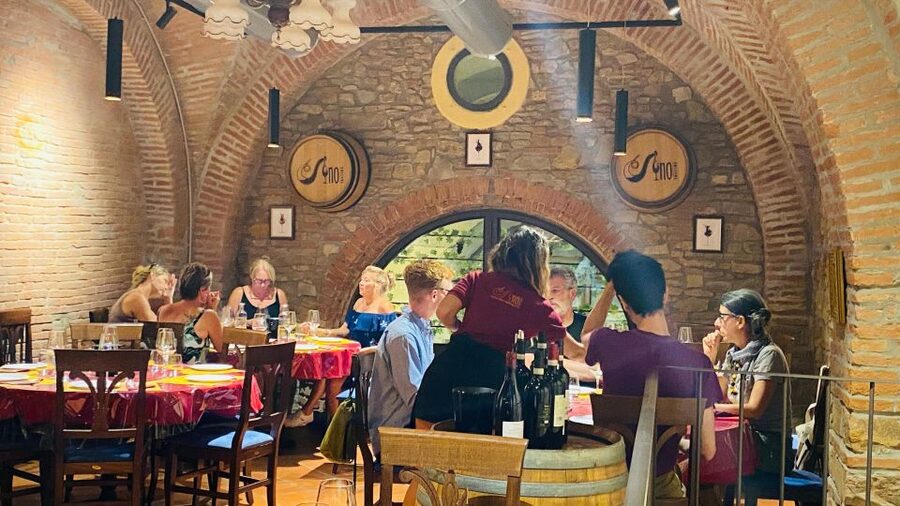
The tasting takes place in an air-conditioned space with WiFi and clean bathrooms. That is particularly useful during Florence’s hot summer months. One July tasting was valued partly because it offered a cool break from the heat without requiring a bus ride.
The venue is wheelchair accessible. You should still confirm any specific access needs when booking, but the stated information makes this a more practical option than many older wine cellars or rural estates.
Bring a valid passport or identification document. Alcoholic drinks are available only to participants aged 17 and above under the stated rules. Children can receive Coca-Cola, Fanta, or Sprite instead, but this is still primarily an adult wine class, not a family attraction built around children.
Pregnant people should not book this activity. The same applies to anyone for whom the food or alcohol setup creates a health concern.
Cancellation is free up to 24 hours before the start, and you can reserve now and pay later. Those terms help if your Florence schedule is still changing. They do not protect you from arriving late, so build in extra time to reach Via del Gomitolo dell’Oro.
Who Should Book This Florence Wine Class?
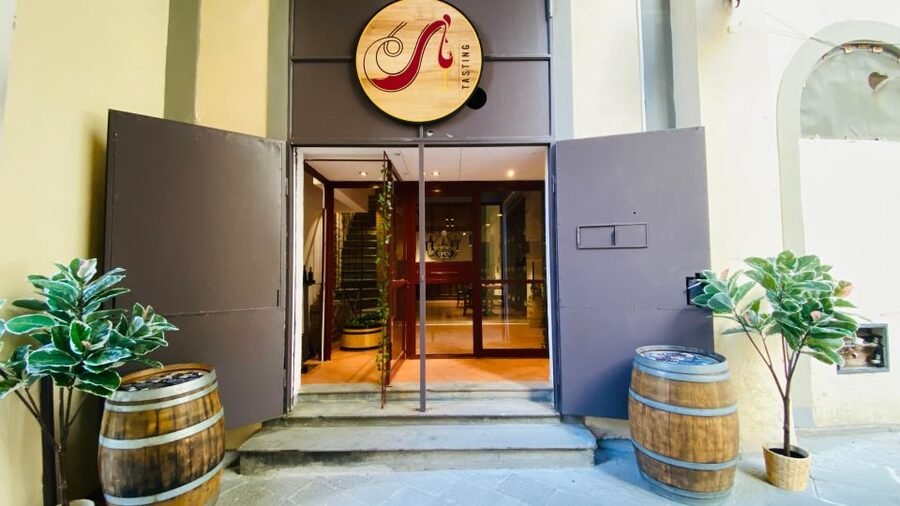
I would recommend it to you if you want a taste of Tuscany but do not want to surrender a whole day. It suits first-time wine drinkers because the progression is easy to understand, and it also works for experienced drinkers who enjoy comparing local styles with food.
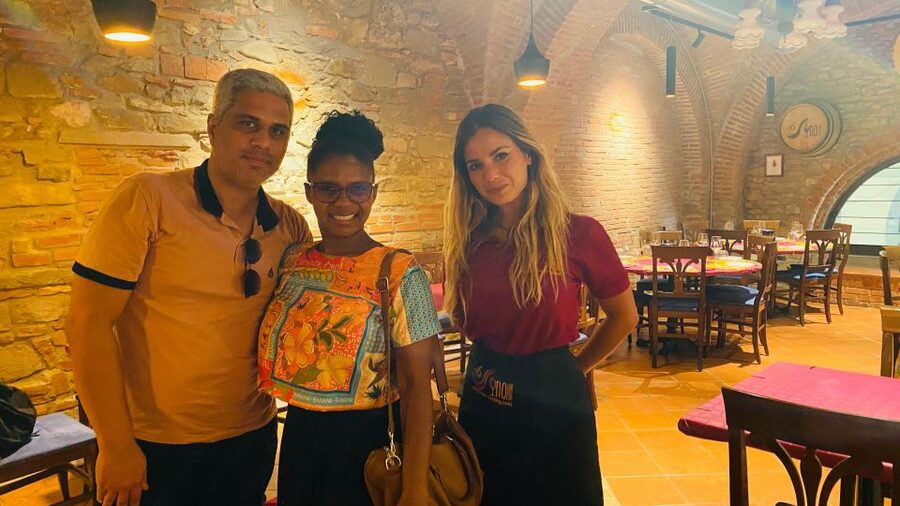
Solo visitors should feel comfortable booking. Francesca has given individual participants attentive service, and the small-table format can make a solo tasting feel social rather than awkward. Couples and small groups will also appreciate the relaxed setting.
Food-focused visitors have another reason to choose it. Its location near Mercato Centrale, the antipasto platter, and the discussion of olive oil and regional pairings make it more than three glasses of wine.
I would hesitate if you need a guaranteed English-language guide, have serious food allergies, dislike fixed tasting menus, or expect a countryside vineyard visit. It is also not the right choice for a full meal, although the portions may be more filling than expected.
Should You Book It?
Book this tasting if your ideal Florence activity is short, central, friendly, and useful. For $41, you get three Tuscan wine styles, a proper selection of local bites, and guidance from hosts such as Francesca, Jessica, and Vinci. The quality of the explanations and the willingness to respond to personal preferences are the best reasons to choose it.
Skip it if you want vineyard scenery or several hours of wine production and rural travel. For everyone else, this is a sensible city-based introduction, especially on a hot afternoon or during a packed Florence itinerary. Arrive early, bring identification, request dietary adjustments in advance, and treat the hour as a lesson rather than a full Tuscan wine tour.
FAQ
Where does the wine tasting take place?
It takes place at Vino Tasting Global Srl, Via del Gomitolo dell’Oro, 11r, 50123 Firenze FI, Italy, near Mercato Centrale.
How long does the experience last?
The tasting lasts one hour, and you return to Vino Tasting Global Srl at the end.
Which wines are included?
The planned tasting includes Vernaccia or Vermentino, Bolgheri Rosso, and Chianti Classico Riserva. The exact selection may vary.
What food is served?
The platter includes Italian olives, bruschetta, salami, prosciutto, and cheese. Vegetarian and gluten-free options are available on request.
Is the venue wheelchair accessible?
Yes. The space is listed as wheelchair accessible and includes air conditioning and WiFi.
What happens if I arrive late?
If you arrive after the start time, you cannot join the tasting, receive a refund, or reschedule the activity.
Newly added around Florence
- Florence: Art of Pasta Cooking Workshop with Food and Wine★ 5.0 · 69 reviews
- SMALL GROUP Tuscany Wine Tasting Safaris with Lunch / Dinner★ 4.9 · 321 reviews
- Wine Tasting Experience with Seven Types of Tuscan Wine★ 4.9 · 30 reviews
- Florence/Badesse: Tuscany Group Vespa Tour with Wine Tasting★ 4.4 · 56 reviews
- Florence: San Gimignano & Volterra Day Trip with Food & Wine★ 4.7 · 57 reviews
- ROMANTIC WINE TOUR FOR 2 – Wine Tour in Chianti (Tuscany)★ 5.0 · 27 reviews
- Private Flavors of Florence Walking Tour(Food&Wine Included)★ 4.8 · 46 reviews
- From Florence: Ultimate Tuscany Day Trip with Wine & Lunch★ 4.8 · 221 reviews
Wine Tastings, compared.
Douro Valley w/ Boat Tour, Wine Tasting & Lunch
Read our review →
Complete Douro Valley Wine Tour with Lunch, Wine Tastings and River Cruise
Read our review →
Small-Group Wine Tasting Experience in the Tuscan Countryside
Read our review →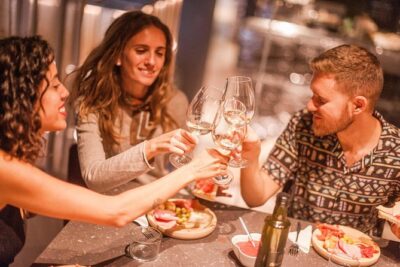
Montserrat & Cogwheel Train, Gourmet Wine Tasting & Tapas/Lunch
Read our review →
Tuscany & Montepulciano Day Trip with Lunch & Wine Tasting
Read our review →Browse the lists this tour appears in