REVIEW · WINE TASTINGS
Wine Tasting in Heart of Sofia
Sofia has a tasty secret. At Tempus Vini, you sample five Bulgarian grape varieties, hear how winemaking changed through the centuries, and taste cheeses alongside wines that rarely appear outside the country. I especially like the focus on native grapes and the chance to meet Kalin, a host who also produces some of the wines. The main consideration is that the tasting is short, so it offers an introduction rather than a full study of Bulgaria’s wine regions.
I also like the setting: a cozy wine shop on Knyaz Boris I Street in central Sofia. The price, about $36.47 per person, is fair for five pours, local cheese, mineral water, and a personal explanation. Still, the selection may lean toward wines sold by the shop or made by the host, and one tasting included a bottle that had been open too long, so the exact lineup and condition can vary.
Key points to know
- Five native grape varieties: Taste Misket, Melnik, Mavrud, Gumza, and Rubin, grapes tied closely to Bulgaria.
- A personal host: Kalin leads many tastings and produces some of the wines himself. Julia has also led sessions.
- Central Sofia setting: Meet at Tempus Vini, close to public transportation in the Old City Center.
- Cheese with the wine: Three local cheeses, craft breads, and mineral water accompany the tasting.
- A compact format: Plan on about one hour, with larger groups using a nearby multimedia room.
- Good value for curious drinkers: The experience costs about $36.47 and is private to your group, though the number of pours may vary.
Starting at Tempus Vini in Central Sofia
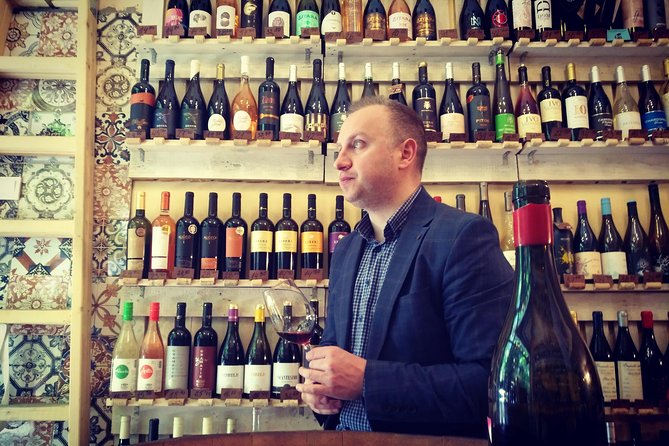
The tasting begins at Tempus Vini, at 81 Knyaz Boris I Street in Sofia’s Old City Center. You return to the same place at the end, and no transportation is included. That is hardly a problem here, since the meeting point is near public transportation and sits in a central part of town.
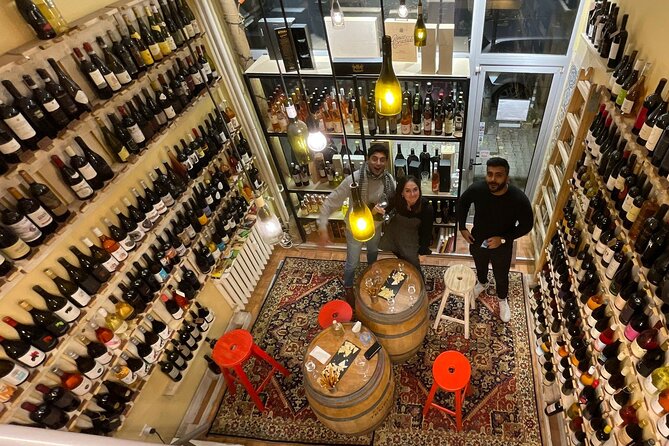
The shop setting matters. This is not a large bus tour with a microphone and a rushed script. In a small group, you sit close to the bottles, labels, glasses, and food, with time to ask questions. Several sessions had only four or five people, which made conversation easy.
The room also gives you a practical advantage: if you find a bottle you enjoy, you can ask about taking it home. Some people bought two or three bottles after the tasting. That makes this more useful than a one-off sampling if you want to continue exploring Bulgarian wine during your trip or bring a bottle back as a reminder of Sofia.
For larger groups, the tasting moves to a specially equipped multimedia hall very close to the shop. That space allows the host to show more material about wine regions and production. The trade-off is simple: a bigger room can make the presentation clearer, but a small shop tasting feels more personal.
More Wine Tastings in the world:
- From Porto: Douro Valley w/ Boat Tour, Wine Tasting & Lunch
★ 4.7 · 19,061 reviews - Complete Douro Valley Wine Tour with Lunch, Wine Tastings and River Cruise
★ 5.0 · 12,920 reviews - Florence: Chianti Wineries Tour with Wine Tasting
★ 4.5 · 10,071 reviews
Five Grapes That Tell Bulgaria’s Wine Story
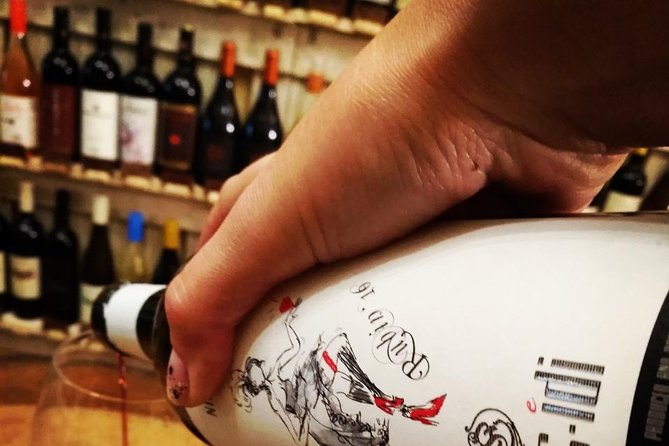
The central idea is straightforward. Instead of pouring familiar international grapes, the host introduces five varieties associated with Bulgaria:
- Misket
- Melnik
- Mavrud
- Gumza
- Rubin
The exact order is designed to increase in intensity and aroma, and all the wines are served in one glass. That may sound unusual if you expect a separate glass for every pour, but it keeps the experience simple and avoids a crowded table. You can focus on how the wine changes from one sample to the next.
Misket gives the tasting a lighter opening. Melnik and Mavrud bring you toward Bulgaria’s better-known red-wine traditions, while Gumza and Rubin show different sides of the country’s grape culture. The point is not to memorize every tasting note. It is to notice how much character can come from grapes you probably have not encountered at home.
Some sessions also included orange and natural wines. These styles can be especially useful for curious drinkers because they show that Bulgarian producers are not limited to old-fashioned methods or one narrow idea of national wine. The tasting can include white, red, orange, and natural wines, although the formal description promises five varieties rather than a fixed style lineup.
You should also expect some variation. Several tastings included wines produced by Kalin, sometimes three or more of the pours. That is not necessarily a weakness. A producer can explain how a wine was made with unusual clarity, and the shop’s selection reflects a personal point of view. However, if you want five wines from five completely separate wineries, ask about the lineup before booking.
Kalin’s Story of Wine, From Ancient Roots to Boutique Bottles
Bulgaria has been making wine for about 5,000 years, yet its bottles remain less familiar internationally than those from France, Italy, Spain, or Greece. Kalin uses that long span as the starting point, then brings the story into the present.
The discussion connects wine with Bulgaria’s political and cultural changes. Different rulers affected how wine was produced, sold, and valued. This turns the tasting into more than a list of grapes. You hear how a national industry can lose attention, then regain energy through small producers and new methods.
Kalin’s own background adds a useful layer. He is not only selling bottles in the shop. He produces some wines himself, so he can speak about the work from the producer’s side. That personal connection was one of the strongest features of the experience for me. You are not simply handed a glass and told that it tastes of fruit or spice. You can ask why a certain grape was chosen, how the wine was made, or how it fits into Bulgaria’s wider wine scene.
The teaching style also seems flexible. Kalin is described as friendly, interactive, and fluent in English, while Julia has led at least one session in clear, respectful English. If you know little about wine, you can treat this as a gentle introduction. If you already enjoy wine, you can ask more technical questions about classification, production, and regional differences.
Tasting Bulgaria One Region at a Time
The wines offer a short trip around Bulgaria without leaving Sofia. The country’s wine areas differ in climate, grape traditions, and winemaking style, and the host explains how those differences affect what you taste.
Melnik is especially important in the story because it gives its name to one of the country’s best-known local grape traditions. Mavrud is another key Bulgarian red variety, often used to show the depth and individuality of native grapes. Gumza and Rubin add further contrast, helping you see that Bulgaria’s wine identity is not built around one famous bottle.
The tasting does not function as a vineyard visit. You will not tour multiple wineries or walk through vineyards. Instead, you get a concentrated guide to the country’s regions through the glass. For a short stay in Sofia, that is a sensible use of time. You can learn the basic map of Bulgarian wine before deciding which bottles or wine areas deserve more attention.
The limitation is equally clear. One hour cannot explain every region or producer in detail. The experience gives you a starting point, not a complete survey. Think of it as a useful first chapter, especially if Bulgarian wine is new to you.
A few more wine tours around the world worth a look
- Tuscany Day Trip from Florence: Siena, San Gimignano, Pisa and Lunch at a Winery
★ 5.0 · 21,634 reviews - Florence: Pasta Cooking Class with Unlimited Wine
★ 4.9 · 10,285 reviews - From Split: Krka Waterfalls, Food & Wine Tasting Tour
★ 5.0 · 9,326 reviews - Small-Group Wine Tasting Experience in the Tuscan Countryside
★ 5.0 · 7,392 reviews
Cheese, Bread, and the Practical Joy of Pairing
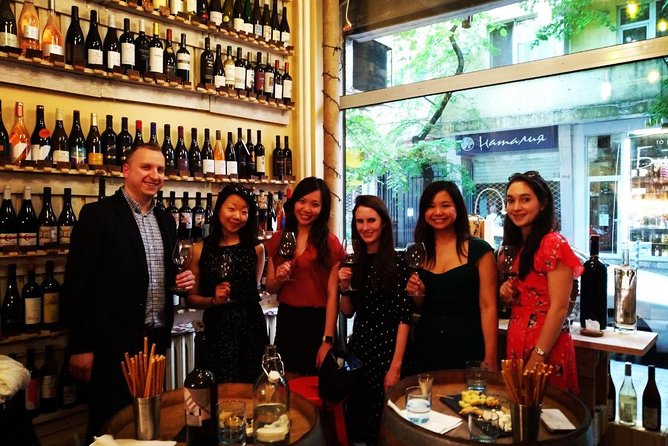
The food is not an afterthought. The standard tasting includes three local Bulgarian cheeses, craft breads, and mineral water. The cheeses help soften the alcohol and give you a way to compare the wines with something savory.
Kashkaval was a particular favorite in one tasting. This firm Bulgarian cheese paired well with the wine and gave the table a familiar anchor, even for people new to local food. Other sessions included locally sourced cheese and olives, though the formal menu specifically promises three cheeses and does not guarantee olives every time.
The bread matters, too. Wine tasting without food can become tiring, especially when several samples arrive close together. The light bites make the hour more comfortable and help you judge the wine in a more natural way. You are not drinking on an empty stomach, and you get a small introduction to Bulgarian food at the same time.
For larger groups and special occasions, the food may be provided as special catering. That means the small-group menu and the larger-group setup may not be identical. If the food pairing is a major reason for booking, ask what will be served with your group size.
What the One-Hour Schedule Feels Like
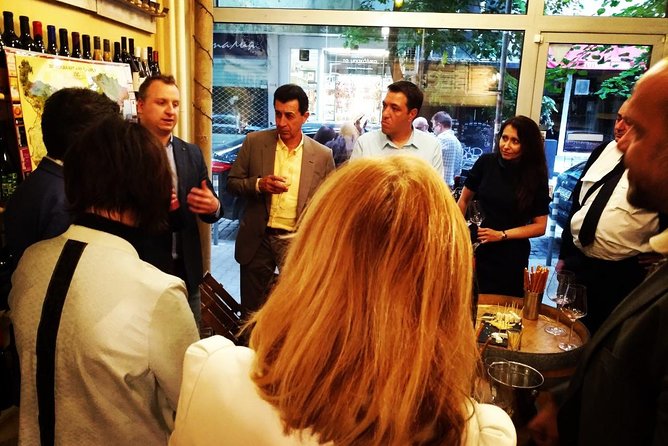
The experience lasts about one hour, so it fits neatly into a morning, afternoon, or early evening in Sofia. You arrive at the shop, settle in, and begin with an explanation of Bulgarian wine and its place in the country’s past and present.
The pours then progress through the chosen wines, with the aromas and intensity increasing. The host explains the grapes, regions, styles, and producers as you taste. The structure is organized, but the private format leaves room for questions.
At the end, you finish at the same meeting point. There is no private transportation, vineyard transfer, or extended meal. That keeps the cost and time commitment under control, but it also means you should not book this expecting a countryside excursion.
One small point deserves attention: some accounts describe tasting six wines instead of five. The official offering promises five, so treat six as a possible variation rather than a guarantee. The same applies to the precise balance of the lineup. Some tastings featured several of Kalin’s own wines, while others offered a wider mix from different producers.
Is $36.47 a Fair Price?
At about $36.47 per person, this is not the cheapest way to drink wine in Sofia. You could buy a Bulgarian bottle for less and taste it on your own. That comparison misses the main value, though.
You are paying for five pours, local cheese, bread, mineral water, a guided explanation in English, and access to a shop with a broad range of Bulgarian bottles. You also receive a quick education in grapes that may be difficult to identify outside Bulgaria. For someone who would otherwise know little about the country’s wine, the instruction is the main part of the price.
The private format improves the value for couples, families, or friends who want to ask questions without competing with a large crowd. It is less compelling if you are already an expert and mainly want a broad, independent sampling from many wineries. In that case, ask in advance how many producers are represented.
The chance to buy bottles is another benefit, but do not feel obliged to purchase anything. The experience should help you choose, not turn into a sales pitch. If you do buy a bottle, remember that the wine may taste slightly different after travel, storage, and opening. One tasting included a wine that had been open too long, while the same bottle tasted better the next day. That is a useful reminder that serving condition matters.
Who Will Enjoy This Sofia Wine Tasting?
I would choose this experience if you meet one of these descriptions:
- You want a simple introduction to Bulgarian wine.
- You enjoy unusual grape varieties more than famous international labels.
- You like pairing wine with regional food.
- You prefer a small group and direct access to the host.
- You want to buy Bulgarian bottles with some guidance.
- You have only an hour free in central Sofia.
It is also a good first-day activity because it gives you names to look for during the rest of your trip. After tasting Mavrud, Melnik, Gumza, or Rubin, a wine-shop label becomes less mysterious.
I would be more cautious if you want a full winery tour, countryside scenery, or a meal lasting several hours. This is a shop-based tasting in the city. It is focused, social, and educational, but not expansive.
The experience is marked for most people to participate and is offered in English. It is a private activity for your group, although the exact group arrangement depends on the booking. Confirmation arrives at booking, and you can cancel for a full refund up to 24 hours before the start time. Changes or cancellations inside that window are not refunded, and the experience can be moved or refunded if poor weather or an insufficient number of bookings causes cancellation.
Should You Book Tempus Vini?
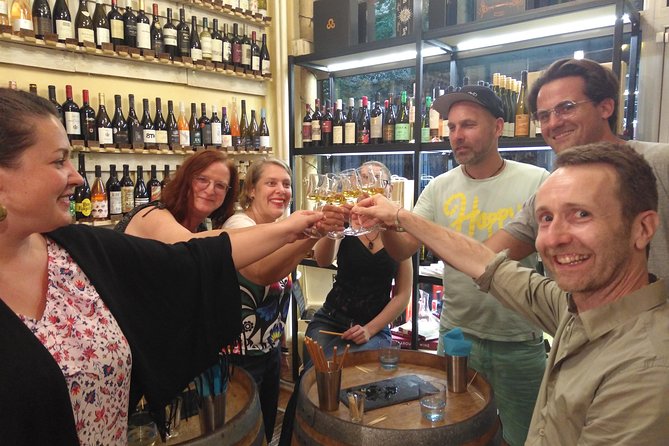
Yes, if you want an accessible first taste of Bulgaria’s wine culture. The strongest reasons are the native grape lineup, the local cheeses, the central shop setting, and Kalin’s personal connection to production. You get more than five glasses of wine, but less than a full wine tour.
Before booking, decide what matters most to you. If you want a personal introduction and unusual bottles, this is a smart use of one hour in Sofia. If you want five unrelated wineries, ask about the current selection first. Either way, you will leave with a better sense of what makes Bulgarian wine different, and perhaps a bottle for later.
FAQ
Where does the wine tasting take place?
It begins and ends at Tempus Vini, 81 Knyaz Boris I Street in Sofia’s Old City Center.
How long does the experience last?
The tasting lasts approximately one hour.
How much does it cost?
The listed price is about $36.47 per person.
Which Bulgarian grape varieties are included?
The stated selection includes Misket, Melnik, Mavrud, Gumza, and Rubin.
How many wines will I taste?
The standard description promises five wines. Some sessions have included six, so the exact number can vary.
Is the tasting offered in English?
Yes. The experience is offered in English.
What food is served?
The standard tasting includes three local Bulgarian cheeses, craft breads, and mineral water. Larger groups or special occasions may receive special catering.
Is transportation included?
No. Private transportation is not included. The meeting point is near public transportation.
Is this a private activity?
Yes. Only your group participates, although larger groups may use a nearby multimedia hall.
Can I cancel for a refund?
You can cancel at least 24 hours before the start time for a full refund. Cancellations or changes made less than 24 hours before the start are not refunded.
Newly added around the world
- Charleston Women and Wine Tour★ 5.0 · 46 reviews
- Jersey Premium Vineyard and Distillery Wine Tour and Tasting★ 5.0 · 176 reviews
- Charleston Winery, Brewery & Sightseeing Tour★ 5.0 · 39 reviews
- From Chania Private half day Winery-Olive factory-Kournas lake★ 5.0 · 50 reviews
- Gastronomy tour and wine tasting in traditional villages★ 5.0 · 32 reviews
- Wine & Olive Oil Tour with lunch at the White Mountains★ 5.0 · 71 reviews
- Manousakis Winery Shuttle Service Tour and Taste★ 4.5 · 34 reviews
- Chania Walking Food And Wine Night Tour★ 4.5 · 31 reviews
Wine Tastings, compared.
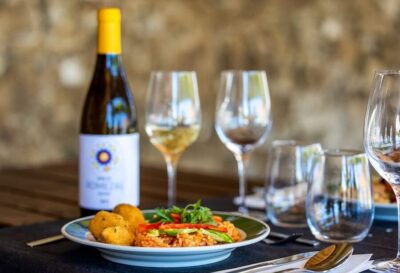
Douro Valley w/ Boat Tour, Wine Tasting & Lunch
Read our review →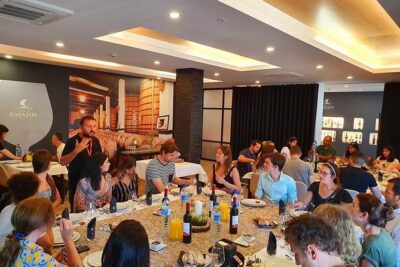
Complete Douro Valley Wine Tour with Lunch, Wine Tastings and River Cruise
Read our review →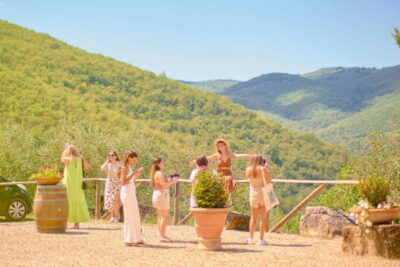

Small-Group Wine Tasting Experience in the Tuscan Countryside
Read our review →
Montserrat & Cogwheel Train, Gourmet Wine Tasting & Tapas/Lunch
Read our review →