REVIEW · WINE TASTINGS
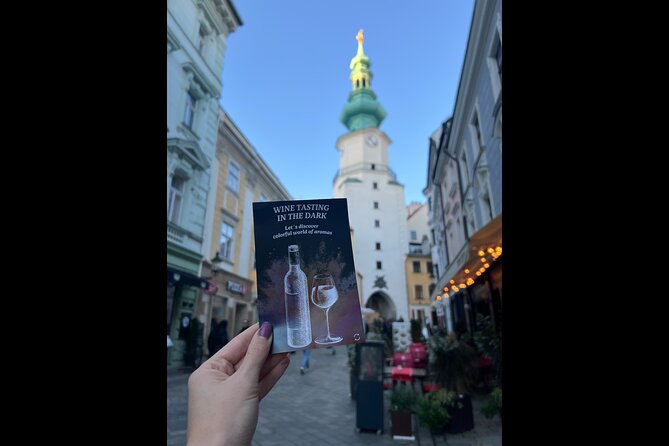
Wine Tasting IN THE DARK!
Turn off the lights, then trust your palate. This unusual tasting combines four Slovak wines, a funny audio guide, and a 17th-century cellar, giving you a fresh way to think about wine. I like the focus on aroma and flavor, and I also like that the wines are local rather than generic international labels. The main drawback is the short running time: at about 40 minutes, the $27.69 price can feel high if you want a traditional, leisurely tasting.
You begin in the cellar with the lights on, then the room slowly goes dark after a short introduction. The experience is entertaining and easy to follow, but the prerecorded narration means this is not a personal sommelier class. The staff can listen to your comments and help during the tasting, yet the main presentation follows a set script.
Key points at a glance
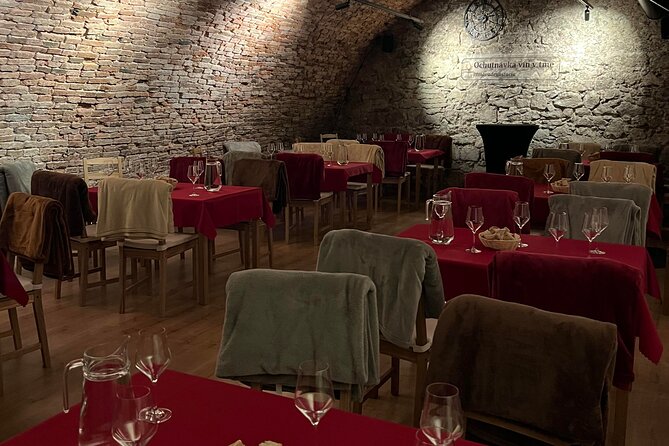
- Four Slovak wines in total darkness: You taste each sample without seeing its color, bottle, label, or glass.
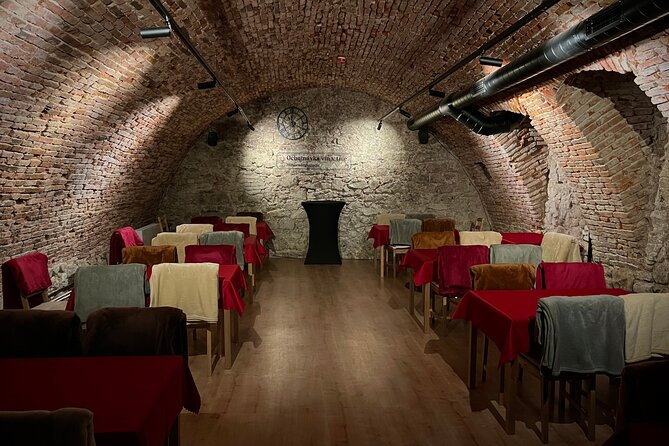
- A 17th-century cellar sets the mood: Arrive early enough to admire the old room before the lights fade.
- The audio guide mixes facts with comedy: The narration gives tasting prompts and keeps the atmosphere relaxed.
- A good choice after standard tastings: The dark setting changes how you judge sweetness, dryness, aroma, and grape character.
- Forty minutes makes it easy to fit into a short visit: The tasting room is at Michalská 3 in Bratislava’s Old Town.
- The value depends on your expectations: You are paying for the unusual format as much as for the wine.
Arriving at the old cellar on Michalská Street
The tasting takes place at Michalská 3, in Bratislava’s Staré Mesto, or Old Town. The meeting point is near public transportation, and the activity begins and ends at the same address, so it is simple to fit around sightseeing.
Arrive five minutes before the starting time. That small buffer matters here because the lights go out as part of the program, and a late arrival could interrupt the room once the tasting has begun.
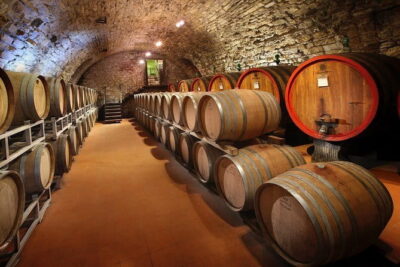
The first few minutes are deliberately normal. You are seated in the old cellar and can look around while the room is still lit. This is your chance to notice the stonework and atmosphere of the historic wine room before sight is removed from the equation.
That opening also helps settle any nerves. The idea of sitting in pitch darkness with a glass in your hand may sound theatrical, but the gradual change gives you time to understand what will happen.
More Wine Tastings in the world:
- From Porto: Douro Valley w/ Boat Tour, Wine Tasting & Lunch
★ 4.7 · 19,061 reviews - Complete Douro Valley Wine Tour with Lunch, Wine Tastings and River Cruise
★ 5.0 · 12,920 reviews - Florence: Chianti Wineries Tour with Wine Tasting
★ 4.5 · 10,071 reviews
The lights fade, and the tasting begins
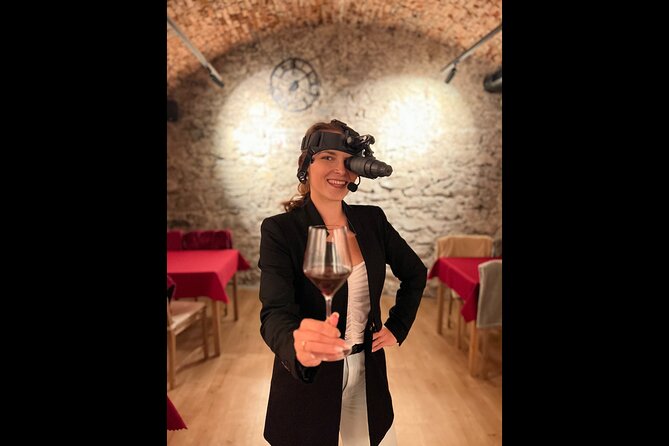
After a short introduction, the lighting is slowly reduced until the room is completely dark. You will no longer see the color of the wine, the glass, the table, or the person pouring the next sample.
That change is the heart of the activity. In a normal tasting, your eyes begin making judgments before the first sip. A pale white may seem light and crisp. A dark red may suggest power. A golden color may make you expect sweetness. Here, those visual clues disappear.
The sommelier pours four wines one at a time. You do not know what is in your glass until the tasting process reveals more about it. The audio guide then leads you through smelling, sipping, and describing what you notice.
You are encouraged to share your reactions. You might identify a fruit, herb, sweetness level, or texture, or you might simply decide that a wine is pleasant or not to your taste. There is no need to sound like a wine expert. The format works best when you treat it as a guessing game rather than an exam.
Four Slovak wines, four chances to reset your assumptions
The wines are selected from Slovakia, and the tasting gives you an introduction to the country’s wine production without requiring a separate trip into the countryside. The samples are described as distinct from one another, and the range is broad enough to show different styles and levels of sweetness.
One useful part of the format is the moment when you try to decide what you are drinking before learning the answer. You may correctly identify a dry or sweet wine but miss the grape. You may recognize the general style while guessing the wrong color because your eyes are no longer helping you.
A wine lover may enjoy this as a lesson in bias. A person who rarely drinks wine can enjoy it as a relaxed sensory puzzle. One participant even went on to try the nine-wine tasting in the same venue, which suggests that this shorter session can work as an introduction before committing to a longer tasting.
The quality of the wines receives strong praise, but the experience is not designed to let you linger over each sample for a long time. If you want detailed production notes, vineyard information, and a slow comparison of several vintages, a standard tasting may suit you better.
The audio guide keeps things light
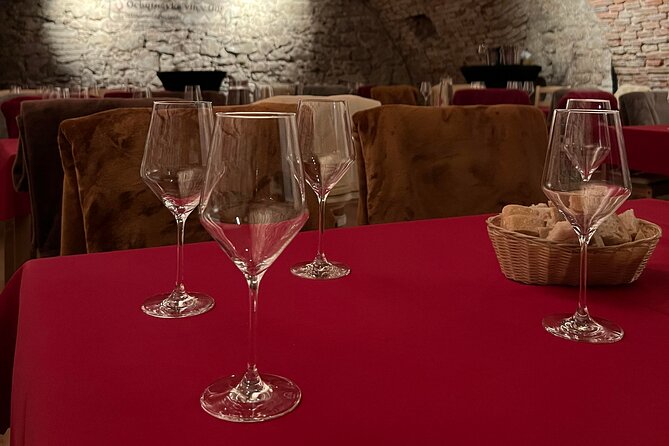
The narration is prerecorded, not a live talk delivered from start to finish. That detail shapes the mood. The voice-over supplies the instructions, jokes, and background information in a steady order, while the sommelier handles the pouring.
The humorous tone is one of the most praised parts of the activity. It prevents the darkness from feeling too serious and gives the group permission to laugh at wrong guesses. You are not expected to sit silently and analyze every sip.
At the same time, the recording has limits. A fixed script cannot respond to your interests in the way a private sommelier could. A small group may have little direct conversation with the person leading the session, even though the sommelier can hear and respond to comments during the tasting.
That combination works best if you like guided entertainment. You receive enough information to understand what you are tasting, but the goal is not a formal wine lesson.
A few more wine tours around the world worth a look
- Tuscany Day Trip from Florence: Siena, San Gimignano, Pisa and Lunch at a Winery
★ 5.0 · 21,634 reviews - Florence: Pasta Cooking Class with Unlimited Wine
★ 4.9 · 10,285 reviews - From Split: Krka Waterfalls, Food & Wine Tasting Tour
★ 5.0 · 9,326 reviews - Small-Group Wine Tasting Experience in the Tuscan Countryside
★ 5.0 · 7,392 reviews
What the darkness changes about wine
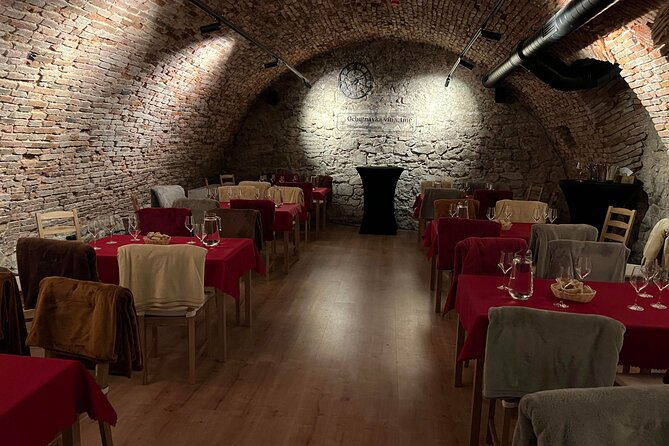
The most interesting part is not simply that you cannot see. It is how quickly your assumptions change.
When sight is removed, you pay closer attention to smell, acidity, sweetness, body, and the aftertaste. You may notice how much your first impression normally comes from the wine’s color. The experience asks you to separate what the wine actually tastes like from what you expect it to taste like.
This makes the tasting useful for people who have already done several standard wine experiences. You get the familiar routine of smelling and sipping, but the dark room removes the usual visual shortcuts.
It also works for beginners because there is no pressure to name every grape. You can describe the wine in plain terms. Is it sweet or dry? Light or strong? Fruity, floral, sharp, smooth, or surprising? Those simple observations are enough to take part.
The setting adds a calm quality, too. Once your eyes adjust to the absence of light, you can concentrate on the glass and the narration. The result is part wine tasting, part sensory exercise, and part small piece of theater.
How the time and price compare
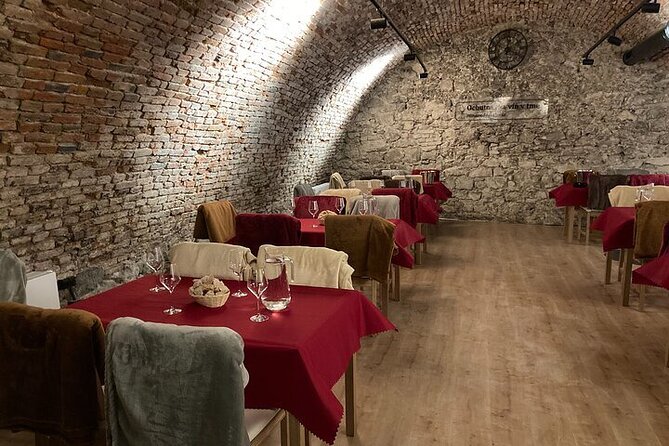
The cost is $27.69 per person for roughly 40 minutes. That is not the cheapest way to taste Slovak wine, especially if you judge value by the number of pours or the amount of time at the table.
You are paying for more than four samples. The price includes the unusual dark-room format, the old cellar setting, the guided narration, and the novelty of tasting without visual information. If you have already visited several conventional tasting rooms, that difference may justify the extra cost.
If you are mainly looking for the largest quantity of wine for the lowest price, you may feel disappointed. One criticism of the format is that it can feel rushed, and another is that the experience costs more than some regular tastings.
I would see it as a special activity rather than a bargain tasting. At 40 minutes, it fits neatly into a day in Bratislava. It can also provide a welcome break from walking through the Old Town, especially in hot or rainy weather.
The activity is often booked about 17 days ahead on average. That does not guarantee that every date fills, but it is a useful sign that you should not leave it until the last moment if the time matters to you.
Details that may affect your enjoyment
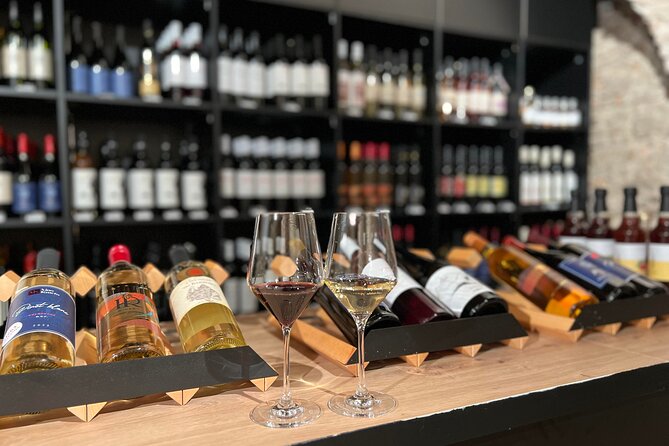
The strongest practical concern is the serving temperature. One report found the white wines too warm, which can affect freshness and make a white seem flatter than it should. Since you cannot see the wine, temperature becomes even more important to the tasting experience.
Glass changes and water service can also matter. The setup includes a jug of water, but not necessarily a separate water glass for each person. If you are particular about rinsing between samples, you may find the arrangement less polished than in a formal wine course.
The room can hold up to 40 people, so the atmosphere may vary with the group size. A small group may feel more relaxed and personal. A full session could feel less interactive, particularly because the audio guide delivers the main presentation.
Children are not allowed because alcohol is served. Service animals are allowed, and most people can take part, but the experience is not recommended for anyone with mental health difficulties or phobias that could be worsened by complete darkness.
If you are attending alone, the format can still work. One solo participant had a private tasting and felt well looked after by the staff. A staff member named Kristen was praised for being attentive in one session, although staffing may vary by date.
Buying bottles after the tasting
The activity itself ends back at the tasting room. Some sessions have allowed participants to stay and try additional wines, and small bottles under 100 milliliters have been available for purchase.
That is a useful option if you discover a favorite but do not want to carry a full bottle through the rest of your day. Availability may change, so I would treat the extra tasting and mini bottles as possible additions rather than guaranteed parts of the 40-minute program.
The tasting can also help you choose a bottle with more confidence. Since the labels and colors are hidden at first, you may find yourself judging a wine by flavor rather than by familiar grape names or attractive packaging.
Who should book this experience?
I would recommend it most strongly to:
- People who have done ordinary wine tastings and want a new format
- Visitors with a short stay in Bratislava
- Couples or friends who enjoy guessing games and light humor
- Wine beginners who feel intimidated by formal tasting language
- Anyone curious about Slovak wines but unable to visit several vineyards
- People looking for an indoor activity in poor weather
I would hesitate if you want a long educational session with detailed interaction. The prerecorded guide is funny and informative, but it cannot tailor the presentation to your questions.
I would also think twice if you dislike enclosed darkness, find sensory surprises stressful, or want chilled white wines served with formal tasting equipment. The staff can make the experience comfortable, but the darkness is not a minor detail. It is the entire point.
Should you book Wine Tasting in the Dark?
Yes, if you want an unusual Bratislava activity and understand what you are paying for. The four Slovak wines, old cellar, humorous audio guide, and total darkness create a memorable break from standard sightseeing.
I would not book it for quantity or for a full wine education. I would book it because the format changes how you taste, and because it gives local Slovak wine the main role rather than treating it as a footnote.
Reserve ahead if your schedule is tight, arrive five minutes early, and expect a playful 40-minute sensory experience rather than a long dinner-style tasting. For most people who enjoy trying something different, the price is reasonable enough for a one-off activity in Bratislava.
FAQ
Where does the wine tasting take place?
It takes place at Michalská 3, 811 02 Bratislava-Staré Mesto, Slovakia.
How long does the experience last?
The tasting lasts approximately 40 minutes.
How many wines will I taste?
You will taste four Slovak wines.
Is the tasting conducted in complete darkness?
Yes. You begin in a lit 17th-century cellar, then the lights are slowly turned off until the room is completely dark.
Is the experience offered in English?
Yes. English is one of the offered languages, and the tasting uses an audio guide.
Is the guide live or prerecorded?
The main narration is prerecorded. A sommelier pours the wines and can listen to your comments during the tasting.
Are children allowed to attend?
No. Children are not allowed because alcohol is served.
Can service animals attend?
Yes. Service animals are allowed.
How many people can join the activity?
The maximum group size is 40 people.
Can I cancel for a full refund?
Yes. You can receive a full refund if you cancel at least 24 hours before the experience starts. Cancellations made within 24 hours are not refunded.
Newly added around the world
- Charleston Women and Wine Tour★ 5.0 · 46 reviews
- Jersey Premium Vineyard and Distillery Wine Tour and Tasting★ 5.0 · 176 reviews
- Charleston Winery, Brewery & Sightseeing Tour★ 5.0 · 39 reviews
- From Chania Private half day Winery-Olive factory-Kournas lake★ 5.0 · 50 reviews
- Gastronomy tour and wine tasting in traditional villages★ 5.0 · 32 reviews
- Wine & Olive Oil Tour with lunch at the White Mountains★ 5.0 · 71 reviews
- Manousakis Winery Shuttle Service Tour and Taste★ 4.5 · 34 reviews
- Chania Walking Food And Wine Night Tour★ 4.5 · 31 reviews
Wine Tastings, compared.
Douro Valley w/ Boat Tour, Wine Tasting & Lunch
Read our review →
Complete Douro Valley Wine Tour with Lunch, Wine Tastings and River Cruise
Read our review →
Small-Group Wine Tasting Experience in the Tuscan Countryside
Read our review →
Montserrat & Cogwheel Train, Gourmet Wine Tasting & Tapas/Lunch
Read our review →