
REVIEW · WINE & FOOD PAIRINGS
Milan: Italian Cooking Class with Food and Wine
Pasta tastes better when you make it. This three-hour Milan workshop gives you hands-on time with an Italian chef, fresh ingredients, and a proper meal at the end. I like the small-group, social format and the chance to take home recipes for dishes you can actually repeat. I also like the no-waste approach, which connects Italian cooking with sensible home techniques rather than fancy restaurant tricks.
The main consideration is that the exact menu can change. You might make bruschetta, fresh tagliatelle, and biscotti, or gnocchi, ravioli, tiramisu, or strudel. Also, some sauces are prepared in advance because a three-hour class cannot realistically include hours of simmering ragu. If you want to cook every element from start to finish, that may feel like a slight compromise.
Chef Ilaria receives especially warm praise for her humor, clear instructions, and love of Italian food. Fernando and Klara have also helped with sessions. At $80 per person, the class offers a lesson, a full meal, wine, equipment, and recipes, making it a good value for visitors who want more than another restaurant dinner.
Key points at a glance
- Three dishes in three hours: A typical session includes an appetizer, pasta or another main course, and dessert.
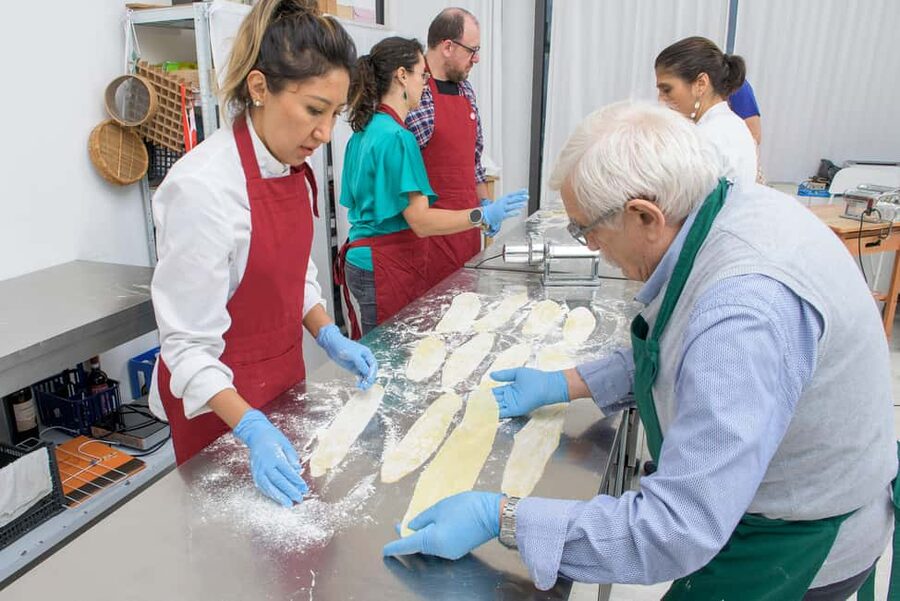
- Fresh pasta is the star: You may work with tagliatelle, ravioli, or another pasta shape, often using a pasta machine.
- Chef Ilaria brings the personality: Her teaching combines practical technique, Italian food traditions, stories, and plenty of humor.
- Wine and food are included: You cook together, then sit down to eat the results with red or white wine.
- Recipes go home with you: The handouts make it possible to repeat the dishes after your Milan trip.
- Know the limits: Children under 10, pets, smoking, luggage, large bags, and mobility impairments are not suited to this activity.
Entering Chef and the City in Milan
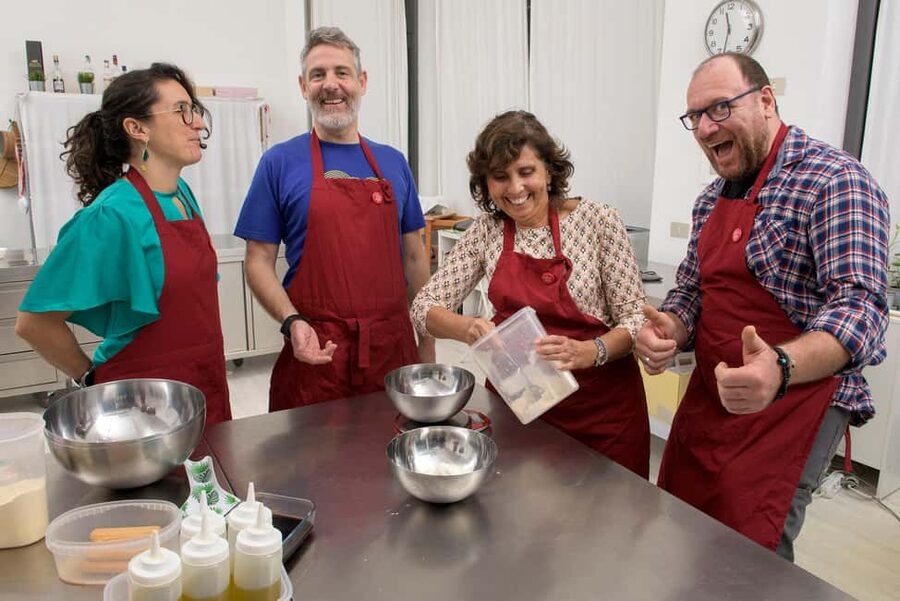
The meeting point is easy to identify. Chef and the City is a street-level shop with three large windows and three red signs carrying the business name. When you arrive, ring the bell at the main windowed door.
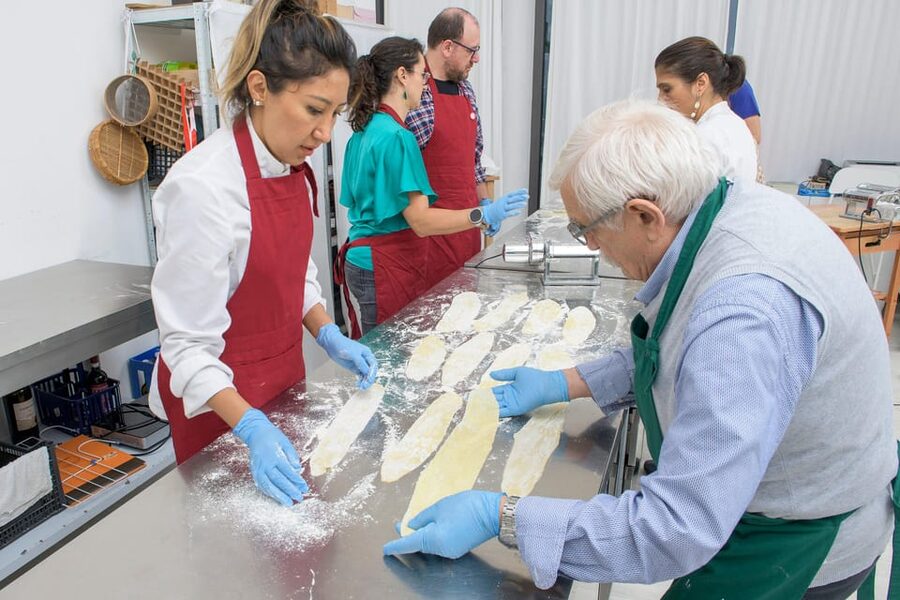
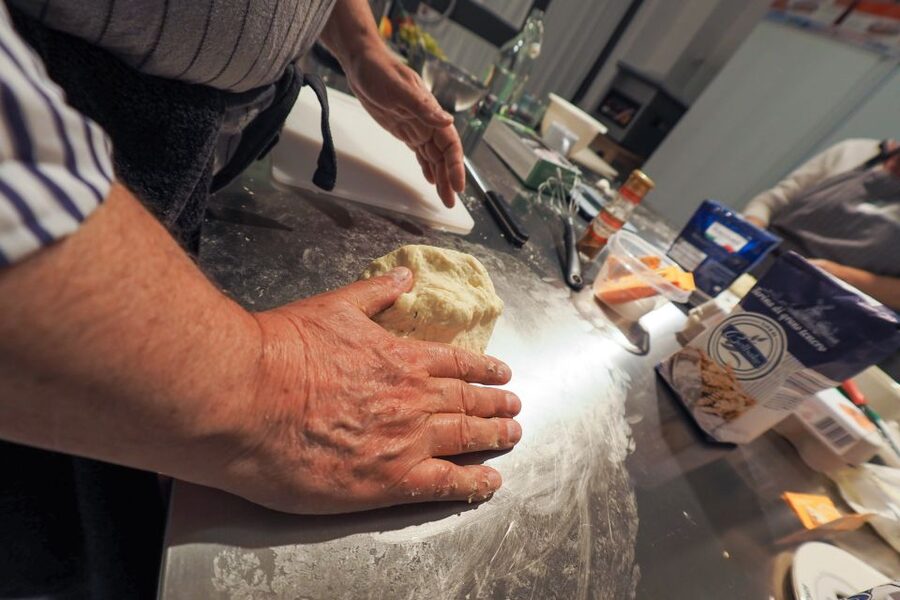
The class takes place in a professional cooking lab, not a restaurant where you simply watch someone else work. That matters. You have your own personal workstation, cooking tools, apron, and gloves, so the lesson feels active from the beginning.
The kitchen rules are simple but strict. You cannot eat or drink while cooking, and tasting during the preparation stage is not allowed. Tie back long hair, leave large bags and luggage elsewhere, and treat the room as a working kitchen rather than a casual dining space.
Before and during the cooking, light snacks are available. Expect items such as cheese, dried tomatoes, mortadella, and olives, along with cookies, biscuits, candies, coffee, tea, infusions, and water. These extras help keep the session relaxed, but they are not a substitute for lunch or dinner. The main meal comes later, after the cooking is complete.
More Wine and Food Pairings in Italy
- Milan: Food and Wine Experience
★ 4.5 · 30 reviews - Pisa, Siena and San Gimignano Day Trip with Lunch & Wine Pairing
★ 4.5 · 6,006 reviews - Rome by Night – Ebike Small Group Tour – Food and Wine (Option)
★ 5.0 · 1,275 reviews
A three-course lesson with room for real practice
The menu is not fixed to one set of dishes. That can be a plus if you enjoy variety, though it is worth checking the current menu when booking if you have your heart set on a specific recipe.
Past sessions have included combinations such as:
- Bruschetta, fresh tagliatelle, and biscotti
- Bruschetta, ravioli, and strudel
- Bruschetta, gnocchi, and tiramisu
- An appetizer, pasta, and a dessert course
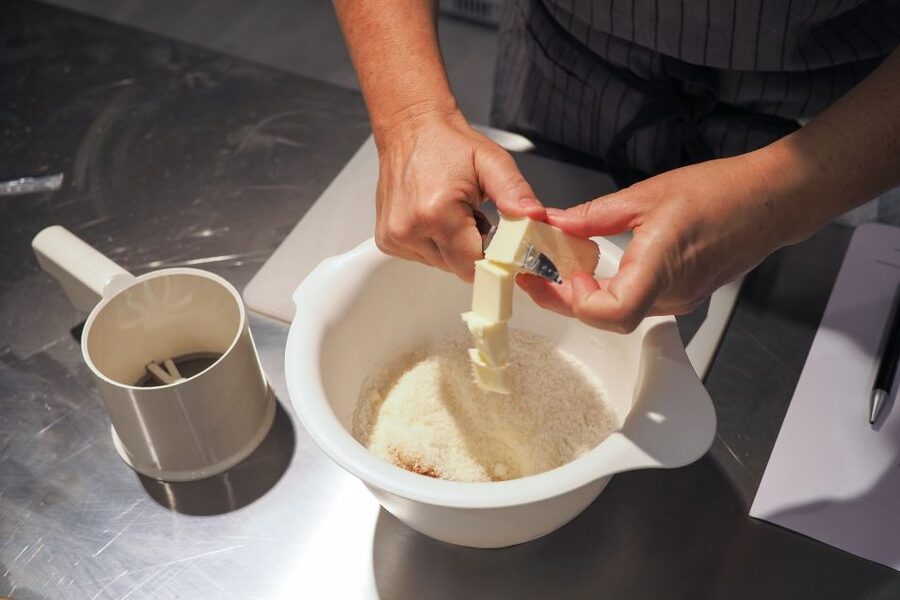
The important pattern is consistent: you prepare three traditional Italian dishes, usually covering a starter, a main course, and something sweet. You are not just shown the finished food. You chop, mix, shape, roll, and assemble under supervision.
For a beginner, this structure works well. You get enough variety to learn several techniques without spending the entire afternoon on one complicated preparation. The pace has been described as clear and manageable, even when the class includes three courses.
Fresh pasta is the most useful takeaway
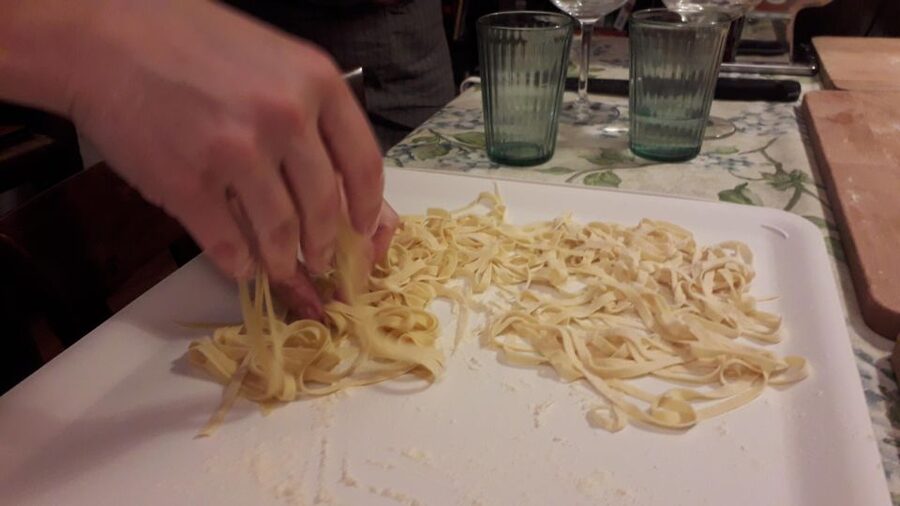
Making pasta from scratch is likely to be the most memorable part of the class. Depending on the session, you may prepare tagliatelle, gnocchi, or ravioli. Some classes use a pasta machine, giving you a practical introduction to rolling and shaping the dough.
This is where the personal workstation earns its keep. Instead of crowding around one demonstration counter, you can work through the process yourself and correct mistakes as you go. Chef Ilaria is praised for stepping in when needed, including when a student makes plenty of small errors. That is exactly what you want from a cooking lesson. You learn more from fixing a dough that is too dry or a shape that is uneven than from watching a perfect demonstration.
The class also explains why techniques matter. You learn how ingredients behave, why a certain method is used, and how to make the result work at home. One especially useful point is that homemade sauces such as ragu and cacio e pepe may be supplied by the chef when the class is making fresh pasta. The reason is practical: a full ragu takes much longer than the class itself, and cacio e pepe requires focused timing.
That means you may not cook every sauce from its first step. Still, you receive the recipes, and the chef can explain the method. If your goal is to master fresh pasta, this arrangement gives you more hands-on time with the dough instead of using the whole session on sauce preparation.
Italian food lessons beyond the recipes
The class is not only about following instructions. Chef Ilaria often adds background about the dishes, ingredients, and cooking customs. You learn the difference between a shortcut and a traditional method, along with the reasons behind certain choices.
One food lesson that stuck with a participant concerned carbonara: traditional carbonara does not use cream or bacon. You can change a recipe at home, of course, but the dish may then need a different name. That kind of direct advice makes the class useful for anyone who wants to understand Italian cooking rather than simply copy a list of ingredients.
The same approach appears with dessert. A session may include tiramisu, biscotti, cantucci, or strudel. The exact dish changes, but the goal remains the same: explain the technique clearly enough that you can try it again in your own kitchen.
The workshop also promotes healthy, waste-free cooking. That does not mean a lecture about food policy. It shows up in practical choices, sensible preparation, and using ingredients carefully. You leave with techniques that can help you cook more efficiently at home, not just one holiday recipe.
More Wine and Food Pairings in Milan:
- Lisbon: Food and Wine Small Group Walking Tour
★ 4.9 · 4,082 reviews - Lisbon Small-Group Portuguese Food and Wine Tour
★ 5.0 · 3,972 reviews - Montmartre Hill French Gourmet Food and Wine Tasting Walking Tour
★ 5.0 · 2,588 reviews - From Florence: Chianti Tour with Two Wine and Food Tastings
★ 4.5 · 1,205 reviews
The meal at the end is part of the lesson
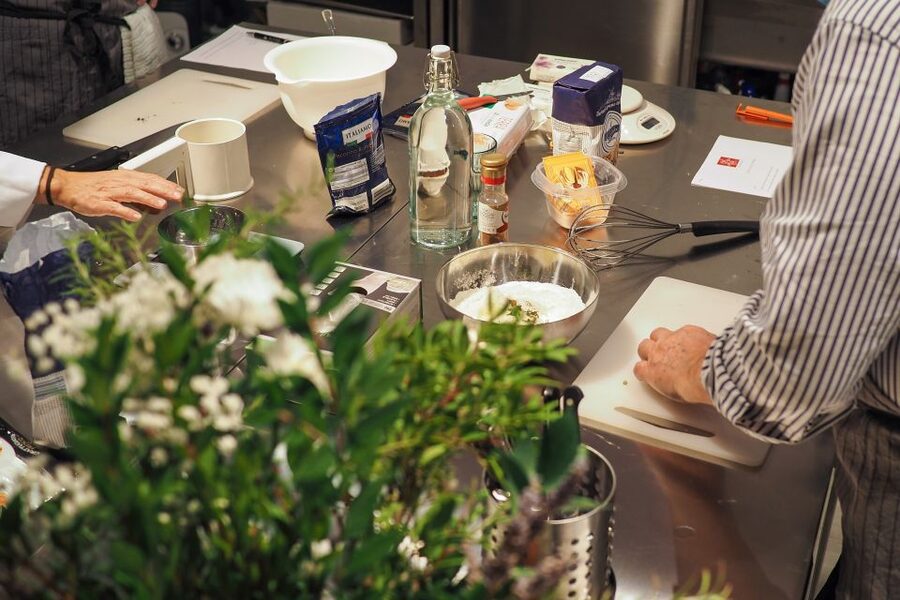
Once the food is ready, everyone sits down together in the dining area. You eat what you have made, which gives the final course real meaning. The bruschetta is not an isolated sample, and the pasta is not rushed onto a plate for a photograph. You prepared it, then you share it as a meal.
Wine is included, with both red and white options available. This turns the workshop into a social evening rather than a strict classroom. You can talk with people from different countries, compare cooking habits, and relax after standing and working in the kitchen.
The amount of wine can be generous, so pace yourself. One session included large bottles, and the friendly atmosphere can make it easy to drink more quickly than planned. Water is also provided, and a little restraint will help you enjoy the food and the walk home.
The social side is a major part of the value. Solo visitors can join without needing a partner, and couples or families can still meet new people around the table. One small group had only two students, which offered more individual attention but less of the lively group energy some people expect. Group size can vary, so do not book this expecting one exact format.
Chef Ilaria and the teaching style
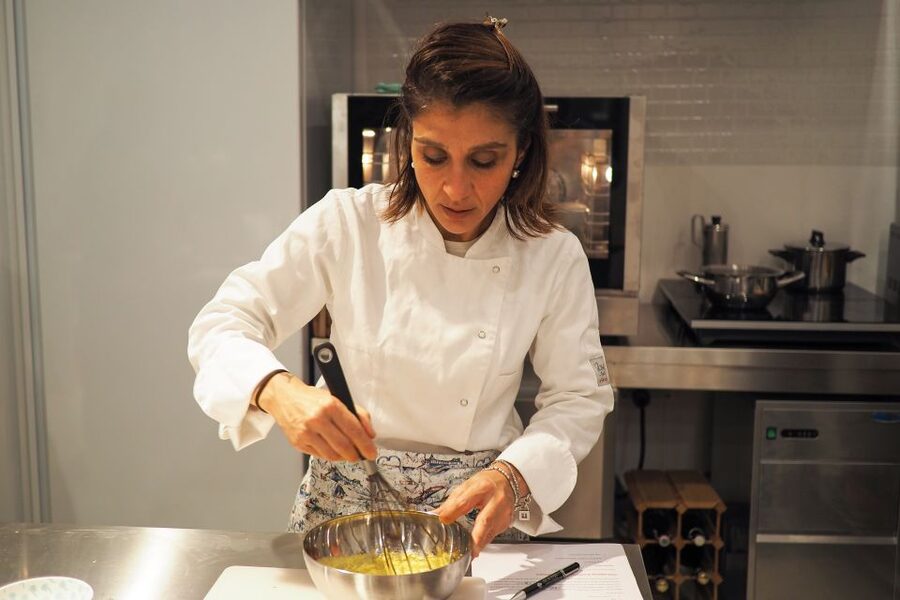
Chef Ilaria is the main reason this activity feels personal. Her style is warm, energetic, and playful, while still keeping the class organized. She explains each stage, answers questions, and adds stories about the food.
Her English is described as excellent, and the activity is offered in Italian and English. That makes the class workable for international visitors who want instruction without worrying about missing key steps.
Fernando and Klara have also been part of sessions, so the instructor may not always be Ilaria. If her teaching style is the specific reason you are booking, confirm who will lead your chosen time. The other instructors have also been praised for being friendly and capable, but schedules can change.
The atmosphere is professional without feeling stiff. The kitchen is described as clean and hygienic, and an assistant may help keep ingredients and utensils ready. That small bit of organization matters when several dishes are being prepared at once.
Dietary needs and practical limits
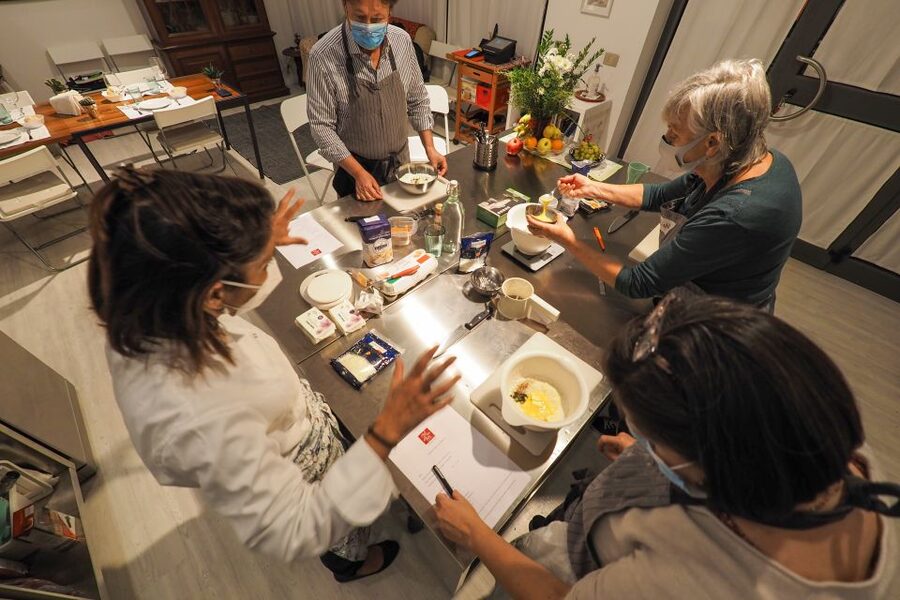
A gluten-free participant was able to join fully, and the chef took allergies and dietary restrictions into account during that session. This is encouraging, but you should still communicate your needs before booking. The available menu and substitutions may depend on the day.
The activity is not suitable for children under 10 or people with mobility impairments. You will be working at a kitchen station and moving through a professional cooking space, so comfort with standing and handling food is important.
Pets are not allowed. Smoking is not allowed. Luggage and large bags cannot be brought into the class, and there is no luggage storage. If you are arriving between hotel checkout and a train or flight, make another plan for your bags before you go.
Is $80 a fair price in Milan?
At $80 per person, this is not the cheapest way to eat in Milan. You can find a simple meal for less. But that comparison misses the point.
Your fee covers three hours of instruction, ingredients, a personal workstation, cooking tools, gloves, an apron, snacks, coffee or tea, wine, and the meal itself. You also receive the recipes, which extends the value beyond one evening. If you cook even two or three of the dishes at home, the class becomes more useful than a standard restaurant meal.
The strongest value comes from the hands-on format. You are paying to learn how to make fresh pasta, not just to taste it. For a first-time visitor who wants a food activity that combines culture, conversation, and dinner, the price is reasonable.
It is less valuable if you mainly want a long, quiet meal or a highly technical chef-training session. The class is friendly and practical, not a professional certification course. Some preparation is also shared or done in advance, especially for time-consuming sauces.
Booking, timing, and who will enjoy it most
The activity lasts three hours, with starting times based on availability. Free cancellation is offered up to 24 hours before the class for a full refund, and you can reserve now and pay later. Those terms help if your Milan plans are still moving around.
I would choose this class for:
- Couples who want a shared food activity
- Solo visitors who enjoy meeting people around a table
- Beginners who want clear, hands-on instruction
- Experienced home cooks interested in pasta technique
- Families with older children, provided everyone meets the age requirement
- Anyone who wants recipes that can be repeated at home
I would think twice if you have limited mobility, need to bring luggage, dislike group activities, or expect a fixed menu. The changing dishes are part of the fun, but they also mean you may not get gnocchi, tiramisu, or ravioli on your particular date.
Should you book this Milan cooking class?
Yes, if you want an active food experience with a friendly teacher and a meal at the end. The strongest reasons to book are the fresh pasta work, Chef Ilaria’s engaging teaching, the included wine, and the recipes you can use after returning home.
Check the menu and instructor before reserving if you have a specific dish in mind. Also plan to arrive without large bags and allow time to enjoy the meal rather than rushing away. For $80, this is a sensible choice for a three-hour taste of Italian cooking that leaves you with more than a full stomach.
FAQ
How long does the Milan cooking class last?
The class lasts three hours.
How much does the cooking class cost?
The listed price is $80 per person.
Which dishes will I prepare?
The menu can vary. Possible dishes include fresh tagliatelle, gnocchi, ravioli, bruschetta, tiramisu, biscotti, cantucci, strudel, focaccia, eggplant parmigiana, cacio e pepe, and ragu.
Is wine included?
Yes. Wine is included, along with other beverages such as water, coffee, tea, and infusions.
Do I receive the recipes?
Yes. The chef provides copies of the recipes so you can prepare the dishes at home.
Is the class offered in English?
Yes. The host or greeter speaks Italian and English.
Can I bring luggage or a large bag?
No. Luggage and large bags are not allowed, and luggage storage is not provided.
Can children join the class?
Children under 10 are not allowed to participate. The activity is also not suitable for people with mobility impairments.
More Food Experiences in Milan
- Milan: History & Street Food Tour with Wine Tasting
★ 4.9 · 30 reviews - Milan: Small Group – Duomo & Rooftop, Wine & Food Tasting
★ 5.0 · 27 reviews - From Split: Krka Waterfalls, Food & Wine Tasting Tour
★ 5.0 · 9,326 reviews - From Split: Krka Waterfalls, Food & Wine Tasting Tour
★ 4.9 · 6,598 reviews
More Cooking Classes in Milan
- Milan: Pasta and Tiramisu Cooking Class with Wine
★ 4.8 · 1,106 reviews - Milan: Pasta and Tiramisu Small Group Cooking Class with Wine
★ 5.0 · 660 reviews - Milan: Pasta, Gnocchi and Tiramisù Cooking Class with Wine
★ 5.0 · 117 reviews - Pizza and Tiramisu Cooking Class with Wine in Milan
★ 4.9 · 80 reviews
Newly added around Milan
- Pizza and Tiramisu Cooking Class with Wine in Milan★ 4.9 · 80 reviews
- Milan: Wine Tasting Experience in the City Centre★ 4.5 · 113 reviews
- Milan: Pasta Class with Gelato or Tiramisù & Unlimited Wine★ 4.9 · 233 reviews
- Milan: Pasta, Gnocchi and Tiramisù Cooking Class with Wine★ 5.0 · 117 reviews
- Milan Wine Tasting Aperitivo★ 4.4 · 31 reviews
- Milan: Small Group – Duomo & Rooftop, Wine & Food Tasting★ 5.0 · 27 reviews
- Milan: Food and Wine Experience★ 4.5 · 30 reviews
- Milan: History & Street Food Tour with Wine Tasting★ 4.9 · 30 reviews
Wine & Food Pairings, compared.
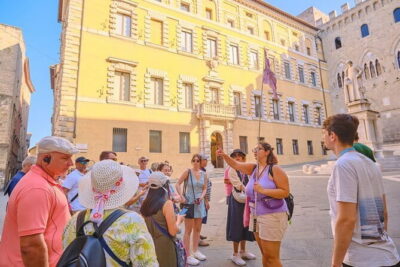
Pisa, Siena and San Gimignano Day Trip with Lunch & Wine Pairing
Read our review →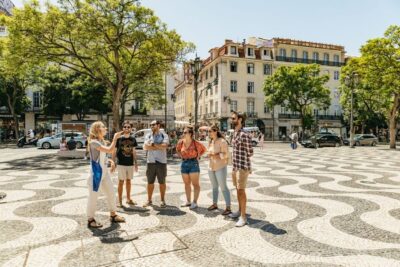
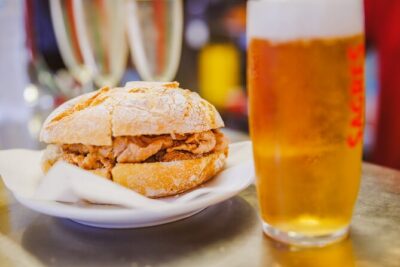
Lisbon Small-Group Portuguese Food and Wine Tour
Read our review →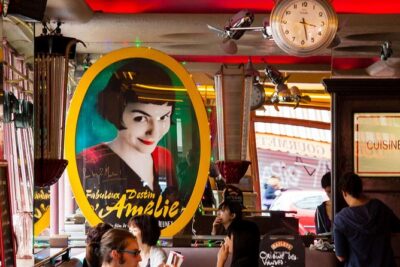
Montmartre Hill French Gourmet Food and Wine Tasting Walking Tour
Read our review →
Rome by Night – Ebike Small Group Tour – Food and Wine (Option)
Read our review →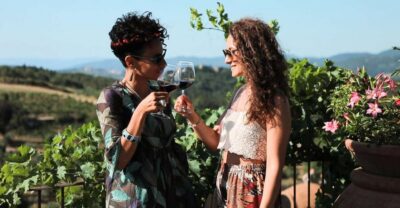
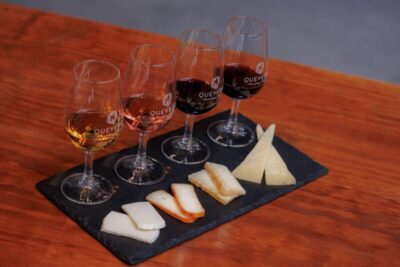
Vila Nova de Gaia: Port Wine Tasting with Cheese Pairing
Read our review →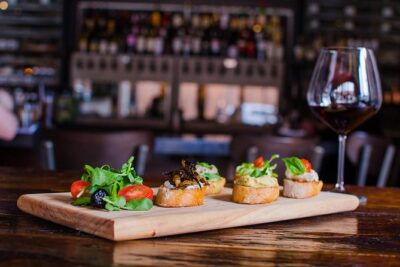
Eat, Drink and Repeat: Wine and Food Tasting Tour in Venice
Read our review →Browse the lists this tour appears in