
REVIEW · COOKING CLASSES
Milan: Pasta and Tiramisu Cooking Class with Wine
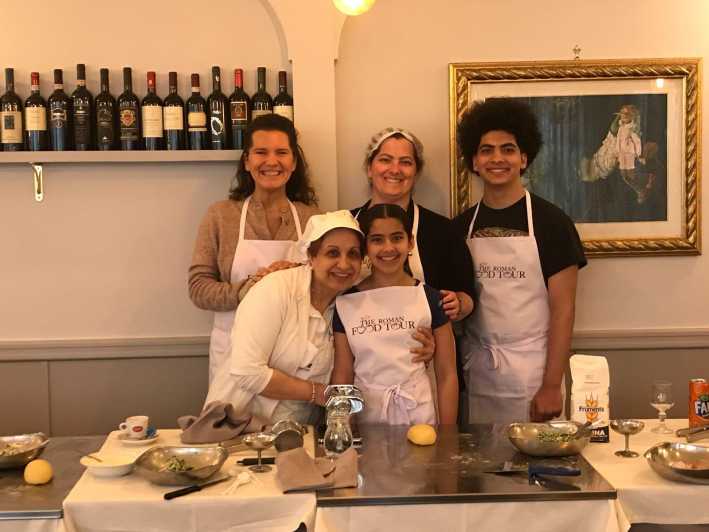
Food is the best souvenir from Milan. This three-hour class gives you two things I like right away: hands-on pasta making at your own workstation and a relaxed meal with wine at the end. You also learn tiramisu, which means you leave with more than a full stomach. The main consideration is group size. One recent class had around 15 to 20 people, so getting personal help can take a little patience.
I also like the friendly, social setup. A welcome glass of Prosecco gets things moving, and hosts such as Chef Mimo and Damiano have made a strong impression on recent participants. The food is a real strength, especially the sauces served with the finished pasta. Still, this is a traditional Italian cooking lesson, not a fully customized diet class, and the usual recipes contain gluten, dairy, and eggs.
Key points at a glance
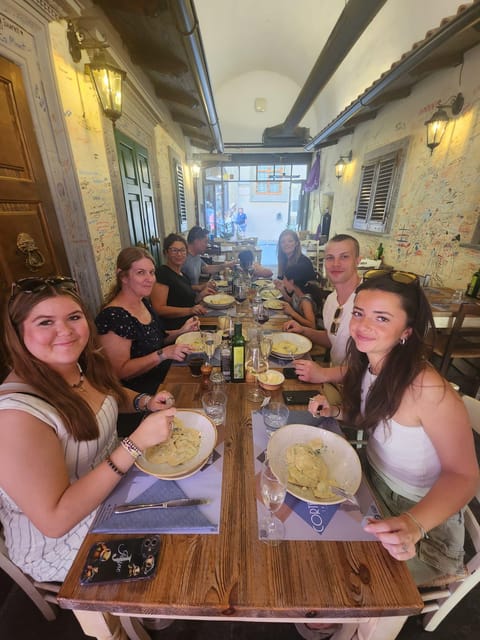
- Two pasta styles in one class: You learn the basics of fresh pasta and work with two pasta preparations before sitting down to eat.
- Tiramisu comes with the main course: The dessert is prepared during the lesson, so you get a complete Italian meal rather than a single cooking demonstration.
- A welcome Prosecco sets the tone: Wine is part of the experience from the start and continues with the meal.
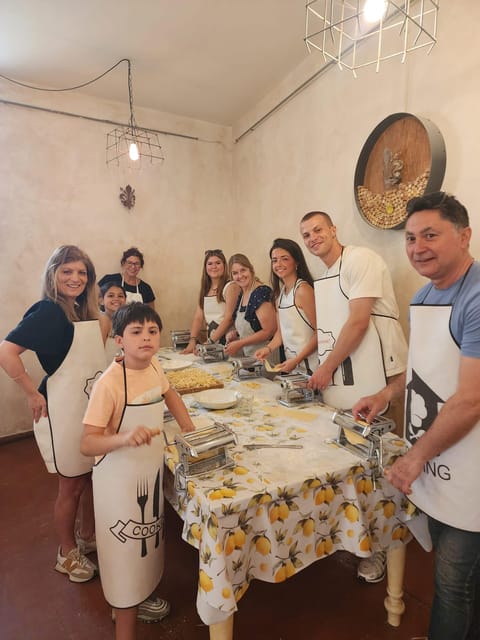
- Your own workstation keeps you involved: You are not simply watching a chef cook. You handle the dough and prepare the dishes yourself.
- Expect a lively group setting: Classes may include roughly 15 to 20 people, which is good for meeting others but can limit one-to-one questions.
- The price is $61 per person: For three hours of instruction, food, wine, and a chef-led class, that is a fair price for Milan.
What the $61 price buys you in Milan
At $61 per person, this class sits in the accessible middle range for a food activity in Milan. You are paying for three hours, a chef, fresh pasta, tiramisu, wine, and the use of a restaurant kitchen. Since you also eat what you prepare, the class functions as both an activity and a meal.
That matters in a city where a sit-down meal can quickly become expensive, especially if you add wine and dessert. The value is strongest if you enjoy social activities and want to learn a skill you can repeat at home. If you only want to eat excellent pasta, you may find a restaurant more efficient.
I would not book this class for a quiet, private lesson. The social format is part of the appeal, but it also means you may need to wait briefly for assistance. One participant found a group of 15 to 20 slightly harder for asking detailed questions, even though the hosts explained the steps well and created a welcoming mood.
The meal helps balance that drawback. You do not spend three hours cooking and then leave hungry. The staff cooks the pasta you prepare, adds the sauces, and serves the dishes for everyone to enjoy together.
More Cooking Classes in Milan:
- Milan: Pasta and Tiramisu Small Group Cooking Class with Wine
★ 5.0 · 660 reviews - Milan: Italian Cooking Class with Food and Wine
★ 4.7 · 509 reviews - Milan: Pasta, Gnocchi and Tiramisù Cooking Class with Wine
★ 5.0 · 117 reviews
Arriving with Prosecco and an apron
The class begins at the designated meeting point, which can change depending on the option you book. Check your confirmation carefully before setting out, since the meeting location is not fixed across every option.
Once inside, you receive a welcome glass of Prosecco. That small detail does useful work. It gives people a moment to arrive, settle in, and meet the group before the practical part begins.
You then head behind the scenes of a working Italian restaurant. The point is not a formal restaurant tour with a long lecture. You get a look at how the kitchen functions before tying on an apron and moving to your workstation.
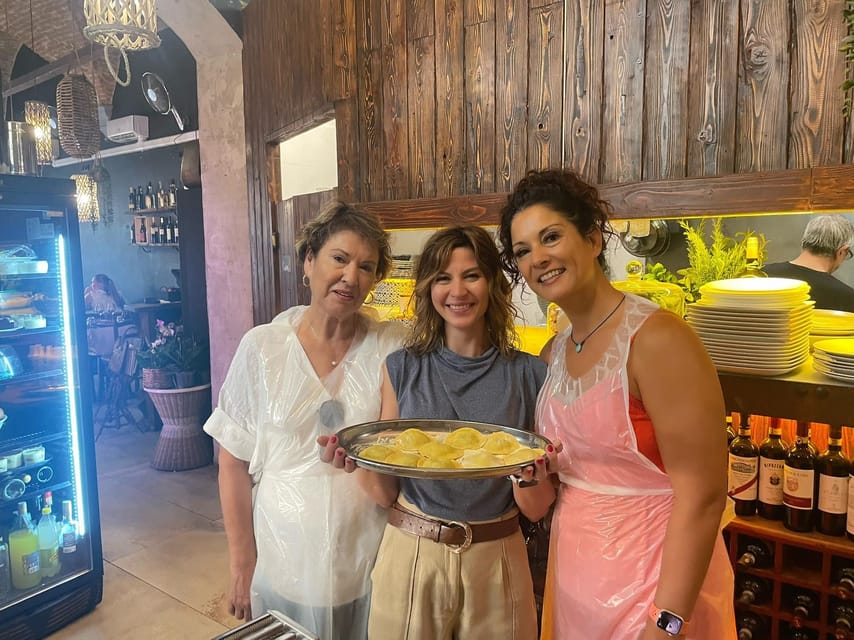
That workstation is important. You are not standing at the back of a room trying to see a demonstration. You have a place to prepare the food yourself, which makes the lesson more memorable and gives you a better chance of repeating the process at home.
The class is taught in English. Hosts have been praised for being warm, clear, and entertaining, with Chef Mimo receiving particular praise. The mood seems friendly rather than stiff, which suits a hands-on meal where flour, dough, and a little kitchen confusion are part of the fun.
Making fresh pasta from the dough up
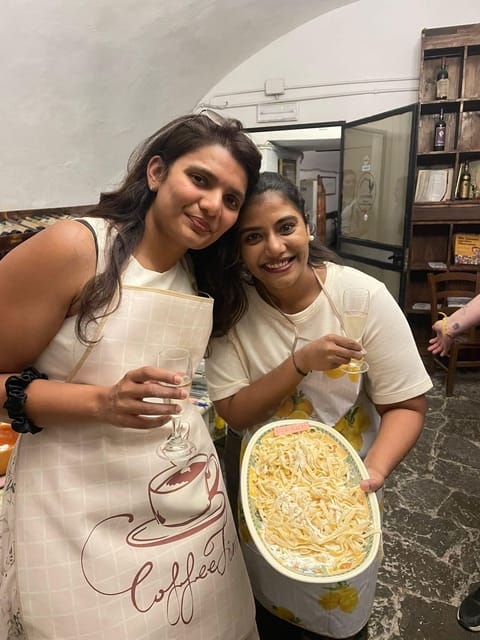
The pasta lesson starts with the dough. You learn which type of flour to use, how the ingredients come together, and what changes when you make fresh pasta instead of dried pasta.
That distinction is useful. Many visitors know pasta mainly as a packet from a supermarket, so learning the difference between pasta fresca and pasta secca gives the lesson a practical foundation. Fresh pasta is not simply dried pasta made at home. The texture, moisture, and handling all change.
The chef guides you step by step. You work the dough at your station, following the instructions rather than trying to copy a fast demonstration from across the room. That makes this a good choice if you have little cooking experience or have tried to make pasta before and given up.
One participant who had abandoned homemade pasta years ago left feeling ready to try again. That is a fair measure of the class. The goal is not to turn you into a restaurant chef in one afternoon. It is to show you that pasta dough is manageable when the process is broken into clear stages.
The class covers two types of pasta. The precise shapes and recipes can depend on the session, so you should not expect the same menu every time. The useful part is the method: making the dough, shaping the pasta, and understanding how the finished pasta works with sauce.
The sauces have also received strong praise. After you prepare the pasta, the staff cooks it and adds the sauces before serving it. This lets you focus on the pasta-making work without trying to manage a full restaurant service at the same time.
If you want detailed technical answers about flour ratios or shaping, try to ask early. In a larger group, the chef may need to keep everyone moving. You will get instruction, but this is not the place for a long private consultation about every pasta problem you have ever had.
Tiramisu before the final meal
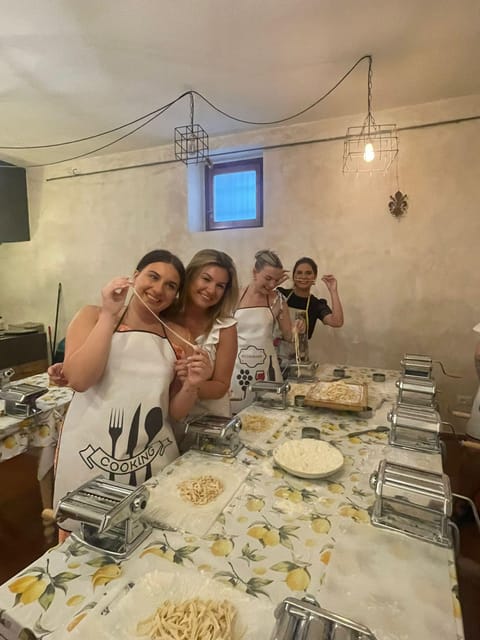
The tiramisu section gives the class a sweet counterpoint to the pasta work. You learn how to prepare one of Italy’s best-known desserts, rather than simply receiving a portion at the end.
The order can vary. One participant described making tiramisu first and then preparing two types of pasta. That sequence makes sense from a kitchen point of view because the dessert can be prepared before the meal and then enjoyed later.
For you, the tiramisu lesson adds variety. Three hours of dough work could become repetitive, but switching from pasta to dessert keeps the class moving. It also gives you a recipe that is easy to remember and useful for hosting friends at home.
Do not expect a specialized pastry course. The emphasis is on the traditional recipe and the basic method. The class is designed for a broad group, so the chef focuses on clear instruction and a dish you can prepare as part of a full Italian meal.
The final result is part of the value. You sample the food you make during the class, including the tiramisu. That means you can judge the texture and balance while the process is still fresh in your mind.
More Pasta Making in Milan:
- Gnocchi, Pasta, Tiramisù and Wine Class
★ 5.0 · 691 reviews - Milan: Pasta Class with Gelato or Tiramisù & Unlimited Wine
★ 4.9 · 233 reviews - Florence: Pasta Cooking Class with Unlimited Wine
★ 4.9 · 10,285 reviews - Florence: Pasta & Tiramisu Cooking Class with Unlimited Wine
★ 4.9 · 6,708 reviews
Sitting down for pasta, tiramisu, and wine
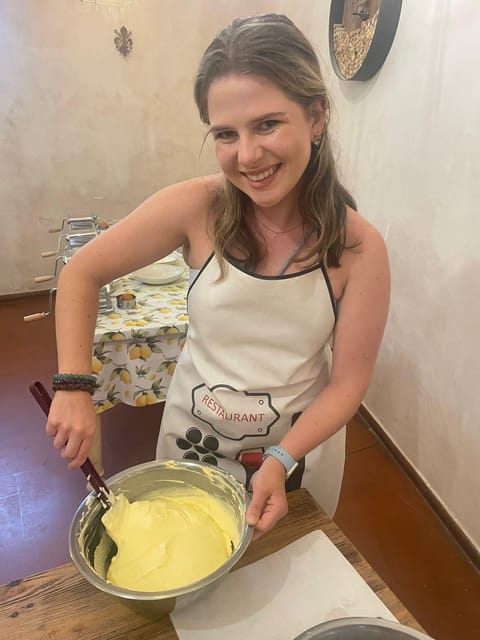
At the end, everyone sits together for the meal. This is where the class shifts from instruction to a shared lunch or dinner.
The staff cooks the fresh pasta and adds the sauces, so you can sit down without having to coordinate burners, pans, and plates. You get to taste what your work produced, which is more satisfying than carrying an uncooked portion home.
The meal includes wine selected to pair with the food. Fine wine is part of the stated inclusions, and a glass is served with the meal after the opening Prosecco. The wine adds to the social atmosphere, though you should remember that this is a cooking class with wine, not a dedicated tasting experience.
The amount of food can be generous. One participant described the meal as a lot of food, with two pasta preparations followed by tiramisu. That makes this a good choice when you want an activity that also covers lunch or dinner.
I like this shared ending because it gives the class a natural finish. You have worked together, watched the pasta reach the table, and then get time to talk over the meal. It is especially suited to friends, couples, solo visitors who enjoy meeting people, and families with older children.
The social side is not for everyone. If you prefer to eat quietly or want a private chef at your table, the group format may feel busy. If you enjoy conversation and do not mind a little kitchen noise, it adds to the experience.
Group size, teaching style, and the real trade-off
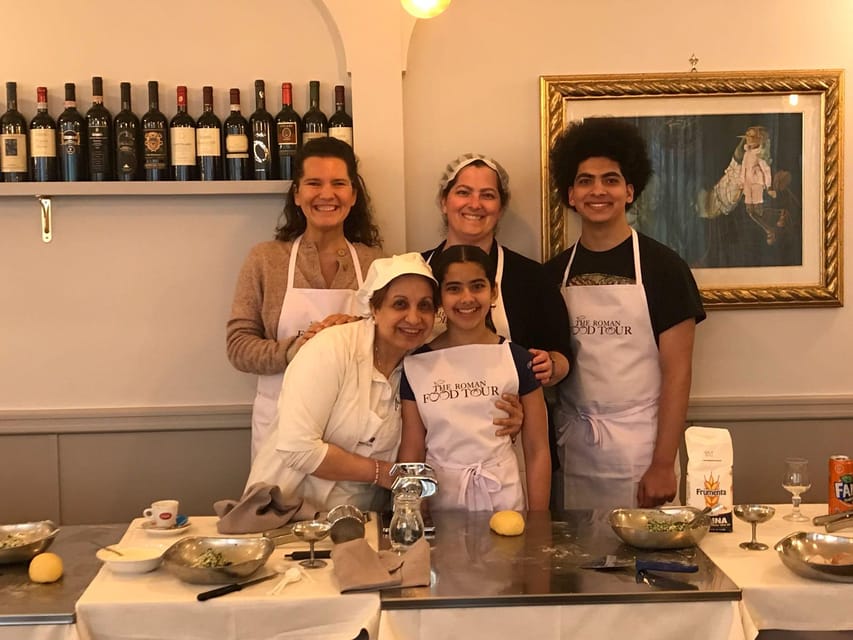
The clearest trade-off is personal attention. A group of 15 to 20 people can create a lively atmosphere, but the chef cannot spend equal time with every person.
You may need to raise your hand or wait a moment when you have a question. That is not a serious problem for basic instruction, since the steps are explained to the group. It matters more if you want to discuss a specific allergy, ask about advanced technique, or need extra help with dough.
The hosts seem to compensate with energy and clear direction. Damiano has been singled out for making the class especially fun, while Chef Mimo has been praised for both teaching and cooking. The class works best when you treat it as a group activity rather than a private lesson.
There is also a practical benefit to a larger group. You meet people from different countries, and the meal gives you time to compare results and talk about food. For a first visit to Italy, that kind of easy social setting can become one of the trip’s memorable evenings.
Dietary needs and who should think twice
You must tell the provider about allergies or food restrictions when booking. Vegetarian options are available on request, and the provider says substitutes can be offered for food preferences and some dietary needs.
There are important limits. The teaching remains focused on the traditional recipes, which contain gluten, dairy, and eggs. Cross contamination cannot be guaranteed.
The information about vegan and lactose-free diets needs careful reading. Dietary options are described as available, but the activity is also listed as not suitable for vegans and people with lactose intolerance. I would contact the provider before paying if either applies to you, rather than assuming a substitute will make the entire class suitable.
The same caution applies to gluten intolerance. The class centers on pasta and traditional tiramisu, and the usual recipes contain gluten. Someone with a serious allergy should not rely on a general substitution promise.
The activity is not suitable for children under three or babies under one year. It may work well for older children, since one participant found it enjoyable for both adults and children, but no specific minimum age beyond the stated restriction is provided.
Timing the class into your Milan visit
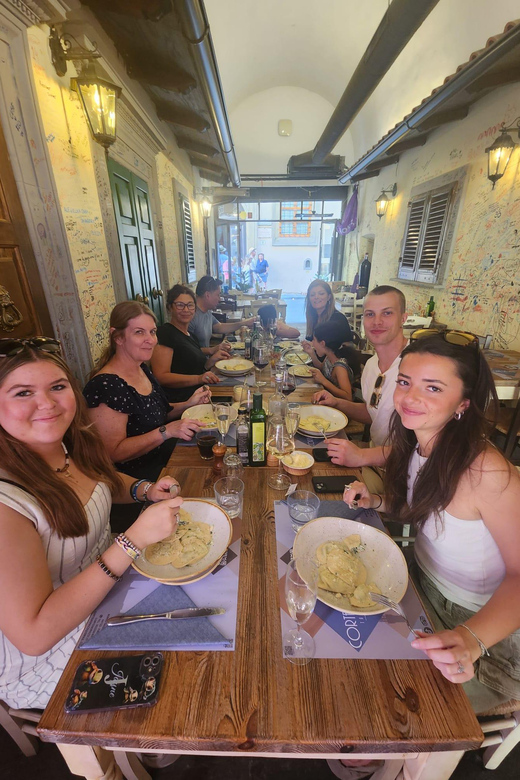
The class lasts three hours, with starting times depending on availability. Plan it as a substantial part of your day rather than a quick stop between major sights.
A lunch session can give you a break from sightseeing. An evening session works well as a dinner plan and removes the need to find a restaurant afterward. In either case, leave enough time around it so you are not rushing to another appointment.
Since the meeting point may vary by booking option, check the exact location before leaving your hotel or previous attraction. This is a small step, but it prevents the classic holiday mistake of arriving at the right activity in the wrong place.
The class is conducted in English. That makes it practical for visitors who want instruction without needing Italian, while still placing you in a distinctly Italian restaurant setting.
Free cancellation is available up to 24 hours in advance for a full refund. You can also reserve now and pay later, which helps if your Milan schedule is still taking shape.
Who will enjoy this cooking class most?
I would recommend it to you if you:
- Like eating as much as sightseeing
- Want to learn a repeatable pasta recipe
- Enjoy meeting other people during a trip
- Prefer a practical activity to another museum visit
- Want a meal, wine, and instruction in one booking
- Are comfortable with a group class rather than private teaching
It is less suitable if you want a quiet chef-led demonstration, have a serious food allergy, or need a fully vegan or gluten-free menu. It is also not the best match if you dislike cooking and only want to sample Milanese food.
For families, the hands-on workstation is a plus. Younger children may struggle with the three-hour length and the stated age restrictions, but older children can find the dough work entertaining and concrete.
Couples and friends get the most obvious benefit: you can cook together, compare your pasta, and share the meal afterward. Solo visitors can enjoy it too, especially if meeting people is part of the appeal.
Should you book it?
At $61, this is a good-value Milan activity if you want a complete food experience rather than a simple meal. You get fresh pasta, tiramisu, wine, a chef, and three hours of instruction, with the added pleasure of eating what you make.
I would book it for a first visit to Italy, a rainy afternoon, or an evening when you want something more memorable than another restaurant table. Chef Mimo, Damiano, and the wider hosting team have helped create the kind of friendly setting that makes beginners feel comfortable.
Go in knowing the limits. The group can be fairly large, personal attention may be brief, and dietary substitutions require careful checking. If those points suit you, this class offers a tasty, social introduction to Italian cooking and a useful skill to take home.
FAQ
How long does the Milan pasta and tiramisu class last?
The class lasts three hours.
How much does the cooking class cost?
The listed price is $61 per person.
What food do I prepare?
You prepare fresh pasta and tiramisu. The class covers pasta dough, flour choice, the difference between fresh and dried pasta, and two pasta preparations.
Is wine included?
Yes. The experience includes fine wine served with the meal, plus a welcome glass of Prosecco when you arrive.
Is the meal included?
Yes. You sample the pasta and tiramisu you prepare during the class, and the staff cooks the pasta and adds the sauces before the final meal.
Is the class taught in English?
Yes. English is the stated language for the instructor.
Can I request vegetarian food?
Yes. Vegetarian options are available upon request. Tell the provider about your needs when booking.
Can people with allergies or food restrictions attend?
Substitutes may be available for allergies and food preferences, but you must inform the provider when booking. The traditional instructions contain gluten, dairy, and eggs, and cross contamination cannot be guaranteed.
Is the class suitable for vegans or people with lactose intolerance?
The activity information lists vegans and people with lactose intolerance as not suitable, even though dietary options are also described as available. Contact the provider before booking if either applies to you.
Can I cancel the booking?
Yes. You can cancel up to 24 hours in advance for a full refund. Reserve now and pay later is also available.
More Workshops in Milan
- Pizza and Tiramisu Cooking Class with Wine in Milan
★ 4.9 · 80 reviews - Florence: Pasta Cooking Class with Unlimited Wine
★ 5.0 · 6,413 reviews - Rome: Pasta & Tiramisu Class with Fine Wine by the Vatican
★ 4.9 · 4,852 reviews - Rome: Pasta Making Class with Wine, Limoncello, and Dessert
★ 4.9 · 3,177 reviews
Newly added around Milan
- Pizza and Tiramisu Cooking Class with Wine in Milan★ 4.9 · 80 reviews
- Milan: Wine Tasting Experience in the City Centre★ 4.5 · 113 reviews
- Milan: Pasta Class with Gelato or Tiramisù & Unlimited Wine★ 4.9 · 233 reviews
- Milan: Pasta, Gnocchi and Tiramisù Cooking Class with Wine★ 5.0 · 117 reviews
- Milan Wine Tasting Aperitivo★ 4.4 · 31 reviews
- Milan: Small Group – Duomo & Rooftop, Wine & Food Tasting★ 5.0 · 27 reviews
- Milan: Food and Wine Experience★ 4.5 · 30 reviews
- Milan: History & Street Food Tour with Wine Tasting★ 4.9 · 30 reviews
Cooking Classes, compared.
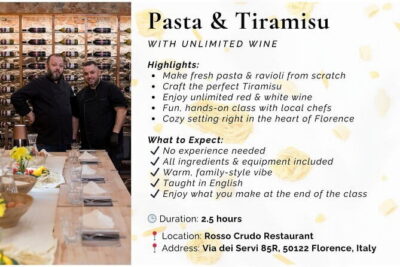
Pasta & Tiramisu Cooking Class with Unlimited Wine
Read our review →
Pasta Making Class with Wine, Limoncello, and Dessert
Read our review →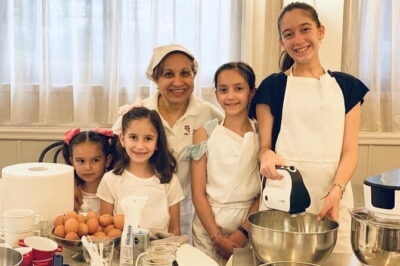
Cooking Class Pasta & Tiramisu Making Unlimited Wine
Read our review →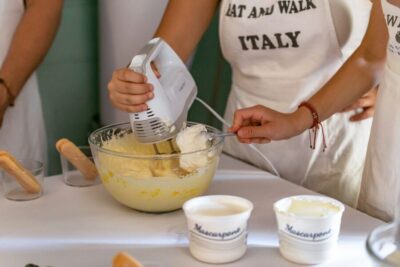
Fettuccine & Tiramisù: Cooking Class with Wine & Limoncello
Read our review →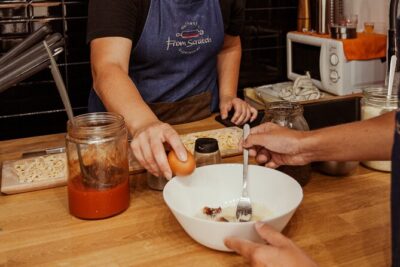
Pasta Making & Wine Tasting with Dinner in Frascati from Rome
Read our review →
Rome Cooking Class: Make Pasta, Dine & Drink Wine With Local Chef
Read our review →Browse the lists this tour appears in