
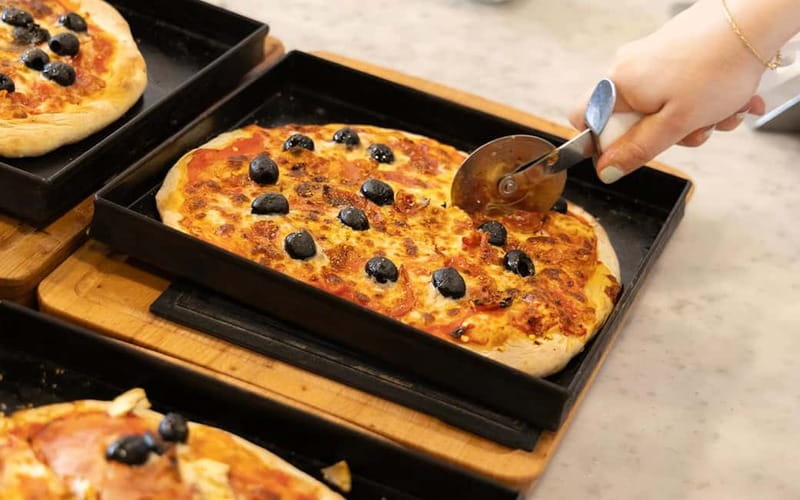
REVIEW · COOKING CLASSES
Rome: Pizza and Tiramisù Cooking Class with Glass of Wine
Pizza can be a fine Rome souvenir. This three-hour class turns dinner into a hands-on lesson in Roman-style pizza and tiramisu, led in English by a local chef at Via Giuseppe Zanardelli 14. I like the small group limit of 12, and I like that you eat what you make rather than simply watching a demonstration. The main consideration is that the experience uses shared instruction, so not everyone will get the same amount of one-on-one time.
The atmosphere sounds warm and easygoing, especially with instructors such as Lori, Carlotta, Sara, Hassan, and Claudio praised for patience, humor, and clear teaching. Families should take note: children as young as 2 and 5 were happily included in one session, while an 11-year-old called the class the highlight of a five-day Rome visit. Allow room for a full meal, since the pizza, dessert, wine, and limoncello can be more filling than expected.
What makes this Rome cooking class worth your time
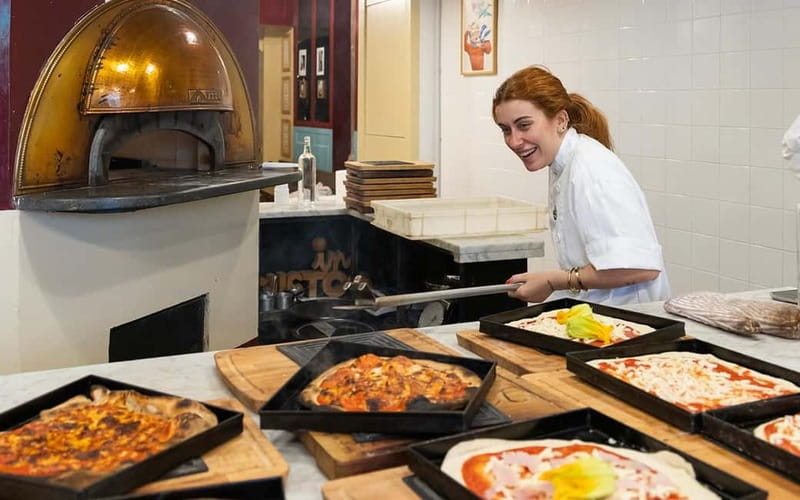
- You make both courses: Prepare your own pizza and take part in making classic tiramisu, with attention to ingredients and technique.
- Small groups matter: With no more than 12 people, the chef can move around the table and help with dough, toppings, and dessert.
- The meal is part of the experience: Sit down after cooking to eat your pizza and tiramisu with wine or a non-alcoholic drink.
- It works well for families: The activity is playful, hands-on, and designed to include different skill levels.
- Roman food gets practical: You learn about flour, dough consistency, fresh ingredients, and the balance needed for tiramisu.
- The location is central: The meeting point at Via Giuseppe Zanardelli 14 makes this easy to pair with sightseeing in central Rome.
A three-hour food break in central Rome
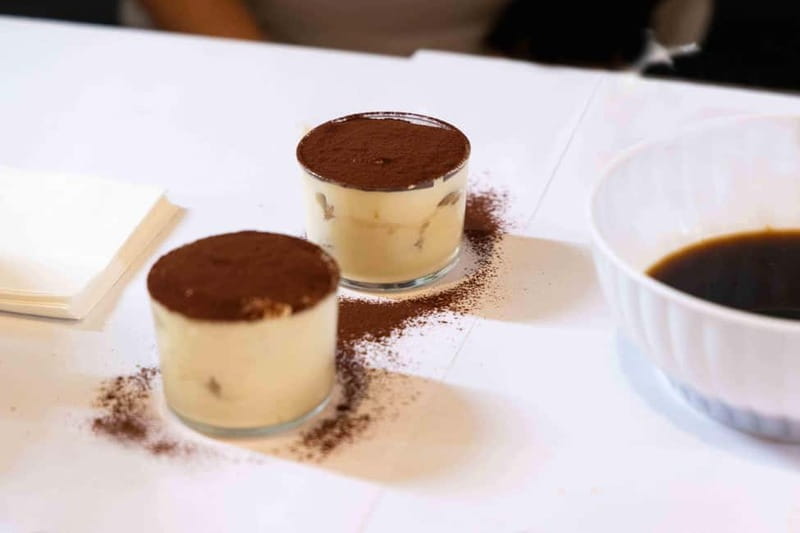
At $65 per person, this class sits in the middle range for a Rome food activity. You are not paying only for a recipe lesson. The price covers an English-speaking chef, ingredients, a sit-down meal, wine or a non-alcoholic drink, limoncello or coffee, and water throughout the session.
That makes the value fairly good if you want both an activity and dinner. A pizza meal and dessert elsewhere would cost less in some parts of Rome, but it would not give you three hours of guided work or the chance to make the food yourself. I would see this as a social meal with a cooking lesson attached, rather than a professional chef course.
The meeting point is Via Giuseppe Zanardelli 14. You should check the exact start time when booking, since several starting times may be offered. The class lasts three hours, so avoid placing it too close to a timed museum entry or evening train.
The experience is wheelchair accessible. Instruction is provided in English, and the class is limited to 12 participants. That cap is useful: pizza-making can become awkward when too many people crowd around one work surface.
More Cooking Classes in Rome:
- Rome: Pasta Making Class with Wine, Limoncello, and Dessert
★ 4.9 · 3,177 reviews - Fettuccine & Tiramisù: Cooking Class with Wine & Limoncello
★ 4.9 · 2,103 reviews - Pasta Making & Wine Tasting with Dinner in Frascati from Rome
★ 5.0 · 1,326 reviews
Starting with tiramisu and the importance of fresh ingredients
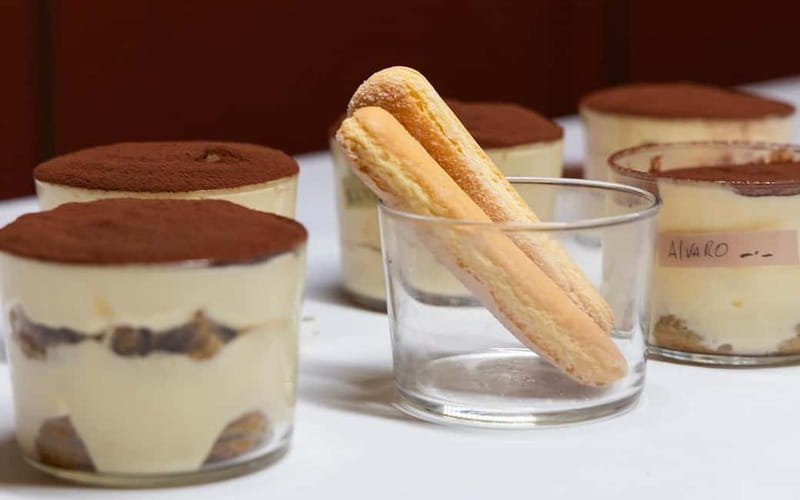
The class begins with tiramisu. This is a sensible first course because the dessert needs attention before everyone turns to pizza dough.
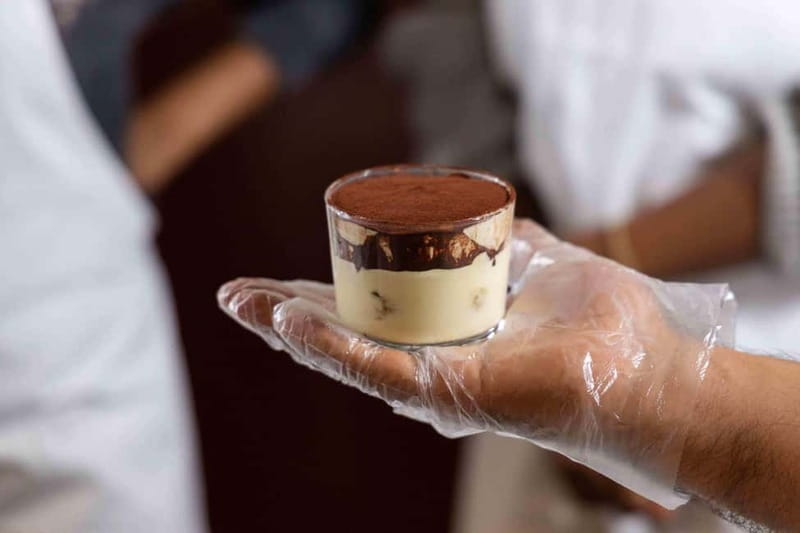
You learn how fresh ingredients affect the final flavor and texture. The chef explains the method, then some participants help prepare the cream while the rest watch closely. You still take part in making your own dessert, but the shared nature of this stage means you may not personally handle every step of the group mixture.
That is worth knowing if you are booking because you want nonstop hands-on work. Pizza receives more individual attention, while tiramisu combines a group demonstration with personal preparation. The arrangement also keeps the class moving and gives the chef a chance to show the technique without asking 12 people to repeat the same fiddly task at once.
The dessert portion suits families particularly well. Children can help with simple preparation and see how a few basic ingredients become a familiar Italian classic. Adults who already make tiramisu at home may not learn a secret restaurant formula, but the discussion of ingredient quality and cream preparation can still sharpen your technique.
Making Roman-style pizza from flour and water
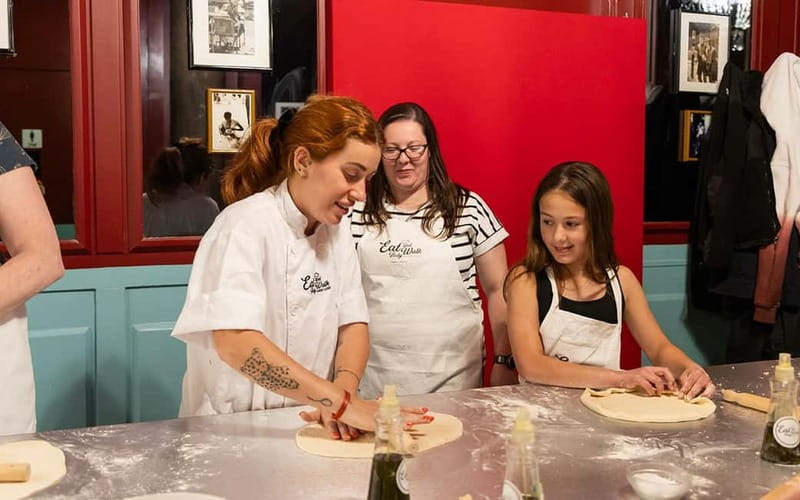
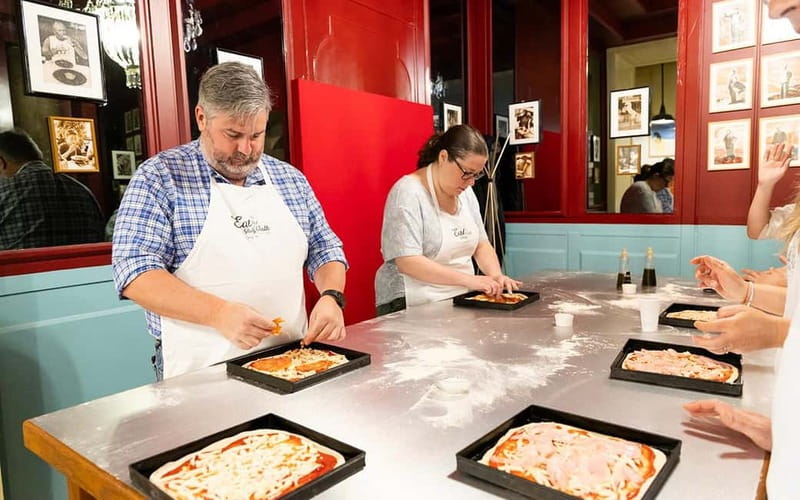
The pizza section is the heart of the class. The chef guides you through making dough from scratch, beginning with flour and water. The lesson focuses on the right consistency and on the differences between types of flour.
This is useful because pizza dough often looks simple until you try to judge it by hand. A recipe gives you measurements, but the feel of the dough tells you much more. The class gives you a chance to see what the chef considers workable and to ask questions as you mix, shape, and prepare your pizza.
Several instructors have been singled out for patient, clear help. Sara was praised for giving extra support to people who needed it, and Claudio was described as funny, easy to understand, and willing to answer questions promptly. Those details matter more than fancy kitchen talk. Beginners need a chef who notices when the dough is too dry or when someone is unsure what to do next.
You should also keep expectations realistic. The supplied information does not specify that every participant’s dough is used immediately. In one earlier pizza and gelato session, the class learned that the dough needed two days to rise, so prepared dough was used for the meal. That older session offered gelato rather than the current tiramisu format, so the exact method may have changed. Still, it is a useful reminder to ask the chef how the dough you make fits into the meal.
The class is more about understanding the process than taking home a batch of dough. You leave with a better sense of flour, consistency, and preparation, not just a plate of pizza.
Sitting down to eat what you made
After the practical work, you sit down and eat your pizza and tiramisu. This is where the class shifts from lesson to social meal.
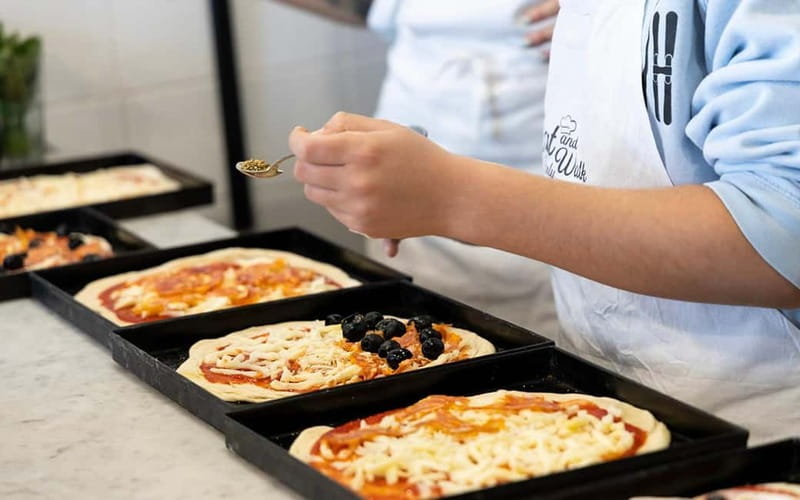
Your pizza is personalized, and the chef helps make sure it is cooked and served properly. You also receive a glass of wine or a non-alcoholic beverage, plus limoncello or coffee. Water is available throughout the experience. Additional food and drinks are not included, so keep that in mind if you have a large appetite or want more than the stated beverages.
The drink pairing gives the meal a pleasant Roman finish. Wine makes the activity feel like dinner rather than a school exercise, while limoncello adds a familiar Italian touch after dessert. If you do not drink alcohol, the non-alcoholic option keeps the experience accessible, though the information does not specify which soft drink or alternative is served.
Do not eat a large lunch beforehand. One participant specifically wished they had not eaten first, and that advice makes sense. Three hours of cooking followed by pizza, tiramisu, and drinks is a real meal.
The shared table is also part of the appeal. You cook beside other people, then eat together. That can be especially enjoyable for solo visitors, couples, and families who want an evening with more conversation than a standard restaurant meal.
A few more wine tours around Rome worth a look
- Rome: Pasta & Tiramisu Class with Fine Wine by the Vatican
★ 4.9 · 4,852 reviews - Rome Pasta and Tiramisu Class: Ravioli, Fettuccine & Fine Wine 5*
★ 5.0 · 1,319 reviews - Rome Cooking Class: Make Pasta, Dine & Drink Wine With Local Chef
★ 5.0 · 1,263 reviews - Rome: Combo Pizza and Pasta Cooking Class with Wine
★ 4.6 · 1,180 reviews
The chefs make the difference
The activity depends heavily on the individual instructor, and the teaching style has earned unusually strong praise. Carlotta was described as funny, supportive, and well informed. Lori was credited with making a family feel at home. Hassan appears repeatedly as an entertaining, patient teacher who kept children involved.
Other well-liked instructors include Sara, Masha, Desi, Leonardo, Claudio, Maria, Tomato, and Tiziana. The names and staff may vary by date, but the pattern is clear: the best part of the class is not only the food. It is the chef who keeps the pace relaxed while helping people who have never made dough before.
The English instruction is another practical strength. Questions are answered during the work, and several sessions were praised for clear communication. Still, a shared English class is not the same as a private lesson. If you want detailed advice about a home pizza oven or advanced dough fermentation, you may need to ask directly and make the most of the chef’s available time.
One area deserves a small caution. A participant in an earlier session found the online recipe confusing and felt it did not match the instructions given in class. If you plan to repeat the recipe at home, take your own notes while the chef explains the process. That is often more useful than relying on a translated handout.
Why families may like this activity
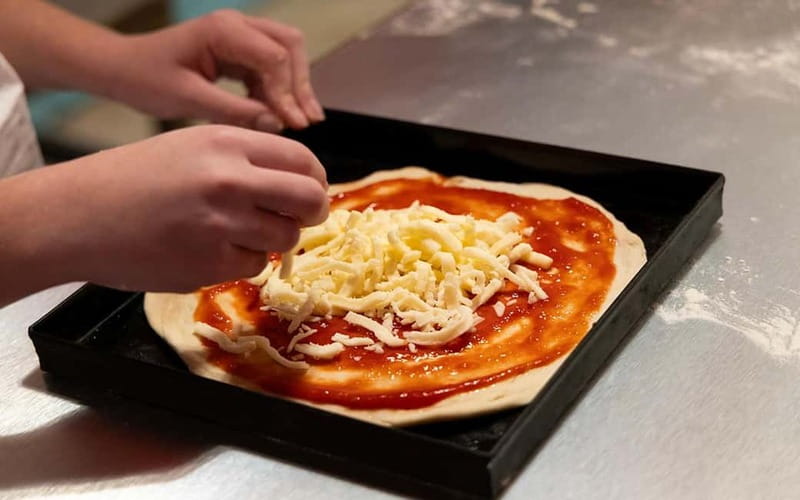
This is one of the better Rome food activities for families because the work is physical and clear. Children can mix, shape, decorate, and watch the food become dinner. They do not need advanced cooking skills, and the chefs have shown patience with different abilities.
The feedback includes families with young children and an 11-year-old who ranked the class above the other activities on a five-day trip. That is a strong clue about the energy of the session. It is not a quiet tasting where children must sit still while an adult explains regional food for an hour.
Parents should still consider the three-hour length. Young children may enjoy the pizza portion but lose interest during explanations or shared tiramisu preparation. A friendly chef can help, but the class is not advertised as a child-care activity. You know your own family’s attention span best.
Couples and adult groups should enjoy it too. The pace allows you to learn, laugh, eat, and compare your pizzas without needing culinary confidence. It is a good choice when you want a break from churches and museums but still want something distinctly Italian.
How this compares with a standard Rome meal
A restaurant meal is easier. You sit down, order, and let someone else handle the flour. This class asks you to spend time and attention, but gives you a story to take home along with dinner.
The food is also more personal. Even a simple pizza feels different when you have mixed the dough, learned about flour, and watched the chef correct the texture. The tiramisu carries the same benefit: you understand more about the cream and the role of fresh ingredients instead of simply receiving a finished portion.
The trade-off is comfort and efficiency. If you are exhausted after a long sightseeing day, three hours of cooking may feel like work. If you want a fast meal before an evening event, choose a restaurant instead. But if you want a relaxed activity with food built in, the $65 price is reasonable.
I would not book this for advanced culinary training. The class is designed for beginners and mixed abilities. Its strength is friendly instruction, not technical depth or restaurant-level certification.
Practical tips before you book
Reserve this class early if your Rome dates are fixed, especially if you want a particular afternoon or evening. The group limit is 12, and the most useful feature of the format is the personal help that becomes harder to provide in a full room.
Plan your day around the meal. Have a light lunch if the class starts in the afternoon, and avoid scheduling a major dinner immediately afterward. You receive water, a drink with the meal, and a digestif or coffee, but extra food and beverages cost more.
Arrive at Via Giuseppe Zanardelli 14 with enough time to find the entrance. One person had trouble after arriving late because the class assignment was not checked clearly. That was an isolated practical problem, but it is a good reason to confirm your class time and group before the start.
Cancellation is flexible: you can cancel up to 24 hours in advance for a full refund. You can also reserve now and pay later, which helps if your Rome schedule is still changing.
Who should book this pizza and tiramisu class?
You should book it if you want:
- A hands-on food activity rather than a demonstration
- A family-friendly break from sightseeing
- A meal, drinks, and entertainment in one three-hour experience
- Beginner-level help with pizza dough and tiramisu
- A small group with English instruction
- A social evening that works for couples, families, and solo visitors
You may want something else if you prefer a private cooking lesson, advanced fermentation advice, or a quick meal. The class is also less appealing if you dislike shared activities or want complete control over every stage of dessert preparation.
The overall rating is 4.8 from 144 reviews, and the repeated praise centers on the same points: kind chefs, clear explanations, patient help, good food, and strong value. That consistency is encouraging, though the exact chef and class rhythm can vary.
Should you book it?
Yes, I would recommend this class to most first-time visitors who want to connect with Rome through food. The $65 cost is fair because it combines instruction, a full meal, drinks, and a small-group social setting.
Book it especially for children, couples, or a relaxed evening between major sights. Go in expecting an enjoyable beginner workshop, not a professional cooking course. Bring an appetite, listen closely during the dough lesson, and write down the recipe as you go if you plan to recreate the pizza at home.
FAQ
Where does the cooking class meet?
The meeting point is Via Giuseppe Zanardelli 14 in Rome.
How long does the experience last?
The cooking class lasts three hours. Available start times should be checked when booking.
What food do I make?
You make Roman-style pizza and classic tiramisu. The chef explains techniques and the importance of fresh ingredients, flour, and dough consistency.
Are drinks included?
Yes. The class includes a glass of wine or a non-alcoholic beverage, plus limoncello or coffee. Water is provided throughout the experience.
Is the class suitable for children?
Yes. The class has been enjoyed by families with young children, and the instruction is designed for different ability levels. It remains a three-hour activity, so consider your child’s attention span.
Can I cancel the booking?
You can cancel up to 24 hours in advance for a full refund. Reserve now and pay later is also available.
Newly added around Rome
- Rome: Painting Class with Unlimited Wine★ 4.8 · 109 reviews
- Rome: Trionfale and Prati Food and Wine Tasting Tour★ 4.8 · 115 reviews
- Rome: Vatican Street Food and Wine Tour with Farmers Market★ 5.0 · 37 reviews
- Rome: Testaccio Food & Market Tour with Pasta & Wine★ 5.0 · 38 reviews
- Rome: Trastevere Food Walking Tour with Beer and Wine★ 4.9 · 71 reviews
- Rome: Trastevere Wine Tasting with Food Pairing and Gelato★ 4.9 · 168 reviews
- Rome: Pasta Making Class with Tiramisu & Wine PRIVATE OPTION★ 4.8 · 404 reviews
- Rome: Private Guided Golf Cart Tour with Gelato or Wine★ 4.9 · 338 reviews
Cooking Classes, compared.
Pasta & Tiramisu Cooking Class with Unlimited Wine
Read our review →
Pasta Making Class with Wine, Limoncello, and Dessert
Read our review →
Cooking Class Pasta & Tiramisu Making Unlimited Wine
Read our review →
Fettuccine & Tiramisù: Cooking Class with Wine & Limoncello
Read our review →
Pasta Making & Wine Tasting with Dinner in Frascati from Rome
Read our review →
Rome Cooking Class: Make Pasta, Dine & Drink Wine With Local Chef
Read our review →Browse the lists this tour appears in