
REVIEW · CHAMPAGNE TOURS
Passy-Grigny: Chocolate and Champagne Tasting Tour
Champagne tastes better with a story. This 90-minute visit to Champagne Dom Caudron offers two things I especially like: a clear English tour of Champagne production and a thoughtful tasting of three Champagnes with three chocolates. The main drawback is location, since Passy-Grigny is difficult to reach without a car or taxi.
The setting also gives you a break from the larger Champagne houses in Reims and Épernay. You see a working production site tied to the Marne Valley and learn about the Meunier grape, rather than simply admiring polished cellars. At $32 per person, it is a strong value, though anyone wanting a longer, more detailed visit may find the tour a little brief.
Key points to know before you go
- A small-village Champagne story: The visit takes place in Passy-Grigny, in the Marne Valley, at the home of Champagne Dom Caudron.
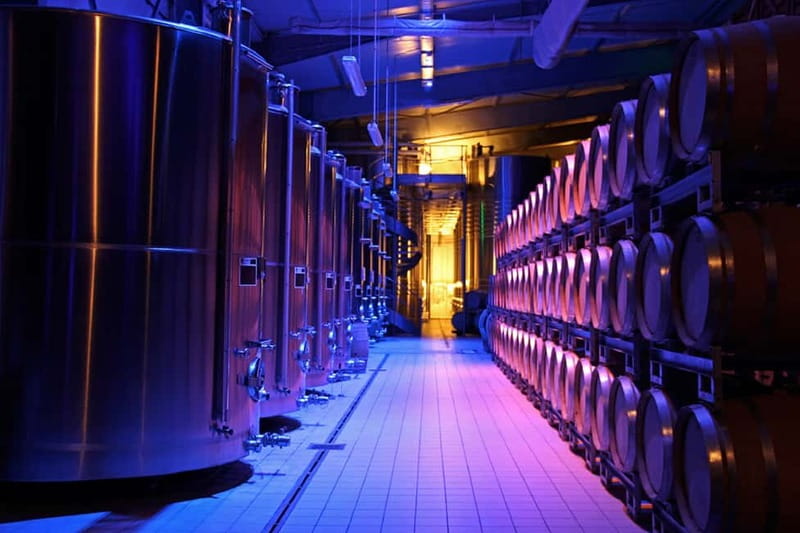
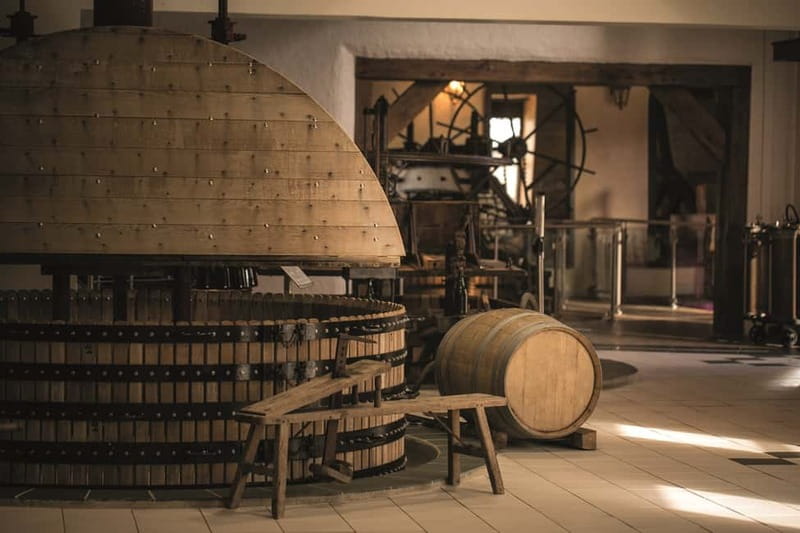
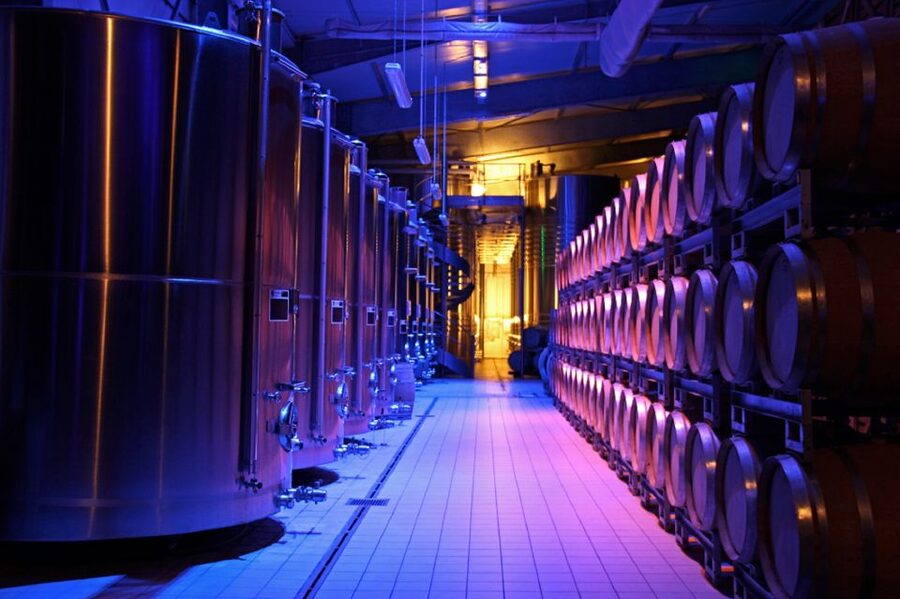
- A practical production tour: You follow the process from the first press used by local vine growers to the modern vat house.
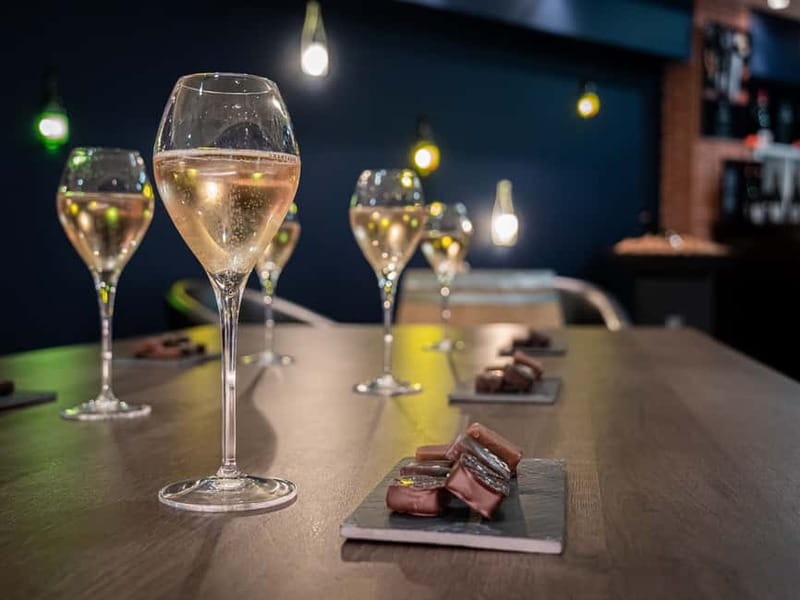
- Three pairings at the end: The tasting includes three Champagnes matched with three chocolates, plus juice for children.
- Strong English guiding: Guides such as Clémentine, Fanny, and Katja have been praised for warm, clear presentations.
- A useful alternative to major houses: The visit focuses more on production than grand-brand history, making it a good change from tours in Reims.
- Plan transport carefully: Public transportation is not available to the site, so driving or arranging a taxi service matters.
A Champagne house rooted in Passy-Grigny
Champagne Dom Caudron is in Passy-Grigny, a village in the heart of the Marne Valley. That matters because this is not just a tasting room placed in a famous wine region. The house is tied to local growers and to the development of the Meunier grape, one of Champagne’s three main varieties.
The story begins in 1929, when priest Aimé Caudron brought the village winemakers together around a shared idea. The result became associated with Meunier, a grape that is especially important in the Marne Valley. You do not need prior wine knowledge to follow the story. The guide explains how local growers, pressing, fermentation, and modern production fit together.
I like this local focus. In Reims and Épernay, the famous names can sometimes take over the experience. Here, you get a closer look at how a village-based Champagne house operates. The tone is less about prestige and more about the work behind each bottle.
The setting also gives you a chance to see a different part of the Grand Est region. Passy-Grigny is not presented as a major city attraction. It is a rural stop that works best as part of a day exploring the Marne Valley by car.
More Champagne Tours in France:
- From Paris: Day Trip to Champagne with 8 Tastings & Lunch
★ 4.8 · 1,501 reviews - Champagne Day Trip with 6 Tastings, Reims and Winery from Paris
★ 5.0 · 902 reviews - From Reims: Champagne and Family-Run Wineries Tour
★ 4.8 · 671 reviews
What happens during the 75-minute guided visit
The main guided portion lasts about 75 minutes, followed by the tasting. The precise balance can vary, but you should expect a structured explanation rather than a quick sample at the counter.
Your guide introduces the origins of the house and then explains the Champagne-making process. The visit takes you from the first press used by the Passy-Grigny vine growers to the current modern vat house. That contrast is useful because it connects older village methods with present-day production.
You may also watch a short film about the harvest and production process. It helps put the machinery and cellar work into context, especially if this is your first Champagne tour. One useful point from the experience is that the visit shows a modern working production house, not just a traditional display built for tourists.
The tour focuses more on production than on a long account of famous Champagne families or brand history. If you have already visited houses such as Taittinger, you may notice the difference. This is a practical look at how Champagne is made, from grape pressing through bottling and the stages that follow.
The guide is an important part of the experience. Clémentine has been singled out for her friendly and lively approach, while Fanny and Katja have also received praise for their presentations and tasting service. Names and staffing can change, but the consistent strength of the tour is the guide’s ability to explain technical points in plain English.
You can ask questions during the visit. That is useful because Champagne production includes several steps that can sound confusing when presented too quickly. A good guide can explain why the press matters, how the wine moves through production, and how the final bottle reaches the tasting table.
The Meunier grape and the local story
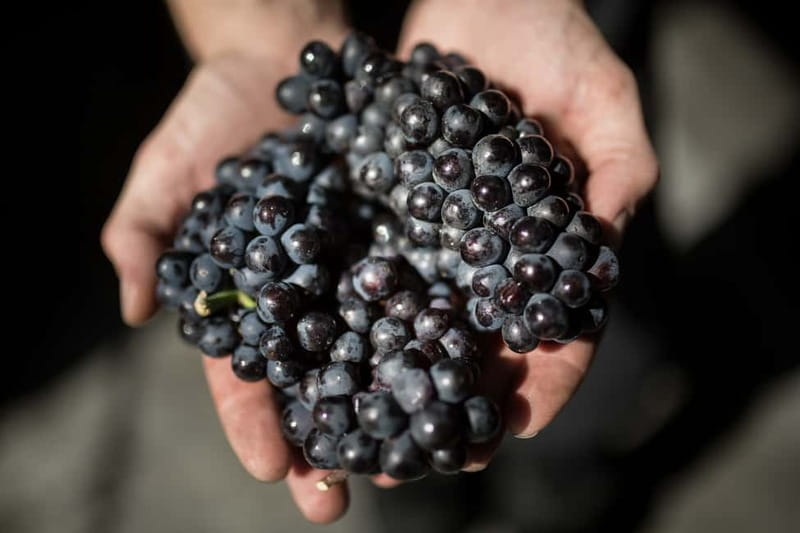
The Meunier grape gives this visit a clear regional identity. Champagne is often introduced through Chardonnay and Pinot Noir, but Meunier plays a major role in the Marne Valley. The house’s connection to Aimé Caudron and the growers of Passy-Grigny gives you a reason to pay attention to this less famous variety.
The story is not treated as an abstract wine lesson. It is tied to the village and to the growers who worked together in 1929. That makes the visit more useful than a generic explanation of grape types. You begin to understand how a cooperative or village-based approach can support local producers.
I would not book this tour expecting an academic wine seminar. The information is designed for curious beginners as well as people who already know Champagne. That balance works well for mixed groups, including families and couples with different levels of wine interest.
A short film is part of the presentation. One part of it may feel slightly dated, particularly in how it presents the workforce behind production. That does not ruin the visit, but it is worth knowing if you expect every element to feel newly produced.
Three Champagnes and three chocolates
The tasting is the payoff, and it is more interesting than a standard Champagne sample. You taste three different Champagnes, each paired with one of three chocolates. The combinations give you a chance to compare the wines and see how sweetness, bitterness, creaminess, and bubbles affect one another.
Chocolate and Champagne are not an obvious match for everyone. That is part of the fun. The pairing turns the tasting into a small experiment rather than three glasses served without context. You can notice how the chocolate changes the way the Champagne feels, and how the wine cuts through the richness of the chocolate.
The tasting is generous enough to make the $32 price feel reasonable, especially when combined with the guided production visit. Several people have found the Champagne very good and the chocolates particularly enjoyable. The tasting is not a substitute for a full wine course, but it gives you a clear introduction to the house’s products.
Children are not left out. Juice is offered to young visitors, which makes the experience easier for families. One family even enjoyed a bottle-opening demonstration using a sabre, an entertaining extra that may be offered depending on the guide and circumstances. I would not count on that demonstration as a guaranteed part of the booking, but it shows the relaxed spirit of the visit.
The tasting may also tempt you to take bottles home. One couple visited before another appointment in the region and left with several bottles of Dom Caudron. If you are driving, this can be a convenient way to add local Champagne to your trip.
More Sweet Stops in France:
- Private Montmartre Food Tour with Wine, Cheese & Pastries
★ 5.0 · 1,027 reviews - Le Marais Walking Food Tour with Cheese, Wine & Pastries
★ 4.7 · 339 reviews - Libourne: Winery Tour with Wine and Chocolate Tasting
★ 4.9 · 74 reviews - Bordeaux Afternoon Food Tour : Sweets, Wine and Cheese
★ 5.0 · 38 reviews
Why the smaller setting can work better
The biggest appeal here is the scale. Some large Champagne houses offer impressive rooms and polished presentations, but they can also feel standardized. Champagne Dom Caudron gives you a more personal look at a modern production house connected to local growers.
That does not mean every part is intimate or private. The experience is still a scheduled group visit, and the exact atmosphere depends on the day. One visitor described the tour as feeling almost private, but you should treat that as a possibility rather than a promise.
What you can count on is a more direct connection between the village, the growers, and the finished bottle. The guide’s personality adds warmth. Clémentine, Fanny, and Katja have all been praised for making the information friendly rather than stiff.
I also like the balance between explanation and tasting. The visit does not spend the entire time talking at you. Nor does it rush through the production process to reach the glasses. The 75-minute tour gives enough room for the machinery, the local story, the film, and questions before the tasting begins.
The limitation is length. One person found the tour informative but shorter than expected, lasting just over an hour. The advertised activity lasts 90 minutes, but the exact timing can vary. If you want several hours of cellar exploration, vineyard walking, or an extensive technical tasting, choose a longer Champagne experience.
Getting to Passy-Grigny
Transport is the one practical issue you should solve before booking. The meeting point is at Champagne Dom Caudron, 10 Rue Jean York, and public transportation is not available to the site according to the supplied visitor information.
Driving is the simplest option. It also lets you explore the surrounding Marne Valley villages and vineyards at your own pace. If you are staying in Reims or Épernay, plan the journey carefully and allow time to find the property before your booked start.
A taxi or ride service such as Uber or Bolt may be another option, but availability can vary in rural areas. Do not assume you can arrange a last-minute return ride easily. If you are drinking, decide on your return plan before the tasting.
The meeting point and drop-off are both associated with the Dom Caudron address, though the exact meeting arrangement may depend on the option you choose. Check the booking details before leaving your hotel.
The house is wheelchair accessible, which is helpful for visitors who need step-free access. Still, you may want to confirm any specific mobility needs in advance, since the supplied information does not describe every surface or route inside the facility.
Is $32 a fair price?
At $32 per person, I see this as good value if you want both education and tasting. You receive a guided tour in English or French, an explanation of Champagne production, three Champagnes, and three chocolates. The price is especially fair compared with a simple tasting where you pay mainly for the glasses.
It is also good value for a short visit between other activities. The 90-minute format fits neatly into a day in the Marne Valley, and the tasting adds a distinct feature that many standard Champagne tours do not offer.
The value drops slightly if your main goal is a long cellar tour or a detailed comparison of many wines. Three Champagnes are enough to introduce the house, but not enough for a serious tasting course. You are paying for a compact, well-rounded visit rather than a full afternoon program.
Flexible booking terms help if your plans are uncertain. You can reserve and pay later, and cancellation is allowed up to 24 hours before the activity for a full refund. Check the selected date and starting time, since availability varies.
Who will enjoy this tour most?
I would recommend it to first-time Champagne visitors who want a clear explanation without a full-day commitment. It also suits people who have already toured Reims or Épernay and want to see a smaller house in a village setting.
Families may find it easier than expected. The tour is not built only around drinking, and juice is offered to children. The chocolate element gives younger visitors something to look forward to, while the production equipment and bottle-opening demonstration can add a little theater.
It is also a good fit for couples who enjoy food pairings. The Champagne and chocolate combination is the main feature that gives this visit its own identity.
I would be more cautious if you dislike driving, need easy public transport, or want a very long tour. The rural location is part of the charm, but it also creates the main inconvenience. And if your priority is a grand brand story, another house in Reims may suit you better.
A practical booking checklist
Before you reserve, I would check four things:
- Confirm that your chosen departure is in English if needed. French tours are also available.
- Arrange a car, taxi, or ride service before you arrive.
- Allow about 90 minutes for the full experience, not just the guided portion.
- Leave room in your luggage or car if you might buy bottles.
The experience has earned a 4.8 rating from 284 reviews, with praise focused mainly on the guides, clear production explanations, Champagne quality, chocolates, and value. That pattern makes sense: the tour succeeds because it combines a useful lesson with a pleasant tasting, rather than relying on scenery or a famous label alone.
Should you book Champagne Dom Caudron?
Book this tour if you want a friendly, well-priced introduction to Champagne production with a memorable chocolate pairing. I especially like it for families, first-time visitors, and anyone using a car to explore the Marne Valley.
Skip it if you need public transportation, expect a long cellar visit, or prefer a major house with a stronger emphasis on brand history. For most visitors with 90 minutes to spare, though, Champagne Dom Caudron offers a satisfying local experience and a good reason to taste Champagne a little differently.
FAQ
Where does the Champagne and chocolate tour take place?
The experience takes place at Champagne Dom Caudron, 10 Rue Jean York, in Passy-Grigny, Grand Est, France.
How long does the experience last?
The full activity lasts about 90 minutes. The guided visit itself is listed as approximately 75 minutes, followed by the tasting.
Is the tour available in English?
Yes. The tour is offered in English or French, with a live guide.
What is included in the tasting?
You taste three Champagnes paired with three chocolates. Juice may be offered to children.
How many Champagnes will I taste?
The tasting includes three different Champagnes.
Is the site wheelchair accessible?
Yes, the experience is listed as wheelchair accessible.
Can I cancel if my plans change?
Yes. You can cancel up to 24 hours in advance for a full refund. You can also reserve now and pay later.
Newly added around France
- Saint Emilion Full Day Wine and Bike Tour★ 5.0 · 167 reviews
- Luxurious full day Bordeaux wine tour in a Tesla★ 4.5 · 31 reviews
- Private Bordeaux History Tour with a glass of Bordeaux wine.★ 5.0 · 28 reviews
- Private – Best of Bordeaux Walking Tour + Glass of Bordeaux Wine★ 5.0 · 240 reviews
- Wine Masterclass & Cheese Tasting Workshop in Bordeaux★ 5.0 · 29 reviews
- Bordeaux wines tasting workshop including Food & Wine pairings★ 5.0 · 31 reviews
- Bordeaux Wine Masterclass: Blending workshop with appetizer★ 5.0 · 113 reviews
- Medoc Afternoon Wine Tour – 2 Wineries, tastings & delicacies★ 4.5 · 74 reviews
Champagne Tours, compared.
Day Trip to Champagne with 8 Tastings & Lunch
Read our review →

Private Boat Ride in Miami with Experienced Captain and Champagne
Read our review →

From Las Vegas: Grand Canyon Helicopter Tour with Champagne
Read our review →
2 Hour Champagne Sunset Cruise from Grace Bay, Providenciales (Adult Only)
Read our review →
Grand Canyon West Rim Helicopter Tour with Champagne Toast
Read our review →Browse the lists this tour appears in