
REVIEW · WINE TASTINGS
Barcelona Wine Tasting: Catalan and Spanish Wines
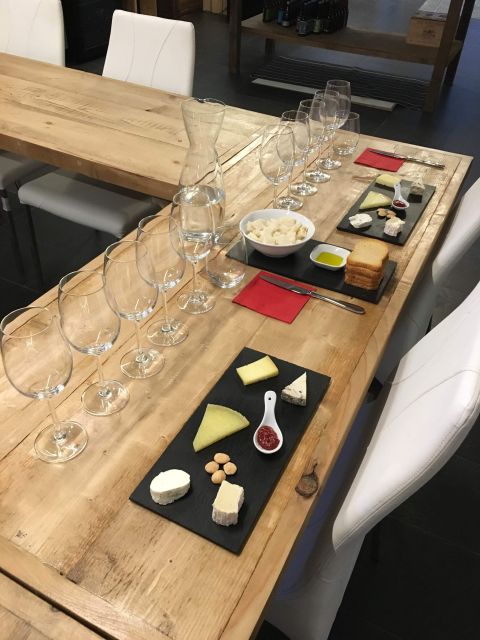
Wine makes a fine introduction to Barcelona. This 90-minute tasting gives you a friendly way to understand Catalan wine regions, Spanish grape varieties, and the basics of tasting without requiring previous experience. I especially like the five-wine format, which includes one sparkling wine, two whites, and two reds, and I like the relaxed setting near Barcelona’s Old Town and the Picasso Museum. The main consideration is the food: pairings are included, but the amount and style can vary by option, and one attendee felt the snacks could have been more generous for the price.
The $41 cost is fair for a central Barcelona activity that includes five regional pours, a sommelier, water, and food pairing guidance. You should arrive ready to participate, not simply sit back with a glass in hand. You will look, smell, taste, compare, and ask questions.
The experience is aimed at adults, and the instruction is in English. The guides have included Robert, Omar, Vivian, Vivien, and Christina, with repeated praise for their warmth, clear explanations, and ability to keep the group involved. Small groups of around 10 people have helped create an easy social mood, though the exact group size can change.
Key points at a glance
- Five Spanish wines in 90 minutes: Taste one sparkling wine, two whites, and two reds from Catalonia and other Spanish regions.
- A practical lesson, not just a tasting: Learn how to assess appearance, aroma, and flavor, along with basic food pairing ideas.
- Old Town location: The venue is in the heart of Barcelona, near the Picasso Museum, with big wooden doors marking the meeting point.
- Friendly, informal teaching: Guides such as Robert, Omar, and Vivian have been praised for answering questions and making beginners feel comfortable.
- Good value with one caveat: The price includes wine, water, and pairings, but the snack portion may feel light if you expect a full meal.
Starting behind the wooden doors in Barcelona’s Old Town
The meeting point is easy to identify: look for the big wooden doors. The tasting takes place in the center of Barcelona’s Old Town, and one description places it around the corner from the Picasso Museum. That makes this a useful activity to pair with a visit to the museum, the Gothic Quarter, or an evening meal nearby.
I like the location because it fits naturally into a day of sightseeing. You do not need to spend half your afternoon getting out to a vineyard. Instead, you can learn about wine close to the sights you already came to see.
The setting has been described as cozy, beautiful, and relaxed. Do not expect a grand winery or a formal cellar tour. This is a city wine bar style experience, where the focus is on tasting, conversation, and instruction.
The doors matter for another reason: the venue may not be obvious from the street. I would allow a few extra minutes to find the entrance, particularly if you are coming from a crowded Old Town street. The meeting instructions are simple, but the area has many lanes and busy corners.
More Wine Tastings in Barcelona
- Montserrat & Cogwheel Train, Gourmet Wine Tasting & Tapas/Lunch
★ 5.0 · 6,290 reviews - Barcelona E-Bike Small Group Tour with Tapas & Wine Tasting
★ 5.0 · 638 reviews - Montserrat,Vineyard, Wine Tasting Small Group Tour & Hotel Pickup
★ 5.0 · 513 reviews
The first glass: understanding Spain’s wine regions
The tasting begins with a broad look at Spanish wine. Your sommelier explains that Spain is not one single wine style, and that different growing regions produce very different results. The lesson connects the grapes, climate, soil, and local traditions to what you find in the glass.
This regional overview is one of the strongest reasons to book the experience. If you are new to Spanish wine, names from Catalonia and other parts of Spain can seem like a jumble. A guided comparison gives each bottle a place and purpose.
The focus includes Catalan wines, but the tasting also introduces wines from other Spanish regions. That wider view helps you see where Catalonia fits within Spain’s wine culture rather than treating it as an isolated subject.
The teaching is aimed at normal people, not wine professionals. I like that distinction. You do not need to know grape names in advance, and you will not be expected to describe a wine using grand, mysterious language. The guides explain the differences in plain English and invite questions.
Past hosts have included Robert, Omar, Vivian, Vivien, and Christina. The exact person leading your session will depend on the date, but the teaching style has generally been warm and conversational. Omar, in particular, has been praised for answering every question and making sure the glasses did not feel stingy. Robert has been singled out for his clear knowledge and friendly manner.
Looking, smelling, and tasting without the wine jargon
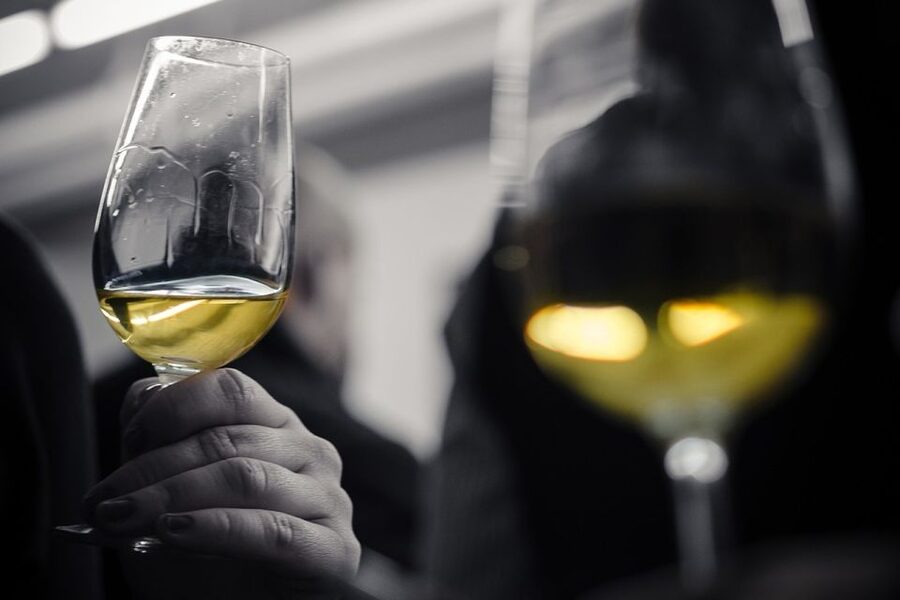
A useful wine tasting teaches you what to do with the glass. Here, you learn to look at the wine, notice its scent, and then taste it with more attention. That simple sequence can change the way you order wine later in your trip.
You may compare the color and clarity of the different wines before tasting them. The sparkling wine gives you a clear starting point, followed by white and red wines that show a wider range of aromas, weight, and flavor.
The sommelier also explains how to notice aromas. You might learn to identify fruit, floral, earthy, or herbal notes, but the point is not to guess a magic answer. The useful lesson is learning to slow down and notice what is already in the glass.
Several people who had little experience with tastings found the pace easy to follow. That is important. A session can become tiring when every sip turns into a lecture, but the strongest descriptions of this experience point to an informative yet casual rhythm.
The social side helps, too. Groups often include wine enthusiasts, curious beginners, couples, friends, and people marking a special occasion. The conversation is informal, and the guides have been praised for making everyone feel included.
Five wines, five chances to compare
The tasting includes five regional wines:
- One sparkling wine
- Two white wines
- Two red wines
The selection lets you compare styles instead of judging one bottle in isolation. A sparkling wine can show freshness and texture, while the whites let you consider differences in acidity, fruit, and body. The reds then add another set of aromas and sensations.
The exact labels and grape varieties can change, so I would not book this expecting one fixed bottle list. The value is in the guided comparison and the chance to try wines that may be unfamiliar to you.
The pours have often been described as generous. That is good news for anyone who wants to taste properly rather than receive a token splash. It also means you should pace yourself during the 90 minutes, especially if you are planning dinner or another drink afterward.
Water is included, and you should use it. Sip slowly, eat with the wine, and take the explanations in order. This is not a race to finish five glasses.
The tasting can also reveal your personal preferences. You may discover that you prefer a crisp white over a bold red, or that a sparkling wine works better with food than you expected. That kind of discovery is more useful than memorizing a list of grape names.
More Wine Tastings in Spain
- From Barcelona: E-Bike and Sailing Tour with Wine Tastings
★ 4.9 · 288 reviews - Barcelona: Montserrat Tour with Lunch & Wine Tasting Option
★ 4.6 · 286 reviews - Barcelona: Sailing Cruise & Vineyard Tour with Wine Tasting
★ 4.7 · 252 reviews - Wine Tasting Experience in Barcelona
★ 5.0 · 172 reviews
Food pairings make the lesson stick
Wine pairing is not treated as a separate extra. It is part of the teaching. You taste snacks with the wines and consider how the food changes what you notice.
This is where the experience becomes more practical. A wine can taste sharper, softer, fruitier, or more balanced when paired with something salty, creamy, or savory. Trying the same wine before and after a bite gives you a direct lesson that is easier to remember than a long explanation.
Depending on the option booked, the food element may be a snack pairing or a cheese-focused pairing with advice on matching wine and food. Cheese, olives, and traditional snacks have been part of some tastings, while cheese and charcuterie have appeared in others.
The cheese option sounds particularly appealing if you enjoy Barcelona’s food culture. One attendee described the local wines and artisanal cheeses as a memorable combination, while another appreciated the way traditional snacks changed the taste of the wine.
Keep your expectations realistic. This is a tasting accompaniment, not a full lunch or dinner. One person felt the snacks could have been more substantial for the price. If you arrive hungry, plan a meal before or after the session.
Food allergies can be discussed with the host. A past session handled several dietary needs successfully, but you should still communicate your requirements when booking rather than assume every option will be available.
A relaxed social setting, not a formal wine class
The tone is one of the best features. You sit with other people, taste together, and talk about what you are noticing. Several groups have bonded during the session and continued chatting afterward.
That makes this a good choice for solo visitors who want a social activity without committing to a full group tour. It also works well for couples, friends, and celebrations such as a hen party. One group of friends found the host particularly engaging, while another enjoyed the chance to talk with people from different countries.
The relaxed approach also benefits beginners. You can ask basic questions without feeling out of place. A good sommelier should make wine less intimidating, and the hosts have generally done that by explaining rather than showing off.
The small-group format has limits. A larger or fuller session may feel less intimate than a quiet tasting with six or eight people. On one occasion, a group became almost private because other participants did not arrive, but that should be viewed as luck rather than a feature you can count on.
The activity is offered in English, and English is the stated instruction language. If you need another language, this experience may not be the right fit.
What the $41 price really gives you
At $41 per person, this is not the cheapest way to drink wine in Barcelona. You could buy a bottle for less, but that would not give you the regional context, tasting guidance, or structured comparisons.
The price includes five regional wines, a sommelier guide, water, and a food pairing element. For a central Old Town activity lasting 90 minutes, I consider that reasonable, especially if you are curious about Spanish wine but do not have time for a day trip into the countryside.
The value is strongest if you are starting from scratch. You leave with a basic method for tasting and a better idea of what to look for when ordering wine in restaurants or shops.
The value is weaker if you already know Spanish wine well and expect rare bottles or a serious technical seminar. The session is an introduction, not a professional certification course. You are paying for access, explanation, and a pleasant social hour, not an extensive meal or a bottle to take home.
One practical limitation is that the tasting venue may not sell the wines you try. At least one person wished there had been an easier way to buy a favorite bottle afterward. The hosts can provide wine shop tips, and a nearby store was recommended to someone who wanted to take a bottle home, but purchasing wine is not listed as part of the activity.
Who should book this Barcelona tasting?
I would recommend it to:
- First-time visitors who want a gentle introduction to Spanish wine
- Beginners who feel uncertain about tasting vocabulary
- Couples looking for a low-key evening activity
- Solo visitors who enjoy meeting people over food and drink
- Groups planning a hen party or similar celebration
- Anyone staying near the Gothic Quarter or Picasso Museum
- Wine drinkers who want to compare Catalan wines with other Spanish styles
I would be more cautious if you want a full meal, a vineyard visit, or a highly technical class. You may also find the session less suitable if you dislike group conversation or do not drink alcohol.
The activity is not suitable for children under 18 or pregnant women. Since all instruction is in English, you should be comfortable following a spoken presentation in that language.
Cancellation is flexible up to 24 hours before the start time for a full refund, and you can reserve now and pay later. Those terms help if your Barcelona plans are still shifting, but the main decision is whether you want an educational tasting or simply a drink at a bar.
Should you book it?
Yes, if you want a convenient and friendly introduction to Catalan and Spanish wines. I like the five-wine structure, the practical tasting advice, and the chance to connect the wine with local snacks and cheese. The hosts have repeatedly been warm and clear, with Robert, Omar, Vivian, Vivien, and Christina all praised for making the experience feel easy rather than formal.
Book it early in your Barcelona stay if possible. You can use the tasting to guide later wine orders and shop visits. Just remember that the food is a pairing, not dinner, and that the bottles available may change.
At $41, this is a strong choice for curious beginners and a pleasant refresher for casual wine drinkers. It is less compelling for experts seeking rare labels or a vineyard setting. For most visitors, though, five wines and a useful lesson in the Old Town make good use of 90 minutes.
FAQ
How long does the Barcelona wine tasting last?
The tasting lasts 1.5 hours, or 90 minutes. Starting times vary, so you should check availability for your chosen date.
How many wines are included?
Five regional wines are included: one sparkling wine, two white wines, and two red wines.
Is food included with the wine tasting?
Yes. The experience includes a snack pairing or cheese-focused pairing and wine pairing advice, depending on the option you book. Water is also included.
What language is the tasting conducted in?
The instructor-led tasting is conducted in English.
Where is the meeting point?
The experience takes place in Barcelona’s Old Town. You should look for the big wooden doors at the meeting point. The venue has also been described as being near the Picasso Museum.
Can children attend the wine tasting?
No. The activity is not suitable for children under 18. It is also not suitable for pregnant women.
Newly added around Barcelona
- Wine Tasting Experience in Barcelona★ 5.0 · 172 reviews
- 2 Wineries Small Group Tour with Free Hotel PickUp from Sitges★ 5.0 · 83 reviews
- Barcelona: Guided Rooftop Wine Tasting – Enjoy 6 Spanish Wines★ 4.5 · 61 reviews
- Barcelona: Wine Tasting and 5 Course Tapas Pairing Dinner★ 4.5 · 129 reviews
- Barcelona Wine and Gourmet Tapas Tour★ 5.0 · 188 reviews
- Bohemian Barcelona Neighborhood Evening Tapas & Wine Tour★ 5.0 · 419 reviews
- Viticulture and Wine-Tasting 3-Hour Trip from Barcelona★ 4.5 · 59 reviews
- Barcelona Tapas & Wine Experience as a Local at Hidden Wineries★ 5.0 · 71 reviews
Wine Tastings, compared.
Douro Valley w/ Boat Tour, Wine Tasting & Lunch
Read our review →
Complete Douro Valley Wine Tour with Lunch, Wine Tastings and River Cruise
Read our review →

Small-Group Wine Tasting Experience in the Tuscan Countryside
Read our review →
Montserrat & Cogwheel Train, Gourmet Wine Tasting & Tapas/Lunch
Read our review →
Tuscany & Montepulciano Day Trip with Lunch & Wine Tasting
Read our review →Browse the lists this tour appears in