
REVIEW · MARKETS
Rome: Testaccio Food & Market Tour with Pasta & Wine
Taste Rome one bite at a time. This 3.5-hour walk through Testaccio combines 14 tastings at eight family-run spots with the neighborhood’s food traditions, market stalls, and local landmarks. I especially like the morning coffee and pastry, followed by a proper pasta lunch with wine. The main drawback is simple: you need to arrive hungry, and this is not a good fit for vegans, people with celiac disease, or anyone needing a wheelchair-accessible route.
I also like that the food comes with a sense of place. Your guide introduces you to market vendors, points out the old slaughterhouse area, and explains how Roman mealtimes work. Guides such as Aurelio, Silvia, Chiara, Mattia, Manuela, and Fernanda have been praised for making the walk feel personal and local, though the exact guide depends on your date.
Key points at a glance
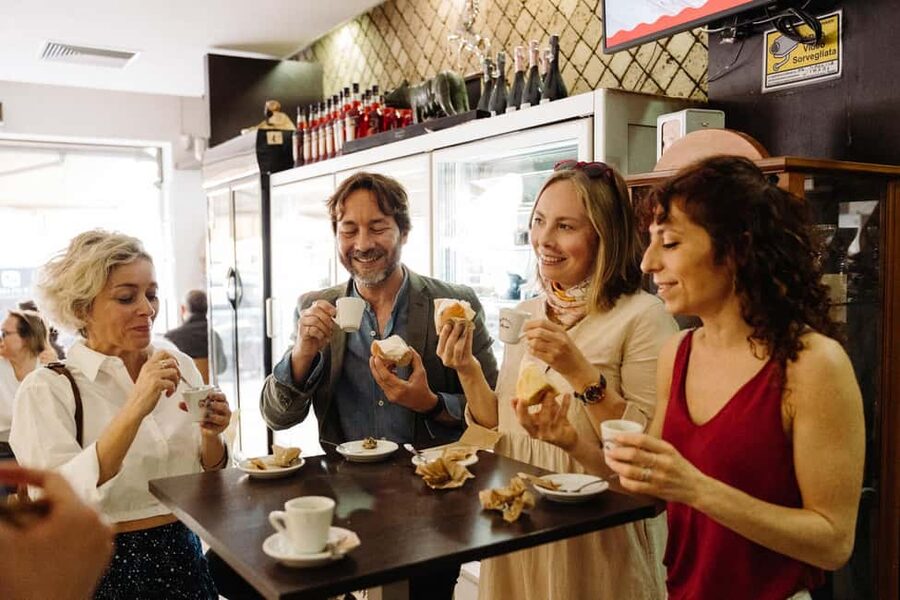
- Start with a true Roman breakfast: Coffee and pastries at Pasticceria Linari set the morning rhythm.
- Fourteen bites, eight family-run businesses: You sample pizza, vegetables, cheeses, cured meats, sandwiches, pasta, wine, and gelato.
- Testaccio Market is the heart of the tour: Meet vendors, taste fresh produce, and learn why some stalls have served the neighborhood for decades.
- Lunch is part of the lesson: A family-run trattoria provides pasta with local roots, red wine, and an introduction to Italian dining customs.
- History comes between the plates: The route includes an archaeological area, Monte Testaccio, and the former slaughterhouse district.
- Plan carefully for dietary needs: The tour is not suitable for vegans, people with gluten intolerance, or serious mobility limitations.
Why Testaccio makes such a good food stop
Testaccio is one of Rome’s best neighborhoods for understanding how food and daily life fit together. It feels more like a lived-in district than a checklist of ancient sights. The tour begins in Piazza di Santa Maria Liberatrice, close to the church and the Monumento ai Caduti di Testaccio.
That starting point matters. You are not being dropped into a generic food district. You are beginning in a local square, then walking through the streets with a guide who can connect the food to the neighborhood around it.
Testaccio’s identity grew around food, work, and the former slaughterhouse. The old slaughterhouse helped shape the modern district, while Monte Testaccio gives you a visible link to ancient Rome. Your guide uses these places to explain why Testaccio developed as it did, rather than treating history as a separate lecture.
I like this mix. You can learn about archaeology and urban life without spending three hours inside a museum. The food keeps the pace easy and social.
More Pasta Making in Rome:
- Rome: Pasta & Tiramisu Class with Fine Wine by the Vatican
★ 4.9 · 4,852 reviews - Rome: Pasta Making Class with Wine, Limoncello, and Dessert
★ 4.9 · 3,177 reviews - Learn to Make Pasta & Tiramisu with Wine and Limoncello Included
★ 5.0 · 2,345 reviews
Coffee and pastries at Pasticceria Linari
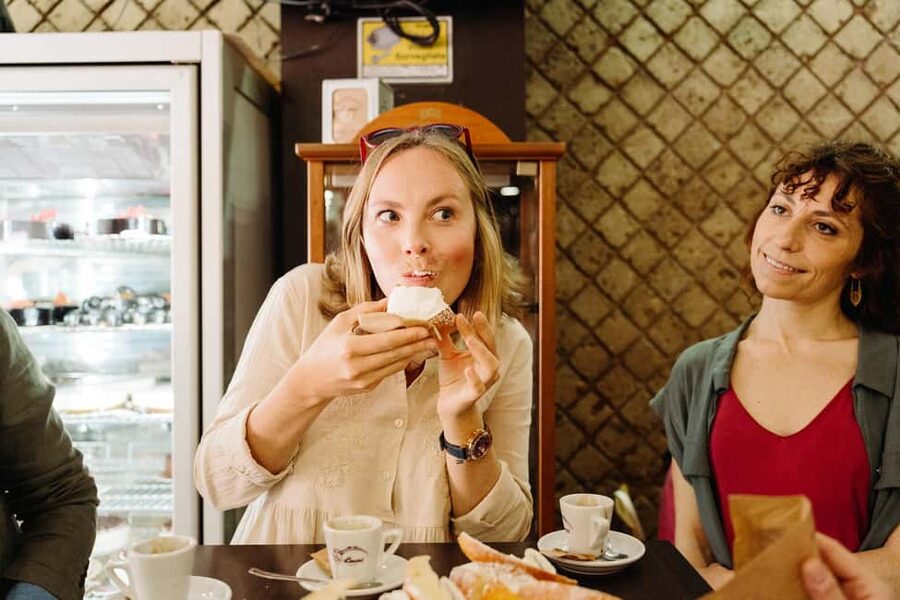
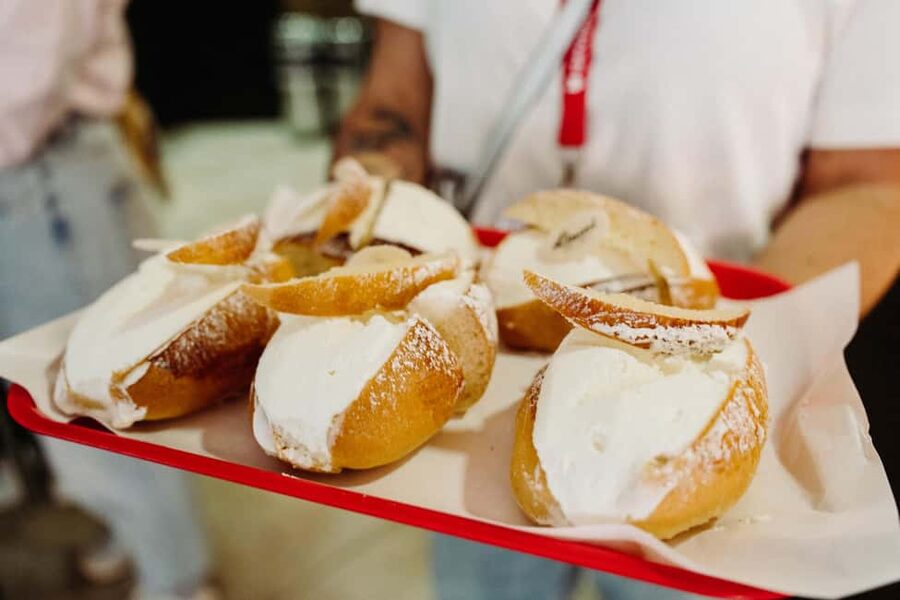
The first stop is Pasticceria Linari, where you have coffee and pastries for about 30 minutes. This is an important cultural opening, not just a way to fill your stomach. A Roman morning often begins quickly, with coffee and something sweet before the day gets going.
You will want to arrive with room to eat. One guest advised skipping breakfast before the tour, and that is sensible if you plan to enjoy every stop. The morning includes many small portions, but they add up fast.
This first stop also gives the group time to meet the guide and settle into the pace. Guides who know the neighborhood well can make the bakery feel like a gathering place rather than a staged attraction. Aurelio, Silvia, and Chiara were especially praised for their local connections and warm manner, while Mattia was described as a delight in a very small group.
The practical point is to pace yourself from the first coffee onward. You do not need to rush. The pleasure of this tour comes from tasting many things, not from treating each stop like a race.
Exploring Testaccio Market with the people who work there
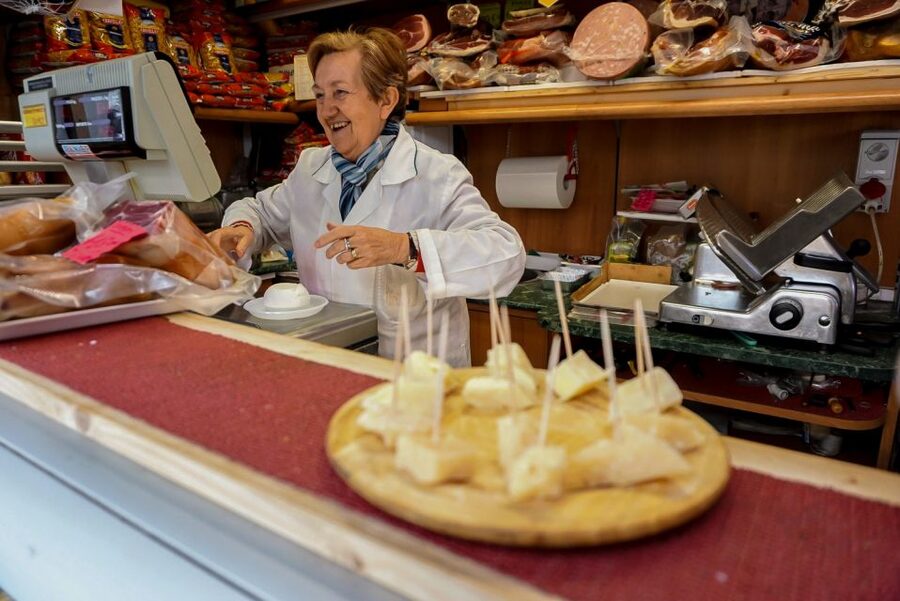
The market portion lasts about an hour and a half, making it the longest section of the tour. You visit market stalls and meet vendors, including some who have been in place for around 40 years. That gives the visit more depth than simply walking past colorful counters.
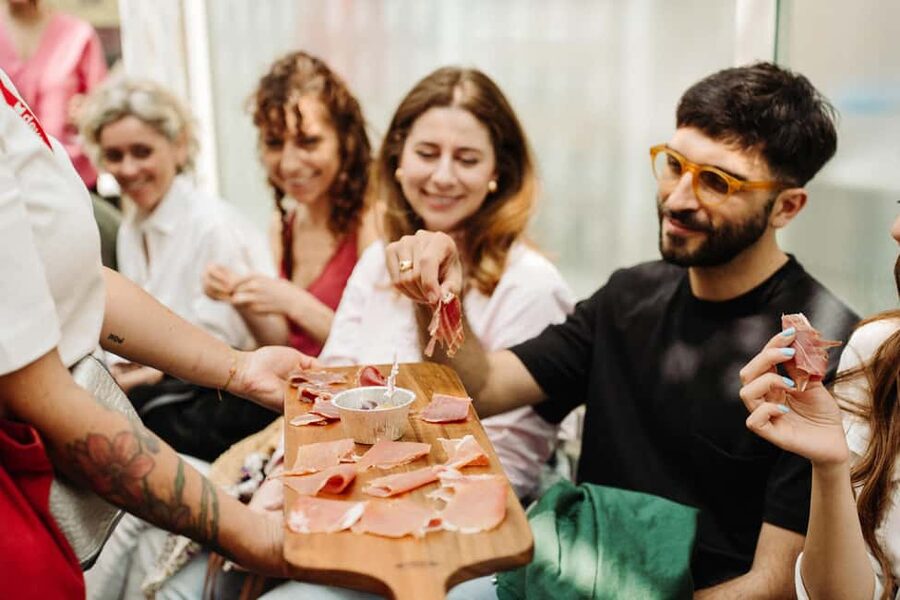
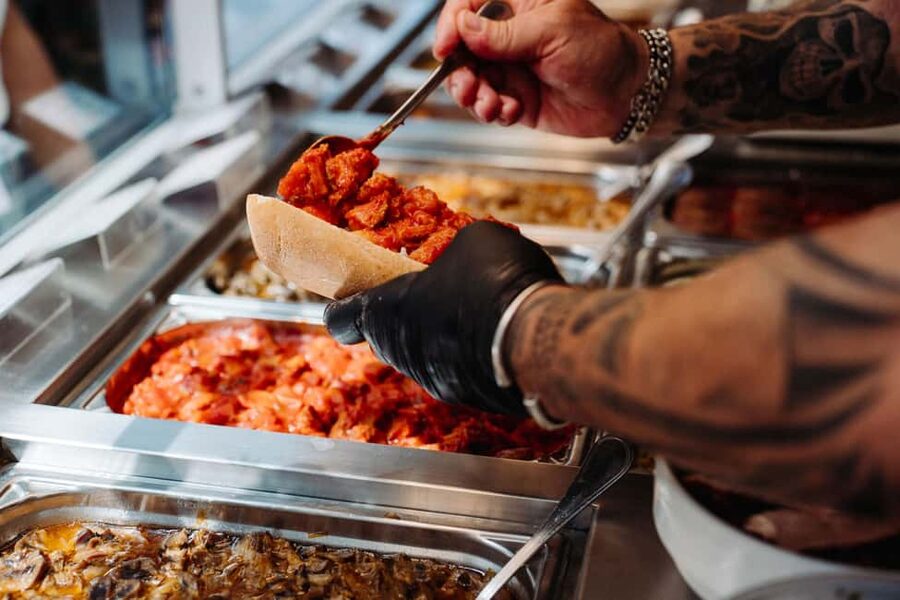
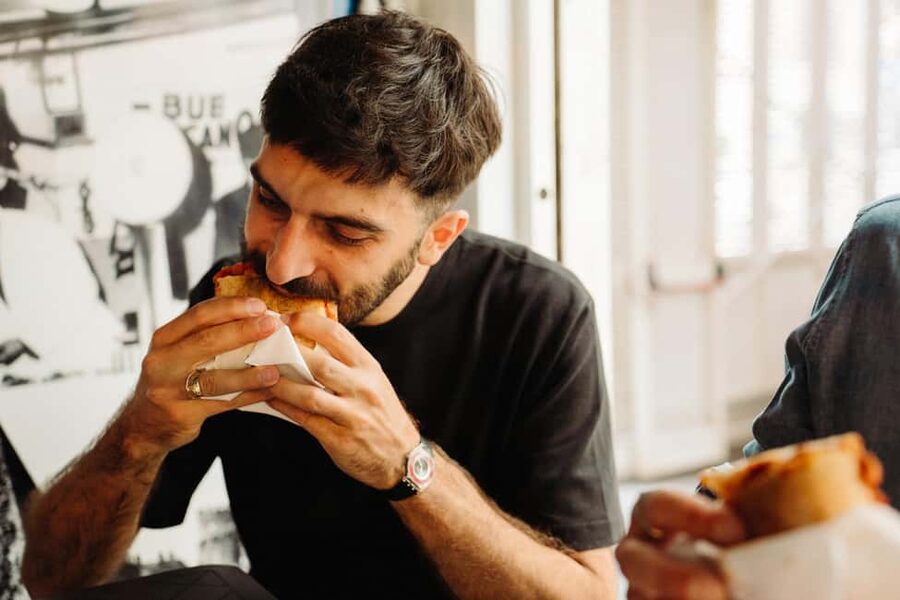
The tastings can include local pizza, farm-fresh vegetables, artisanal cheeses, cured meats, and a sandwich from a particularly popular stall. The exact order and selection can change, but the point is clear: you are sampling the food that makes up an ordinary Testaccio food culture.
I like the market stop because it gives you a useful reference for the rest of your time in Rome. You learn how Italian ingredients look before they are turned into a restaurant meal. You can compare the simple market flavors with the pasta and wine served later.
The market can also be the busiest part of the experience. You are walking, standing, and eating in an active public space, so it will not feel as calm as sitting down in a restaurant. Comfortable shoes are essential. A reusable water bottle is also a good idea, particularly in warm weather.
The strongest guides do more than name ingredients. They explain how the vendors work, introduce you to the people behind the stalls, and show why locals return. Silvia was praised for growing up in the area and having strong ties with vendors. Aurelio was singled out for his understanding of the produce and the people who sell it. That local connection is one of the tour’s biggest advantages.
Archaeology, lunch, and Roman mealtimes
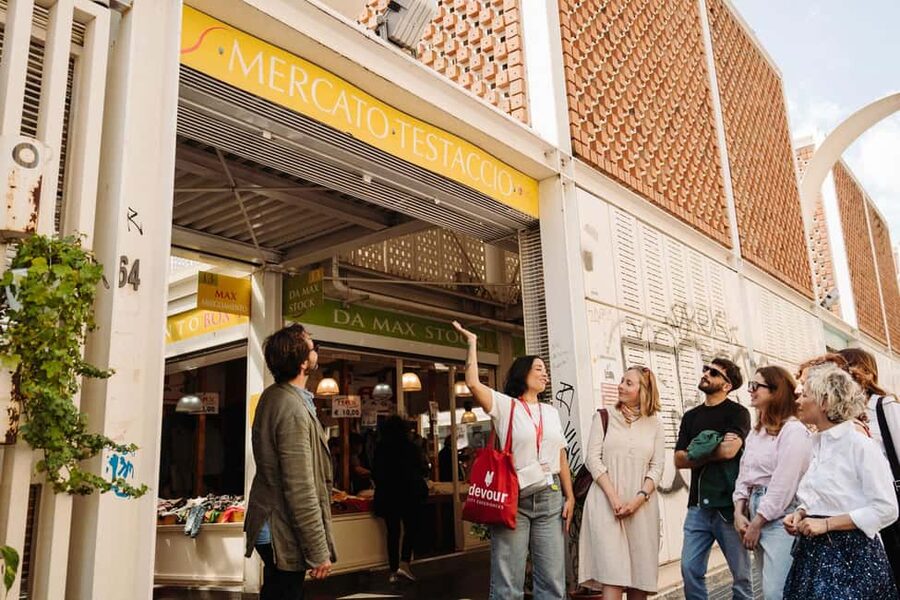
The route continues through the archaeological area near the new Testaccio Market, with about an hour set aside for food tasting and lunch-related stops. You then visit a family-run trattoria for pasta with local roots and Italian red wine.
This is the point where the tour shifts from grazing to a proper meal. You are not simply handed another sample and sent onward. The pasta gives you time to sit, eat, and ask questions. Your guide also explains Italian mealtimes, so you gain practical context for ordering and eating in Rome after the tour.
That lesson can be surprisingly useful. Italian meals follow their own rhythm, and a Roman lunch is not always built around the same expectations you may have at home. Even a short explanation can help you feel more comfortable in a traditional trattoria.
The wine tasting is included, but this is not described as a wine-focused tour. If your main interest is vineyards, regional vintages, or technical tasting notes, you will want a different experience. Here, the wine works as part of lunch and the neighborhood’s food traditions.
I find the lunch stop particularly valuable because it gives the tour a real midpoint. You can take a breath after the market, enjoy a full plate, and hear how local food fits into daily life. It also means you should not schedule a large meal immediately afterward.
More Food Experiences in Rome:
- Rome Food Tour: Unlimited Tastings with Fine Wine & Barolo
★ 5.0 · 3,365 reviews - Rome: Guided Food Walking Tour with Wine in Trastevere
★ 4.9 · 3,105 reviews - Rome: Trastevere Food tour with Free-Flowing Fine Wine
★ 5.0 · 2,853 reviews - Rome: Gourmet Food Tour with Dinner & Barolo Wine
★ 4.9 · 2,347 reviews
Monte Testaccio and the story under your feet
Monte Testaccio is a guided stop rather than a separate tasting. The mound is one of the route’s most unusual landmarks, and it helps connect the food-focused walk to Rome’s long past.
You also pass the archaeological area and the former slaughterhouse district. These stops explain why Testaccio became associated with food, trade, and working life. The guide’s role is important here, since the sites may not mean much if you only glance at them on your own.
This is one reason I prefer the tour to a simple market visit. You are not only eating your way through the neighborhood. You are learning how ancient sites, later industry, and modern family businesses share the same streets.
The historic material is presented between tastings, which keeps it approachable. You do not need to be an ancient Rome expert. You only need curiosity and a willingness to look up from your plate now and then.
Gelato at Brivido Gelateria
The final food stop is Brivido Gelateria, where you have a cup or cone of gelato. The gelato is made on site each morning, and you choose your flavors.
This is a pleasant finish because it gives you something sweet after the savory food, rather than ending with another heavy course. One especially memorable suggestion from the tour’s food selection was avocado gelato, which a participant called amazing. If it is available on your visit, it may be worth trying alongside a more familiar flavor.
The gelateria stop lasts about 15 minutes, so it is quick and informal. You will have time to enjoy your gelato, but not necessarily to linger for a long café break. That short stop also helps the group reach the final point at Piazza Testaccio on schedule.
The tour ends in Piazza Testaccio, not at the original meeting point. This is useful because you can continue exploring the neighborhood, find your way to another part of Rome, or simply take a break after several hours of eating.
How much food do you really get?
The tour includes 14 tastings across eight family-run establishments. That is a substantial amount for a 3.5-hour walk, especially when the day includes coffee, pastries, market food, a sandwich, cheese, cured meat, pasta, wine, and gelato.
Portions are presented as tastings, but the total should be treated as a full meal with extra bites around it. I would not plan breakfast beforehand, and I would keep dinner flexible. The experience works best when you can enjoy each stop without worrying about the next meal.
The range is also more useful than one large restaurant lunch. You get to compare textures and styles, see ingredients in their market form, and learn how the same food culture appears in bakeries, stalls, trattorias, and gelaterias.
There is a small tradeoff. You do not control every food choice as you would in a private tasting menu. The food selection may depend on what the businesses are serving that day. For most people, that is part of the local character. For strict diets, it can be a real limitation.
Guide quality and group atmosphere
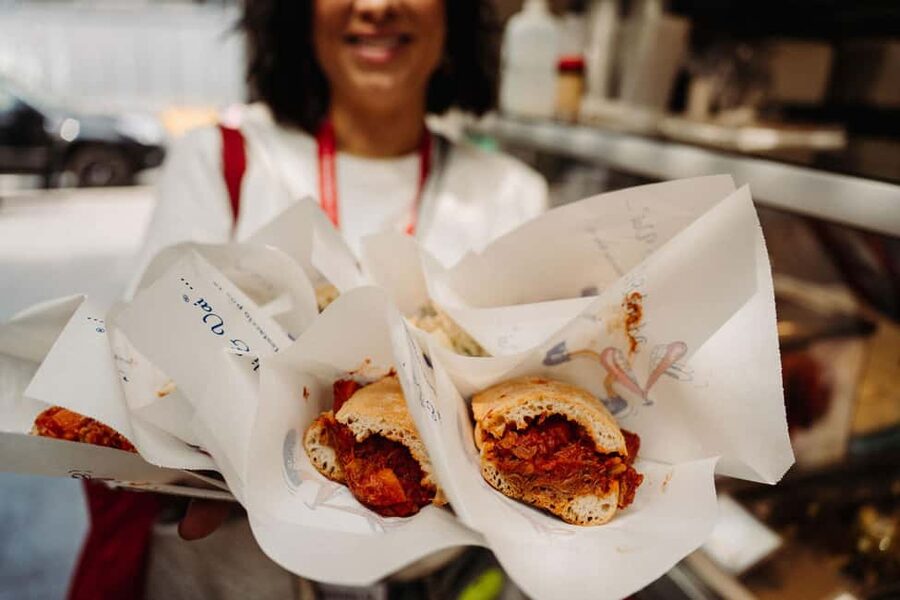
The guide can make or break a food walk, and this experience has earned strong praise for its hosts. Aurelio was described as excellent with local produce and vendors. Silvia was appreciated for her personal connection to the area. Chiara was praised for her enthusiasm and local color, while Manuela was credited with making people feel part of the Testaccio community.
Fernanda was also praised for linking local history with the food, and Mattia received warm comments for guiding a group of only three people. These details suggest that small groups do occur, though you should not assume every departure will have that size.
A small group makes it easier to hear explanations, ask questions, and move through market spaces. A larger group may feel less intimate, especially at crowded stalls. The exact atmosphere will depend on the departure and guide, but the route is designed around conversation rather than a silent checklist.
The tour is conducted in English. If you want an experience led in another language, this is not the right choice.
Price, time, and practical value
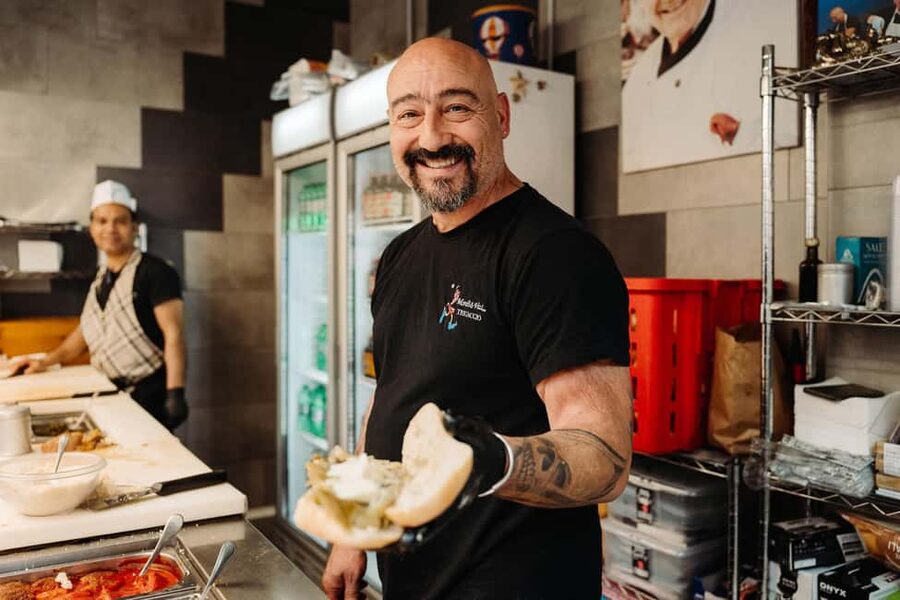
At $79 per person, the price is reasonable if you plan to eat your way through Testaccio anyway. You receive a 3.5-hour walking tour, 14 tastings, wine, a full pasta lunch, a local food guide, and visits to eight family-run establishments.
Buying every item separately would also take time and planning. More important, you would miss the introductions, the market explanations, and the connection between Testaccio’s food businesses and its past. The value comes from combining food with access and context, not just from counting bites.
The timing is also efficient. You start in the morning, visit the market, sit down for lunch, and finish with gelato. That makes the tour a strong choice early in your Rome stay, since you can return later to a market stall or restaurant you discovered.
There is no hotel pickup or drop-off. You need to reach Piazza di Santa Maria Liberatrice yourself and finish at Piazza Testaccio. Arrive 15 minutes early, find the monument near the church, and look for a guide carrying a red Devour Tours tote bag or sign.
Late arrivals are not accommodated, and no refund is provided for missing the start. Cancellation is free up to 24 hours before the tour, and you can reserve now and pay later.
Dietary and mobility limits you should take seriously
Contact the operator at booking if you have dietary restrictions or food allergies. The tour may be able to arrange some food needs, but serious allergies require an allergy waiver at the start.
This tour is not suitable for vegans. It is also not adaptable for celiac disease because of the risk of gluten cross-contamination. People with gluten intolerance are specifically advised not to book.
The route uses several areas that are not wheelchair or stroller accessible. The published guidance says wheelchair and stroller users should contact the operator to see if an alternative arrangement is possible, but the standard group tour is not suitable.
These are not minor details. With bread, pasta, pastries, pizza, and market samples central to the experience, food restrictions can affect much of the day. If you have a serious allergy or strict dietary requirement, get written confirmation before paying.
Who should book this Testaccio food tour?
I would recommend it to first-time Rome visitors who want a break from the Colosseum and Vatican circuit. It is also a good fit for repeat visitors who have already seen the major sights and want a quieter neighborhood with strong food traditions.
You should enjoy walking, standing, trying unfamiliar foods, and eating a lot in one morning. Families may like the variety, though the accessibility limits and long food schedule deserve careful thought. Solo visitors and couples can expect an easy way to meet others around a shared table.
I would skip it if you want a slow, private lunch, a wine education, or a fully customizable menu. I would also skip it if you cannot eat gluten safely, follow a vegan diet, or need a consistently wheelchair-accessible route.
Should you book it?
Book this tour if you want food, local context, and a neighborhood walk in one well-filled morning. The combination of breakfast, market tastings, pasta, wine, history, and gelato offers good value at $79, especially with guides who know the vendors personally.
The best tip is to arrive hungry, wear comfortable shoes, and contact the operator early about dietary needs. For an authentic taste of Testaccio, this is a strong choice. Just remember that the experience is generous with food and limited in flexibility.
FAQ
How long is the Testaccio food tour?
The tour lasts 3.5 hours and includes walking, market visits, tastings, lunch, wine, and gelato.
Where does the tour begin?
It begins in Piazza di Santa Maria Liberatrice, near the Monumento ai Caduti di Testaccio and the Santa Maria Liberatrice Church. Look for a guide with a red Devour Tours tote bag or sign.
Where does the tour finish?
The tour ends at Piazza Testaccio, 00153 Rome.
How many food tastings are included?
You receive 14 food tastings across eight family-run establishments.
Is lunch included?
Yes. The experience includes pasta at a family-run trattoria, Italian red wine, and a guide’s explanation of Roman mealtimes.
Is the tour suitable for vegans or people with celiac disease?
No. The tour is not suitable for vegans, people with gluten intolerance, or people with celiac disease because of gluten cross-contamination risks.
Can I join if I use a wheelchair or stroller?
The standard group tour uses areas that are not wheelchair or stroller accessible. Contact the operator before booking to ask about possible arrangements.
More Shopping Tours in Rome
- Paella Cooking Class, Wine Tasting & Central Market in Valencia
★ 5.0 · 1,150 reviews - Athens: Classic Cooking Class with Market Visit and Wine
★ 5.0 · 1,101 reviews - Tbilisi: Mtskheta Jvari Bazaar, Chronicles of Georgia & Wine
★ 5.0 · 1,088 reviews - Athens: Food Market Visit and Cooking Class with Wine
★ 4.9 · 1,087 reviews
More Market Visits in Rome
- Trevi Fountain, Pantheon, and Campo Dei Fiori Market Food and Wine Tour
★ 5.0 · 320 reviews - Rome: Pasta Cooking Class with Market Visit and Wine
★ 4.9 · 277 reviews - Rome: Vatican Street Food and Wine Tour with Farmers Market
★ 5.0 · 37 reviews - Bologna Food & Market Tour with 6 Tastings, Pasta, Wines & More
★ 5.0 · 1,328 reviews
Newly added around Rome
- Rome: Painting Class with Unlimited Wine★ 4.8 · 109 reviews
- Rome: Vatican Street Food and Wine Tour with Farmers Market★ 5.0 · 37 reviews
- Rome: Trionfale and Prati Food and Wine Tasting Tour★ 4.8 · 115 reviews
- Rome: Trastevere Food Walking Tour with Beer and Wine★ 4.9 · 71 reviews
- Rome: Trastevere Wine Tasting with Food Pairing and Gelato★ 4.9 · 168 reviews
- Rome: Pasta Making Class with Tiramisu & Wine PRIVATE OPTION★ 4.8 · 404 reviews
- Rome: Private Guided Golf Cart Tour with Gelato or Wine★ 4.9 · 338 reviews
- Rome: Trastevere Food and Wine Tasting Tour★ 4.9 · 54 reviews
Markets, compared.
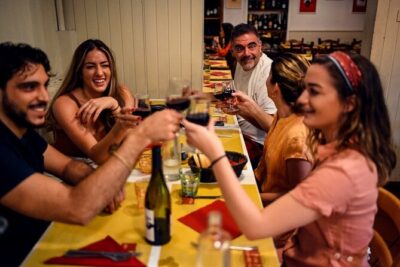
Bologna Food & Market Tour with 6 Tastings, Pasta, Wines & More
Read our review →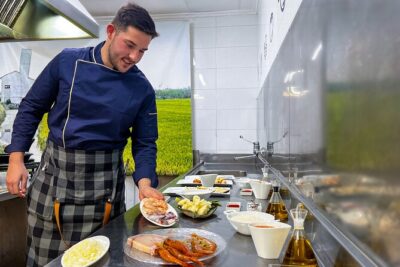
Paella Cooking Class, Wine Tasting & Central Market in Valencia
Read our review →
Classic Cooking Class with Market Visit and Wine
Read our review →
Mtskheta Jvari Bazaar, Chronicles of Georgia & Wine
Read our review →
Food Market Visit and Cooking Class with Wine
Read our review →
Mtskheta,Jvari,Bazaar,wine tasting,Chronicles of Georgia
Read our review →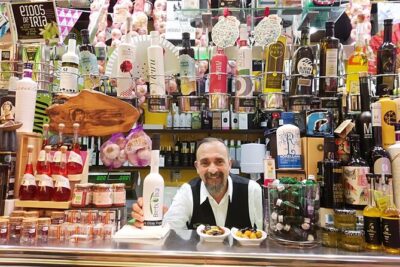
San Sebastian Pintxo Food, Wine & Market Foodie Tour(Small Group)
Read our review →
Budapest Cooking Class & Market Tour with Local Guide & Wines
Read our review →Browse the lists this tour appears in