
REVIEW · COOKING CLASSES
Tirana: Traditional Cooking Class with Wine & Raki Tasting
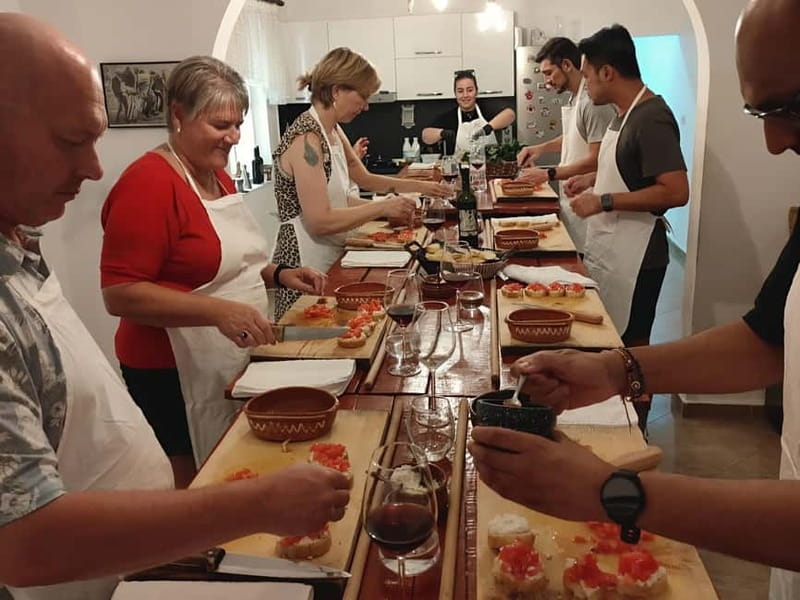
Come hungry, leave with Albanian recipes. This four-hour class in Tirana offers a friendly way to understand local food beyond restaurant menus, with a brother-sister team, family recipes, and a generous table of dishes to prepare and eat. I especially like the hands-on cooking and the chance to taste homemade wine and raki while you work. The main thing to consider is that you may help with only part of each dish rather than make one recipe from start to finish yourself.
The class costs $41 per person, which is strong value if you want a full meal, drinks, instruction, and a social evening in one package. I also like that the ingredients and equipment are ready when you arrive, so you can focus on cooking instead of shopping or finding kitchen supplies. It is not a sightseeing tour, and there is no hotel pickup, but for a rainy afternoon or a break from museums and city walks, it is an appealing choice.
Key points to know before booking
- Tave kosi is the star dish: Learn to prepare Albania’s famous baked lamb and rice dish, linked with Ismail Qemali, the country’s first prime minister.
- Lakror brings the pastry work: Make this Albanian specialty from scratch, with a filling such as spinach and cottage cheese.
- Sindi is the central host: She explains each stage clearly in English, keeps the mood relaxed, and pays attention to allergies and dietary preferences.
- The meal is substantial: Expect several courses, dessert, appetizers, local samples, homemade red wine, and raki.
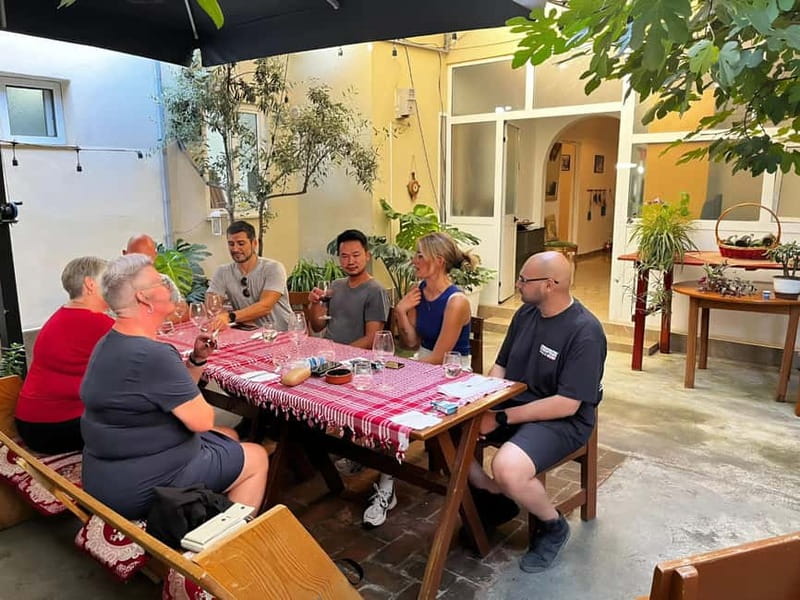
- The class is social by design: Group size can vary, from very small sessions to groups of around nine people.
- You receive the recipes: The dishes are simple enough for many beginners to recreate at home.
Why this class works so well in Tirana
Tirana is easy to enjoy through its cafes, markets, and grand central squares, but food gives you a more personal way into Albanian culture. This class connects cooking with family customs, hospitality, and the rules that guide Albanian kitchens.
The setting is family-run, and that matters. You are not simply shown a finished dish and handed a tasting plate. You meet the hosts, hear about recipes passed down through generations, and work with ingredients chosen for the meal. The hosts aim to use local, organic ingredients where possible, including garden herbs and vegetables, homemade wine, and homemade raki.
That family connection gives the class a warm tone. Sindi is repeatedly praised for making people feel at home, explaining steps patiently, and keeping everyone involved. She speaks English and has a good command of food terms, which helps when she is explaining textures, preparation methods, or the reason behind a particular cooking rule.
The class also suits people who are not confident cooks. Several participants with little cooking experience found the instructions manageable. You will still need to pay attention, but this is not a test of technical skill. It is more about learning a few useful methods, sharing jobs, and enjoying the finished meal.
More Cooking Classes in the world:
- Florence: Pasta Cooking Class with Unlimited Wine
★ 4.9 · 10,285 reviews - Florence: Pasta & Tiramisu Cooking Class with Unlimited Wine
★ 4.9 · 6,708 reviews - Florence: Pasta Cooking Class with Unlimited Wine
★ 5.0 · 6,413 reviews
Arriving to a prepared Albanian kitchen
You do not need to shop for ingredients or bring equipment. The cooking space is prepared before you arrive, with the ingredients and tools needed for the lesson. Clear directions to the meeting point are provided, but hotel pickup and drop-off are not included, so plan your own way there.
The class begins with introductions to the brother-sister team. This opening is more than a quick hello. You get some background on their family recipes and the food customs that shape the meal. That personal introduction helps explain why the class feels different from a standard demonstration.
Group size can change. Some sessions are intimate, with only three people, while others have included about nine. A smaller group gives you more room to ask questions and handle ingredients. A larger group can bring more conversation and make the meal feel like a shared international table, though you may spend more time taking turns.
The hosts try to ask about allergies, food intolerances, and vegan preferences before planning the dishes. You should still communicate your needs clearly when booking and again at the start. The menu may need adjustments, and the supplied information does not promise that every dietary request can be met.
Making tave kosi, Albania’s independence dish
The main lesson focuses on tave kosi, a baked dish of lamb and rice. It is often described as Albania’s national dish, and the class adds a useful historical detail: it became known as the Independence Dish because it was a favorite of Ismail Qemali, Albania’s first prime minister.
For you, the value is not only learning a recipe. Tave kosi shows how Albanian cooking can turn basic ingredients into something generous and comforting. Lamb, rice, and a creamy topping come together in a dish designed for a table, not a rushed snack.
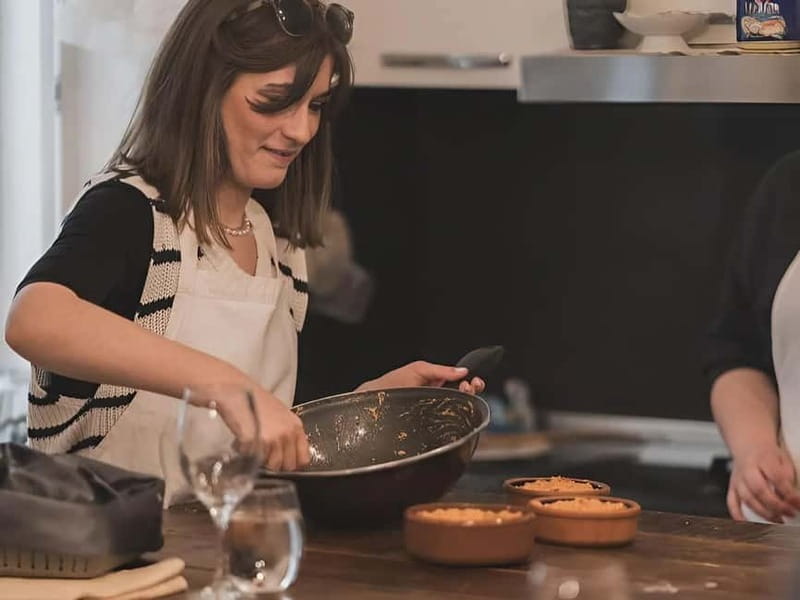
The process is explained step by step, with the group sharing tasks. You might prepare ingredients, mix components, or help with seasoning while another person handles the next stage. This team approach keeps the class moving and makes it easy for beginners, but it also means you may not complete every part of the recipe independently.
That is the main practical limitation of the lesson. If you want a private masterclass where you personally prepare every element from beginning to end, this may feel less exacting. If you want to learn the method, taste the result, and take home the recipe, the shared format works well.
Rolling out lakror from scratch
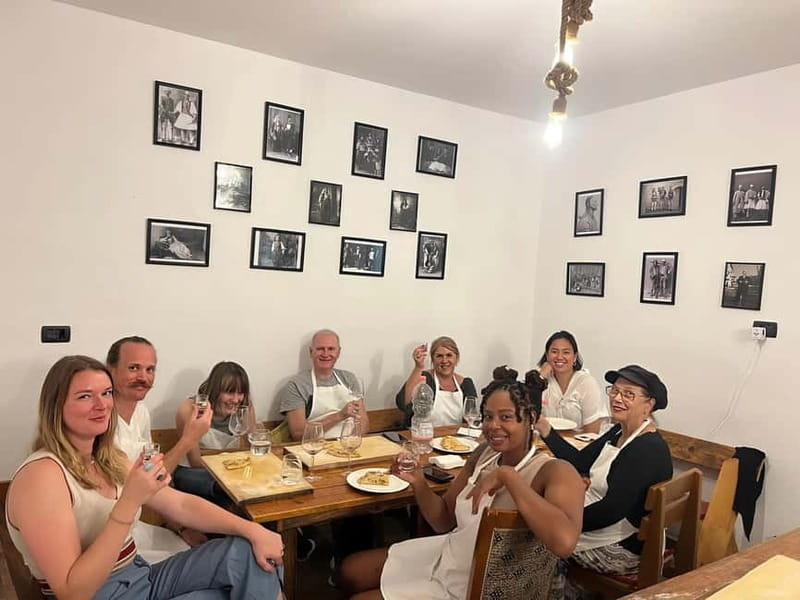
Lakror is presented as an Albanian version of byrek, and making it gives the class a different kind of cooking task. Instead of focusing only on a baked main dish, you work with dough and filling, learning how the pastry comes together.
One commonly served version uses spinach and cottage cheese. The ingredients are straightforward, but the preparation teaches practical skills, including handling dough and using a rolling pin. You do not need advanced technique, yet this is the part where you can feel the difference between buying pastry and making something by hand.
The class keeps the work approachable. Sindi demonstrates the steps, then guides the group as you follow along. She is also willing to explain small points that matter at home, such as how to whisk correctly or how to work the dough without making the process harder than it needs to be.
Lakror is a good choice for anyone who wants a recipe that can be repeated after the trip. It does not depend on rare ingredients or complicated equipment. You leave with instructions for the dishes, giving you a practical reminder of the afternoon rather than only a pleasant memory.
A few more wine tours around the world worth a look
- Rome: Pasta & Tiramisu Class with Fine Wine by the Vatican
★ 4.9 · 4,852 reviews - Rome: Pasta Making Class with Wine, Limoncello, and Dessert
★ 4.9 · 3,177 reviews - Florence: Cooking Class Pasta & Tiramisu Making Unlimited Wine
★ 5.0 · 2,234 reviews - Fettuccine & Tiramisù: Cooking Class with Wine & Limoncello
★ 4.9 · 2,103 reviews
Dessert, appetizers, and a very full table
The meal does not end with tave kosi and lakror. The class includes local appetizers and desserts, with sheqerpare appearing in the menu described by participants. Sheqerpare is a sweet Albanian pastry, and it gives you a chance to try a different side of the country’s home cooking.
You may also be offered samples of local foods such as sausage and honey. These extra tastes help place the cooked dishes in a wider food tradition. They are small additions, but they make the table feel like a family spread rather than a narrow lesson built around two recipes.
Plan your appetite carefully. The class is often described as a three-course or four-course meal, and the portions are substantial enough that you may not want dinner afterward. One useful tip is to avoid scheduling a meal immediately after the class. You might even want a light lunch beforehand if you are attending in the afternoon.
Leftovers may be available to take home, depending on the amount prepared and the group. This is not guaranteed, so treat it as a bonus rather than part of the basic package.
Homemade wine and raki with the cooking
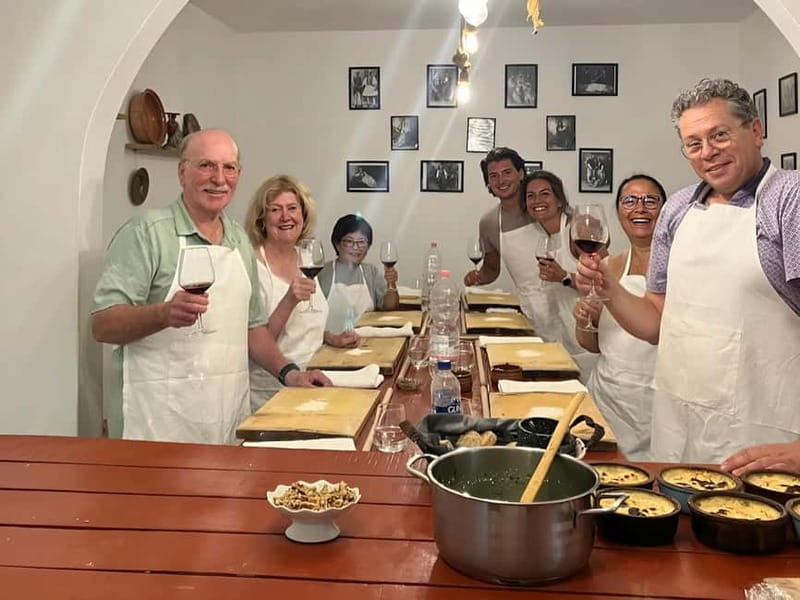
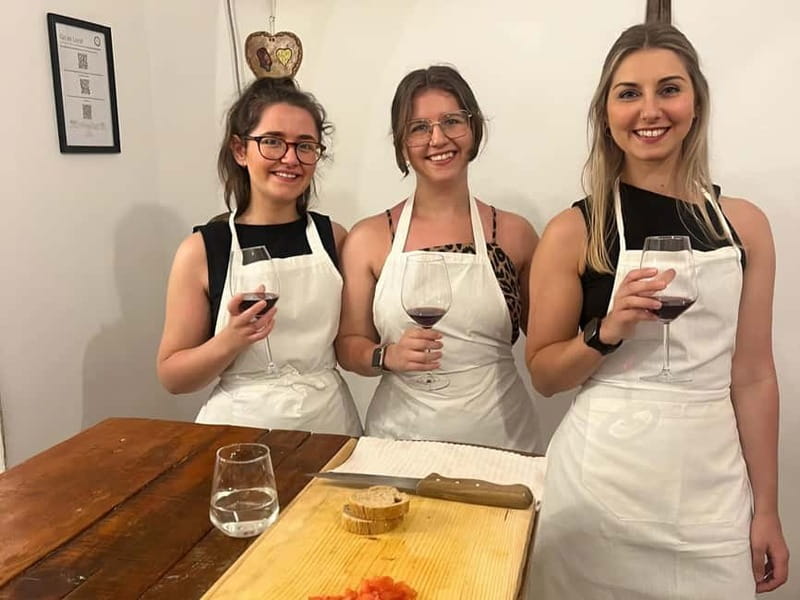
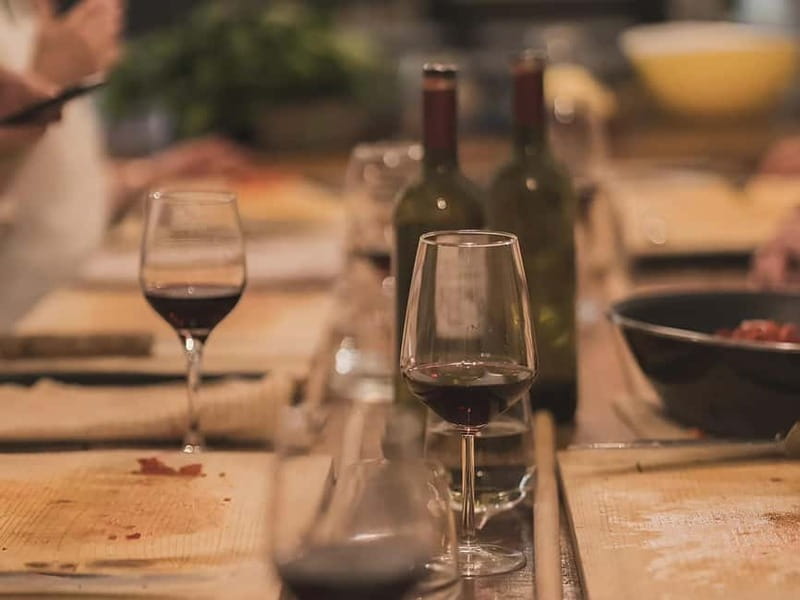
Drinks are included, and the social side of the class is built around homemade red wine and raki. The wine is made by the host’s father, which adds another family detail to the meal. Raki, Albania’s well-known fruit brandy, is offered alongside it.
The drinks are not just an afterthought. They help turn the cooking session into a long shared meal, with time to talk between preparation stages. People come from different countries, and the kitchen becomes a natural place to compare food customs and travel plans.
The wine is often served generously, and the experience is not suited to anyone looking for a dry, formal cooking lesson. If you do not drink alcohol, the supplied information does not specify alternative drinks, so ask before booking if that matters to you. You should also pace yourself. Four hours of cooking, eating, wine, and raki can make the afternoon longer and heavier than expected.
For many people, this combination is part of the appeal. You are learning recipes, but you are also seeing how Albanian hospitality works: food is shared, drinks keep arriving, and conversation is treated as part of the meal.
The host makes the difference
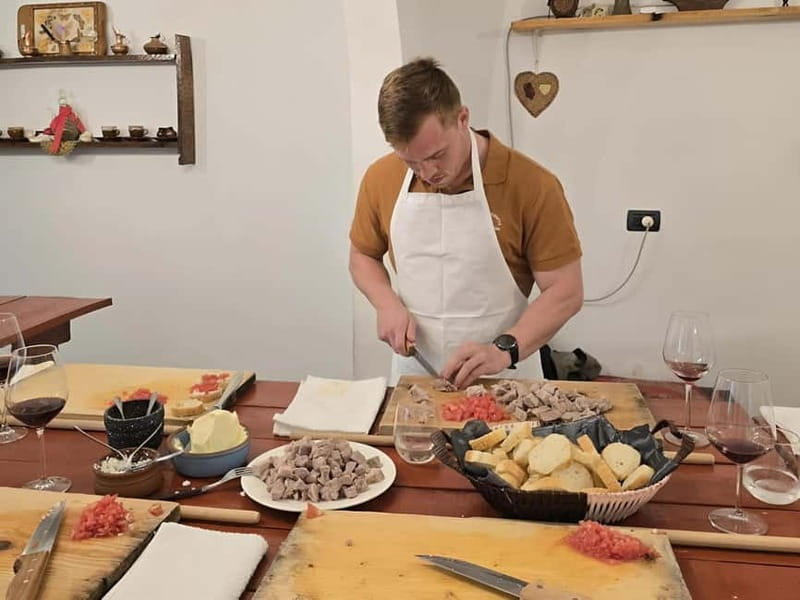
Sindi receives the strongest praise for her role in the class. She is described as warm, funny, patient, and clear. That mix is important because a cooking class can easily become either too technical or too passive.
A good host needs to demonstrate without taking over. Sindi appears to find that balance by explaining each stage, checking that people understand, and keeping the group engaged. She also makes room for conversation about Albania, food, and her own experience running cooking classes.
Her English is strong, and she can explain food vocabulary clearly. That is useful when you are trying to understand not only what to do, but why the food should look or feel a certain way.
The tone is relaxed rather than polished and theatrical. You may laugh, make small mistakes, and ask basic questions without feeling out of place. That makes the class a good match for solo visitors, couples, families with older children, and anyone who would rather meet people than spend another afternoon sightseeing alone.
Price, timing, and what the four hours include
At $41 per person, the price covers the cooking lesson, instructor, ingredients, equipment, and drinks. You also receive a multi-course meal and the recipes, which makes the cost compare well with an ordinary restaurant meal in a major European capital.
The strongest value comes from the amount of time and food. Four hours gives you room to cook without rushing, sit down to eat, and talk with the hosts and the group. This is not a quick ninety-minute demonstration followed by one small tasting.
The price is less appealing if you are mainly seeking a private lesson or a highly technical culinary course. The group format means tasks are shared, and the menu can vary with dietary needs and available ingredients. Still, the combination of food, drinks, teaching, and local contact makes it a sensible use of an afternoon in Tirana.
Starting times vary, so check availability when you book. Free cancellation is available up to 24 hours in advance, and you can reserve now and pay later. These terms are useful if your Tirana plans are still shifting, though you should check the exact booking conditions before confirming.
Who should book this cooking class?
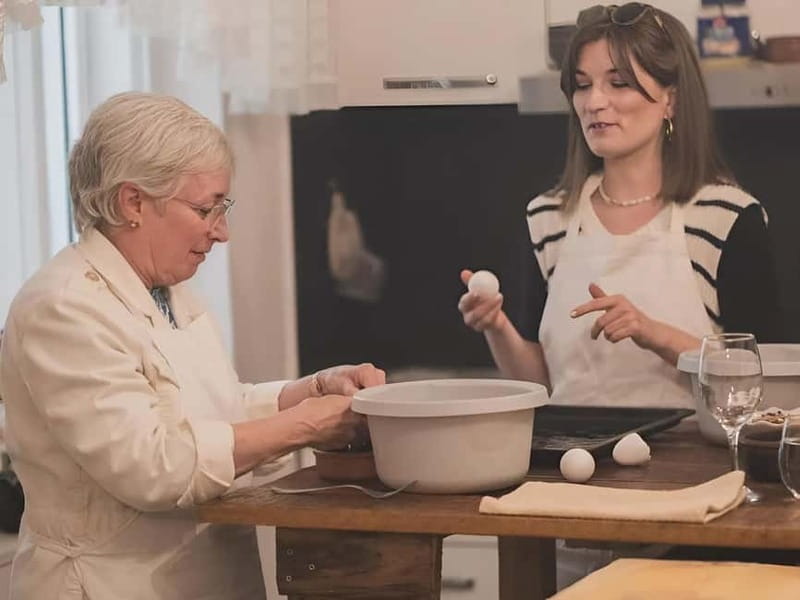
I would recommend it most strongly to people who want food and conversation in equal measure. The class is a good choice if you enjoy learning by doing, prefer local dishes to generic cooking demonstrations, or want a relaxed activity on a rainy day.
Beginners should feel comfortable. The recipes are regarded as manageable, and the instruction is patient. You will get the most from the class if you are willing to share jobs rather than insist on controlling one dish from start to finish.
Solo visitors can also benefit. The group format gives you an easy way to meet people, while couples and friends can treat the class as a shared afternoon. It is also useful for anyone staying in Tirana for several days who wants something more personal than a standard city tour.
I would be more cautious if you have strict dietary restrictions, dislike alcohol-centered social settings, or want a quiet and formal lesson. The hosts make an effort with allergies and preferences, but the experience is built around shared food and drinks, so you should confirm your needs in advance.
Should you book it?
Book this class if you want a filling Albanian meal, practical recipes, homemade drinks, and an easygoing host who brings people together. The best parts are the family connection, Sindi’s patient teaching, the tave kosi and lakror, and the chance to take the recipes home.
Skip it if you want a private chef experience, hotel transportation, or a strict end-to-end cooking assignment. For most visitors, though, $41 buys far more than a meal. It buys four hours of food, stories, laughter, and a useful introduction to Albanian home cooking.
FAQ
How long does the Tirana cooking class last?
The class lasts four hours. This includes introductions, cooking, eating the dishes, tasting appetizers and desserts, and enjoying the provided drinks.
What dishes will I learn to cook?
The class teaches tave kosi, an Albanian dish made with lamb and rice, and lakror, an Albanian pastry similar to byrek. Dessert and menu details can vary, with sheqerpare included in one described menu.
Is the class taught in English?
Yes. The instructor speaks English, and English is the listed language for the experience.
Are ingredients and cooking equipment included?
Yes. The cooking lesson includes the ingredients and equipment needed for the class, so you only need to arrive ready to cook.
Are wine and raki included?
Yes. Drinks are included, with homemade wine and raki provided by the hosts. The hosts also provide food samples, appetizers, and desserts.
Do I need cooking experience?
No. The recipes are suitable for beginners, and the instructor explains the steps clearly. You will work as part of a group, so tasks are shared.
Is hotel pickup included?
No. Hotel pickup and drop-off are not included. You need to arrange your own transportation to the meeting point.
Can the class accommodate allergies or dietary preferences?
The host asks about allergies, intolerances, and dietary preferences, including vegan preferences, when planning the food. You should share your requirements clearly before or at the start of the class.
Can I cancel or pay later?
You can cancel up to 24 hours in advance for a full refund. The experience also offers reserve now and pay later booking, subject to the booking terms shown when you reserve.
Newly added around the world
- Charleston Women and Wine Tour★ 5.0 · 46 reviews
- Jersey Premium Vineyard and Distillery Wine Tour and Tasting★ 5.0 · 176 reviews
- Charleston Winery, Brewery & Sightseeing Tour★ 5.0 · 39 reviews
- From Chania Private half day Winery-Olive factory-Kournas lake★ 5.0 · 50 reviews
- Gastronomy tour and wine tasting in traditional villages★ 5.0 · 32 reviews
- Wine & Olive Oil Tour with lunch at the White Mountains★ 5.0 · 71 reviews
- Manousakis Winery Shuttle Service Tour and Taste★ 4.5 · 34 reviews
- Chania Walking Food And Wine Night Tour★ 4.5 · 31 reviews
Cooking Classes, compared.
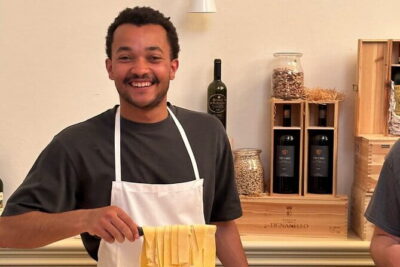
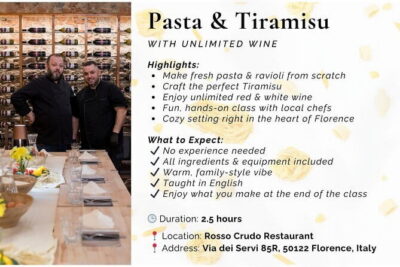
Pasta & Tiramisu Cooking Class with Unlimited Wine
Read our review →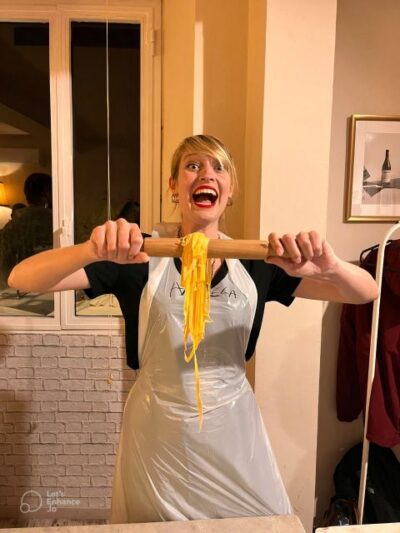
Pasta Making Class with Wine, Limoncello, and Dessert
Read our review →
Cooking Class Pasta & Tiramisu Making Unlimited Wine
Read our review →
Fettuccine & Tiramisù: Cooking Class with Wine & Limoncello
Read our review →
Pasta Making & Wine Tasting with Dinner in Frascati from Rome
Read our review →
Rome Cooking Class: Make Pasta, Dine & Drink Wine With Local Chef
Read our review →Browse the lists this tour appears in