REVIEW · WINE & TAPAS TOURS
Barcelona Tapas & Wine Experience as a Local at Hidden Wineries
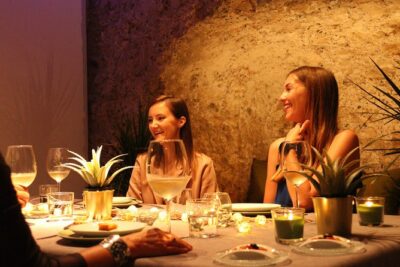
Barcelona tastes better on foot. This three-hour evening combines a guided walk through the Gothic Quarter, El Born, and Barceloneta with generous servings of Catalan tapas and regional wine. I like the small maximum of 12 people, and I like that the stops focus on family-run bodegas rather than places you might pick at random.
The main consideration is the pace. You will walk between several neighborhoods, stand at food stops, and fit a lot of eating and sightseeing into three hours. The tour costs $102.58 per person, so it makes the most sense if you value a hosted evening with dinner, drinks, and local context rather than simply ordering tapas on your own.
Key points at a glance
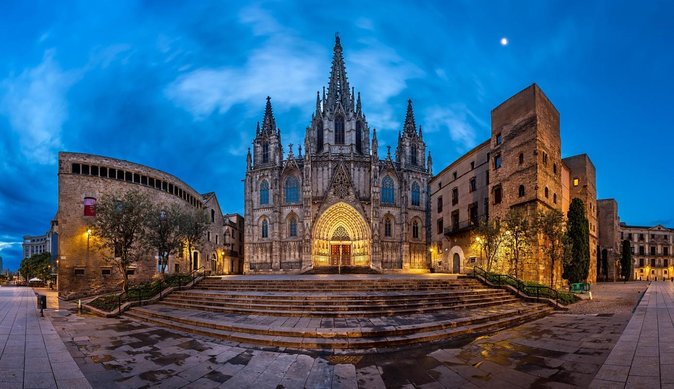
- An 800-year-old meeting point: The tour begins at La Rambla 97, near an old market that helps set the tone before the walking begins.
- Three neighborhoods in one evening: You move through the Gothic Quarter, El Born and La Ribera, then toward La Barceloneta.
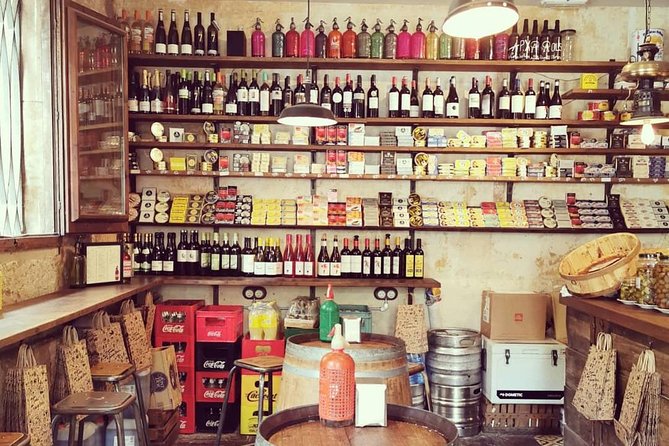
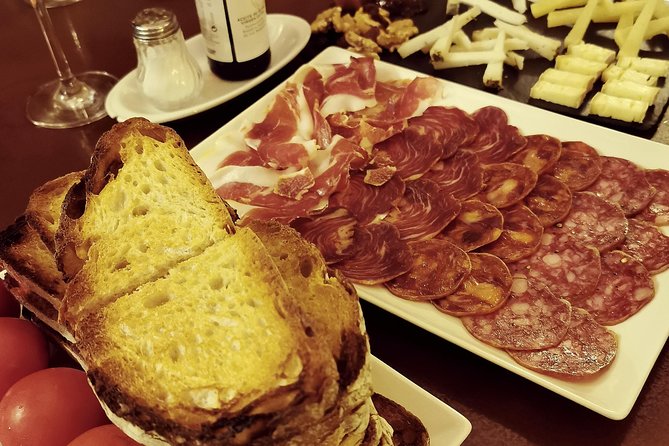
- A full Catalan tasting: Expect Iberian ham, local cheeses, croquettes, patatas bravas, tortilla, tomato bread, pintxos, mojama, and smoked sardine.
- Three styles of drink: The tasting includes Terra Alta white wine, Montsant red wine, and craft vermut.
- A small-group feel: The group is limited to 12, giving guides such as Libor, Eli, Alfonso, and Naomi room to talk with participants.
- A useful first-days activity: The route can help you get your bearings and identify places to return to later in your stay.
Why the format works in Barcelona
Barcelona is easy to admire through major sights, but food gives you a better sense of how the city works day to day. A plate of tomato bread or a small glass of vermut can tell you as much about local habits as a museum label, especially when someone explains what you are eating and why it matters.
This tour links the food to the streets. You are not simply seated in one restaurant for three hours. You walk from the Gothic Quarter through El Born and on toward the old fishing neighborhood of La Barceloneta, stopping to eat and drink along the way.
I especially like the balance between sightseeing and dinner. The walk gives your evening structure, while the food stops keep it social and relaxed. The group size also matters. With no more than 12 people, the guide can answer questions, manage dietary needs, and help strangers settle into conversation.
The tour has earned a 4.9 rating from 71 reviews, with 99 percent of participants recommending it. That strong response is consistent with the experience’s main strengths: warm guides, generous food, good drinks, and stops that are not obvious tourist choices.
More Wine and Tapas Tours in Barcelona
- Montserrat Half-Day Tour with Tapas and Gourmet Wines
★ 5.0 · 7,359 reviews - Montserrat & Cogwheel Train, Gourmet Wine Tasting & Tapas/Lunch
★ 5.0 · 6,290 reviews - Barcelona Tapas and Wine Experience Small-Group Walking Tour
★ 5.0 · 5,804 reviews
Starting near La Rambla and the old market
The meeting point is La Rambla 97 in the Ciutat Vella district. The location places you near one of Barcelona’s best-known central streets and an old market described as roughly 800 years old.
That is a sensible place to begin. La Rambla can feel crowded and commercial, but the market offers a more grounded introduction to Barcelona’s food culture. You may see produce, prepared foods, and ingredients that are less familiar than the standard tourist fare.
The meeting point is also near public transportation, which helps if you are coming from another part of the city. You should still allow time to find the exact location, since La Rambla is busy and the group needs to leave on schedule.
Starting here gives the tour a practical advantage. If this is one of your first activities in Barcelona, you get an early sense of the city center before moving into the narrower streets of the old quarters.
Walking the Gothic Quarter between bites
The Gothic Quarter is the first major setting. Its streets are compact, irregular, and full of architectural fragments from different periods. This is where a good guide adds real value, because the most interesting details are often above eye level or tucked around a corner.
The food stops are part of the interpretation. Instead of treating the quarter as a backdrop for a meal, the guide connects its streets, buildings, and local customs to the dishes being served.
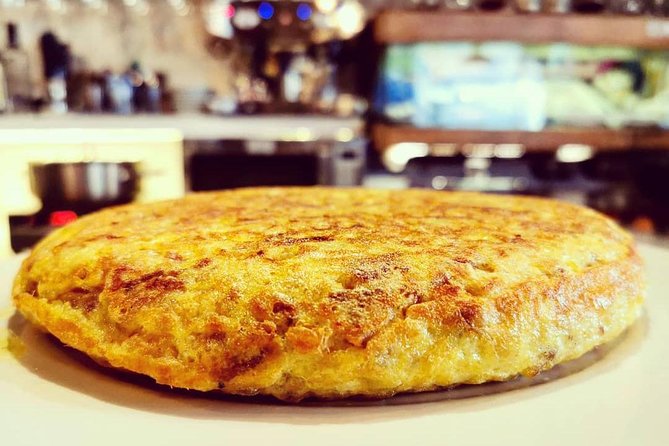
You might pause for Iberian ham, local cheeses, croquettes, patatas bravas, or tortilla. These are familiar names, but the point is to sample several staples in one sitting rather than order one large plate and move on.
The menu also includes Catalan tomato bread, a simple preparation with a strong local identity. Its basic ingredients make it a useful reminder that Catalan food is not always complicated. Good bread, tomato, oil, and seasoning can carry a great deal of flavor.
Because the walk and tastings share the same time, you should expect a social meal rather than a formal restaurant dinner. People eat, ask questions, and continue walking. If you prefer long, quiet meals with plenty of time between courses, this may feel quick.
El Born and La Ribera, where the evening loosens up
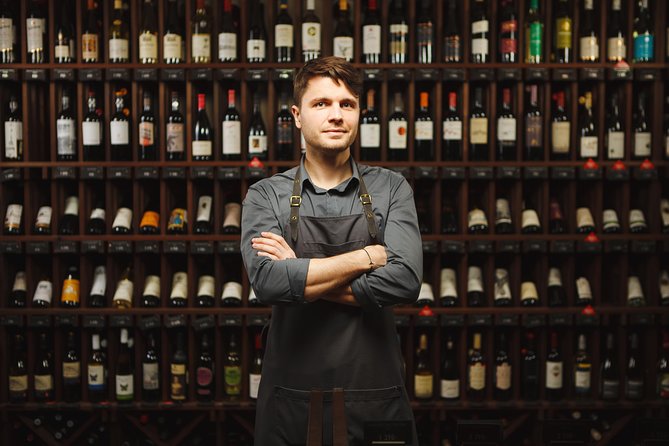
The route continues into El Born and La Ribera. These areas are well suited to a food walk because they combine old streets, small bars, shops, and places with a strong neighborhood character.
This part of the evening is where the tour’s focus on established family-run businesses becomes useful. You are taken to places that could be easy to miss if you are visiting for the first time, and the guide provides the social bridge between the group and the businesses.
The sample menu broadens here with a Gilda pintxo and salted cured tuna called mojama. These add briny, salty flavors to the softer tortilla and croquettes. A smoked sardine with tomato bread brings another seafood note and fits the route toward Barceloneta.
The food is not limited to one style of tapa. You get cured meats, cheese, potatoes, eggs, preserved fish, smoked fish, and bread. That variety helps you learn what you like before choosing more tapas on your own later.
Several guides receive especially warm praise for creating an easy group mood. Libor is repeatedly described as funny, informed, and attentive. Eli is presented as a Catalan local with strong personal ties to the city, while Alfonso and Naomi also led enjoyable evenings. Guide assignments can vary, but the consistent point is the value of a guide who enjoys talking about Barcelona.
More Wine and Tapas Tours in Spain
- Montserrat with Black Madonna & Medieval Winery with Tapas/Lunch
★ 5.0 · 5,209 reviews - Barcelona: Tapas Walking Tour with Food, Wine, and History
★ 4.8 · 4,261 reviews - Barcelona: Food Walking Tour with Tapas and Wine
★ 4.9 · 2,180 reviews - Barcelona Tapas Walking Tour: Food, Wine & History
★ 4.5 · 1,928 reviews
Santa Maria del Mar and the city’s historic center

The Basilica de Santa Maria del Mar is one of the route’s important landmarks. Even if the stop is brief, its presence gives the walk a clear visual and cultural anchor.
The basilica is associated with the old maritime district and sits near the streets of La Ribera. Its scale and setting help explain how closely Barcelona’s religious, commercial, and seafaring life once fit together.
You are not booking a dedicated church tour, so you should not expect an extended architectural lecture or guaranteed interior access. The value comes from seeing the basilica as part of a wider walk, then carrying that context into the nearby food stops.
This is also a good moment to look up from the plates. A tapas tour can become a moving restaurant crawl if you are not careful. Here, the route offers a useful pause for Barcelona’s built environment.
Placeta del Pi and the pleasure of smaller squares
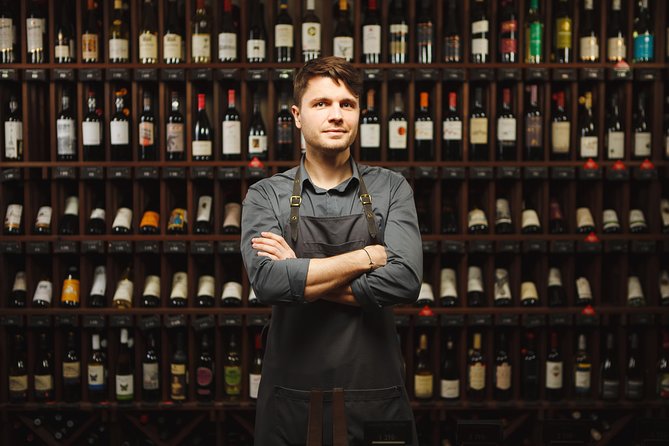
Placeta del Pi provides a change of scale. Rather than a major avenue or large landmark, it is the kind of smaller urban space that makes walking through old Barcelona enjoyable.
A guide can help you notice how plazas work in the old city. They are meeting points, rest spots, and spaces where daily life continues around historic buildings. The stop also breaks up the meal, giving you a moment to absorb the previous tasting before the next one.
The tour’s appeal lies partly in these transitions. You get enough sightseeing to understand where you are, but not so much that the evening becomes a history lecture. The food keeps the pace moving.
La Barceloneta and the seafood finish
The final neighborhood is La Barceloneta, the old fisher’s quarter. Its setting gives the evening a natural change of mood and makes the seafood on the menu feel especially appropriate.
The smoked sardine and mojama fit this part of the route better than another heavy meat dish would. They add a taste of preserved and smoked seafood traditions, while the earlier ham, cheese, potatoes, and tortilla provide a broader picture of tapas culture.
The route ends back at the meeting point rather than leaving you in a different part of town. That is convenient, though it also means the walking pattern loops back toward the center. You should be comfortable walking for much of the three hours and standing at several stops.
If your ideal evening ends with a long restaurant meal, the structure may not suit you. If you like a moving dinner with several changes of scene, La Barceloneta makes a satisfying final neighborhood.
What you will eat and drink
The food list is one of the tour’s strongest features. It is broad enough to feel like a proper meal, not a token tasting.
You can expect:
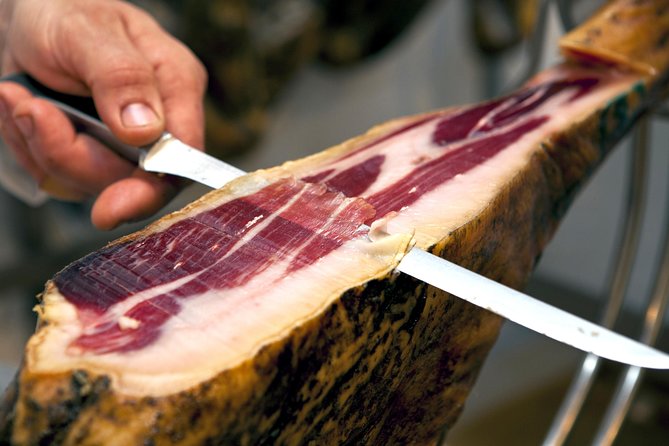
- Iberian ham
- Six local cheeses
- Croquettes
- Patatas bravas
- Potato omelette, or tortilla
- Catalan tomato bread
- Gilda pintxo
- Salted cured tuna, or mojama
- Smoked sardine with tomato bread
The drinks are just as important. The included selections are Terra Alta DO white wine, craft vermut, and Montsant DO red wine. This gives you a quick lesson in different Catalan wine areas and drinking customs without turning the evening into a technical tasting.
One particularly playful detail is drinking wine from a porrón, a shared glass vessel with a spout. The technique can be awkward at first, which is part of the fun. It also gives the group something to laugh about together.
Alcoholic drinks and dinner are included in the price. That improves the value, especially in central Barcelona, where several separate tapas orders and drinks can add up quickly. Still, the exact serving size and order of dishes can vary, so you should think of the menu as a generous tasting dinner rather than a fixed restaurant menu.
The guides and the small-group advantage
The guide can make or break a food walk. Here, the strongest praise centers on guides who combine city knowledge with warmth and humor.
Libor appears particularly effective at linking the streets, restaurants, and local customs. Eli is praised for being born and raised in Catalonia and for sharing personal insight. Other guides, including Naomi on her first evening with the company, have been able to create a friendly group despite a late arrival and an unexpected fall during the walk.
Those details also point to a practical truth: group tours involve real people and occasional delays. A late participant can miss the opening, and uneven walking can affect the pace. The guide’s ability to keep the group together matters as much as the food.
The maximum group size is 12. That is small enough for conversation without requiring a private-tour budget. It also makes it easier to explain dietary restrictions. One guide received specific praise for being accommodating, but you should communicate any needs when booking rather than assume every dish can be changed.
Is $102.58 a fair price?
At $102.58 per person, this is not a bargain food crawl. It is a paid evening activity with a guide, several stops, dinner, alcohol, and a three-hour walking route.
I think the price is reasonable for the right kind of visitor. You are paying for more than plates of food. You are paying for someone to choose the stops, explain the city, handle the route, and create a social evening with a limited group.
The value is strongest if you are new to Barcelona, enjoy wine, and want help finding places beyond the most obvious restaurants. It is less compelling if you already know the city well, avoid alcohol, or prefer ordering exactly what you want at your own pace.
Booking about 44 days ahead is common, which suggests planning early if your dates are fixed. The 12-person cap limits the number of seats, and popular evening activities can fill before the rest of a trip is organized.
Who should book this evening?
I would recommend it to couples, solo visitors, and small groups who want food and city orientation in one activity. It is also a good choice for people who enjoy meeting others during a trip, since the shared tastings naturally create conversation.
The tour suits most participants, and service animals are allowed. You should be ready for walking through historic districts, standing at food stops, and moving on to the next location rather than settling into one table for the entire evening.
It is especially useful early in your stay. You can learn which foods appeal to you, see several central neighborhoods, and collect ideas for later meals. The route also helps you recognize the difference between a place designed mainly for passing visitors and a family-run spot with a longer local connection.
Free cancellation is available up to 24 hours before the start time for a full refund. Changes or cancellations inside that window are not accepted, and the activity can be canceled if the minimum number is not reached.
Should you book the Barcelona tapas and wine tour?
Book it if you want a social, food-led walk with enough history to give the meal meaning. The varied menu, three regional drinks, small group size, and praise for guides such as Libor and Eli make this a strong introduction to Barcelona’s old center.
Skip it if you want a quiet dinner, dislike walking between stops, or need complete control over every dish and drink. For most first-time visitors who enjoy tapas and wine, the combination offers solid value and a pleasant way to get oriented without spending the evening in a standard restaurant.
FAQ
Where does the tour start?
It starts at La Rambla 97, Ciutat Vella, 08002 Barcelona, Spain.
Where does the tour end?
The activity ends back at the meeting point.
How long does the experience last?
It lasts approximately three hours.
What neighborhoods does the tour visit?
The route includes the Gothic Quarter, El Born and La Ribera, and La Barceloneta. It also includes stops at the Basilica de Santa Maria del Mar and Placeta del Pi.
What food is included?
The menu includes Iberian ham, six local cheeses, croquettes, patatas bravas, tortilla, Catalan tomato bread, a Gilda pintxo, mojama, and smoked sardine with tomato bread.
What drinks are included?
Included drinks are Terra Alta DO white wine, craft vermut, and Montsant DO red wine.
How large is the group?
The activity has a maximum of 12 participants.
Can I cancel for a full refund?
Yes. You can cancel at least 24 hours before the start time for a full refund. Cancellations made less than 24 hours before the start time are not refunded.
More Winery Tours in Spain
- Barcelona Sailing Adventure and Small Group Winery Tasting Tour
★ 4.5 · 394 reviews - Familia Torres Winery: Gastronomic Tapas & Wine Experience
★ 4.5 · 240 reviews - Cava tour to 3 family wineries with hotel pick-up
★ 5.0 · 227 reviews - Montserrat & Cava Wineries Day Trip from Barcelona w/ Pickup
★ 4.6 · 218 reviews
More Winery Tours in Barcelona
- Barcelona: Montserrat, Cogwheel, Black Madonna & Winery Tour
★ 4.8 · 5,633 reviews - Montserrat Full Day Tour with Farmhouse Lunch and Winery Visit
★ 5.0 · 1,068 reviews - Montserrat & Winery Visit Tour with Traditional Farmhouse Lunch
★ 4.5 · 1,035 reviews - Barcelona: Montserrat with Winery, Lunch, and Train Options
★ 4.8 · 525 reviews
Newly added around Barcelona
- Wine Tasting Experience in Barcelona★ 5.0 · 172 reviews
- 2 Wineries Small Group Tour with Free Hotel PickUp from Sitges★ 5.0 · 83 reviews
- Barcelona: Guided Rooftop Wine Tasting – Enjoy 6 Spanish Wines★ 4.5 · 61 reviews
- Barcelona: Wine Tasting and 5 Course Tapas Pairing Dinner★ 4.5 · 129 reviews
- Barcelona Wine and Gourmet Tapas Tour★ 5.0 · 188 reviews
- Bohemian Barcelona Neighborhood Evening Tapas & Wine Tour★ 5.0 · 419 reviews
- Viticulture and Wine-Tasting 3-Hour Trip from Barcelona★ 4.5 · 59 reviews
- Barcelona Gothic Quarter VIP Tapas & Wine Tour★ 5.0 · 276 reviews
Wine & Tapas Tours, compared.

Montserrat Half-Day Tour with Tapas and Gourmet Wines
Read our review →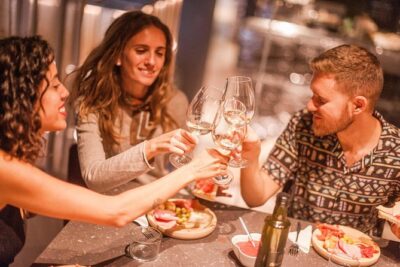
Montserrat & Cogwheel Train, Gourmet Wine Tasting & Tapas/Lunch
Read our review →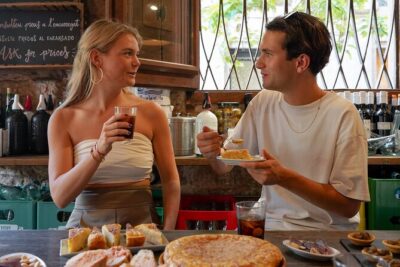
Barcelona Tapas and Wine Experience Small-Group Walking Tour
Read our review →
Montserrat with Black Madonna & Medieval Winery with Tapas/Lunch
Read our review →
Tapas Walking Tour with Food, Wine, and History
Read our review →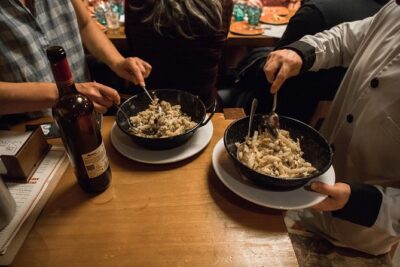
Madrid Tapas & Wine Tasting Walking Tour – Small Group Local Bars
Read our review →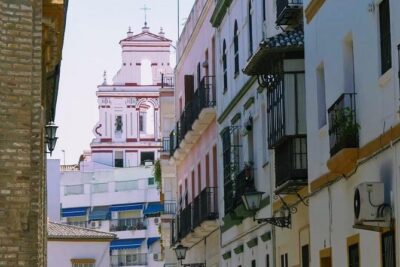
Sevilla Food Tour: Tapas, Wine, History & Traditions
Read our review →