
REVIEW · WINE & CHEESE TASTINGS
Budapest: Wine, Cheese, and Charcuterie Tasting
Hungarian wine deserves more attention. This 1.5-hour tasting gives you five Hungarian wines, local cheese, and serious charcuterie in a central Budapest tasting room. I like the clear regional focus, especially the final sweet wine from Tokaj, and I like that the food comes from Hungarian producers rather than being an afterthought. The one drawback is simple: this is an adult-only tasting, and five glasses can feel like a lot if you are not used to wine.
I also like the relaxed teaching style. Hosts such as Thomas, John, Bence, Sam, and Jon have been praised for making the subject easy to follow without turning it into a formal lecture. You should allow extra time afterward if you want to buy a favorite bottle, since the tasting room can point you toward wines that may be hard to find outside Hungary.
Key points at a glance
- Five wines, one national story: The lineup introduces major Hungarian regions, grape varieties, wine styles, and current trends.
- Tokaj gets the finale: The last pour is a sweet Tokaj wine, one of Hungary’s most important wine traditions.
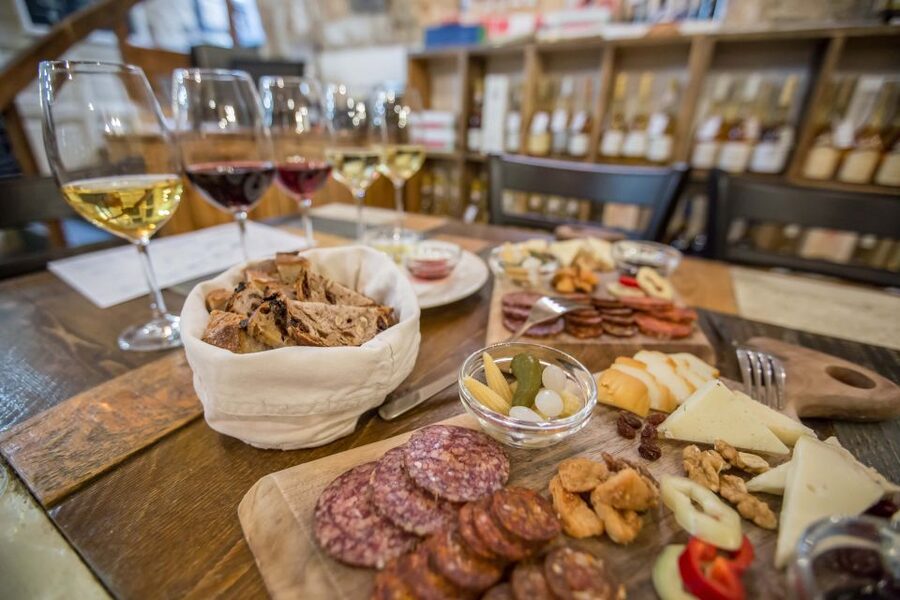
- Local food with real character: Expect items such as Mangalica sausage, water buffalo salami, smoked duck breast, grey beef sausage, and artisan cheeses.
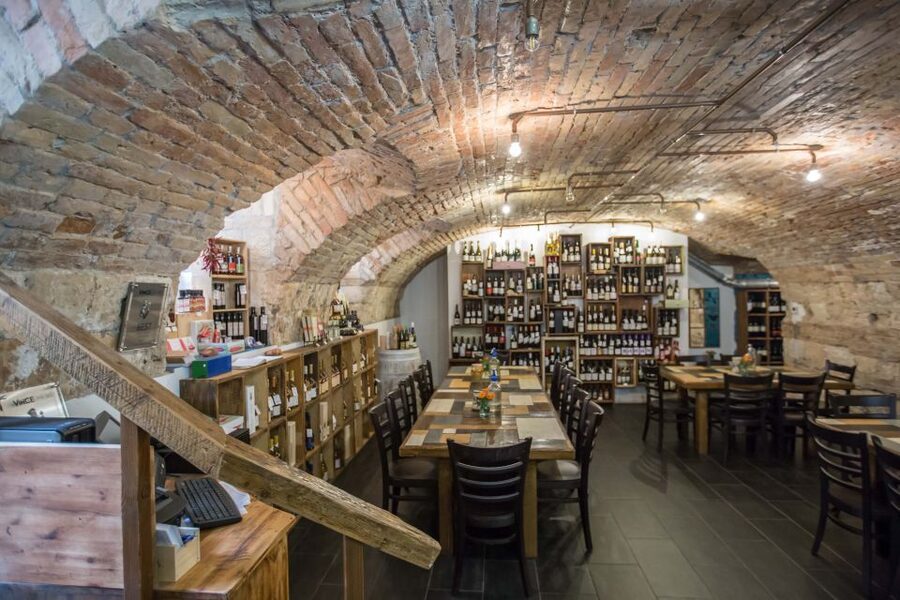
- A cellar-style setting: The tasting takes place at The Tasting Table Budapest, near the National Museum, in a setting described as an old brick room with arches.
- Good for wine beginners: The explanations are designed to make unfamiliar Hungarian grapes approachable, not to test your wine vocabulary.
- Central and easy to reach: The venue is 150 meters from the National Museum and about five minutes from Astoria or Kálvin tér.
Why this tasting is a smart introduction to Hungarian wine
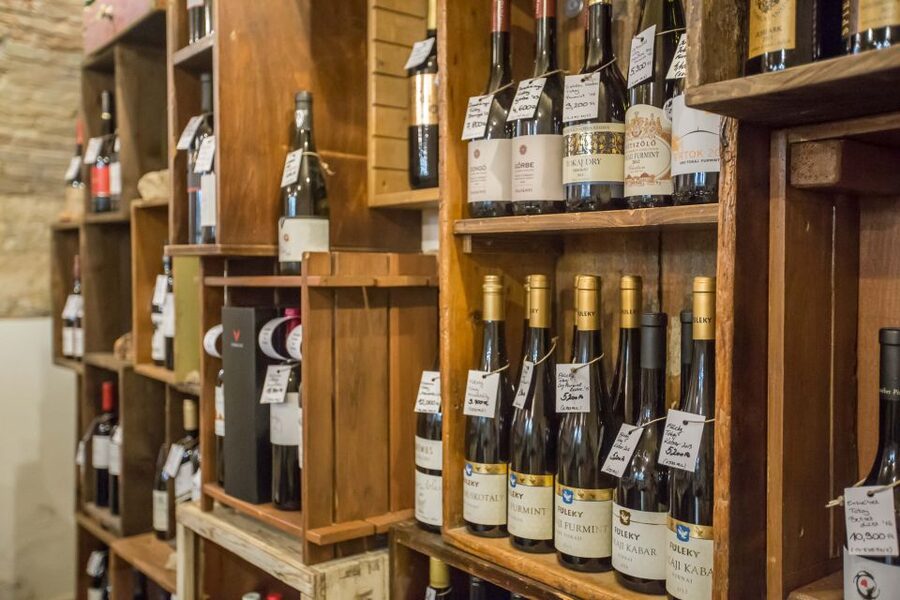
Hungary is not just a country of sweet Tokaj wine. That famous style is important, but Hungarian vineyards also produce crisp whites, structured reds, and distinctive wines from local grape varieties that you may not see on ordinary restaurant lists.
This tasting is useful because it gives you a national overview in one sitting. Instead of ordering one bottle and guessing what it represents, you move through five different examples with a sommelier explaining the context. You learn about the main wine regions, key grapes, the background of Hungarian winemaking, and the direction the industry is taking now.
The format also works well if you are new to wine. Several people who described themselves as nonexperts enjoyed the session because the host explained the wines in plain English and kept the mood light. You do not need to know the difference between every grape before you arrive. You simply need curiosity and an open mind.
I would not treat this as a technical certification course. The experience is social and conversational. The exact detail will depend on the sommelier leading your session, but hosts including Thomas, John, Jon, Bence, and Sam have been praised for mixing facts with humor and answering questions clearly.
More Wine and Cheese Tastings in Budapest:
- Hungarian Wine Tasting (with Cheese and Charcuterie) in Budapest
★ 5.0 · 531 reviews - Evening Wine, Cheese, & Charcuterie Tasting in Budapest
★ 5.0 · 121 reviews - Budapest Private Tuk Tuk Tour with Wine Tasting and Cheese Platter
★ 4.5 · 35 reviews
Five glasses that move from familiar to surprising
The tasting is built around five Hungarian wines. The exact bottles can change, so you should think of the lineup as a guided survey rather than a fixed menu.
The early pours introduce the wider Hungarian picture. You may encounter grapes and styles that are completely new to you, which is part of the point. Hungarian wine is especially rewarding when you move beyond familiar international varieties and try local expressions with names you may not recognize.
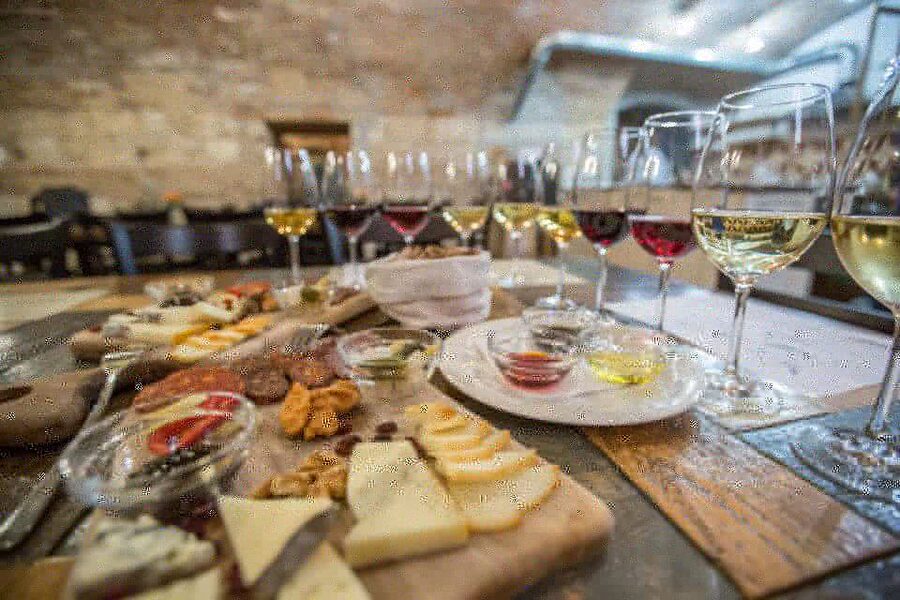
The balance of the lineup is one of its strengths. The tasting has included two whites, two reds, and one dessert wine, giving you a useful range rather than five similar bottles. That progression lets you compare how Hungarian producers handle different colors, textures, and levels of sweetness.
The sommelier explains what you are drinking as you go. Pay attention to the discussion of regions and grape varieties, since that information is more useful than memorizing tasting notes. If you later see Hungarian wine on a restaurant menu, you will have a better idea of what kind of bottle to choose.
The portions are also worth noting. This is not merely a tiny sip of each bottle. The tasting is served as five glasses, and one description called them full glasses. Drink at your own pace, eat the food provided, and use the bread and water available at the table.
Tokaj provides the memorable final pour
The last wine is a sweet wine from Tokaj. This is an important part of the experience because Tokaj is central to Hungary’s identity as a wine country and is widely regarded as one of the world’s great sweet-wine regions.
If you usually avoid sweet wine, keep an open mind. The final glass is not just a sugary finish. It gives you a chance to understand why Tokaj has such a strong place in Hungarian wine culture and how a dessert wine can work as a serious, carefully made bottle.
The sweet wine also creates a natural change of pace after the dry whites and reds. It is a satisfying way to finish the tasting, though people who prefer only dry wines may find it less appealing than the earlier pours.
The cheese and charcuterie are part of the lesson
The food board is not there merely to keep you from drinking on an empty stomach. Each selection helps show how Hungarian ingredients work with the wines.
You may taste Mangalica pork sausages, made from Hungary’s distinctive woolly pig; free-range water buffalo salami; smoked duck breast; grey beef sausage; and several styles of cheese. The range gives you more than the usual plate of generic cured meat.
The pairing matters. A smoky meat can change the way you notice a red wine, while a mild cheese may make a white taste sharper or rounder. The sommelier uses these combinations to show how food affects wine, which is one of the most useful lessons you can take away.
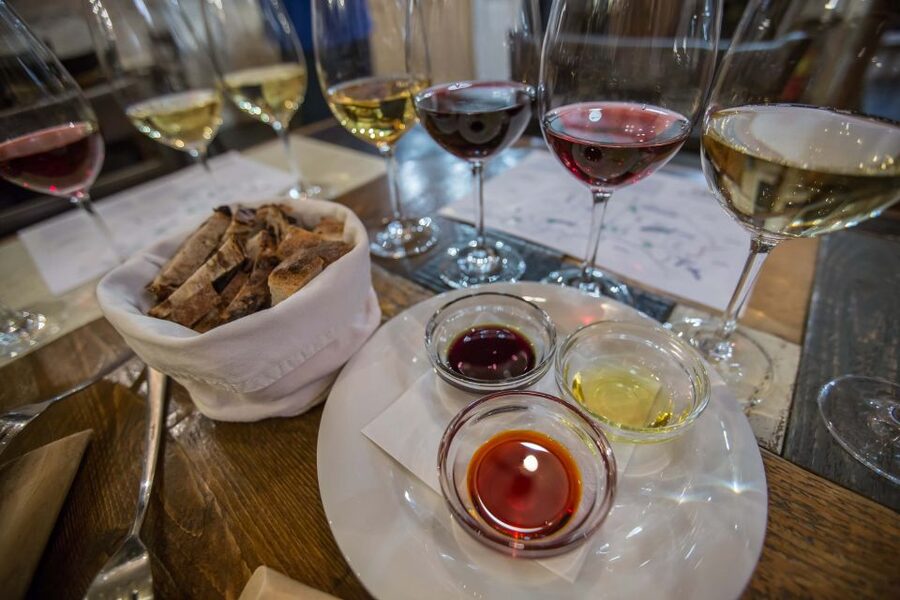
Bread and artisan oil are also included. Pumpkin oil has been singled out as a surprising favorite, and it adds a distinctly local touch to the table. You can expect the food to be plentiful enough to support the tasting, but this is not a full lunch or dinner. Additional food and drinks cost extra.
Vegetarians should not assume the experience is off-limits. The board includes cheese, and one person specifically enjoyed the cheese selection while another member of the party tried the meats. Still, the focus is clearly on both cheese and charcuterie, so meat-free diners should be comfortable with a shared board that includes meat.
A few more wine tours around Budapest worth a look
- Countryside Half-day Gastro-Wine Tour from Budapest Meal & pickup
★ 5.0 · 1,450 reviews - From Budapest: Half-Day Countryside Wine Tour with Meal
★ 4.8 · 657 reviews - Budapest Cooking Class & Market Tour with Local Guide & Wines
★ 5.0 · 553 reviews - Budapest: Hungarian Wine Tasting with 8 Wines and Tapas
★ 4.9 · 446 reviews
A brick cellar near the National Museum
The Tasting Table Budapest is at Bródy Sándor utca 9 in District VIII. It is only 150 meters from the National Museum, making the tasting easy to pair with sightseeing in the central city.
The tasting room has been described as an old cellar with brick walls and arches. That setting suits the subject without becoming theatrical. You are sitting around a table in an intimate room, tasting food and wine with people from different countries.
The atmosphere is one of the most praised parts of the experience. It is relaxed rather than stiff, and the group setting can make the afternoon feel social. You may end up sharing the table with people who have very different levels of wine experience, which usually works well because the host keeps the conversation moving.
The room is not a sprawling winery or vineyard. You will not be walking through rows of vines or visiting a rural producer. If you want scenery outside the city, this is not that kind of tour. Its value is the focused tasting, the central location, and the chance to understand Hungarian wine without leaving Budapest.
Getting there and choosing the right time
The venue is about a five-minute walk from Astoria on metro line M2 and Kálvin tér on metro line M3. Trams 47 and 49 also stop at Astoria and Kálvin tér, so you have several simple public transport options.
Sessions are generally available on most days between 3:00 PM and 5:00 PM. That timing works well after a museum visit or an afternoon walk through central Budapest. It also gives you a pleasant transition into the evening.
Check the starting time when you book, since availability can vary. The meeting point is the tasting room itself, not the National Museum, so use the full street address when planning your route.
A minimum of two people applies. If that number is not reached, the session can be canceled after confirmation, with an alternative or full refund offered. That possibility is worth keeping in mind if you are building a tightly packed itinerary.
Is $50 a fair price?
At $50 per person, this is not the cheapest way to have a drink in Budapest. It is also more than the cost of ordering one glass of wine with a snack. The value comes from the combination of five pours, a food board, instruction, and access to wines you may not otherwise find.
You are paying for interpretation as much as for the wine. Without the sommelier, five unfamiliar bottles could blur together. With the explanations, you get a basic map of Hungary’s wine regions and a better sense of what you are tasting.
The food adds real value. Mangalica sausage, water buffalo salami, smoked duck, grey beef sausage, artisan cheeses, bread, and oil would cost a fair amount if ordered separately. You also receive tasting sheets and a map of Hungarian wine regions, which makes it easier to remember the bottles later.
The experience is especially good value for couples and small groups who want an organized introduction without committing to a full-day excursion. It is less appealing if you only want one quick drink, dislike group tastings, or do not plan to drink five glasses.
Some people have bought a bottle afterward, and the tasting room can help you identify a favorite. That option adds value if you want to take home a practical souvenir instead of another decorative object.
What the hosts do well
The guide can make or break a tasting. Here, the strongest pattern is a host who knows the subject but does not bury you in jargon.
Thomas has been praised for explaining Hungarian wine history with humor and clarity. John and Jon have also been described as engaging, friendly, and easy to follow. Bence and Sam have received similar praise for making the tasting fun while still giving useful information.
The tone matters if your companion is not a major wine drinker. Several people who booked the activity as something different found that the host kept the experience welcoming. You can ask questions without feeling tested, and you do not need to pretend that every wine is your favorite.
The exact host is not guaranteed, so do not book solely for one named sommelier. The repeated strength is the teaching style rather than one particular person.
Who should book this experience?
I would recommend it most strongly to:
- First-time visitors who want a quick introduction to Hungarian food and wine
- Couples looking for an easy afternoon activity
- Wine drinkers who want to try local grapes and regional styles
- People who enjoy small-group conversation and shared tables
- Visitors who want a central activity near the National Museum
- Nonexperts who prefer friendly explanations over formal wine language
It also suits repeat visitors who have already seen Budapest’s main sights and want a more local food experience.
I would hesitate if you do not drink alcohol, are under 18, or want a full meal. Children under 18 cannot take part, and additional food or drinks are not included. People who prefer a private tasting should also check the format before booking, since the social table setting is part of the experience.
Practical tips for getting more from the tasting
Arrive with enough time to find Bródy Sándor utca 9 without rushing. The address is close to major transport stops, but the tasting room itself can be easy to miss if you are focused on the National Museum.
Eat a light meal earlier if you tend to feel wine quickly. Bread, oil, cheese, and charcuterie are provided, but the tasting is not meant to replace dinner.
Use the tasting sheet and mark the wines you like. The map of Hungarian wine regions is useful, especially if you plan to buy a bottle or order Hungarian wine later in your trip.
Ask about the local grape varieties. That is where this experience has the most value. You can find international wine styles in many countries, but the unfamiliar Hungarian examples are the reason to attend this particular tasting.
Finally, leave room in your schedule after the 1.5 hours. You may want to buy a bottle, continue with dinner, or simply compare notes with your traveling companion while the wines are still fresh in your mind.
Should you book the Budapest wine tasting?
Yes, if you want a friendly and efficient introduction to Hungarian wine in the city center. The combination of five wines, local cheese, distinctive charcuterie, Tokaj sweet wine, and a lively English-speaking sommelier makes the $50 price reasonable.
I would especially choose it early in a Budapest visit. The regional overview can help you make better wine choices for the rest of your trip, and the food pairings introduce ingredients you may not encounter in a standard sightseeing meal.
Skip it if you want a vineyard visit, a private session, or a full meal. For everyone else, this is a well-paced afternoon tasting with enough substance to teach you something and enough good food to make it feel like a proper Budapest experience.
FAQ
How long does the Budapest wine tasting last?
The tasting lasts 1.5 hours.
How many wines are included?
You receive five glasses of Hungarian wine, including a sweet wine from Tokaj.
What food is included?
The experience includes a local cheese and charcuterie plate, bread, and artisan oil.
What types of Hungarian charcuterie might be served?
Possible examples include Mangalica pork sausages, free-range water buffalo salami, smoked duck breast, and grey beef sausage.
Is the tasting conducted in English?
Yes. The live tour guide speaks English.
Where does the tasting take place?
It takes place at The Tasting Table Budapest, Bródy Sándor utca 9, 1088 Budapest, in District VIII.
How do I reach the venue by public transport?
The tasting room is about a five-minute walk from Astoria on metro line M2 and Kálvin tér on metro line M3. Trams 47 and 49 also stop at Astoria and Kálvin tér.
Can people under 18 attend?
No. The legal drinking age in Hungary is 18, and children under 18 are not suitable for this activity.
Newly added around Budapest
- Private Wine Tasting in Budapest★ 5.0 · 107 reviews
- Szentendre and Visegrad Private Danube bend Tour With Wine Tasting and Lunch★ 4.5 · 52 reviews
- Evening Wine, Cheese, & Charcuterie Tasting in Budapest★ 5.0 · 121 reviews
- Food and Wine Tasting in Budapest City Center with Sommelier★ 5.0 · 57 reviews
- Budapest Half-Day Wine Tour: 3 Family Wineries, Meal & Pálinka★ 5.0 · 38 reviews
- Budapest Unlimited Prosecco and Wine Cruise Day or Sunset Option★ 4.0 · 50 reviews
- Budapest Private Tuk Tuk Tour with Wine Tasting and Cheese Platter★ 4.5 · 35 reviews
- Easy Cooking Class Budapest – with Market Walk (local wine & pálinka included)★ 5.0 · 62 reviews
Wine & Cheese Tastings, compared.
Montmartre Cheese, Wine & Pastry Guided Walking Tour
Read our review →
Evening Candle Light Cruise With Wine & Cheese
Read our review →
Vila Nova de Gaia: Port Wine Tasting with Cheese Pairing
Read our review →
Private Montmartre Food Tour with Wine, Cheese & Pastries
Read our review →
Paris Le Marais Food Tour With 10+ Tastings, Cheese, Wine & More
Read our review →
Small Group Key West Adult Sunset & Moët Sail & Amazing Cheeses
Read our review →
Browse the lists this tour appears in