
REVIEW · WINE & CHEESE TASTINGS
Hungarian Wine Tasting (with Cheese and Charcuterie) in Budapest
Budapest has a cellar side. This 90-minute tasting brings you beneath a 19th-century vaulted ceiling to try five Hungarian wines, four cheeses, and four cured meats while a sommelier explains the grapes, regions, and changing food culture of Hungary. I especially like the strong focus on indigenous grape varieties and the way the food gives each glass a useful point of comparison.
I also like the relaxed social setup. You sit at communal tables, so a solo visitor can meet people from other countries, while couples and friends still have plenty to discuss. The main consideration is quantity: the food is high quality, but some people may find the cheese and charcuterie portions modest for a $50 price, and a few sessions have felt hurried near the end.
Key Points Before You Book
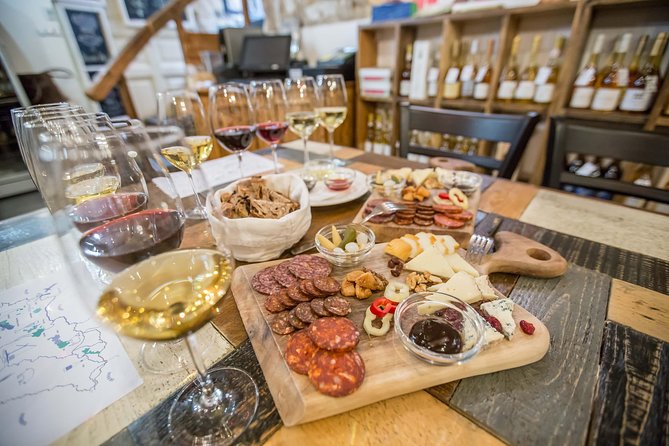
- Five Hungarian wines: Taste generous pours made from local grape varieties, including bottles that can be difficult to find outside Hungary.
- A serious food pairing: The board includes four cheeses, four cured meats, artisan bread, and mineral water.
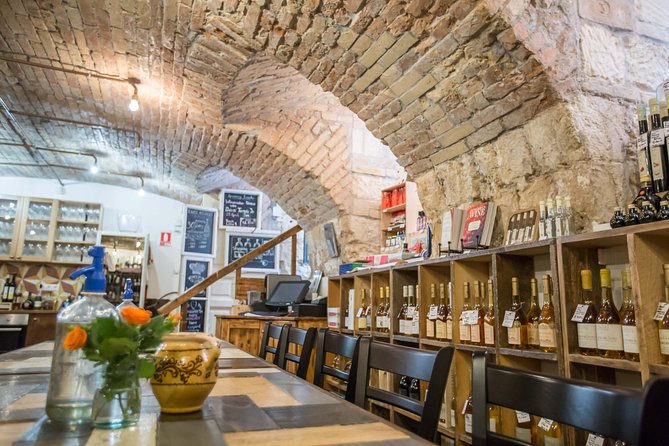
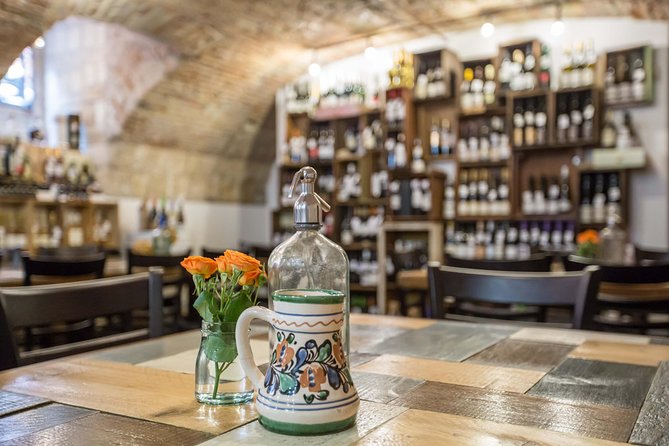
- Historic cellar setting: The Tasting Table Cellar occupies a character-filled 19th-century space with vaulted ceilings.
- English-language guidance: A professional sommelier leads the session and explains grapes, soil, regions, and winemaking.
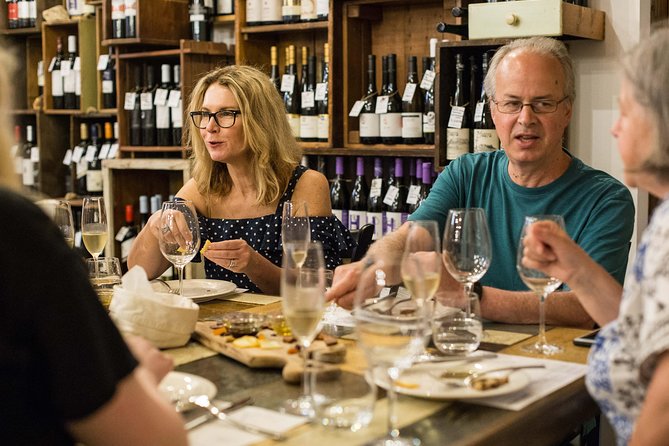
- Communal and social: The maximum group size is 24, with seating at shared tables.
- Simple afternoon timing: The tasting begins at 3 p.m. and ends back at the same Bródy Sándor Street meeting point.
Entering the 19th-Century Cellar
You make your way to the Tasting Table Cellar at Bródy Sándor u. 9, in Budapest’s District VIII. The meeting point is near public transportation, and the activity begins at 3 p.m. Arrive ready to settle in, because the setting is a major part of the experience rather than a plain restaurant room with a few bottles on a table.
The cellar’s vaulted ceiling gives the tasting a cool, old-world feel. It is atmospheric without being overly formal. You are not being marched from one stop to another. You sit down, meet the sommelier, and spend the session in one place.
That simplicity works well after a morning of sightseeing. You do not need special wine knowledge, and you do not need to dress for a grand occasion. The format is friendly and conversational, with room to ask questions about a grape, a producer, a region, or the food in front of you.
The group can reach 24 people. That is large enough to create a social mood, but small enough for a guide to speak to the room. Your seating is communal, so this is not the best choice if you want a private tasting with only your own party. It is a good fit if you enjoy comparing notes with people from different places.
More Wine and Cheese Tastings in Budapest:
- Budapest: Wine, Cheese, and Charcuterie Tasting
★ 4.9 · 647 reviews - Evening Wine, Cheese, & Charcuterie Tasting in Budapest
★ 5.0 · 121 reviews - Budapest Private Tuk Tuk Tour with Wine Tasting and Cheese Platter
★ 4.5 · 35 reviews
Five Wines That Explain Hungary
The heart of the afternoon is five glasses of Hungarian wine made from indigenous grape varieties. That matters because Hungarian wine can be easy to overlook when visitors focus on better-known European wine countries. This tasting gives you a practical introduction to what makes Hungary different.
The sommelier discusses the country’s wine regions, grape types, soil, and winemaking methods. The strongest part of the experience is the explanation. You are not simply handed five glasses and told which one is red or white. The guide connects each wine to its place and production, giving you a reason to notice the differences.
You may encounter local bottles that are not easy to find elsewhere. That makes the tasting more useful than a lineup of internationally familiar labels. You can try something distinctly Hungarian, then decide what you actually like rather than assuming the most famous name is the best choice.
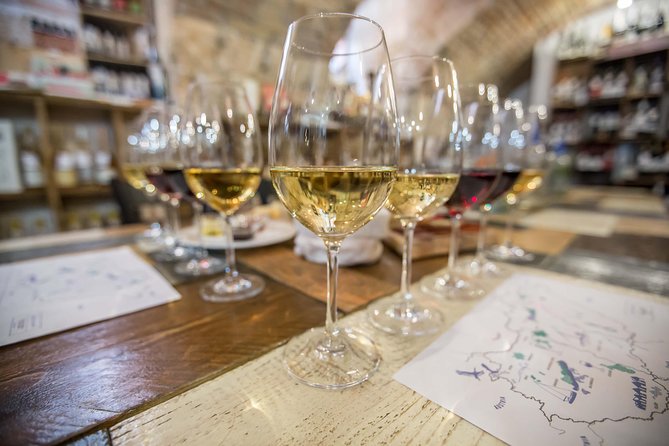
The wines are presented as a varied group, with different flavor profiles and styles. The tasting can include examples from several Hungarian regions, and the final pour may be Tokaji, a particularly memorable finish for many people. The exact wines can change, so you should treat the lineup as a chance to discover rather than a fixed promise of specific bottles.
I would not come expecting a technical certification class. You will learn about soil and winemaking science, but the tone remains accessible. A sommelier such as Sam, Tomas, Tomasz, or Matthew may lead the session, and each guide brings a slightly different personality. The common thread is clear command of Hungarian wine and a willingness to answer questions.
Cheese, Charcuterie, and the Post-Communist Food Revival
The food is not just something to nibble between pours. It helps explain a wider change in Hungarian food culture. The sommelier talks about the return of artisanal cheese and charcuterie after the Communist period, when small-scale specialty production had less room to develop.
Your board includes four types of cheese and four cured meats. The listed specialties include beef sausage, smoked duck breast, free-range water buffalo salami, and Mangalica pork sausages. These are more distinctive than the standard cubes of supermarket cheese often served at casual tastings.
Fresh artisan bread rounds out the board, and mineral water is included. Water is a small but important touch during a five-wine session. It lets you clear your palate and pace yourself without paying extra for a basic necessity.
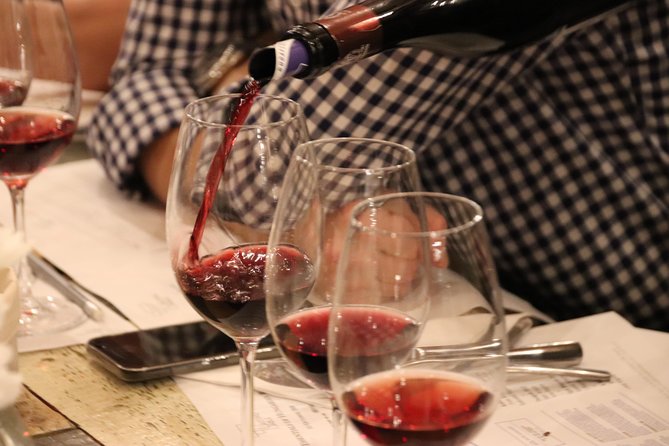
The pairings are one of the most praised parts of the experience. The food is selected to work with the wines rather than merely sit beside them. You can taste how a salty cured meat changes a wine, or how a cheese softens a sharper note. If you want more detailed instruction on pairing theory, ask directly, since the amount of pairing discussion may depend on the sommelier and the pace of your particular group.
The main weakness is portion size. The ingredients are good, but the board may not replace lunch or dinner, especially if you have a large appetite. Think of it as a substantial tasting plate, not a full meal. If you need a proper dinner afterward, plan one.
Vegetarians are welcome, but you must notify the provider in advance so alternatives can be prepared. Without advance notice, you should not assume the standard board can be changed on the spot.
How the 90 Minutes Usually Flows
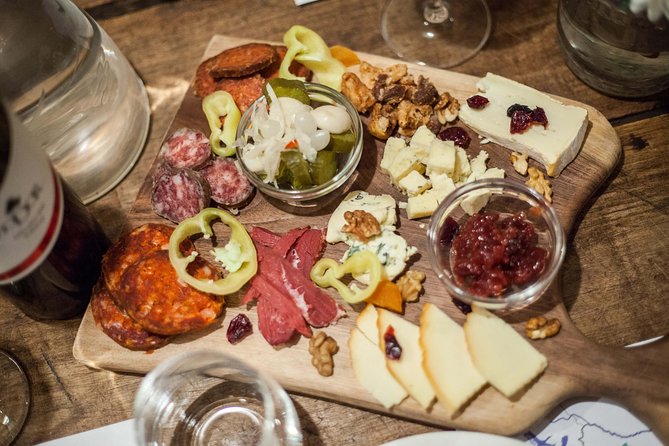
The session begins with introductions and an overview of Hungarian wine. You then work through five wines, with the sommelier explaining the grape, region, and style as the tasting moves along. The food is served as a board rather than as a sequence of separate restaurant courses.
The pace is generally easygoing. Some sessions include time to sit with the wine and food after the explanation, which is valuable because tasting is not a race. You can compare notes, talk with the people at your table, and return to a wine after trying it with a different cheese or meat.
The tasting sheets help you keep track of the wines. A map of Hungarian wine regions gives the discussion a useful visual reference, especially if Hungarian geography is new to you. Write down the names of any bottles you like. Several people leave wanting to buy wine later, and the notes make it easier to remember what caught your attention.
Most sessions last about 1.5 hours, though one account describes a longer afternoon. On the other hand, a few people felt rushed when the next group was due to arrive. That seems to be a scheduling issue rather than the normal tone of the event, but it is worth knowing. If you want to linger over every glass, ask about the timing at the beginning.
More Wine Tastings in Budapest:
- Budapest: Hungarian Wine Tasting with 8 Wines and Tapas
★ 4.9 · 446 reviews - 8-Tier Hungarian Wine Tasting in a Cozy Downtown Wine Bar
★ 4.9 · 269 reviews - Budapest: Essentials of Hungarian Wine Tasting Class
★ 4.9 · 174 reviews - Private Wine Tasting in Budapest
★ 5.0 · 107 reviews
What Makes the Sommelier Important
The guide determines whether this is merely a pleasant drink or a useful introduction to Hungary. Here, the sommelier is expected to explain both the wine and the places where the grapes grow. That local context is the reason to book this experience instead of ordering random Hungarian bottles at a wine bar.
The strongest sessions combine facts with a relaxed presentation. You may hear about the evolution of Hungarian wine, the effects of different soils, and how local producers work with less familiar grapes. The guides also explain the food and its connection to the country’s renewed small-producer culture.
You do not need to be an expert. In fact, beginners may get the most from the tasting because the wines are introduced one step at a time. If you already know wine well, the indigenous varieties and regional focus should still give you something new to consider. One especially high standard came from a participant who was already a sommelier and still found the experience worth recommending.
A good question to ask is which wines are easiest to find outside Hungary. Another is which bottle best matches the cheese or charcuterie you enjoyed most. The informal format gives you room to steer part of the conversation.
Is $50 a Fair Price?
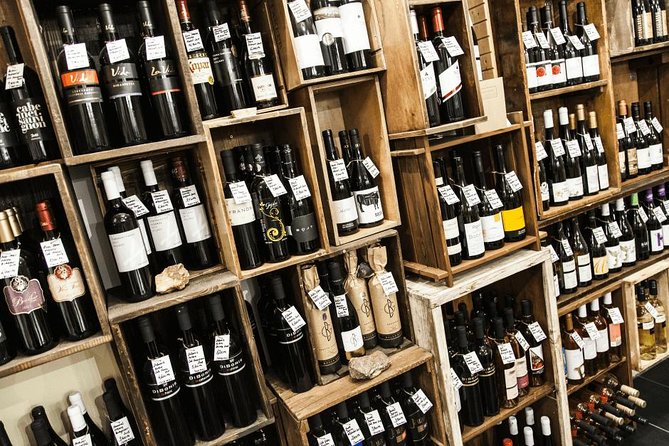
At $50 per person, the value depends on what you want from an afternoon tasting. You receive five wines, four cheeses, four cured meats, bread, mineral water, a professional sommelier, tasting notes, and a regional map. You also pay for the central cellar setting and the chance to taste wines that may be hard to locate elsewhere.
That is fair value if you see the event as a guided introduction to Hungarian wine culture. The educational part is not an afterthought. You are paying for a structured explanation that helps you understand why the bottles differ.
The price feels less generous if your main goal is food. The charcuterie is well chosen, but portions may be light for the cost. I would book this for the wine, setting, and guidance, then treat the board as a useful bonus rather than the main meal.
The tasting can also save you money in a small way. Instead of ordering several unfamiliar bottles during your stay and hoping for the best, you can sample five styles and identify what suits you. If you enjoy one, you may leave with a much clearer idea of what to look for in a shop or restaurant.
Who Will Enjoy This Most
I recommend this experience to anyone who likes food and drink but does not want a full-day vineyard excursion. It offers a concentrated introduction to Hungary without requiring a trip outside Budapest.
It suits couples, solo visitors, and small groups. Solo participants can join a shared table and meet other English-speaking people. Couples get an easy afternoon activity with enough structure to avoid awkward silence. Friends can turn it into a relaxed pre-dinner outing.
Wine beginners should feel comfortable here. You are not expected to identify aromas or use specialist language. Wine enthusiasts will appreciate the focus on local grapes, regional variation, and bottles not commonly exported.
This may not suit you if you dislike communal seating, want a private guide, or need a large meal. It is also a poor match if you cannot drink alcohol, since the main event is built around five glasses of wine. The legal drinking age in Hungary is 18, and anyone 18 or older may participate.
Practical Details That Matter
The experience is offered in English and includes a mobile ticket. Confirmation is sent at booking. It starts and ends at the Tasting Table Cellar, so you do not need to arrange a separate return transfer.
The cellar is near public transportation, and most people can take part. Seating is at shared tables. The group limit is 24, which keeps the activity from becoming a huge tasting-room presentation.
Book ahead if your Budapest dates are fixed. The experience is often reserved about three weeks in advance, with an average booking point of 23 days before the activity. The cancellation rule is strict: the booking is non-refundable and cannot be changed for any reason. If the minimum number is not reached and the provider cancels, you are offered another date or experience, or a full refund.
Should You Book the Hungarian Wine Tasting?
Yes, if you want a friendly, informative introduction to Hungarian wine in a memorable Budapest setting. The cellar, local grape varieties, regional map, and thoughtful pairings make this more useful than a simple drink-and-snack stop.
I would book it early in your stay if you enjoy wine. You may discover bottles and regions worth seeking out during the rest of your trip. Just eat a light meal beforehand if you have a big appetite, tell the provider about vegetarian needs in advance, and allow for the possibility that the final minutes may feel a little tight.
For $50, this is a strong choice for curious drinkers, with the best value coming from the sommelier’s guidance rather than the amount of food on the board.
FAQ
Where does the Hungarian wine tasting take place?
It takes place at the Tasting Table Cellar by Taste Hungary, at Bródy Sándor u. 9, 1088 Budapest.
What time does the tasting begin?
The scheduled start time is 3 p.m.
How long does the experience last?
The tasting lasts approximately 1.5 hours.
How many wines are included?
Five glasses of Hungarian wine are included.
What food is included?
You receive four kinds of cheese, four kinds of cured meat, fresh artisan bread, and mineral water.
Is the tasting conducted in English?
Yes. The experience is offered in English.
Is vegetarian food available?
Vegetarians are welcome, but you must notify the provider in advance so suitable alternatives can be prepared.
What is the minimum age to participate?
The legal drinking age in Hungary is 18, so participants aged 18 and older can take part.
Is the booking refundable?
No. The experience is non-refundable and cannot be changed for any reason. If the provider cancels because the minimum number of participants is not reached, you are offered another date or experience, or a full refund.
Newly added around Budapest
- Private Wine Tasting in Budapest★ 5.0 · 107 reviews
- Szentendre and Visegrad Private Danube bend Tour With Wine Tasting and Lunch★ 4.5 · 52 reviews
- Evening Wine, Cheese, & Charcuterie Tasting in Budapest★ 5.0 · 121 reviews
- Food and Wine Tasting in Budapest City Center with Sommelier★ 5.0 · 57 reviews
- Budapest Half-Day Wine Tour: 3 Family Wineries, Meal & Pálinka★ 5.0 · 38 reviews
- Budapest Unlimited Prosecco and Wine Cruise Day or Sunset Option★ 4.0 · 50 reviews
- Budapest Private Tuk Tuk Tour with Wine Tasting and Cheese Platter★ 4.5 · 35 reviews
- Easy Cooking Class Budapest – with Market Walk (local wine & pálinka included)★ 5.0 · 62 reviews
Wine & Cheese Tastings, compared.
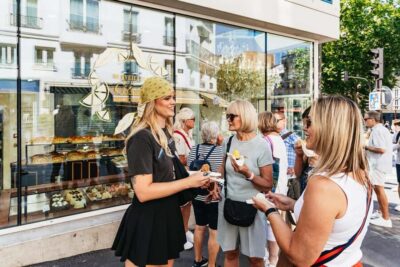
Montmartre Cheese, Wine & Pastry Guided Walking Tour
Read our review →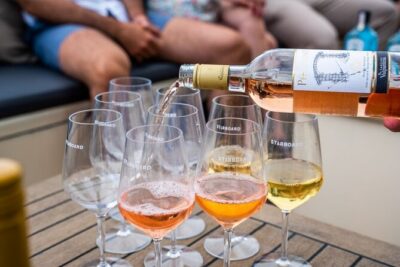
Evening Candle Light Cruise With Wine & Cheese
Read our review →
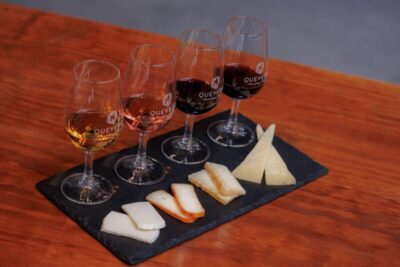
Vila Nova de Gaia: Port Wine Tasting with Cheese Pairing
Read our review →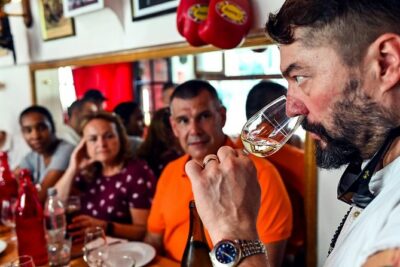
Private Montmartre Food Tour with Wine, Cheese & Pastries
Read our review →
Paris Le Marais Food Tour With 10+ Tastings, Cheese, Wine & More
Read our review →
Small Group Key West Adult Sunset & Moët Sail & Amazing Cheeses
Read our review →
Browse the lists this tour appears in