
REVIEW · WINE TASTINGS
Budapest: Essentials of Hungarian Wine Tasting Class
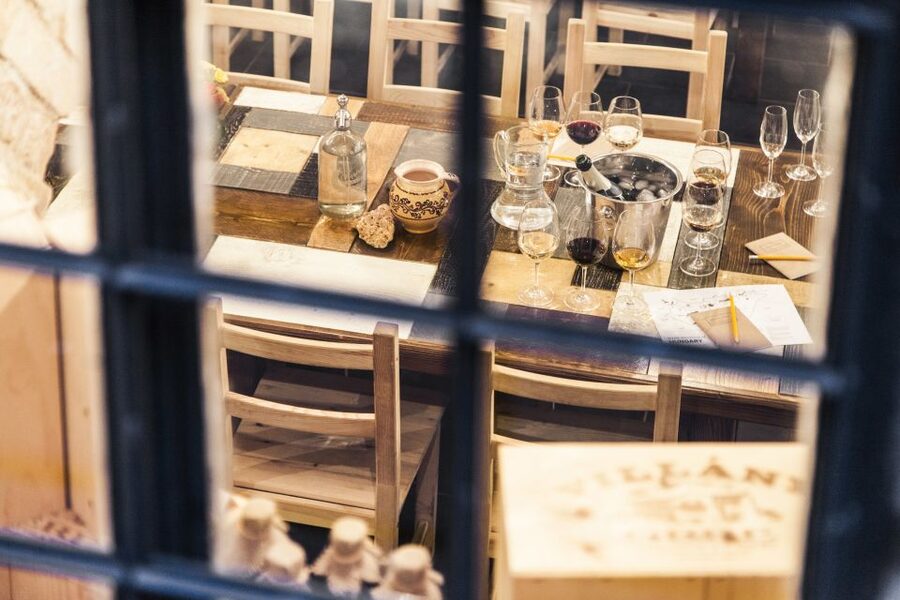
Hungarian wine deserves your attention. This two-hour tasting turns an unfamiliar wine country into a clear, tasty story, with eight wines, local food, and a sommelier who explains what is in your glass. I especially like the focus on small producers and the relaxed, social format. The only drawback is that generous pours can leave you quite tipsy, and one session may include more information than you can remember.
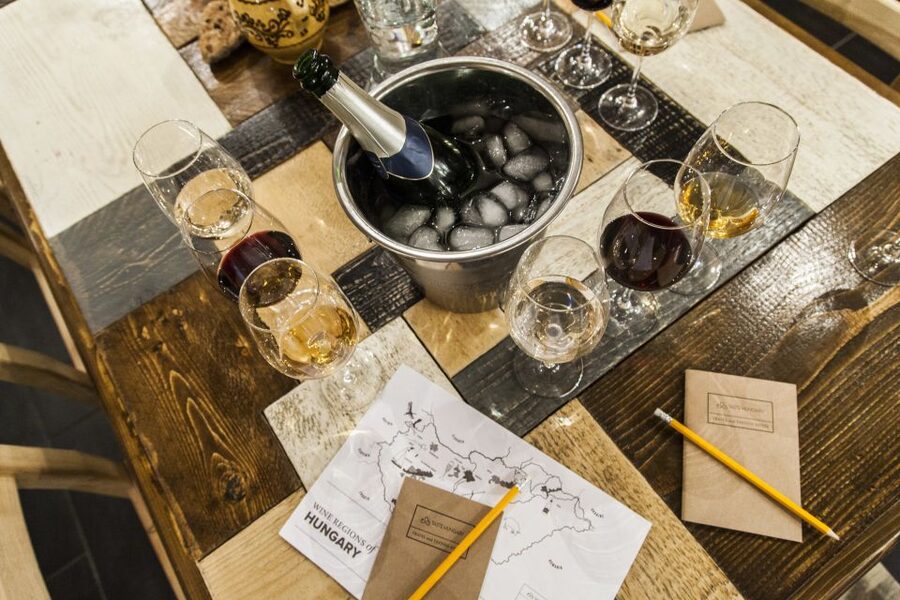
The setting helps, too. The Tasting Table Budapest is a charming shop and tasting room near the National Museum, with a brick cellar atmosphere that feels far more personal than a large tour hall. At $65 per person, the price is fair for eight wines, mineral water, tasting notes, a regional map, and enough cheese and cured meat to make this feel like an evening meal.
Key Points at a Glance
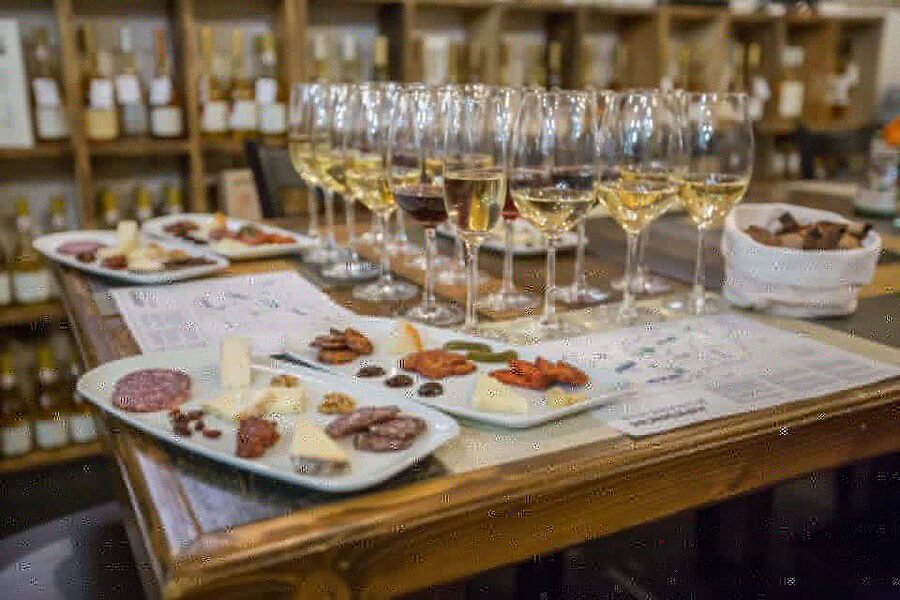
- Eight wines in two hours: Start with an aperitif, move through Hungarian whites and reds, and finish with sweet Tokaj aszú.
- Small producers take center stage: The wines are bought directly from makers the team has come to know over the years.
- A useful map of Hungary: You learn how regions, grape varieties, soil, climate, and winemaking styles affect the wine in your glass.
- Local food makes the tasting practical: Hungarian cheeses, meats, bread, and other regional flavors help you understand the wines through pairing.
- A friendly evening format: The host introduces each group of wines, then gives you time to taste, talk, and compare notes.
- Easy central location: The tasting room is 150 meters from the National Museum and a short walk from Astoria or Kálvin tér.
Why Hungarian Wine Is Worth Two Hours
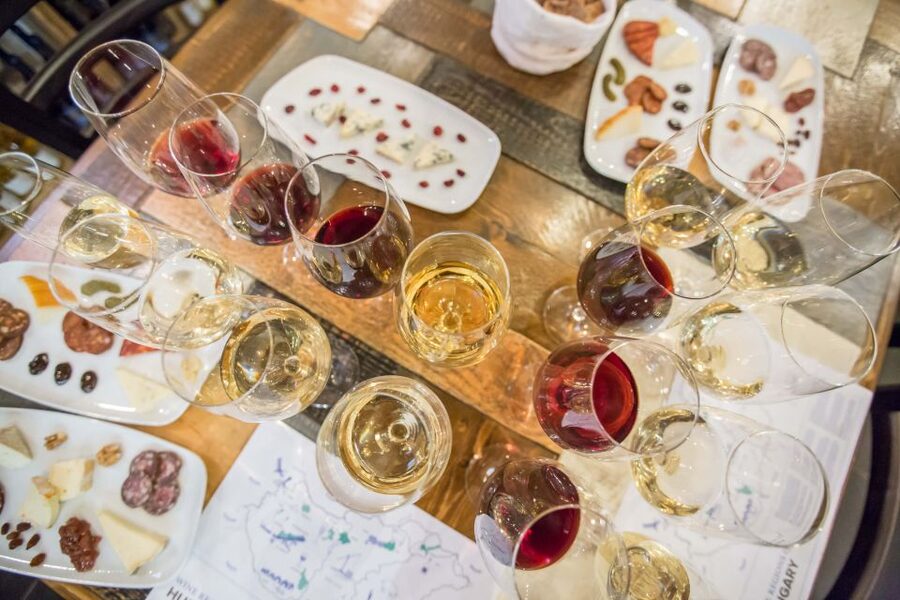
Hungary is not a one-grape, one-region wine country. Its wine story includes crisp whites, serious reds, sparkling wine, rosé, and one of Europe’s best-known sweet wines, Tokaj aszú.
That variety can be confusing if you simply pick a bottle from a shop shelf. This class gives you a framework first. You learn the major wine regions, important grape varieties, local styles, and current trends before the tasting gets too far along. That makes the wines easier to remember after your holiday.
I like this approach because Hungarian wine is still unfamiliar to many visitors. You are not just drinking eight pleasant wines. You are learning why they taste different and which regions or grapes you may want to explore later.
The class also keeps the focus on producers rather than flashy branding. The team buys directly from smaller wineries, and each bottle has a reason for being included. That is useful for you if you want to find distinctive wines that are less common outside Hungary.
More Wine Tastings in Budapest:
- Hungarian Wine Tasting (with Cheese and Charcuterie) in Budapest
★ 5.0 · 531 reviews - Budapest: Hungarian Wine Tasting with 8 Wines and Tapas
★ 4.9 · 446 reviews - 8-Tier Hungarian Wine Tasting in a Cozy Downtown Wine Bar
★ 4.9 · 269 reviews
Arriving at The Tasting Table Budapest
The meeting point is The Tasting Table Budapest at Bródy Sándor utca 9 in District VIII. It is just 150 meters from the National Museum, so it fits neatly into an evening around the museum and the old Józsefváros area.
Getting there is simple. The room is about a five-minute walk from Astoria on the M2 metro line or Kálvin tér on the M3. Trams 47 and 49 also stop at those two transport points.
That central position matters because you do not need to build your evening around a distant winery or a complicated transfer. The tasting usually runs from 6:00 to 8:00 PM, leaving you free to have dinner afterward or continue the evening nearby.
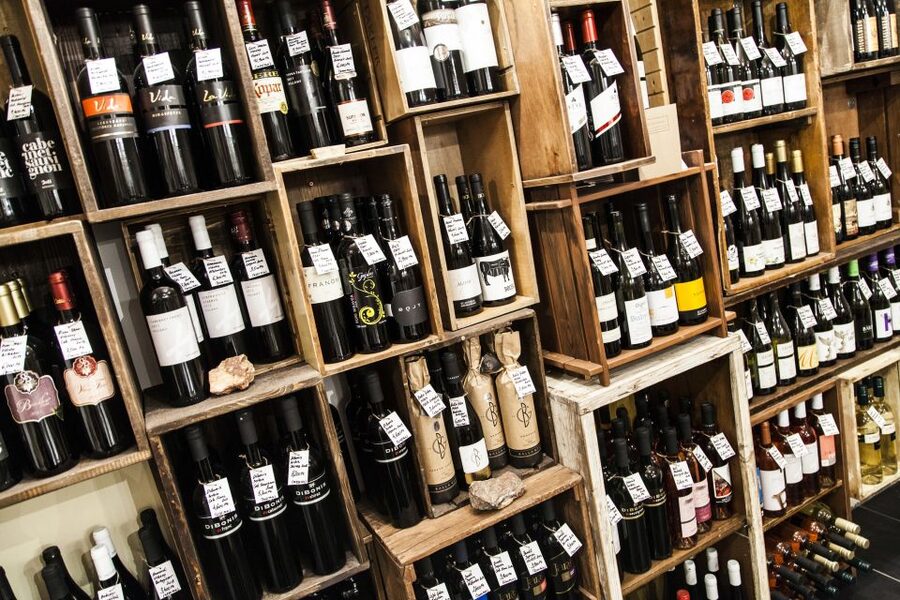
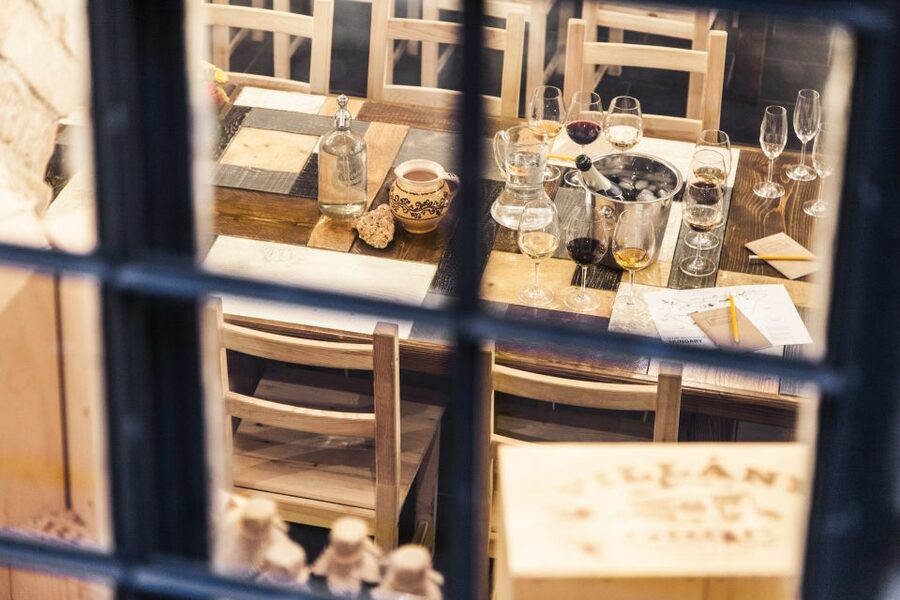
The room has a warm wine-cellar feel. A brick-arched cellar was noted as part of the setting, and the shop atmosphere makes the event feel connected to Hungarian wine rather than staged as a generic tourist activity. You may also have the chance to buy bottles after tasting them.
The First Glass: An Aperitif and a Friendly Start
The tasting opens with an aperitif. This gives the host a gentle way to introduce the evening and get the table talking before the more detailed wine work begins.
The group format is part of the appeal. You sit with people who may have come from different countries, but everyone has an easy subject in common: what is in the glass. Several sessions have created a friendly atmosphere, with people continuing to chat or have another drink together after the formal tasting ends.
The host normally introduces the wine, gives context about its region or grape, and then lets you taste and talk. This is better than listening to a two-hour lecture. You get information in manageable sections, followed by time to form your own opinion.
The hosts have varied over time. Tomas, Carlos, John, Sebastian, Christian, and others have led sessions, and the strongest praise consistently goes to hosts who combine wine knowledge with humor and an easy manner. Carlos was especially appreciated for mixing detailed information with plenty of laughs, while Tomas was praised for explaining how soil and climate affect taste.
One thing to keep in mind: the teaching style can vary. Some hosts keep the information short and conversational. Others give so much detail that you may lose track by the fourth glass. If you prefer a quiet tasting with minimal commentary, this may feel talkative. For most people, the explanation is the point of the experience.
White Wines, Reds, and the Shape of Hungary
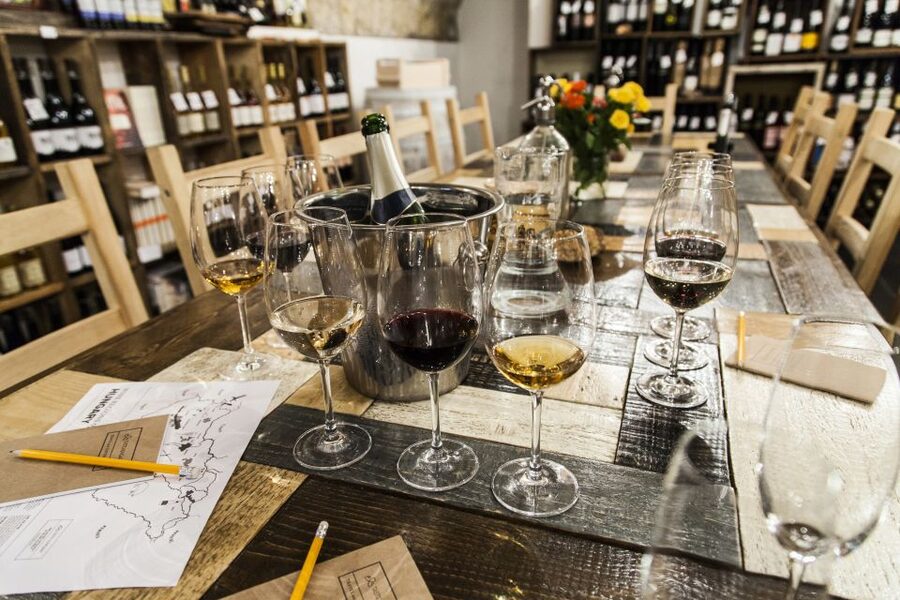
After the aperitif, the tasting moves through a range of Hungarian styles. The stated format includes whites and reds, with rosé possible, and usually finishes with a sweet Tokaj wine. Past sessions have included one sparkling wine, three whites, three reds, and one sweet wine.
This progression works well. The lighter wines help you notice freshness and fruit before the tasting moves toward fuller reds and more complex flavors. By the time you reach the final wine, you have encountered a broad sample rather than eight versions of the same style.
The host explains the main regions and varieties as you go. You learn how climate and soil influence the result, which gives the map more purpose than a quick geography lesson. You can use the tasting sheet to write down a grape name, region, or bottle you want to find again.
That note-taking matters because Hungarian names can be unfamiliar. After several pours, even a short name may become difficult to recall. One useful trick is to record only three things for each wine: the grape, the region, and your own reaction. Do not try to write down every aroma description.
The wines have earned strong praise for variety and quality. Some participants discovered grapes they had never tasted before, while others simply enjoyed having a clear sample from several parts of the country. The point is not that you will love every bottle equally. The point is to find your own favorites and understand why they differ.
A few more wine tours around Budapest worth a look
- Budapest Cooking Class & Market Tour with Local Guide & Wines
★ 5.0 · 553 reviews - Easy Cooking Class Budapest – with Market Walk (local wine & pálinka included)
★ 5.0 · 62 reviews - Florence: Pasta Cooking Class with Unlimited Wine
★ 4.9 · 10,285 reviews - Florence: Pasta & Tiramisu Cooking Class with Unlimited Wine
★ 4.9 · 6,708 reviews
Tokaj Aszú: Ending with Hungary’s Sweet Signature
The final wine is a sweet botrytised Tokaj aszú. This is a smart ending because Tokaj gives the class a memorable finish and shows a side of Hungarian wine that dry reds and whites cannot cover.
You do not need to be a dessert-wine expert to enjoy this part. The host explains the style and its place in Hungarian wine culture, while the sweetness offers a clear contrast to the wines that came before it.
If you find sweet wine too heavy, this may not be your favorite pour. Still, it is worth trying in the context of the full tasting. You may appreciate it more after comparing it with several dry wines first.
Cheese, Charcuterie, and Hungarian Flavors
The food pairings are more than decoration. Local cheeses, cured meats, bread, and other Hungarian flavors help you see how wine works with food.
The cheese and charcuterie boards have been generous enough for some people to treat the tasting as dinner. That should not be guaranteed as a full meal for everyone, though. One person felt that more food would have been useful alongside the wine, especially because the pours are generous.
The food also keeps the evening from becoming eight glasses on an empty stomach. I would still eat something light beforehand, especially if you normally spit wine during tastings but plan to swallow here. Several pours are closer to small glasses than tiny samples, and the alcohol adds up quickly.
Pairings are especially helpful if you are new to wine. A cheese may soften the sharpness of a white, while a cured meat can make a red taste rounder. You are not required to identify every technical detail. Simply notice what changes when you taste the food before and after the wine.
How Much Wine Do You Actually Get?
The advertised total is eight wines. The usual sequence is an aperitif, several whites and reds, perhaps a rosé, and a Tokaj aszú dessert wine.
The pours are one of the best values of the evening, but also the main practical warning. Past sessions have included generous servings, and one participant admitted to becoming very tipsy. Do not plan to drive afterward, and do not treat this as a quick sample flight.
The event is in central Budapest, so walking to and from the tasting room is sensible. If you need to use public transport, Astoria and Kálvin tér are both close. Drink water between wines, use the tasting sheet to slow yourself down, and remember that you do not have to finish every pour.
Mineral water is included. That is a small but important detail during a tasting with this many wines.
Is $65 a Good Value?
At $65 per person, this is not the cheapest wine activity in Budapest. It is a solid value if you want instruction, a broad selection, local food, and a central location in one evening.
Buying eight separate wines on your own would cost more and would not give you the same explanation of regions and grapes. A regular bar tasting may also offer fewer wines or less food. Here, the price includes the sommelier-led lesson, eight wines, water, tasting materials, a map, and food pairings.
The value is strongest for people who are curious about Hungarian wine but do not know where to begin. You leave with enough background to visit a wine shop and make a more confident choice.
It is less useful for someone who already has a strong grasp of Hungarian wine and wants a rare, highly technical cellar experience. The class is designed as an introduction, not a specialist certification course.
Who Will Enjoy This Tasting Most?
I would recommend it to couples, solo visitors, and small groups who want an evening activity with conversation built in. Solo visitors can easily join the table, and the shared format makes it less awkward than sitting alone at a bar.
It suits beginners because you do not need prior wine knowledge. The hosts explain the basics without requiring you to speak in technical terms. At the same time, the range of regions and varieties gives experienced wine drinkers enough new material to stay interested.
It is also a good choice early in a Budapest visit. You can use what you learn for the rest of your trip, especially if you plan to buy bottles as gifts or order Hungarian wine with meals.
I would think twice if you dislike group activities, need a completely quiet room, or are looking for a substantial dinner. The room can become lively, and one session had some side conversations that made parts of the presentation harder to hear.
Useful Booking Details
The tasting is available on most evenings, generally from 6:00 to 8:00 PM. Check the available start time when booking, since the exact schedule can vary.
English is the stated language. The legal drinking age in Hungary is 18, so participants must be at least 18.
A minimum of two people applies. If that minimum is not met, the booking can be canceled after confirmation, with an alternative or full refund offered. Free cancellation is available up to 24 hours before the activity, and you can reserve now and pay later.
The wine selection may change. That is good news if you return to Budapest and want another session, but it means you should not expect the exact same bottles each time.
Should You Book It?
Book this tasting if you want a friendly, useful introduction to Hungarian wine rather than a formal lesson or a simple drinking session. The combination of eight varied wines, local food, a central cellar setting, and hosts such as Tomas or Carlos makes the $65 price reasonable.
Go with an appetite for learning, but not an empty stomach. Take notes, drink the water, and leave room for the Tokaj aszú at the end. If you enjoy wine and want to understand what Hungary brings to the table, this is one of the better evening activities in Budapest.
FAQ
Where does the Hungarian wine tasting take place?
It takes place at The Tasting Table Budapest, Bródy Sándor utca 9, 1088 Budapest, in District VIII.
How long does the tasting last?
The scheduled duration is two hours, usually from 6:00 PM to 8:00 PM.
How many wines are included?
The tasting includes eight Hungarian wines. The selection usually includes an aperitif, whites, reds, possibly a rosé, and a sweet Tokaj aszú wine.
Is food included?
Yes. The experience includes local Hungarian food pairings, such as cheeses, charcuterie, and other regional flavors, along with mineral water.
What language is the tasting conducted in?
The tasting is conducted in English.
How old must you be to participate?
Hungary’s legal drinking age is 18, so participants must be at least 18 years old.
How much does the experience cost?
The price is $65 per person.
Can I cancel my booking?
Yes. You can cancel up to 24 hours in advance for a full refund. Reserve now and pay later is also available.
Newly added around Budapest
- Private Wine Tasting in Budapest★ 5.0 · 107 reviews
- Szentendre and Visegrad Private Danube bend Tour With Wine Tasting and Lunch★ 4.5 · 52 reviews
- Evening Wine, Cheese, & Charcuterie Tasting in Budapest★ 5.0 · 121 reviews
- Food and Wine Tasting in Budapest City Center with Sommelier★ 5.0 · 57 reviews
- Budapest Half-Day Wine Tour: 3 Family Wineries, Meal & Pálinka★ 5.0 · 38 reviews
- Budapest Unlimited Prosecco and Wine Cruise Day or Sunset Option★ 4.0 · 50 reviews
- Budapest Private Tuk Tuk Tour with Wine Tasting and Cheese Platter★ 4.5 · 35 reviews
- Easy Cooking Class Budapest – with Market Walk (local wine & pálinka included)★ 5.0 · 62 reviews
Wine Tastings, compared.
Douro Valley w/ Boat Tour, Wine Tasting & Lunch
Read our review →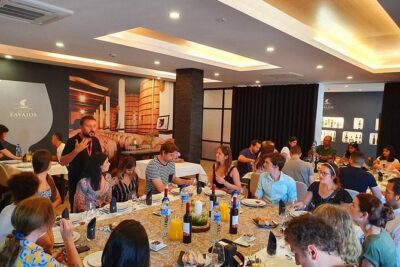
Complete Douro Valley Wine Tour with Lunch, Wine Tastings and River Cruise
Read our review →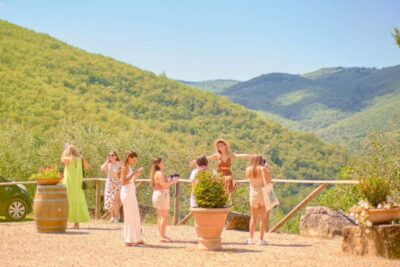

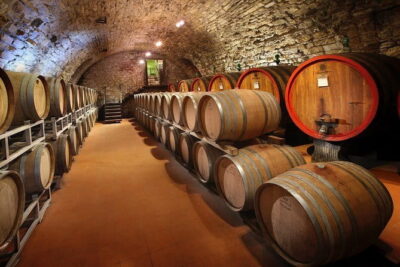
Small-Group Wine Tasting Experience in the Tuscan Countryside
Read our review →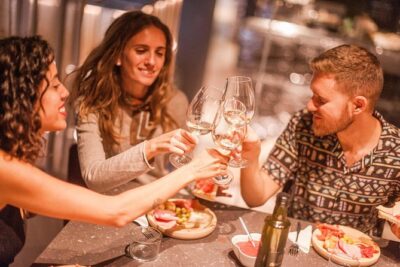
Montserrat & Cogwheel Train, Gourmet Wine Tasting & Tapas/Lunch
Read our review →
Tuscany & Montepulciano Day Trip with Lunch & Wine Tasting
Read our review →Browse the lists this tour appears in