
REVIEW · COOKING CLASSES
Milan: Pasta and Tiramisu Small Group Cooking Class with Wine
Fresh pasta tastes better when you make it. This three-hour Milan cooking class pairs hands-on pasta and tiramisu with a welcome glass of Prosecco, a shared meal, and plenty of useful kitchen advice. I like the small group of no more than 12 and the friendly instructors, especially Francesco, Mimmo, Memmo, and Alba, who are repeatedly praised for their patience and humor.
I also like the class’s practical focus. You work with flour, make your own dough, roll it out, shape pasta, and prepare tiramisu before sitting down to eat. The main caution is that the restaurant may cook or combine the finished pasta for serving, so the final plate may not always be made only from your own batch.
What makes this Milan cooking class worthwhile
- You make two Italian staples: fresh pasta and tiramisu, with techniques you can repeat at home.
- The class is capped at 12 people: small enough for individual help without feeling too formal.
- You start with Prosecco: a relaxed way to meet the group before the cooking begins.
- The meal includes wine and soft drinks: the price covers pasta, tiramisu, and drinks with lunch or dinner.
- Several instructors receive warm praise: Francesco, Mimmo, Memmo, Federico, and Alba are all noted for clear teaching and good humor.
- The central Milan setting is convenient: the venue is near public transportation, though you should check the exact meeting point carefully.
Arriving at the restaurant for Prosecco
The class begins when you enter the restaurant, receive a welcome glass of Prosecco, and meet the instructor and other members of the group. That first drink matters more than it may seem. Cooking beside strangers can feel awkward for the first few minutes, and a shared toast helps everyone relax.
The setting is described as a convenient restaurant in central Milan, close to public transportation. One particularly enthusiastic account places the restaurant near the Navigli canals, with a pleasant atmosphere. Since the exact venue can vary, check your confirmation for the precise meeting point rather than relying only on a general map pin.
You also get a brief look at how an Italian restaurant operates before taking your place in the kitchen. This behind-the-scenes element gives the class more character than a standard demonstration. You are not simply watching a chef prepare dinner. You are stepping into the working space, tying on an apron, and taking responsibility for part of the meal.
The class is offered in English, and the instructors are praised for explaining techniques clearly. That is important here because pasta making depends on small visual clues: how the dough feels, how thin it should become, and when it needs more flour or moisture. A good instructor can show those details much faster than a recipe can explain them.
More Cooking Classes in Milan:
- Milan: Pasta and Tiramisu Cooking Class with Wine
★ 4.8 · 1,106 reviews - Milan: Italian Cooking Class with Food and Wine
★ 4.7 · 509 reviews - Milan: Pasta, Gnocchi and Tiramisù Cooking Class with Wine
★ 5.0 · 117 reviews
Learning the difference between fresh and dried pasta
The pasta lesson begins with the foundation: flour and dough. You learn which type of flour to use, how to mix and knead the dough, and how fresh pasta, or pasta fresca, differs from dried pasta, or pasta secca.
That distinction is useful beyond this one meal. Fresh pasta is soft, tender, and made for immediate cooking. Dried pasta has a different texture and behaves differently with sauces. Understanding the difference helps you choose the right pasta for a dish instead of treating every noodle as interchangeable.
Several accounts describe each participant making dough, rolling it out, and cutting it into noodles. That is the best part of the class for anyone who wants to take the skill home. You are not just watching a quick pasta demonstration while a chef does all the work.
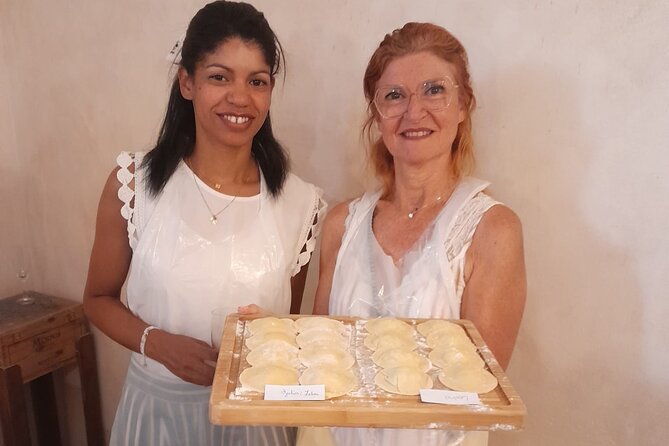
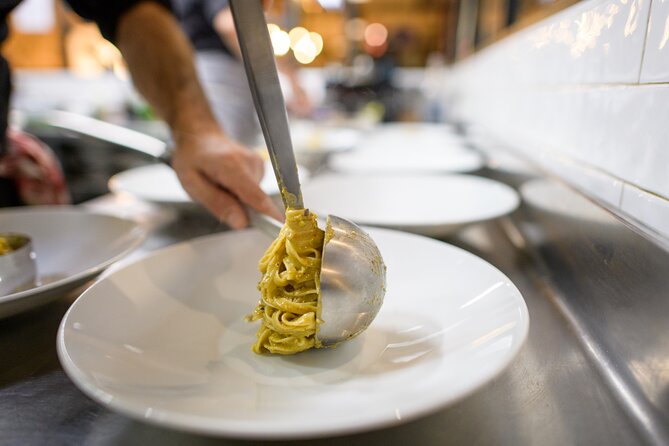
The lesson also includes more than one pasta shape. The sample meal features fettuccine with tomato sauce and ricotta and spinach ravioli with butter and sage. Making noodles and filled pasta gives you two separate skills: rolling and cutting a simple pasta, then handling filling and sealing for ravioli.
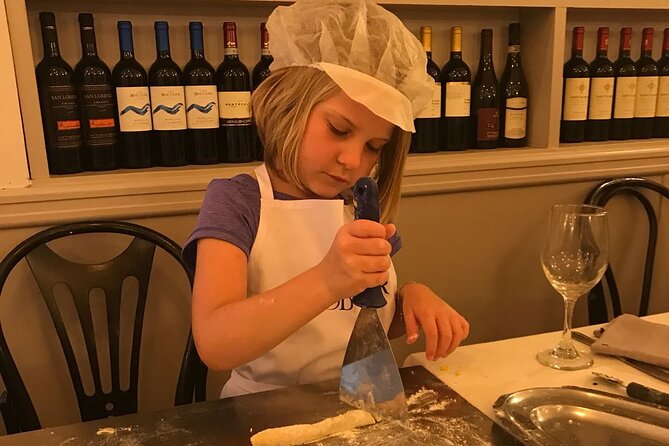
Expect a little mess. Flour on the work surface is part of the point. You will need to pay attention to the instructor’s method, especially when sealing ravioli. If you are cooking with children, the class can work well because the work is tactile and easy to understand. One family found that a 12-year-old could handle the tasks independently, while another family brought children ages 5, 7, and 9.
Rolling, shaping, and preparing the meal
The hands-on work is the heart of the three hours. You move from explanation to practice, with the instructor checking your technique and offering corrections. Francesco is especially praised for making the lesson lively and useful, while Memmo is described as patient and informative.
The class is not a professional culinary course. You will not leave with a certificate or restaurant-level speed. You will leave with a better sense of dough texture, pasta thickness, and the basic steps for making fresh noodles and ravioli at home.
There is one practical point to understand before booking. The class prepares the pasta, but the restaurant team may cook it for you. One participant felt disappointed because the final pasta was combined from the group’s work rather than served as each person’s individual batch. Other accounts describe the food as delicious and the class as highly enjoyable, so this appears to be an operational detail that may vary by session.
If controlling every part of the cooking process is your main goal, ask about this before you go. If your priority is learning the method, enjoying a social activity, and eating a good meal afterward, it is less of a concern.
The sauce choices add another pleasant touch. The advertised meal includes tomato sauce for the fettuccine and butter with sage for the ravioli. One participant also recommended amatriciana with red wine, suggesting that the restaurant may offer sauce options depending on the menu or session. Do not assume every option will be available, but it is worth asking what pairings are offered on the day.
Making tiramisu without overcomplicating it
After the pasta work, you prepare tiramisu. This gives the class a change of pace. Pasta requires kneading, rolling, and shaping, while tiramisu focuses more on layering and balancing the dessert’s creamy and coffee-soaked elements.
The tiramisu lesson is presented as a step-by-step preparation, with guidance from the chef. Alba is praised for clear demonstrations of both the pasta and dessert, and several instructors are described as patient when participants need help.
This is a good activity for families and couples because the dessert is easier to share as a project. It is also a useful choice if one person in your group enjoys cooking while another prefers lighter hands-on tasks.
A small warning: it is easy to eat too much of the mascarpone mixture before the dessert is assembled. One participant admitted doing exactly that and ending up with less cream for the top. That is not a serious problem, but it is a fair lesson in kitchen discipline. Save enough for the final layer.
The dessert is not simply an extra bite at the end of the meal. It is one of the two dishes you learn to make, which improves the value of the class. You leave with a second recipe that is realistic for a home kitchen and suitable for a dinner party.
More Pasta Making in Milan:
- Gnocchi, Pasta, Tiramisù and Wine Class
★ 5.0 · 691 reviews - Milan: Pasta Class with Gelato or Tiramisù & Unlimited Wine
★ 4.9 · 233 reviews - Florence: Pasta Cooking Class with Unlimited Wine
★ 4.9 · 10,285 reviews - Florence: Pasta & Tiramisu Cooking Class with Unlimited Wine
★ 4.9 · 6,708 reviews
Sitting down for pasta, tiramisu, and wine
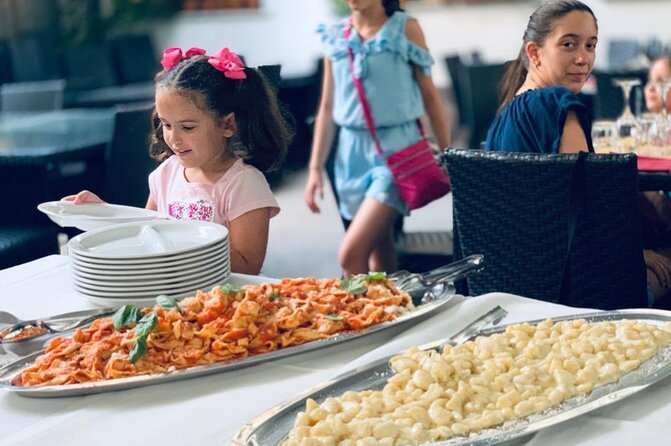
Once the cooking is finished, the group sits together for lunch or dinner. Your pasta is prepared by the restaurant team, and you eat it with the sauces provided. Tiramisu follows, along with wine and other drinks.
The included beverages are a meaningful part of the price. You begin with Prosecco, then have red wine, white wine, or non-alcoholic drinks with the meal. Soft drinks are included as well. If you do not drink alcohol, the class still provides a complete meal without making wine the only option.
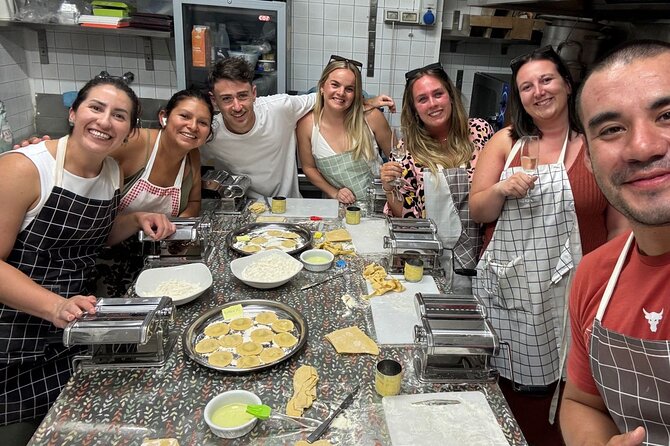
The shared table helps turn the lesson into a social evening. The group size is limited to 12, which gives you a reasonable chance to speak with the people around you without the noise and distance of a large tour. Several accounts describe groups warming up after the first part of the class, with the instructors helping the conversation along.
Timing can be uneven. Most accounts describe a class that begins and ends on schedule, but one dissatisfied participant found the explanations too long and the restaurant service too slow. The restaurant may also be serving regular diners, and that dual role can put pressure on the kitchen. Keep this in mind if you have a train, theater ticket, or timed museum entry afterward.
How the $83.44 price compares with the experience
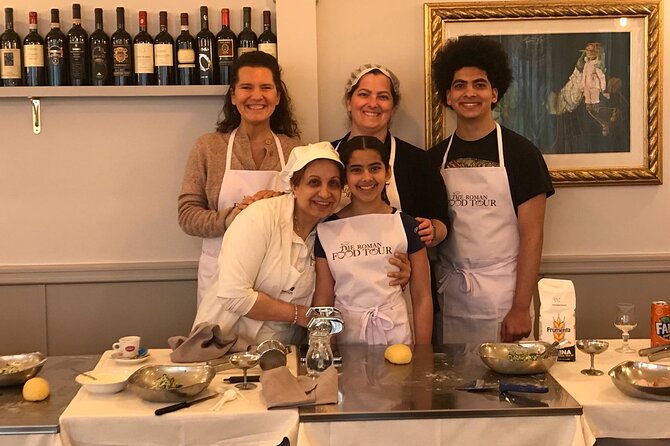
At $83.44 per person, this is not a cheap meal. It is also more than a basic pasta demonstration because you receive about three hours of instruction, hands-on work, a full pasta and tiramisu meal, Prosecco, wine or soft drinks, and a small-group setting.
I see the value most clearly if you treat it as both dinner and an activity. A restaurant meal alone would not teach you how to make dough or tiramisu. A short cooking lesson without food and drinks would leave you paying for dinner afterward. Here, the two parts are combined.
The price makes the most sense for:
- Couples who want an evening activity beyond sightseeing
- Families looking for something children can actively do
- Solo visitors who enjoy meeting people at a shared table
- Friends who want a food-centered group activity
- Anyone who wants practical pasta skills rather than a purely visual demonstration
It is less suitable if you want a serious chef-training session, complete control over the final cooking, or a highly polished restaurant service from start to finish. The strongest part is the warm instruction and the chance to work with the dough. The weaker part can be the handoff between the class and the restaurant kitchen.
With a rating of 4.9 out of 5 from 661 ratings and a recommendation rate of 98 percent, the overall record is excellent. Still, the lower rating offers useful information: this experience depends on how smoothly the class and restaurant service work together on the day.
Who will enjoy this class most
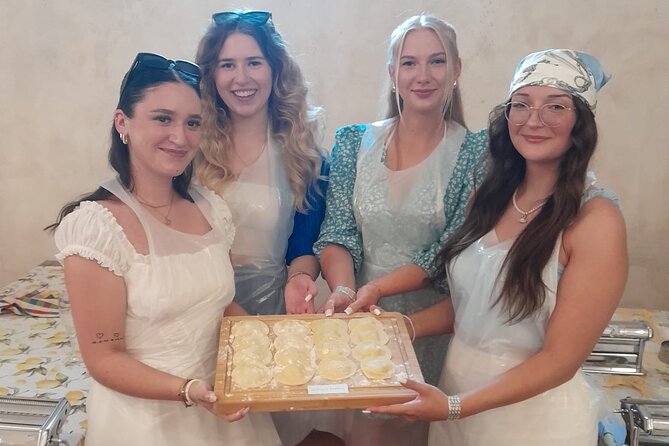
I would recommend the class to families with children, especially if you want a break from museums and churches. The work is physical but not demanding, and children can roll, cut, fill, and assemble food with guidance. The shared meal also gives everyone a clear reward at the end.
Couples can use it as a relaxed date activity. You get conversation, drinks, food, and a little friendly competition over whose pasta looks best. It has more personality than simply booking another dinner.
Solo visitors should also consider it. The limited group size and shared preparation make it easier to meet people than at a private cooking lesson. You do not need to arrive with a large party to enjoy the format.
This is also a strong choice for food lovers who want specific skills. The flour lesson, the contrast between fresh and dried pasta, ravioli shaping, and tiramisu preparation are all useful at home.
I would be more cautious if your schedule is tight. The class lasts about three hours, and slow service has been a problem on at least one occasion. Book it on a day when you can allow extra time afterward.
Practical details before you book
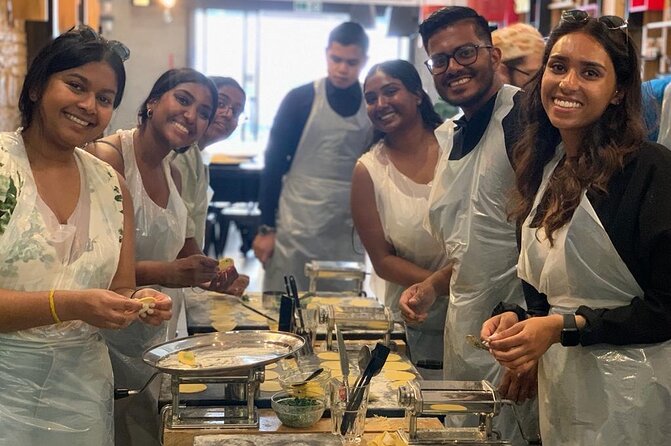
The experience is offered in English and accepts mobile tickets. Confirmation is provided when you book, and the meeting point is near public transportation. The class is capped at 12 people, though smaller sessions can happen. One account describes a class with only two participants, which would offer more direct help but less of a group atmosphere.
The activity is generally booked about 26 days ahead. That is a useful signal for popular dates, especially if you want a particular lunch or dinner time. I would reserve early if you are visiting Milan for only a few days.
Tips are not included. Bring a little extra for the instructor or restaurant team if you feel the service deserves it.
Free cancellation is available up to 24 hours before the start time for a full refund. Changes or cancellations inside that 24-hour window are not accepted for a refund, and the cut-off follows Milan local time.
My verdict on this Milan pasta class
I would book this class if you want an easygoing, social way to learn Italian cooking while getting a full meal. The patient instructors, small group, and generous food-and-drink package make it a strong value for a three-hour activity in Milan.
Go in with realistic expectations. You are learning useful home cooking skills, not training in a restaurant kitchen. The pasta may be cooked or combined by the staff, and service can slow when the restaurant is busy. For most people, the pleasure of making dough, sharing wine, and eating fresh pasta will outweigh those limits.
FAQ
How long does the cooking class last?
The class lasts approximately three hours, including the cooking lesson and the final lunch or dinner.
What food do I make?
You prepare fresh pasta and tiramisu. The sample menu includes fettuccine with tomato sauce and ricotta and spinach ravioli with butter and sage.
Are drinks included?
Yes. The experience includes a welcome glass of Prosecco, wine with the meal, and non-alcoholic beverages or soft drinks.
How many people can join the class?
The class has a maximum of 12 participants.
Is the class offered in English?
Yes. The cooking class is offered in English.
Can I cancel for a full refund?
Yes, if you cancel at least 24 hours before the scheduled start time. Cancellations or changes made less than 24 hours before the experience are not eligible for a refund.
More Workshops in Milan
- Pizza and Tiramisu Cooking Class with Wine in Milan
★ 4.9 · 80 reviews - Florence: Pasta Cooking Class with Unlimited Wine
★ 5.0 · 6,413 reviews - Rome: Pasta & Tiramisu Class with Fine Wine by the Vatican
★ 4.9 · 4,852 reviews - Rome: Pasta Making Class with Wine, Limoncello, and Dessert
★ 4.9 · 3,177 reviews
Newly added around Milan
- Pizza and Tiramisu Cooking Class with Wine in Milan★ 4.9 · 80 reviews
- Milan: Wine Tasting Experience in the City Centre★ 4.5 · 113 reviews
- Milan: Pasta Class with Gelato or Tiramisù & Unlimited Wine★ 4.9 · 233 reviews
- Milan: Pasta, Gnocchi and Tiramisù Cooking Class with Wine★ 5.0 · 117 reviews
- Milan Wine Tasting Aperitivo★ 4.4 · 31 reviews
- Milan: History & Street Food Tour with Wine Tasting★ 4.9 · 30 reviews
- Milan: Small Group – Duomo & Rooftop, Wine & Food Tasting★ 5.0 · 27 reviews
- Milan: Food and Wine Experience★ 4.5 · 30 reviews
Cooking Classes, compared.
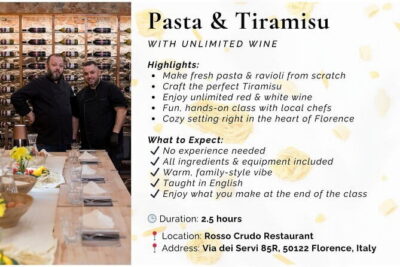
Pasta & Tiramisu Cooking Class with Unlimited Wine
Read our review →
Pasta Making Class with Wine, Limoncello, and Dessert
Read our review →
Cooking Class Pasta & Tiramisu Making Unlimited Wine
Read our review →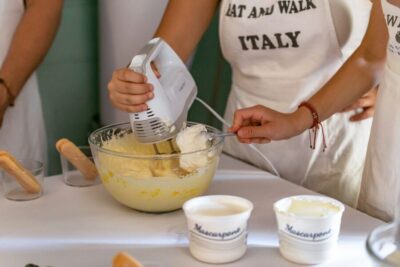
Fettuccine & Tiramisù: Cooking Class with Wine & Limoncello
Read our review →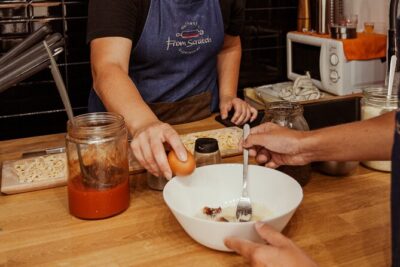
Pasta Making & Wine Tasting with Dinner in Frascati from Rome
Read our review →
Rome Cooking Class: Make Pasta, Dine & Drink Wine With Local Chef
Read our review →Browse the lists this tour appears in