
REVIEW · WINE TASTINGS
Dijon: La Cave du Palais Burgundy Wine Tasting Experience
Burgundy makes more sense one glass at a time. This 90-minute tasting brings you into La Cave du Palais, an old vaulted cellar in central Dijon, then guides you through six wines from across the Burgundy classification system. I like the intimate setting and the chance to compare regional wines with more prized appellations without leaving the city center. The main limitation is that this is a tasting, not a vineyard visit, so you will not see the countryside or working wineries.
I also like the small group size, capped at eight people. That gives you room to ask about soil, vintages, appellations, and food pairings instead of simply listening to a rehearsed speech. The only real caution is practical: the underground cellar is not suitable for wheelchair users, and the activity is limited to adults over 18.
Key points to know before booking
- Six wines in 90 minutes: The tasting covers Burgundy reds and whites, with examples ranging from regional appellations to Grand Cru.
- A historic cellar in Dijon: La Cave du Palais is in the Hotel du Palais, about a five-minute walk from Place de la République.
- Small groups matter: With no more than eight participants, the guide can take questions and adjust the discussion to the group.
- A lesson in Burgundy’s climates: You learn how place, soil, geography, and vintage affect the wine in your glass.
- English and French guidance: The hosts speak French and English, and some sessions have also included Spanish.
- Good city-center value: At $64 per person, this is a practical alternative if you do not have time for a full vineyard excursion.
Entering La Cave du Palais in central Dijon
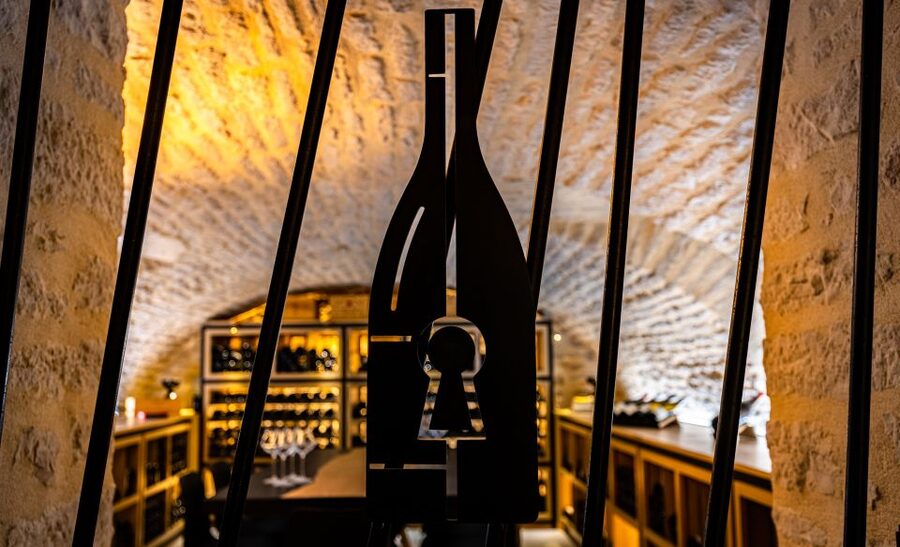
The meeting point is easy to reach. La Cave du Palais is located inside the Hotel du Palais, roughly five minutes on foot from Place de la République. You can make this a simple stop during a day in Dijon, with no car or countryside transfer required.
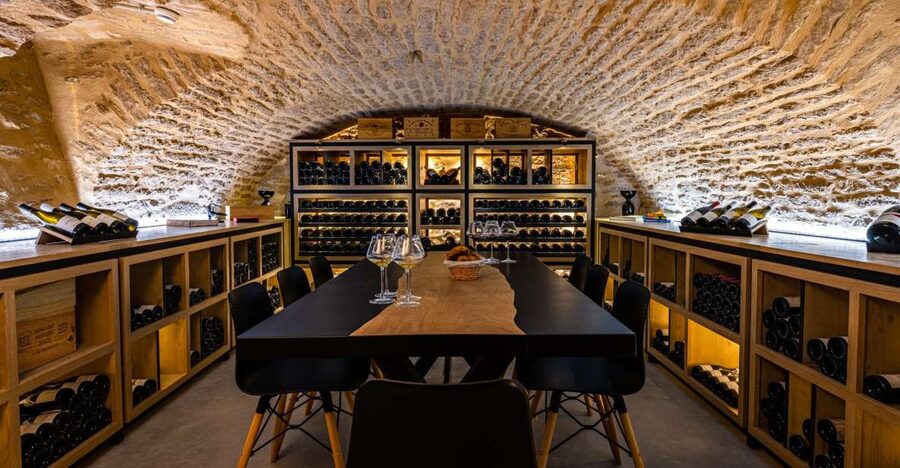
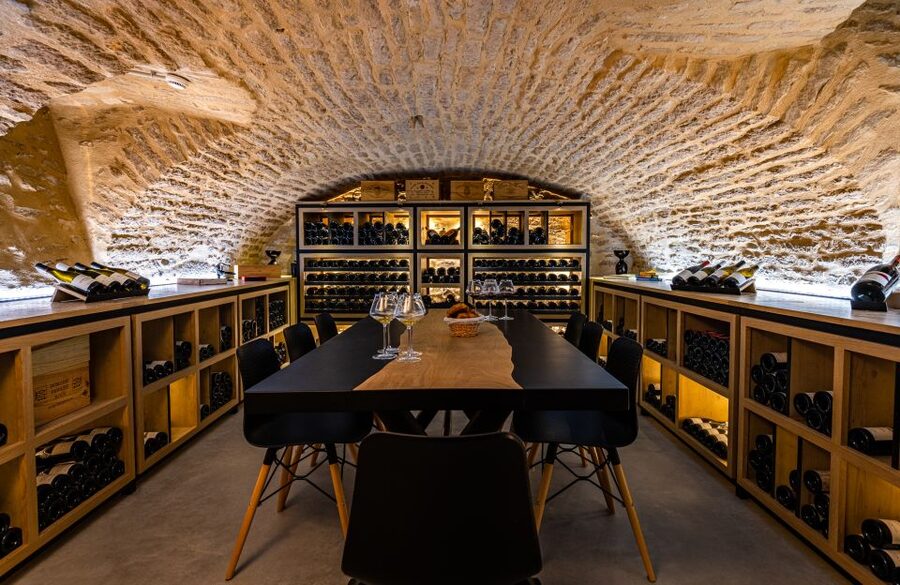
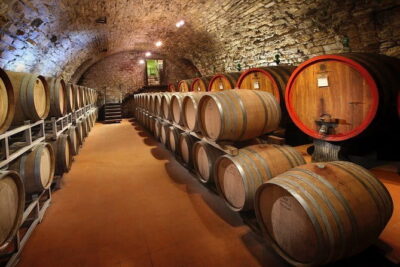
The setting does much of the work before the first pour. The tasting takes place in an old vaulted cellar beneath the hotel, described as an ancient and exclusive space with original underground features. One especially appealing detail is the cellar’s reported 15th-century character. You are not sitting in a generic modern wine bar with a few barrels placed for decoration. The stone, low-light atmosphere gives the lesson a clear sense of place.
That setting also shapes the pace. The experience is intended to be friendly and interactive rather than stiff. Several hosts, including Antoine, Leo, Robin, Prune, Rafael, and Sebastian, have led tastings here. The guide may vary, but the repeated pattern is a relaxed session with time for questions and discussion.
You should arrive ready to spend the full 90 minutes indoors. The cellar is part of the attraction, but it also means this is not ideal if you have difficulty with underground spaces or uneven access. Wheelchair users should choose another activity, since the experience is specifically listed as unsuitable for wheelchair access.
More Wine Tastings in France
- Bordeaux: Cité du Vin Entry Ticket and Wine Tasting
★ 4.6 · 3,885 reviews - Montmartre Hill French Gourmet Food and Wine Tasting Walking Tour
★ 5.0 · 2,588 reviews - From Paris: Loire Valley Castles Day Trip With Wine Tasting
★ 4.6 · 1,727 reviews
Six pours that explain Burgundy’s complicated labels
Burgundy can be confusing because the label often tells you more about where the grapes came from than about a famous producer or a bold brand name. The tasting is built around that idea. You sample six wines and use them to understand the ladder from regional appellations through village and more specific vineyard classifications, including Grand Cru.
The exact bottles can change, so you should not book expecting a fixed list. What is clear is the range. The selection includes red and white Burgundy, and one session included three of each. Other tastings have included six different types, with a particularly broad spread of appellations.
This variety is the main reason the experience works for beginners. Instead of hearing a long explanation of classification in the abstract, you can compare wines as you go. A regional Burgundy may express a wider area, while a more tightly defined appellation reflects a smaller growing zone. By the time you reach a top-level bottle, the differences have a better chance of making sense.
The Grand Cru sample is an important feature, but keep your expectations sensible. One taste of Grand Cru does not turn you into a Burgundy expert, and a six-wine flight cannot represent every corner of the region. Still, it gives you a useful introduction to the high end without asking you to buy a full bottle at restaurant prices.
The pours are described as generous, and the selection has been praised for including both reds and whites. That makes this a better fit for someone who wants to understand the breadth of Burgundy rather than focus only on Pinot Noir or Chardonnay.
Climates, soil, and the reason place matters
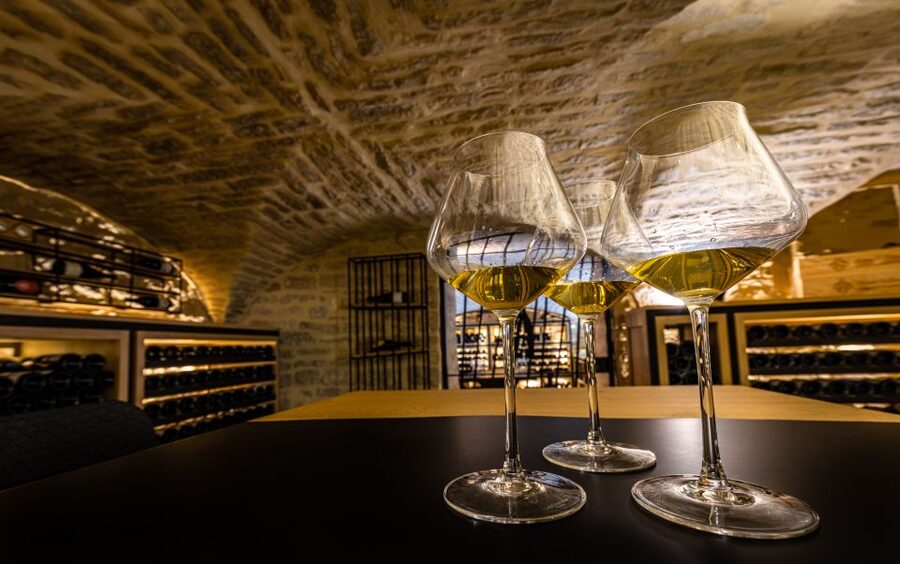
The word climate has a special role in Burgundy wine culture. In this context, it refers to a precisely defined vineyard site and its particular conditions, not simply the weather over a large region. The guide explains how geography, soil, and the history of a growing area help shape the wine’s taste and value.
This is where the tasting becomes more than a pleasant hour with six glasses. You learn to connect the label to the landscape around the vineyard, then connect that place to what you smell and taste. The discussion can include how neighboring plots may produce wines with different qualities, even when they use the same grape variety.
The host also explains vintage. A bottle from one year can taste different from a bottle made in another because growing conditions change. The age of the wine matters, too. The session looks at how wine develops over time and why aging can alter its character.
You do not need a technical background. The strongest presentations are described as informal, with plain explanations and room for questions. Antoine, in particular, has been praised for mixing humor with a strong command of Burgundy wines. Leo has been described as patient and able to place Burgundy in a wider international context. Prune has also been praised for explaining the region in excellent English and offering practical Dijon suggestions.
The guide’s job is to help you notice differences, not to turn the tasting into an exam. If you are new to wine, you can ask basic questions without feeling out of place. If you already work with wine, the discussion can go further into classification and terroir.
A small group changes the whole tasting
The maximum group size is eight. That number is worth paying attention to because wine tastings can become passive when the group is large. Here, the host has a better chance to hear what you are interested in and respond to individual questions.
Some sessions are even smaller. A pair may end up with a nearly private conversation, while a group of five still leaves plenty of room for interaction. That does not mean every departure will feel private, but the eight-person limit keeps the format personal.
The best part of the small-group design is the conversation between pours. You can ask about a bottle, clarify a label, or compare your impressions with someone from another country. The activity has attracted French, English-speaking, and multilingual groups, and one session included English, French, and Spanish conversation.
The tone is not formal classroom instruction. The guides have been praised for inviting questions, explaining without rushing, and keeping the mood light. If you prefer silent tasting with little conversation, this format may feel more social than expected. For most people, that is a benefit, especially in a cellar where the discussion helps bring the wines to life.
Same region, a very different glass:
- Authentic Parisian Gourmet Food Tour with 10 Local Dishes & Wines
★ 5.0 · 4,754 reviews - Loire Valley Castles Day Trip from Paris with Complementary Wine
★ 4.5 · 3,907 reviews - Bordeaux: River Garonne Cruise with Glass of Wine and Canelé
★ 4.5 · 3,630 reviews - Paris: Montmartre Cheese, Wine & Pastry Guided Walking Tour
★ 4.8 · 2,255 reviews
What the 90-minute itinerary feels like
The session begins with an introduction to Burgundy and the cellar. You settle into the underground tasting room, meet the host, and get a basic explanation of the region’s wine culture.
The first wines provide a starting point for comparing styles. You may taste white and red wines from different parts of Burgundy, with the host explaining the grape, appellation, vintage, and place behind each bottle. The point is not simply to decide which one tastes best. You learn what makes each wine different.
As the tasting continues, the guide moves into more specific classifications. You hear how regional, village, premier-level, and Grand Cru labels relate to the origin of the grapes. The exact sequence can change, but the educational arc moves from broad categories to more precise vineyard identity.
The conversation then turns to aging and vintage. You learn why two wines from the same part of Burgundy can vary according to the year and how time in the bottle can affect flavor and texture. The guide may also discuss the surrounding countryside and local wine production, giving you a clearer sense of what you would see if you later visit the vineyards.
At the end, you have tasted six wines and can ask final questions. Extra tastings are not included, so any additional pours would cost more. Bottle purchases are possible, but there is no obligation to buy. Several people chose a bottle after finding a favorite, which is a useful option if you want to take a taste of Burgundy home.
Is $64 a fair price in Dijon?
At $64 per person, the value depends on what you want from a wine experience. If your goal is a full day among vineyards, this does not replace a countryside tour. You are paying for six tastings, a guide, a historic cellar, and a focused lesson in Burgundy wine.
For a short stay in Dijon, the price is easier to justify. You avoid transport time, you do not need to arrange several winery visits, and you get a useful overview in 90 minutes. A Grand Cru tasting alone can be expensive in many settings, although the actual bottle selection here can change.
The small group is another part of the value. A large tasting might offer more wines, but it would not necessarily give you the same chance to ask questions. Here, the educational side is a major part of the experience, not an extra paragraph read from a card.
I would consider this especially good value if you are new to Burgundy and want help choosing bottles during the rest of your trip. It also suits wine drinkers who know the basics but want to understand French appellations better. If you mainly want to drink without instruction, $64 may feel high for six pours.
Who should book this Burgundy tasting?
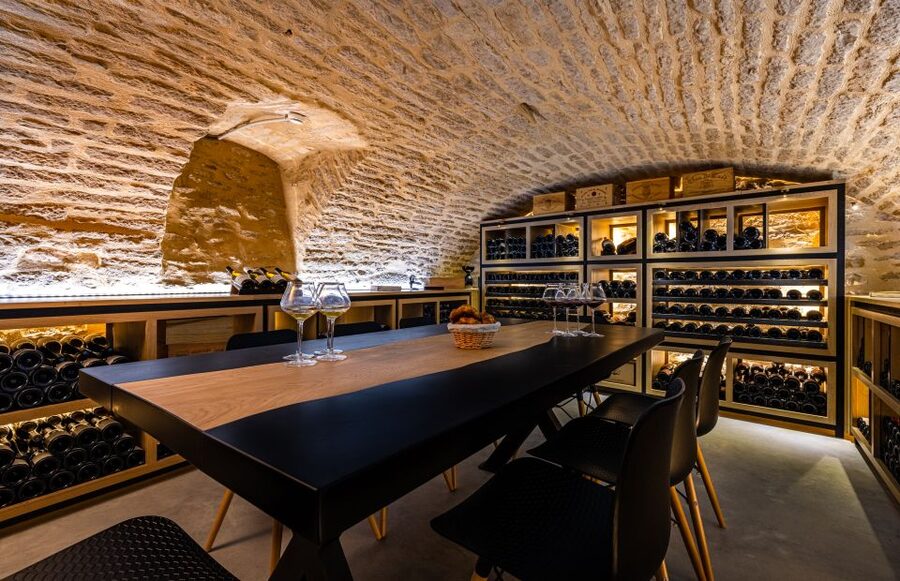
This is a strong choice for couples, solo visitors, and small groups who want an easy Dijon activity with substance. It works well on a first evening because the cellar is central and the discussion can help you plan meals, bottles, or a later vineyard visit.
You will get the most from it if you enjoy asking questions. The guides have experience explaining the region to beginners, but they can also discuss classification, soil, aging, and vintage in more detail when the group wants it.
It is not suitable for children under 18, pregnant women, or anyone who cannot manage the cellar setting. Pets are not allowed. Since the tasting involves alcohol, you should also plan your afternoon or evening around a slow pace rather than trying to fit in too many other activities immediately afterward.
The experience is offered in French and English. Some sessions have also included Spanish, but you should confirm the language arrangement when booking if that matters to you.
Helpful booking details for a Dijon visit
You can cancel up to 24 hours before the activity for a full refund. A reserve-now, pay-later option is also available, which helps if your Dijon schedule depends on train times or changing plans.
Starting times vary, so check availability for your date. The activity lasts 90 minutes, though you should allow a little extra time if you want to ask questions or browse bottles afterward.
Because La Cave du Palais is only about five minutes from Place de la République, it fits neatly between central Dijon sights. You do not need a car, and there is no vineyard transfer to coordinate.
Should you book La Cave du Palais?
Book it if you want Burgundy explained through actual comparisons, not just a glass of wine placed in front of you. The historic cellar, six-wine selection, central location, and eight-person limit make this one of the more efficient ways to get oriented to the region.
I would choose it over a rushed winery outing if your time in Dijon is short. I would skip it only if you need wheelchair access, are under 18, cannot drink alcohol, or specifically want to walk through vineyards and visit producers.
For most wine-curious visitors, $64 buys more than six samples. It gives you a framework for understanding Burgundy labels, a better sense of how place and age affect wine, and a pleasant hour and a half in an unusual Dijon setting.
FAQ
Where does the Burgundy wine tasting take place?
It takes place at La Cave du Palais, inside the Hotel du Palais in central Dijon. The cellar is about a five-minute walk from Place de la République.
How long does the tasting last?
The experience lasts 90 minutes.
How many wines are included?
Six wine tastings are included. The selection can range from regional appellations to Grand Cru, with both red and white Burgundy included in some sessions.
Are extra tastings included?
No. Extra tastings are not included in the listed price.
Is the tasting available in English?
Yes. The host or greeter can speak French or English. Some sessions have also included Spanish conversation, but French and English are the listed languages.
How large is the group?
The group is limited to eight participants. Some sessions may be smaller.
Can children attend?
No. Participants must be over 18, and children under 18 are not suitable for this activity.
Is the experience wheelchair accessible?
No. The activity is listed as unsuitable for wheelchair users.
Can I cancel the booking?
Yes. You can cancel up to 24 hours in advance for a full refund. A reserve-now, pay-later option is also available.
Newly added around France
- Saint Emilion Full Day Wine and Bike Tour★ 5.0 · 167 reviews
- Luxurious full day Bordeaux wine tour in a Tesla★ 4.5 · 31 reviews
- Private Bordeaux History Tour with a glass of Bordeaux wine.★ 5.0 · 28 reviews
- Private – Best of Bordeaux Walking Tour + Glass of Bordeaux Wine★ 5.0 · 240 reviews
- Wine Masterclass & Cheese Tasting Workshop in Bordeaux★ 5.0 · 29 reviews
- Bordeaux wines tasting workshop including Food & Wine pairings★ 5.0 · 31 reviews
- Bordeaux Wine Masterclass: Blending workshop with appetizer★ 5.0 · 113 reviews
- Medoc Afternoon Wine Tour – 2 Wineries, tastings & delicacies★ 4.5 · 74 reviews
Wine Tastings, compared.
Douro Valley w/ Boat Tour, Wine Tasting & Lunch
Read our review →
Complete Douro Valley Wine Tour with Lunch, Wine Tastings and River Cruise
Read our review →
Small-Group Wine Tasting Experience in the Tuscan Countryside
Read our review →
Montserrat & Cogwheel Train, Gourmet Wine Tasting & Tapas/Lunch
Read our review →
Tuscany & Montepulciano Day Trip with Lunch & Wine Tasting
Read our review →Browse the lists this tour appears in